Newsletter #436
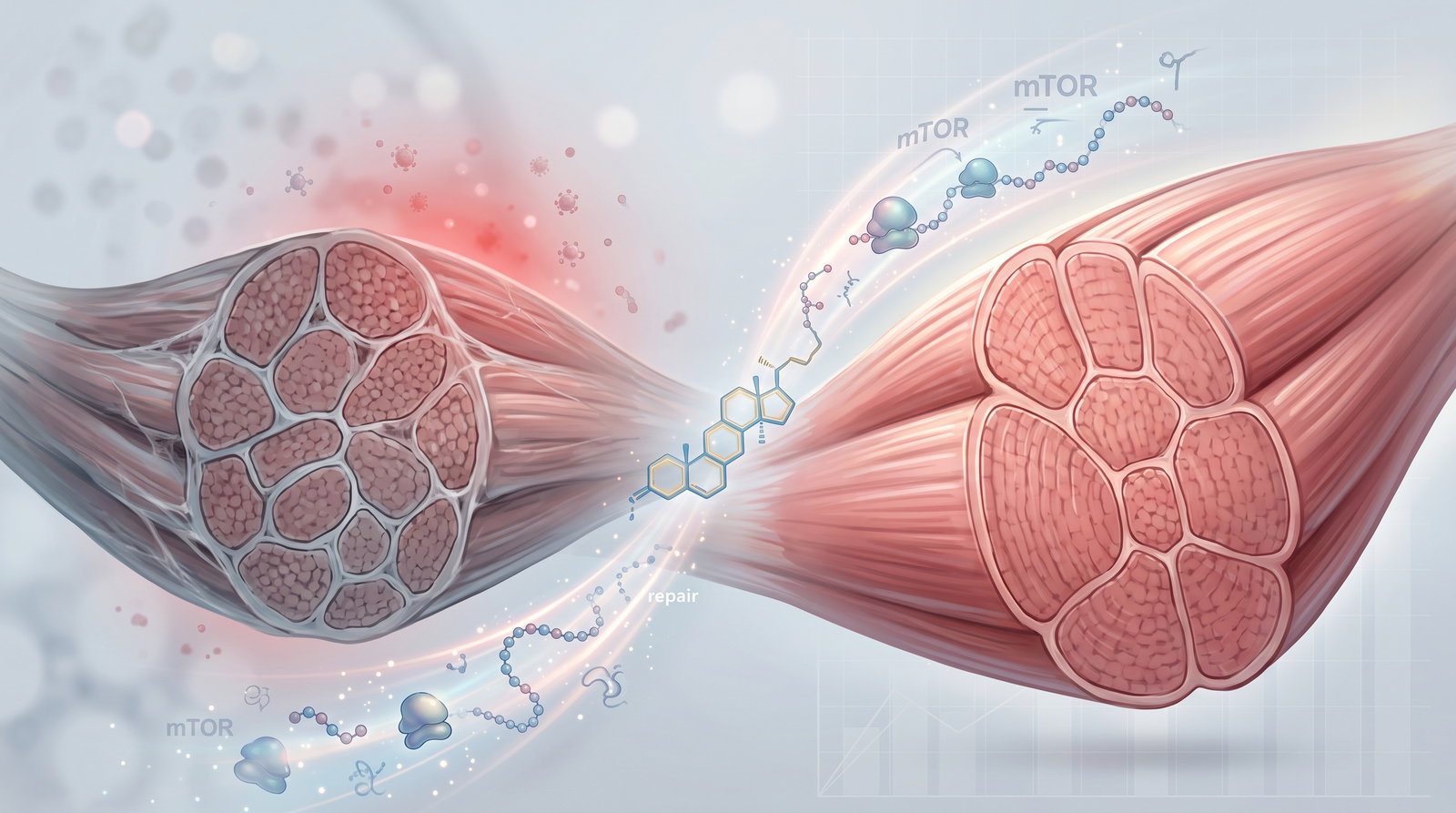
Skeletal muscle is the largest tissue in the human body, but it’s something we start to lose with age. The loss is slow enough to miss year to year and consequential enough to reshape a life once it accumulates, showing up as falls, fractures, lost independence, and higher all-cause mortality. Sarcopenia is now formally recognized as a muscle disease, and there is still no approved drug for it. So a research group in Brazil asked: What happens if you give old mice a bile acid for twenty days?
If these newsletters are a regular part of how you stay informed on health and longevity, consider supporting the work with a Pro membership. $19.99 per quarter, about $1.67 per issue, less than a coffee tip.
Join here: Become a Member
Review Your Learnings: Newsletter Summaries ✨
Tauroursodeoxycholic acid (TUDCA) ameliorates age-related skeletal muscle loss
Why a bile acid, of all things
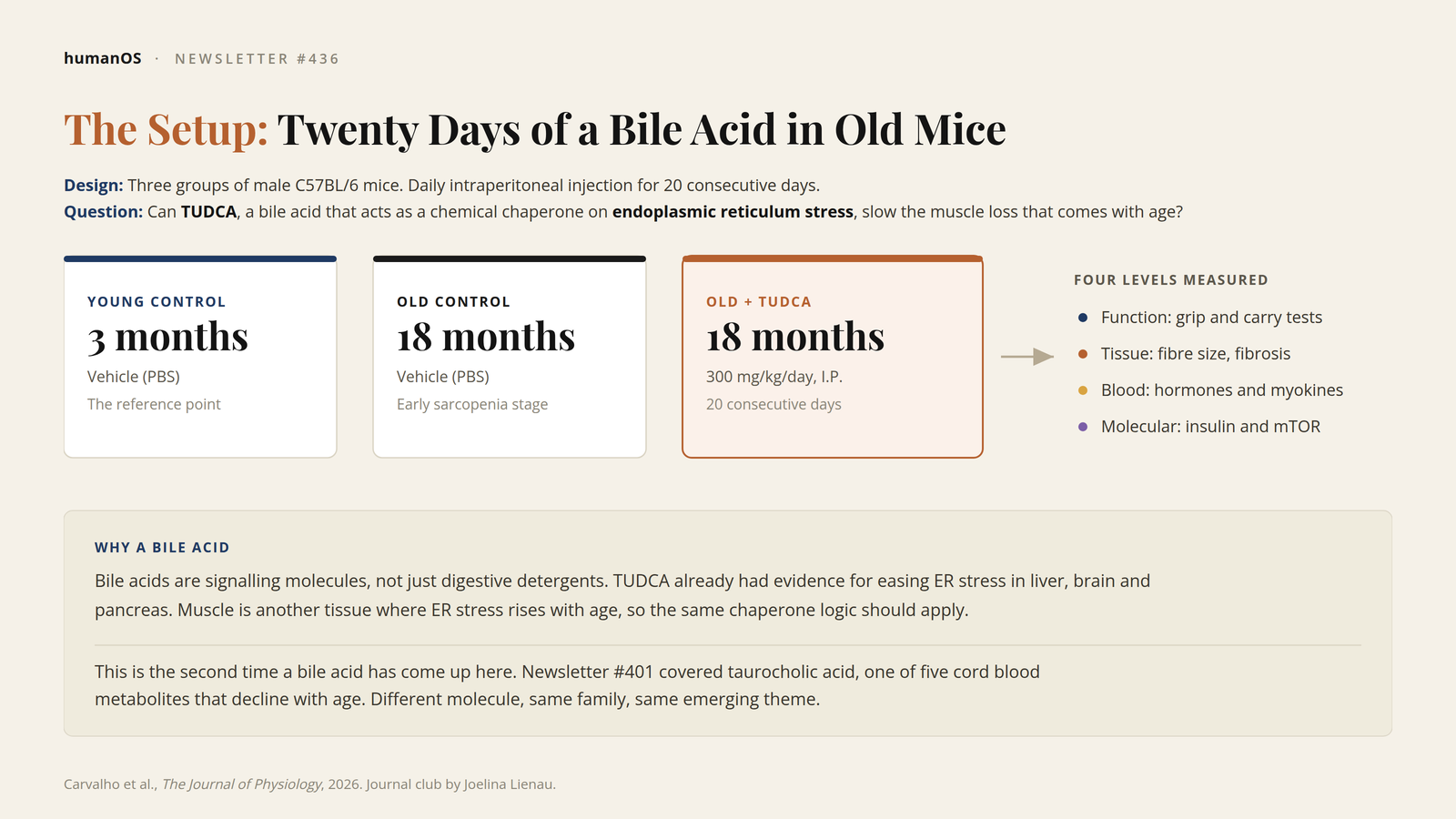
TUDCA is a bile acid, formed when the body attaches the amino acid taurine to ursodeoxycholic acid, one of the bile acids gut bacteria produce from cholesterol-derived precursors. Its interest to researchers has almost nothing to do with digestion. TUDCA acts as a chemical chaperone, which means it helps proteins fold correctly and eases strain on the endoplasmic reticulum, the compartment inside a cell where proteins are assembled. That strain, known as ER stress, rises in many tissues as we age.
The same group had already shown TUDCA improving cognition and metabolic control in aging mice and in Alzheimer's disease models. Across those studies they kept noticing something incidental. Treated animals carried more muscle. That observation is what turned into this experiment.
Regular readers will recognize the family. Newsletter #401 covered cord blood metabolites that decline with age, and one of the five compounds in that formula was taurocholic acid, a different bile acid from the same class. Two issues, two bile acids, one emerging theme.
What twenty days actually did
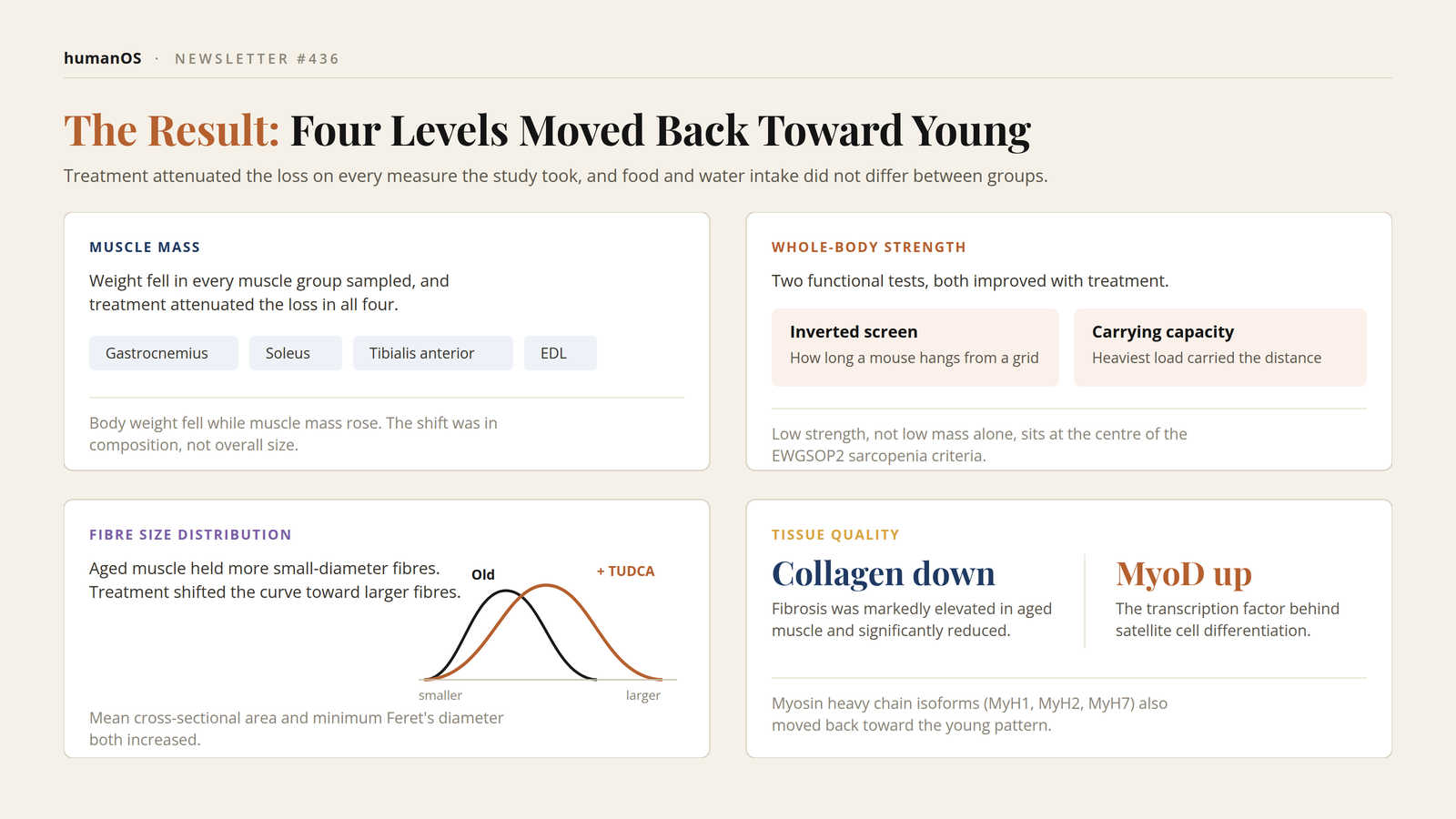
Treated mice held onto muscle in every group the researchers weighed. The design had three arms. Young mice on vehicle as the reference point, old mice on vehicle, and old mice given TUDCA by daily injection for twenty consecutive days.
Old control animals showed the expected picture. Less mass in four separate muscles, worse performance on two functional tests, more small-diameter fibres, and more collagen deposited between them. Treatment attenuated all of it. The distribution of fibre sizes shifted toward larger fibres, and the fibrosis that accumulates in aged muscle came down.
Body weight fell in the treated group while muscle mass rose, so the change was in composition rather than overall size. Food and water intake did not differ between groups, which rules out the simplest alternative explanation.
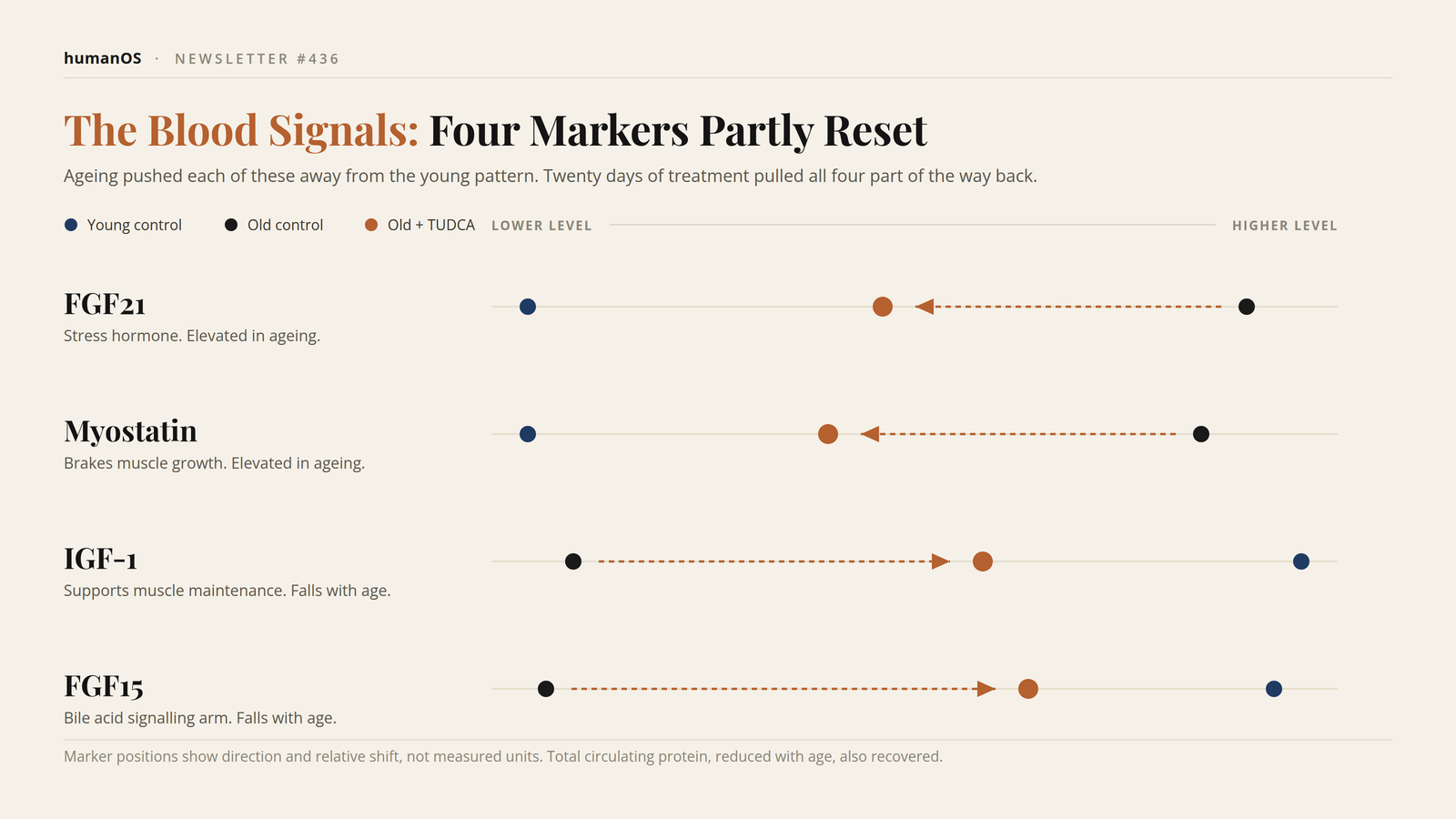
Circulating signals moved too. Four hormones and myokines that drift the wrong way with age, two that suppress muscle and two that support it, all shifted part of the way back toward the young pattern.
The strongest single piece of evidence is easy to skim past. Rather than inferring protein production from signalling proteins, the authors measured protein synthesis directly in living animals. It was higher in treated mice.
Building Is Proven, Breakdown Is Not
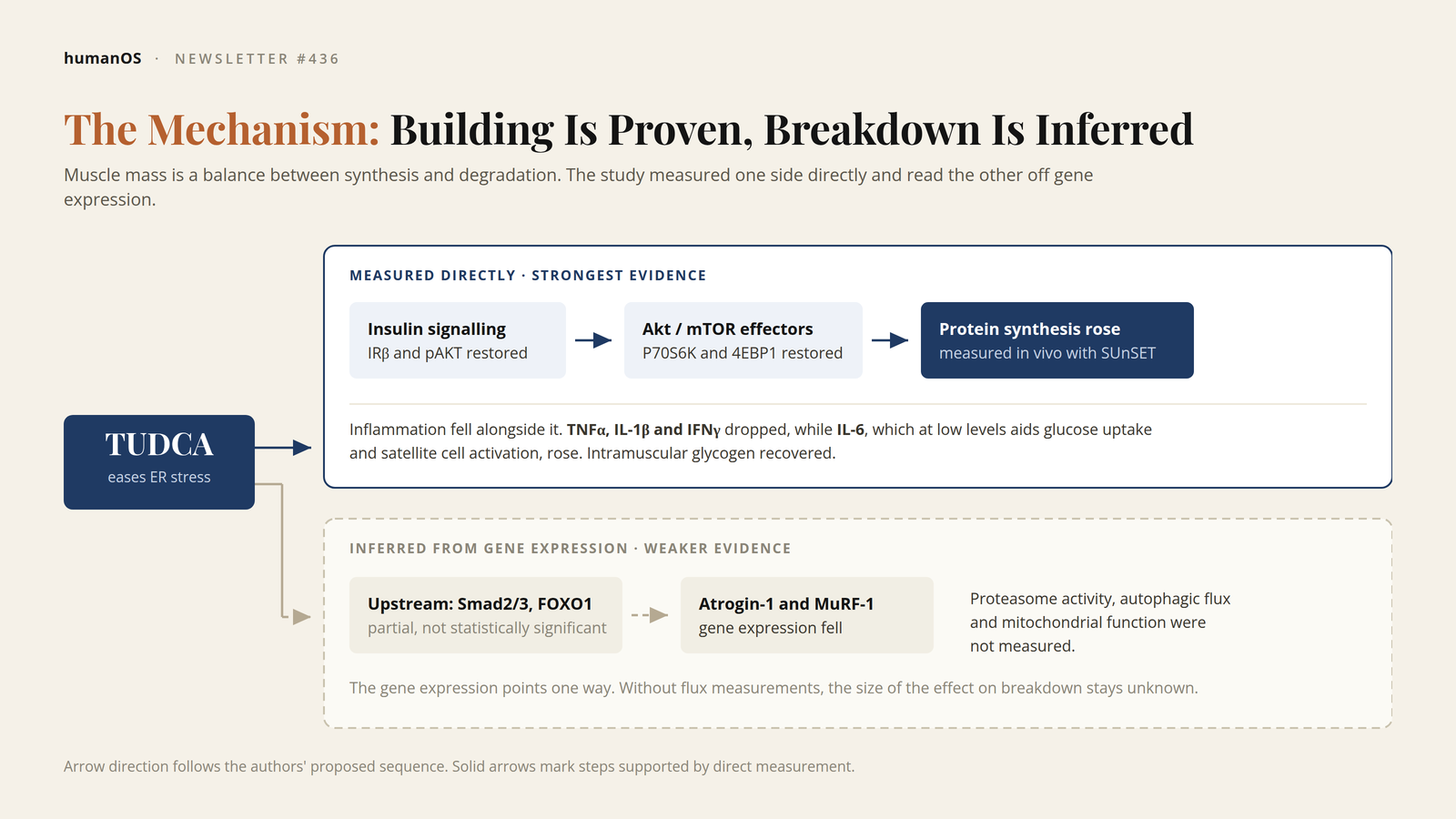
Muscle mass is a balance between two processes. Protein synthesis builds tissue and protein degradation removes it, and a net loss can come from either side. This study nailed down the building side and left the breakdown side open.
On the building side the chain held together. Insulin signalling inside the muscle recovered. The downstream machinery that starts protein production came back online. Synthesis rose when measured directly. Inflammation in the tissue fell at the same time, which matters, because chronic inflammation drives insulin resistance in muscle and insulin resistance accelerates the loss. That is the feed-forward cycle sarcopenia runs on, and treatment appears to interrupt it at more than one point.
On the breakdown side the evidence thins. Genes that mark protein degradation were less active in treated animals, but the upstream signalling proteins moved only partially, and not significantly. The study did not measure proteasome activity, autophagy, or mitochondrial function. The direction looks right. The size of the effect is unknown.
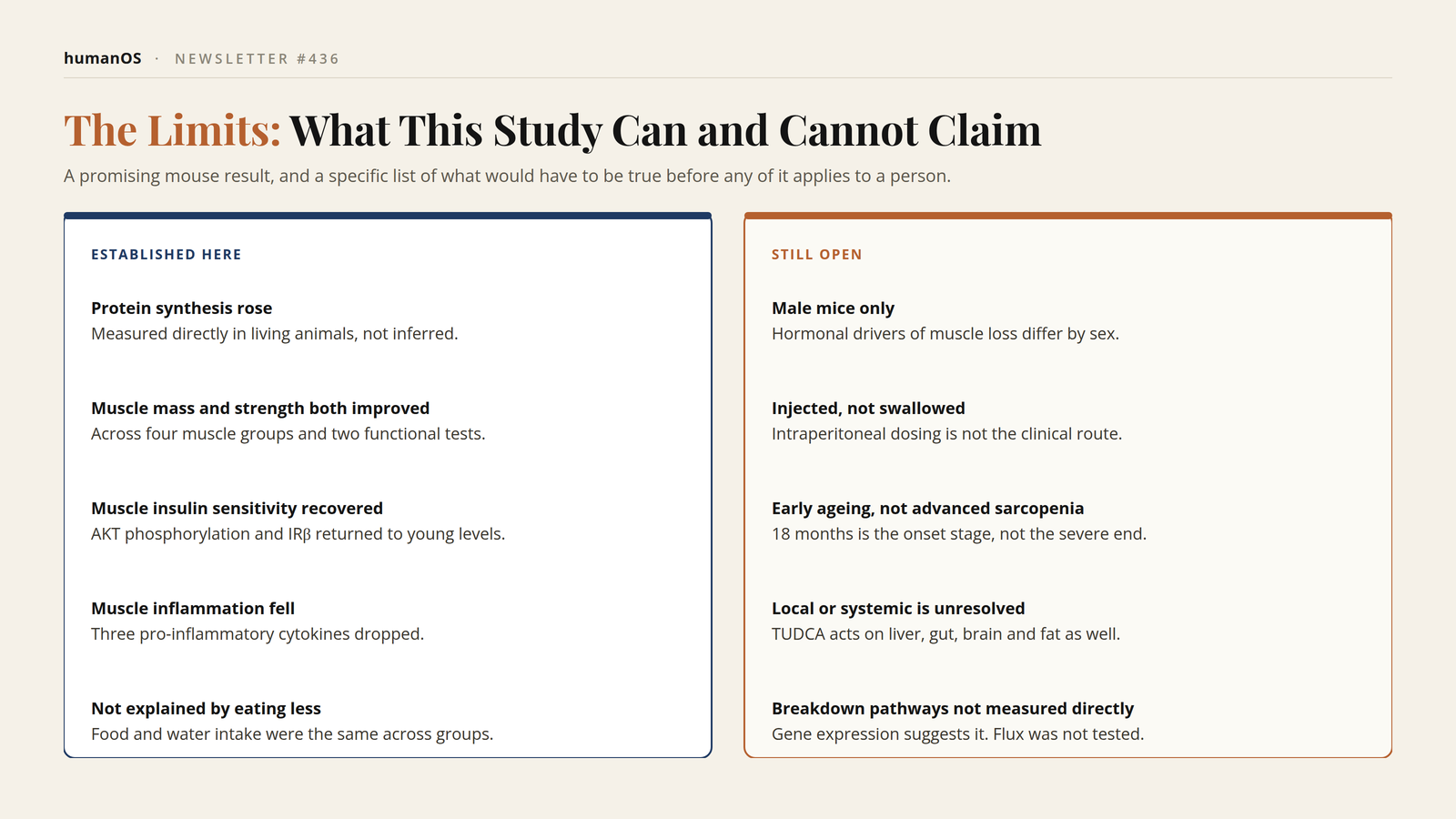
There is also a specific list of things this experiment cannot tell us.
- It used male mice only, and the hormonal drivers of muscle loss differ substantially by sex.
- It used intraperitoneal injection, not an oral dose, so the clinically relevant route is untested.
- It used eighteen-month-old animals, which corresponds to the onset of muscle loss rather than advanced sarcopenia.
- TUDCA acts on liver, gut, brain and fat as well as muscle, so whether the benefit is local or a knock-on effect of better whole-body metabolism is unresolved.
What makes this line of work worth following is the timing. Muscle preservation has become an urgent clinical question for reasons that have nothing to do with aging research. GLP-1 medications produce large weight loss, and a meaningful share of what comes off is lean tissue. A well-characterized compound with a known safety profile that supports muscle protein synthesis would have obvious uses there.
Loading muscle hard and often remains the most reliable and evidence backed intervention for preserving muscle with age. However, with more research, this molecule may prove to support that goal in addition to our gym reps/
What Would That Dose Look Like in a Person?
Roughly 1.5 to 2 grams a day, and the interesting part is that human trials have already landed there.
The mice received 300 mg per kilogram of body weight per day. You cannot simply multiply that by a person's weight. Smaller animals have faster metabolisms, so dose translation scales with body surface area rather than body mass. The standard conversion used by the FDA multiplies the mouse dose by roughly 0.08, which works out to about 24 mg per kilogram in a human.
Body weight | Scaled daily dose |
60 kg (132 lb) | about 1,450 mg |
70 kg (154 lb) | about 1,700 mg |
80 kg (176 lb) | about 1,950 mg |
90 kg (198 lb) | about 2,200 mg |
100 kg (220 lb) | about 2,450 mg |
For context, a 2010 randomized trial gave obese adults 1,750 mg of TUDCA per day for four weeks and found muscle insulin sensitivity improved by about 30 percent, alongside increased insulin signalling in muscle biopsies. That is the same mechanistic step the mouse study describes. Separately, an ALS human trial ran 1 gram twice daily by mouth for 54 weeks, which tells us something about tolerability over a long stretch.
So the arithmetic and the existing human literature point at the same neighbourhood.
This is a modelling exercise for context, not a protocol. Bile acids affect liver function, gut transit, and the absorption of other drugs, so this is a conversation to have with a clinician who knows your situation rather than a number to copy.
Common Questions
Is TUDCA the same as taurocholic acid?
No. Both are bile acids conjugated with taurine, but they come from different precursors and act on different receptors. Taurocholic acid comes from cholic acid. TUDCA comes from ursodeoxycholic acid.
Does this mean TUDCA supplements build muscle in people?
No human trial has measured muscle mass on TUDCA. A randomized trial did find that 1,750 mg per day for four weeks improved muscle insulin sensitivity in obese adults, which is one of the mechanisms the mouse study describes, but improved insulin sensitivity is not the same thing as added muscle.
What is sarcopenia, exactly?
Sarcopenia is a progressive, generalized skeletal muscle disorder defined by low muscle strength, confirmed by low muscle quantity or quality. When low physical performance is also present, it is classified as severe.
Why does muscle loss matter beyond mobility?
Skeletal muscle makes up roughly 40 to 50 percent of body mass and is a major site of glucose disposal. Losing it raises the risk of falls and fractures and also worsens metabolic health.
Is there an approved drug for sarcopenia?
Not currently. Resistance training and adequate protein intake remain the interventions with the strongest evidence.
Summary: Carvalho and colleagues treated 18-month-old male C57BL/6 mice with TUDCA at 300 mg/kg/day by intraperitoneal injection for 20 consecutive days, using 3-month-old mice on vehicle as a young control. Treated animals lost body weight while gaining skeletal muscle mass, with attenuated losses in gastrocnemius, soleus, tibialis anterior and extensor digitorum longus. Function improved on both the inverted screen test and maximum voluntary carrying capacity. Mean fibre cross-sectional area and minimum Feret's diameter increased, collagen deposition fell, and MyoD expression rose. Plasma FGF21 and myostatin, elevated with age, and IGF-1 and FGF15, reduced with age, all partially normalized. In muscle, TUDCA suppressed TNFα, IL-1β and IFNγ, raised IL-6, and restored pAKT and insulin receptor beta. Phosphorylation of P70S6K and 4EBP1 returned to young levels, and puromycin incorporation measured by SUnSET confirmed higher protein synthesis in vivo. Atrogin-1 and MuRF-1 expression fell, though Smad2/3 and FOXO1 changes were not significant.
Random Trivia & Weird News
Bears Do Not Lose Muscle Hibernating
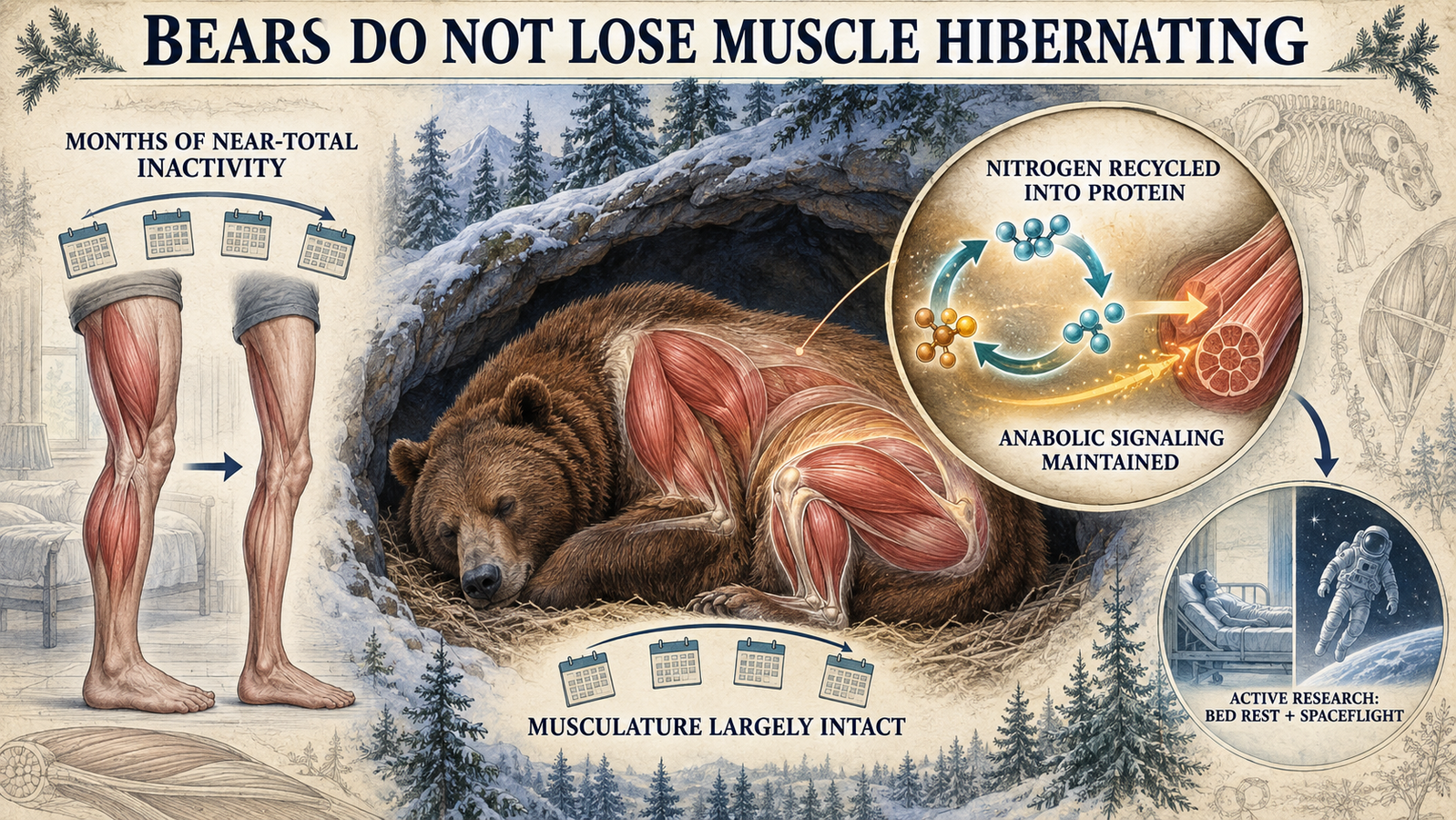
A person confined to bed for four months would lose a substantial fraction of their leg muscle. A hibernating bear spends roughly that long immobile, without eating, drinking, or urinating, and emerges with its musculature largely intact. Researchers have found that bears recycle nitrogen from urea back into protein synthesis and maintain anabolic signalling despite near-total inactivity. Working out how they do it is an active field, and the answers may eventually matter for anyone facing prolonged bed rest or spaceflight.
Bear Bile Became a Real Drug
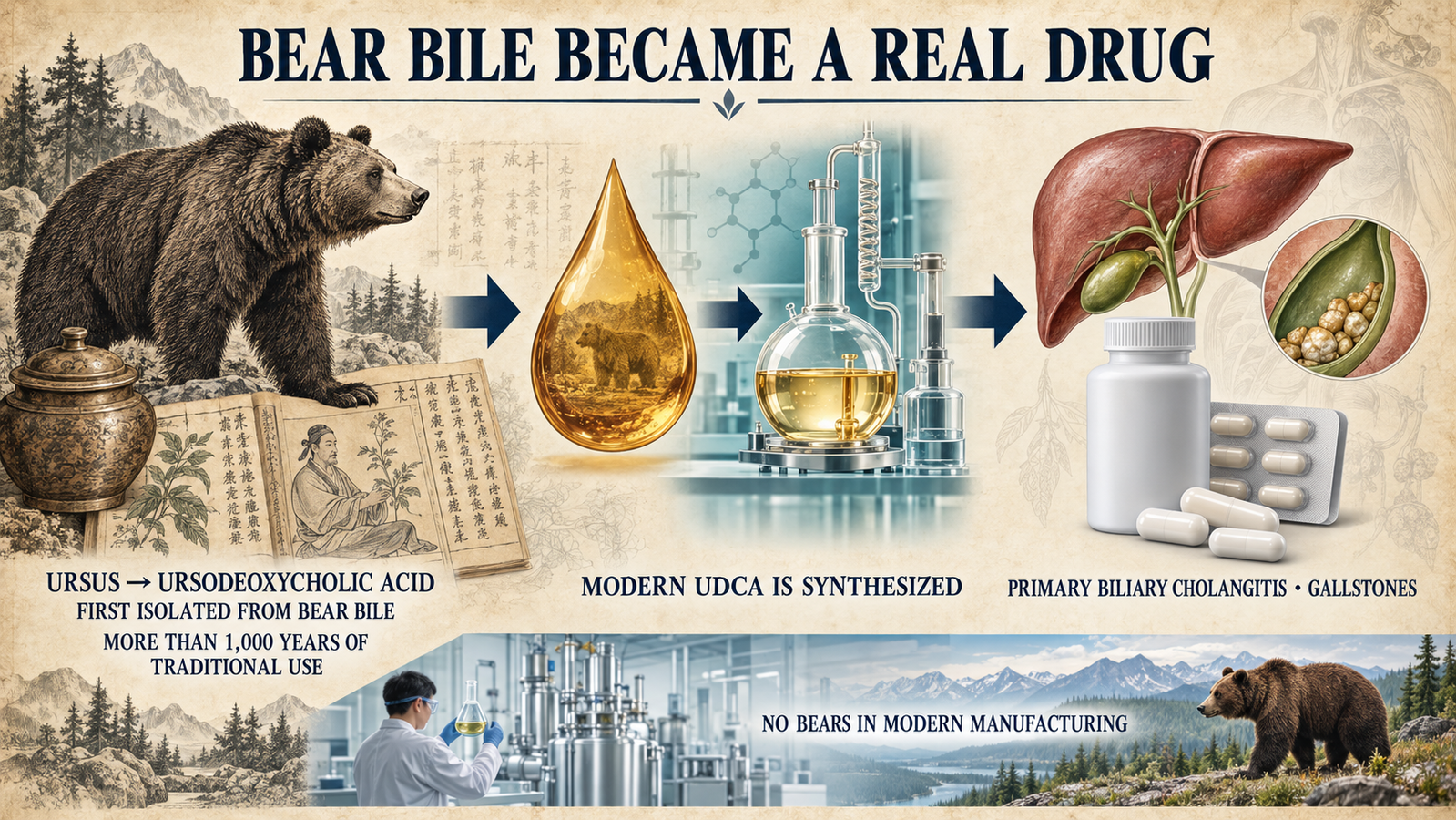
Ursodeoxycholic acid, the molecule TUDCA is built from, takes its name from the bear genus Ursus. It was first isolated from bear bile, which had been used in traditional Chinese medicine for more than a thousand years. Unlike most folk remedies, this one held up. Synthesized versions are now licensed treatments for primary biliary cholangitis and for dissolving gallstones. The naming stuck even though no bears are involved in modern manufacturing.
Products We Love
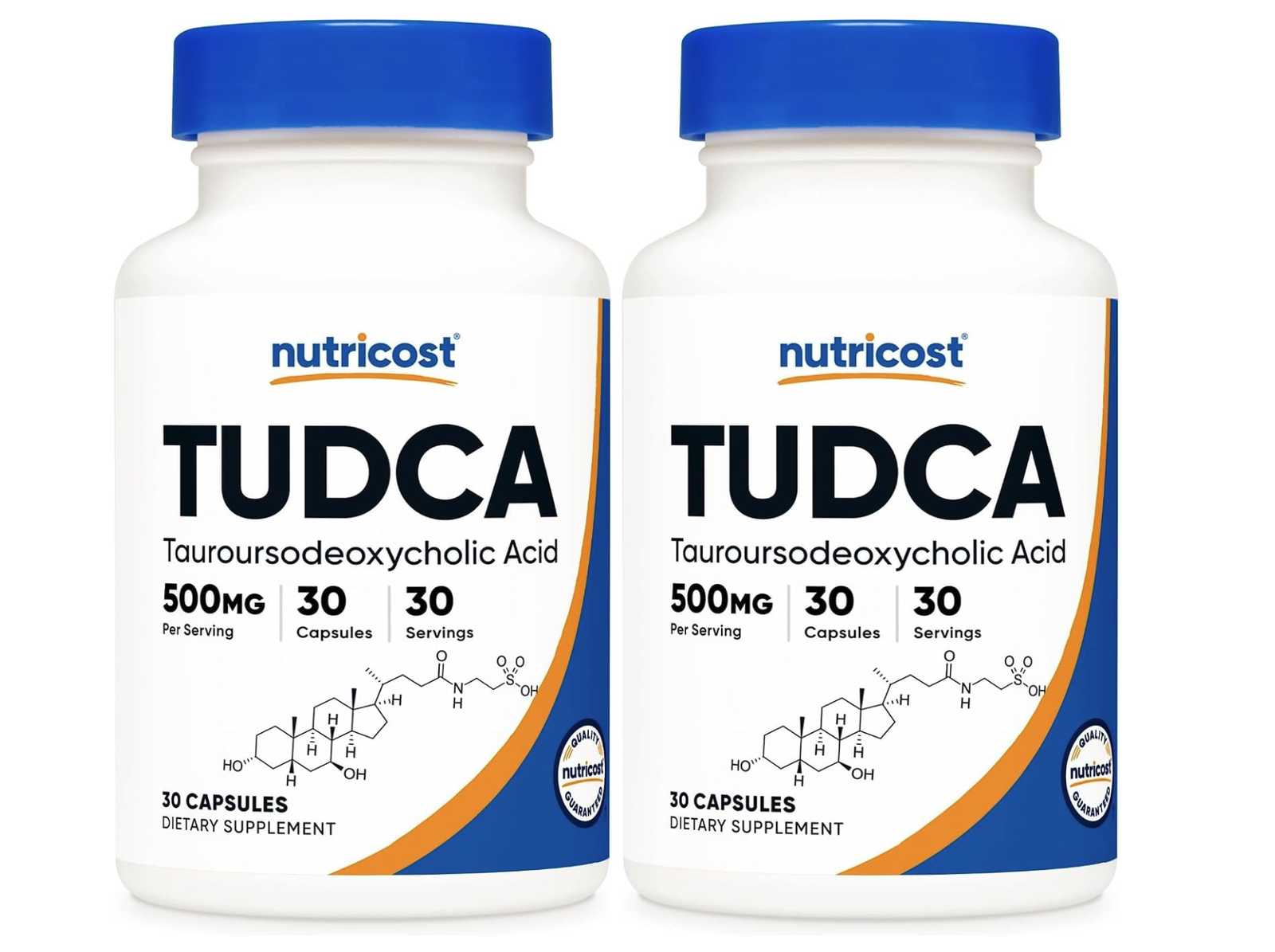
Nutricost TUDCA
TUDCA is the taurine-conjugated form of ursodeoxycholic acid, the bile acid at the center of this week's study. It is sold as a single-ingredient supplement, usually in 250 mg or 500 mg capsules, and Nutricost is one of the more widely available versions. The parent molecule, ursodeoxycholic acid, has been a licensed prescription drug for decades, used for primary biliary cholangitis and for dissolving gallstones. That is where the human clinical record sits. The muscle findings above came from mice given injected doses, not from people taking capsules.
humanOS Catalog Feature of the Week

Keith Baar Podcast: Muscle Mass, Strength & Healthy Aging
What if the thing you lose fastest is not the thing you have been measuring? Most people track weight. Almost nobody tracks the tissue that determines whether they can get off the floor at eighty. In this conversation, UC Davis exercise physiologist Dr. Keith Baar walks through what actually happens to muscle across the decades, why strength declines faster than mass does, and what that gap means for frailty and independence. He gets specific about how to program resistance training so it drives adaptation rather than just fatigue, and about the roles of load, tempo, and protein timing. If this week's molecular story left you wanting the behavioral version, this is it.
Enjoying these? A Pro membership keeps the newsletter going and unlocks the full humanOS library of courses, guides and protocols. $19.99 per quarter.
Join here: Become a Member
Wishing you the best,