
Newsletter #401
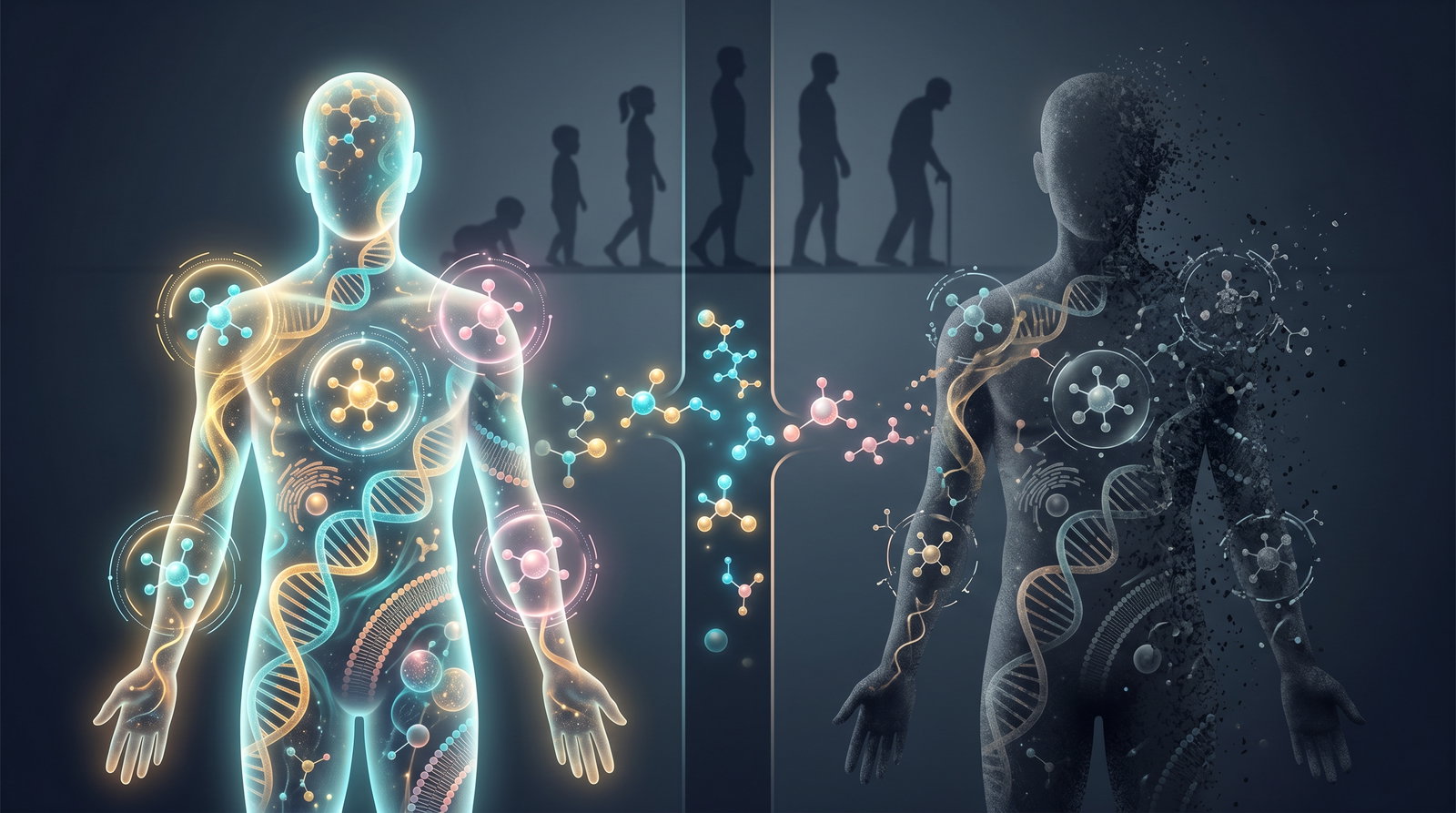
For decades, scientists have been intrigued by a strange biological pattern: young blood seems to make old bodies function better. From mouse experiments to early human studies, something in early life biology appears to protect tissues from aging. But what, exactly, is doing the work? A new study published in Aging Cell takes a decisive step toward answering that question—by identifying specific, naturally occurring metabolites in human umbilical cord blood that fade with age, and testing whether restoring them can slow biological aging itself.
If these newsletters are a regular part of how you stay informed on health and longevity, consider supporting the work with a Pro membership. $19.99 per quarter — about $1.67 per issue, less than a coffee tip.
Join here: Become a Member
New Feature: Newsletter Summaries ✨
Human Umbilical Cord Plasma Metabolomics Uncover Potential Metabolites for Combating Aging
Aging is often described as damage accumulating over time—but just as important is what we lose along the way. Molecules that once supported repair, resilience, and metabolic balance quietly decline, leaving cells more vulnerable to stress. This new study by Liu and colleagues reframes aging not only as wear and tear, but as a gradual depletion of protective chemistry that is abundant at the very beginning of life.
The researchers focused on human umbilical cord blood plasma, a biological snapshot of peak developmental resilience. Umbilical cord blood has long been used in medicine for its stem cells, but its small molecules—called metabolites—have been largely overlooked. These compounds do more than provide energy; they act as signals that regulate inflammation, oxidative stress, DNA repair, and cellular survival. The question was simple but powerful: which of these molecules are present early in life, disappear with age, and might actually matter for aging?
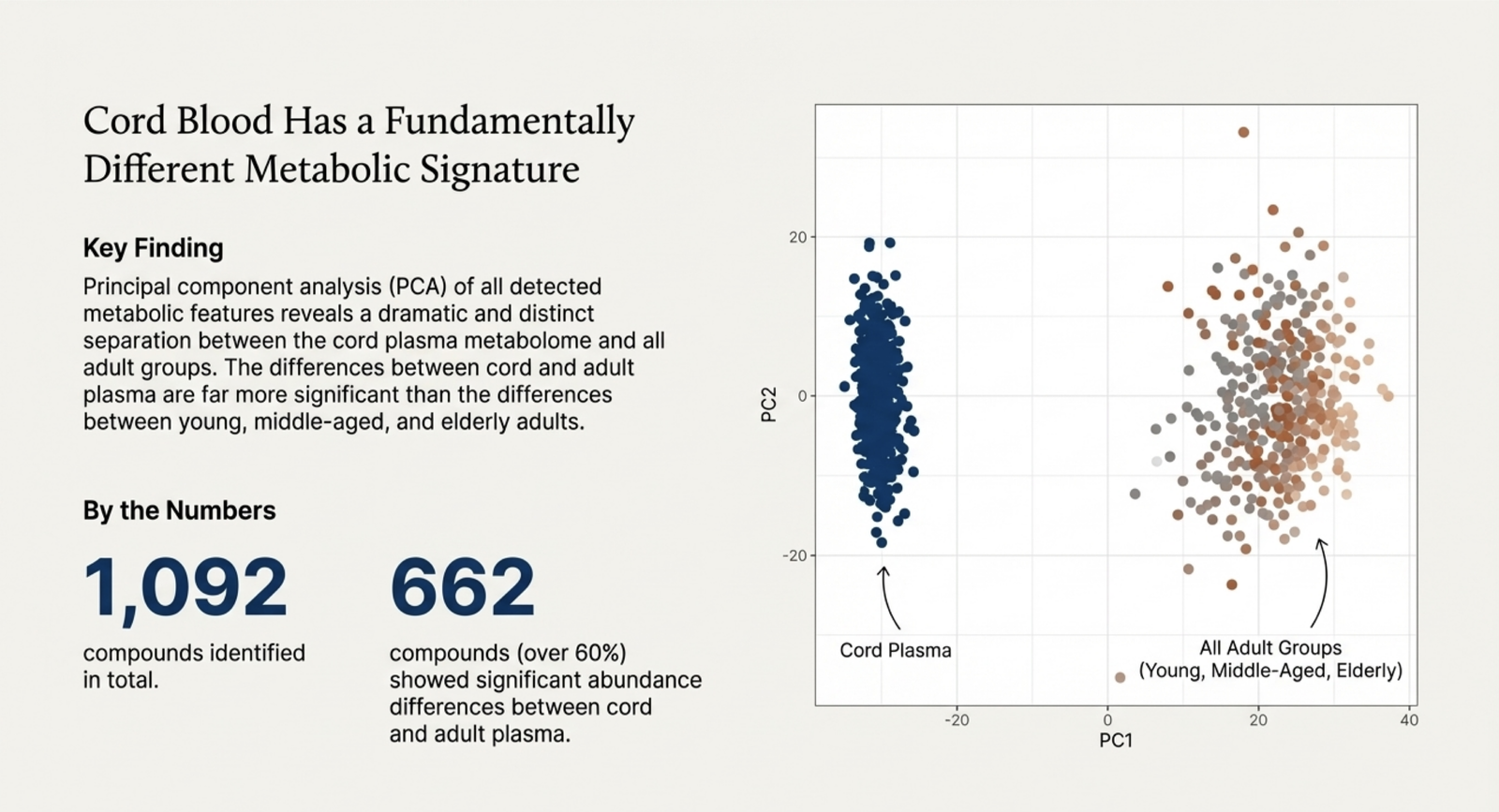
To answer it, the team conducted one of the most comprehensive metabolomic comparisons to date, analyzing plasma from 330 carefully screened individuals across the human lifespan—from newborns to adults in their eighties. Using high-resolution mass spectrometry, they identified over 1,000 metabolites and mapped how their levels shifted with age. The results revealed a striking pattern: more than 60% of these compounds differed significantly between cord blood and adult plasma, forming a clear metabolic trajectory from youth to old age.
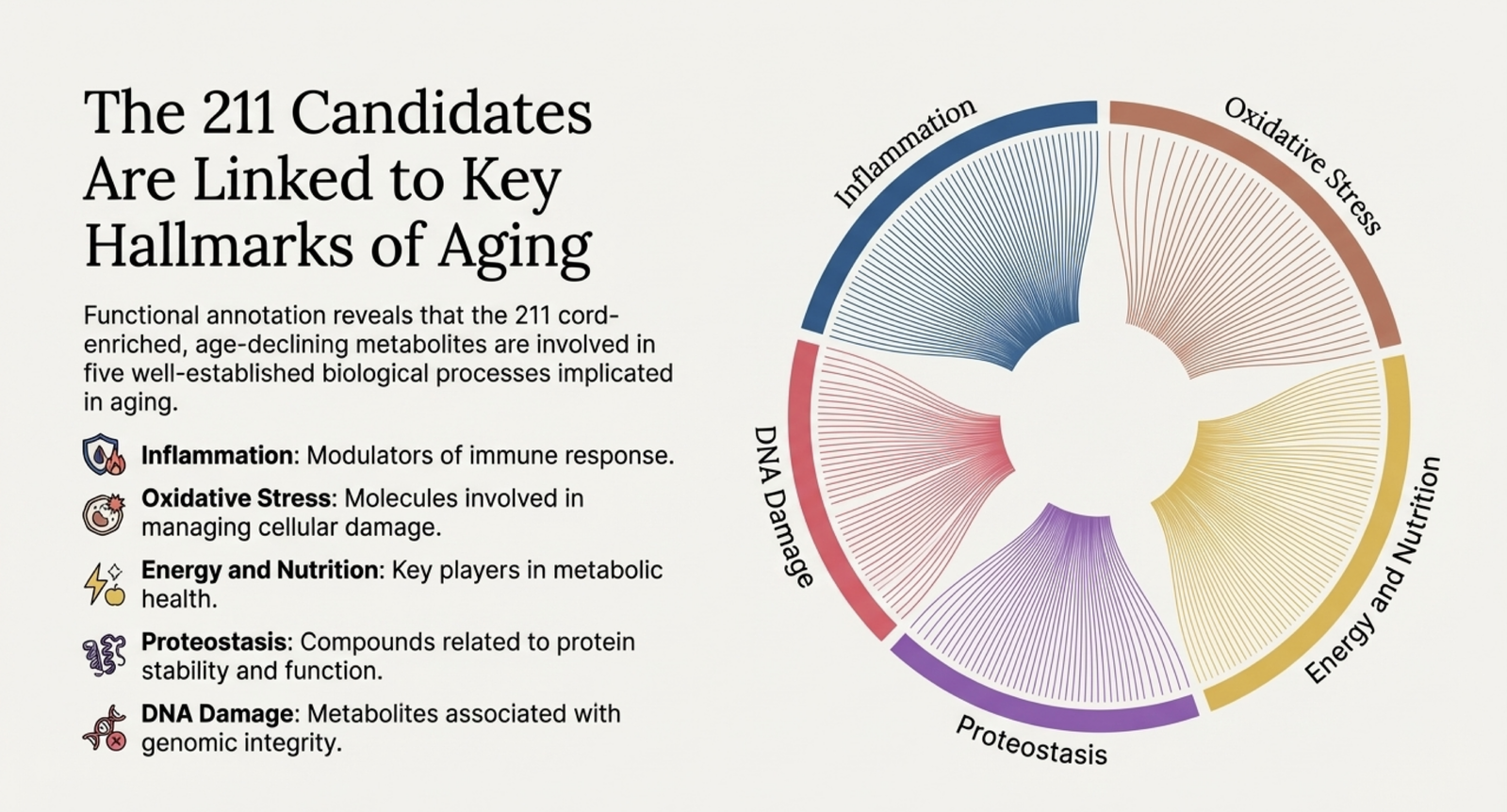
From this massive dataset, the researchers narrowed their focus to 211 metabolites that met two criteria: they were highly enriched in cord blood and declined steadily with age. These weren’t random molecules. Many were tied to biological systems that are central to aging—controlling inflammation, buffering oxidative stress, supporting energy production, and maintaining protein and DNA integrity.
Among the most prominent were carnosine, inosine, and taurocholic acid (TUDCA). Individually, these compounds have been studied for their antioxidant, metabolic, or protective effects. What made this work different was the realization that they naturally coexist at high levels early in life—and that their collective loss may matter more than any single molecule disappearing on its own.
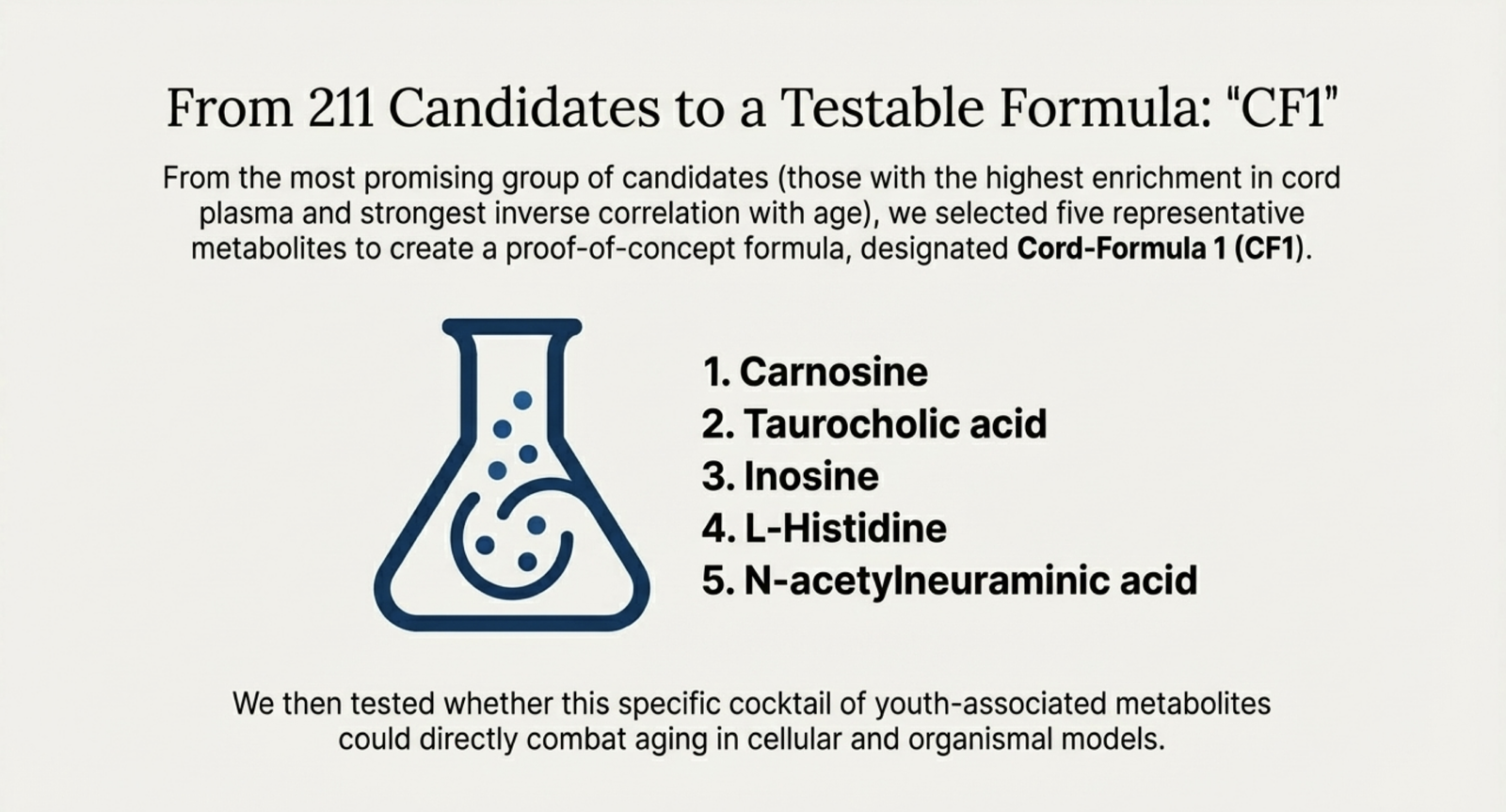
To test whether restoring these metabolites could actually influence aging, the team created a five-compound blend called Cord Formula 1 (CF1). They first applied it to human lung fibroblast cells driven into senescence through DNA damage or oxidative stress. Senescent cells are metabolically active but dysfunctional; they stop dividing and release inflammatory signals that accelerate tissue aging.
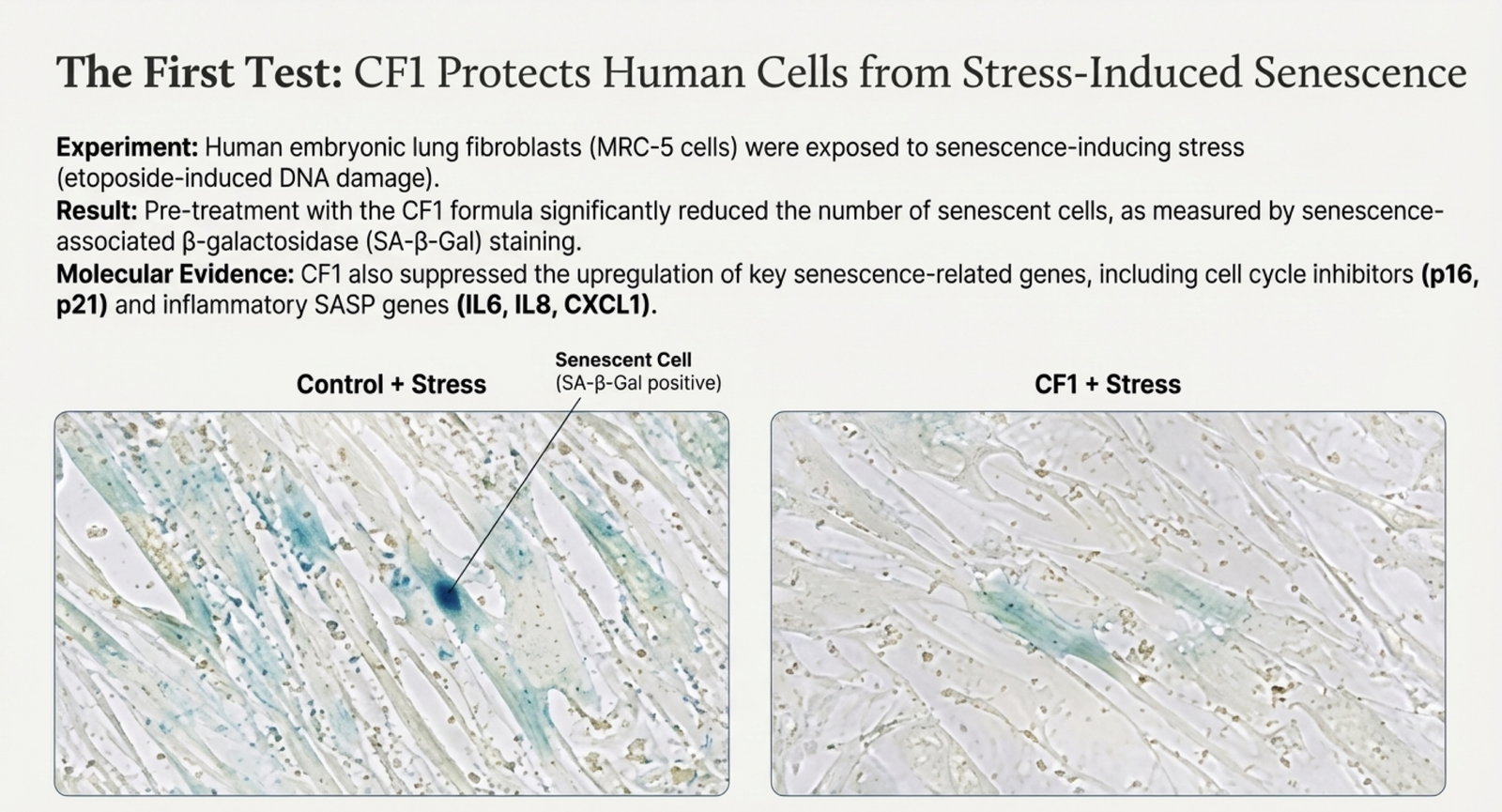
Cells treated with CF1 showed a clear reversal of this process. Classic markers of cellular aging dropped sharply. Genes that enforce growth arrest and inflammatory signaling quieted down. In short, the cells behaved less like worn-out machinery and more like systems capable of recovery.
But cell culture results only go so far. To test whether these effects translated to a living organism, the researchers turned to C. elegans, a tiny worm widely used in aging research because its lifespan is short and well-mapped. Worms treated with CF1 lived significantly longer than untreated controls.
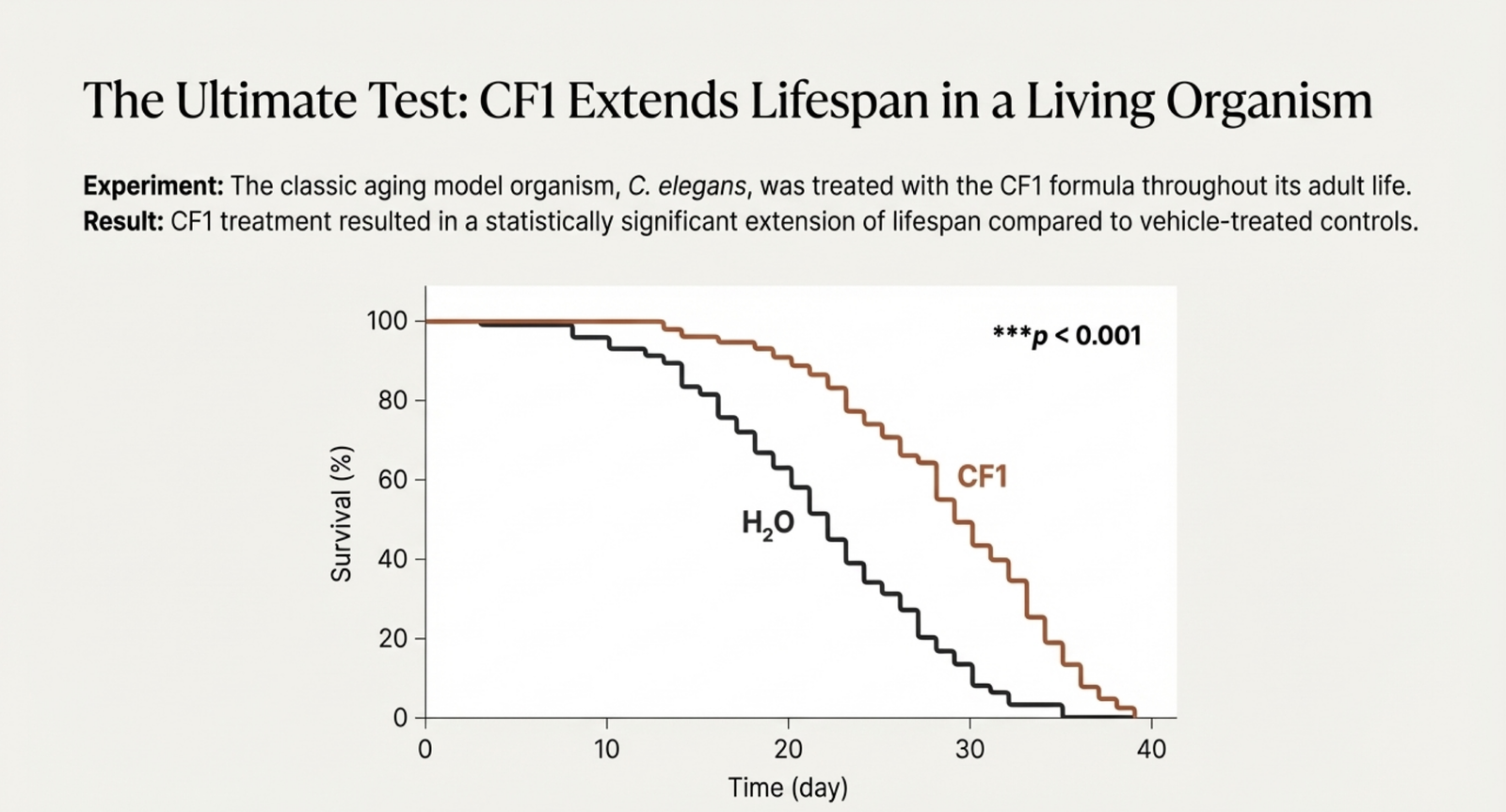
More importantly, they stayed healthier as they aged—moving better, accumulating less cellular waste, and maintaining stronger stress resistance.
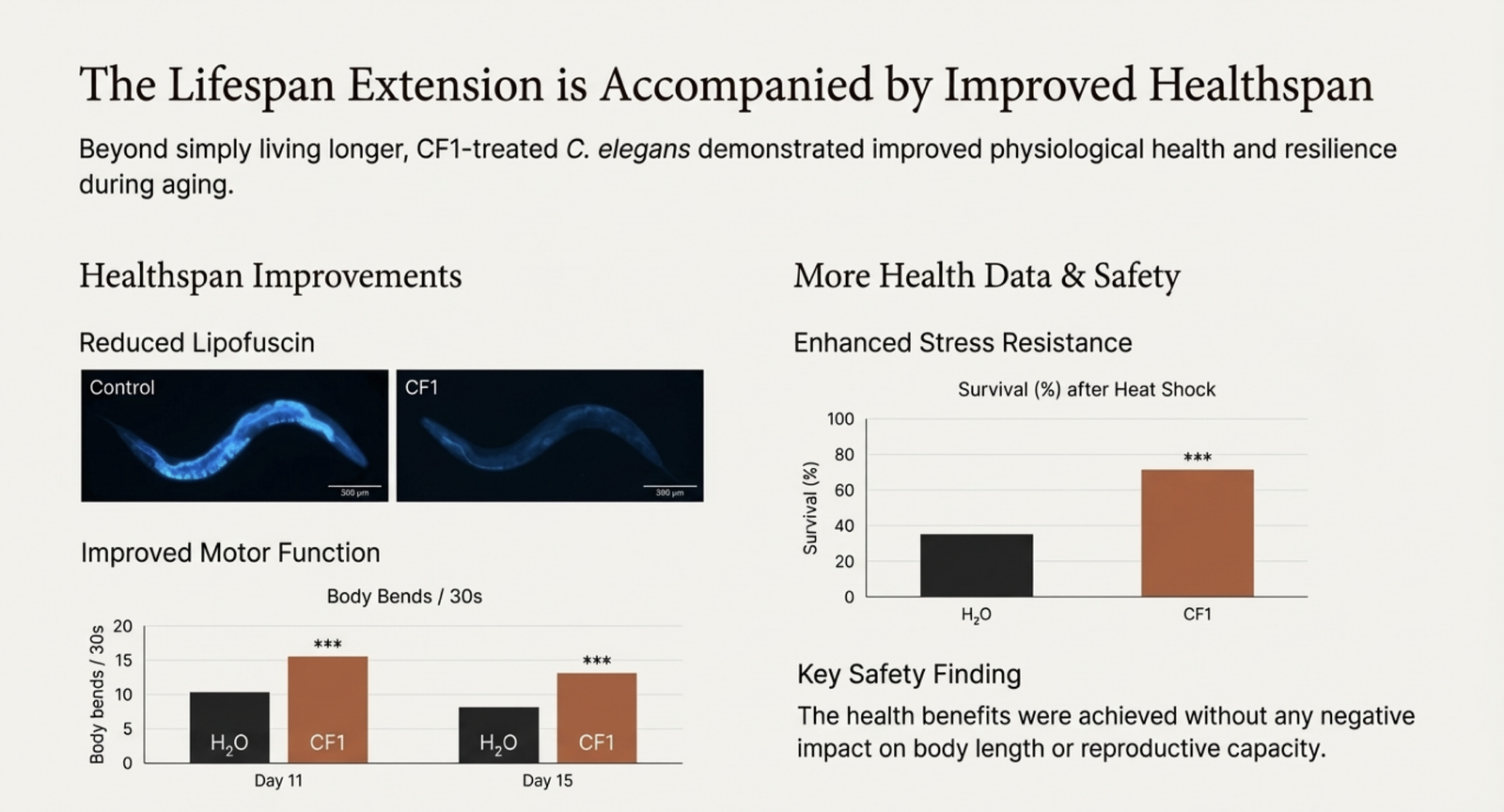
Notably, this longevity boost came without trade-offs. The worms did not grow abnormally, lose fertility, or show signs of toxicity. Instead, they appeared more resilient to heat stress and oxidative damage, suggesting that the metabolite blend enhanced the body’s ability to cope with everyday biological strain.
The authors also explored why these metabolites are so abundant early in life. By analyzing gene expression data, they found that newborn blood cells actively produce higher levels of the enzymes needed to synthesize these compounds. In other words, youth isn’t just passively rich in protective metabolites—it is biologically programmed to make them.
Taken together, the findings support a compelling idea: aging may be driven in part by the loss of endogenous metabolites that once stabilized our biology. Rather than introducing foreign drugs or transfusing complex blood products, this approach points toward restoring naturally occurring molecules the body already knows how to use.
This doesn’t mean cord blood itself is a therapy, nor that supplements will magically recreate youth. But it does suggest a new strategy for aging research—one focused on metabolic restoration rather than blunt intervention. By identifying what fades with age and testing how replenishment affects resilience, studies like this move longevity science closer to practical, biologically aligned solutions.
Random Trivia & Weird News

The Oldest Known Living Thing Is 80,000 Years Old
A clonal grove of quaking aspens in Utah, known as “Pando,” is considered one of the oldest living organisms on Earth. While individual trees die, the root system persists—highlighting how longevity can depend on constant renewal rather than permanence.
Podcasts We Loved This Week
- Dr. Rhonda Patrick: Essentials: Micronutrients for Health & Longevity via Huberman Lab
- James Clear: Best Ways to Build Better Habits & Break Bad Ones via Huberman Lab
Products We Are Enjoying
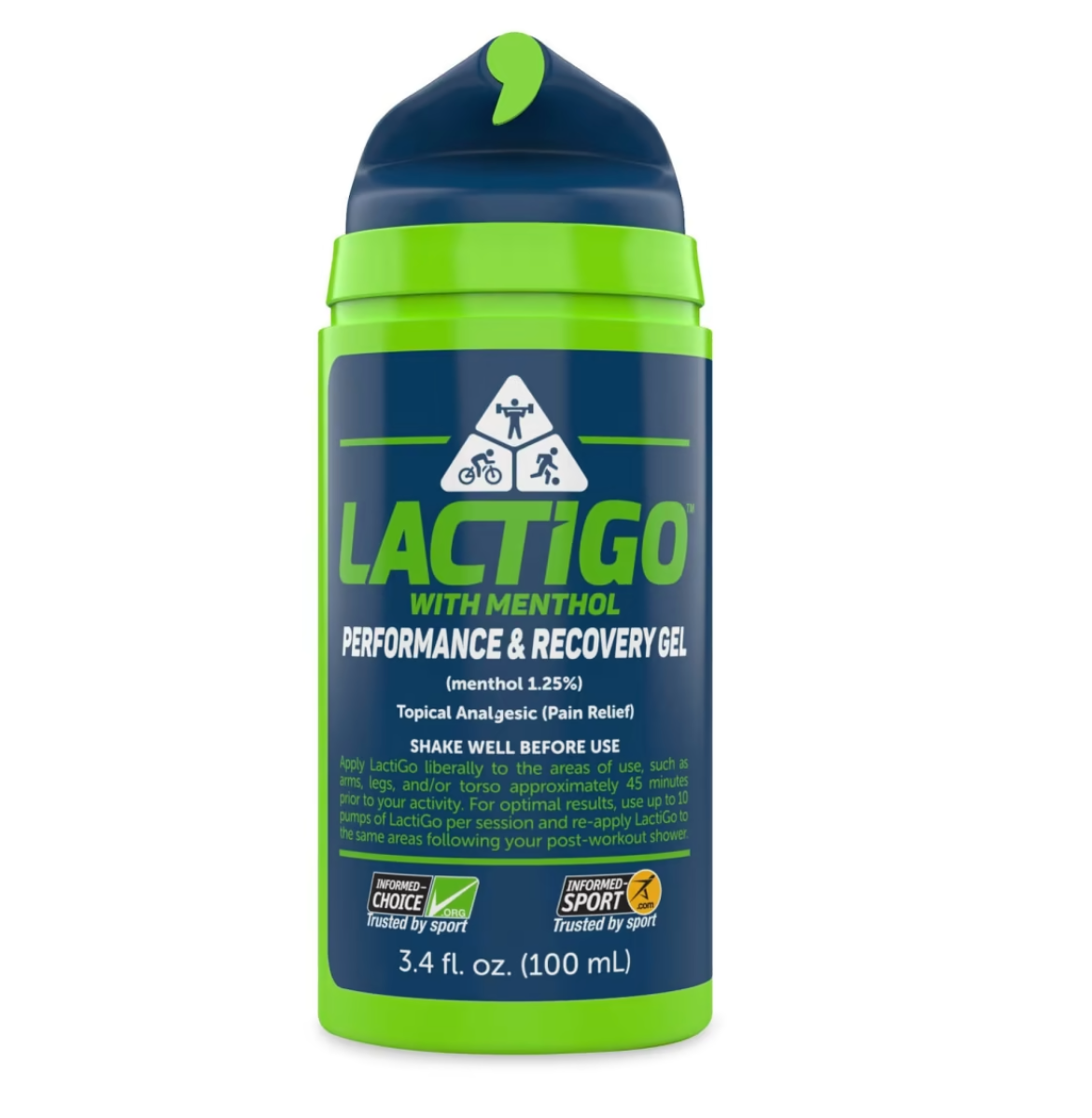
LactiGo
When you exercise hard, lactic acid is generated, which is subsequently broken down into lactate and hydrogen ions. This causes cellular pH to drop, producing the well-known burning sensation and making it hard to maintain force production.
This is where LactiGo can help. LactiGo is a fast acting gel containing carnosine. Carnosine has long been known to act as a pH buffer, and higher levels of carnosine in muscle can help prevent accumulation of hydrogen ions during high-intensity exercise. This increases the power you can produce during a workout, and potentially aiding recovery, while still enabling you to reap the benefits of lactate-generating activity. Pretty cool!
On that note, take a look at our interview below with Brad Dieter, LactiGo’s lead scientist.
humanOS Catalog Feature of the Week

Can Topical Carnosine Boost Athletic Performance? Meet LactiGo
Training works by pushing the body into discomfort and forcing it to adapt—but that process is slow, demanding, and often limited by fatigue. For years, athletes have looked to supplements to help extend high-intensity performance, with mixed success and plenty of tradeoffs. One compound in particular has attracted attention for its role inside muscle cells, yet using it effectively has required patience, careful dosing, and tolerance for side effects.
Recently, a different approach has emerged from an unexpected place: elite equestrian sports, where marginal gains can mean everything. A new delivery technology has shown striking effects in animals, raising a provocative question about whether the same biology could be leveraged in humans—quickly, and without the usual hassle.
In this episode, we explore the science behind muscle fatigue, adaptation, and a novel idea that could reshape how athletes think about performance support.
You’ll also been keen to notice that carnosine, as delivered by Lactigo, is one of the molecules mentioned in the cord blood youth restoration formulation above 👀
Wishing you the best,

—