Newsletter #430
Omega-3 supplements sit in tens of millions of medicine cabinets, often taken on the belief that they protect the aging brain. Observational studies and animal work look encouraging, yet most randomized trials show little cognitive benefit, sometimes none. A new analysis pushed the timeframe of the analysis longer than usual to years rather than months. So, over that longer window, does taking omega-3 actually change the path of cognitive decline, and if it does, which system in the brain carries the effect?
Become a humanOS Member and turn what you read here into what you actually do. Members get the courses, protocols, and habit tools built to make healthy behavior automatic, so good weeks stop depending on willpower. Join humanOS
Review Your Learnings: Newsletter Summaries ✨
The association between omega-3 supplementation and cognitive decline in older adults
Five years of data - fish oil and the brain
Researchers drew on the Alzheimer's Disease Neuroimaging Initiative, a long-running cohort that tracks older adults with repeated brain scans and cognitive tests. They compared people who reported starting an omega-3 supplement, mostly fish oil, with closely matched people who did not. The two groups were balanced on age, sex, genetic risk, and diagnosis, and neither group showed any sign of faster decline before supplementation began.
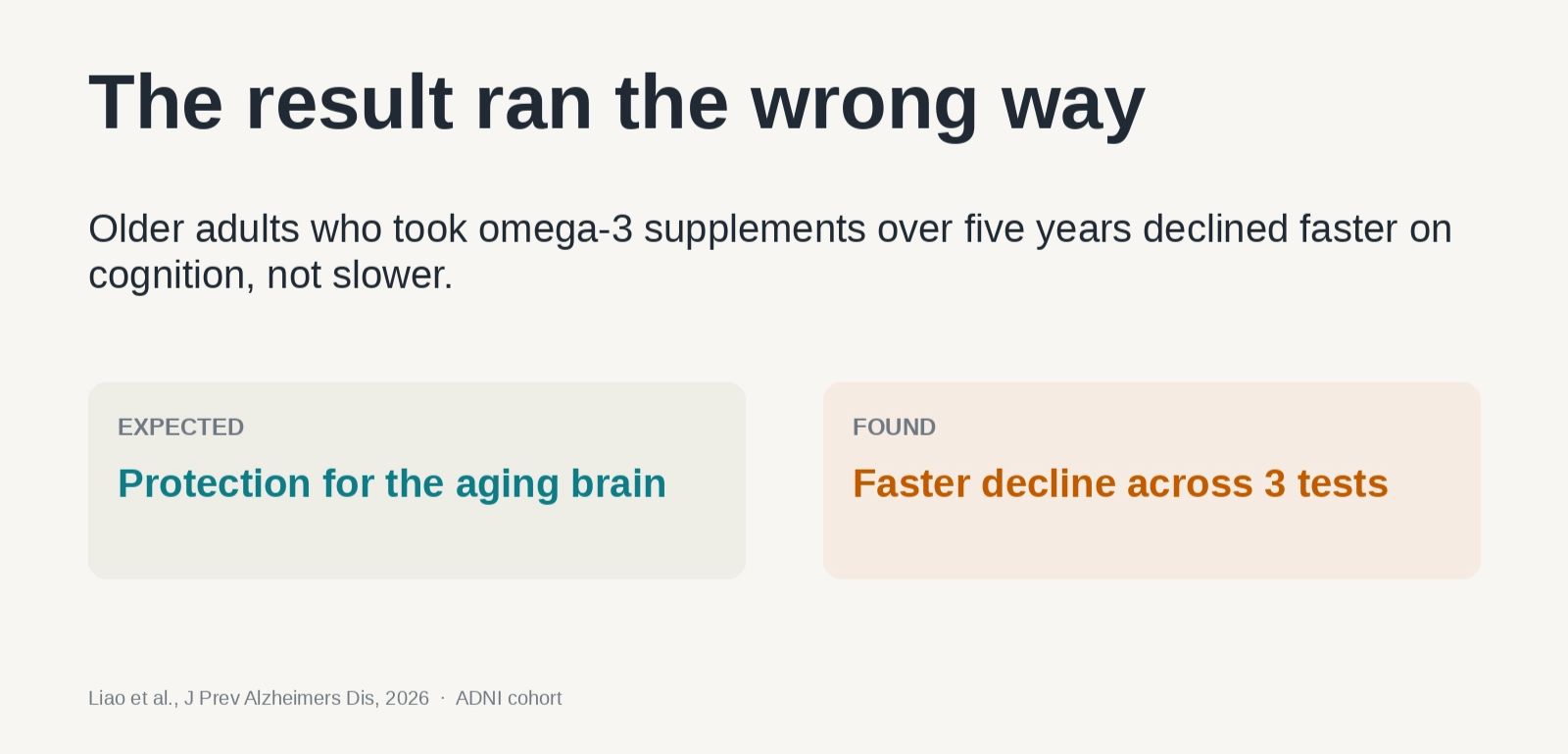
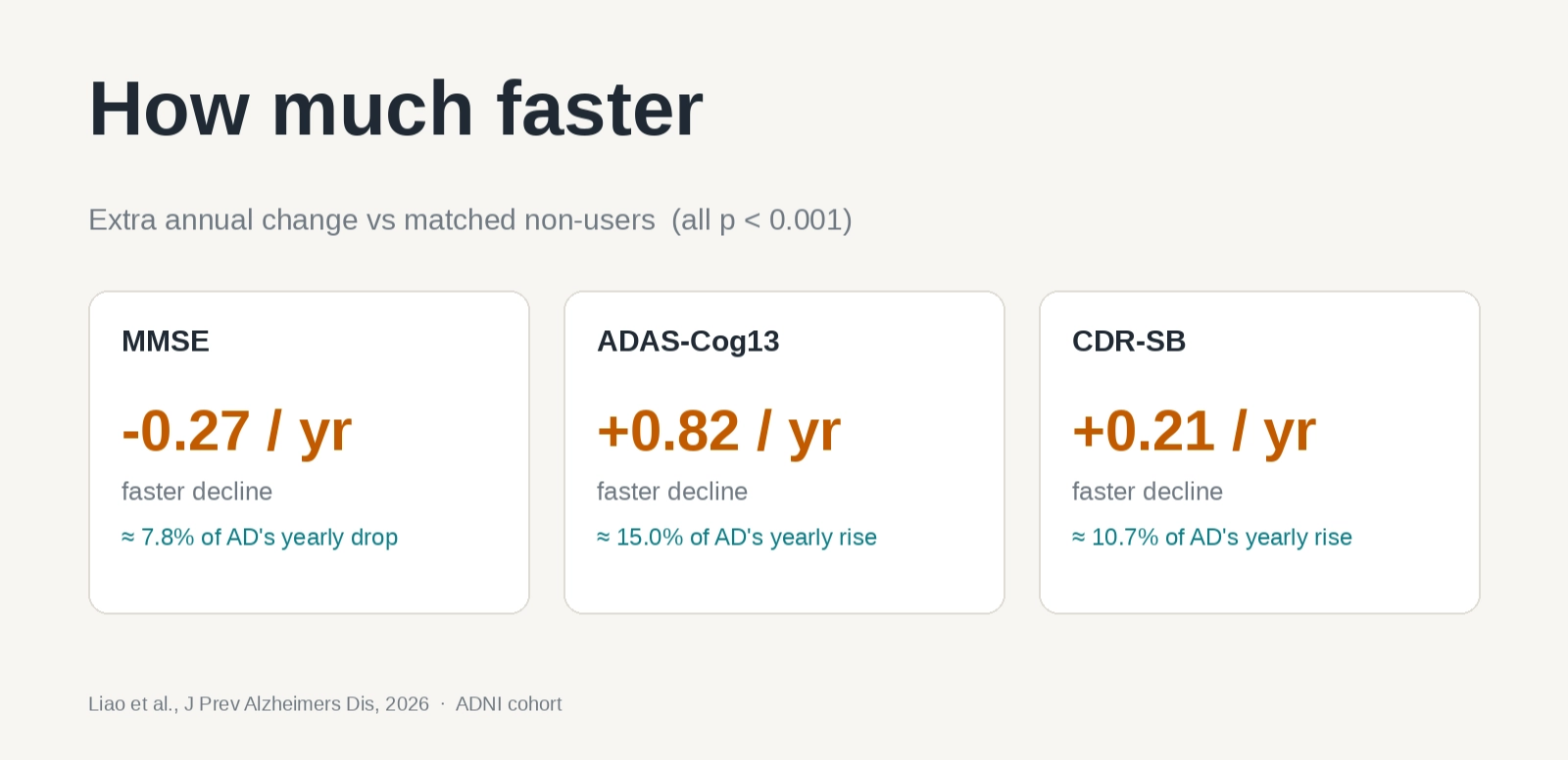
The result ran opposite to expectation. People taking omega-3 declined faster on standard cognitive tests, including the Mini-Mental State Examination (MMSE), not slower. The effect was modest next to the full force of Alzheimer's disease, yet it was consistent across three separate measures of cognition and it held up over a median of five years. A short trial would have missed it. This one was built to see slow effects accumulate.
The decline skipped amyloid and tau
The more interesting question was where the damage showed up. Alzheimer's is usually described through two proteins, the amyloid plaques between neurons and the tau tangles inside them, along with the shrinkage of brain tissue that follows. If omega-3 were harming the brain, those were the obvious places to look.
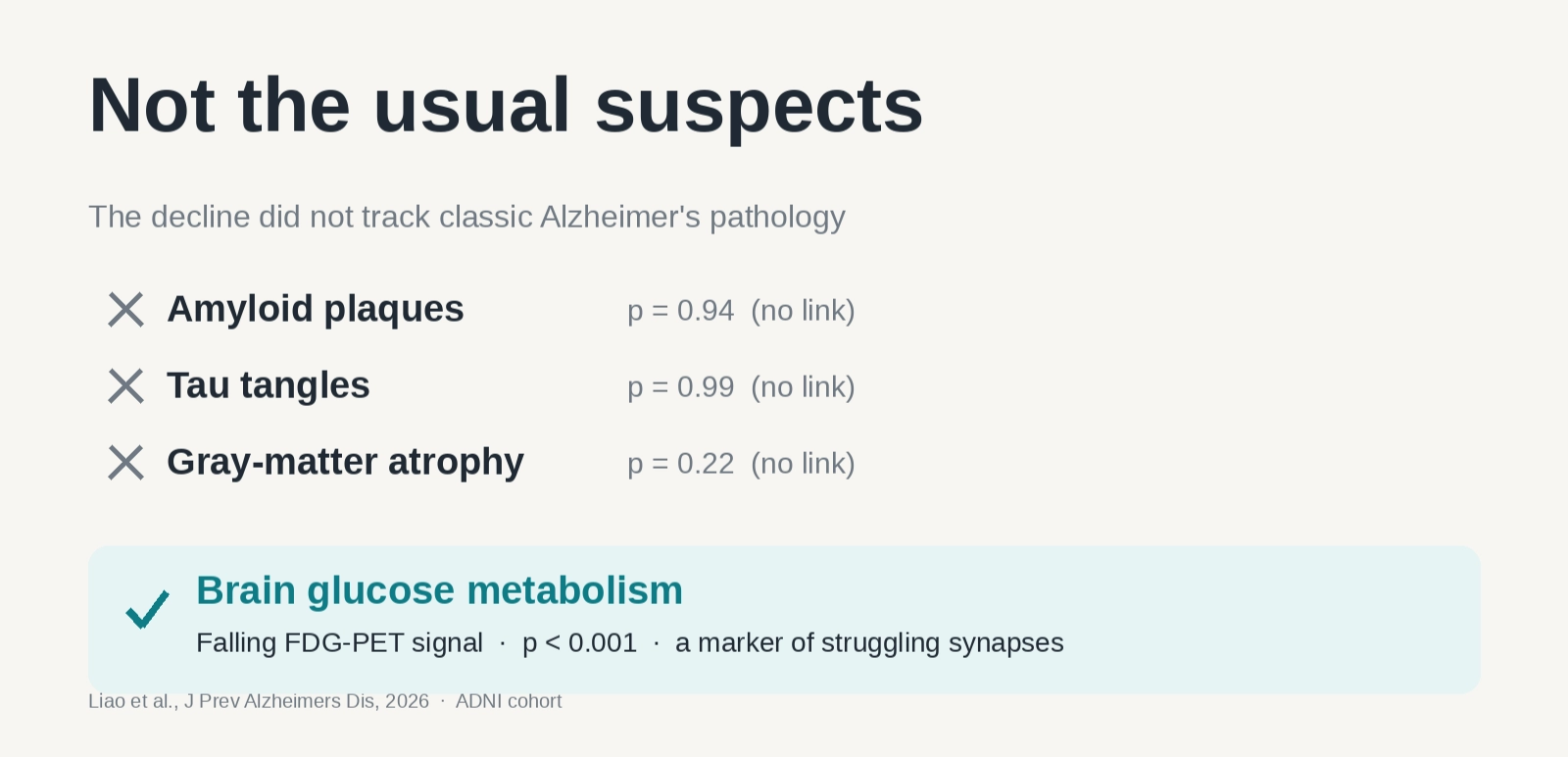
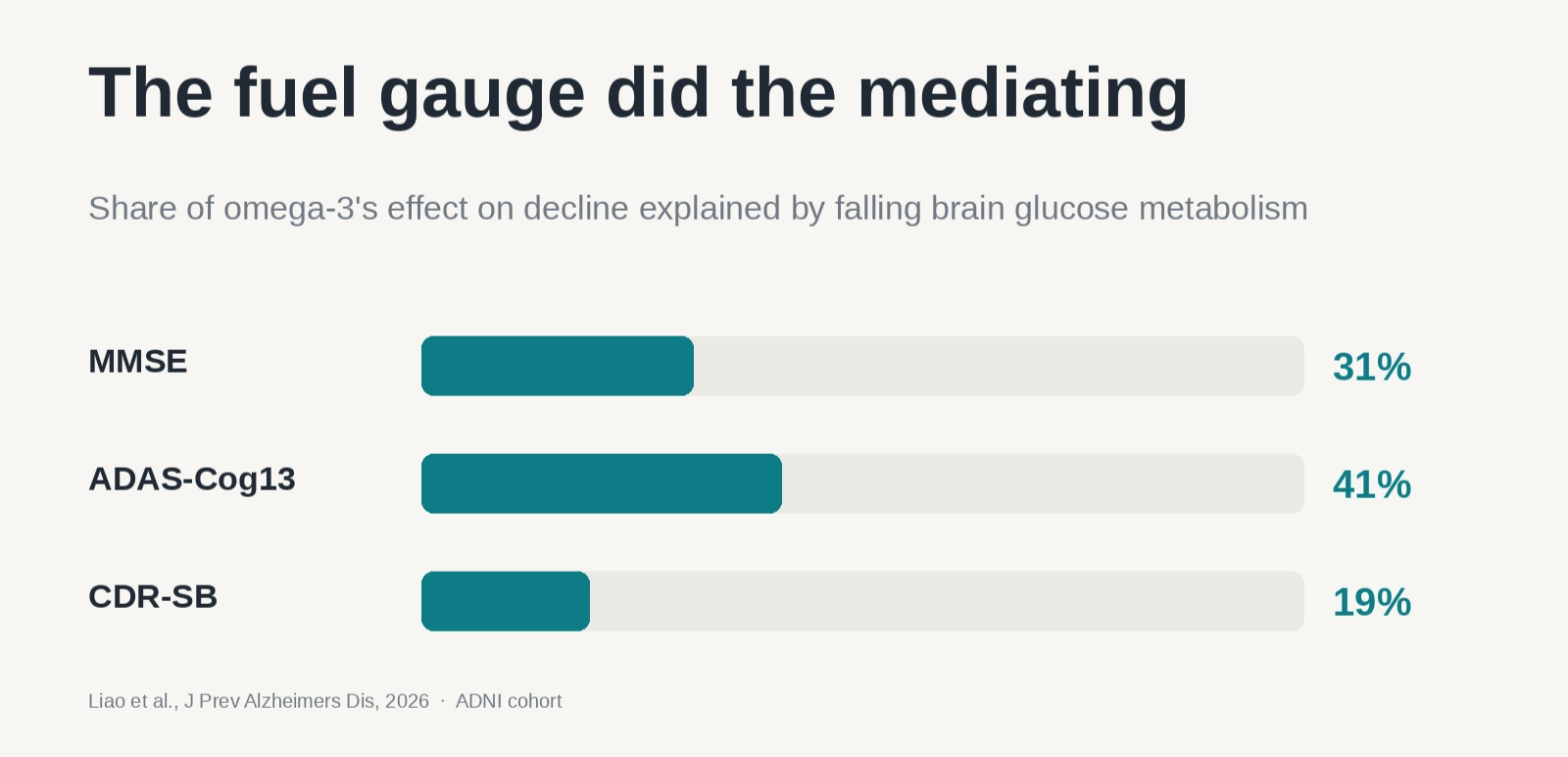
They came back clean. Omega-3 use was not linked to any change in amyloid buildup, tau spread, or gray matter loss. The signal appeared somewhere else entirely, in the brain's energy supply. Supplement users showed a steeper drop in brain glucose metabolism, measured with a scan (FDG-PET) that tracks how hard synapses are working. When the researchers tested whether that metabolic slump could account for the faster cognitive decline, it explained a meaningful share of it. The problem looked less like classic Alzheimer's pathology and more like synapses running low on fuel.
Freshness And Dose Likely Decide The Outcome
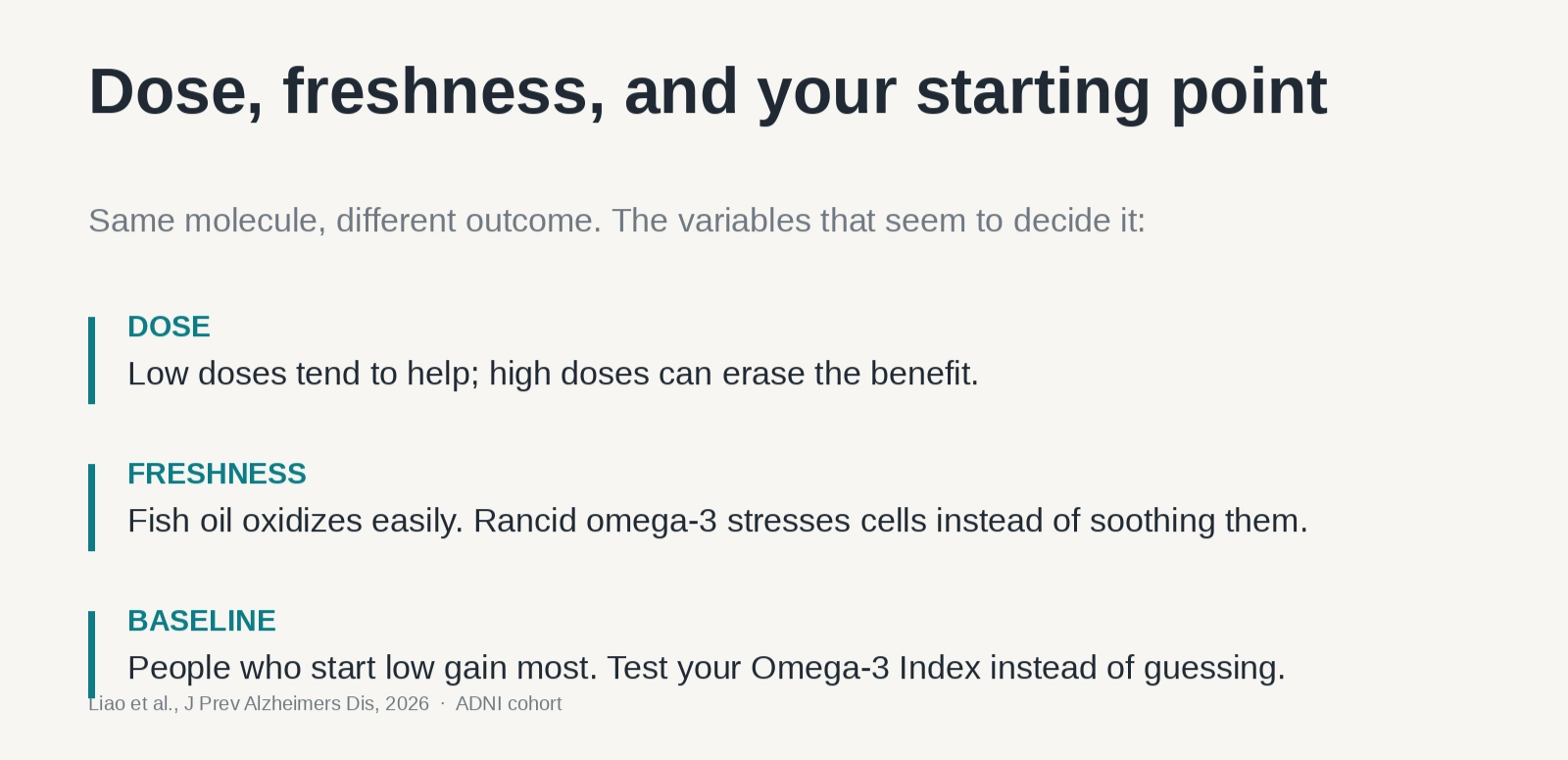
This is where the study parts ways with the trials that came before it, and where the practical lesson lives. Earlier trials mostly used purified EPA and DHA and ran for a year or two. This cohort mostly used commercial fish oil and ran for years. That matters, because DHA is among the most oxidation-prone fats in the body, and off-the-shelf fish oil is notoriously easy to find in a rancid state. Oxidized fats do not soothe cells, they stress them, and over a long enough timeline that stress can wear on the very mitochondria that keep synapses powered.
The wider literature fits this reading. Low doses tend to show benefit while high doses can erase it. People who start with low omega-3 levels gain the most, while people already carrying high oxidative burden gain little (also, see below to the catalogue feature of the week, it’s relevant). The takeaway is likely that that dose, freshness, and your starting point appear to be factors in deciding whether omega 3 supplementation helps or harms.
One caution is worth stating is that this is an observational study, so it can reveal a strong association but cannot prove that omega-3 caused the decline. Unmeasured differences between the groups could still be at work, and the findings come from a mostly white, highly educated cohort.
I am not tossing my fish oil, but I am going to pay extra close attention to how I treat it. I already test my omega-3 level via OmegaQuant, I keep my dose moderate (and based on what my OmegaQuant test determines for me), and will make sure I’m only consume fish oil that is within the expiration date. Otherwise, important factors other than time include light, temperature - both can make oils go bad. If your supplement cabinet is over or near the stove in your kitchen, think about storing your fish oil somewhere else, even in the fridge.
Summary
This longitudinal analysis used the ADNI cohort to test whether omega-3 supplementation was associated with cognitive decline in older adults, and through which neuropathology. After 1:2 propensity-score matching (273 users, 546 non-users; median follow-up 5 years), omega-3 users declined faster on all three measures: MMSE β = −0.266, ADAS-Cog13 β = +0.823, CDR-SB β = +0.205 (all p < 0.001), roughly 7.8%, 15.0%, and 10.7% of typical annual AD progression. The association was NOT mediated by amyloid (FBP p = 0.94), tau (FTP p = 0.99), or gray-matter atrophy (GMV p = 0.22). It WAS mediated by longitudinal FDG hypometabolism in AD-vulnerable regions (β = −0.011, p < 0.001), accounting for 30.8%, 40.8%, and 19.0% of the total effect on MMSE, ADAS-Cog13, and CDR-SB. No pre-supplementation decline was seen, arguing against reverse causality. The authors propose DHA lipid peroxidation and oxidized commercial fish oil driving mitochondrial and synaptic dysfunction. Observational design; mostly fish oil; predominantly white, highly educated cohort.
Frequently Asked Questions
Does omega-3 cause cognitive decline? This study found an association, not proof of cause. Omega-3 users declined faster over five years, but observational data cannot rule out other differences between the groups.
Which omega-3 form was used? Most participants used commercial fish oil rather than purified EPA/DHA. Fish oil is especially prone to oxidation, which the authors flag as a likely factor.
Is oxidized fish oil harmful? Oxidized omega-3 fats can act as pro-oxidants that stress cells. Independent testing has repeatedly found supplements that exceed oxidation limits, so freshness and third-party testing matter.
How can I tell if I need omega-3? An Omega-3 Index blood test measures EPA and DHA in red blood cells and shows whether you are low, adequate, or high, which helps you decide on dose.
What did the decline track with in the brain? Not amyloid, tau, or atrophy. It tracked reduced brain glucose metabolism (FDG-PET), a marker of synaptic function and energy use.
Random Trivia and Weird News
Fish oil goes rancid fast
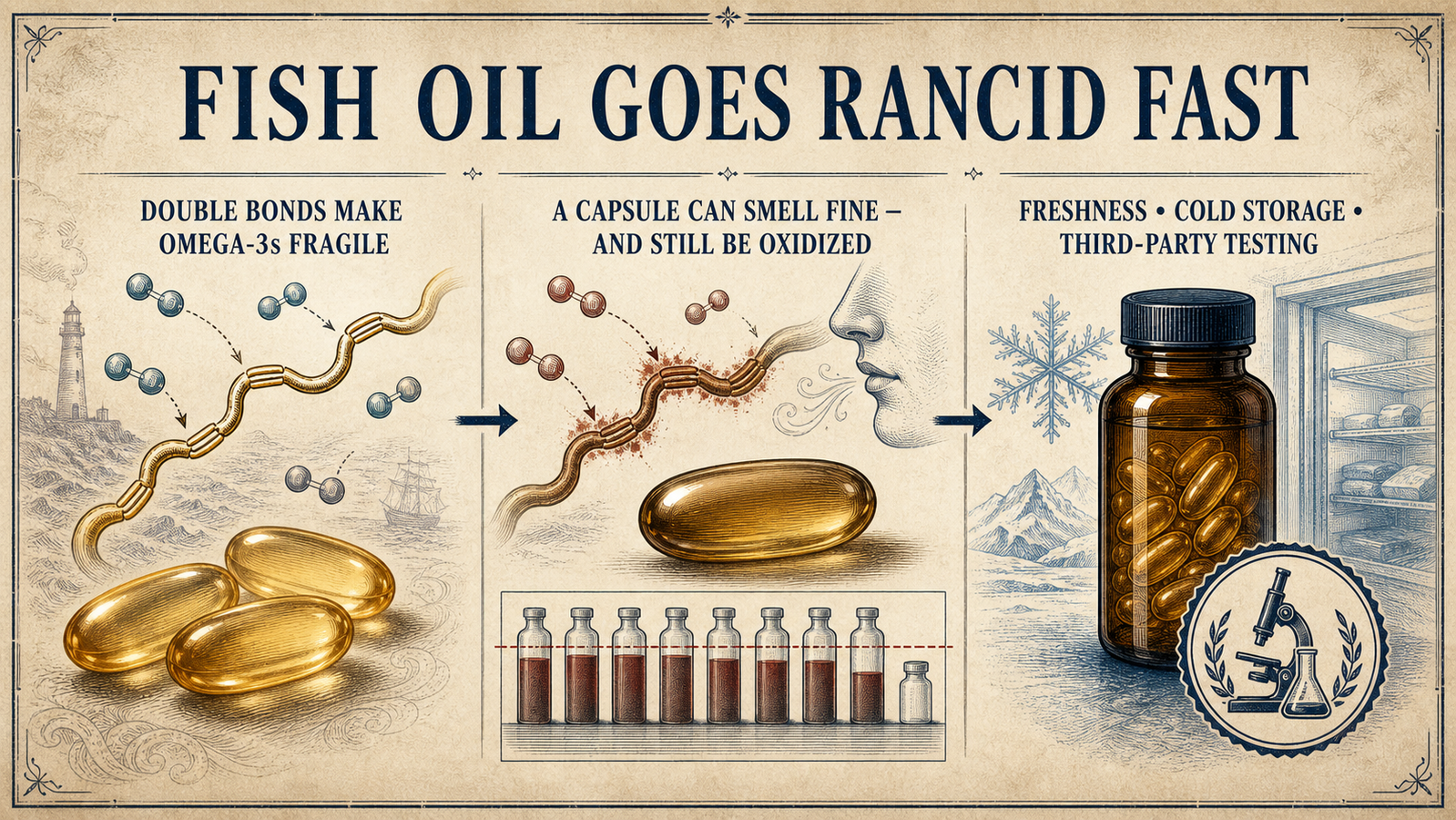
Omega-3 fats are fragile. Their many double bonds make them easy targets for oxygen, which is exactly what makes them turn rancid. In one striking analysis, most fish oil supplements tested in New Zealand exceeded recommended oxidation limits, and many did not contain the EPA and DHA their labels promised. A capsule can smell fine and still be well past its prime. Freshness, cold storage, and third-party testing are not fussy details, they are important.
Podcasts We Loved This Week
- Dr. Rhonda Patrick: The Powerful Longevity Benefits of Omega-3 via FoundMyFitness
- Dr. Tommy Wood: How to Future-Proof the Adult Brain via STEM-Talk
Products We Love
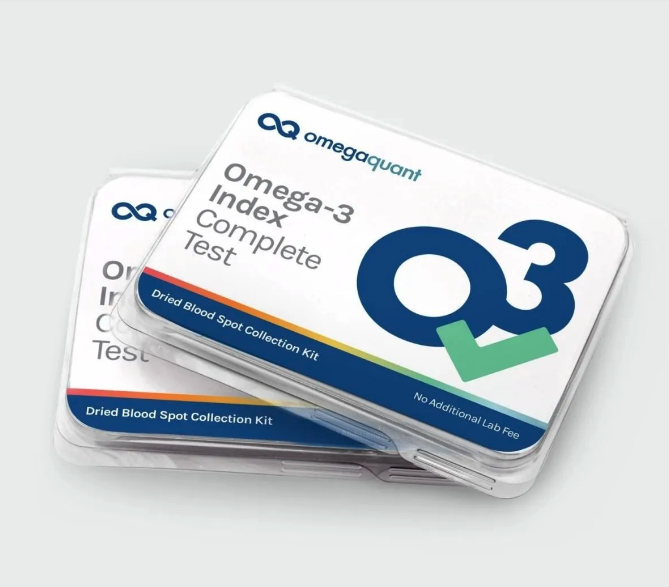
OmegaQuant Omega-3 Index Test
This week's study is a reminder that your omega-3 status is a number, not a guess, and this is the test that gives you the number. The OmegaQuant Omega-3 Index kit uses a single dried blood drop you collect at home, then measures the EPA and DHA sitting in your red blood cell membranes. It uses the same method run across hundreds of research studies, and it reports where you land against the ranges tied to lower risk. Knowing your level takes the argument out of dosing. If you are low, you have room to add carefully. If you are already high, this study is a reason not to push higher for its own sake. I like that it turns a fuzzy debate into a personal measurement.
humanOS Catalog Feature of the Week
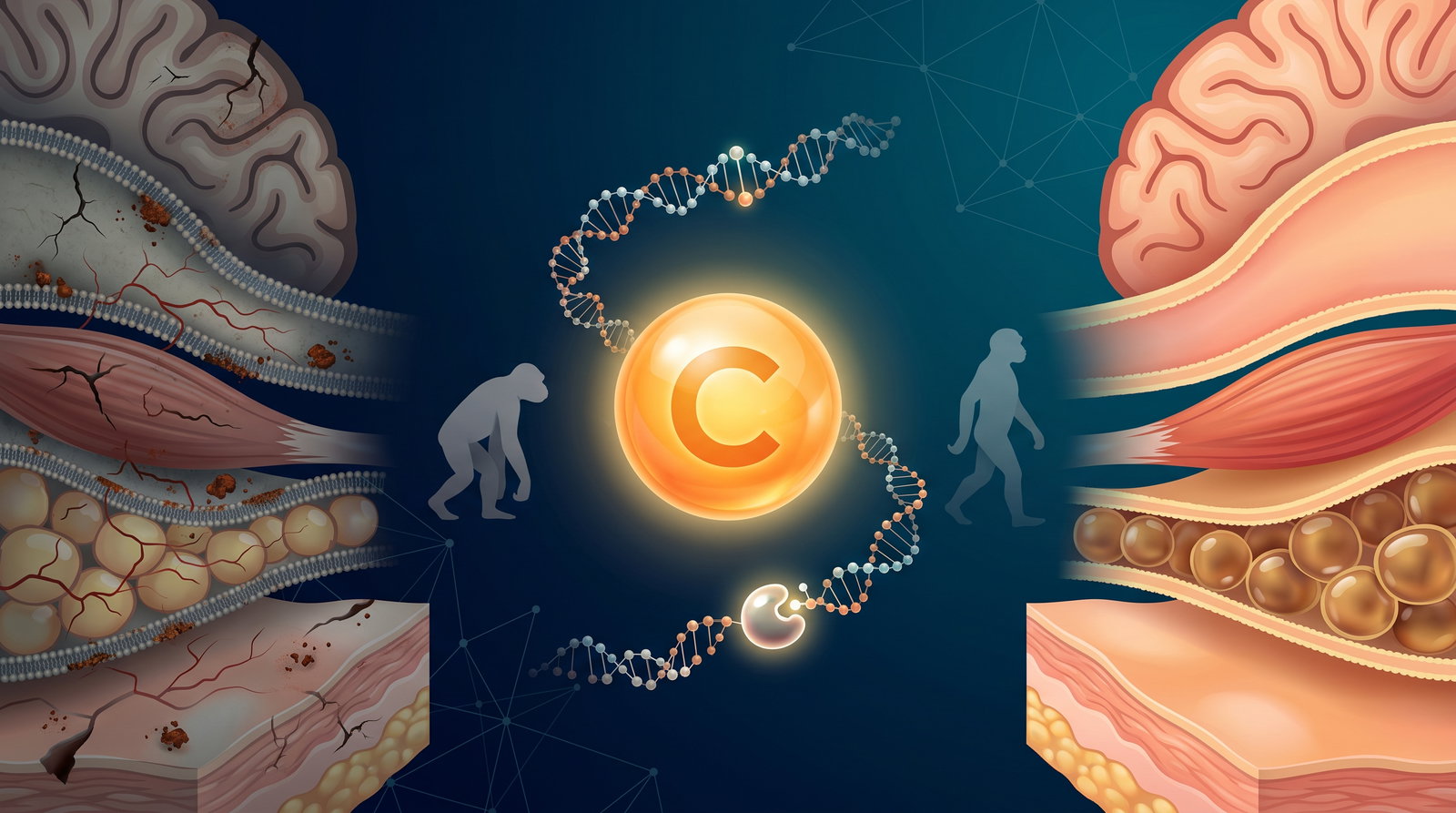
Ferro-Aging: How Iron Drives Aging and Vitamin C May Counter It
I believe this is the first time where the catalog feature of the week is another newsletter. There is a good reason for this. Today’s article was on cognitive decline in response to omega 3s. Another important factor to consider is vitamin c.
Cell membranes rely on polyunsaturated fatty acids (PUFAs) to remain fluid, flexible, and functional. But their multiple double bonds also make them vulnerable to iron-driven oxidation. As iron accumulates with age, it can damage membrane PUFAs, promoting senescence through a process researchers call ferro-aging. The enzyme ACSL4 intensifies this vulnerability by loading PUFAs into membranes. In the featured study, vitamin C bound to and inhibited ACSL4, reducing lipid damage and aging markers across tissues in monkeys. This reframes vitamin C as more than an antioxidant: it may help protect PUFA-rich membranes from iron-driven deterioration, though human trials are still needed. Source
Become a humanOS Member and get the full library, the courses, and the tools that turn this research into daily practice. Join humanOS
Wishing you the best,