Newsletter #420
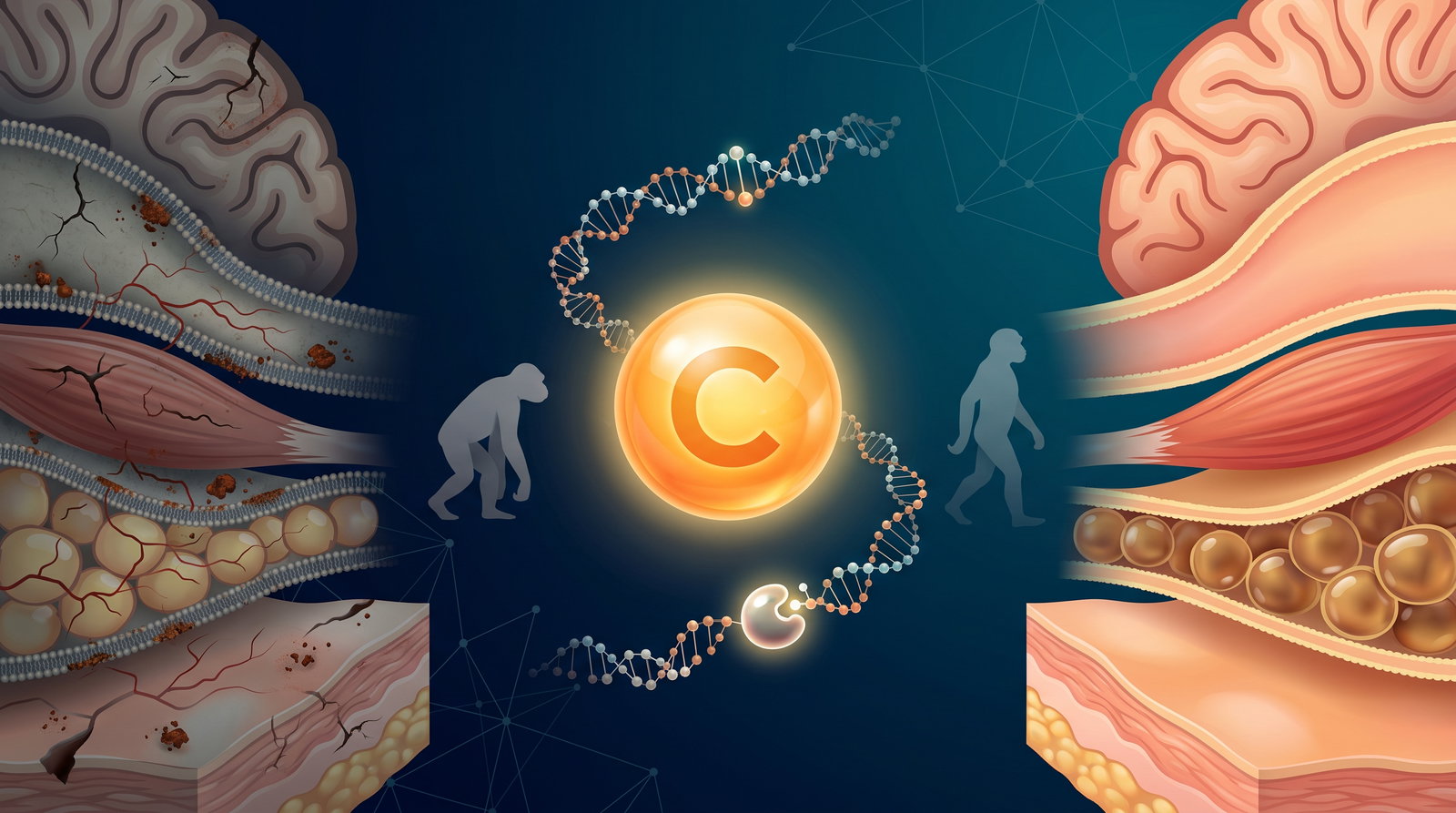
Iron is one of those nutrients that sits in a strange place in our minds. We worry about getting enough of it, especially when we feel tired or run down, but rarely ask whether we might have too much. Across the lifespan, that question turns out to matter a lot. Iron quietly accumulates in tissues with age, and unlike most metals in the body, it's chemically reactive in a way that can damage the very fats that hold our cells together. A new study in Cell Metabolism takes the next logical step. It asks whether that slow buildup of iron — paired with the oxidative chemistry it enables — is not just a byproduct of getting older, but one of the drivers.
Become a Member of humanOS
Get full access to the courses, how-to guides, podcasts, and recipe packs that translate the latest science into practical, daily tools for your healthspan.
Review Your Learnings
Catch up on past issues — we curate every newsletter on our Newsletter Summaries page so you can revisit any topic any time. ✨
Vitamin C inhibits ACSL4 to alleviate ferro-aging in primates
For decades, the "free radical theory" of aging has been one of biology's most influential ideas. Reactive molecules generated as a byproduct of metabolism damage our cells over time, and antioxidants should slow that damage down (or so the thinking went). But large clinical trials of broad-spectrum antioxidants have largely flopped. The picture turned out to be more complicated than mopping up free radicals after the fact. The question that kept gerontologists up at night was whether oxidative damage actually drove aging, or just rode along with it.
This new work, led by a team at the Chinese Academy of Sciences and collaborators at Altos Labs, sharpens the answer. Rather than treating oxidative stress as a vague atmospheric force, the researchers identify a specific, drug-able pathway sitting at the intersection of two ancient parts of biology: iron metabolism and lipid chemistry.
A new name for an old problem: ferro-aging
The team began by looking at iron itself. Across human cells, primate tissues, and aged donors, they saw the same pattern repeating: as cells get older, iron piles up. Inside, a related set of enzymes that handle iron and oxygen also turn up, and the membranes of those cells start to show classic signs of being chewed on by oxidative chemistry. The team calls this constellation ferro-aging, which is distinct from the more dramatic, fast-acting cell-death program known as ferroptosis. Ferro-aging is slower, smolders in the background, and pushes cells toward senescence rather than death.
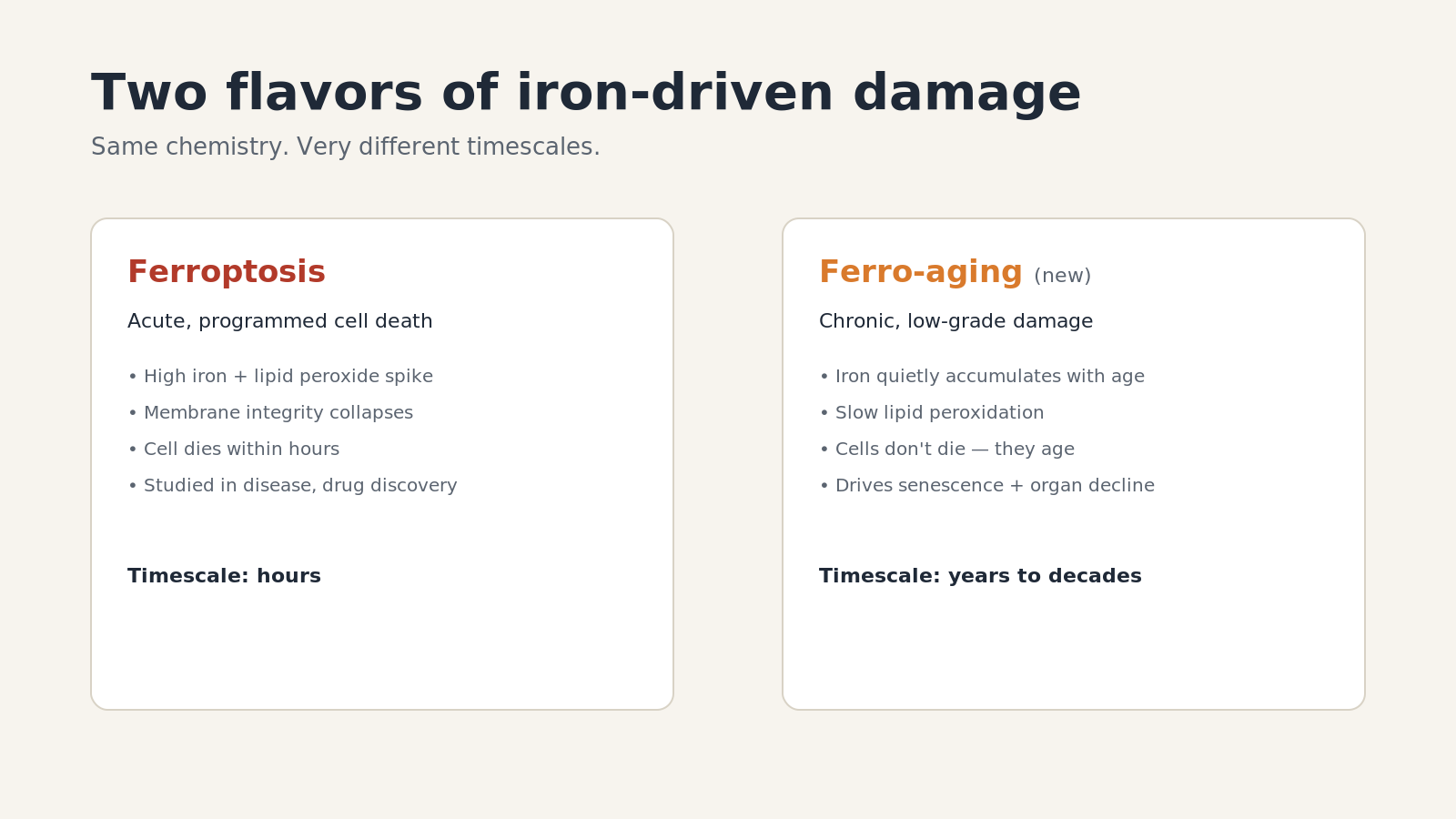
Importantly, this wasn't just one cell type or one tissue. The signature showed up in stem cells, neurons, hepatocytes, blood-vessel cells, and across organs as varied as liver, lung, heart, muscle, brain, and pancreas. In a transcriptomic survey of dozens of monkey tissues, the most metabolically active organs — liver, fat, and skeletal muscle — looked the most ferro-aged.
The switch that runs the program
Once a pattern is real, the next question is what flips the switch. In this study, the answer came down to one enzyme: ACSL4. This enzyme is a protein that loads polyunsaturated fats into cellular membranes. While these types of fats play an important role in keeping membranes fluid and flexible, they are also the types of types of fats that are most vulnerable to iron-driven oxidative damage. The team showed that turning ACSL4 up was enough to push young cells into senescence, while turning it down rescued aged cells from it.
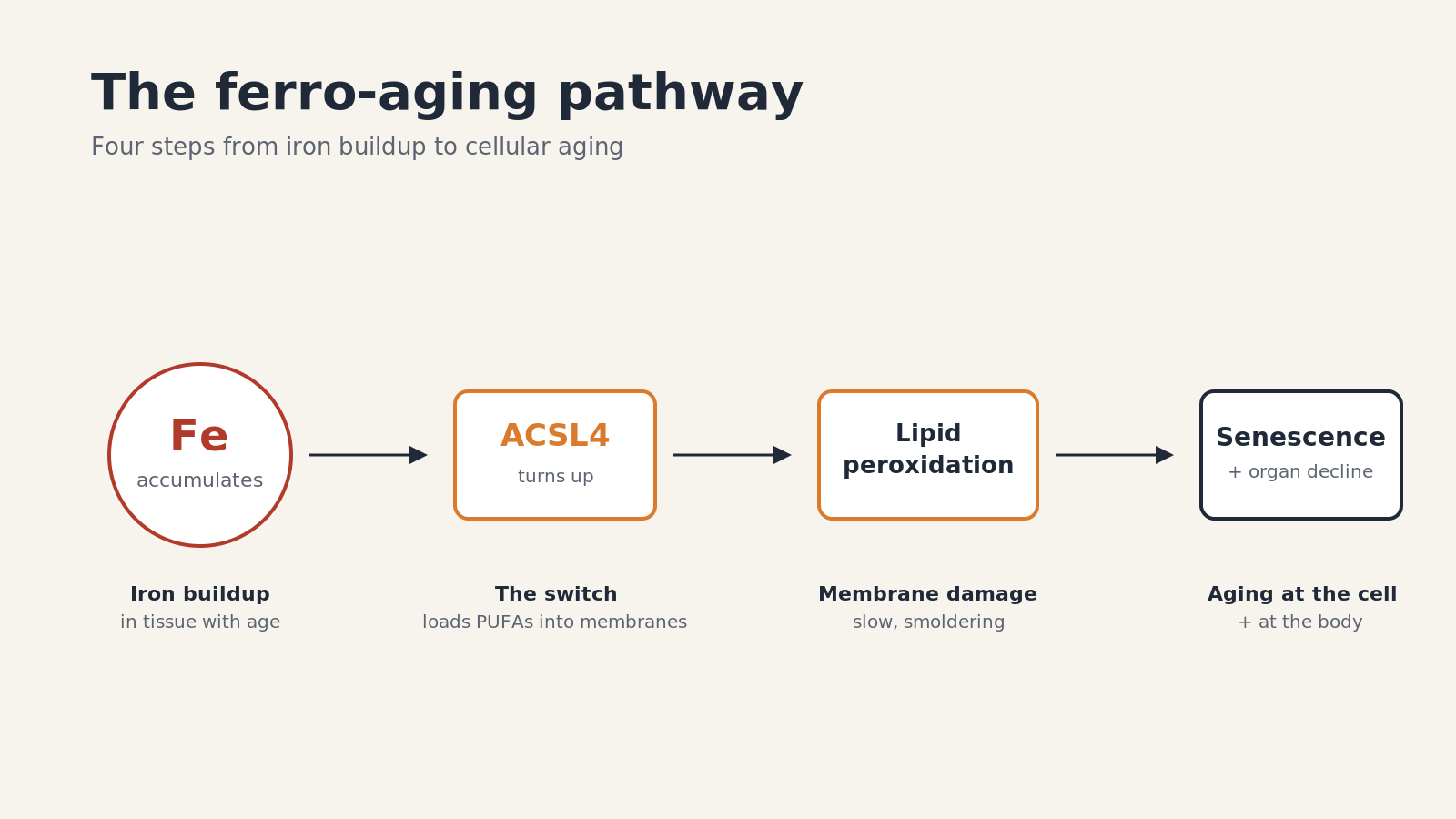
CRISPR-Gene Therapy to Knockdown ACSL4
To make sure this wasn't just a cell-culture artifact, the team built a gene therapy in aged mice that knocked down ACSL4 but only in liver cells. The results were striking. Two months later, the mice showed better cognitive function, better motor coordination, and signs of a younger liver.
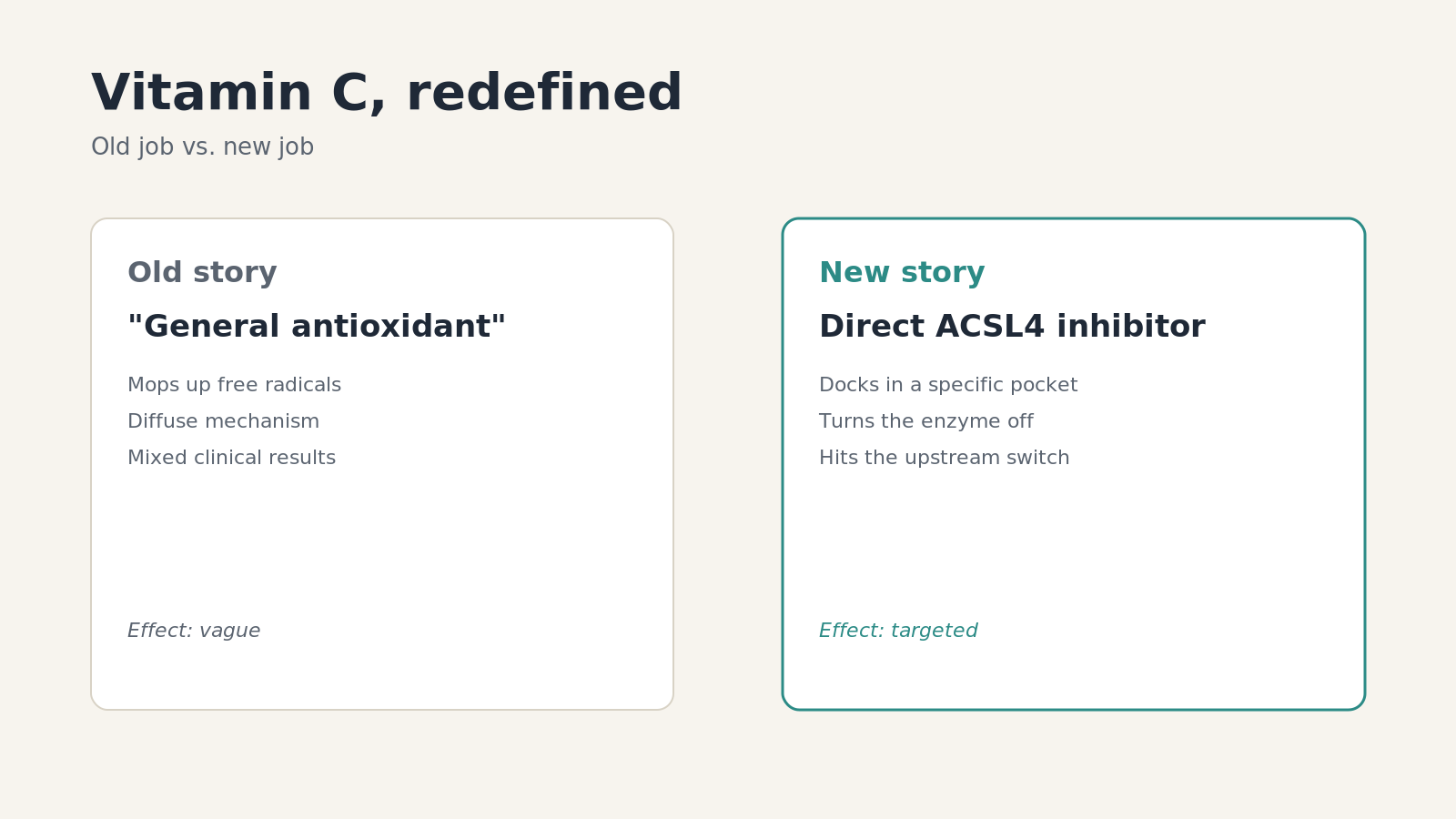
Vitamin C, redefined
Gene therapy is impressive but not practical at this point in time. So, now that the researchers felt more confident in the right target (i.e., ACSL4 enzyme), they wanted to see if there was another way to modify that target. To do this, the team screened a library of over 100 compounds linked to iron and lipid biology. And out of everything they tested, Vitamin C came out at the top. Not because it neutralizes free radicals, but because it physically docks into ACSL4 and inhibits the enzyme directly. They showed that vitamin C binds inside a specific pocket on ACSL4 and turns the enzyme off. That's a fundamentally different story than the antioxidant one we grew up with.
Next Step: 40 Months in Monkeys
To translate this from cells to bodies, the researchers ran a long-term daily vitamin C intervention in middle-aged cynomolgus monkeys. The choice of species matters. Monkeys, like humans, can't make their own vitamin C, so just like us, they too have to get vitamin C from food. So, this research group gave them 30 mg per kilogram per day of vitamin C in their drinking water. Across the trial, the supplemented animals tolerated the dose well and matched controls on routine health metrics.
To satisfy my own curiosity, I translated this dose into a human equivalent dose using standard allometric body surface area scaling formulas. Keep in mind, any dose needs to be tested directly in humans in order to know if this translates. So far, that work has not yet been done.
Body Weight (lb / kg) | Human Equivalent Dose (Total Daily Dose) |
110 lb (50 kg) | 487 mg/day |
120 lb (54.4 kg) | 529 mg/day |
130 lb (59.0 kg) | 574 mg/day |
140 lb (63.5 kg) | 618 mg/day |
150 lb (68.0 kg) | 662 mg/day |
160 lb (72.6 kg) | 706 mg/day |
170 lb (77.1 kg) | 750 mg/day |
180 lb (81.6 kg) | 794 mg/day |
190 lb (86.2 kg) | 839 mg/day |
200 lb (90.7 kg) | 883 mg/day |
210 lb (95.3 kg) | 927 mg/day |
220 lb (99.8 kg) | 971 mg/day |
230 lb (104.3 kg) | 1,015 mg/day |
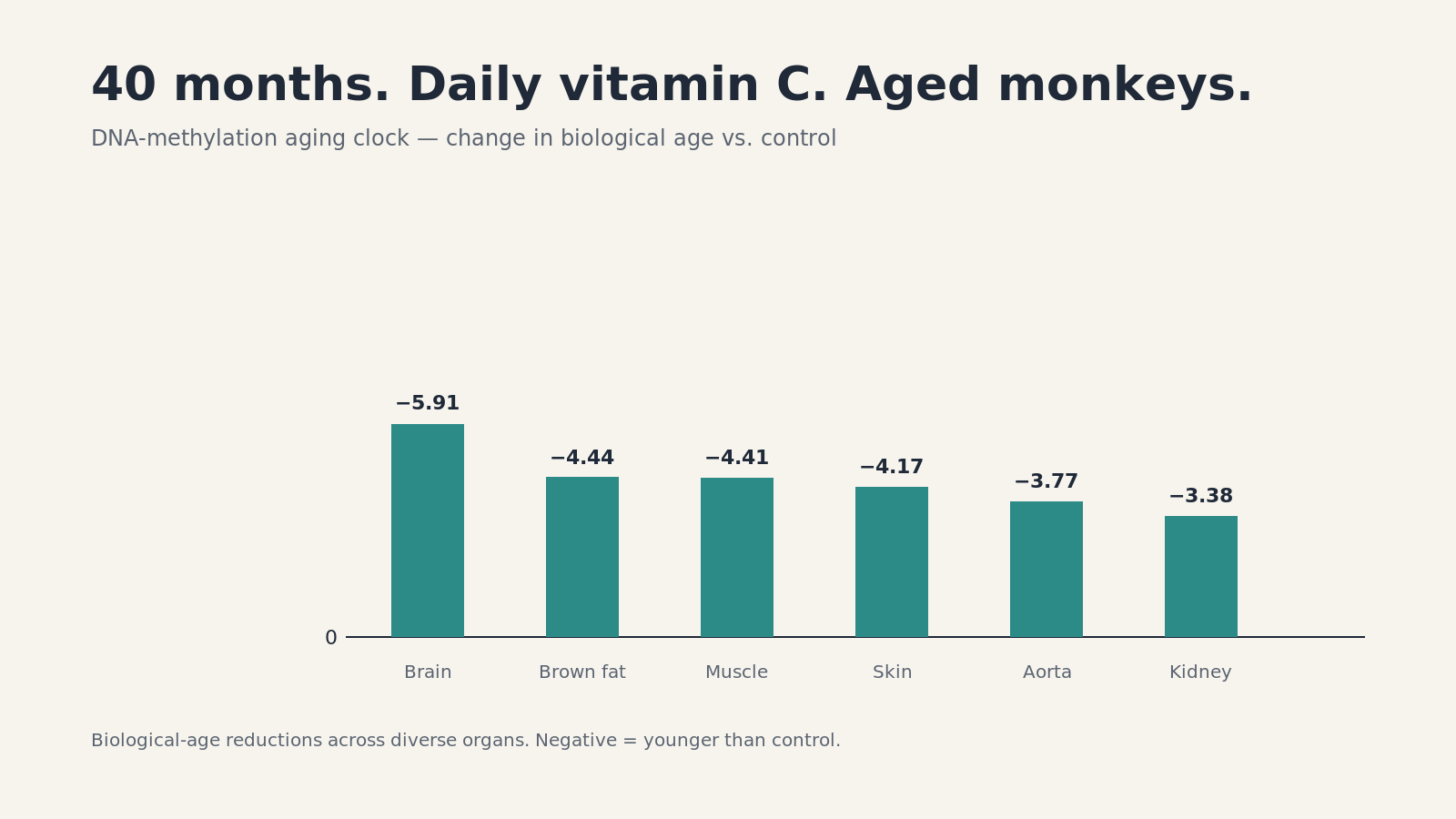
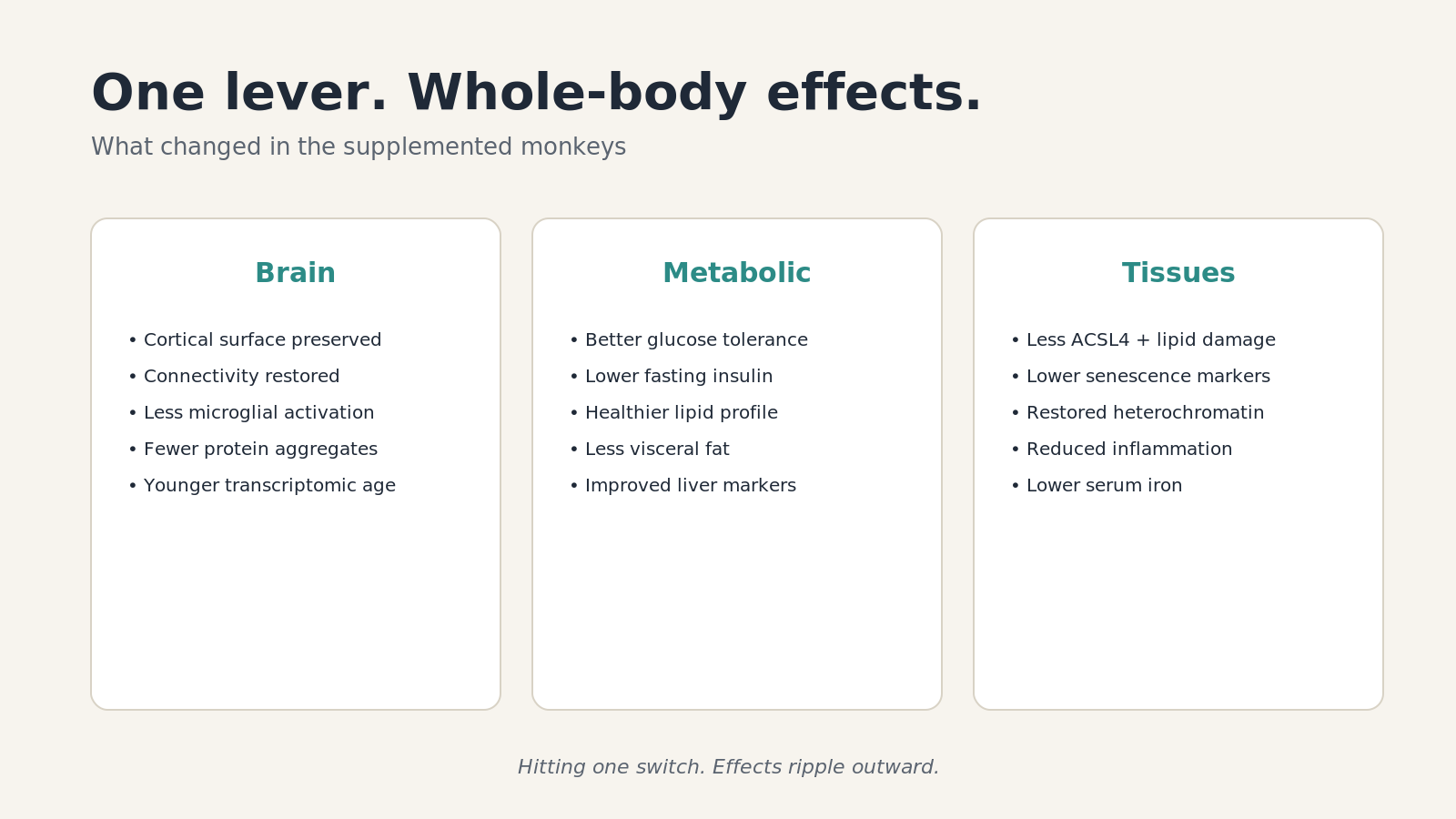
What changed was harder to see from the outside but easier to see from the inside. Tissue analyses showed less ACSL4 activity, less lipid damage, and fewer markers of cellular senescence across the brain, liver, kidney, lung, heart, fat, and muscle. Multi-organ aging clocks to estimate biological age showed reductions across the board, with the brain showing the biggest effect.
Brain MRI scans showed preservation of structure in regions tied to adaptive behavior and decision-making, alongside improved structural connectivity. Metabolically, the supplemented animals had better glucose handling, healthier lipid profiles, and less visceral fat.
In other words, hitting one specific lever from inside one specific pathway produced effects that rippled outward to whole-body health.
Why this matters
A lot of what makes longevity research hard is that interventions either don't translate from mice to primates, and sometimes, don't make biological sense. This work is unusual in that it does both. It defines a coherent pathway, identifies the molecular switch that runs it, finds an old, well-studied, low-risk molecule that hits the switch, and then shows benefit in long-lived animals that handle vitamin C the same way humans do.
It would be a mistake to read this as "take more vitamin C and you'll live longer." The dose used in monkeys is well above standard human intake, and the authors explicitly call out the need for human trials and dose-finding work. There are also open questions about whether other regulators of ferro-aging exist outside ACSL4, and how this pathway interacts with the other aging hallmarks we already know about.
But conceptually, the shift is meaningful. Aging is not just things wearing out. There are specific, biochemically definable programs that escalate with age — and at least one of them looks tractable. That's the kind of finding that provides a roadmap to create, potentially, a near-term solution we can benefit from.
Summary
A new study in Cell Metabolism defines a specific aging pathway the authors call ferro-aging — an iron-driven, lipid-peroxidation-based program that promotes cellular senescence as we get older. The enzyme ACSL4 is the central switch. Across human cells, mouse models, and aged primates, ACSL4 activity tracks with markers of aging; turning it down (genetically in mice, or pharmacologically) reverses many of those markers. A drug screen identified vitamin C as a direct ACSL4 inhibitor, binding inside a catalytic pocket on the enzyme. In middle-aged monkeys, 40 months of daily vitamin C (30 mg/kg) lowered DNA-methylation and transcriptomic age across tissues (brain Δage = −5.91, BAT = −4.44, muscle = −4.41, skin = −4.17, aorta = −3.77, kidney = −3.38), reduced cardiac p21 and lung IL-6, restored hepatic H3K9me3, preserved frontal-cortex surface area, improved insulin sensitivity, and reduced visceral fat. The work positions vitamin C as a specific metabolic modulator — not a generic antioxidant.
Random Trivia & Weird News
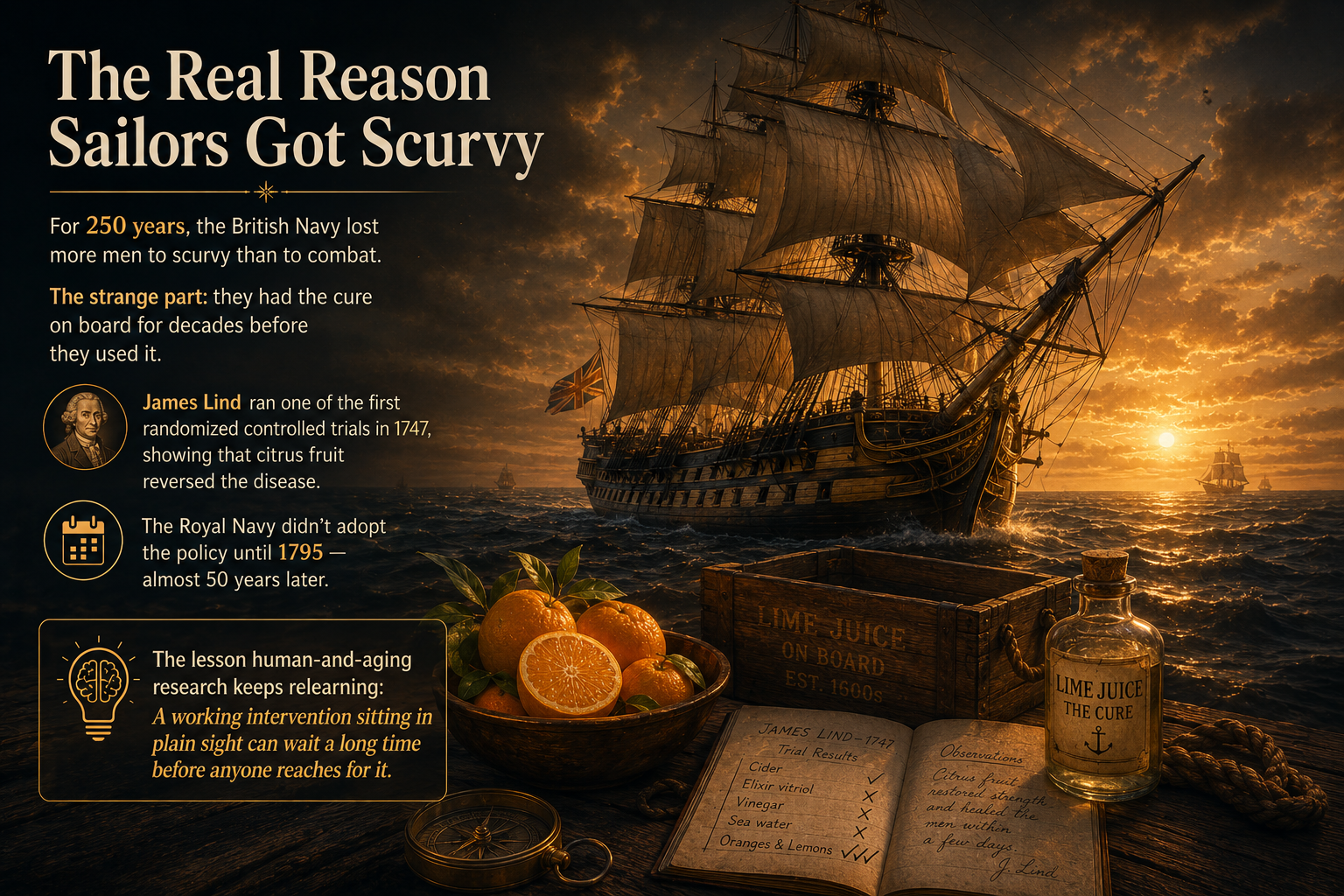
The Real Reason Sailors Got Scurvy
For 250 years, the British Navy lost more men to scurvy than to combat. The strange part: they had the cure on board for decades before they used it. James Lind ran one of the first randomized controlled trials in 1747, showing that citrus fruit reversed the disease. The Royal Navy didn't adopt the policy until 1795 — almost 50 years later. The lesson human-and-aging research keeps relearning: a working intervention sitting in plain sight can wait a long time before anyone reaches for it.
Podcasts We Loved This Week
- Dr. Tom Levy: Vitamin C: Your Secret Weapon Against Disease and Aging via Longevity with Nathalie Niddam
- Dr. Rhonda Patrick: The Science of Longevity: How Micronutrients Fight Aging, Cancer, and Depression via The Dr. Hyman Show
Products We Are Enjoying
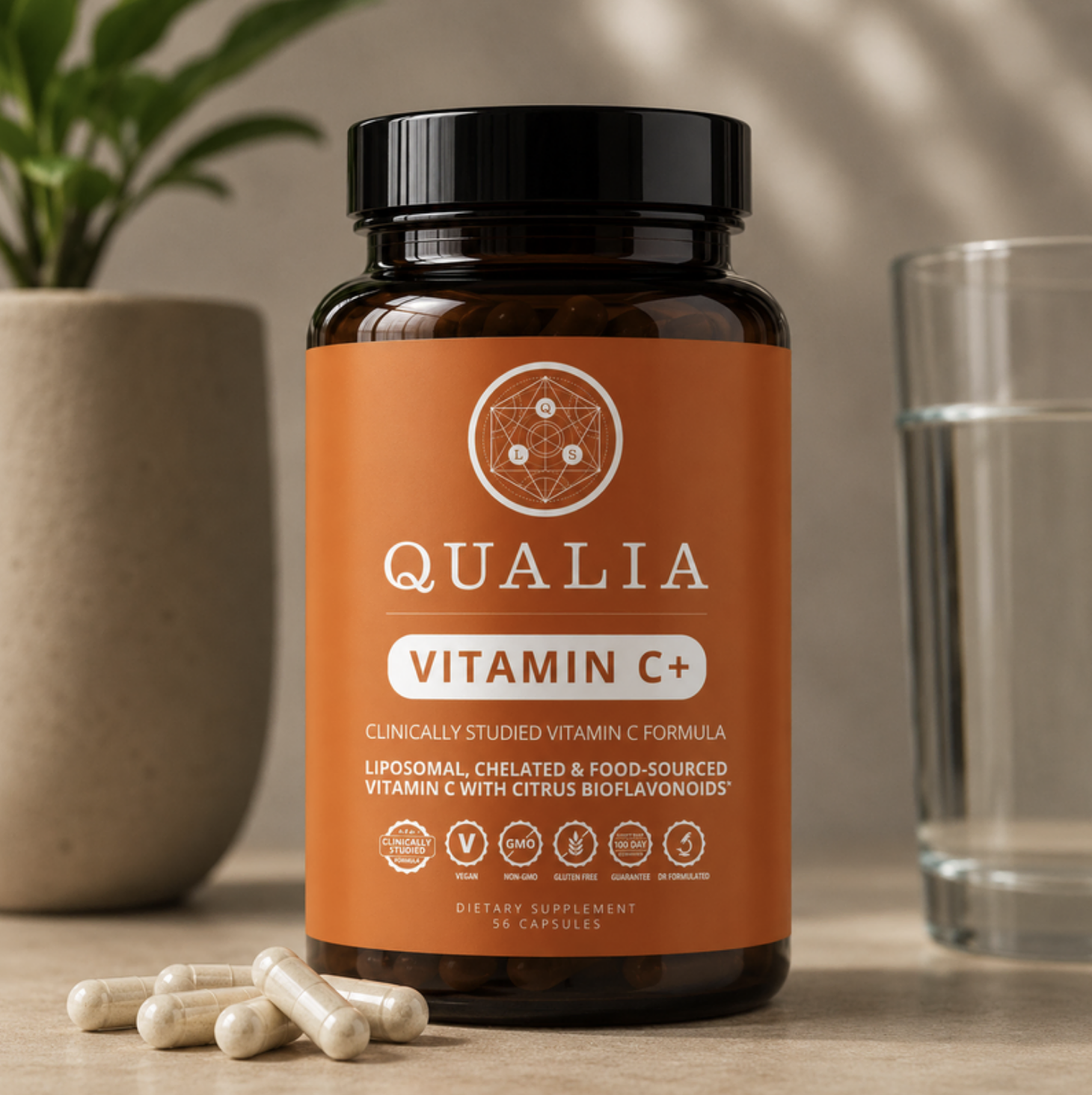
Qualia Vitamin C+
This new product from Qualia Life Sciences combines seven clinically researched forms of vitamin C, including liposomal, chelated, and whole food sources, alongside camu camu, acerola, amla, rose hip, and zinc ascorbate. In a placebo controlled study, the formula produced 25.7% higher plasma vitamin C levels than control. Maintaining healthy vitamin C status supports antioxidant defense, immune function, collagen formation, and now, very possibly, defense against ferro-aging.
humanOS Catalog Feature of the Week
Polarized Training - Going Slow to Go Fast
This course goes one layer beneath the usual training-intensity advice. It walks through how mitochondrial size, function, and oxidative balance shape resilience and why sometimes the smartest thing an athlete (or a healthspan-minded person) can do is back off the training intensity, and go slow to go faster. This mini course offers clear insight for training and performance applications, but its translation also offers insight for healthspan optimization.
Become a Member of humanOS
Get full access to the courses, how-to guides, podcasts, and recipe packs that translate the latest science into practical, daily tools for your healthspan.
Wishing you the best,