Newsletter #435
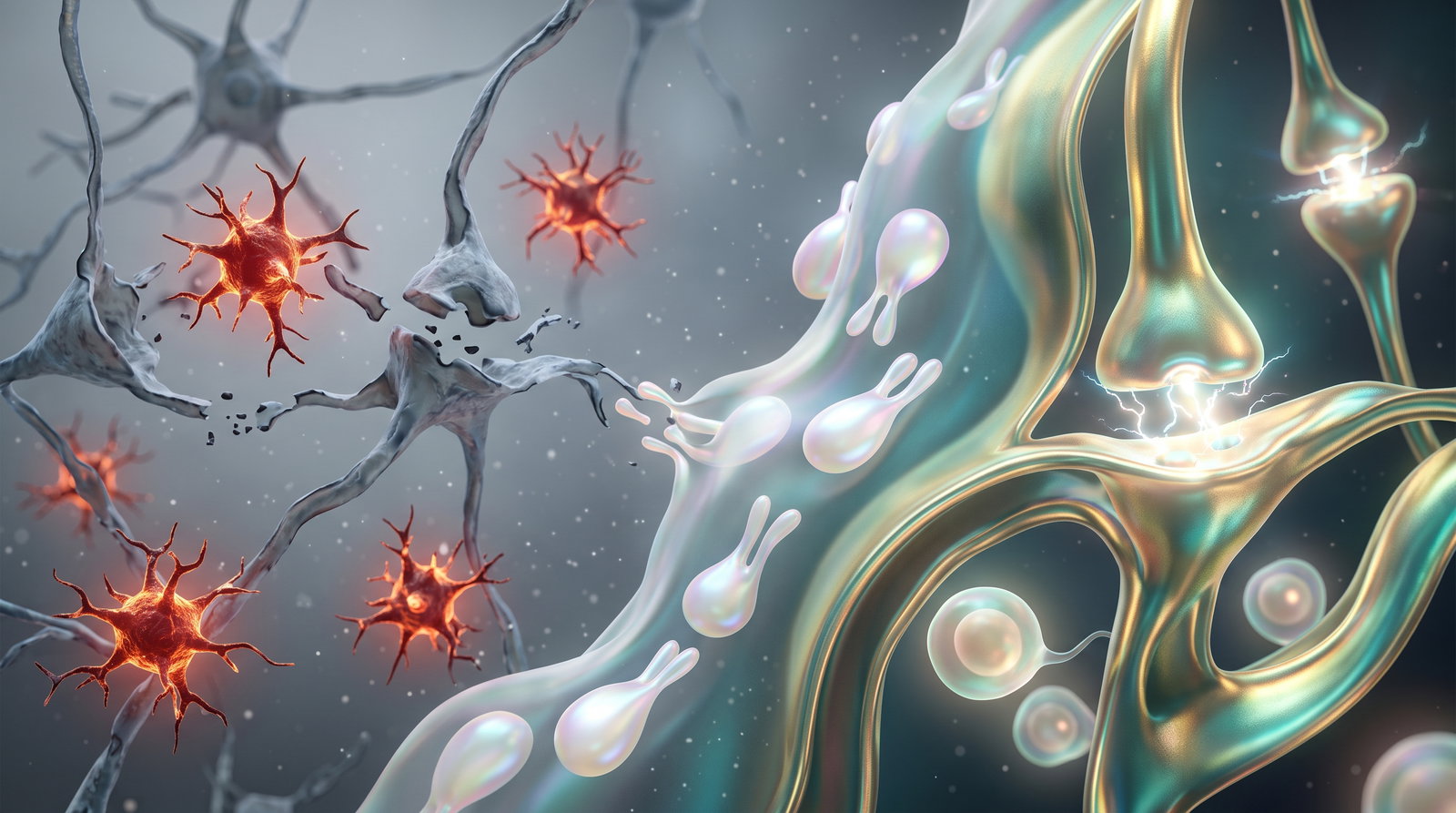
Two months of a single brain lipid restored synapses in old mice. Not slowed the loss. Restored them. Under the electron microscope, hippocampal tissue from the treated animals was hard to tell apart from tissue taken from young controls. The lipid is called a plasmalogen, and it is one of the main structural materials the brain builds its membranes out of. Levels fall steadily with age, and they fall further in Alzheimer's disease. A group at Shanghai Jiao Tong University fed it back to 16-month-old mice and watched what happened.
If these newsletters are a regular part of how you stay informed on health and longevity, consider supporting the work with a Pro membership. $19.99 per quarter — about $1.67 per issue, less than a coffee tip.
Join here: Become a Member
Review Your Learnings: Newsletter Summaries ✨
Plasmalogens Eliminate Aging-Associated Synaptic Defects and Microglia-Mediated Neuroinflammation in Mice
What are plasmalogens?
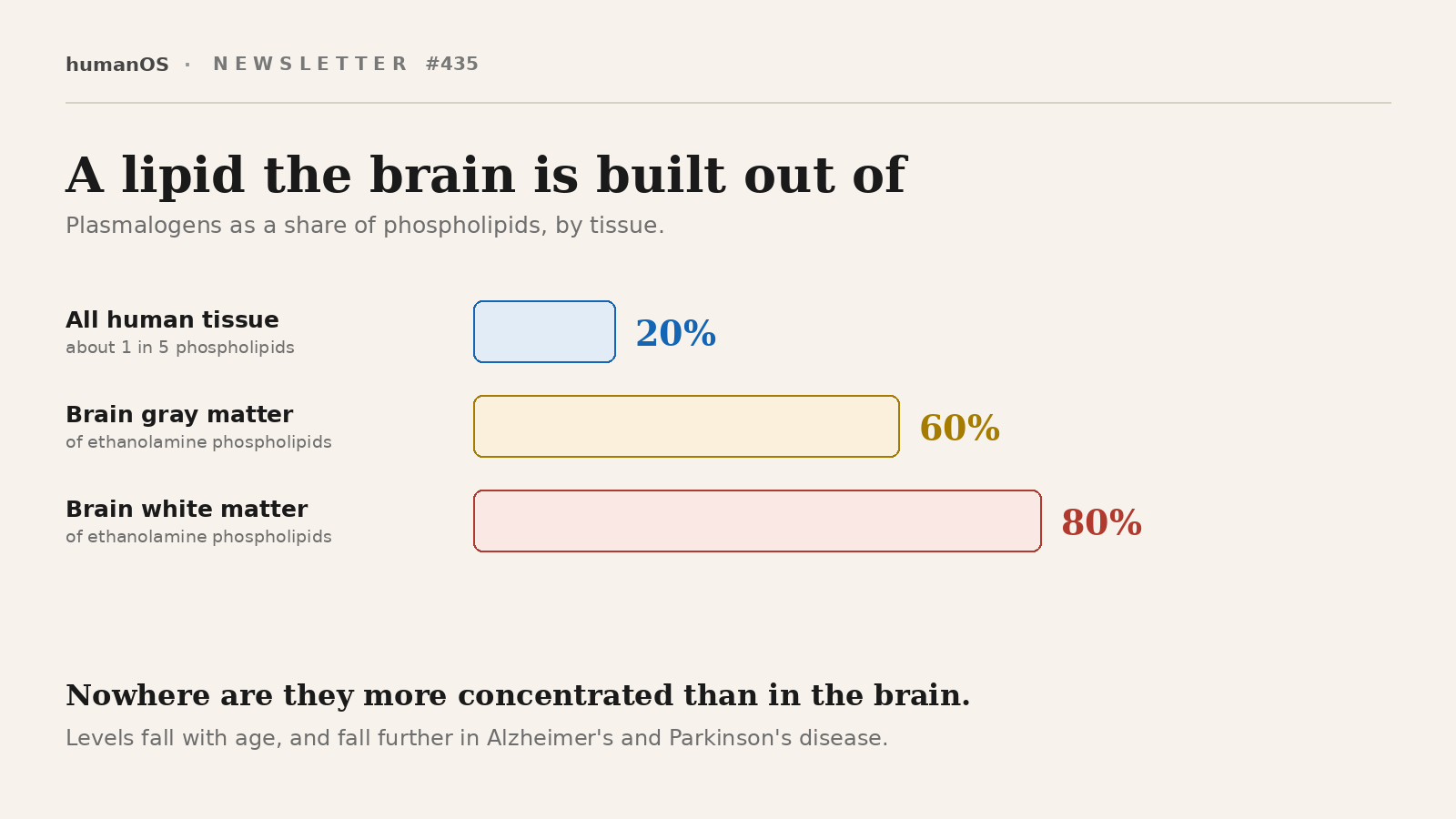
A plasmalogen is a phospholipid built with an unusual chemical bond at one end and a long-chain fatty acid at the other. About one in five phospholipids in human tissue is a plasmalogen, and the brain is where they concentrate most. In gray matter they make up roughly 60 percent of the ethanolamine phospholipids. In white matter, closer to 80 percent.
That structure does real work. The vinyl ether bond at one end makes the membrane easier to bend and fuse, which matters for synaptic vesicles, the small sacs that merge with the neuron's outer membrane to release neurotransmitter. The fatty acid at the other end is usually docosahexaenoic acid (DHA) or arachidonic acid, and it feeds into the proteins that control that fusion. Plasmalogens are not passive filler. They are part of how a synapse fires.
Their levels fall with age, and they fall further in Alzheimer's disease, Parkinson's disease, multiple sclerosis, and several rare peroxisomal disorders. That pattern has been documented for two decades. What has been thin is the intervention arm.
Fish oil | Krill oil | Plasmalogens | |
Carrier form | Triglyceride or ethyl ester | Phospholipid | Ether phospholipid |
Omega-3 carried | EPA and DHA | EPA and DHA | Usually DHA |
Distinctive feature | Inexpensive, heavily studied | Better membrane incorporation | Vinyl ether bond, sacrificial antioxidant |
What happened when aged mice were fed plasmalogens?
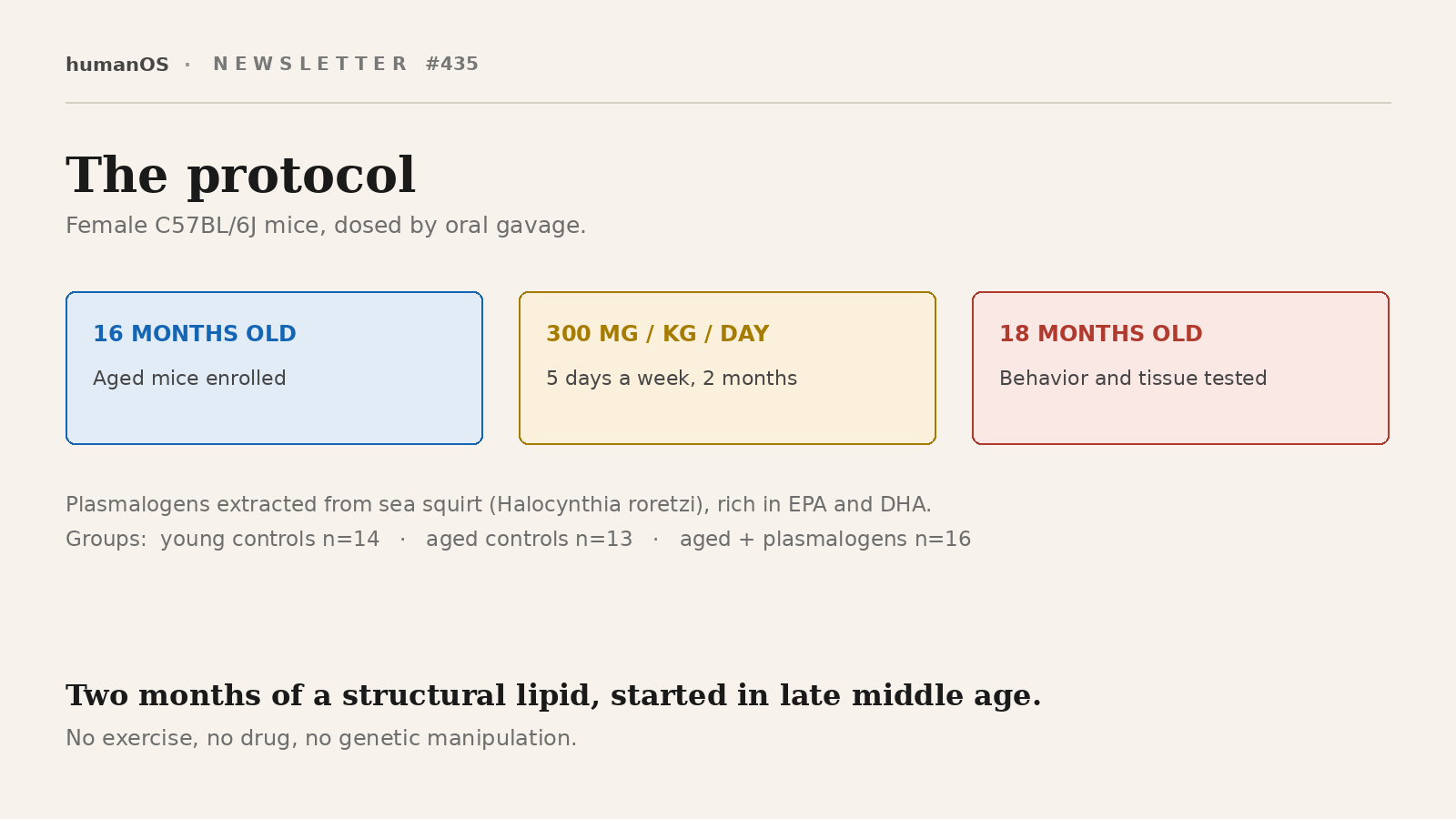
The treated mice learned faster and remembered better. Researchers took 16-month-old female mice, roughly late middle age in mouse terms, and gave one group a daily dose of plasmalogens extracted from sea squirt (Halocynthia roretzi), a marine animal unusually rich in them. The other aged group got plain water. Young mice served as a reference. Dosing ran five days a week for two months, and testing happened at 18 months.
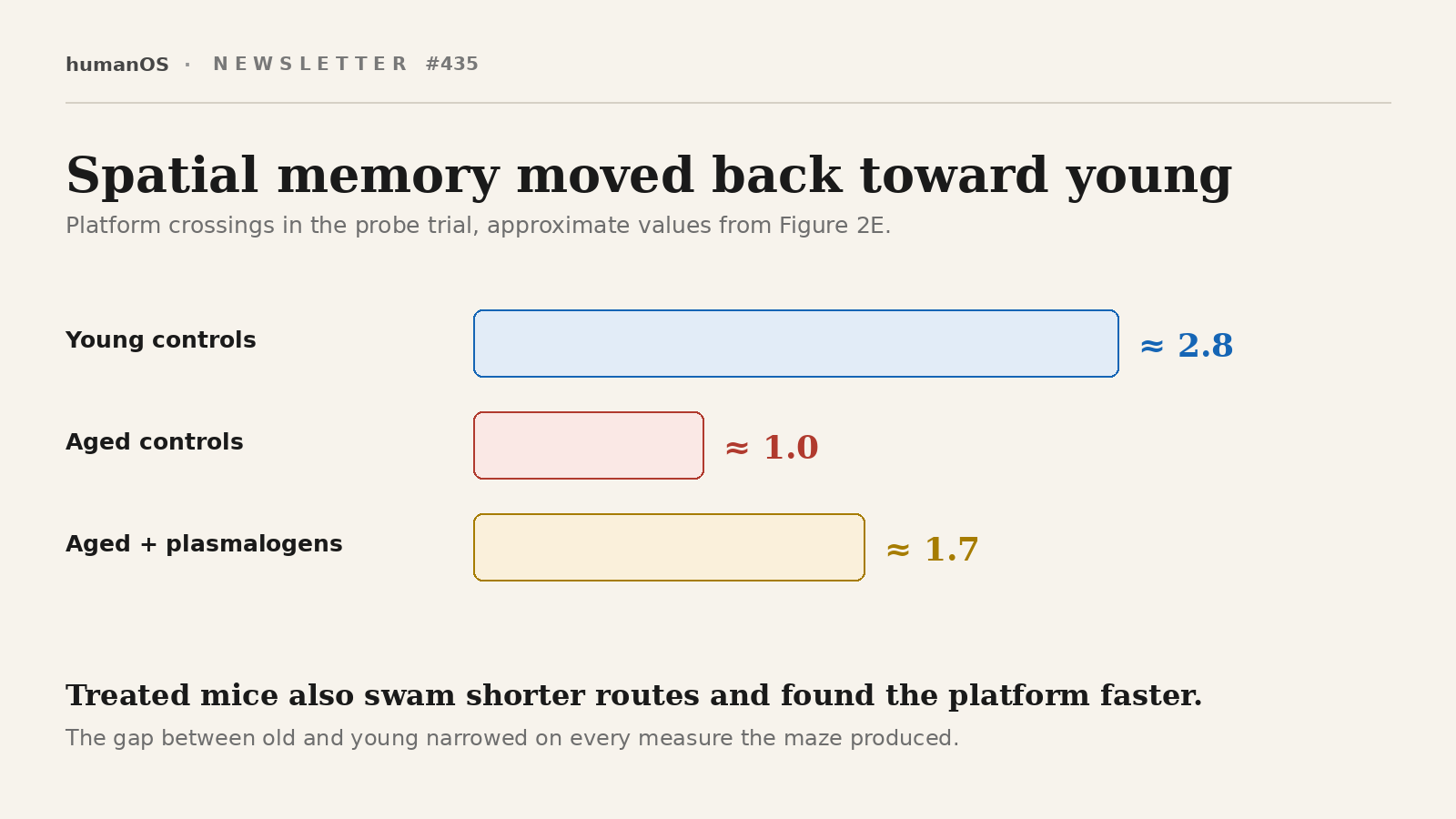
In the Morris water maze, a standard spatial memory test where an animal learns to find a hidden platform, the treated mice swam shorter routes and reached the platform faster than untreated old mice by the fourth and fifth day of training. When the platform was removed, they spent more time searching the correct quadrant and crossed its former location more often. Their performance landed much closer to the young animals than to their untreated peers.
The coats changed too. Untreated 18-month-old mice showed the gray, patchy fur of an old animal. The plasmalogen-fed mice grew thicker, glossier, darker hair, with new black growth visible by the third week of dosing. That is not what the study set out to measure, but it is hard to ignore.
Then the electron microscopy. Hippocampal tissue from untreated old mice showed what aging looks like at close range, with sparse synapses and presynaptic terminals nearly empty of vesicles. Tissue from the treated mice resembled the young controls, with intact synaptic architecture and vesicles distributed normally through the terminals.
The Membrane Is The Intervention
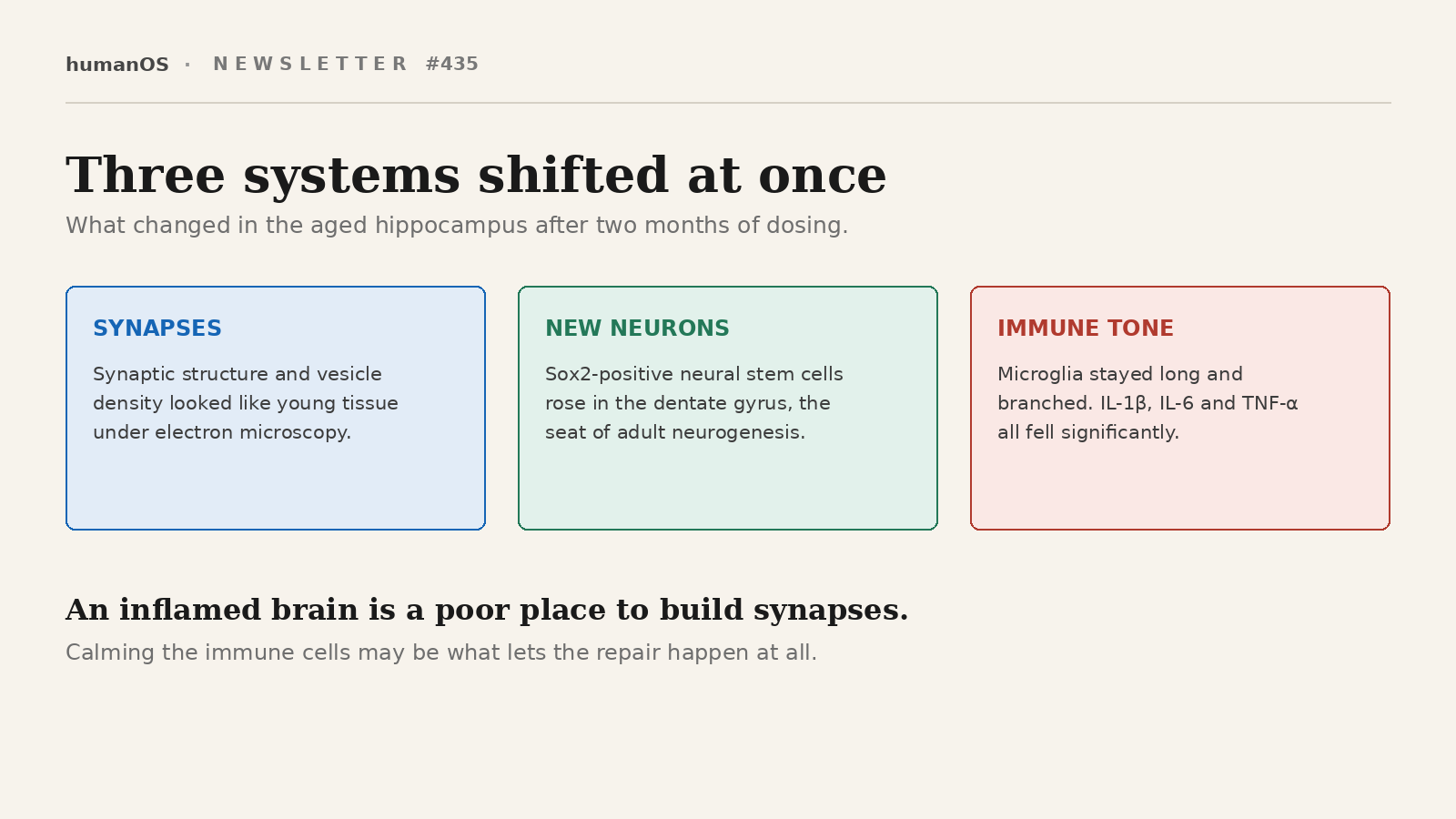
Feeding the lipid changed the aged brain at three levels rather than one.
- Synapse building. Gene expression across the hippocampus shifted toward synapse formation, neurogenesis, and neurotrophin signaling. Synaptophysin, a protein that marks synaptic vesicles, climbed back toward young levels.
- New neuron production. Neural stem cells in the dentate gyrus, the hippocampal region where adult neurogenesis happens, were more numerous in the treated animals than in untreated controls.
- Immune tone. Microglia, the brain's resident immune cells, take on a shriveled, stubby shape in the aging brain and start producing inflammatory signals. In the treated mice they kept the long, branched form of a cell doing routine surveillance, and inflammatory gene expression in the hippocampus fell.
That third layer reframes the first two. An inflamed brain is a hostile place to build synapses. If a membrane lipid also calms the immune cells, then some of what looks like structural repair may be the brain finally being allowed to do maintenance it was always capable of.
This is the same logic behind the 12-month trial of milk fat globule membrane phospholipids, taurine, and B vitamins in adults with mild cognitive impairment that we covered in May. Different nutrients, same target. Rebuild the material the synapse is made of, then see whether function follows.
This was a mouse study, and two months of dosing represents a substantial intervention relative to a mouse’s lifespan. More importantly, the authors did not measure whether plasmalogen levels actually increased in the brain, leaving a critical link in the proposed mechanism unverified. Oral plasmalogens may be broken down in the gut, and it remains unclear how much intact lipid reaches the brain across the blood–brain barrier. The study also included only female mice. Small, short-term human trials in mild Alzheimer’s disease and mild cognitive impairment offer an encouraging starting point, but larger and longer studies are needed to determine whether these findings translate into meaningful clinical benefits.
Still, I chose to write about this today because other research in plasmalogens have me intrigued.
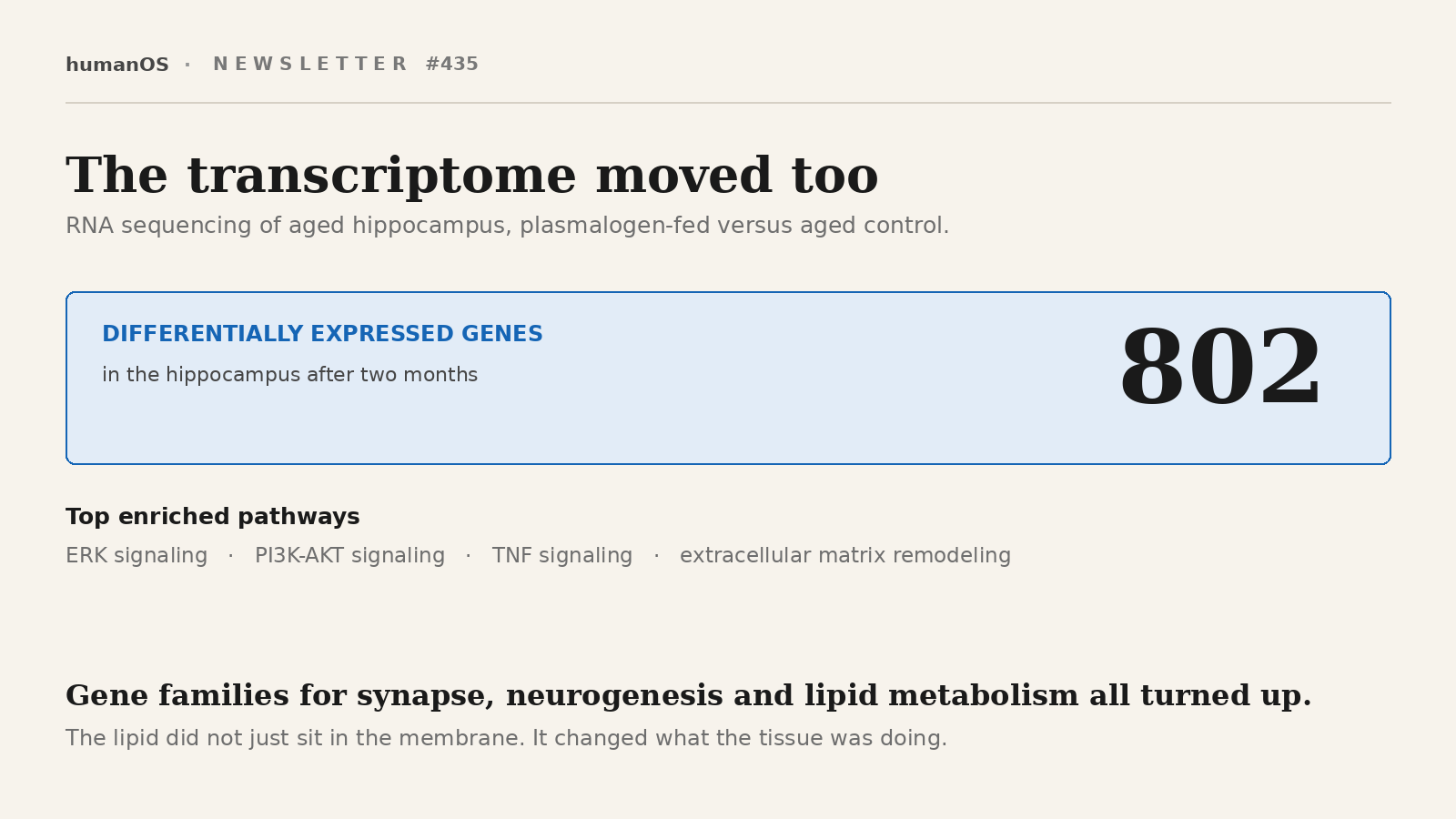
Summary: Gu and colleagues at Shanghai Jiao Tong University gave 16-month-old female C57BL/6J mice ascidian-derived plasmalogens by oral gavage at 300 mg/kg, once daily, five days per week for two months, then tested them at 18 months against untreated aged controls (n=13) and 3-month-old young controls (n=14). Treated mice (n=16) showed shorter escape distance and latency on days 4 and 5 of Morris water maze training, more time in the target quadrant, and more platform crossings in the probe trial. Transmission electron microscopy of hippocampal CA1 showed restored synaptic ultrastructure and vesicle density comparable to young controls. RNA sequencing found 802 differentially expressed genes, with enrichment in ERK, PI3K-AKT, and TNF signaling, and upregulation of synapse (Synpo, Synpr), neurogenesis (Fabp7, Nrp2), neural stem cell (Nestin, Sox2, Msi1), and neurotrophin (Vgf, Ntf3) gene families. Synaptophysin rose in CA1 and dentate gyrus. Sox2-positive stem cells increased. Iba1+ microglia retained ramified morphology by skeleton and Sholl analysis, and hippocampal IL-1β, IL-6, and TNF-α mRNA fell significantly. Published in Frontiers in Molecular Biosciences (2022).
Frequently Asked Questions
What foods contain plasmalogens?
Shellfish and marine invertebrates are the richest sources, especially scallops, mussels, and sea squirt. Beef, chicken, and eggs also contain them, though in forms carrying less DHA. Plant foods contain essentially none.
Are plasmalogens the same thing as omega-3s?
No. A plasmalogen is a phospholipid backbone that often carries an omega-3, usually DHA, at one position. Standard fish oil supplies omega-3s as triglycerides or ethyl esters, without that backbone.
Why do plasmalogen levels fall with age?
Synthesis begins in the peroxisome, and peroxisomal function declines with age. Oxidative stress consumes them as well, because the vinyl ether bond is oxidized preferentially, which is also how plasmalogens shield the fatty acids beside them.
Has anyone tested oral plasmalogens in people?
Yes. Japanese groups have run small randomized trials of scallop-derived and ascidian-derived plasmalogens in mild Alzheimer's disease and mild cognitive impairment, reporting modest gains on memory measures. The trials were short and the samples were small, so the results are suggestive rather than settled.
More Research on Plasmalogens
Plasmalogen Supplementation: A Promising Therapeutic Strategy for Well-being in an Aging Population on November 17th, 2025
Takehiko Fujino, Masanori Honsho, Shamim Hossain, Suminori Kono, Shiro Mawatari Institute of Rheological Functions of Food, Kyushu University
Random Trivia & Weird News
The Sea Squirt Eats Its Brain
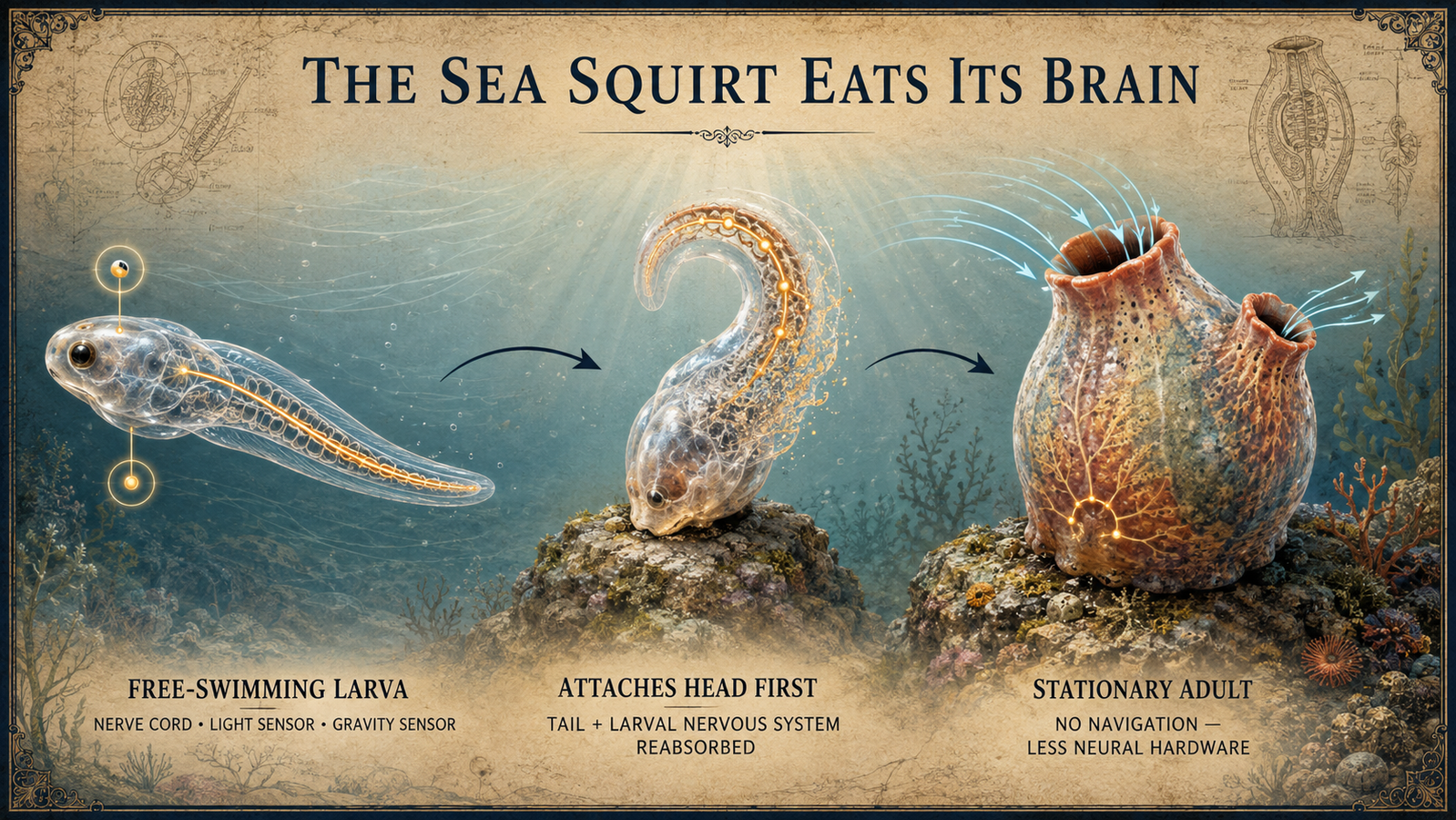
The animal these plasmalogens came from has one of biology's strangest life stories. A sea squirt begins life as a free-swimming larva with a nerve cord, a light sensor, and a gravity sensor, looking roughly like a tadpole. Then it finds a rock, cements itself head first, and reabsorbs most of that nervous system, including the tail and the primitive brain. Once you stop moving, the argument goes, you no longer need the hardware for deciding where to go.
Hokkaido's Sea Pineapple Is Dinner
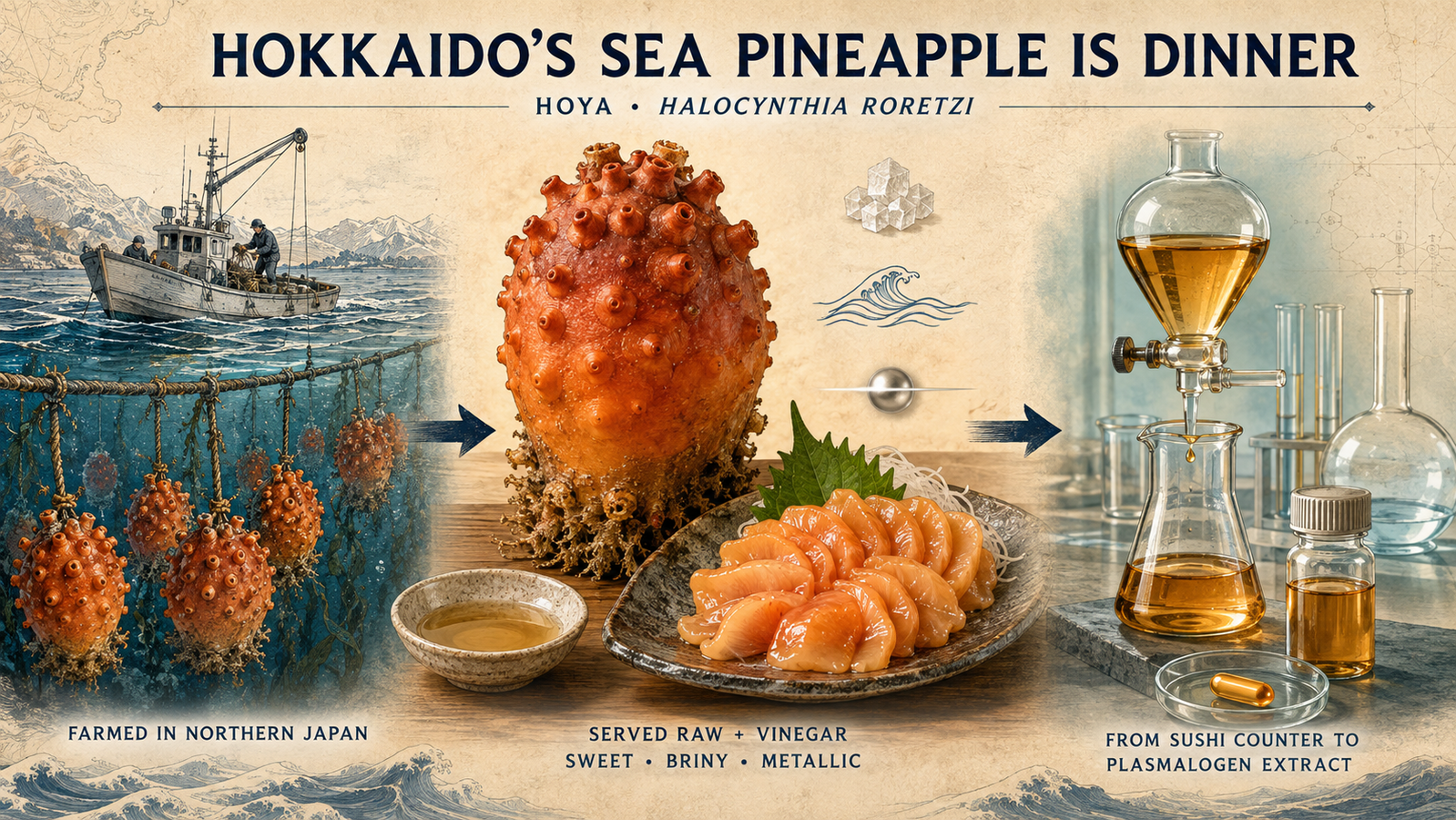
Halocynthia roretzi is not an obscure lab organism. In Japan it is called hoya, the sea pineapple, and it has been farmed off Hokkaido and northern Honshu for decades. The knobby orange body is sliced raw and served with vinegar. Its flavor is famously divisive, described as a mix of sweetness, brine, and something metallic. The aquaculture industry that supplies sushi counters is the same one now supplying plasmalogen extract for supplements.
Plasmalogens Are Sacrificial Antioxidants
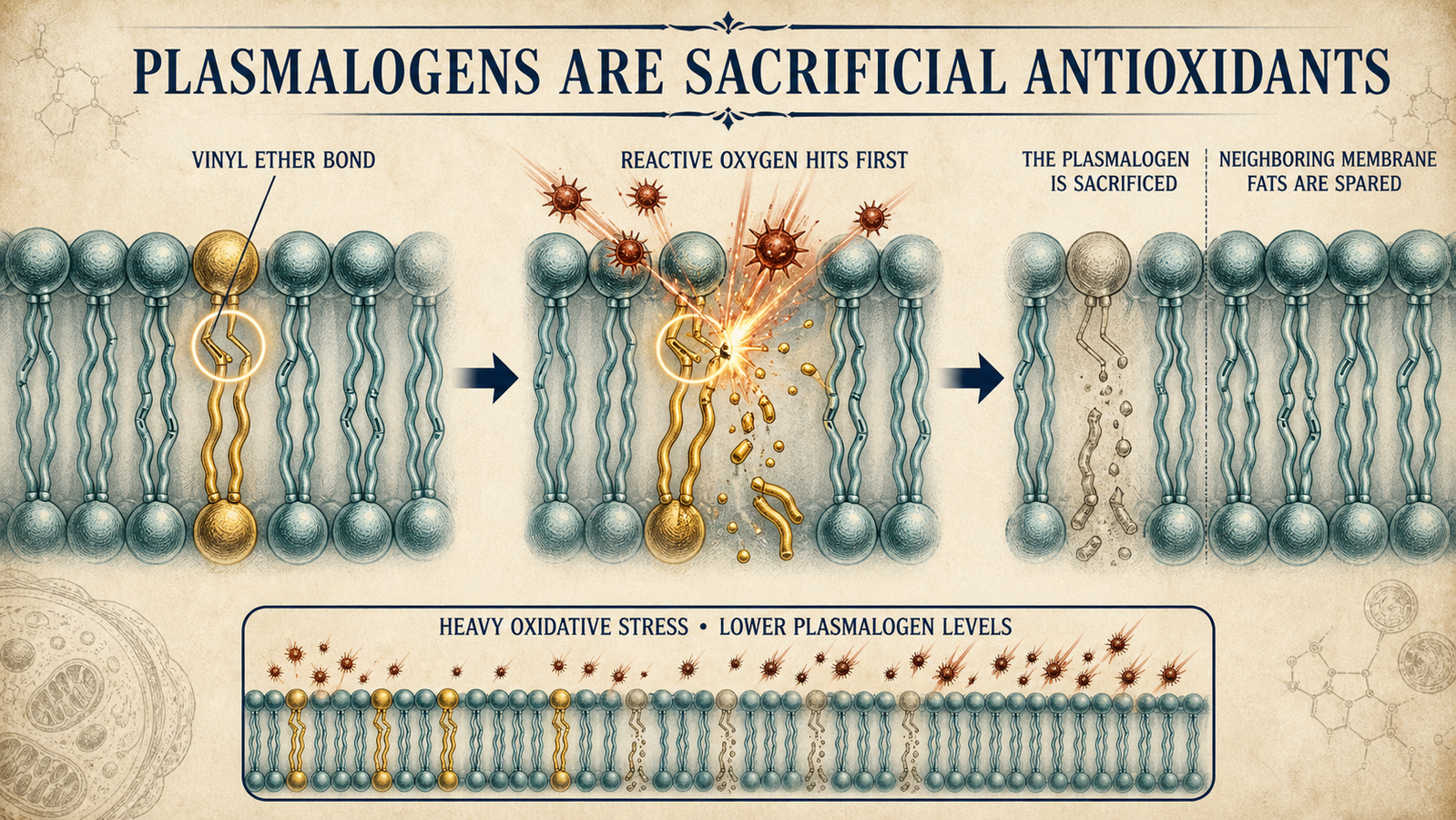
The vinyl ether bond that defines a plasmalogen is chemically fragile, and that turns out to be the point. When reactive oxygen species reach a membrane, they hit that bond first, sparing the polyunsaturated fatty acids packed in beside it. The plasmalogen is destroyed and the neighbors survive. It is a molecular bodyguard built into the membrane, which also explains why plasmalogen levels drop in conditions marked by heavy oxidative stress.
Products We Love
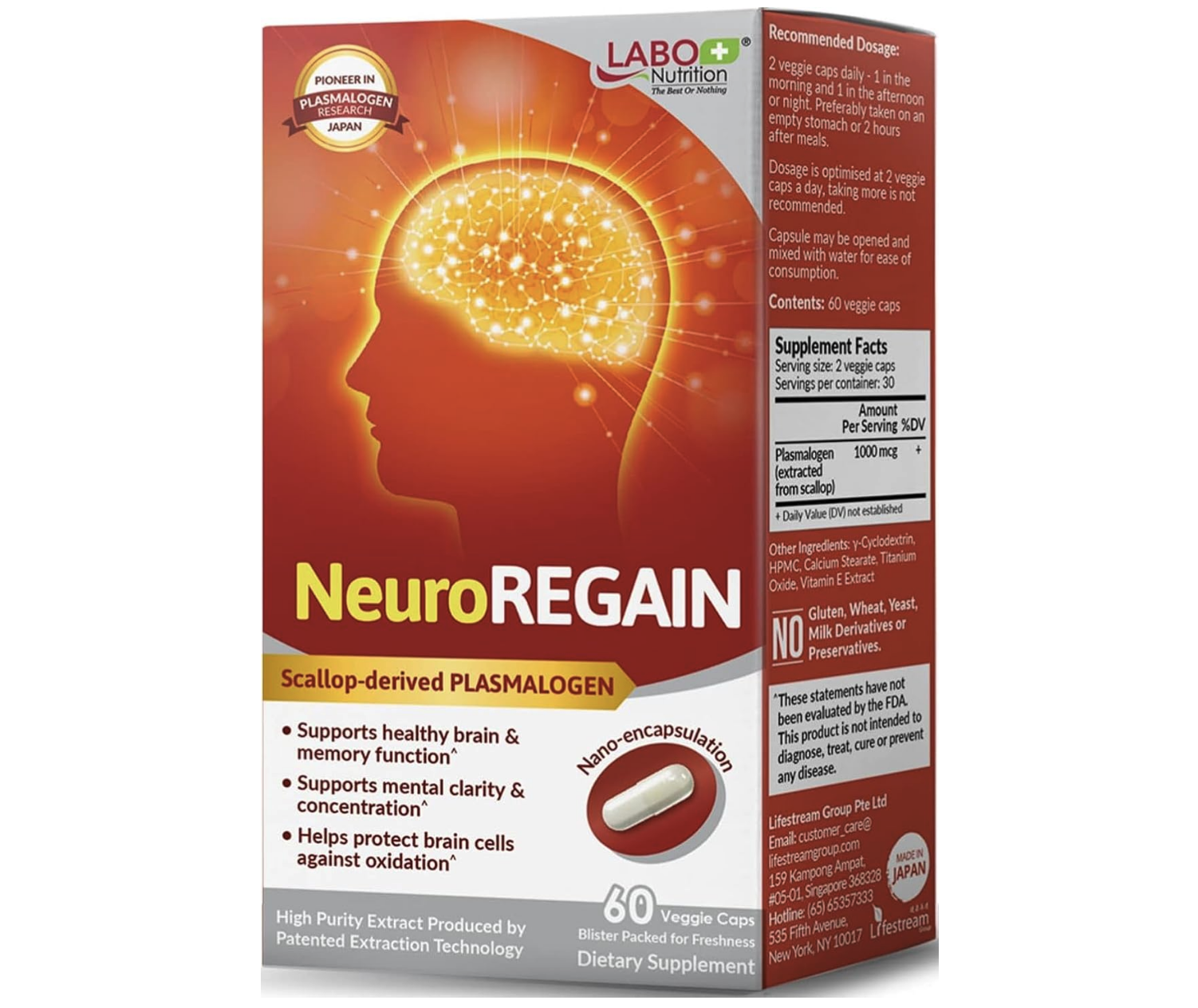
LABO Nutrition NeuroREGAIN Scallop Plasmalogen - Brain & Memory Support
LABO NeuroREGAIN uses high-purity, scallop-derived plasmalogens, a naturally occurring class of phospholipids highly concentrated in the brain. Unlike synthetic or chemically modified alternatives, its plasmalogens are extracted from scallops and naturally associated with DHA. The product stands out because the specific scallop-derived plasmalogen has been studied in human clinical trials, including research examining cognitive function in older adults with cognitive impairment. NeuroREGAIN provides a standardized, non-prescription source designed to replenish plasmalogen levels that tend to decline with age. Its combination of natural sourcing, high purity, defined dosing, and human clinical research makes it a particularly well-characterized plasmalogen supplement.
humanOS Catalog Feature of the Week

Urolithin A from Pomegranate on Brain Health. Podcast with Julie Andersen, PhD
What if the aging brain's problem is less about what it has lost and more about what it has stopped clearing out? Dr. Julie Andersen of the Buck Institute studies how the brain's cleanup machinery breaks down with age, and what happens when you restore it. In this episode of humanOS Radio we get into urolithin A, a compound your gut bacteria make from pomegranates and walnuts, and its effects on mitophagy, microglial behavior, and neuroinflammation. If the plasmalogen story above interested you, this is the other half of the same picture.
If today's newsletter was worth your time, a Pro membership is what keeps it coming. Only $1.67 per newsletter!
Join here: Become a Member
Wishing you the best,