Newsletter #418
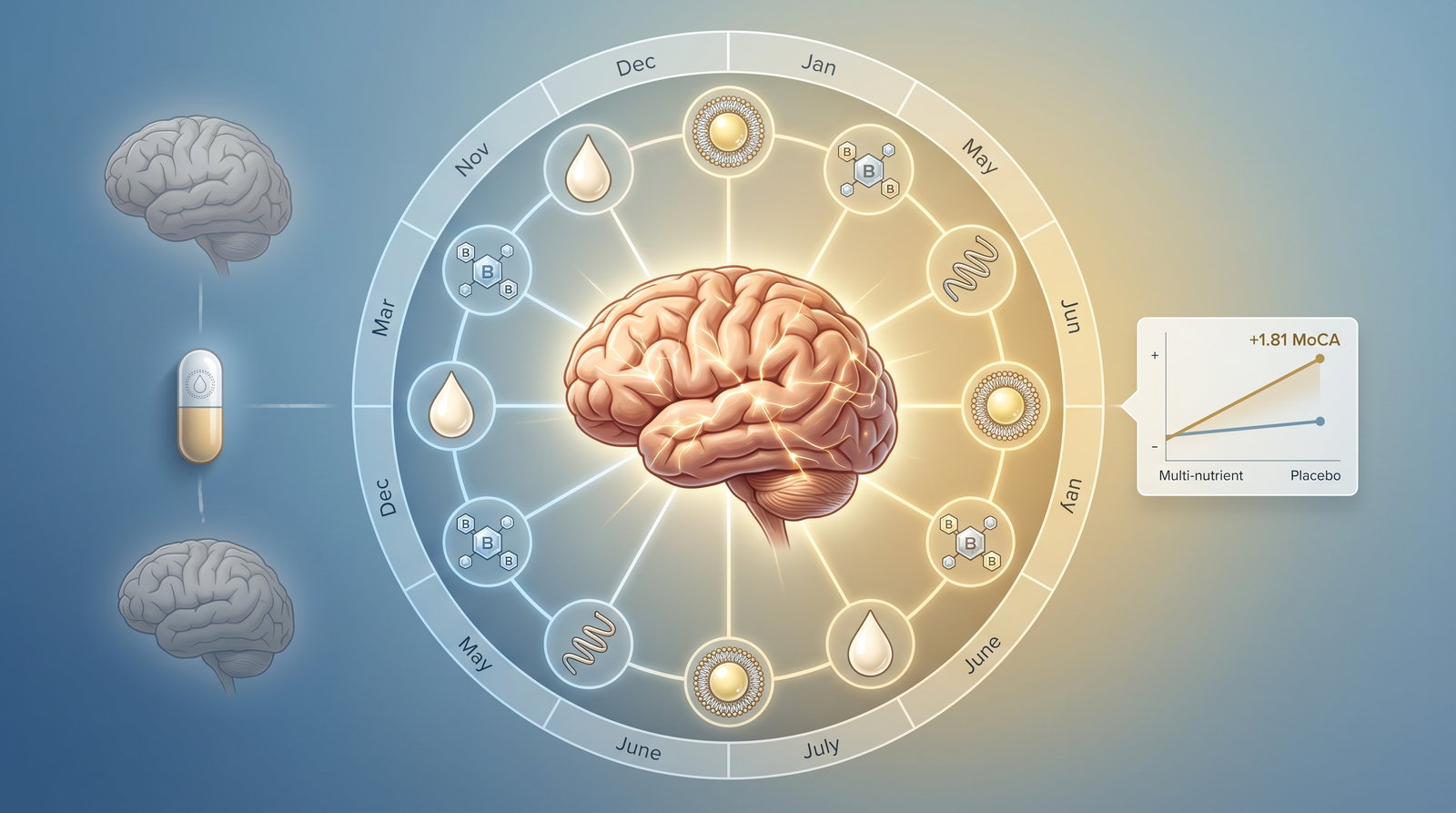
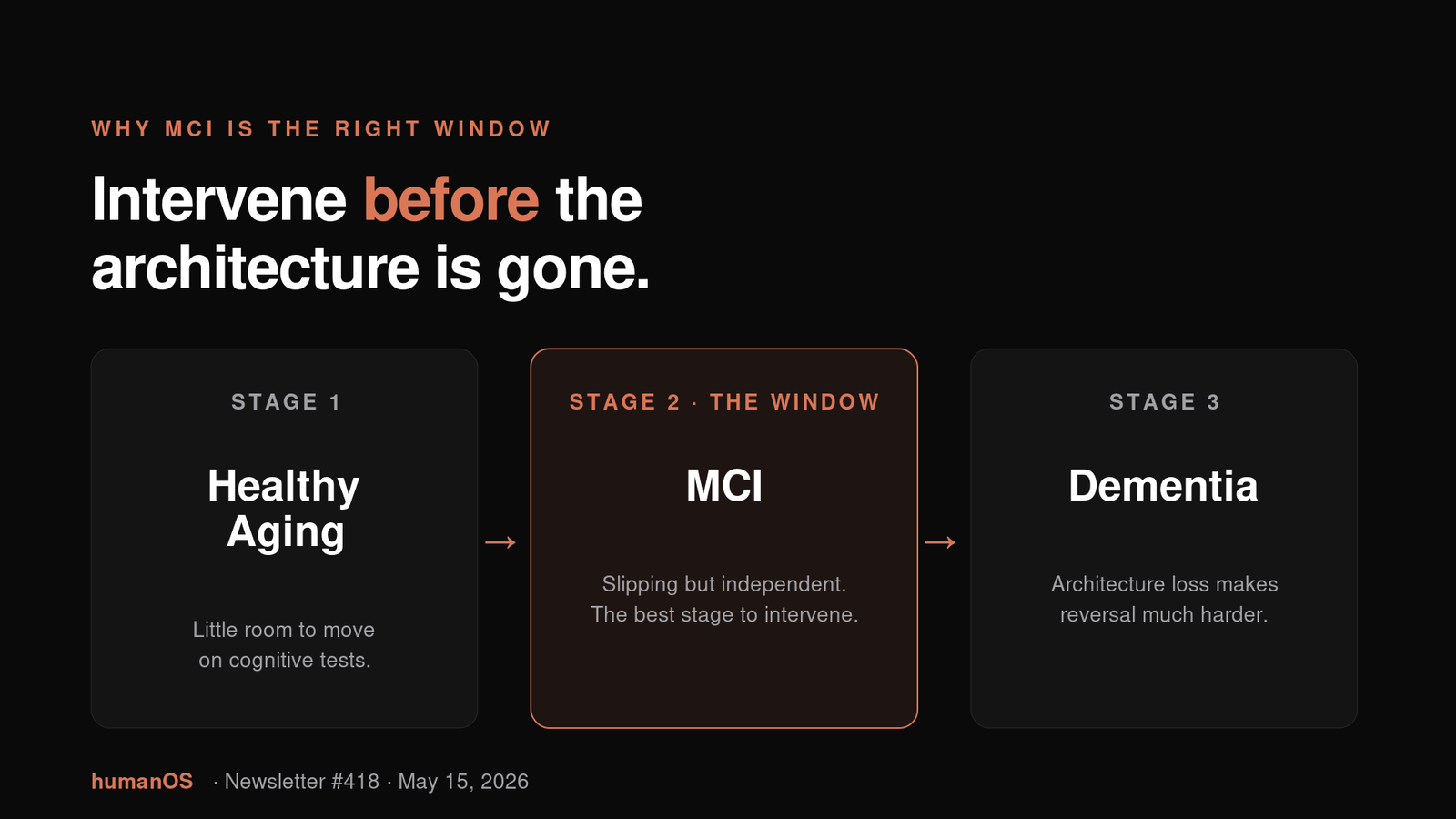
Mild cognitive impairment, or MCI, is the narrow window between healthy aging and dementia. People in this window can still live independently, hold a conversation, and run their lives — but they know something has shifted. Most of them will eventually progress; some won't. The scientific consensus is that this is the most promising stage to intervene, before too much neuronal architecture has been lost. The trouble is that cognitive interventions are notoriously hard to validate. Single-nutrient trials in mild cognitive impairment usually disappoint. But, a new 12-month randomized controlled trial offers an unusually clean answer to a useful question: what happens when you stack the nutrients and run the clock long enough?
If these newsletters are a regular part of how you stay informed on health and longevity, consider supporting the work with a Pro membership. $19.99 per quarter — about $1.67 per issue, less than a coffee tip.
Join here: Become a Member
Review Your Learnings: Newsletter Summaries ✨
Effect of a 12-mo intervention with whey protein powder on cognitive function in older adults with mild cognitive impairment: a randomized controlled trial
The trial, run by Fengping Li and colleagues at Wuhan University, recruited 107 community-dwelling older adults in central China with diagnosed mild cognitive impairment. Average age was 63. They were randomized to either 15 grams per day of a whey protein powder fortified with three things — milk fat globule membrane (MFGM) phospholipids, taurine, and B vitamins — or a maltodextrin placebo matched for taste and appearance. Cognitive testing was done at baseline, 6 months, and 12 months. The primary outcome was the Montreal Cognitive Assessment (MoCA), the standard mild cognitive impairment screening tool.
The results stood out for a cognitive intervention. Over the course of a year, people receiving the intervention showed greater improvements in overall cognitive function compared to placebo. The difference between groups was statistically meaningful and consistent across multiple analyses. Measures tied to attention, processing speed, and memory also improved, suggesting a broad effect across key areas of cognition.
Why a stack, and why these three?
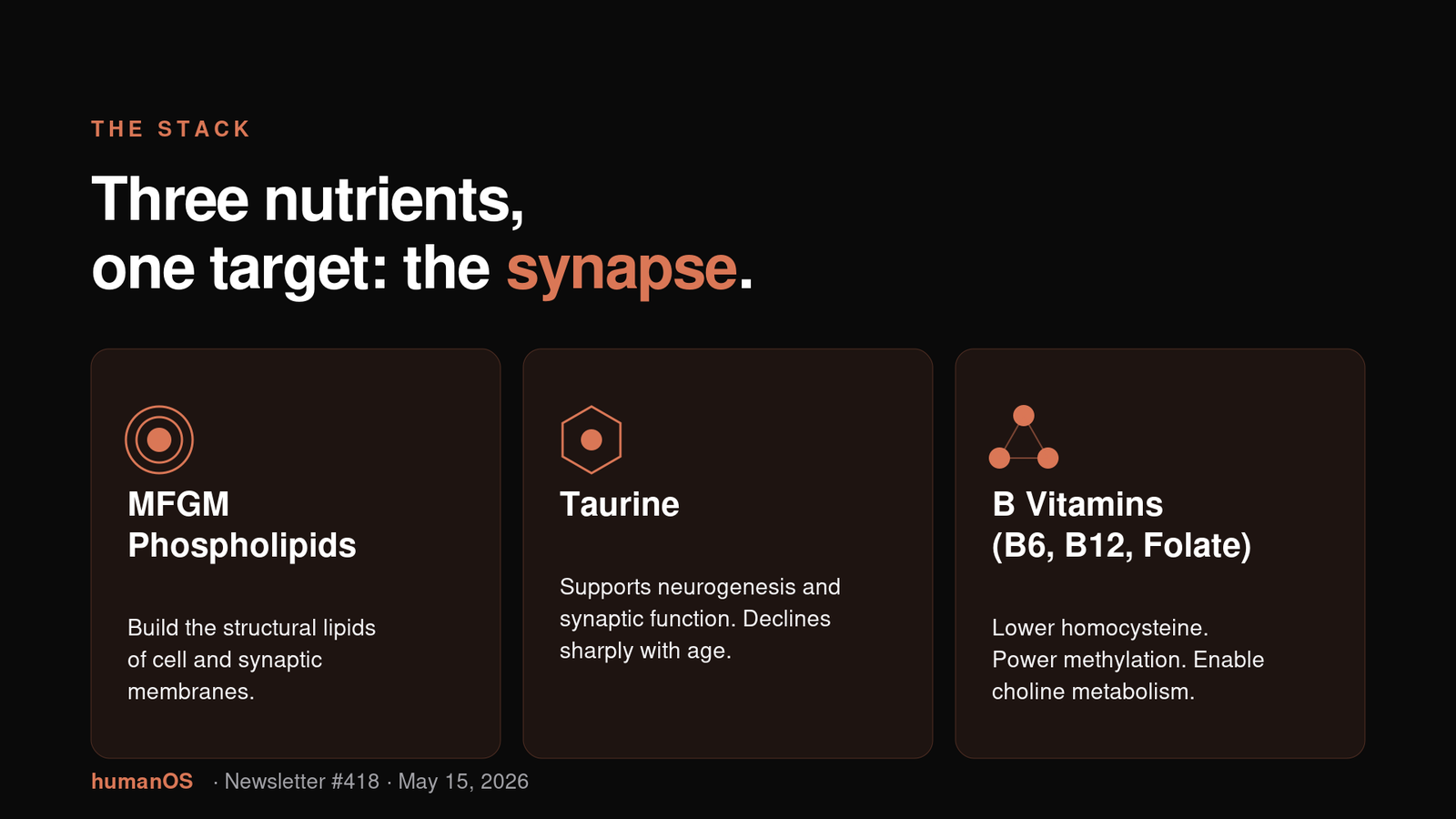
Each ingredient was picked for a different reason that converges on the same target: the integrity of the neuronal membrane and synapse. Phospholipids — abundant in MFGM, which is the three-layered envelope wrapping milk fat globules — are the structural lipids that build cell and synaptic membranes. The brain is roughly half lipid by dry weight, and phospholipid concentrations decline in early Alzheimer's pathology, which makes restoring them via diet a plausible upstream intervention. Animal work from the same Wuhan group had previously shown MFGM reduced neuroinflammation and Alzheimer pathology in transgenic mice.
Taurine is a semi-essential amino acid that drops sharply with age — Singh and colleagues made headlines in 2023 showing taurine deficiency drives multiple aspects of mammalian aging — and it supports neurogenesis and synaptic function. See my podcast with that team below.
B vitamins close the loop: B12, B6, and folate all lower homocysteine, an independent risk factor for cognitive decline, and B vitamins enable choline metabolism, which feeds back into membrane phospholipid synthesis.
Compliance in this trial was confirmed biochemically — serum B vitamins climbed in the active group while homocysteine fell.
What we can and can't conclude
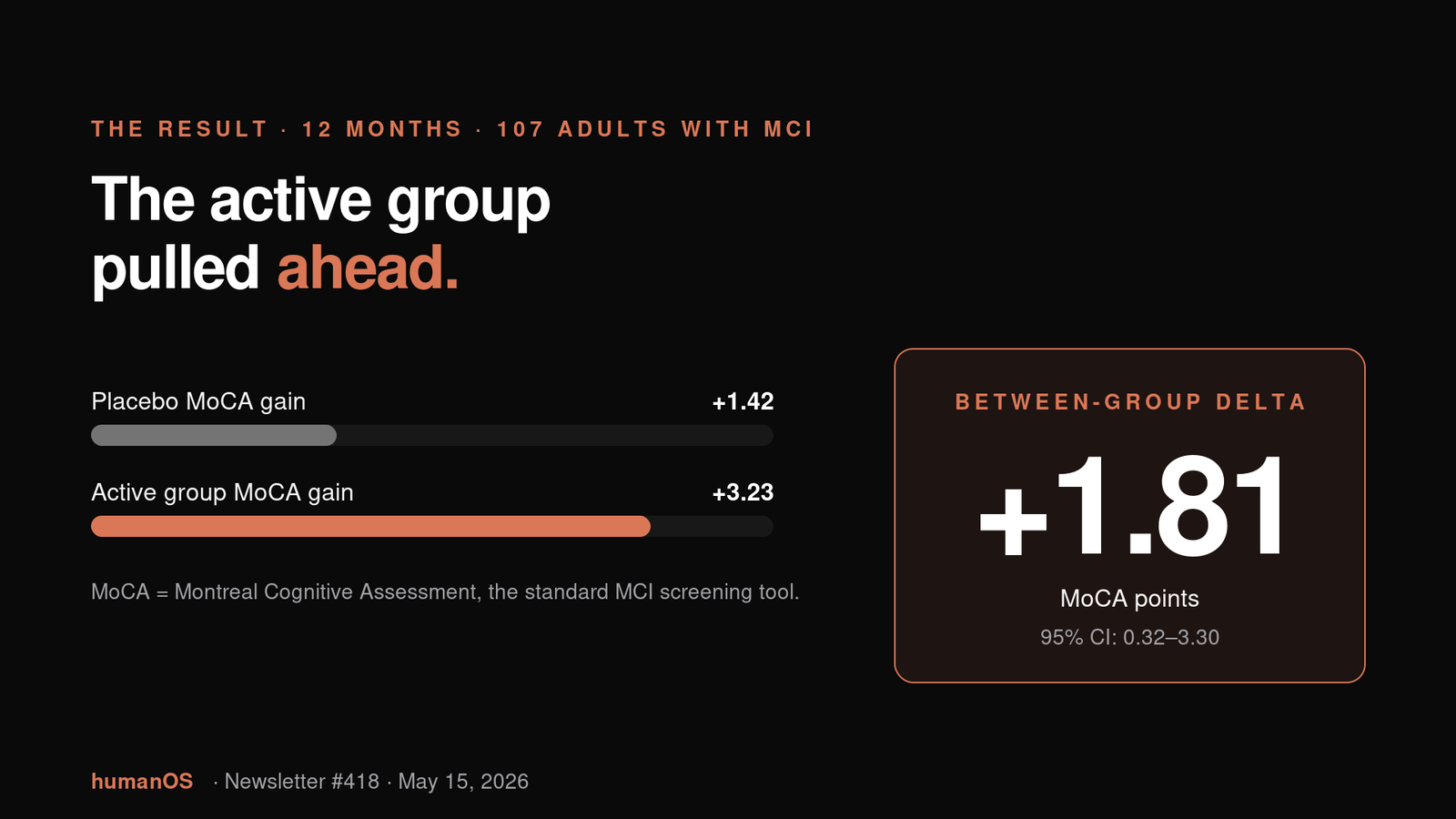
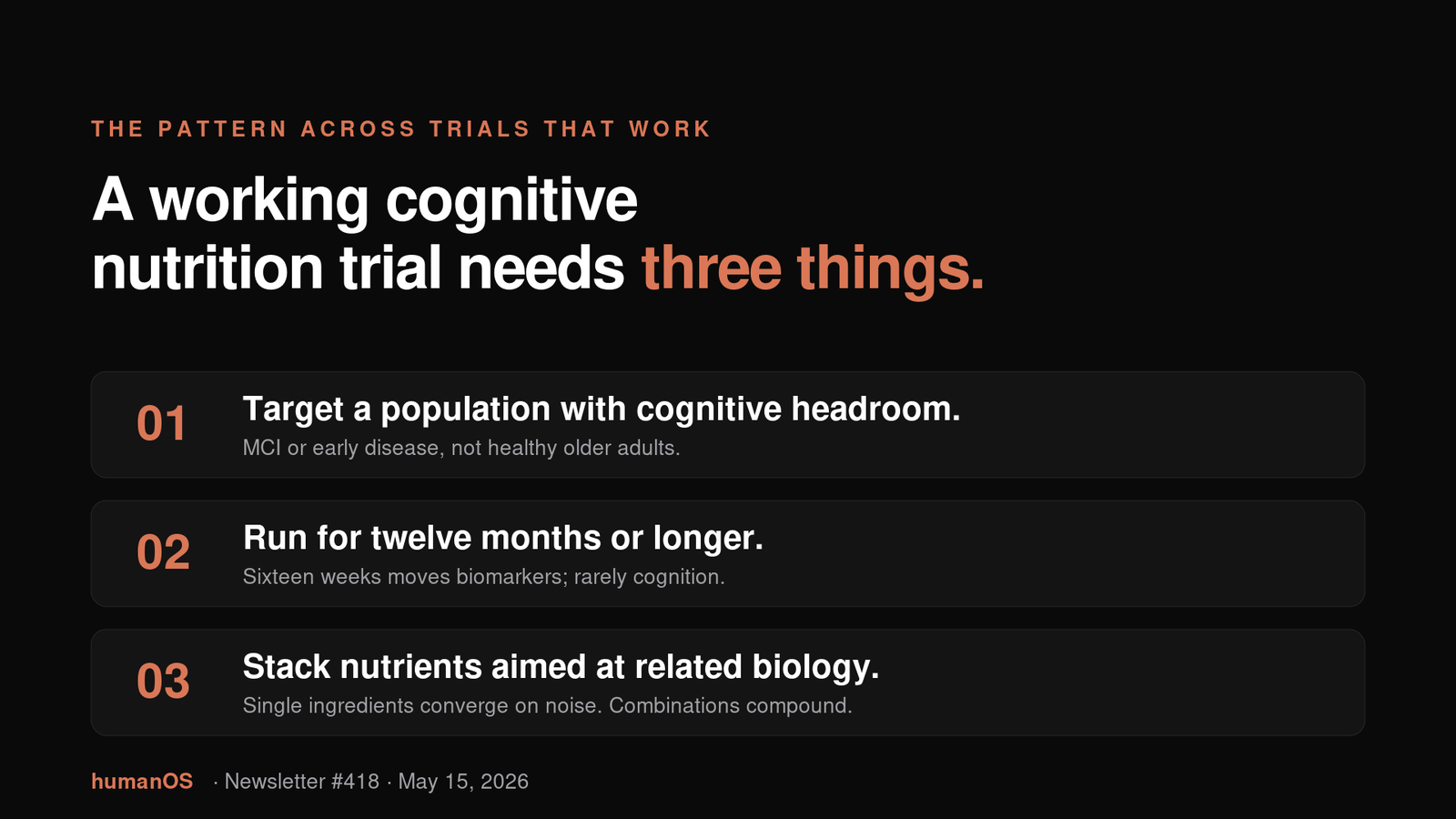
The cleanest reading is that a multi-nutrient cocktail aimed at membrane biology, given for a year, can produce a clinically interesting cognitive effect in adults with mild cognitive impairment. A 1.81-point MoCA difference isn't large enough to reverse cognitive decline outright, but it's similar in magnitude to the gains seen with the multi-nutrient formula Souvenaid in early Alzheimer's. Across both, a pattern is emerging: the studies that work tend to (a) target mild cognitive impairment or early disease, where there's room to move, (b) run for 12 months or longer, and (c) stack multiple nutrients aimed at related biology, rather than testing a single ingredient in isolation.
This study doesn’t isolate which ingredient drove the effects, since multiple compounds were combined. But a complementary trial helps provide context. In a 16-week study of 263 healthy older adults, researchers tested MFGM (milk fat globule membrane) on its own. While participants didn’t show clear changes on standard cognitive tests, they did see improvements in biological markers linked to brain health, along with better alertness and signals of improved memory on secondary measures (Zajac et al.).
Taken together, this suggests that MFGM may help strengthen the underlying biology of brain function. In people without clear deficits, that kind of support may help maintain stable cognitive performance over time. More noticeable improvements in memory and thinking, however, likely require more time, the right combination of nutrients, and a population with more room to improve.
What this means
The part I keep coming back to is how rare it is for a nutritional cognitive intervention to actually move the cognitive test (MoCA). Most fail. The ones that succeed share a recipe: a target population with cognitive headroom, a long enough timeline, and a thoughtful nutrient combination matched to the biology. This trial checks all three boxes. It doesn't replace lifestyle work — sleep, exercise, social connection, blood-pressure control — but it adds another credible tool to the small arsenal of nutritional interventions worth taking seriously for people who have already noticed they're slipping (or maybe just want to prevent slipping from happening).
For now, the practical implication is modest but real. If you or someone you love is in the mild cognitive impairment window, or don’t want to be in that window, a year of a multinutrient formula like the one tested here may be worth the trial run. The intervention was inexpensive, the side effects were minimal, and the biomarker compliance was easy to verify with a simple homocysteine test.
Limitations
The sample was modest (n=107), the population was 93% female, and the trial was funded by a Chinese supplement company that supplied the formula. Effects were strongest in normal-BMI and non-hypertensive participants, suggesting the underlying biology may interact with metabolic and vascular health. The control group also improved a meaningful 1.42 points on the MoCA cognitive test from practice and study attention, so the active group's effect had to clear that ceiling — which it did, but it's a reminder that placebo arms in cognitive trials are rarely silent.
Summary: In a 12-month, double-blind, placebo-controlled randomized trial of 107 older adults with mild cognitive impairment in Wuhan, China, daily supplementation with 15 g of whey protein powder enriched with milk fat globule membrane phospholipids, taurine, and B vitamins improved global cognition. Active-group MoCA scores rose 3.23 points versus 1.42 in placebo (between-group difference: 1.81 points; 95% CI: 0.32–3.30). Digit Symbol Substitution and delayed recall improved as well. Compliance was biochemically verified by elevated serum B vitamins and reduced homocysteine in the active group. Body composition also favored the active group, with preserved appendicular skeletal muscle mass. Effects were strongest in normal-BMI and non-hypertensive subgroups. The intervention was well tolerated. Findings align with prior multi-nutrient formulations (Souvenaid, LipiDiDiet) and complement a 16-week MFGM-only trial (Zajac 2025) that found null cognition effects but positive biomarker shifts, suggesting longer duration and combined nutrients may be needed for cognitive translation.
Random Trivia & Weird News
Buttermilk Is Where The MFGM Lives
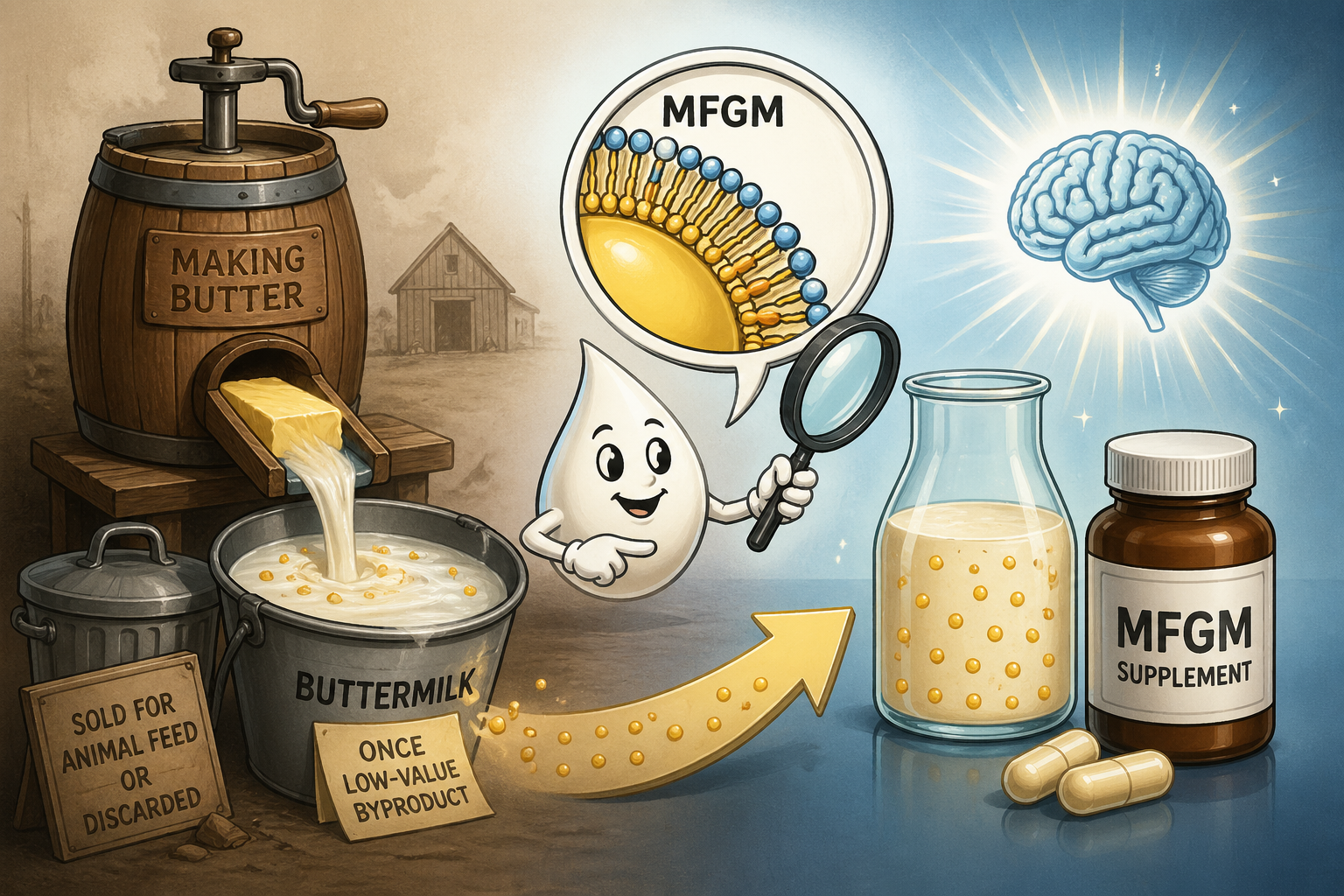
In butter-making, the cream is churned, the fat globule membranes rupture, and most of the phospholipids end up in the buttermilk that's drained off. For decades this fraction was a low-value byproduct sold for animal feed or discarded. Now it's the source material for MFGM supplements like Lacprodan and Protoslipid. The bioactive lipids that may help an aging brain were, for most of the 20th century, considered industrial waste. Reminds of how we used to view collagen.
Podcasts We Loved This Week
- Dr. Tommy Wood: Can Cognitive Decline Be Reversed? via The Dr. Gabrielle Lyon Show
- Dr. Aimie Apigian: How Hidden Stress Drives Autoimmunity, Brain Inflammation & Longevity via LONGEVITY with Nathalie Niddam
Products We Are Enjoying
REMORY Plasmalogen Sea Squirt Supplement
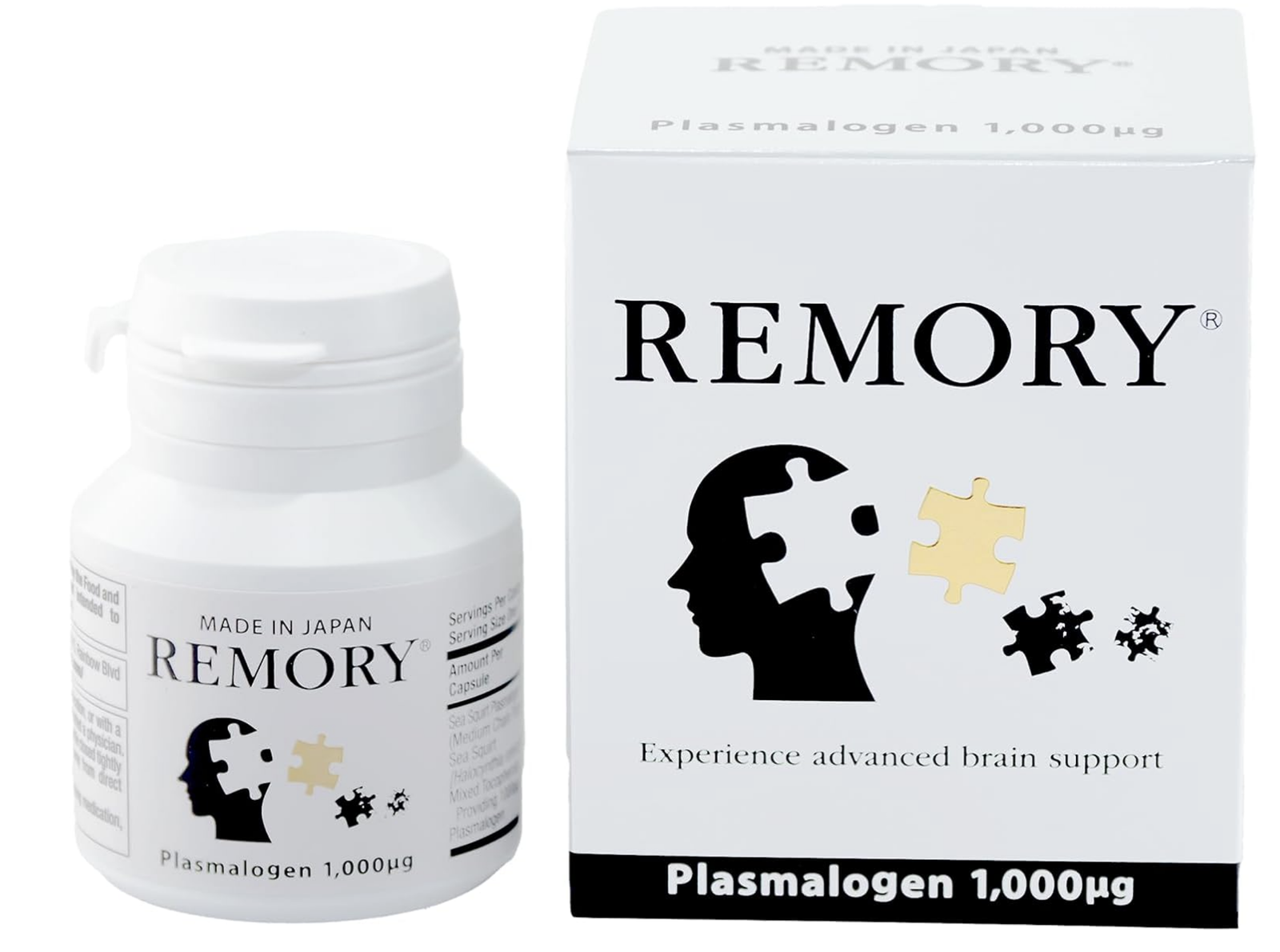
REMORY is a daily supplement built around plasmalogens — a class of phospholipids concentrated in neuronal membranes that decline measurably with age and in Alzheimer's disease. Each serving delivers 1,000 µg of plasmalogen sourced from Hokkaido sea squirt, an unusually rich marine source, paired with EPA and DHA for additional membrane support. Like the multinutrient formula in this week's trial, REMORY's design targets the same upstream biology — the membrane lipids that build cell and synaptic structures — that the cognitive aging literature keeps converging on. Third-party tested and certified for purity and safety.
humanOS Catalog Feature of the Week

Taurine and Biological Aging. Podcast with Vijay Yadav.
Taurine (one of the ingredients in the stack mentioned in this newsletter research) is best known as an ingredient in energy drinks, but emerging research suggests it may play a much deeper role in human health and aging. In this episode of humanOS Radio, Dr. Vijay Yadav, a professor at Columbia University, discusses his groundbreaking study published in Science showing that taurine levels decline substantially with age in mice, monkeys, and humans. His team then asked a provocative question: Is taurine loss simply a marker of aging, or could it help drive the aging process itself? The answer could reshape how we think about extending both lifespan and healthspan.
If today's newsletter was worth your time, a Pro membership is what keeps it coming. Only $1.67 per newsletter!
Join here: Become a Member
Wishing you the best,