

Newsletter #383
This Week’s Topic Highlight
Sleep touches everything—your gut, your mood, even how you handle money worries. Three new studies explore surprising ways rest connects to health, stress, and well-being. The findings may change how you think about what’s really happening when your head finally hits the pillow.
New Feature: Newsletter Summaries ✨
Gut Trouble Often Means Sleep Trouble Too
A new study in BMC Gastroenterology highlights how closely gut health and sleep are connected. Researchers analyzed data from over 10,000 U.S. adults and found that people with gastrointestinal (GI) disorders were far more likely to struggle with sleep. Nearly 38% of those with GI disease reported sleep trouble compared with 24% without, and 15% had diagnosed sleep disorders versus just 8% in the healthy group. Even after adjusting for age, lifestyle, and chronic disease, individuals with GI issues were about 70% more likely to have sleep problems and slept less on average.
The study also revealed that depression explained part of the link, accounting for up to a quarter of the effect. But it’s not the only pathway—systemic inflammation, gut-brain signaling, and metabolic dysfunction may also play roles.
Experts note this adds weight to the idea of a bidirectional gut-brain-sleep axis: poor gut health can disturb sleep, and poor sleep may worsen gut problems. The findings emphasize the need for more integrated care—and for patients to bring up both sets of symptoms when talking with their doctors.
What Keeps Americans From Sleeping At Night?
A new survey from the American Academy of Sleep Medicine shows just how much stress is stealing Americans’ sleep. Money tops the list: 78% of adults reported losing sleep over financial worries. Work pressures followed close behind, with 65% citing job concerns and 56% specifically worried about job security. Political stress also surged, with more than half (56%) saying it kept them awake—up sharply from 46% last year. Crime and violence weighed on 61% of respondents, while newer concerns like artificial intelligence and technology ranked lower at 39%.
Experts note that today’s always-on lifestyle makes it harder to put worries aside at bedtime. Many people only find time to process fears when the lights go out, fueling racing thoughts that disrupt rest. That lack of sleep, in turn, worsens physical and mental health.
Dr. Andrew Spector, a sleep medicine physician and AASM spokesperson, emphasizes small, practical fixes: unplug from news and social media an hour before bed, jot down racing thoughts, build in “worry time” earlier in the day, and don’t stress about sleep itself. Even modest changes to routine can ease nighttime anxiety and improve resilience. The takeaway: better sleep is one of the most effective tools for handling life’s daily challenges.
Sleep Tops the List for Boosting Young Adults’ Mental Health
A new study in PLOS One suggests that three everyday habits—sleep, diet, and exercise—play a powerful role in shaping young adults’ mental well-being. Researchers analyzed data from nearly 2,100 people aged 17 to 25 across the U.S., U.K., and New Zealand and found that better sleep quality was the strongest predictor of improved mood and happiness the following day. Eating more fruits and vegetables ranked second, while physical activity came third.
The benefits were additive: the more healthy habits a person practiced, the greater the boost to mental well-being. Interestingly, one behavior could sometimes make up for another. For example, eating plenty of fruits and vegetables helped soften the impact of a poor night’s sleep, while good sleep could offset lower produce intake.
This is particularly important for young adults, a group facing unique pressures such as financial stress, academic demands, and social challenges. Even small improvements mattered—just sleeping a bit better, eating a little healthier, or adding ten extra minutes of activity was linked to better mental health. While the studies were observational and can’t prove cause and effect, the findings highlight practical, everyday ways for young people to protect and enhance their well-being.
Random Trivia & Weird News
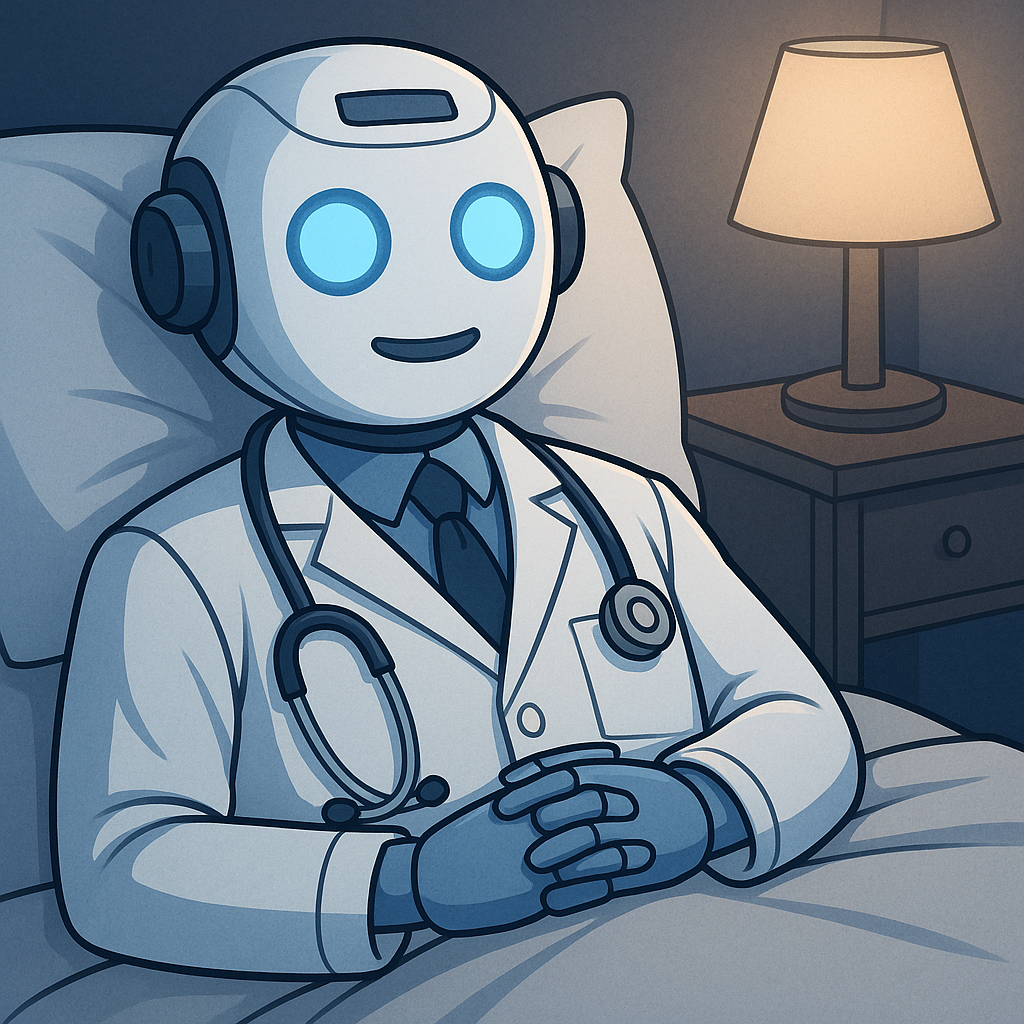
A new study put ChatGPT-4 to the test as a sleep doctor, and the results are surprising. Researchers gave the AI 19 real-world sleep disorder cases from the Case Book of Sleep Medicine. ChatGPT nailed the final diagnosis almost 79% of the time, with a full match in more than two-thirds of cases. Its accuracy dropped when cases got complex, but overall performance was comparable to early-stage medical trainees. Promising, yes, but would you trust an AI to tell you why you can’t sleep? Is AI a better sleep doctor? Probably even more so today than when these results were first generated with GPT-4. At the time of writing, we’re already on GPT-5, so the numbers here likely underestimate current performance.
Podcasts We Loved This Week
- Dr. Daisy Duan: Time-Restricted Eating and Objectively Measured Sleep via SRS Podcast (#29)
- Dr. Justin Parent: Early Life Adversity, Accelerated Epigenetic Aging, and Sleep via SRS Podcast (#27):
Products We Are Enjoying
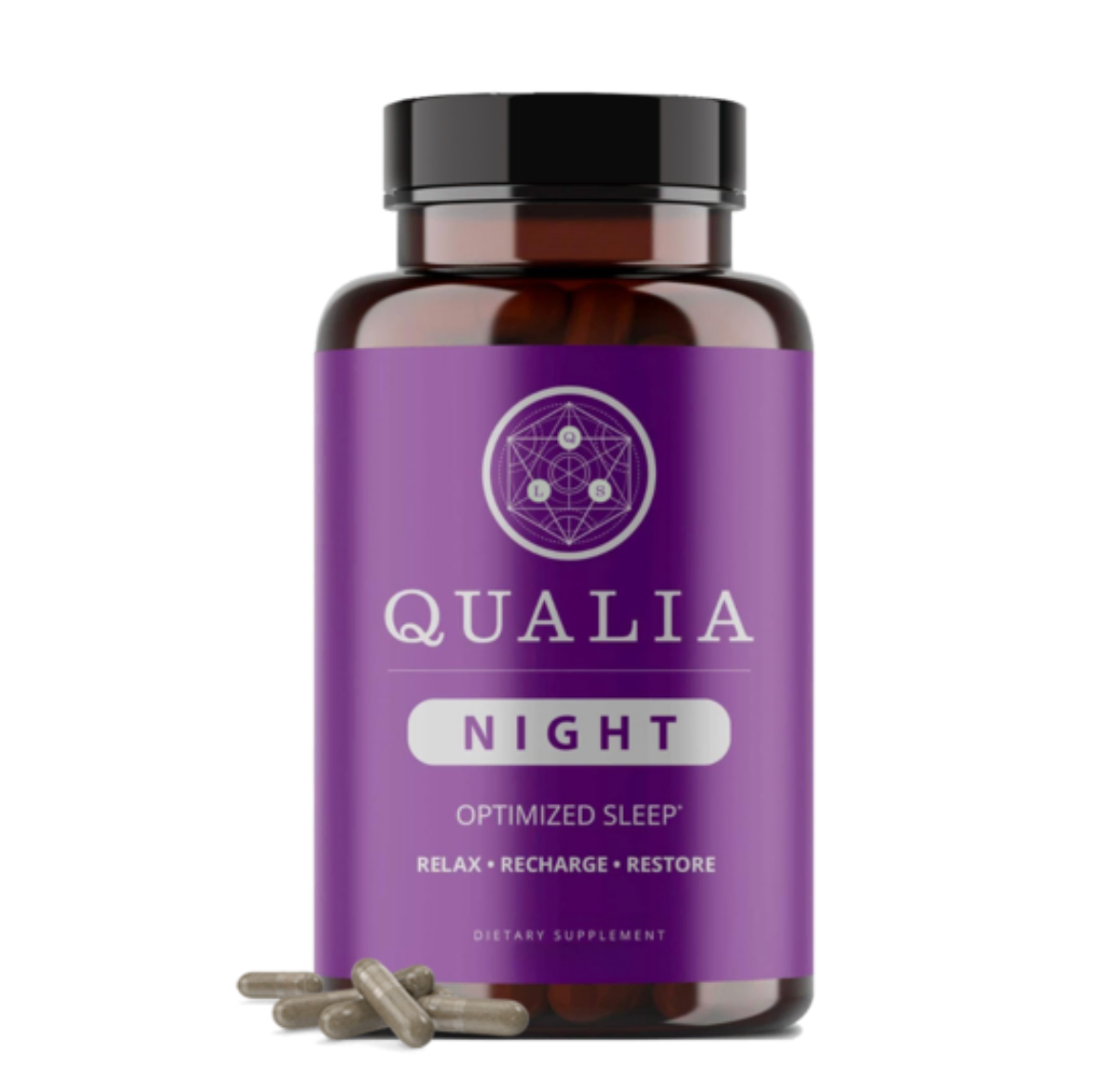
Qualia Night
A melatonin-free, non-sedative sleep formula designed to enhance natural sleep cycles. It supports BDNF, GABA, cortisol balance, and the body’s own melatonin production—promoting deep, restorative sleep while boosting next-day energy and performance.
humanOS Catalog Feature of the Week
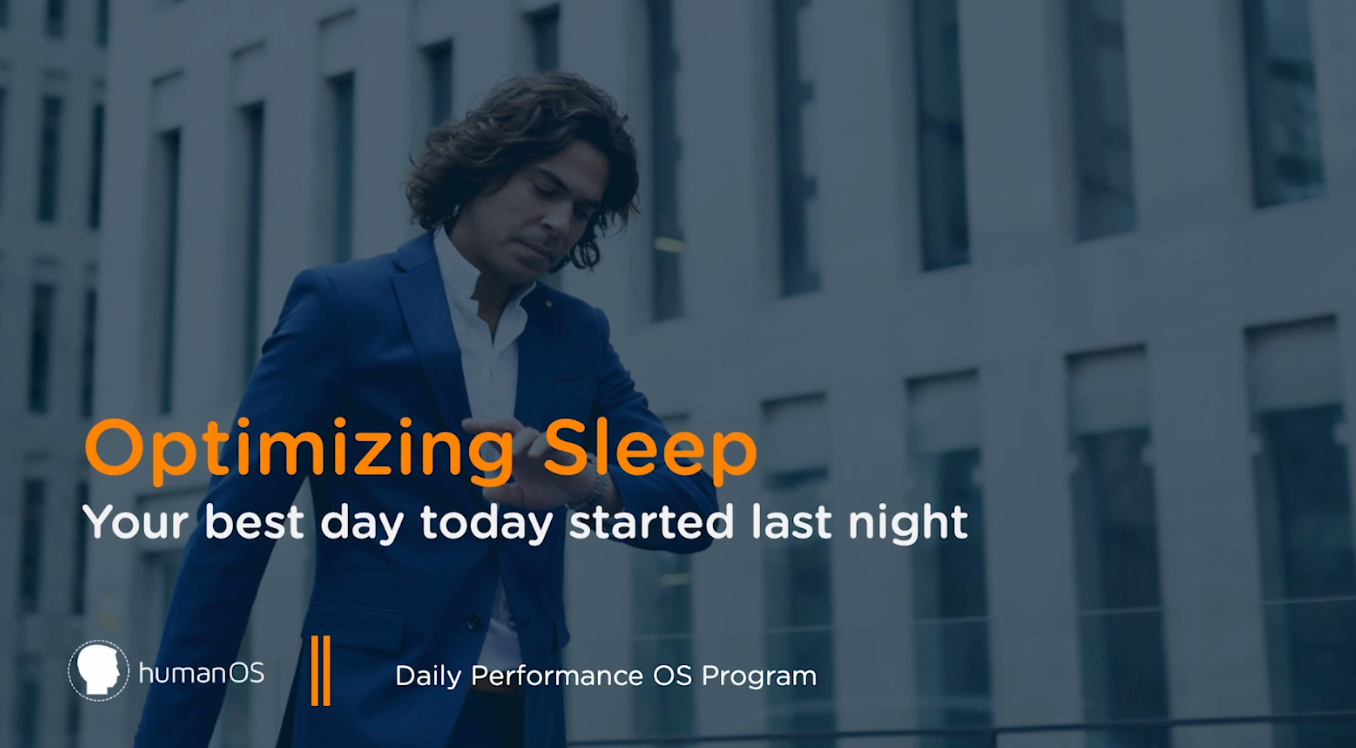
Optimizing Sleep
“If sleep doesn't serve an absolutely vital function, it is the greatest mistake evolution ever made.”—Allan Rechschaffen.
Sleep isn’t just about rest — it’s the foundation of mental sharpness, decision-making, memory, and emotional resilience. And yet, modern life makes it easy to shortchange it.
Our Optimizing Sleep course, part of the Daily Performance Program, unpacks the science of sleep and why it is non-negotiable for peak cognitive function. You’ll learn:
- How even mild sleep loss can impair focus, reaction time, and self-control
- Why entrepreneurs, athletes, and high performers need to take sleep just as seriously as training
- The real impact of screens, shift work, and modern schedules on sleep quality
- Simple, research-backed strategies to improve sleep — starting tonight!
To Access:
- Login to humanOS
- See Programs & Collections
- Click Daily Performance Program
- Scroll down to Daily Performance and Sleep
Wishing you the best,

—