Newsletter #378
Nearly half of U.S. adults have high blood pressure 🤯
Even worse, most don’t even know it. But what if some simple lifestyle interventions could help make a difference? This week’s newsletter explores surprising research on plant vs. animal protein, olive leaf extract, and even red light for blood pressure.
New Feature: Newsletter Summaries ✨
Plant vs. Animal Protein for Blood Pressure - Is there a Difference?
In this large U.S. cohort study, eating more protein from plant sources was associated with lower risk of developing hypertension, while eating more animal protein showed no significant effect in either direction. Specifically, the benefit seemed to plateau around 30 grams of plant protein per day (~6% of daily calories).
The difference in impact between plant and animal protein is moderate, not dramatic. Pooled data from similar studies suggest about a 13% lower risk of hypertension for high plant protein eaters (RR ~0.87), while animal protein intake consistently hovered near neutral (RR ~1.01). So, plant protein may offer a modest but meaningful advantage, especially when it comes from minimally processed foods like legumes, nuts, and seeds.
But it’s worth noting the limitations of this kind of evidence. Cohort studies rely on self-reported food intake, which can be inaccurate. They also show associations, not cause and effect. While researchers adjusted for many variables, residual confounding (like other healthy lifestyle habits) could influence results. And protein intake was measured only at the start—diet may have changed over the 9-year follow-up.
Still, the pattern is consistent with trials showing that fiber, potassium, and amino acids like l-arginine in plant foods can help lower blood pressure. The bottom line here is that plant protein appears to be beneficial for blood pressure, and minimally processed sources matter, so keep eating whole foods!
Olive Leaf Extract May Help Lower Blood Pressure, Especially if Yours Is High
This meta-analysis of 12 clinical trials found that olive leaf extract can modestly reduce two key cardiovascular risk markers: systolic blood pressure and blood triglycerides. The average reductions were -3.9 mmHg and -9.5 mg/dL, respectively. But for people with hypertension, the benefits were even more pronounced. In this study group, blood pressure dropped nearly 5 mmHg, and triglycerides by 14 mg/dL.
Why does that matter? A 5 mmHg drop in systolic pressure can lower your risk of heart attack or stroke by up to 10%.
The effect is likely due to compounds like oleuropein, which helps dilate blood vessels, reduce ACE activity (like some blood pressure meds), and modulate fat metabolism. Most studies used 500–1000 mg of olive leaf extract daily for 6 to 48 weeks.
Olive leaf extract didn’t meaningfully improve blood sugar, inflammation, or liver/kidney markers, but note that most of the participants had normal levels at baseline.
Olive leaf extract isn’t a cure-all, but it may be a useful add-on for people looking to improve blood pressure and triglycerides—especially those with hypertension. As always, talk to your doctor before adding any supplement to your regimen, not just to avoid potential conflicts, but also to help track your strategies. If your blood pressure changes — for better of worse — you’ll have clearer insight into what made the difference.
Red Light Therapy Shows Blood Pressure–Lowering Effects
If you’re a menopausal rat with hypertension, boy do I have news for you!
In this recent rodent study, photobiomodulation (PBM) — a non-invasive light therapy using low-level red light (660 nm) — significantly lowered blood pressure and improved vascular function. The study used female rats whose ovaries were removed to mimic postmenopausal estrogen decline, a known contributor to high blood pressure and cardiovascular disease.
Rats treated with PBM showed lower mean blood pressure compared to untreated controls. They also had improved endothelium-dependent vasodilation — a measure of blood vessel health — and higher nitric oxide (NO) levels, which play a key role in vascular relaxation. These effects brought their cardiovascular parameters close to those of healthy, non-ovariectomized rats.
Mechanistically, PBM appears to increase nitric oxide availability, enhance endothelial function, and reduce oxidative stress — all of which help lower blood pressure and improve heart health.
Note that this was a preclinical study in rats, not humans. While the findings are promising and align with known mechanisms of red light therapy, well-designed human trials are needed to determine whether these effects translate to clinical use in various human populations with hypertension.
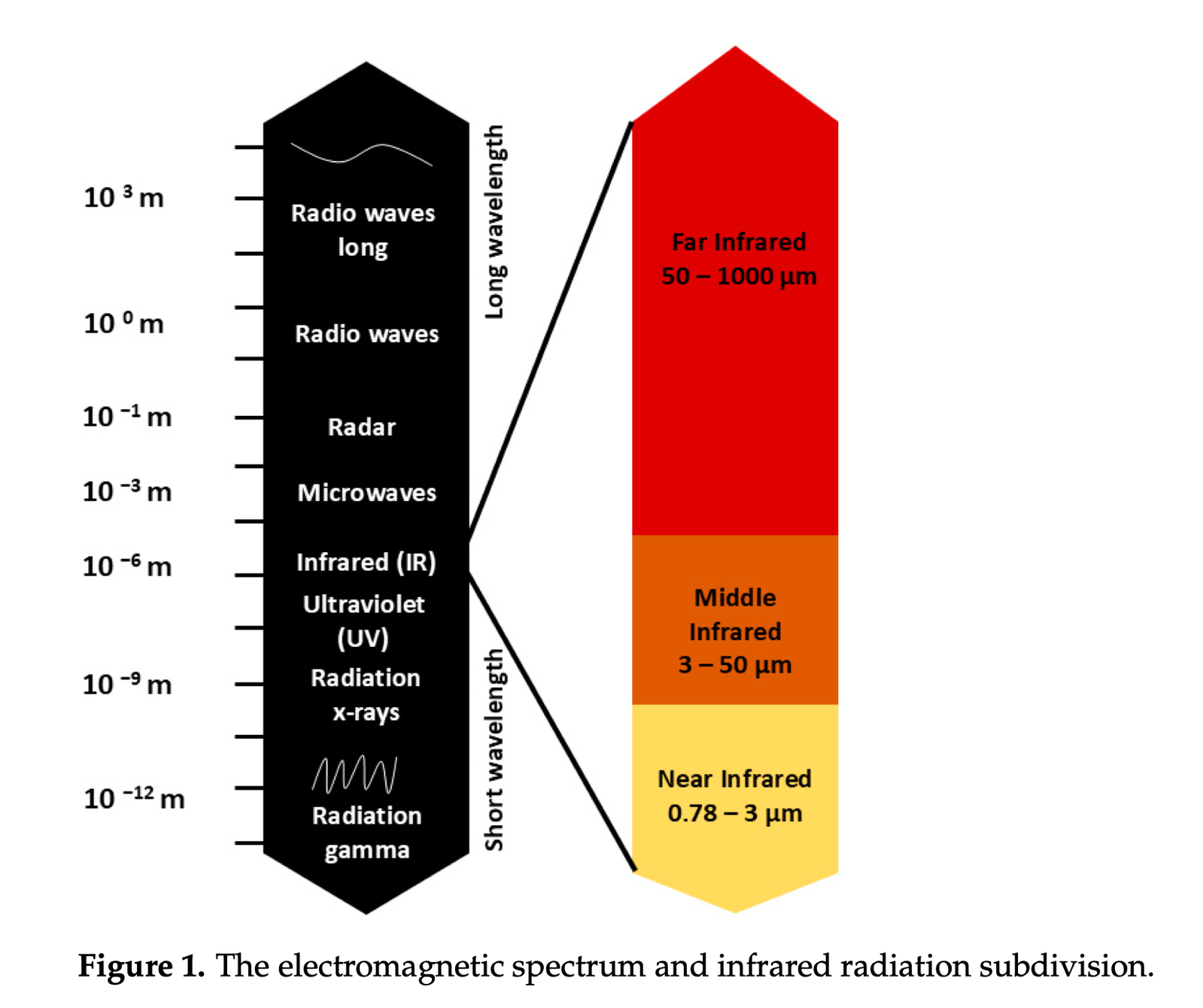
Photo Credit: Int. J. Mol. Sci. 2025, 26, 5134
A meta-analysis of 12 clinical trials on olive leaf extract showed modest reductions in systolic blood pressure (~4–5 mmHg) and triglycerides (~10–14 mg/dL), especially in those with elevated levels. The active compound, oleuropein, likely works by promoting vasodilation, reducing ACE activity, and improving lipid metabolism.
A rodent study using red light therapy demonstrated that menopausal rats with induced hypertension experienced lower blood pressure, improved vascular function, and increased nitric oxide levels. While promising, these results are preclinical, and human studies are needed to determine therapeutic potential.
Random Trivia & Weird News
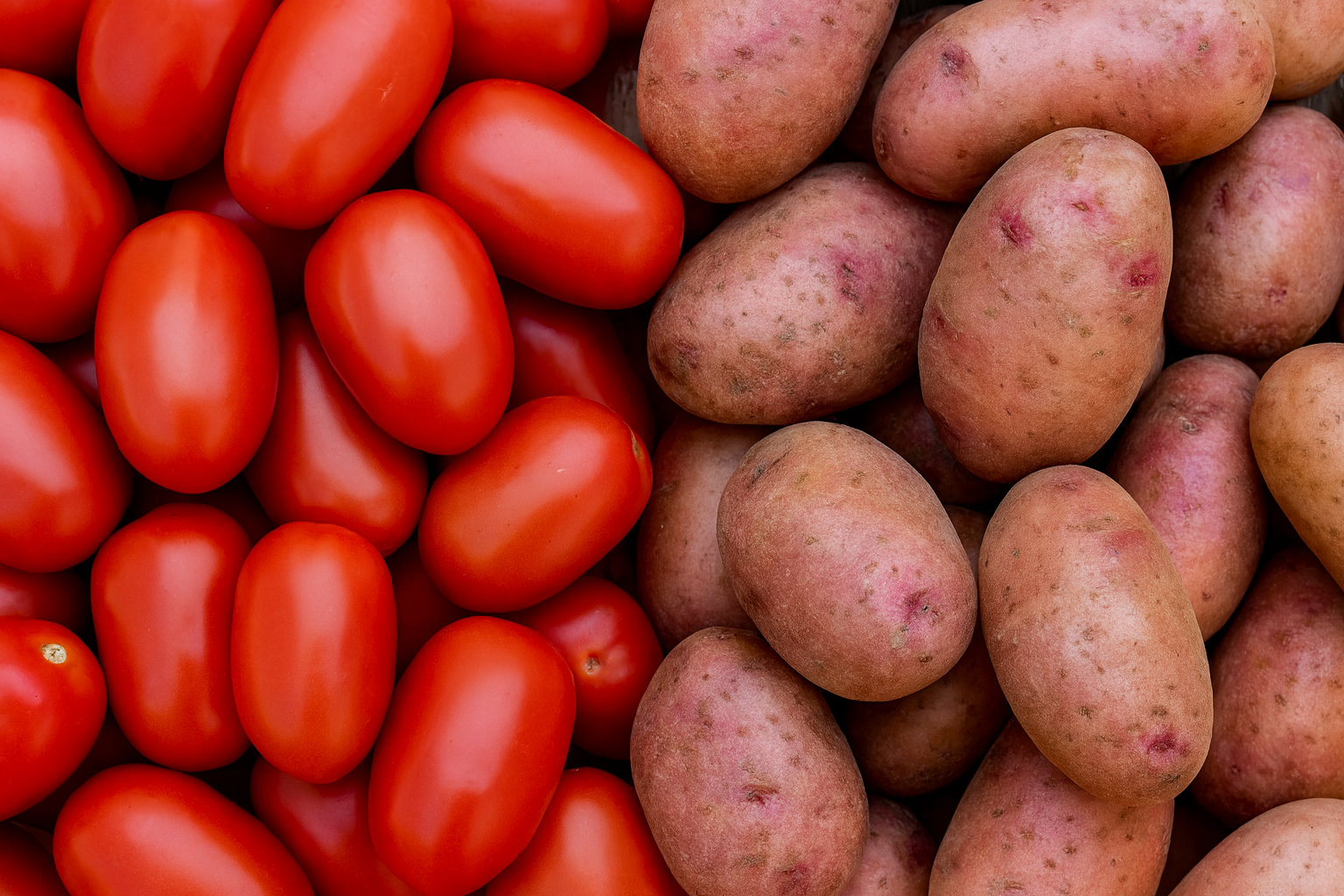
The potato has a surprising origin story. Scientists have found that it began 9 million years ago as a hybrid between an ancestor of the tomato and an ancient South American plant. The new plant inherited a tuber-forming gene from the tomato side and a stem-growing gene from its wild cousin producing the first energy-storing potatoes. This evolutionary shift, likely triggered by the rise of the Andes mountains during the Miocene epoch, laid the foundation for a crop that would one day feed civilizations, pair perfectly with burgers, and even make vodka 🥔 → 🍟 🍸. The study appears in Cell.
Podcasts We Loved This Week
- Josh Turkett, MD, and Tommy Wood, MD, PhD: Statins, Cholesterol, and Brain Health: Our Unfiltered Take via Better Brain Fitness
- Josh Turknett, MD and Tommy Wood, MD, PhD: Does Red Light Therapy Boost Brain Health? via Better Brain Fitness
Products We Are Enjoying
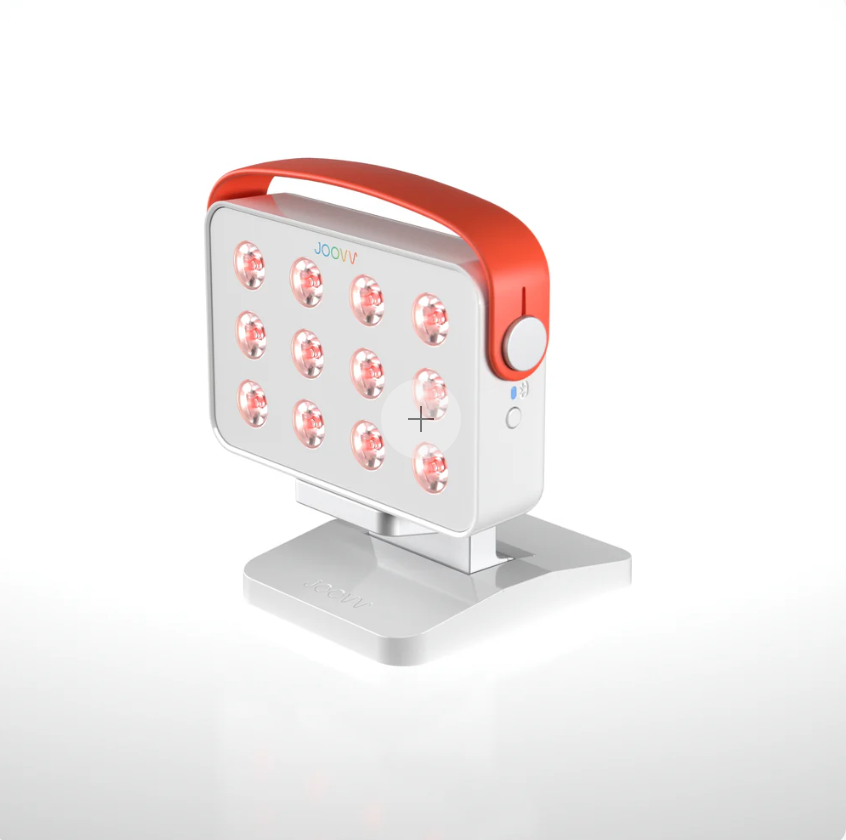
Joovv Go 2.0
I’ve used an earlier version of the Joovv Go for years, and this new 2.0 model is an upgrade. I use it weekly for eye health and also to support muscle recovery after intense training. The portability is key. I can use it anywhere (which translates to different places around my home). The Recovery+ Mode and mobile app features make sessions even easier to personalize and track. It’s powerful, efficient, and thoughtfully designed for real-world use. We will be hearing more and more about red light therapy, or photobiomodulation (which includes red and infrared light wavelengths) in the coming years.
humanOS Catalog Feature of the Week
The Body Clock
Want to go a little deeper? If you found this article illuminating, our Body Clock course might prove to be useful to you.
It unpacks the science of circadian rhythms — how they influence your sleep, immune system, metabolism, and mental health — and provides actionable strategies to keep your internal clock on time in a world that constantly pushes it off track.
To Access:
- Log in to humanOS.
- Click Mini-courses in navigation on the left-hand side
- Scroll down to Body Clock (all the way at the bottom, in the center)
Also, you can search “body clock” in the search field after you’ve logged in:
In health,