
Newsletter #446
People who eat about 350 to 400 mg of choline a day have the lowest risk of cognitive decline and Alzheimer's disease. That's the finding from a new analysis that pooled nine long-term studies of more than 218,000 adults. Eating more than that didn't lower risk any further. Most people, especially women, fall short of that range. Two eggs gets you most of the way there. Let's take a closer look.
If these newsletters are a regular part of how you stay informed on health and longevity, consider supporting the work with a Pro membership. $19.99 per quarter, about $1.67 per issue, less than a coffee tip.
Join here: Become a Member
Review Your Learnings: Newsletter Summaries ✨
Dietary choline intake and cognitive outcomes: a dose-response meta-analysis of prospective cohort studies
What is choline, and why does the brain need it?
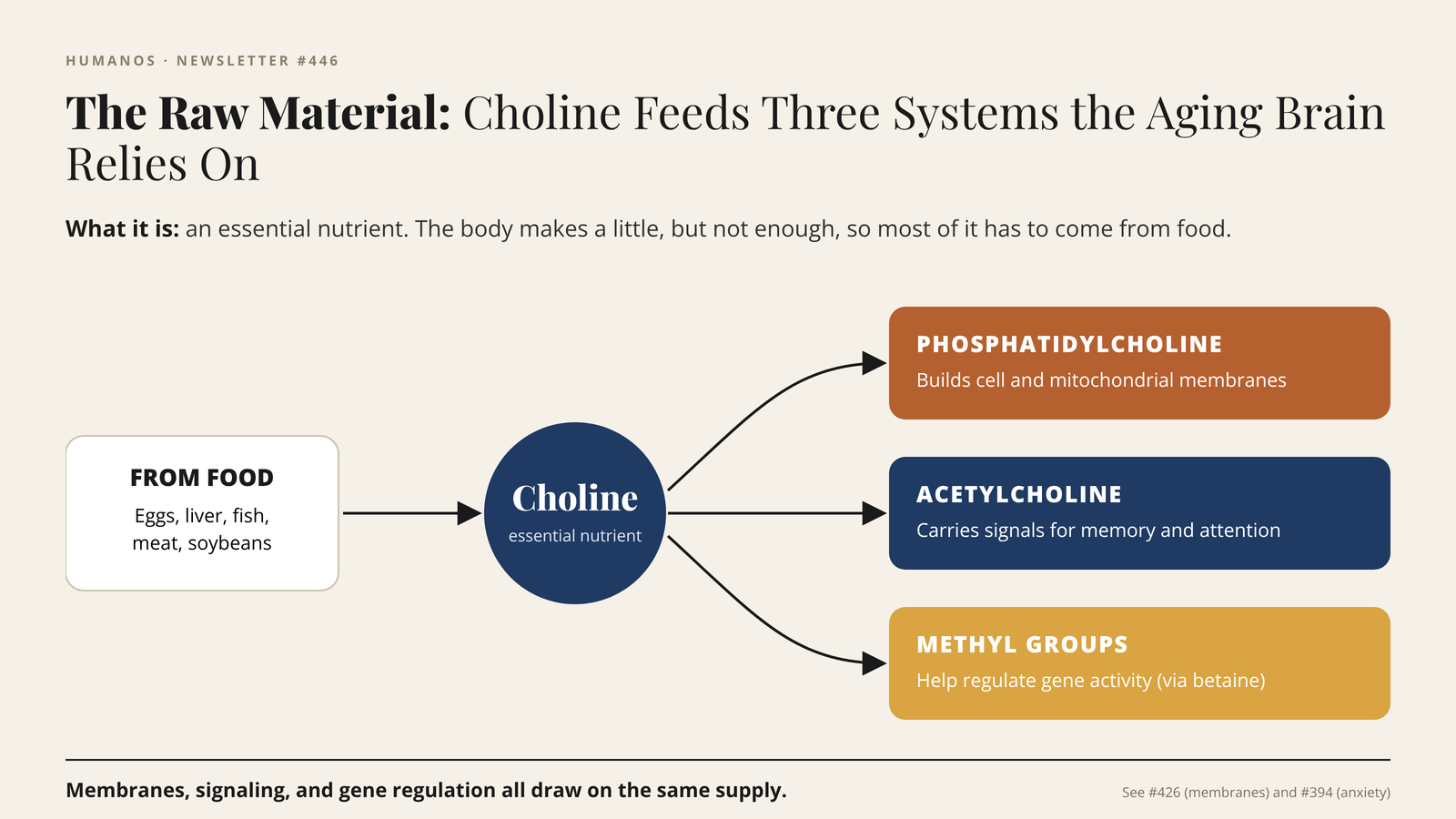
Choline is an essential nutrient the body uses to build cell membranes, make the neurotransmitter acetylcholine, and supply methyl groups that help regulate genes. The liver makes a small amount. Most of what you need has to come from food, mainly eggs, liver, fish, meat, and soybeans.
We've looked at choline from a few angles in this newsletter. In July we covered how falling phosphatidylcholine synthesis drives mitochondrial aging. Phosphatidylcholine is the main membrane fat built from choline, and restoring it brought aging mitochondria back in worms. Before that, we covered brain imaging that found lower choline-containing compounds in people with anxiety disorders. And in September we looked at plasmalogens and synapse repair in aging mice, another membrane lipid the aging brain runs low on.
Those issues asked what choline does. This one asks a simpler question. How much do you need?
How much did choline lower the risk?
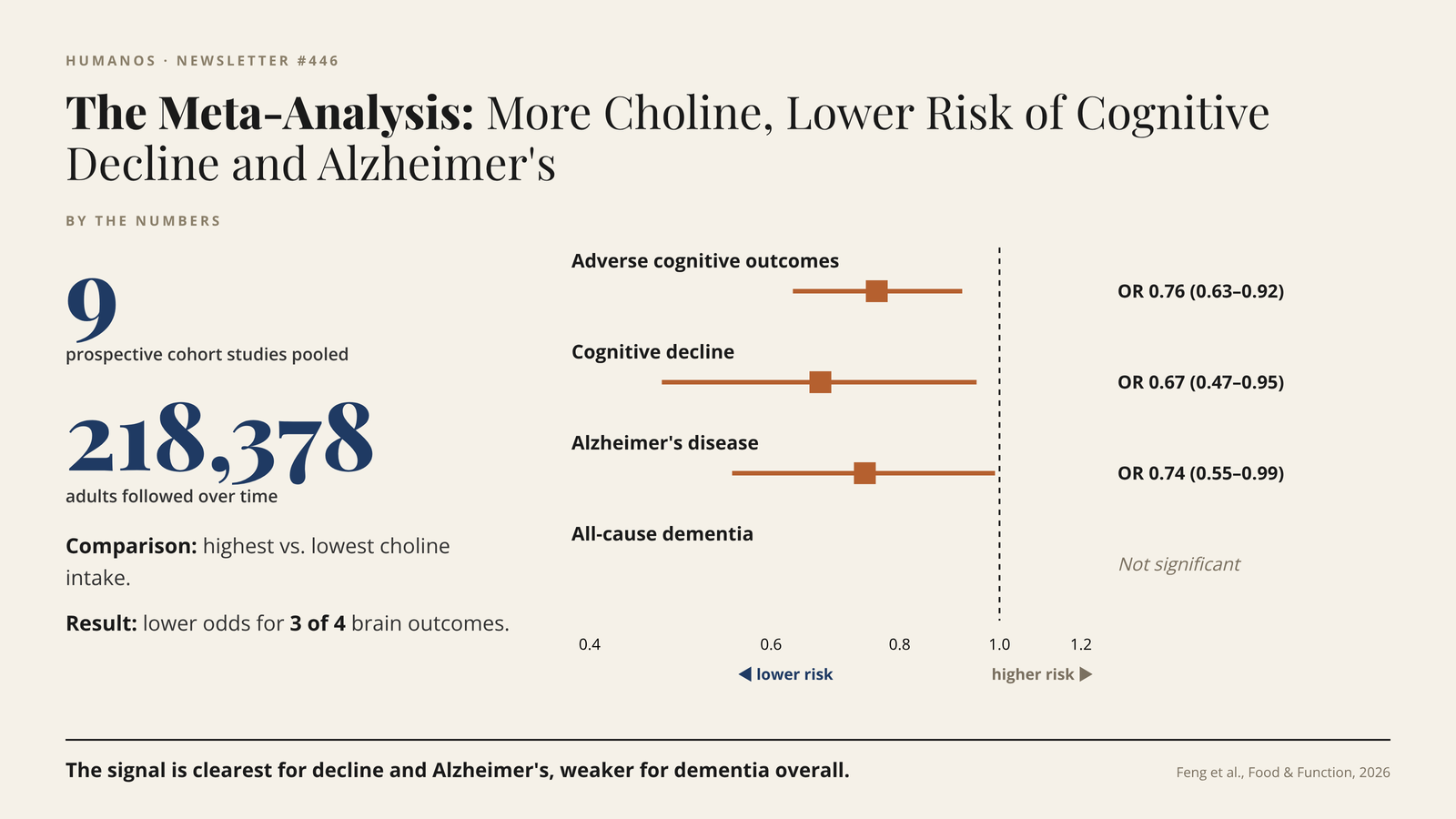
People with the highest choline intake had lower odds of three of four brain outcomes than people with the lowest intake. The research team pooled nine prospective cohort studies, which record diet first and then follow people forward in time. Together they covered 218,378 adults.
Outcome | Higher vs. lower choline intake |
Cognitive decline | About 33% lower odds |
Alzheimer's disease | About 26% lower odds |
Adverse cognitive outcomes overall | About 24% lower odds |
All-cause dementia | No clear link |
The dementia result is the odd one out. A separate meta-analysis from Harvard, published in June, did find lower dementia risk with moderate choline intake. The difference may come down to which cohorts each team included and how they defined dementia.
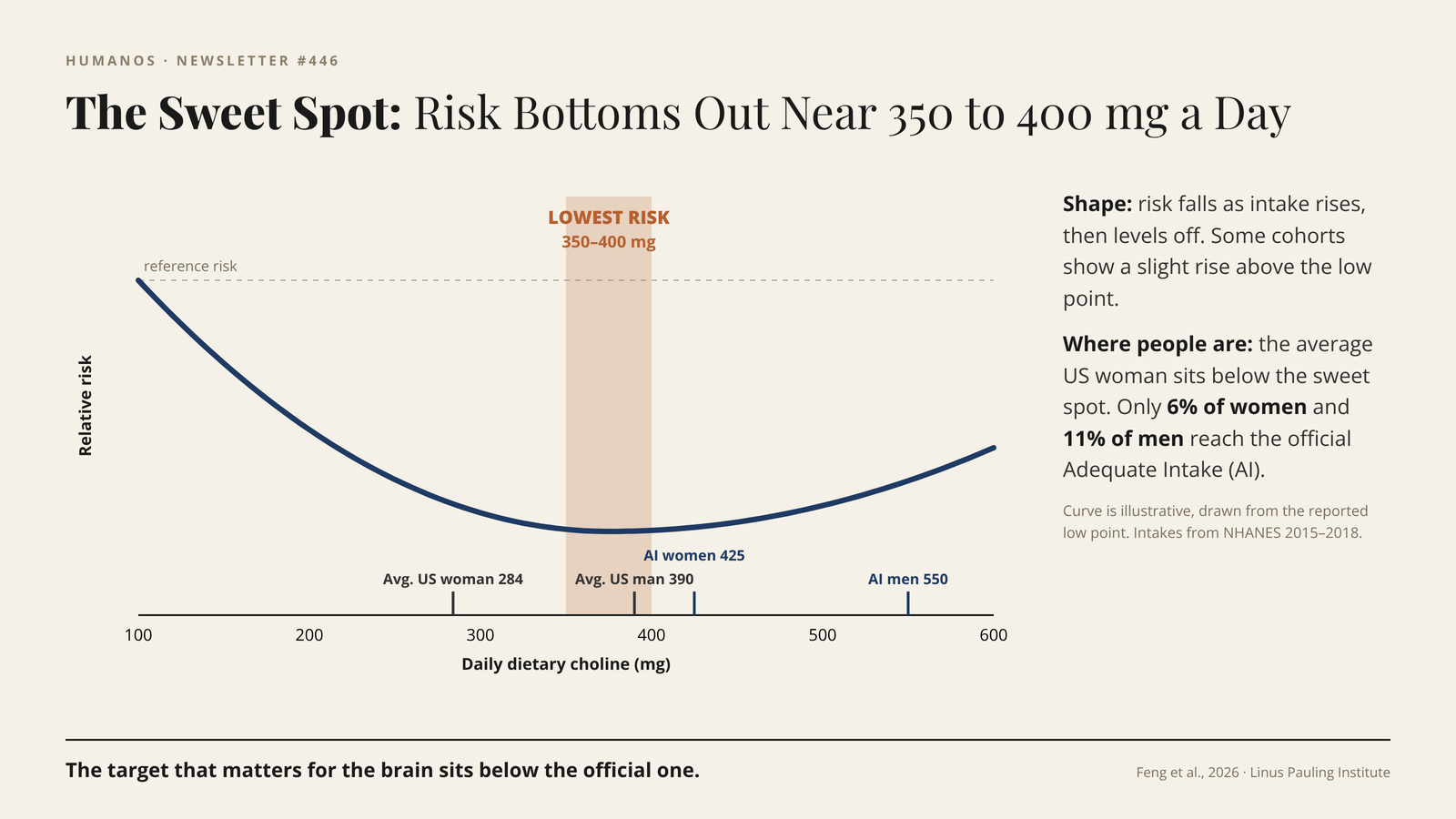
The more useful finding is the shape of the curve. Risk was lowest at about 350 to 400 mg a day. Above that, it stopped falling.
Do other studies find the same sweet spot?
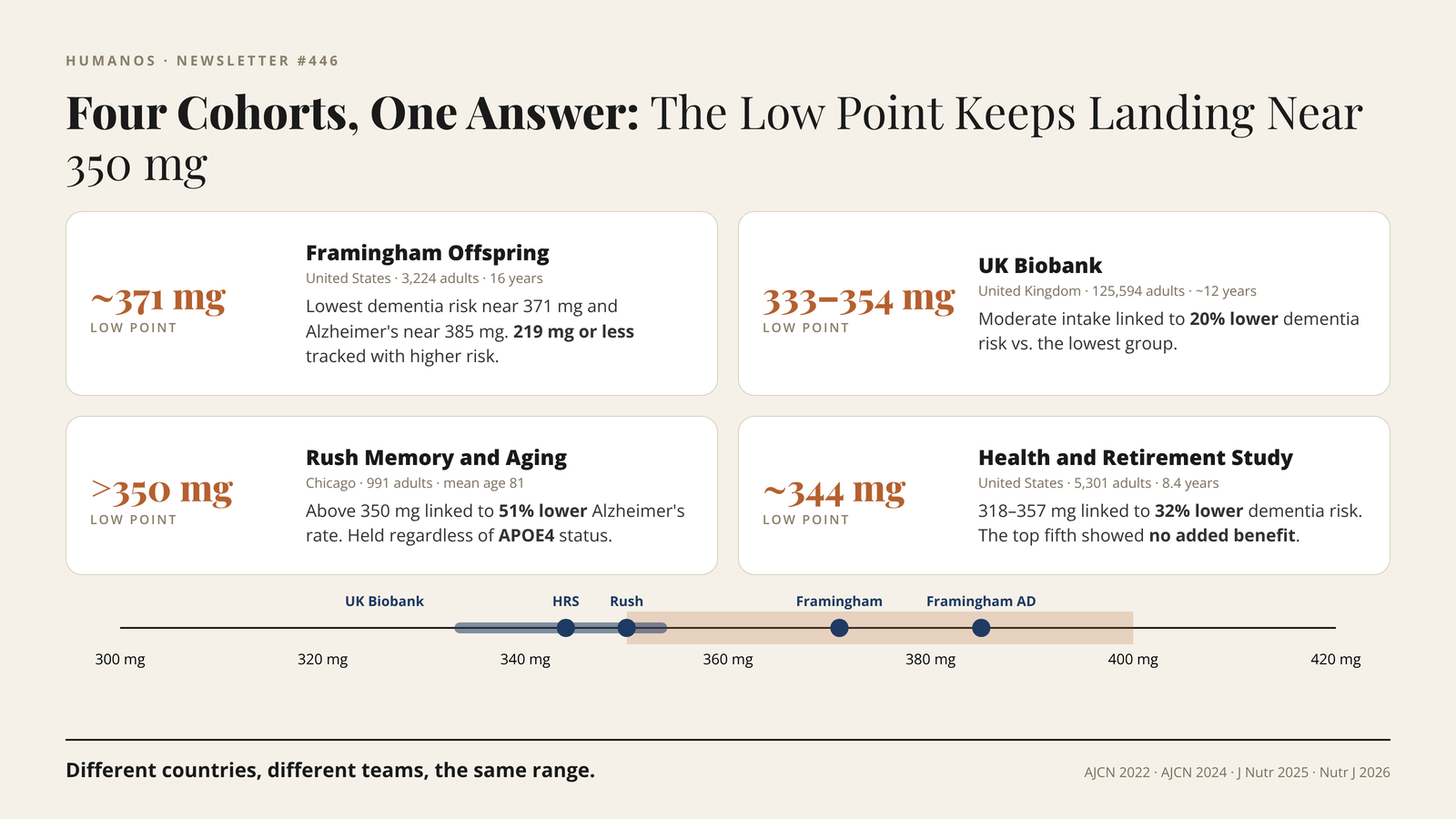
Yes. At least four large cohorts landed on nearly the same number.
Study | Who was studied | Where risk was lowest |
Framingham Offspring (US) | 3,224 adults, 16 years | About 371 mg (dementia), 385 mg (Alzheimer's) |
UK Biobank | 125,594 adults, about 12 years | 333 to 354 mg |
Rush Memory and Aging Project (Chicago) | 991 adults, average age 81 | Above 350 mg |
Health and Retirement Study (US) | 5,301 adults, 8.4 years | About 344 mg |
In the Rush study, older adults eating more than 350 mg a day had about half the rate of Alzheimer's. That held whether or not they carried APOE4, the gene variant most strongly tied to Alzheimer's risk. In the Health and Retirement Study, people in the top fifth of intake did no better than people in the middle.
Different countries, different research teams, and the same range. That kind of agreement is what makes the 350 to 400 mg number feel more plausible that those numbers coming from just one study.
The Target Is Lower Than You Think
The brain's sweet spot sits below the official target. The Adequate Intake (AI) for choline is 425 mg a day for women and 550 mg for men. The brain data point to 350 to 400 mg.
Most people still miss it. The average American woman eats about 284 mg a day, and the average man about 390. Only about 6% of women and 11% of men reach the AI. For many women, the gap to the sweet spot is about one egg a day.
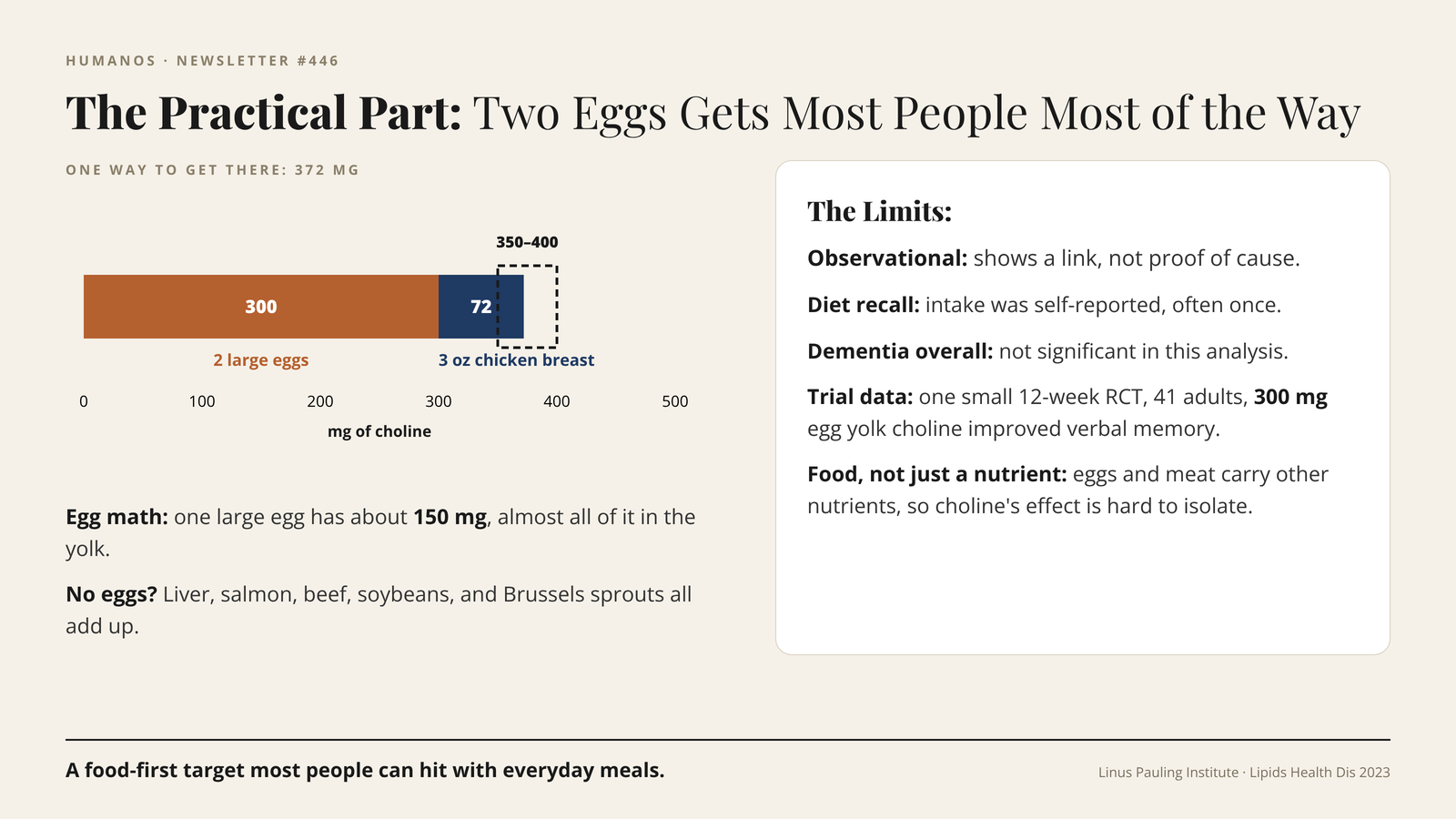
Eggs are the easiest fix. One large egg has about 150 mg of choline, nearly all of it in the yolk. Two eggs gets you to 300. Add a normal serving of chicken, fish, or beef and you're in range.
There's early trial evidence too. In a 12-week study in Japan, 41 adults aged 60 to 80 took 300 mg a day of choline from egg yolk or a placebo. The choline group improved on a verbal memory test. Other tests didn't change. It's one small study, but it points the same way.
The limits are real. These are observational studies, so they show a link and can't prove cause. Diet was mostly self-reported, often at a single point in time. People who eat more eggs and meat may differ in other ways the researchers couldn't fully account for. And dementia overall didn't reach significance in this analysis.
A simple way to reach the range.
- Eat two whole eggs most days, and keep the yolks.
- Add one serving of fish, poultry, or beef.
- If you don't eat eggs, use liver once a week, soybeans, and cruciferous vegetables like Brussels sprouts to close the gap.
- If you take a choline supplement, count it toward your daily total.
Choline looks like a floor for the aging brain. Get to about 350 to 400 mg a day from food, and the evidence suggests most of the benefit is already in hand.
Food | Serving | Choline (mg) |
Beef liver | 3 oz | About 355 |
Soybeans | 1 cup cooked | About 210 |
Whole egg | 1 large | About 150 |
Salmon | 3 oz | About 75 |
Chicken breast | 3 oz | About 72 |
Lean beef | 3 oz | About 70 |
Brussels sprouts | 1 cup cooked | About 63 |
Keep in Mind Paleo Estimates Are Higher
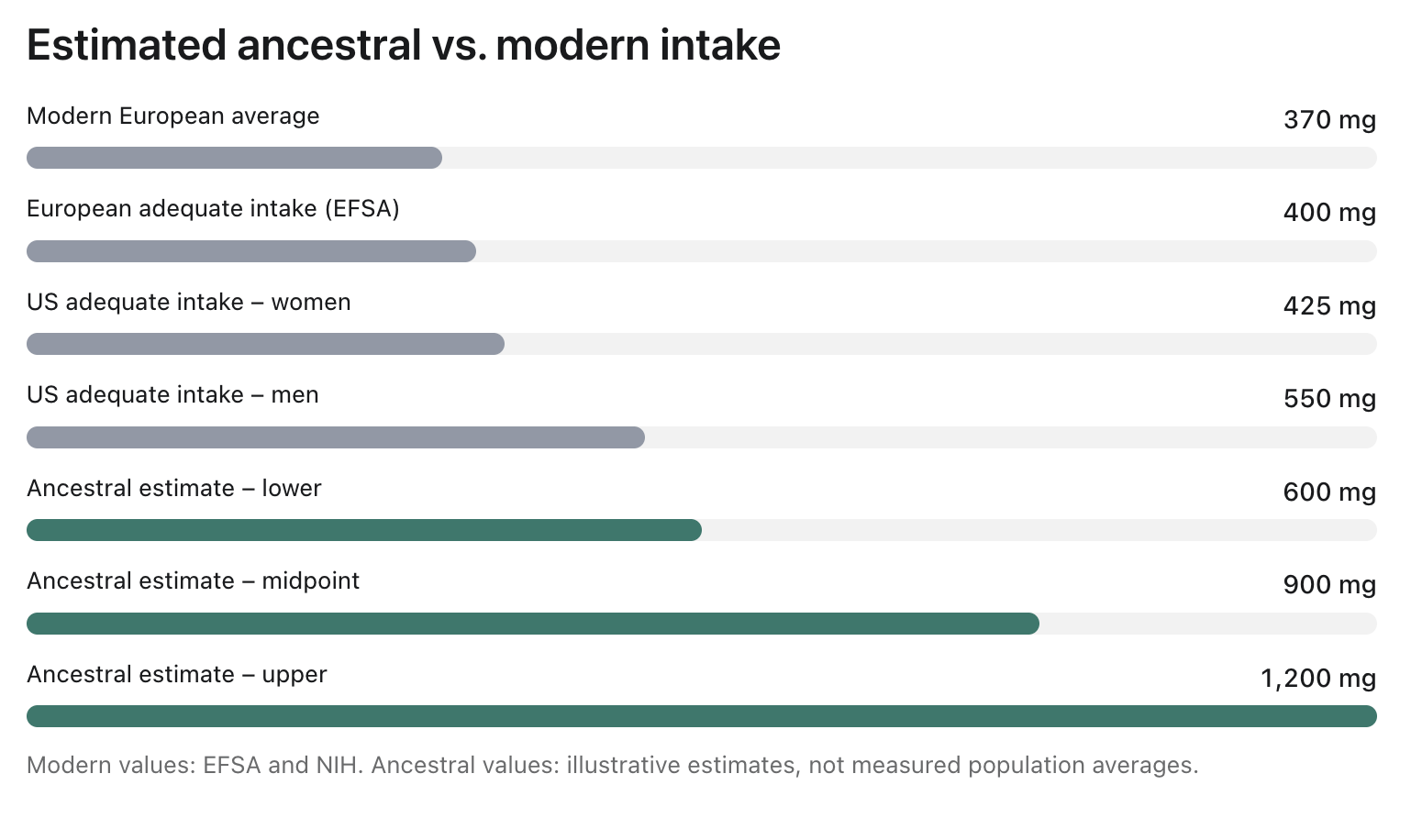
Longtime readers of humanOS know that I like to look at nutrient intakes from an evolutionary perspective whenever the data allow. Estimates of what our Paleolithic ancestors consumed, along with observations of modern-day hunter-gatherers, offer an interesting reference point for what a natural human diet might look like.
As you can see below, reconstructed ancestral diets suggest considerably higher choline intakes than we typically consume today. These are estimates, not direct measurements, but they raise an important point what the intake associated with the greatest benefit for one health outcome may not be sufficient to optimize others. Choline plays important roles in liver function, cell membrane integrity, methylation, and neurotransmission. The brain data we've explored here offer one valuable lens through which to understand our choline needs, but very possibly not the whole picture.
- Eaton SB, Eaton SB III, Konner MJ. Paleolithic nutrition revisited: A twelve-year retrospective on its nature and implications. Eur J Clin Nutr. 1997;51:207–216. DOI: 10.1038/sj.ejcn.1600389.
- EFSA Panel on Dietetic Products, Nutrition and Allergies. Dietary Reference Values for choline. EFSA Journal. 2016;14(8):4484. DOI: 10.2903/j.efsa.2016.4484.
- Institute of Medicine. Dietary Reference Intakes for Thiamin, Riboflavin, Niacin, Vitamin B6, Folate, Vitamin B12, Pantothenic Acid, Biotin, and Choline. National Academies Press; 1998. DOI: 10.17226/6015.
- Patterson KY, et al. USDA Database for the Choline Content of Common Foods, Release Two. USDA Agricultural Research Service; 2008. Full document.
Frequently Asked Questions
How much choline do I need a day?
The official Adequate Intake is 425 mg a day for women and 550 mg for men. For brain aging, observational studies keep finding the lowest risk at about 350 to 400 mg a day.
What foods are highest in choline?
Beef liver, eggs, soybeans, fish, poultry, and beef are the richest sources. One large egg has about 150 mg, mostly in the yolk.
What is the difference between choline and phosphatidylcholine?
Choline is the nutrient. Phosphatidylcholine, also called lecithin, is the main membrane fat the body builds from it, and it's the main form of choline in eggs.
Can you take too much choline?
The upper limit for adults is 3,500 mg a day. Very high doses can cause a fishy body odor, sweating, and low blood pressure. Food sources rarely get anywhere close.
Do choline supplements prevent dementia?
No trial has shown that yet. The evidence comes from long-term diet studies plus one small memory trial, so food-first is the safest read.
Summary: Feng, An, Wang, and colleagues (Food & Function, e-published September 14, 2026) ran a dose-response meta-analysis of 9 prospective cohorts (n=218,378). Higher vs. lower dietary choline intake was associated with lower odds of adverse cognitive outcomes (OR 0.76, 95% CI 0.63 to 0.92), cognitive decline (OR 0.67, 0.47 to 0.95), and Alzheimer's disease (OR 0.74, 0.55 to 0.99). All-cause dementia was not significant. Risk was lowest at about 350 to 400 mg/day. Individual cohorts agree. Framingham Offspring (n=3,224, 16 years) found the lowest risk near 371 mg (dementia) and 385 mg (AD). UK Biobank (n=125,594, 11.8 years) found it at 333 to 354 mg (dementia HR 0.80). The Health and Retirement Study (n=5,301, 8.4 years) found a turning point near 344 mg (Q4 HR 0.68). The US Adequate Intake is 425 mg (women) and 550 mg (men). Average US intake is about 284 mg (women) and 390 mg (men). All data are observational.
Random Trivia & Weird News
The Experiment That Came in a Dream
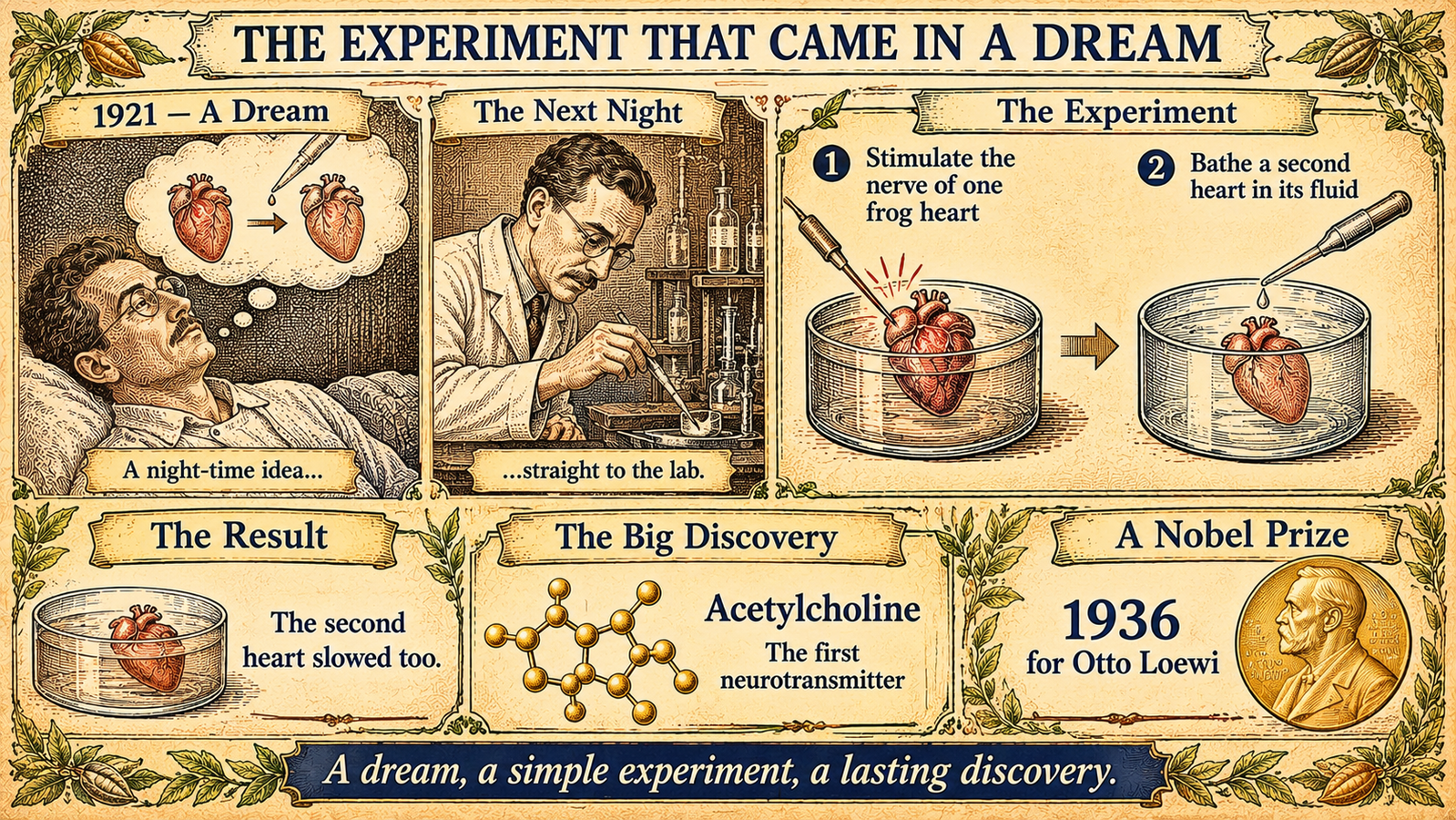
In 1921, pharmacologist Otto Loewi woke in the night with an experiment in his head, scribbled it down, and couldn't read his notes in the morning. The idea came back the next night, and he went straight to the lab. He stimulated the nerve of one frog heart, then bathed a second heart in its fluid. The second heart slowed too. A chemical had carried the signal, and that chemical was acetylcholine, the first neurotransmitter ever identified. This discovery earned Loewi a Nobel Prize in 1936.
Lecithin Was Named for Egg Yolk
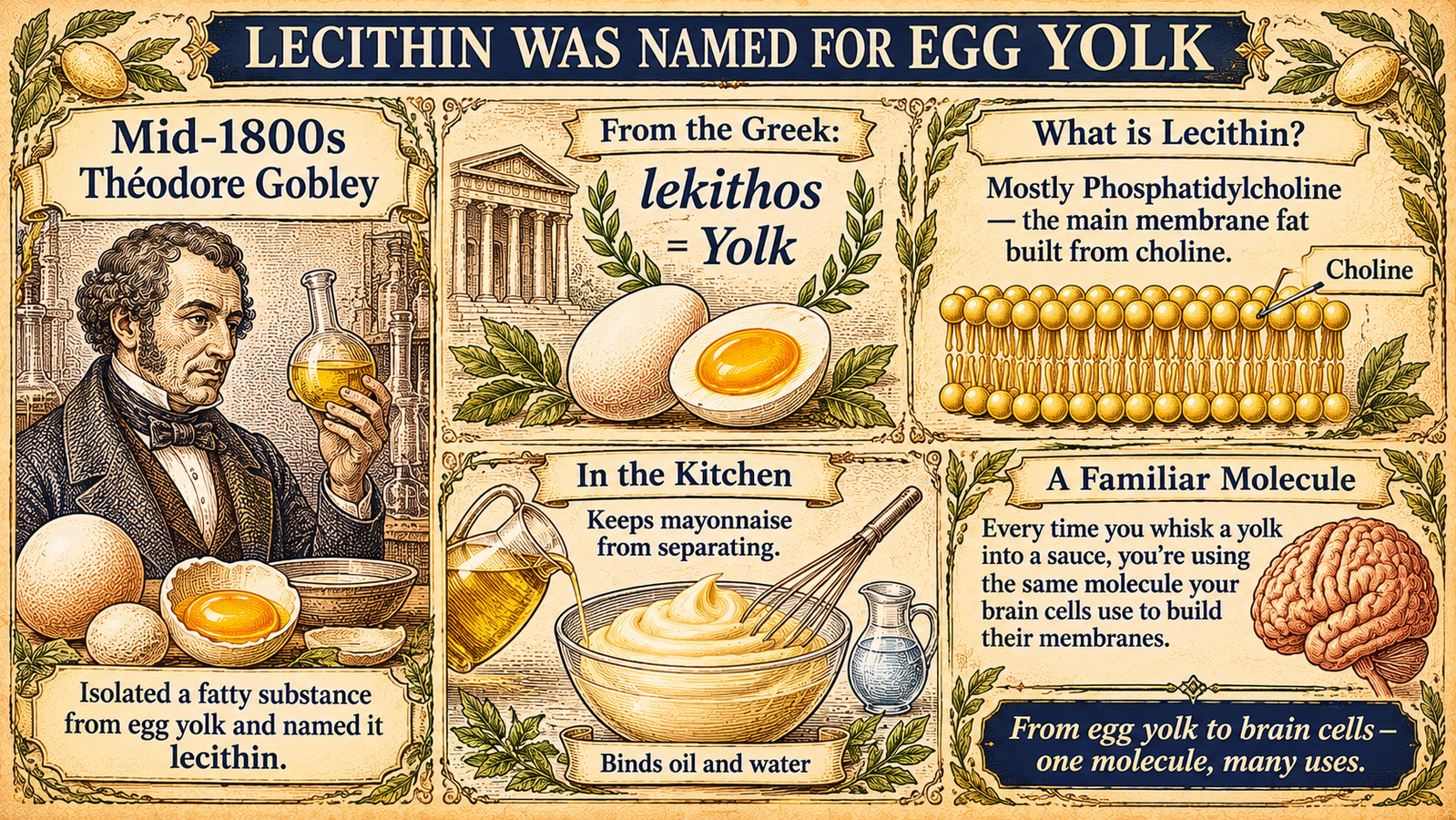
In the mid-1800s, French chemist Théodore Gobley isolated a fatty substance from egg yolk and named it lecithin, from the Greek lekithos, meaning yolk. We now know lecithin is mostly phosphatidylcholine, the main membrane fat built from choline. It's also what keeps mayonnaise from separating, since it binds oil and water together. Every time you whisk a yolk into a sauce, you're using the same molecule your brain cells use to build their membranes.
A Rare Disorder That Smells Like Fish
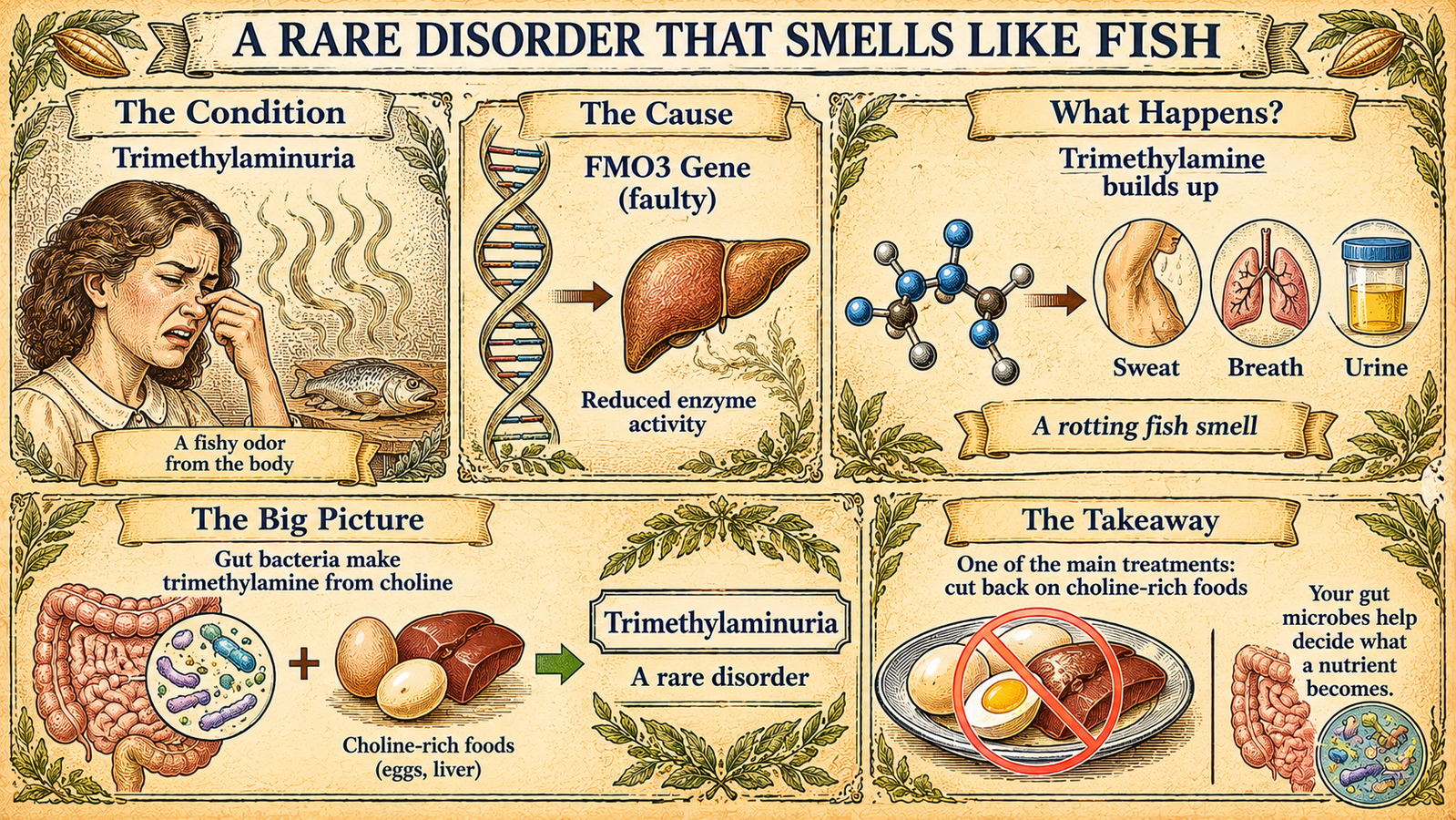
Some people can't break down trimethylamine, a compound gut bacteria make from choline. The cause is usually a faulty FMO3 gene, which codes for the liver enzyme that turns it into an odorless form. Trimethylamine builds up and leaves through sweat, breath, and urine with the smell of rotting fish. The condition is called trimethylaminuria. One of the main treatments is cutting back on choline-rich foods like eggs and liver. Your gut microbes help decide what a nutrient becomes.
Choline Before Birth
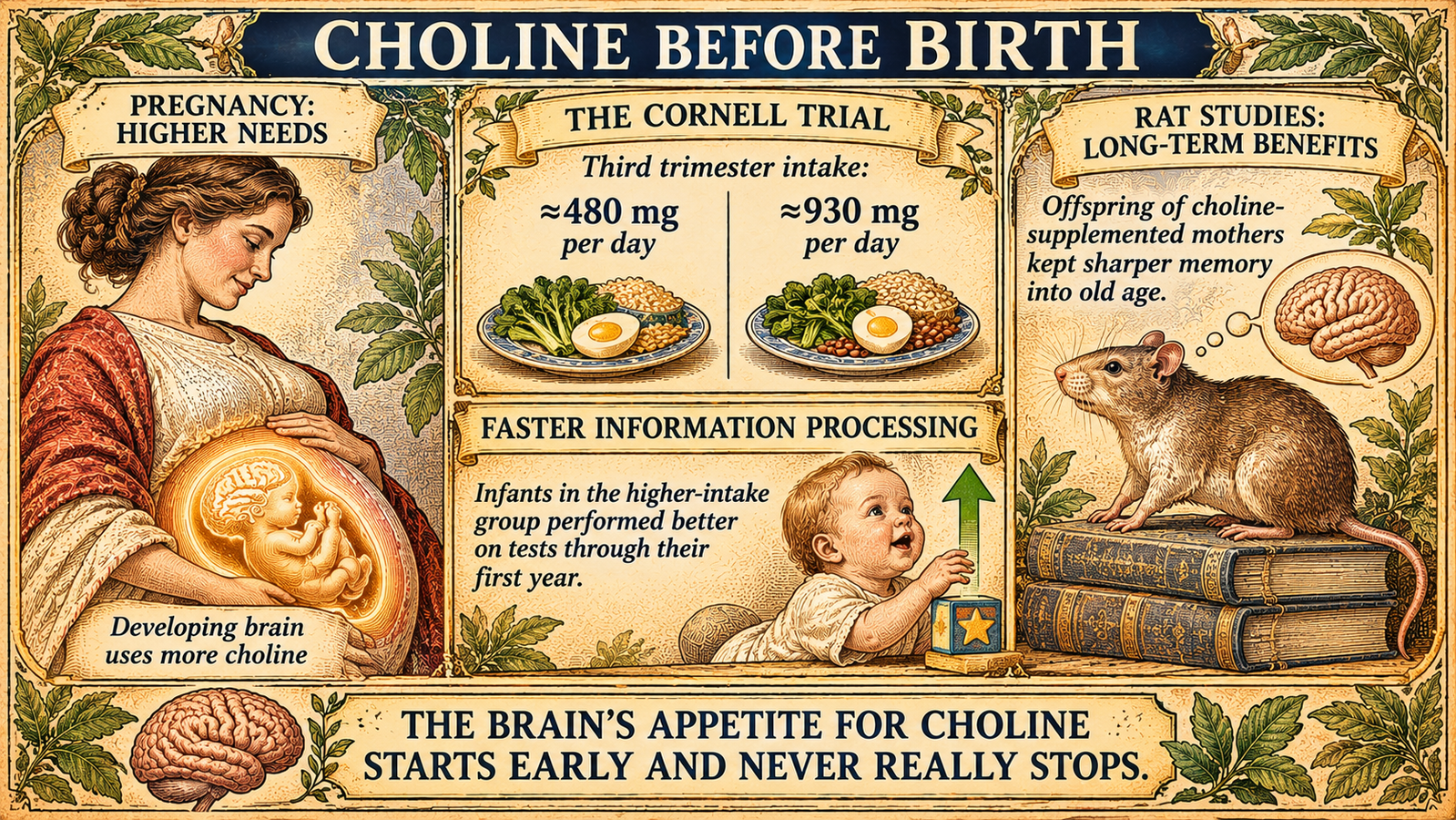
Choline needs rise in pregnancy because the developing brain uses so much of it. In a Cornell trial, women in their third trimester ate either about 480 or 930 mg of choline a day. Infants in the higher-intake group processed information faster on tests through their first year. Rat studies go further, showing that offspring of choline-supplemented mothers kept sharper memory into old age. The brain's appetite for choline starts early and never really stops.
Products We Love
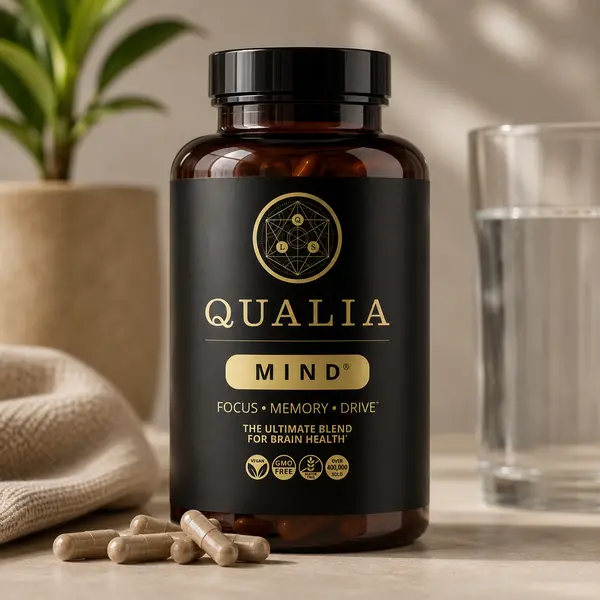
Qualia Mind
Qualia Mind is a nootropic formula that includes two well-studied choline sources, alpha-GPC and citicoline (CDP-choline), which the body uses to make acetylcholine. They sit alongside nutrients and botanicals chosen to support focus, memory, and mental energy. If you use it, count its choline toward your daily total and keep eggs and other whole foods as the base.
humanOS Catalog Feature of the Week

Nutrients for Thinking
What if the food on your plate shaped how well you think this afternoon, as well as how your brain ages? Nutrients for Thinking is the humanOS course on how nutrition affects the brain. It covers macronutrients, micronutrients, and phytochemicals, along with the Mediterranean diet pattern and fasting. It also explains the mechanisms behind them, including blood flow, brain connectivity, and brain energy. If this week's choline story made you curious about the rest of the brain's nutrient needs, this is a good place to start.
Enjoying these? A Pro membership keeps the newsletter going and unlocks the full humanOS library of courses, guides and protocols. $19.99 per quarter.
Join here: Become a Member
Wishing you the best,