Newsletter #429
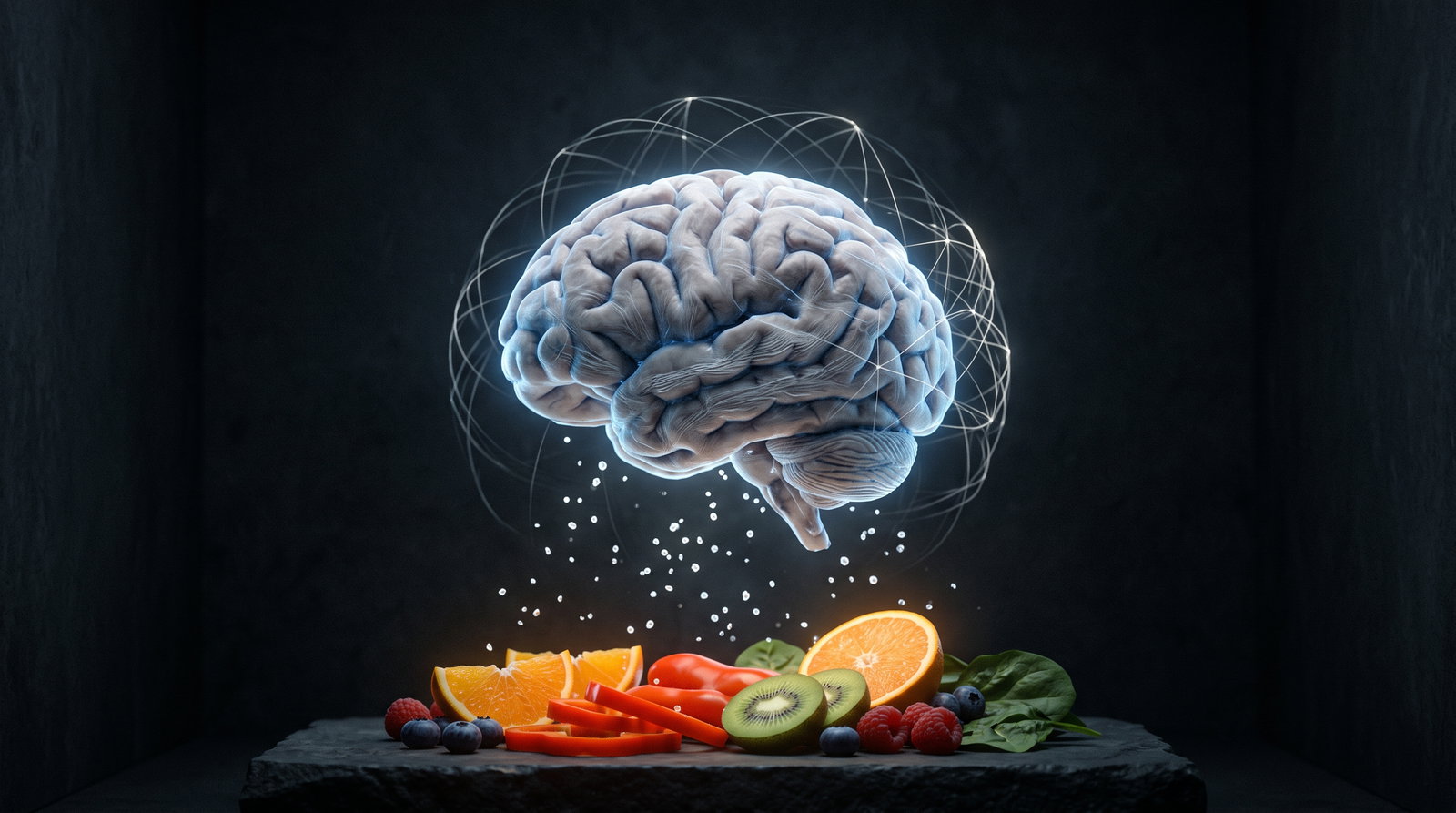
Vitamin C is a nutrient we associate with citrus and colds. We get it from common fruits and vegetables, and it’s easy to assume that as long as we are not frankly deficient, our levels are fine. But vitamin C is also one of the most concentrated antioxidants in the brain, and the brain holds onto it even when the rest of the body is running low (see more on that below under “Weight News and Trivia). That raises a question researchers have rarely been able to test directly. Do a person's actual blood levels of vitamin C track with the physical structure of their brain, and with the networks that keep the mind intact as we age?
Become a Member of humanOS
Get full access to the courses, how-to guides, podcasts, and recipe packs that translate the latest science into practical, daily tools for your healthspan.
Review Your Learnings: Newsletter Summaries ✨
Plasma vitamin C levels are associated with brain structural networks on MRI: A large cohort study
Higher vitamin C, more intact brain tissue
Researchers in Japan drew on a large community health project in the Iwaki area, bringing together more than two thousand older adults who each gave a fasting blood sample and underwent a high-resolution brain MRI. Because in humans vitamin C comes only from food, a fasting sample is reasonably indicative of a person's typical status. The team then measured the volume of gray matter and white matter in the participants, correcting for natural differences in head size.
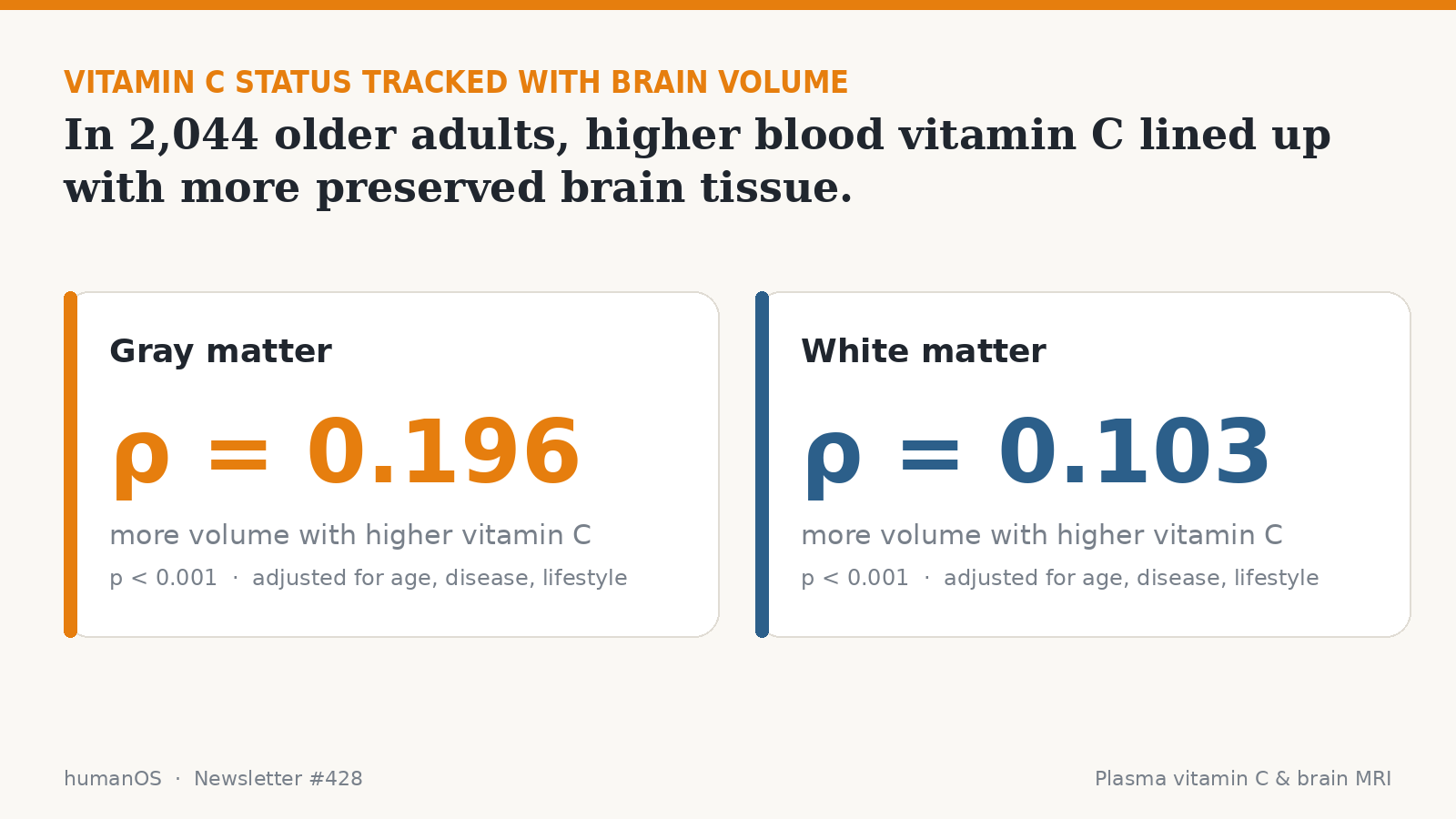
People with higher plasma vitamin C tended to have more preserved gray matter and white matter. The link held after the researchers accounted for age, sex, education, blood sugar and blood pressure problems, cholesterol, smoking, drinking, and physical activity. Vitamin C status was tied to brain structure on its own, not simply because healthier people happen to eat more produce.
A network that ages in two directions
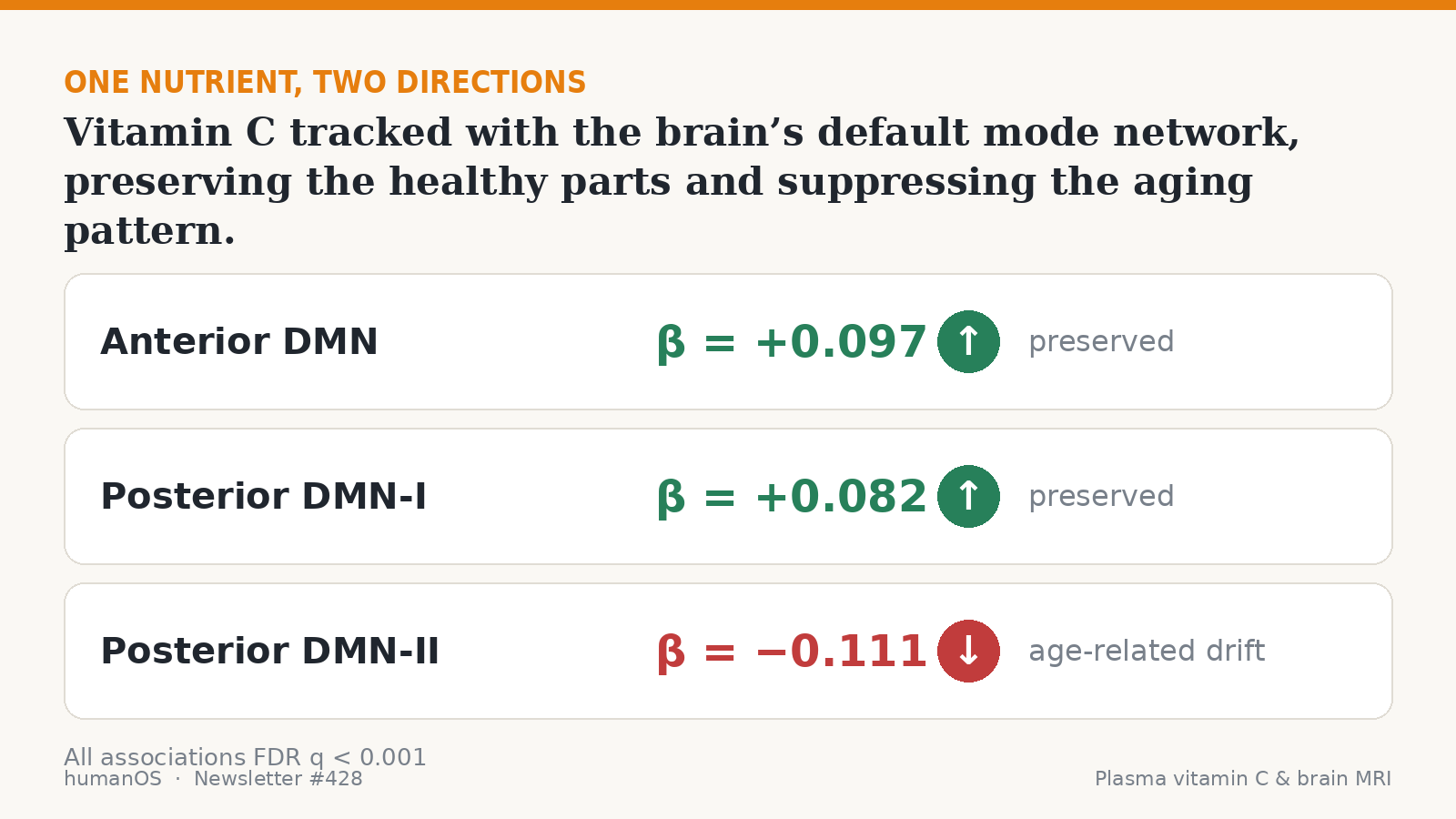
The more striking findings came from a network rather than a single region. The default mode network is a set of brain areas that stay in conversation when the mind is at rest, drifting, remembering, or imagining the future. It is one of the networks that tends to fray with age and in conditions like Alzheimer's disease. The researchers used a method that finds naturally co-varying patterns in brain structure (source-based morphometry) and pulled out three components that mapped onto this network.
Vitamin C status tracked with all three, but not in the same direction. Two of the components are the kind that normally shrink with age, and higher vitamin C went with more of them being preserved. The third is different. It represents an age-related pattern that grows more prominent in older brains, a sign of the network drifting from its younger form, and higher vitamin C went with less of it. The same nutrient lined up with keeping what should stay and quieting what should not.
Structure Shifts Before Scores Do
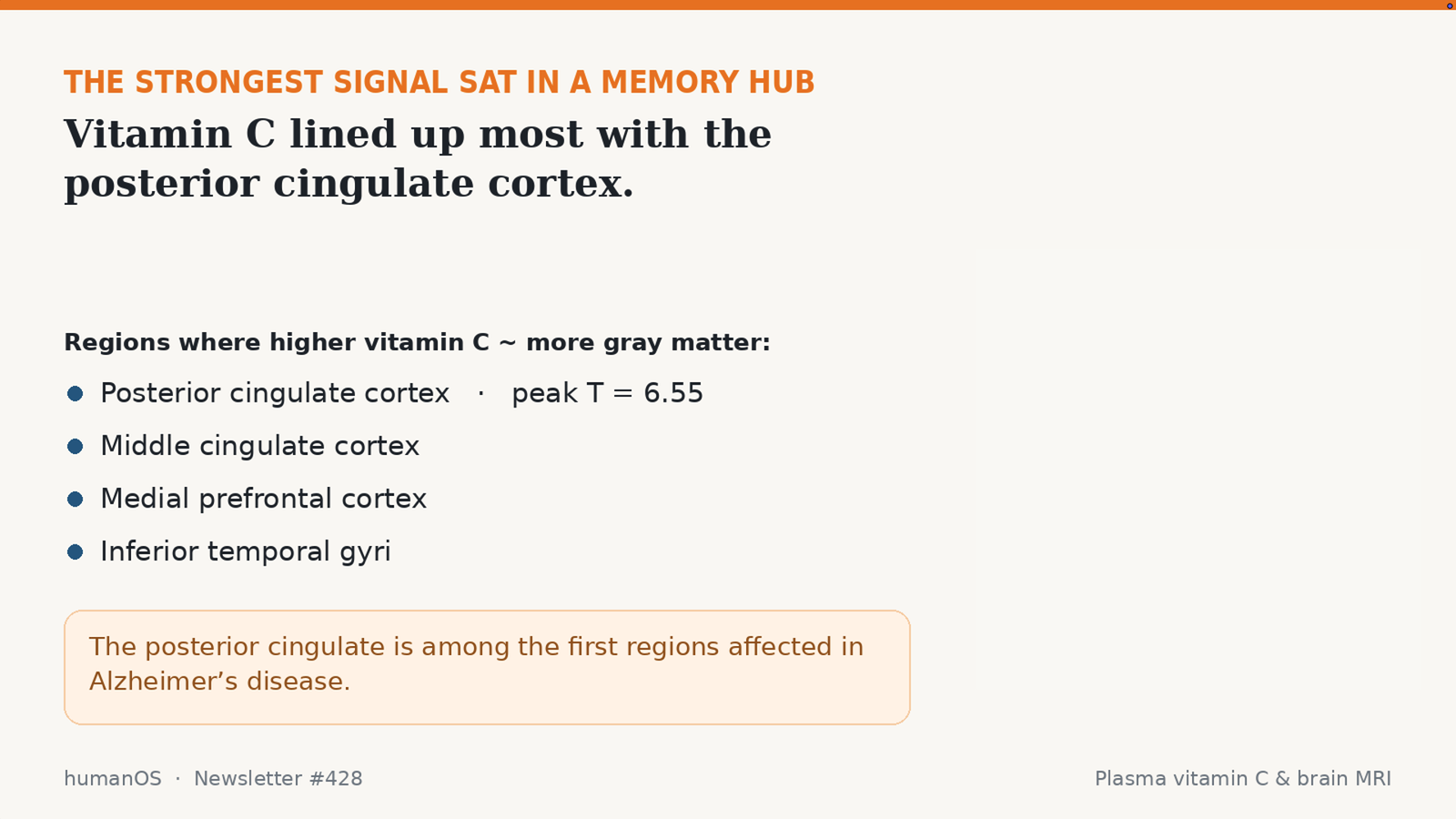
The location of the strongest effect matters. When the researchers zoomed in to specific spots, the clearest structural signal sat in the posterior cingulate cortex, a hub deep in the default mode network and one of the first areas touched in Alzheimer's disease. Higher vitamin C lined up with better preservation in exactly that place.
At the same time, blood vitamin C was not directly tied to scores on a standard bedside cognitive test. The networks that tracked with vitamin C were tied to those scores, yet the nutrient itself did not move the test result. Brain structure and network organization can change quietly, ahead of anything a quick cognitive screen would catch. A marker that follows the architecture rather than the symptom may be giving us an earlier signal.
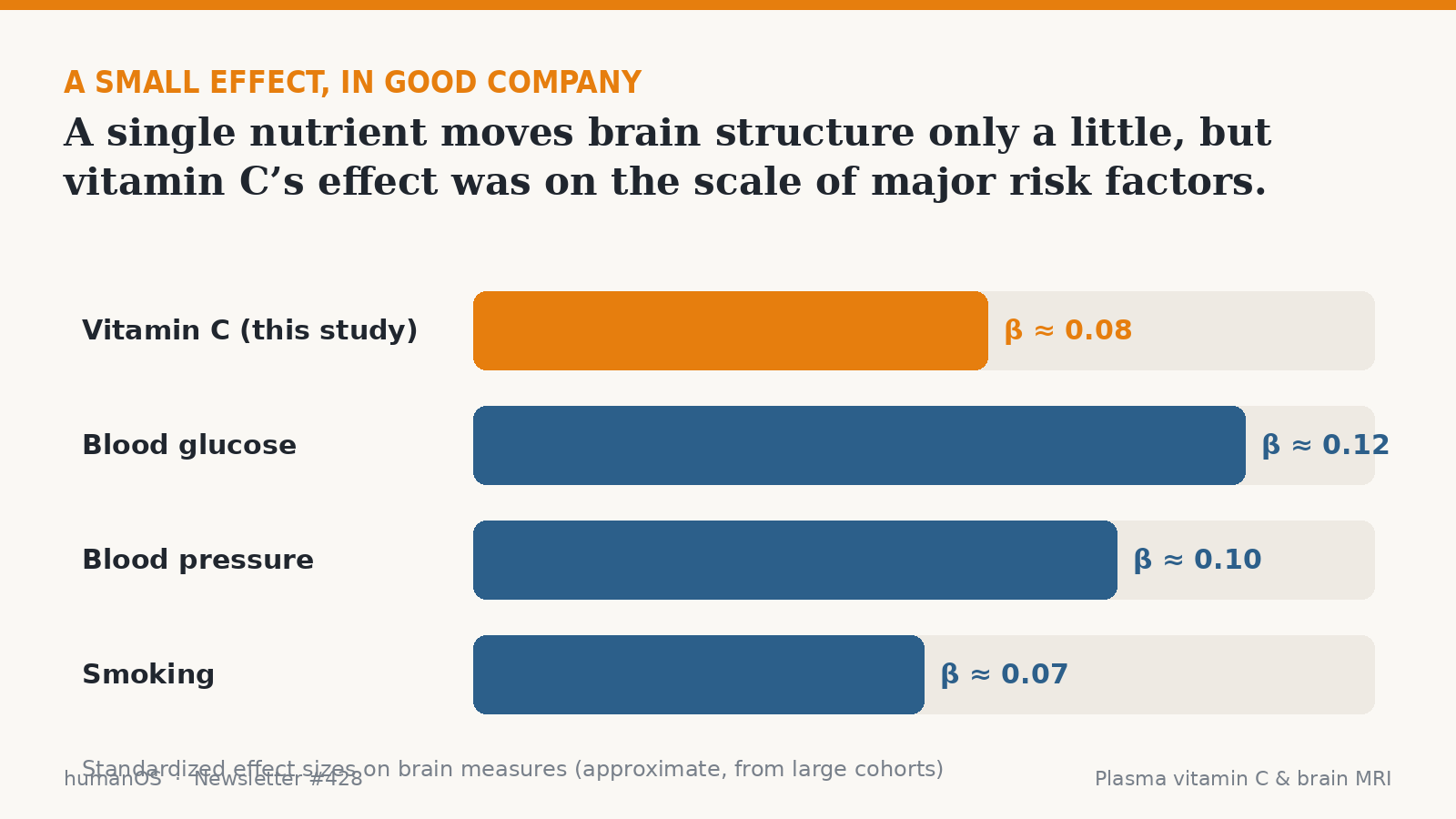
None of this proves that taking vitamin C will protect your brain. The study is a snapshot in time, it cannot establish cause, and the size of each association is modest. But modest is what we expect from any single nutrient measured across thousands of ordinary people, and these effects were on the scale of well-known risk factors like blood pressure and blood sugar. Across a lifetime, small and steady inputs are often the ones that compound.
Vitamin C is also one of the easier inputs to get right, since the body cannot make it and the richest sources are ordinary foods.
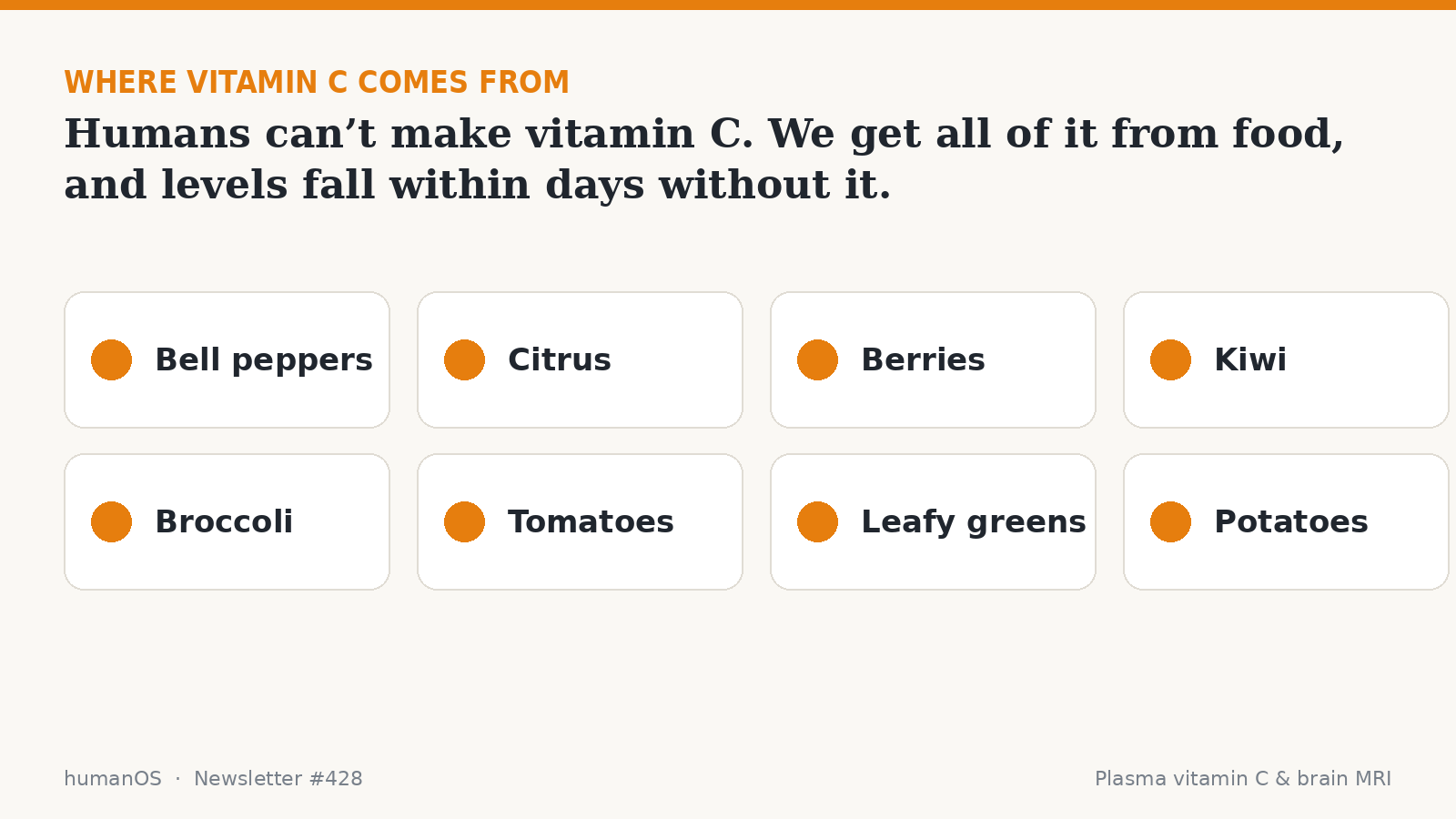
For me, this is a nudge to keep a simple habit steady, a daily base of vitamin C rich produce like peppers, citrus, berries, and leafy greens, not as a megadose but as a floor I try not to drop below.
Food | Vitamin C (mg per 100 g) | Amount needed for 90 mg |
Acerola cherries | 1,678 | 5 g |
Guava | 228 | 39 g |
Blackcurrants | 181 | 50 g |
Red bell pepper | 128 | 70 g |
Kiwi | 93 | 97 g |
Broccoli | 89 | 101 g |
Strawberries | 59 | 153 g |
Orange | 53 | 170 g |
Pineapple | 48 | 188 g |
Cauliflower | 48 | 188 g |
Table 1: Approximate amount of each food needed to provide 90 mg of vitamin C, the U.S. Daily Value for adults.
Summary
In this cross-sectional study of 2,044 community-dwelling older Japanese adults (median age 69, 61% female), fasting plasma vitamin C was independently associated with brain structure on 3T MRI. Higher vitamin C correlated with a higher gray matter ratio (β=0.076, ρ=0.196) and white matter ratio (β=0.074, ρ=0.103), both p<0.001, after adjusting for age, sex, education, MMSE, diabetes, hypertension, hyperlipidemia, smoking, drinking, and physical activity. Using source-based morphometry, vitamin C was positively associated with the anterior default mode network (β=0.097) and posterior DMN-I (β=0.082), and negatively associated with an age-related aberrant network, posterior DMN-II (β=−0.111); all FDR q<0.001. Voxel-wise analysis localized the strongest effect to the posterior cingulate cortex (peak T=6.55), an early Alzheimer's site. Vitamin C did not correlate directly with MMSE. Effect sizes were modest (~0.1), comparable to blood pressure and glucose. The cross-sectional design precludes causal conclusions.
Random Trivia & Weird News
Scurvy Sank More Sailors Than Storms
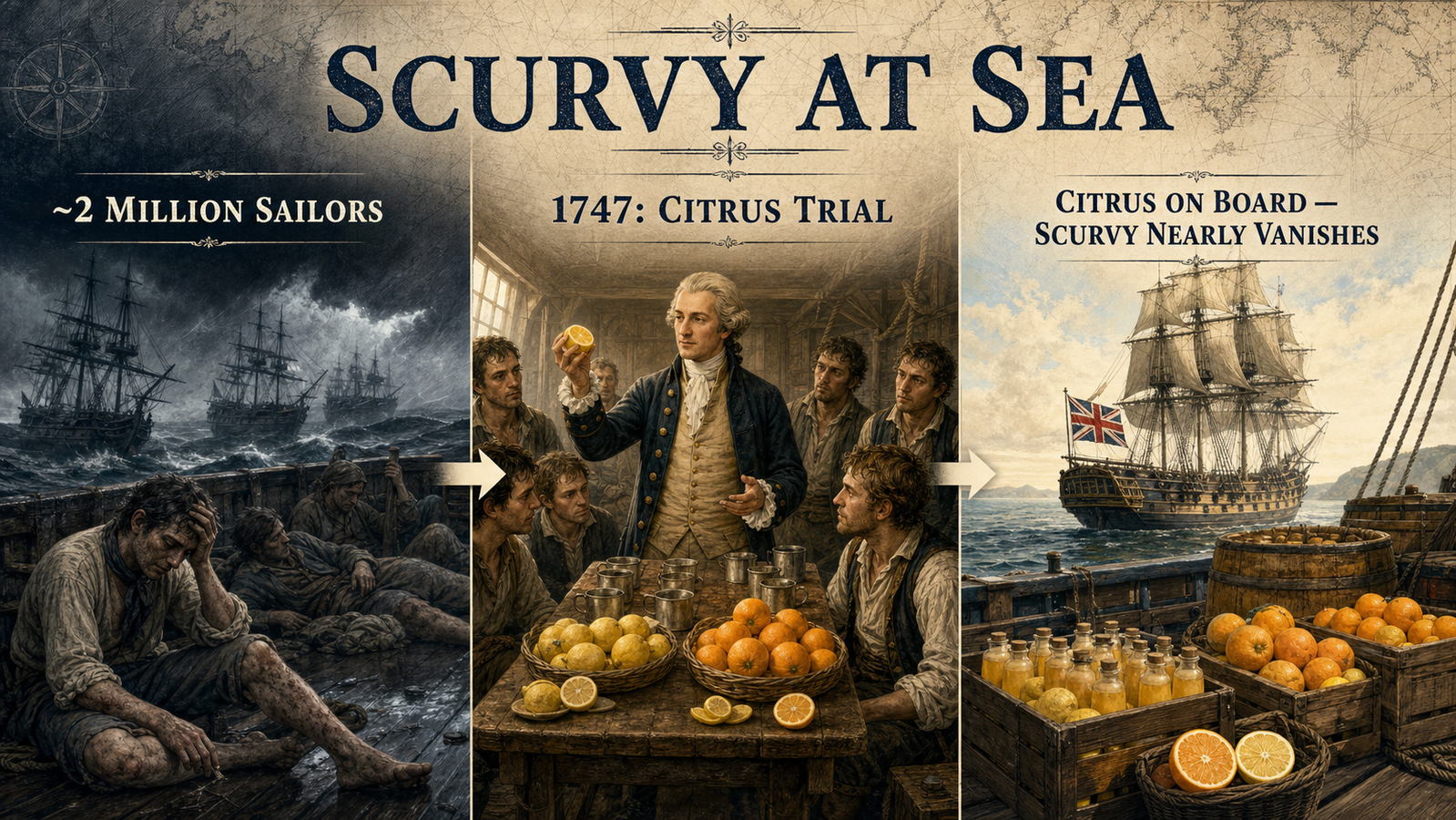
Between the 1500s and 1800s, scurvy killed an estimated two million sailors, more than storms, shipwrecks, and combat combined. The cause was a simple lack of vitamin C on long voyages without fresh food. In 1747 the naval surgeon James Lind ran one of history's first controlled trials, giving sick sailors citrus and watching them recover. The British Navy took decades to act, but once it stocked citrus juice, scurvy nearly vanished from the fleet.
The Brain Hoards Vitamin C
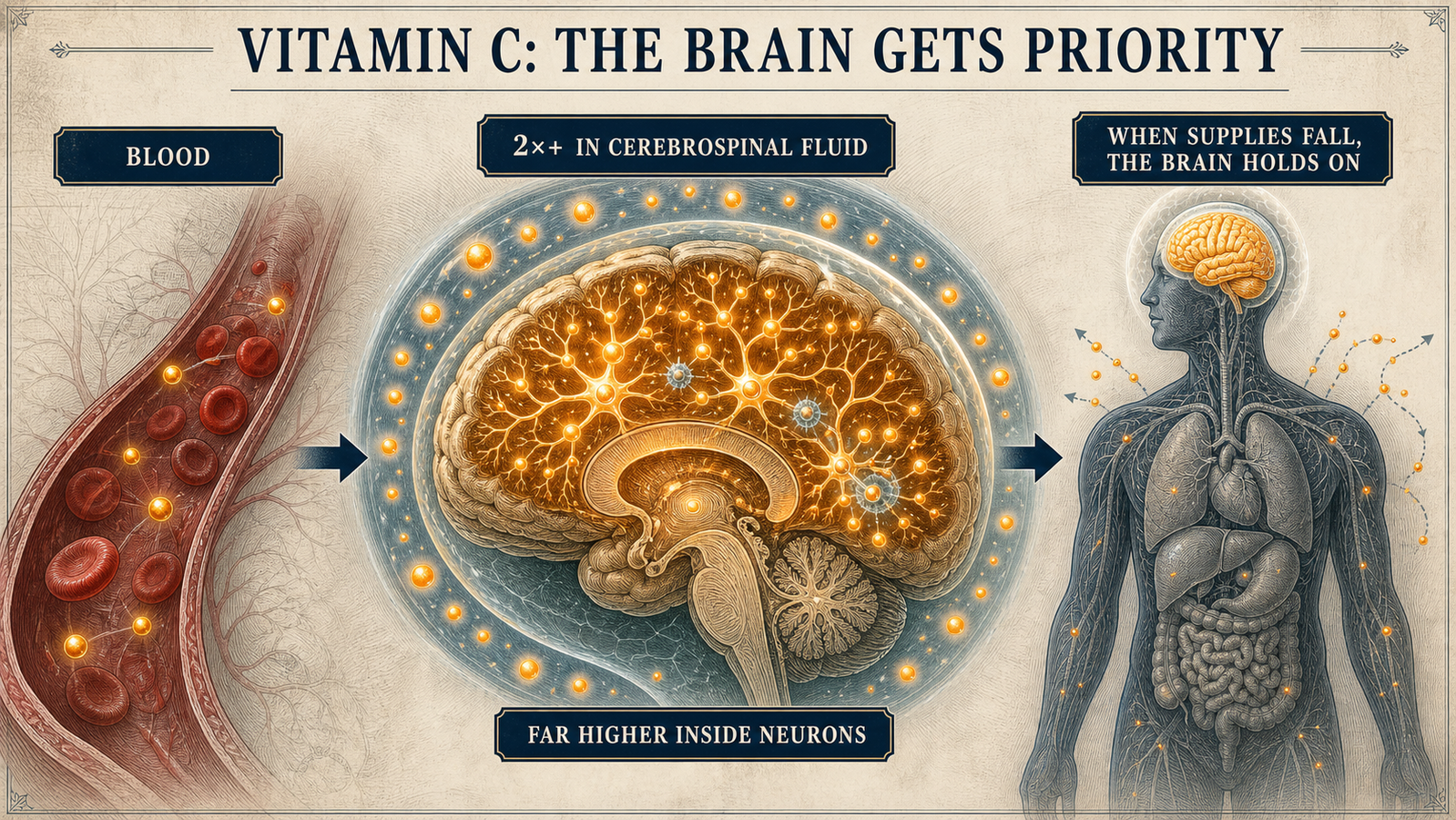
The brain treats vitamin C as a priority. Levels in the cerebrospinal fluid run more than twice as high as in the blood, and inside neurons the concentration climbs far higher still. When the body runs short, most organs surrender their vitamin C first while the brain holds on. Researchers read this as a sign of how much the brain leans on antioxidants, since it burns enormous amounts of oxygen and generates a constant stream of reactive byproducts that need neutralizing.
Products We Love
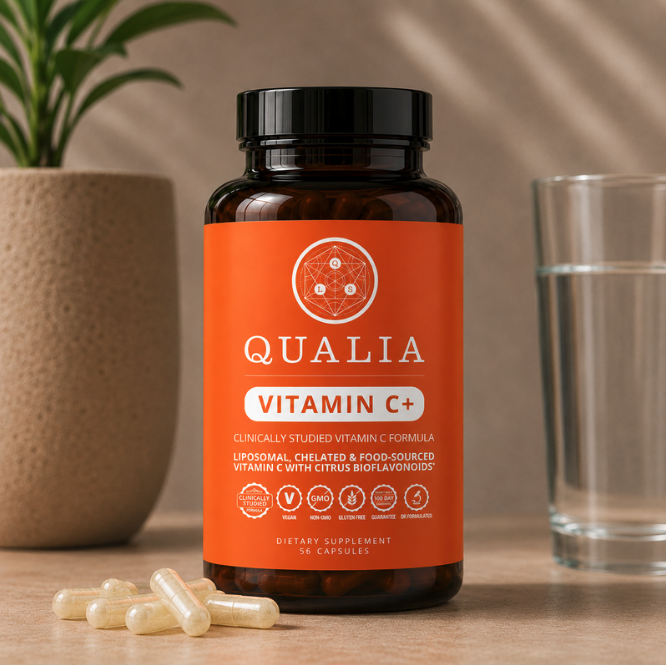
Qualia Vitamin C+ with Flavonoids
Vitamin C is an essential nutrient the body cannot make on its own or store well, so a steady daily supply matters. On weeks when fresh produce slips, a solid vitamin C with added citrus flavonoids is a simple way to maintain healthy levels. Thorne pairs ascorbic acid with naturally occurring flavonoids, which add antioxidant capacity beyond vitamin C alone, and the brand is third-party tested for purity. It is an easy, no-drama addition to a morning routine for anyone who wants a little insurance against the gaps in a busy eating week.
humanOS Catalog Feature of the Week
Nutrients for Thinking
In this course, we explore how various aspects of nutrition affect your brain. We look at macronutrients, micronutrients, phytochemicals, as well as the Mediterranean diet pattern and even fasting. We also examine some of the underlying mechanisms, such as changes in blood flow, connectivity, and brain energy.
Check it out if you want to identify some fairly easy ways to improve your daily brain performance.
Become a Member of humanOS
Get full access to the courses, how-to guides, podcasts, and recipe packs that translate the latest science into practical, daily tools for your healthspan.
Wishing you the best,