Newsletter #438
Most infections never make you feel sick. You probably picked up a few this year and never knew it. A new review in Ageing Research Reviews argues those quiet infections still cost you something. Each one sets off a small burst of inflammation, and over decades those bursts may add up to inflammaging, the slow rise in background inflammation that comes with age. The authors call this the silent infection load. It's still a hypothesis, and they're upfront about where the evidence is strong and where it's thin. The best support is for herpesviruses like CMV. Our immune system seems to have been built to get us through childhood, but less so through our eighties. Let’s take a closer look.
If these newsletters are a regular part of how you stay informed on health and longevity, consider supporting the work with a Pro membership. $19.99 per quarter, about $1.67 per issue, less than a coffee tip.
Join here: Become a Member
Review Your Learnings: Newsletter Summaries ✨
The silent infection load: How lifelong asymptomatic infections may contribute to inflammaging as an evolutionary trade-off of longevity
What does an infection without symptoms actually do?
It still turns on your immune system. You just don't feel it.
Inflammaging is chronic, low-grade inflammation that rises as we get older, even in people who aren't sick. We already know it's tied to senescent cells (reduced clearing of them, specifically), declining mitochondria, belly fat, and changes in the gut microbiome. This review points to something that gets far less attention, which is the everyday infections we never notice.
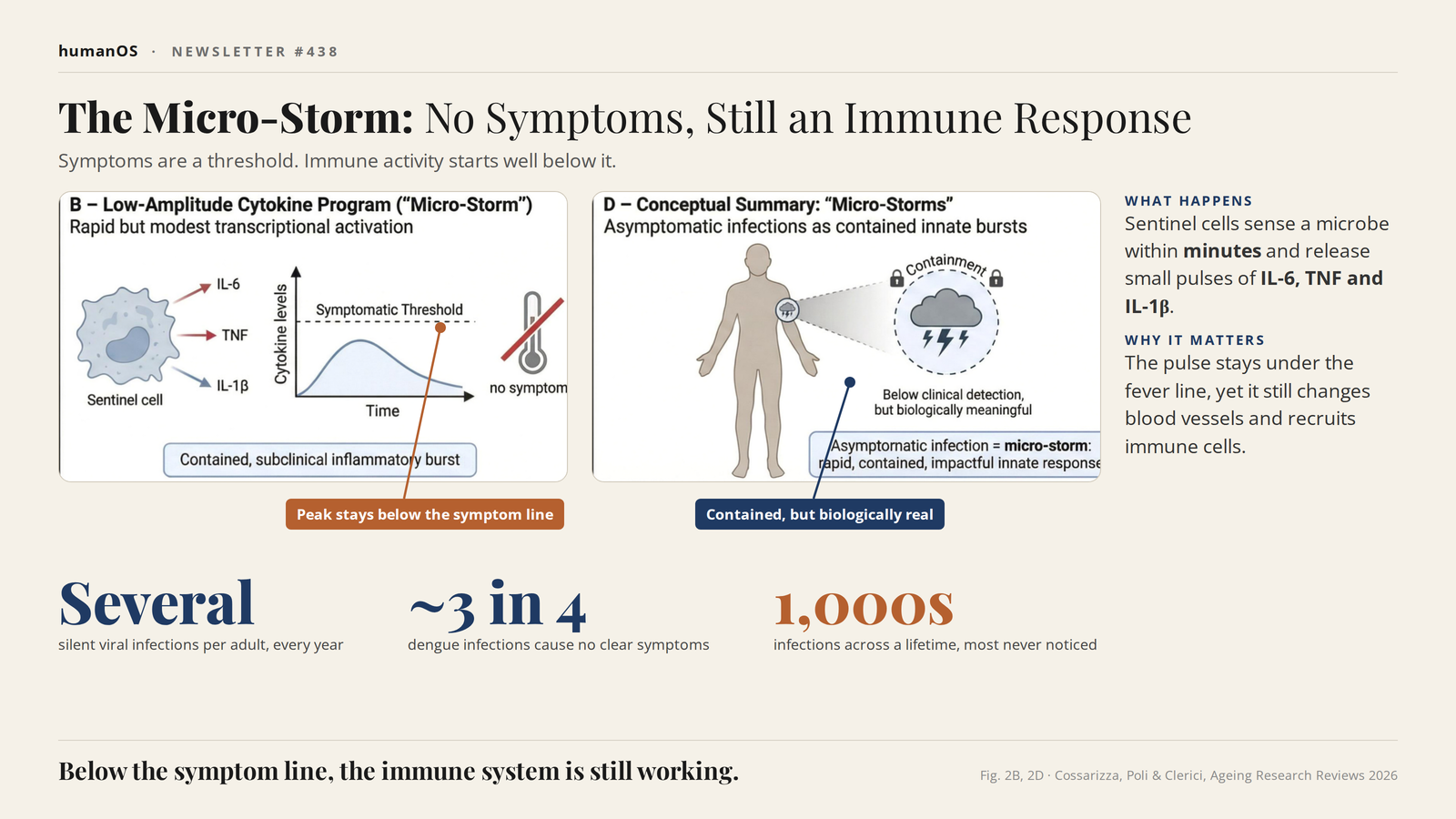
And there are a lot of them. Adults pick up several silent viral infections every year, and kids pick up many more. Think colds, flu, stomach bugs, and a group of herpesviruses that stay in your body for life and flare up from time to time. That group includes CMV (cytomegalovirus), EBV (Epstein-Barr virus), the virus behind cold sores, and the chickenpox virus that can later cause shingles. Add the low-grade microbes that live on your skin, gums, and gut, and the total keeps climbing.
The authors call each of these events a micro-storm. Within minutes, immune cells spot the microbe and release small amounts of inflammatory signals called cytokines. It's not enough to give you a fever or make you feel run down. But it is enough to change how nearby blood vessels behave and to call in more immune cells. Then it settles.
A single micro-storm is no big deal. The question the authors ask is what thousands of them do over a lifetime.
Where does the damage add up?
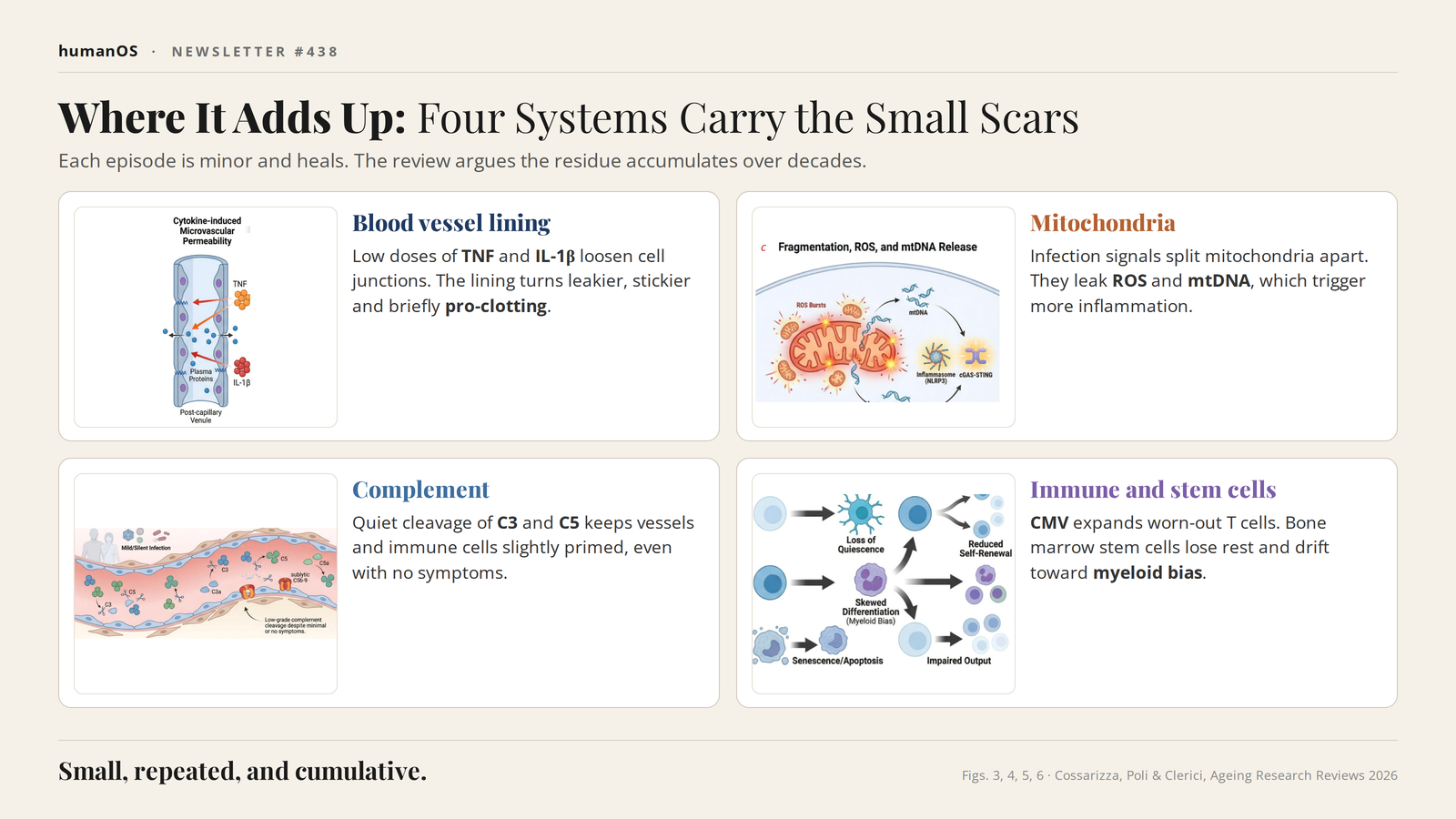
The review points to four places. Each one takes a small hit with every episode and mostly bounces back, but not completely.
- Blood vessel lining. Even small amounts of inflammatory signals loosen the seals between the cells that line your blood vessels. For a day or two, the lining is leakier, stickier, and more likely to clot.
- Mitochondria. Infection signals cause mitochondria to break apart. When that happens, they leak reactive oxygen species and small pieces of their own DNA. Your immune system reads that DNA as a warning sign.
- The complement system. This is a group of proteins in your blood that tag and attack microbes. Frequent quiet infections keep it running at a low idle, so your vessels and immune cells stay slightly on alert.
- Immune and stem cells. CMV is the clearest example. Every time it reactivates, it grows a pool of worn-out T cells that take up space in your immune system. Stem cells in your bone marrow get called into action over and over, and over time they start making more inflammatory cell types.
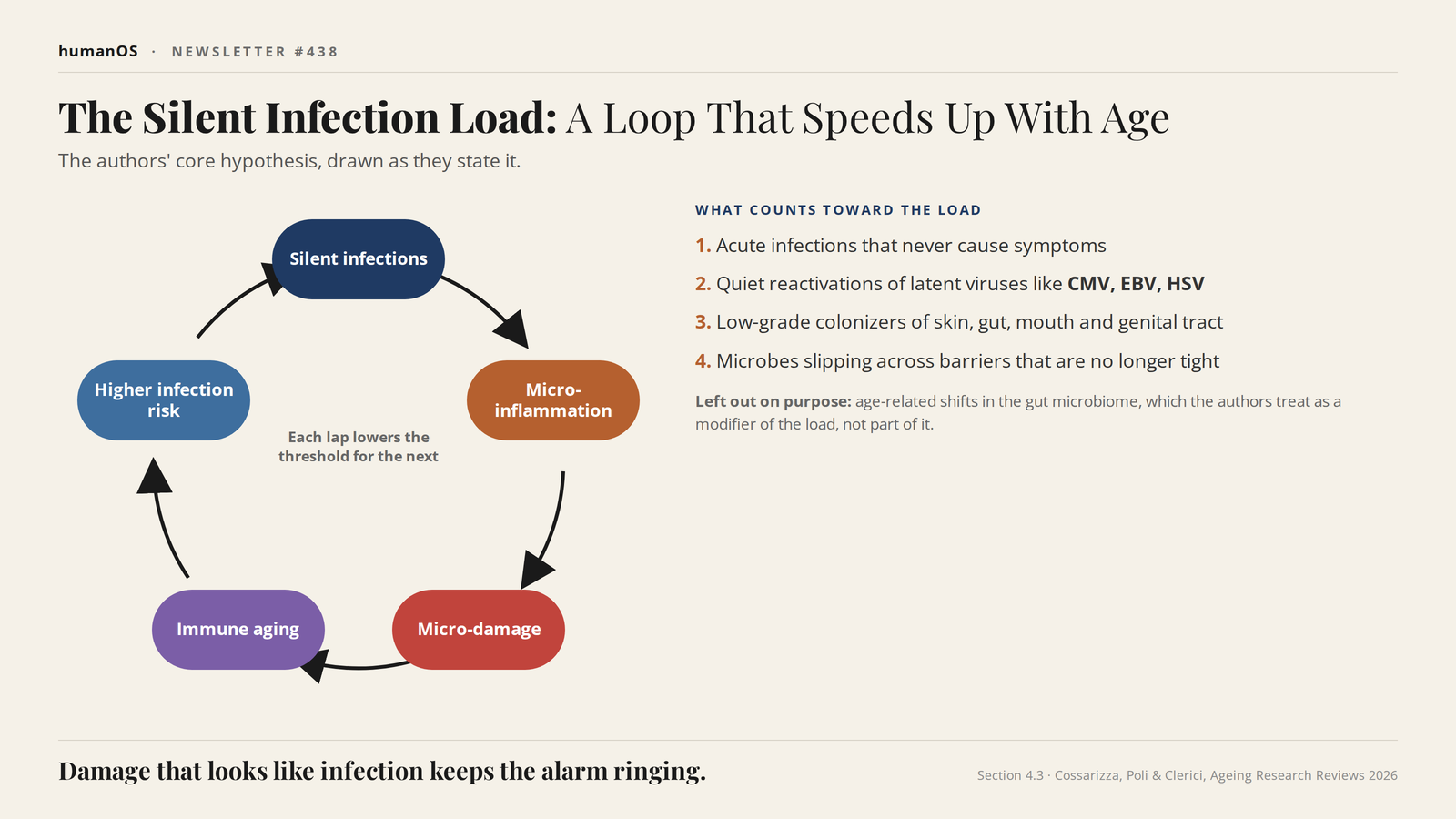
The problem is that this damage can keep itself going. Stressed and dying cells release molecules that look a lot like infection to your immune system, so it keeps responding even after the microbe is gone. The authors describe it as a loop. Silent infections cause small bursts of inflammation. That inflammation causes small amounts of damage. The damage ages the immune system. An older immune system is more open to the next infection. And around it goes.
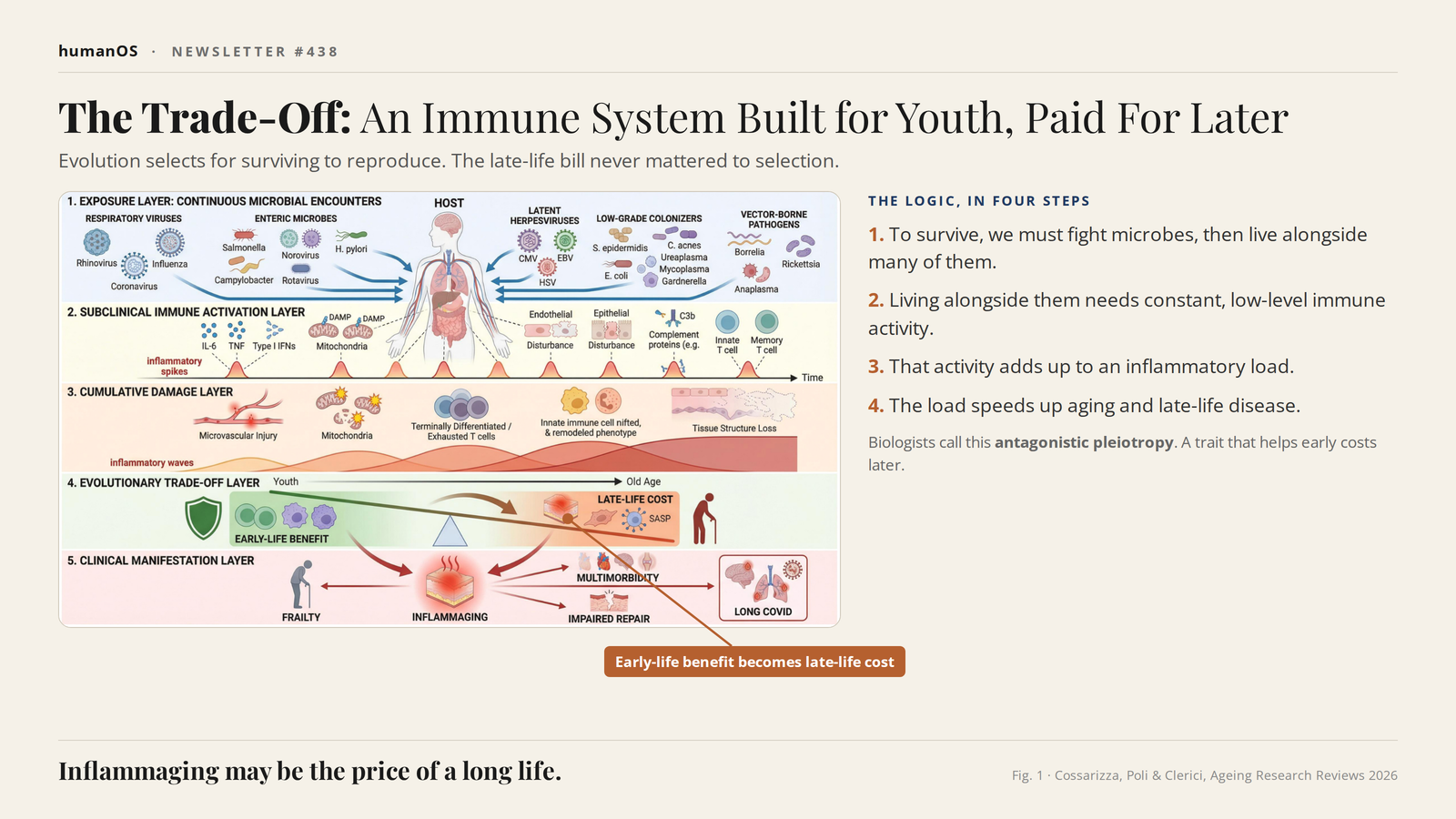
Inflammaging Is the Price of Surviving Youth
Our immune system didn't evolve to wipe out every microbe. It evolved to live with most of them. Clearing everything would take too much energy and cause too much collateral damage, so tolerance won out.
That trade worked well early in life. A child whose immune system was trained by lots of microbial exposure had a better shot at surviving dangerous infections and making it to adulthood. That's the stage of life natural selection cares about most. The slow cost of carrying microbes for 70 or 80 years didn't matter much when few people lived that long.
Biologists have a name for this, antagonistic pleiotropy. The the term was coined by a former HumanOS Radio guest, Distinguished Professor Michael Rose. We talk about it in this episode. It means a trait that helps you when you're young can hurt you when you're older. In this case, the trait is an immune system that's always a little bit on. Now that many of us live much longer, we see the cost as frailty, slower healing, and chronic disease.
The authors are careful not to overstate their case. A lot of the evidence comes from acute infections, cell studies, and animal research. There isn't much direct human data showing that silent infections cause these changes over time. The case is strongest for latent herpesviruses, especially CMV. For most other microbes, it rests on mechanisms that make sense but haven't been proven. They see the silent infection load as one piece of the inflammaging picture, alongside the drivers we already know about.
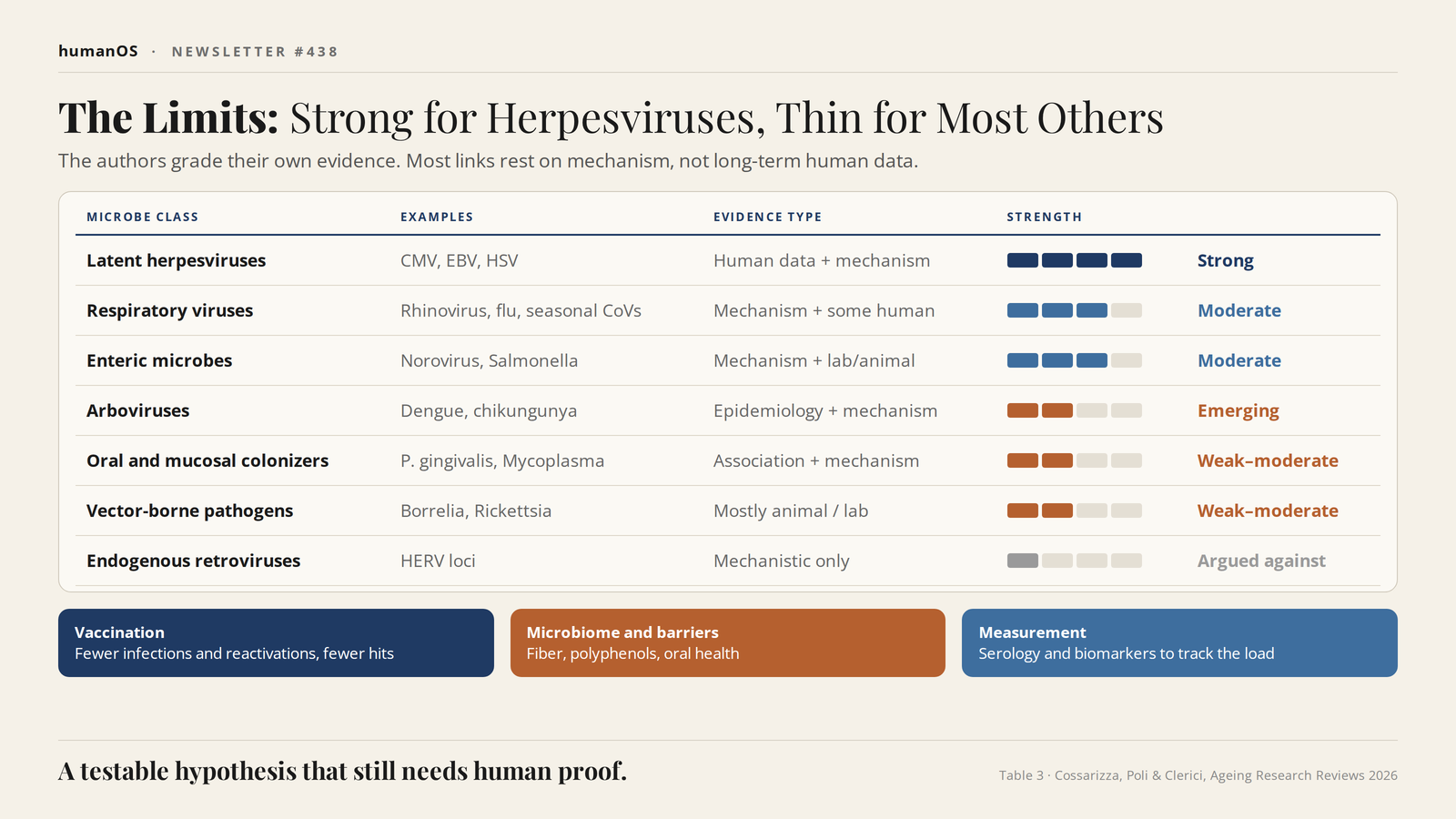
If the idea holds up, the practical takeaway is simple. Fewer infections and reactivations should mean fewer hits. That makes vaccines, a healthy gut, and good oral care more important than we usually give them credit for. They prevent illness, and they may also help keep background inflammation lower as we age.
What Might Lower the Silent Infection Load
The authors suggest three ways to lower the load. None has been tested directly against inflammaging yet.
Lever | What the review proposes | Where the evidence stands |
Vaccination | Fewer infections and reactivations means fewer inflammatory hits. Flu vaccines reduce silent viral shedding. Shingles vaccines reduce silent reactivation of the chickenpox virus. | The strongest lead. Shingles vaccination has been linked to lower dementia rates in a large natural experiment. The authors see a CMV vaccine as the most promising option. |
Gut health and barriers | Fiber, polyphenol-rich foods, and some probiotics strengthen the gut lining and crowd out problem microbes. | Good support for how it works. Few long-term human trials have looked at inflammaging directly. |
Measurement | Blood tests that can read hundreds of past infections from one sample, paired with other markers like complement fragments and mitochondrial DNA in the blood. | Research tools for now. Not yet a clinical test. |
They also call out oral health. Gum bacteria like Porphyromonas gingivalis come up again and again in the review. They're a steady source of low-grade inflammation that can spill into the bloodstream.
Common Questions
What is inflammaging?
Inflammaging is the chronic, low-grade inflammation that builds as we age. It's linked to frailty, heart disease, type 2 diabetes, dementia, and slower healing. It has many causes, and this review argues that silent infections are one of them.
What is the silent infection load?
It's the total lifetime burden of infections that activate your immune system without causing symptoms. The authors count four kinds. Silent acute infections, quiet reactivations of viruses that live in the body, low-grade microbes on the skin and mucous membranes, and microbes that leak across weakened barriers like the gut lining.
Is CMV bad for you?
CMV (cytomegalovirus) infects a large share of adults and usually doesn't make anyone sick. Over decades, though, it builds up a large pool of worn-out T cells, and it's one of the best-supported drivers of immune aging (immunosenescence). Whether it shortens life in healthy people is still debated.
Can I measure my silent infection load?
Not in a clinic yet. General inflammation markers like CRP and IL-6 reflect a lot of things at once. Research labs can check antibodies against hundreds of viruses from one blood sample, and the authors propose combining that with other markers into a single score.
Does this mean germ exposure is bad?
No. Early exposure to a rich microbial world trains the immune system and helps protect against infection and allergies. The cost the review describes is the slow, lifelong price of that same tolerance.
Summary: Cossarizza, Poli, and Clerici propose the silent infection load (SIL) hypothesis. SIL is the lifelong burden of immunologically active but clinically silent microbial encounters. These include asymptomatic acute infections, low-level reactivation of latent viruses (CMV, EBV, HSV, VZV, HHV-6), subclinical mucosal colonization, and microbial translocation. Each episode triggers a "micro-storm," a sub-pyrogenic rise in IL-6, TNF, IL-1β, and type I interferons. Proposed cumulative effects include endothelial permeability and pro-coagulant shifts, MAVS and DRP1-driven mitochondrial fission with mtDNA release activating NLRP3 and cGAS-STING, low-grade C3 and C5 cleavage with sublytic C5b-9 deposition, CMV-driven expansion of CD8⁺ TEMRA cells, and myeloid skewing of hematopoietic stem cells. The proposed cycle runs from infection to micro-inflammation, micro-damage, immunosenescence, and higher susceptibility. The authors grade evidence strong for latent herpesviruses, moderate for respiratory and enteric infections, weak to moderate for colonizers, vector-borne pathogens, and parasites, and argue against endogenous retroviruses.
Random Trivia & Weird News
The Shingles Birthday Cutoff
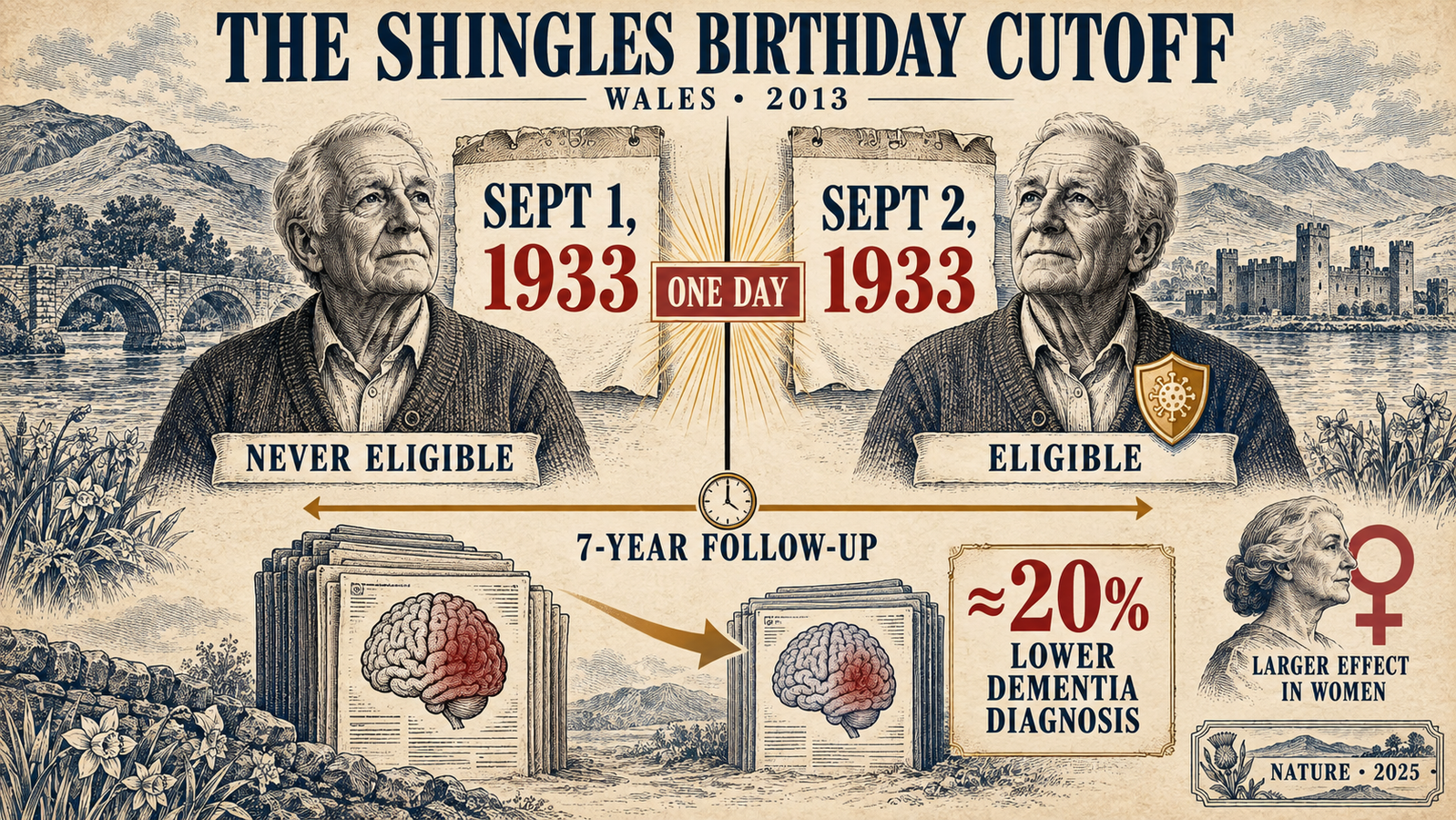
In 2013, Wales offered the shingles vaccine only to people born on or after September 2, 1933. Anyone born even a day earlier was never eligible. That arbitrary line created a rare natural experiment. Researchers compared people born just before and just after the cutoff, two groups that were otherwise almost identical. Over the next seven years, those who got the vaccine were about 20 percent less likely to be diagnosed with dementia. The effect was larger in women. The findings were published in Nature in 2025.
Hay Fever and Big Families
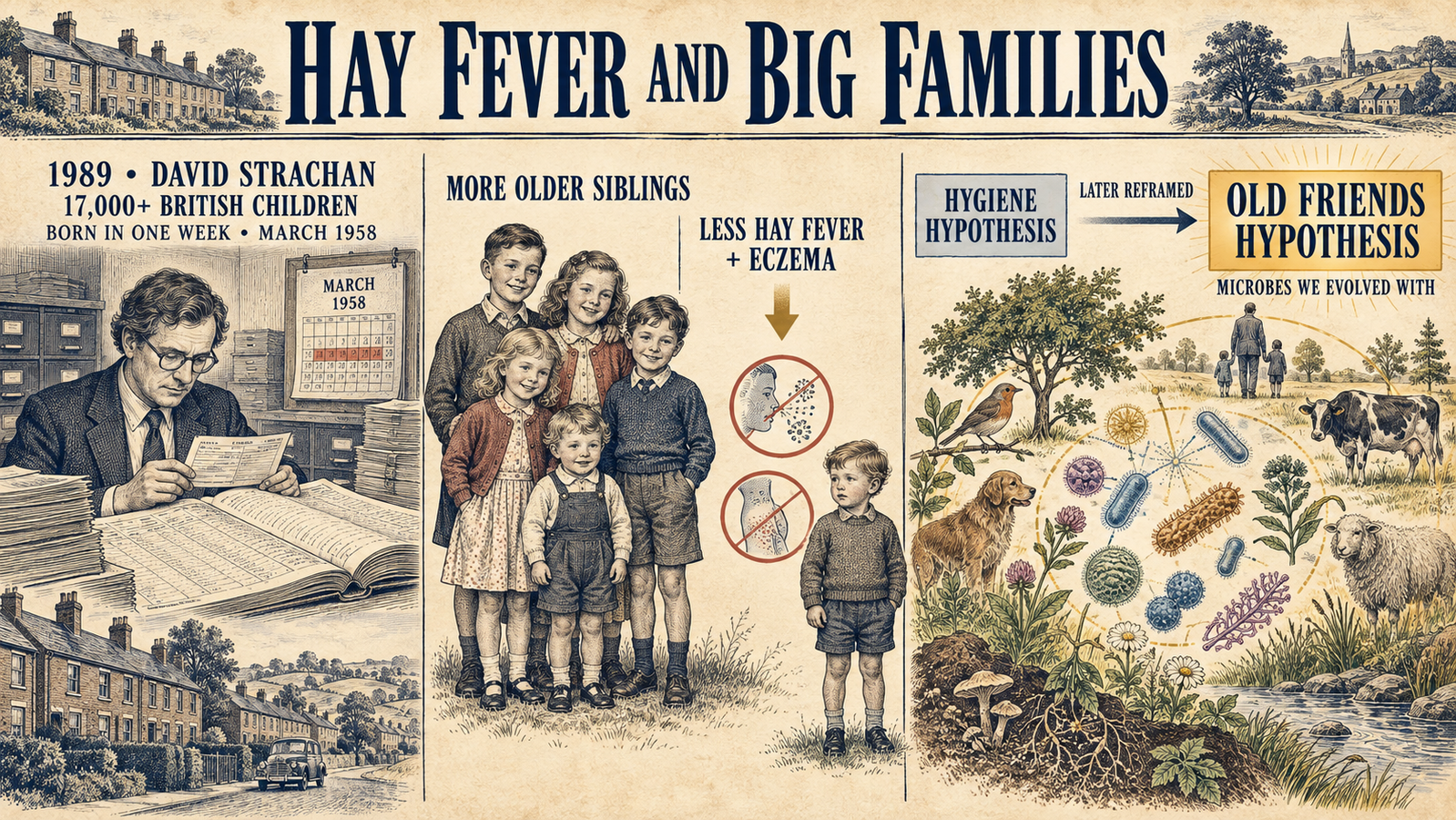
In 1989, epidemiologist David Strachan studied more than 17,000 British children born in a single week of March 1958. He noticed something odd. Children with more older siblings were less likely to have hay fever or eczema. His explanation was that early infections passed around by big brothers and sisters trained the immune system away from allergy. It became known as the hygiene hypothesis. Later researchers reframed it as the old friends hypothesis, which puts the focus on the microbes we evolved with.
Products We Love

Waterpik Aquarius Water Flosser
Gum bacteria come up again and again in this week's review as a steady, low-grade source of inflammation that reaches far beyond the mouth. Daily cleaning between the teeth is one of the simplest ways to keep that load down. The Aquarius is a countertop water flosser that uses a pulsing stream of water to clear plaque and food along the gumline and between teeth. It has ten pressure settings, a built-in timer, and several tips, including one for braces and one for gum pockets. Many people also find it gentler on sensitive gums than string floss, which makes the habit easier to keep.
humanOS Catalog Feature of the Week
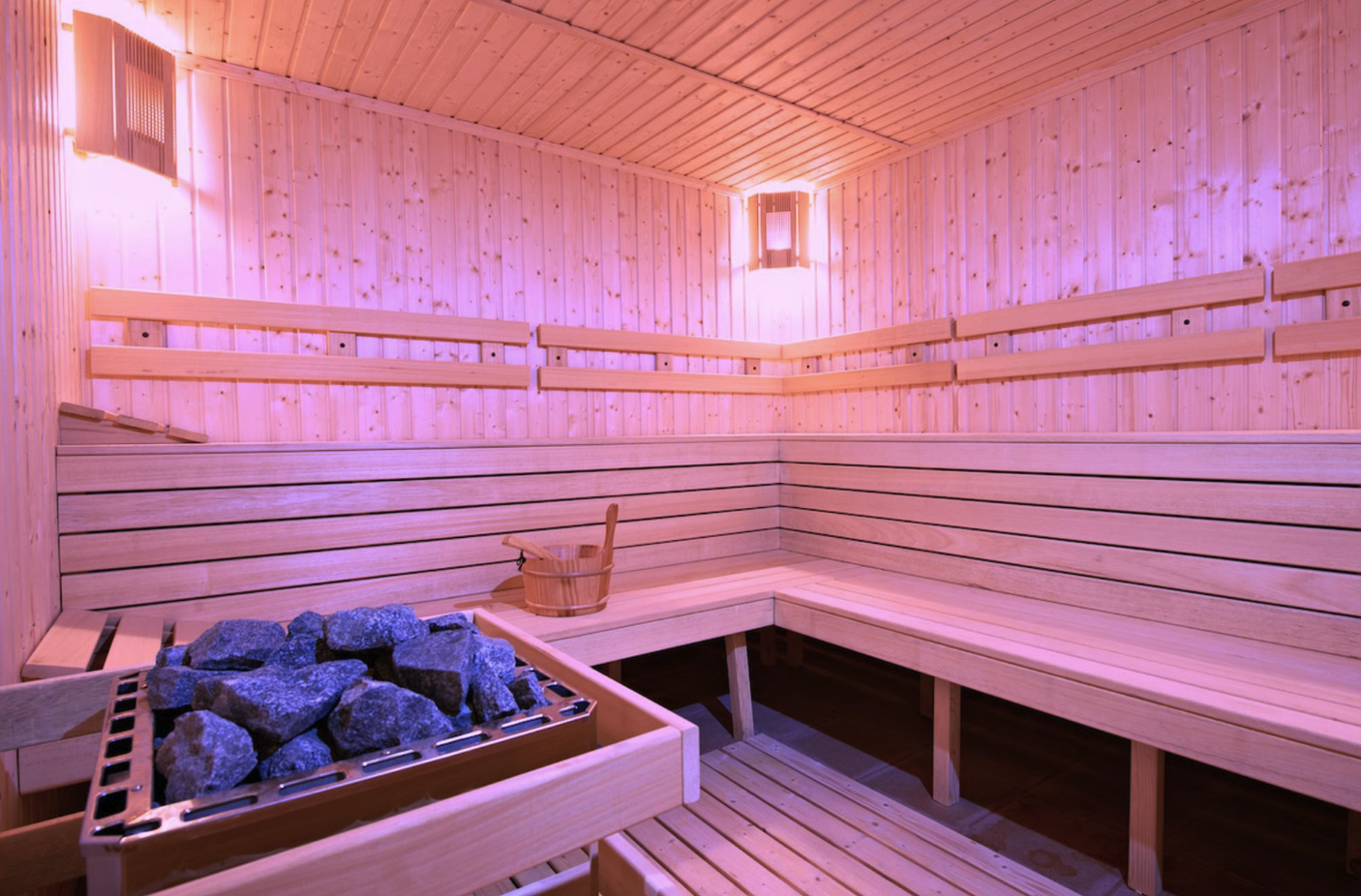
Sauna Health Benefits. Podcast with Jari Laukkanen MD PhD
Why would sitting in a hot room lower the risk of a disease that shows up decades later? Dr. Jari Laukkanen is a cardiologist at the University of Eastern Finland who has followed more than 2,000 Finnish men for over twenty years. His team found that men who used the sauna four to seven times a week had a much lower risk of dementia and Alzheimer's disease than men who went once a week. In this conversation we cover how the study was run, what a typical Finnish sauna session looks like, and the possible reasons behind the benefits, from blood vessel function to heat shock proteins.
Enjoying these? A Pro membership keeps the newsletter going and unlocks the full humanOS library of courses, guides and protocols. $19.99 per quarter.
Join here: Become a Member
Wishing you the best,