Newsletter #433
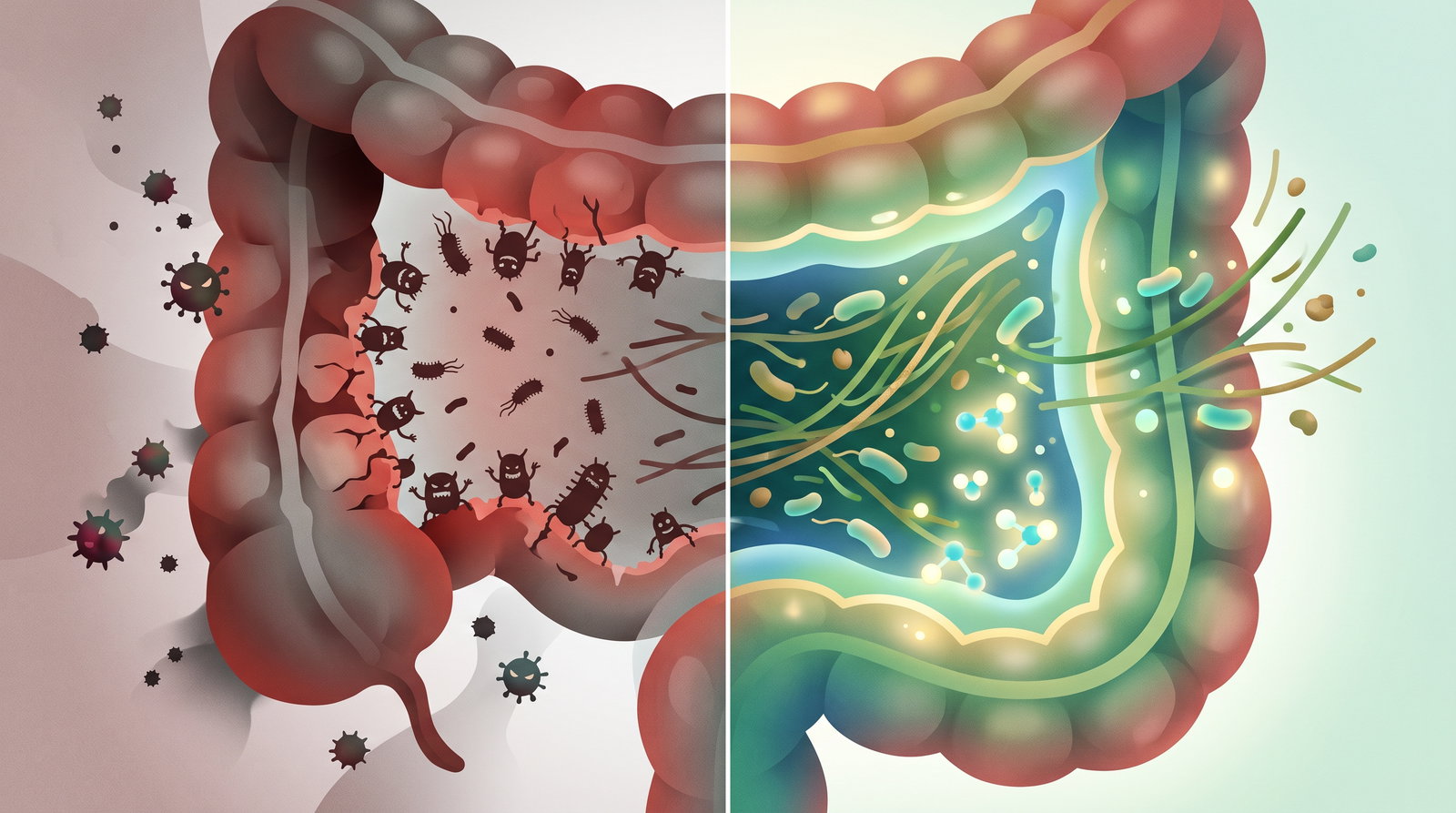
Your fiber intake helps decide whether your gut bacteria protect you or turn on you. New research from Princeton found that when fiber runs low, the microbes in your colon start digesting the mucus lining of your own intestine. That releases compounds associated with worse outcomes in kidney disease and cancer. Feed those same microbes fiber and a second, overlooked plant nutrient, and they shift toward compounds that help you. So what in a plant-rich diet flips that switch?
Become a Member. Get the science-backed programs, courses, and tools that make healthy living automatic.
Join humanOS and turn what you read here into daily habits that stick.
Review Your Learnings: Newsletter Summaries ✨
Fiber and Plant Proteins Reprogram Gut Bacteria Toward Healthful Compounds
Your gut makes two kinds of phenols
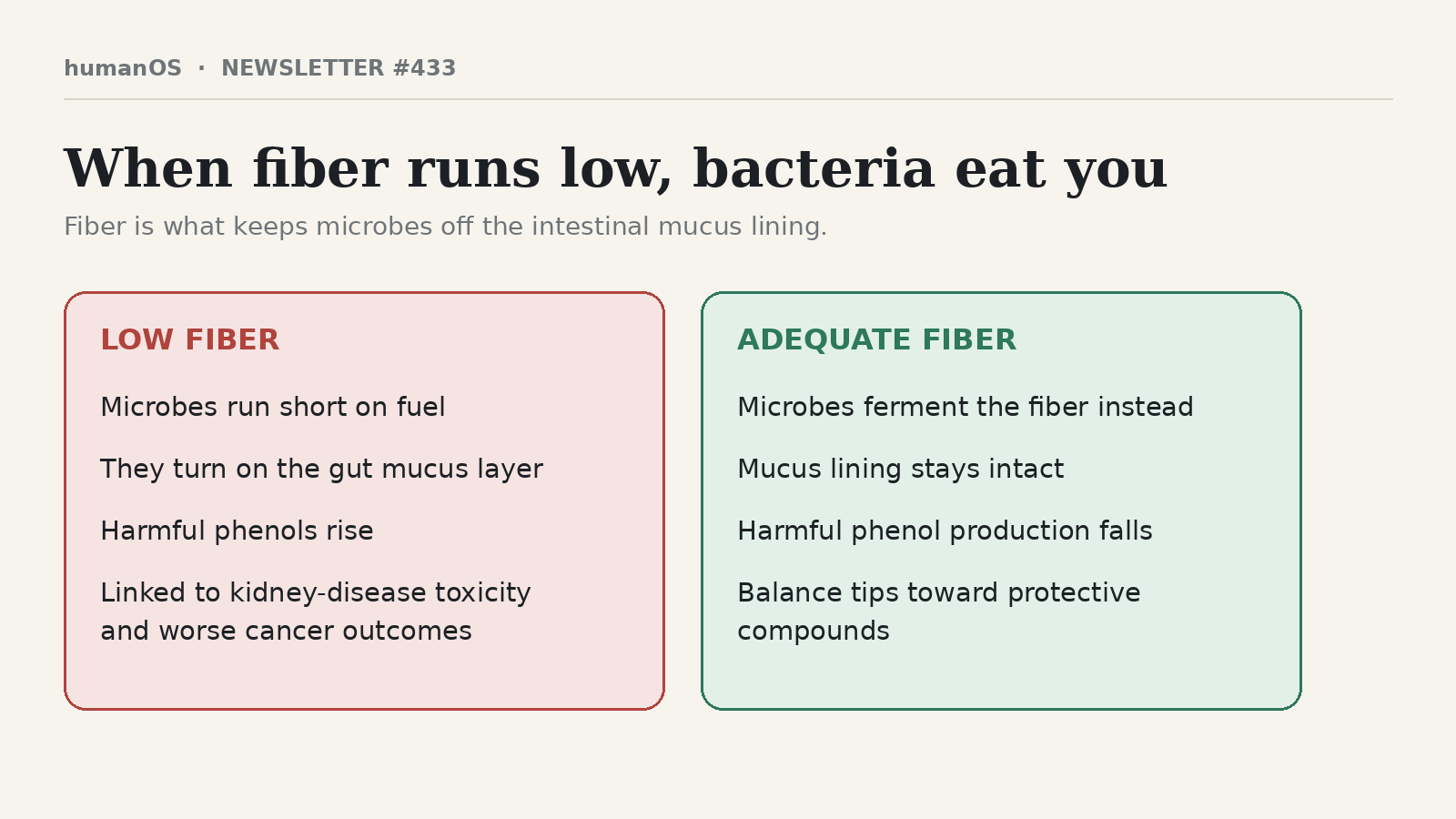
Gut bacteria turn amino acids into small molecules called phenols, and they come in two families. One family protects you. The other harms you.
The protective phenols include phenylpropionate and hippuric acid. The harmful ones include p-cresol sulfate and phenol sulfate, which have been associated with systemic toxicity in kidney disease and worse outcomes in cancer.
Both families start from similar building blocks. What differs is the source. The researchers tagged nutrients with heavy isotopes and followed each compound back to where it came from, in mice, rats, and human samples.
When fiber runs low, bacteria eat your mucus
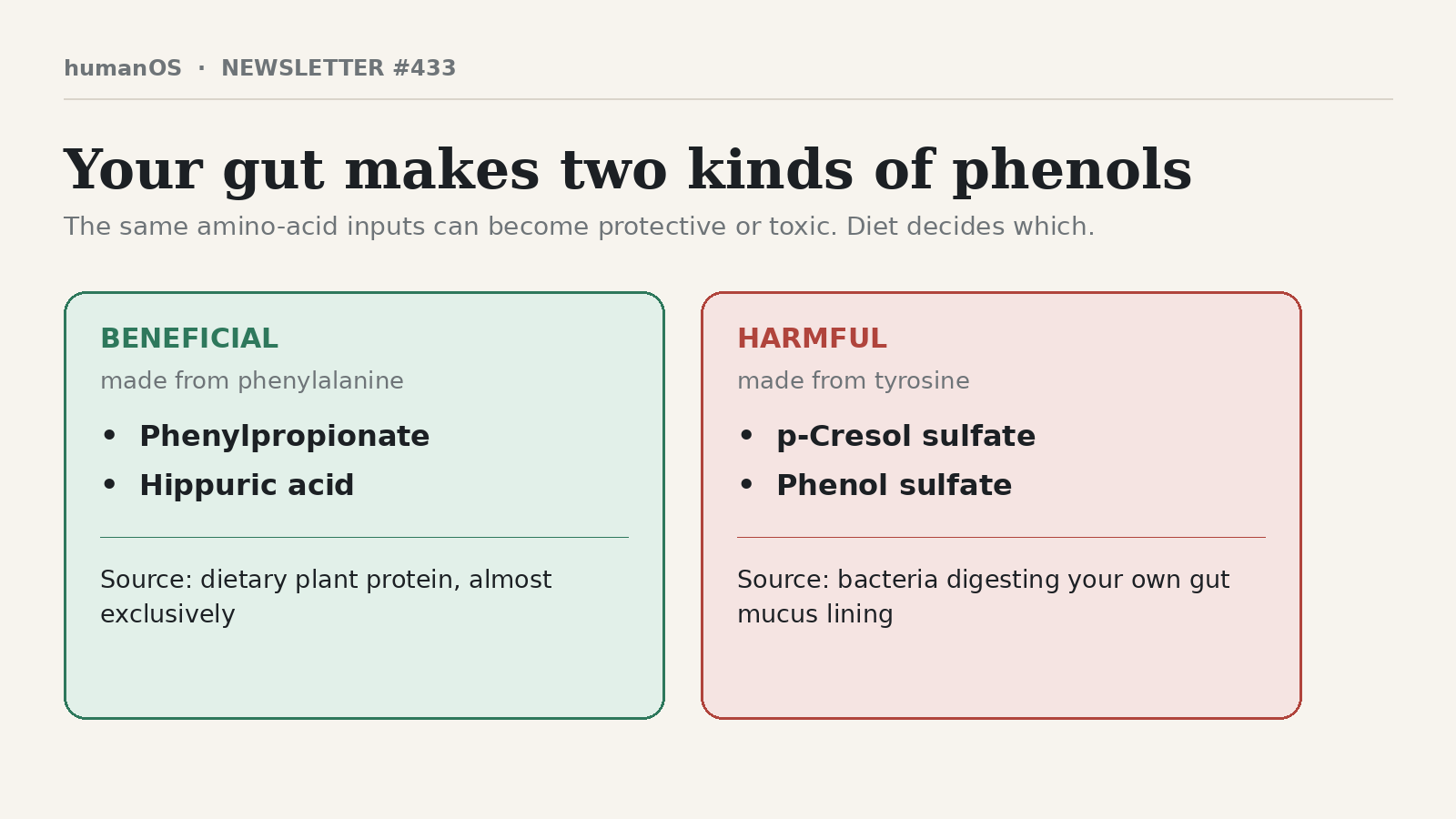
The harmful phenols come from bacteria digesting your own body. Specifically, the mucus layer that lines your gut.
When fiber is scarce, microbes lose their preferred fuel. They turn to the next source available, the protein in your intestinal lining. Breaking that protein down is what releases the harmful phenols.
Fiber changes this. It suppresses bacterial breakdown of the mucus layer. Keep fiber flowing and the microbes leave your gut lining alone.
Plant Protein Is The Overlooked Nutrient
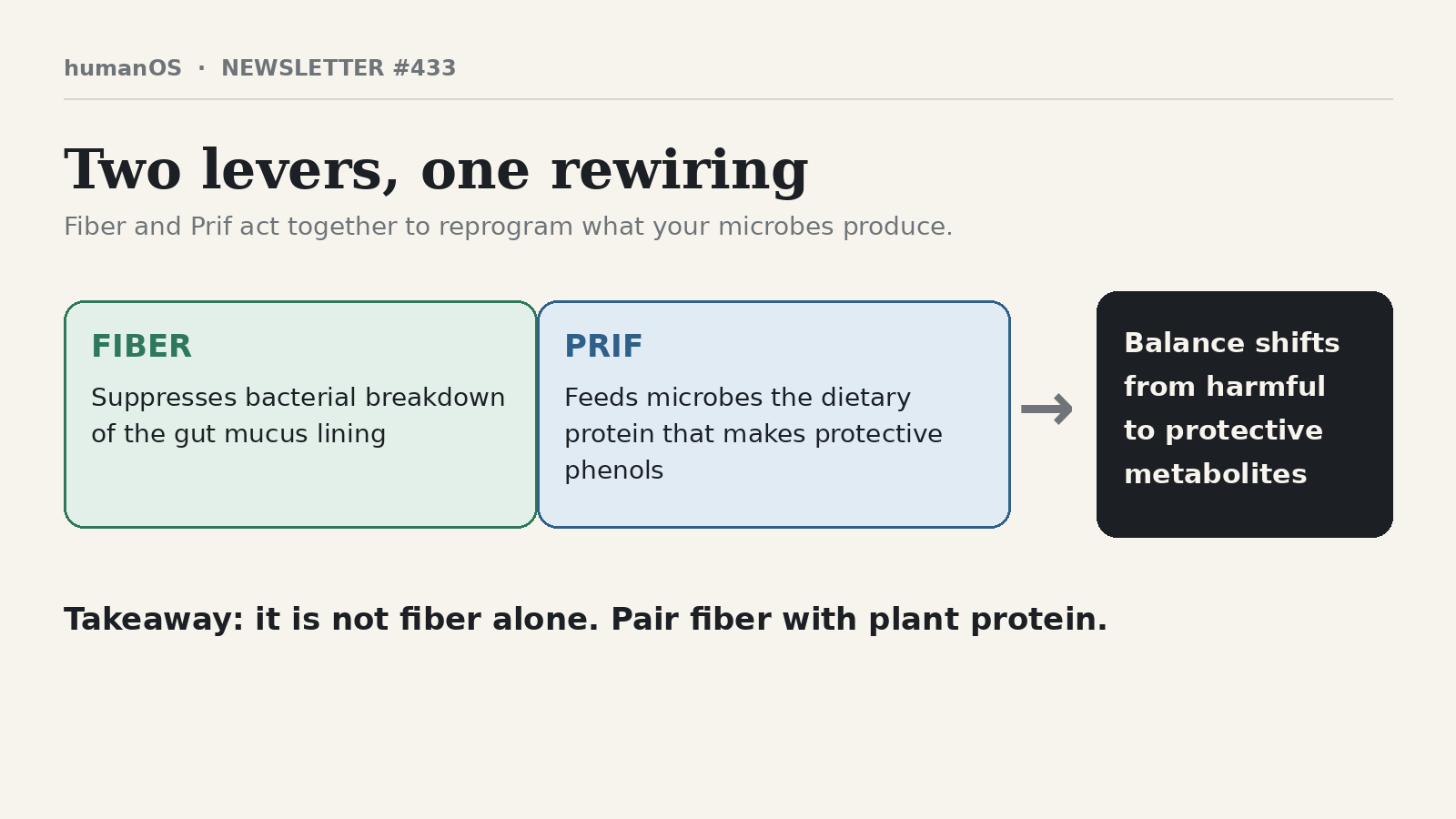
Fiber is only half the story. The other half is a nutrient the researchers named PRIF, short for:
Proteins Imitating Fiber.
Prif is indigestible plant protein. It survives digestion and reaches the colon intact, the same way fiber does. The beneficial phenols came almost exclusively from this dietary plant protein, not from your own tissue.
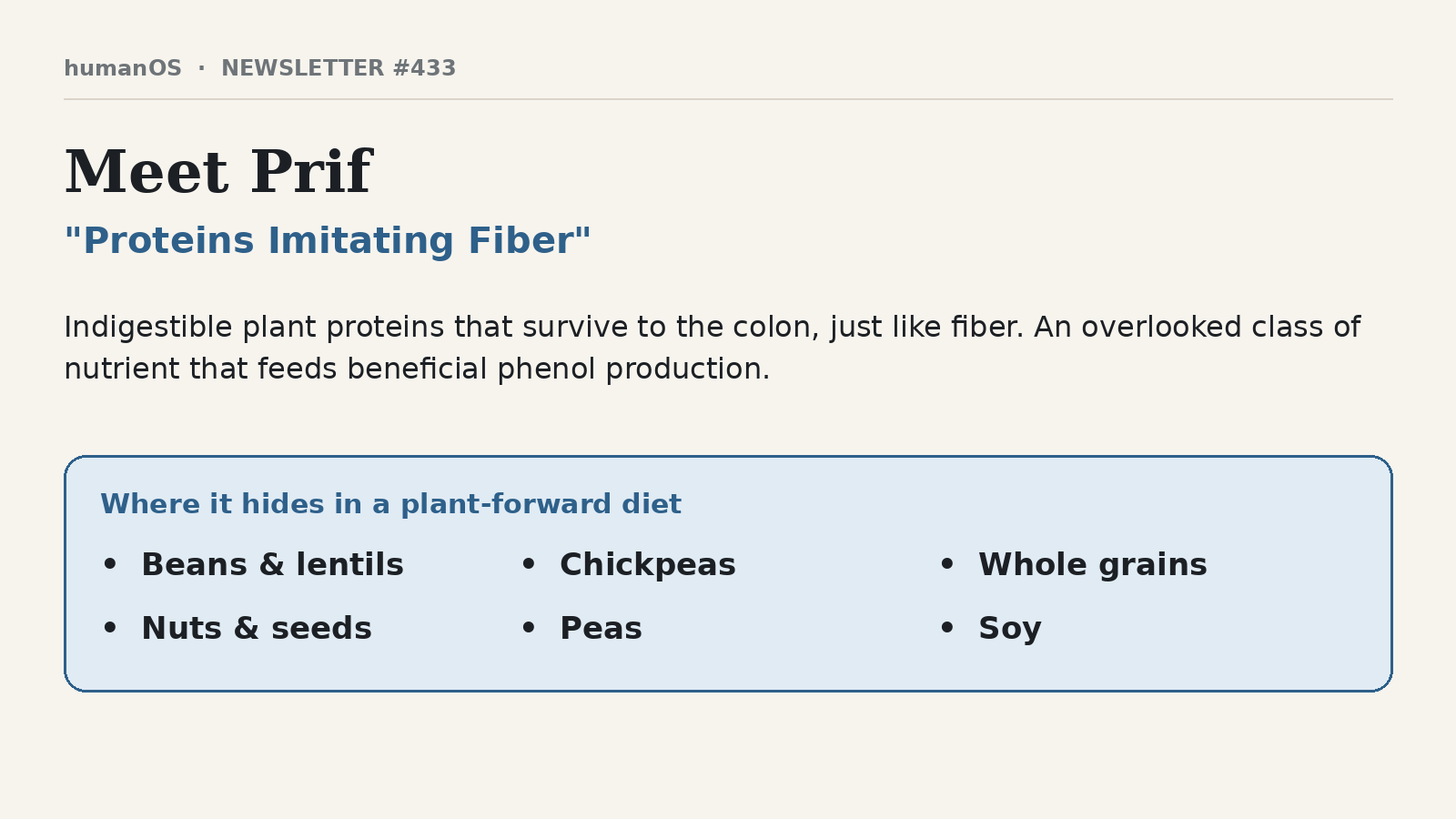
Together, fiber and Prif rewire what your microbes produce. Fiber shields the mucus lining, which lowers the harmful output. Prif supplies the raw material for protective compounds, which raises the helpful output. These two nutrients travel together in the same foods, so beans, lentils, whole grains, nuts, and seeds carry both.
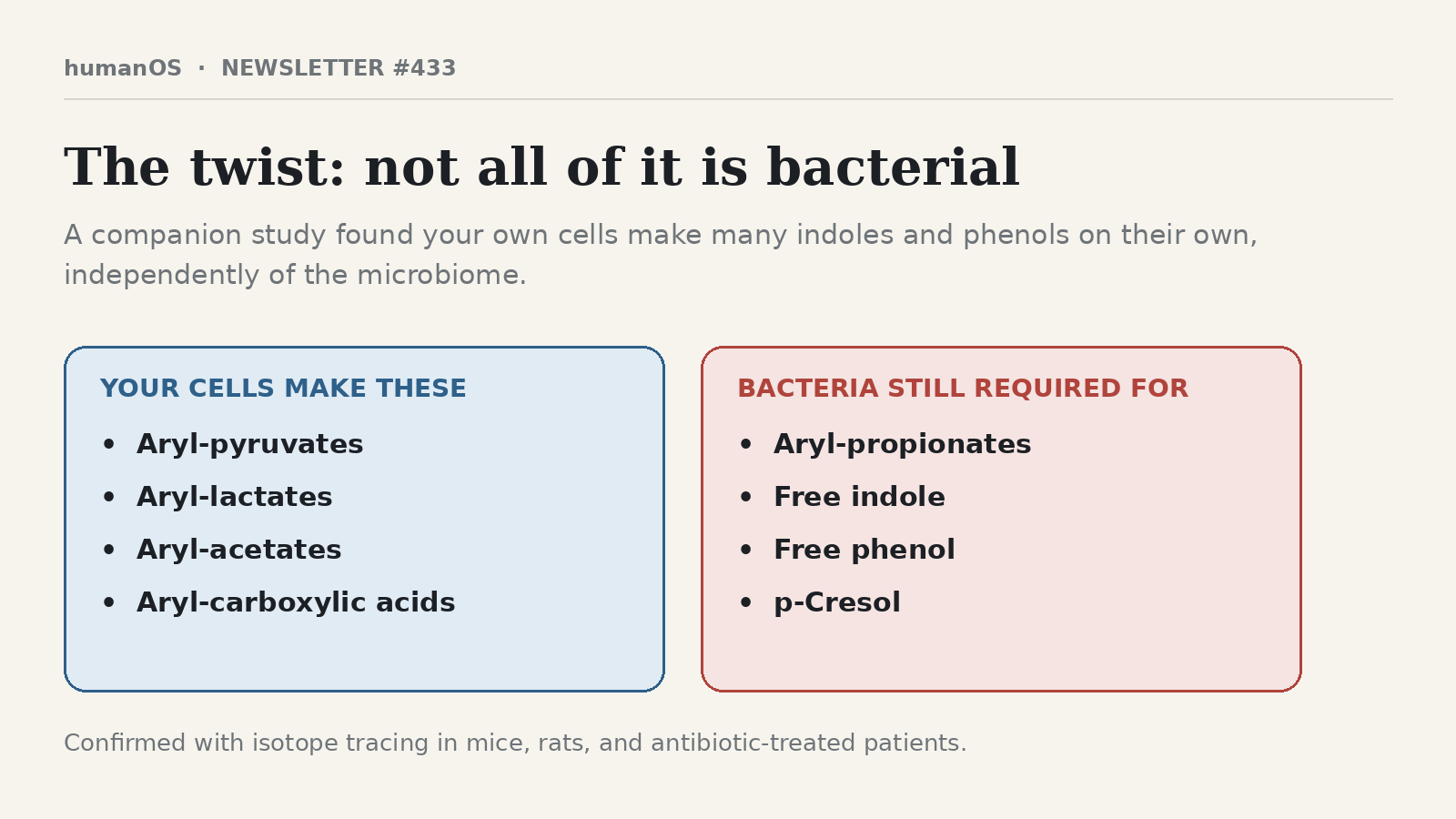
A companion study from the same group adds a twist. It found that your own cells make many of these indole and phenol compounds on their own, independently of bacteria. Not everything blamed on the microbiome is actually bacterial. But both papers point to the same practical move.
A useful take away is to not think about fiber in isolation. Pair it with plant protein at more meals, which often can mean a wider range of plant matter on the plate.
Summary
Princeton researchers used stable isotope tracing (¹³C-labeled amino acids) in mice, rats, and human samples to map where gut phenol metabolites originate. Harmful phenols, p-cresol sulfate and phenol sulfate, form when bacteria break down tyrosine sourced largely from host proteins, including the intestinal mucus lining. Beneficial phenols, phenylpropionate and hippuric acid, derive from phenylalanine in dietary plant protein. Dietary fiber suppresses bacterial degradation of mucus, lowering harmful phenol output, while indigestible plant proteins ("Prif," proteins imitating fiber) increase substrate for beneficial phenols. A companion paper in Nature Metabolism showed mammalian cells produce aryl-pyruvates, aryl-lactates, aryl-acetates, and aryl-carboxylic acids independently of the microbiome, with bacteria required only for aryl-propionates and free indole, phenol, and p-cresol. Human validation drew on 169 Boston Children's Hospital patients and 3 antibiotic-treated AML patients.
Common Questions
What is Prif?
Prif stands for proteins imitating fiber. It is indigestible plant protein that passes through digestion and reaches the colon, where gut bacteria use it much like fiber.
What foods contain both fiber and Prif?
Beans, lentils, chickpeas, whole grains, nuts, seeds, and peas carry both.
Are p-cresol sulfate and phenol sulfate harmful?
These bacterial phenols have been linked to systemic toxicity in kidney disease and worse outcomes in cancer. Higher fiber intake is associated with lower production.
Does eating more protein help?
The type matters. Indigestible plant protein feeds the protective pathway. The study did not show the same benefit from readily digested protein.
Random Trivia and Weird News
The 30-Plants-A-Week Target
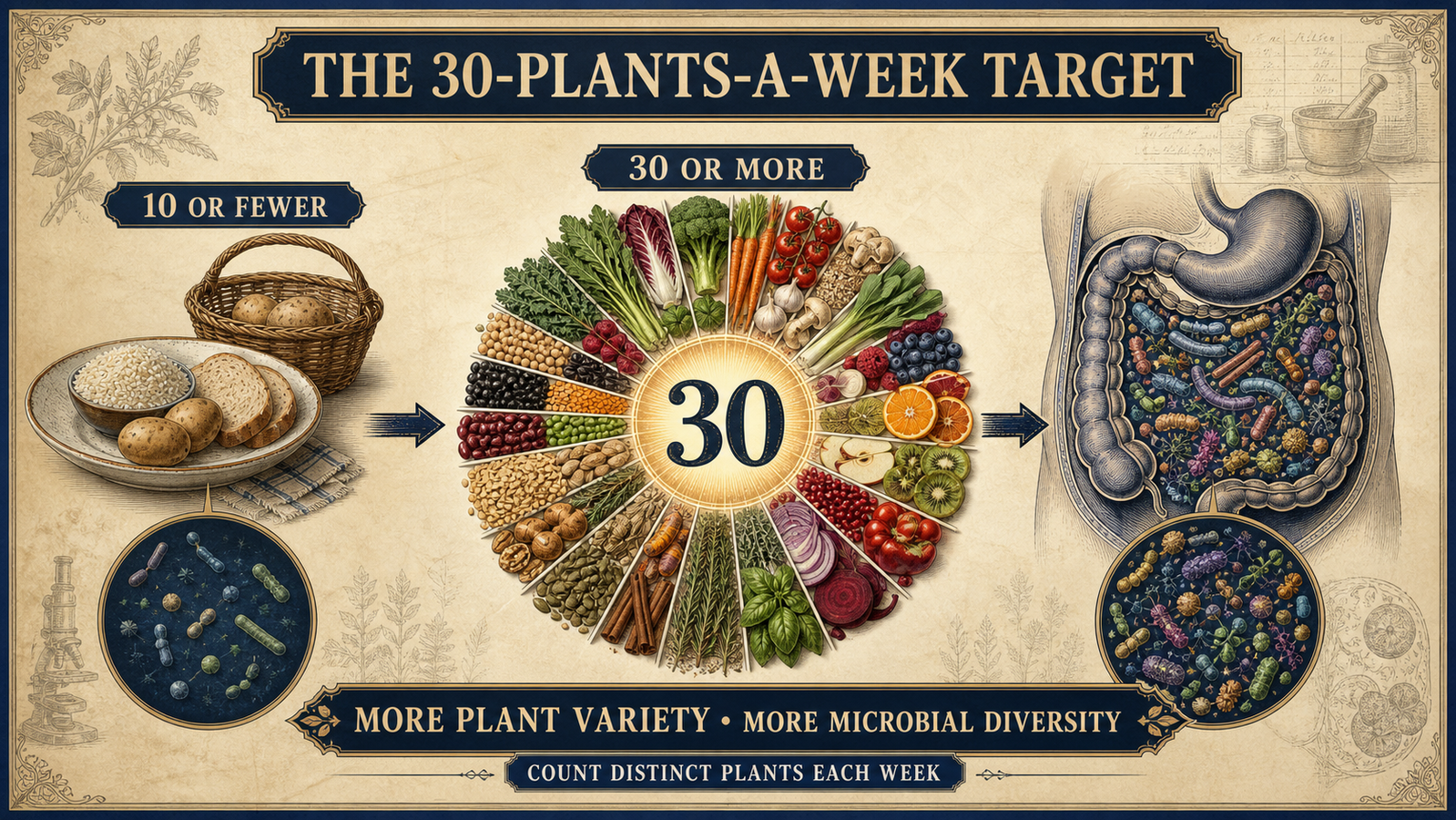
The largest citizen-science gut study to date, the American Gut Project, found that people who ate 30 or more different plant types per week had markedly more diverse microbiomes than those eating 10 or fewer. Diversity of plants, not just quantity of fiber, tracked with a healthier microbial community. Variety matters because different fibers feed different microbes. It is a simple weekly scorecard. Count the distinct plants on your plate (or cup), from herbs and spices to beans and grains, and aim to push the number up if lower than 30.
Your Mucus Layer Rebuilds Hourly
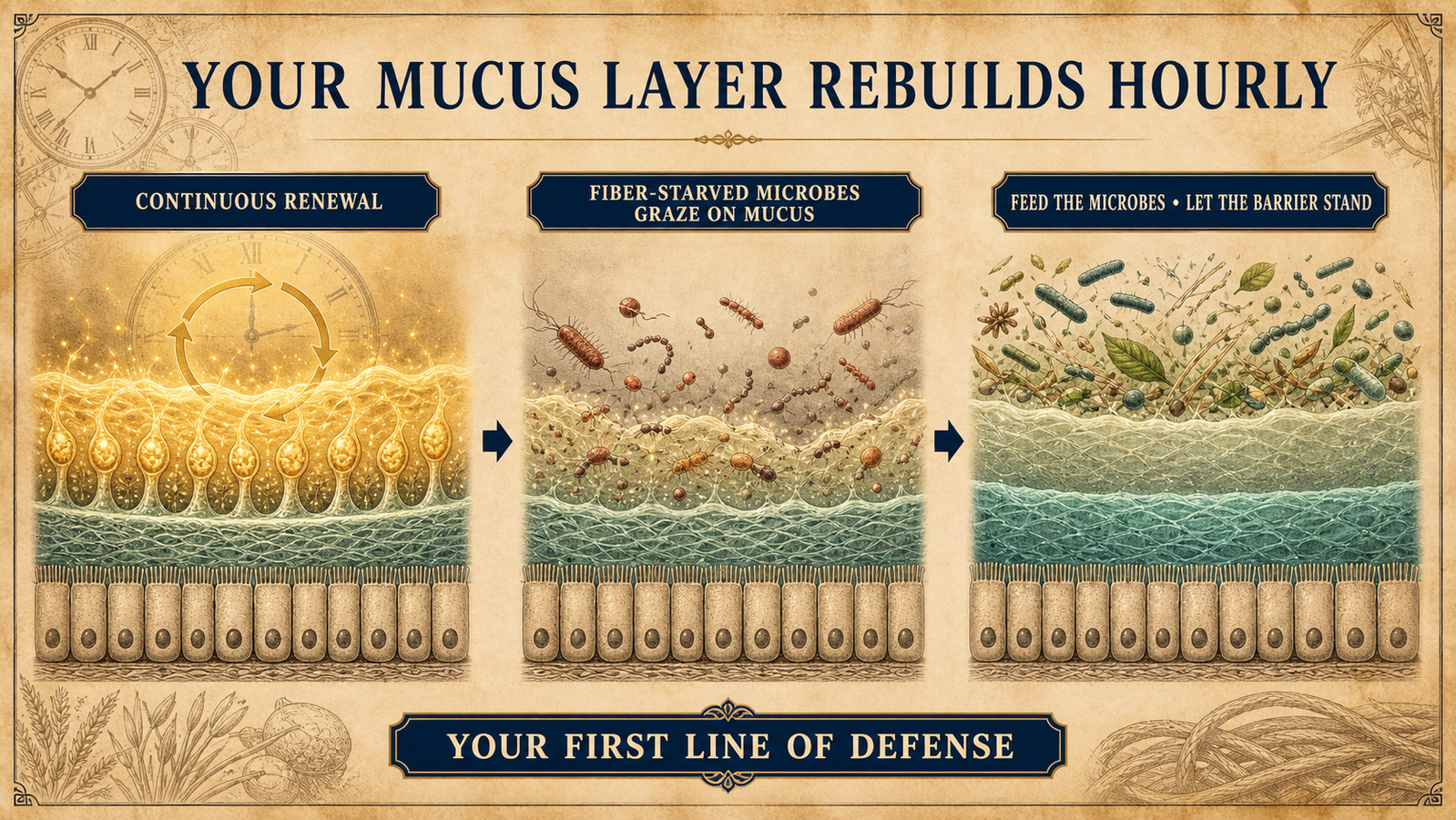
The mucus lining of your gut is not a static wall. It is secreted and replaced continuously, with the inner layer turning over on the order of an hour in parts of the colon. That constant renewal is metabolically expensive, and it is exactly what fiber-starved bacteria exploit when they graze on it. The mucus is your first line of defense, keeping trillions of microbes at arm's length from the cells beneath. Feed the microbes and they let the barrier stand.
The Hadza Gut Shifts With Seasons
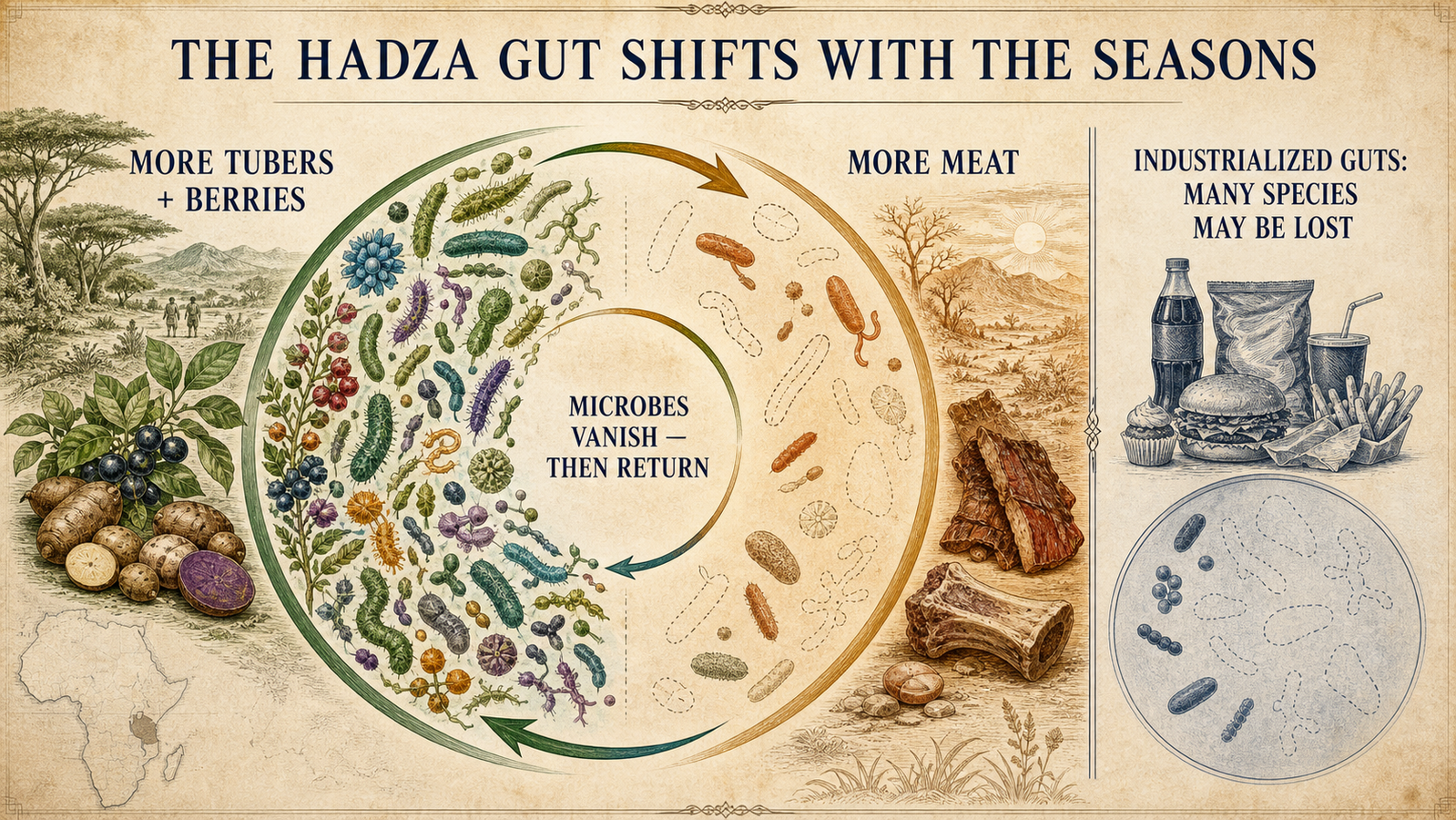
The Hadza of Tanzania, one of the last hunter-gatherer groups still living today, carry some of the most diverse microbiomes ever measured. Their gut community even shifts with the seasons, expanding when they eat more fiber-rich tubers and berries and contracting in the meat-heavy dry season. Certain microbes vanish in one season and return in the next. Industrialized guts, by contrast, appear to have permanently lost many of those same species, a casualty of low-fiber modern diets.
Products We Love
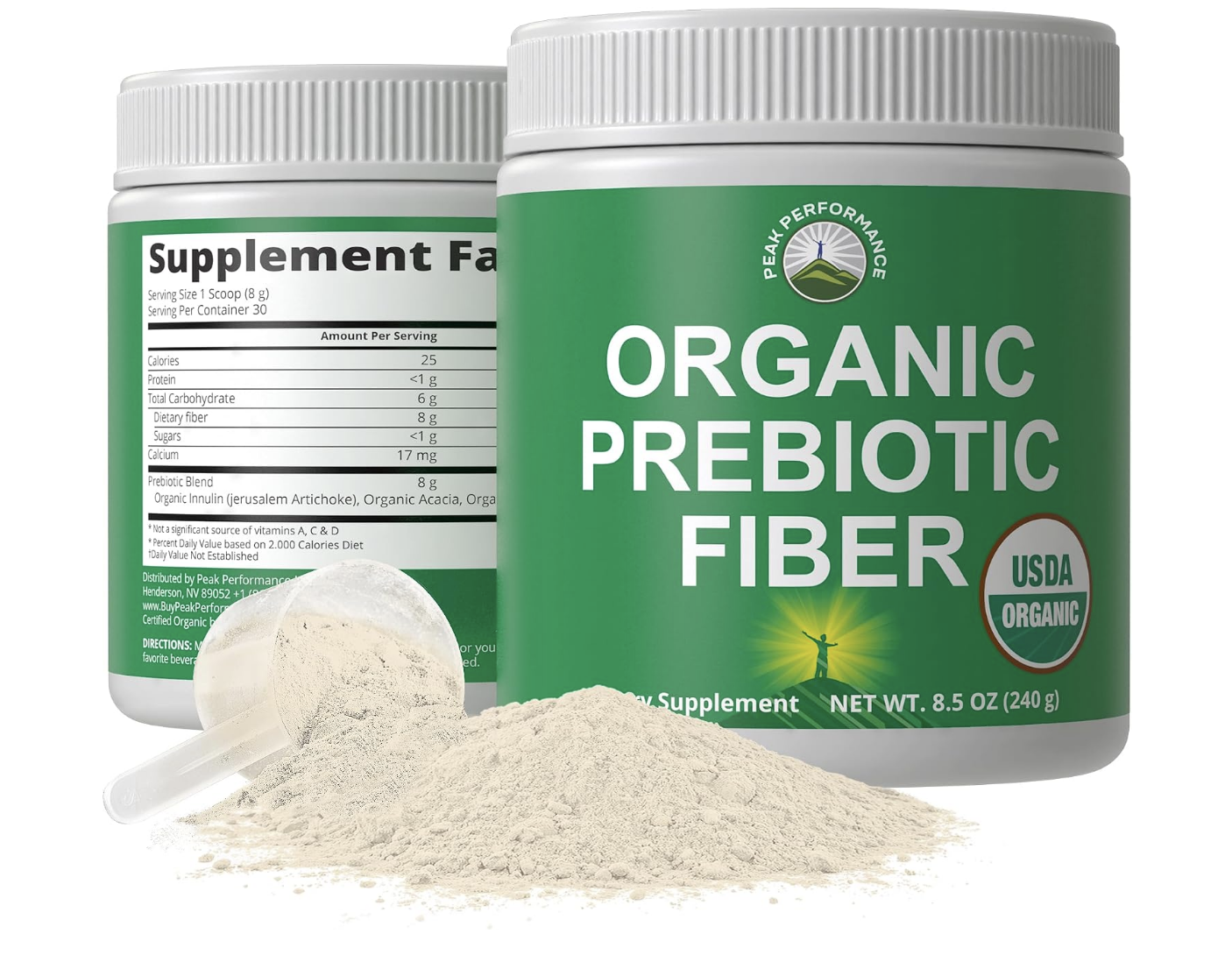
Peak Performance Organic Prebiotic Fiber, 3-in-1 Blend
Most fiber supplements give your microbes a single input. This one gives them three, which better matches the diversity story in this week's research. It blends inulin from Jerusalem artichoke, acacia fiber, and SunFiber (partially hydrolyzed guar gum), so different microbial species each find something to ferment. The powder is unflavored and dissolves cleanly into water, coffee, or a smoothie, and a single scoop is an easy way to top up on days when whole-food fiber falls short. It is a simple hedge against a low-fiber day.
humanOS Catalog Feature of the Week
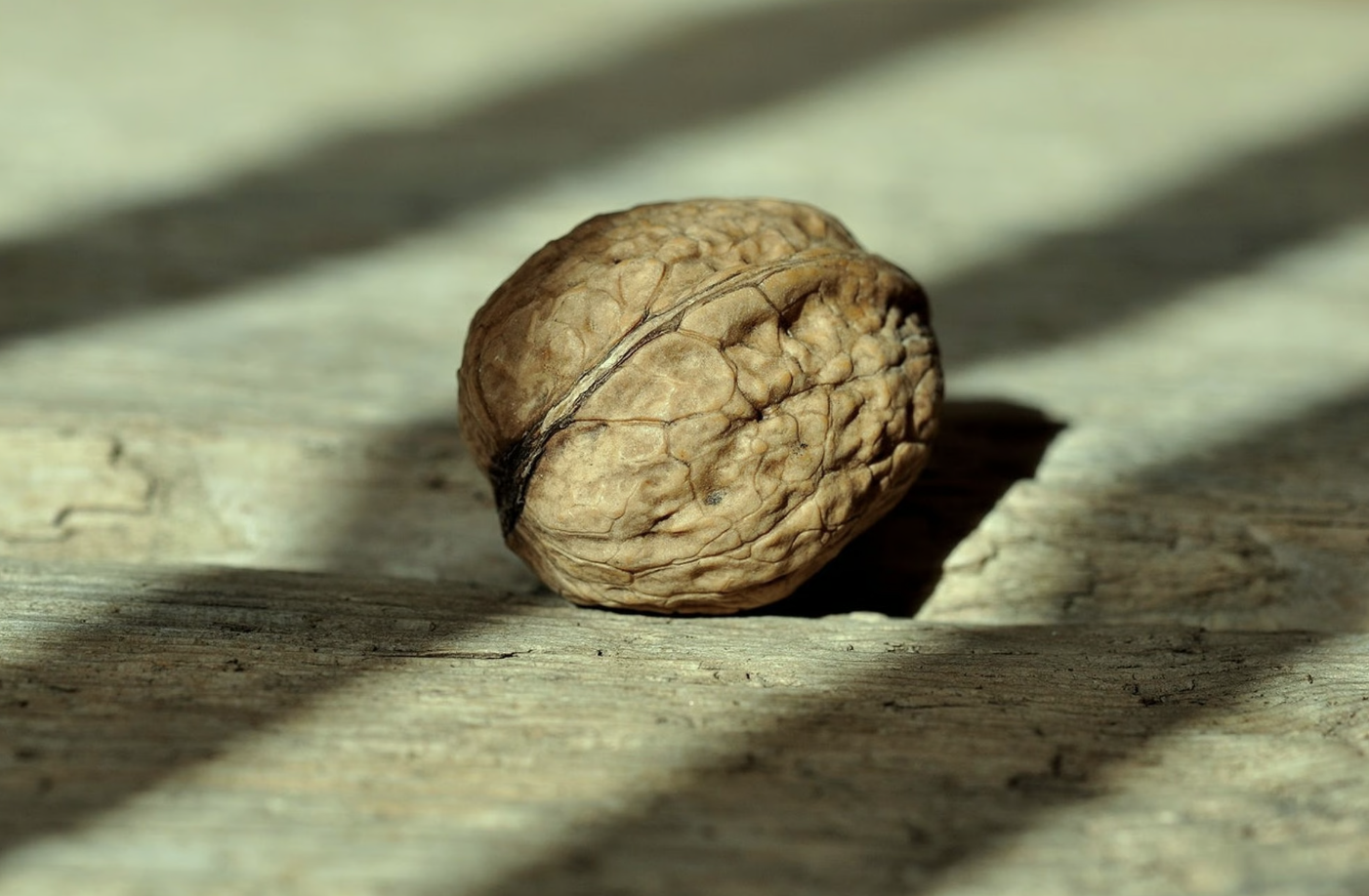
Why Walnuts May Help You Stay Lean
What if a calorie-dense food could help with weight and gut health at the same time? Walnuts are a useful case study for this week's theme. A good share of their fiber and plant matter survives digestion and reaches the colon intact, where it feeds the microbes that make short-chain fatty acids like butyrate. In one study, 42 grams of walnuts a day shifted the community toward more butyrate-producing bacteria. This piece walks through why that matters, and why the calories in whole nuts do not land the way the label suggests.
Become a Member. Everything you learn here works better as a system. Join humanOS for the courses, tools, and coaching that turn good science into daily practice.
Wishing you the best,