Newsletter #437
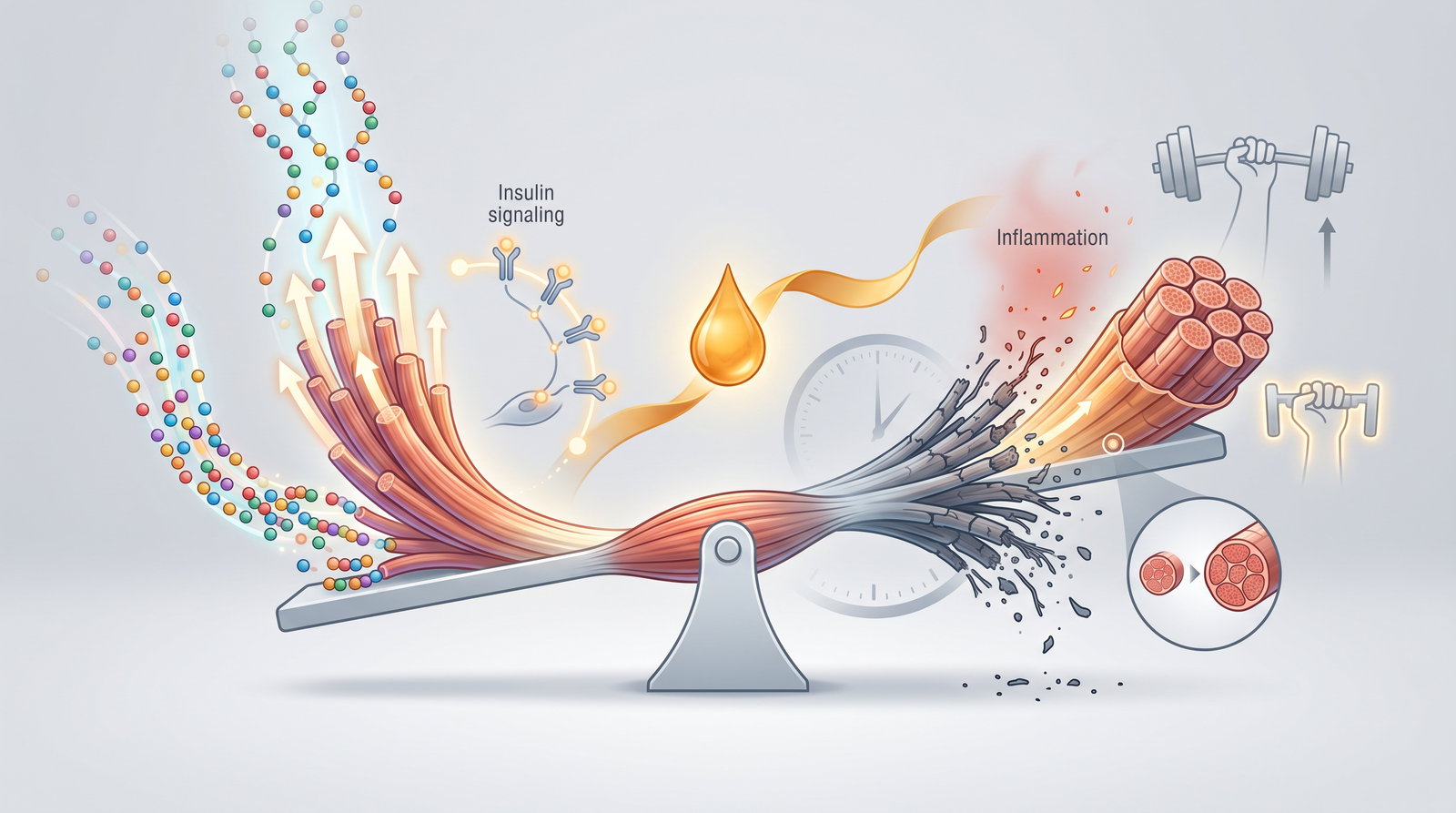
A new study showed that a combination of ergothioneine, collagen peptides, and hyaluronic acid may offer more benefit for damaged skin than any of these ingredients alone. Researchers in China tested the combination in two stages, first in living human skin tissue grown in the lab, and then in women who took the ingredients daily for eight weeks. Both experiments produced encouraging results. In today’s newsletter, we’ll take a closer look.
If these newsletters are a regular part of how you stay informed on health and longevity, consider supporting the work with a Pro membership. $19.99 per quarter, about $1.67 per issue, less than a coffee tip.
Join here: Become a Member
Review Your Learnings: Newsletter Summaries ✨
Ergothioneine, collagen peptides, and sodium hyaluronate ameliorate facial skin aging via modulating oxidative stress, inflammation, and extracellular matrix homeostasis
Why combine three ingredients instead of testing one?
Skin aging is several problems happening at once, so an ingredient that solves one of them tends to leave the others in place.
Two processes drive it. The first is chronological aging, the slow thinning and drying that happens everywhere on the body. The second is photoaging, the coarser damage from years of ultraviolet light on the face, neck, and hands. Both converge on the same place. Reactive oxygen species accumulate, low-grade inflammation sets in, and the scaffolding that holds skin together breaks down faster than it gets rebuilt.
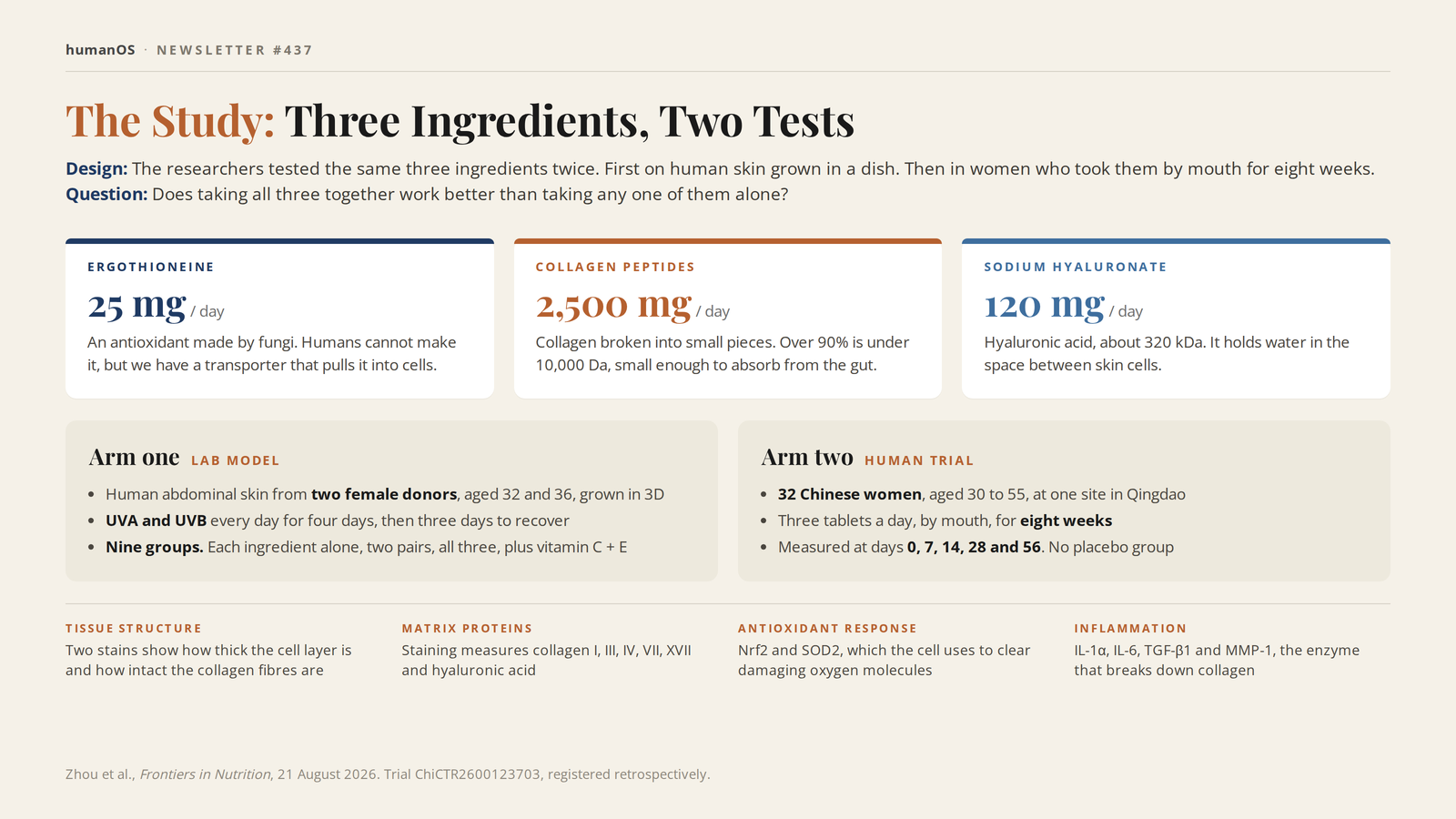
The researchers picked one ingredient for each of those layers.
Ergothioneine is a sulfur-containing antioxidant produced by fungi and soil bacteria. Humans cannot make it, yet we carry a dedicated transporter that pulls it into cells, which is part of why it interests aging researchers.
Collagen peptides are short fragments of collagen protein, broken down small enough to be absorbed from the gut.
Sodium hyaluronate is the salt form of hyaluronic acid, the molecule that binds water in the space between skin cells.
There is also a reason to give them by mouth rather than on the skin. A topical product has to cross the outermost layer, which is built specifically to keep things out. Anything swallowed arrives through the blood supply in the dermis, from underneath. The trade-off is that a swallowed ingredient goes everywhere in the body, not only to the face so there is some dilution.
What happened to skin after eight weeks?
Every measure the researchers tracked moved in the favorable direction, and most kept moving through the full eight weeks.
Thirty-two women took three tablets a day and came back for measurements five times. Ultrasound showed a thicker dermis and denser collagen. Mechanical testing showed skin that stretched further and snapped back better. The surface held more water and lost less of it through the barrier. Skin roughness reduced.
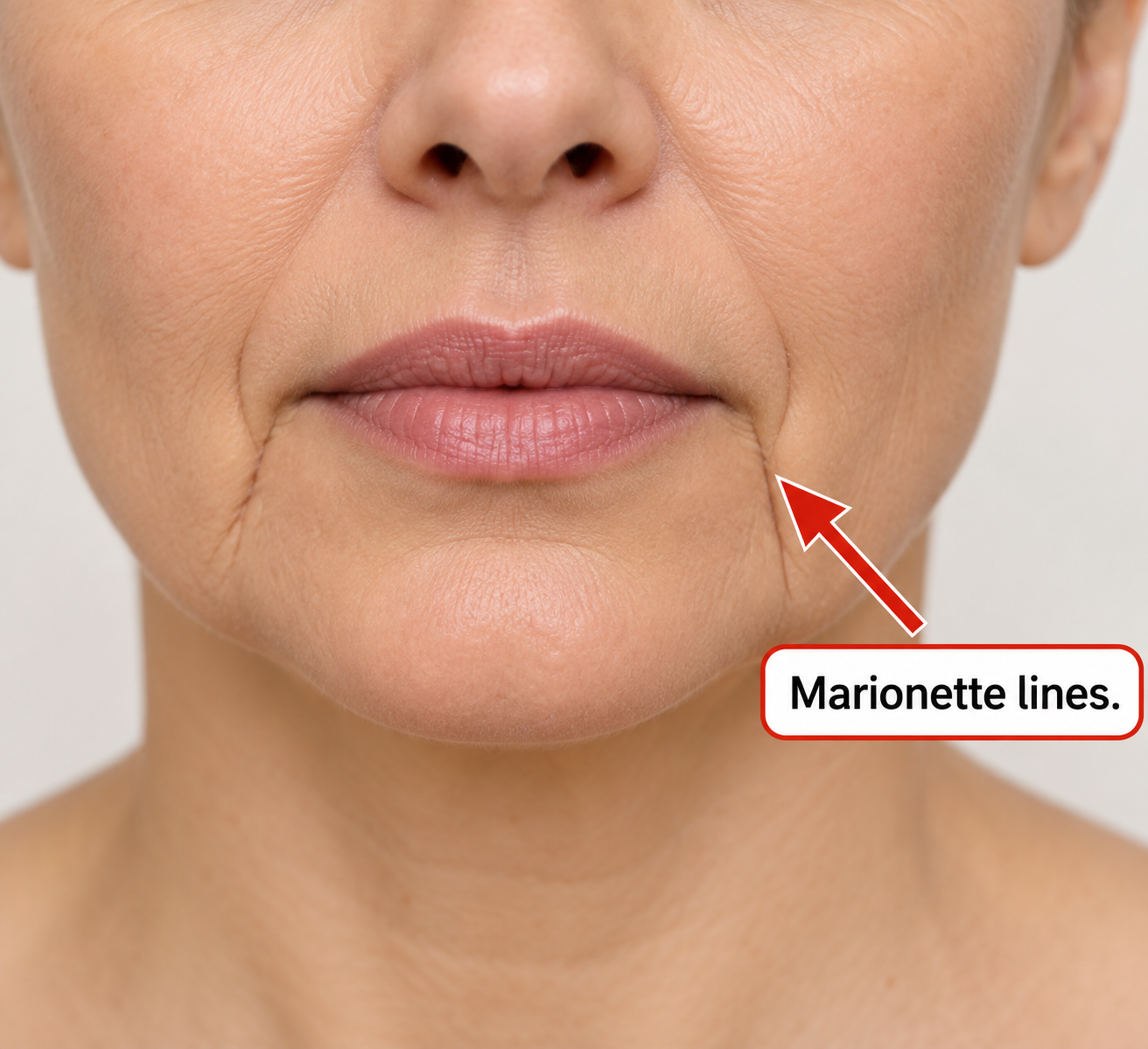
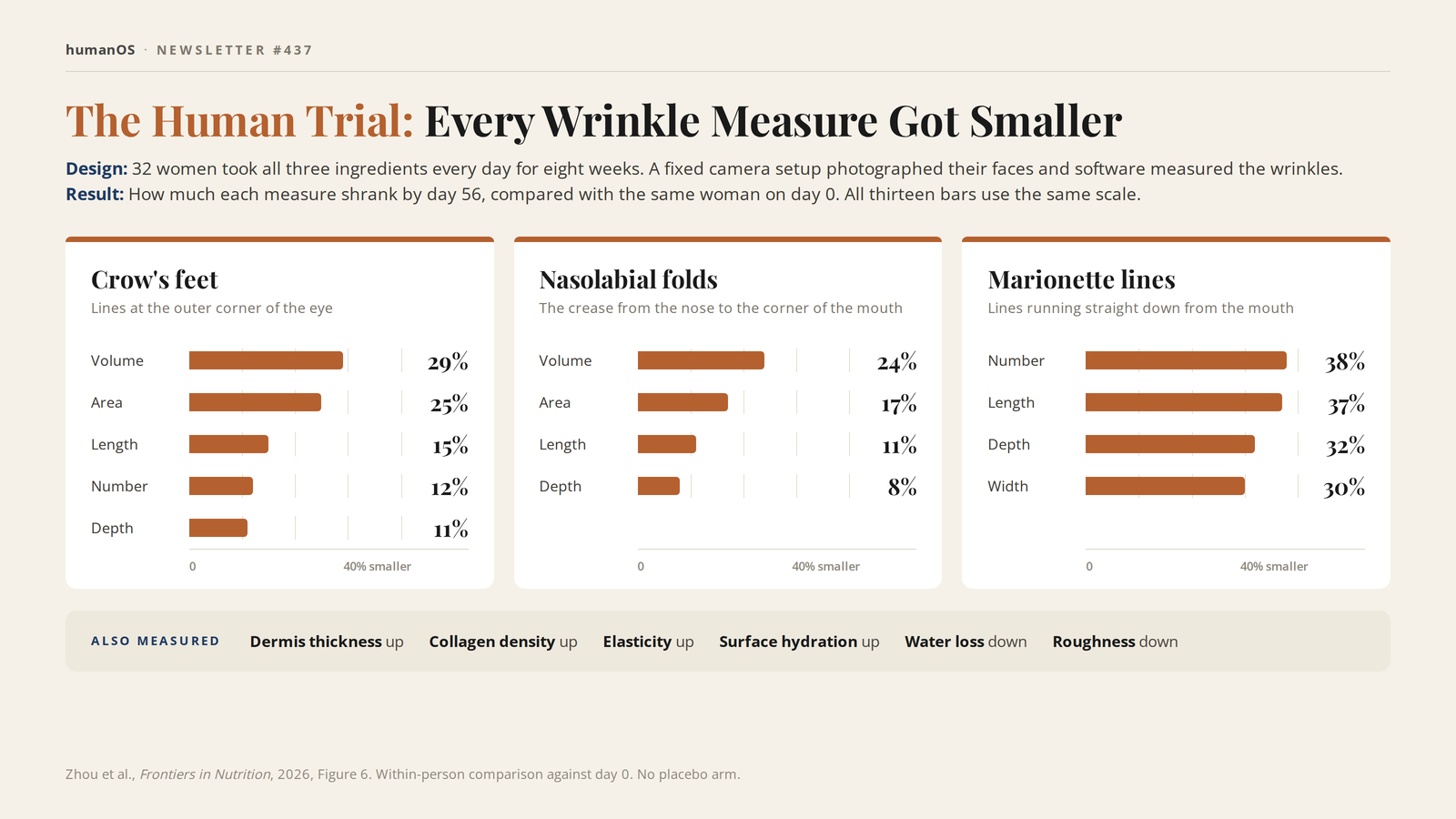
Wrinkles were photographed under standardized lighting and measured by software rather than judged by eye. Three types were tracked. Crow's feet at the outer corner of the eye, nasolabial folds running from nose to mouth, and marionette lines running down from the mouth corners. Number, depth, length, area, and volume all came down.
Marionette lines moved the most.
Some measures separated from baseline within the first week. Others took until day 28. Nothing, interesting, plateaued early suggesting that there might be additional benefit to be captured with durations beyond the trial period.
Combinations Beat Individual Ingredients
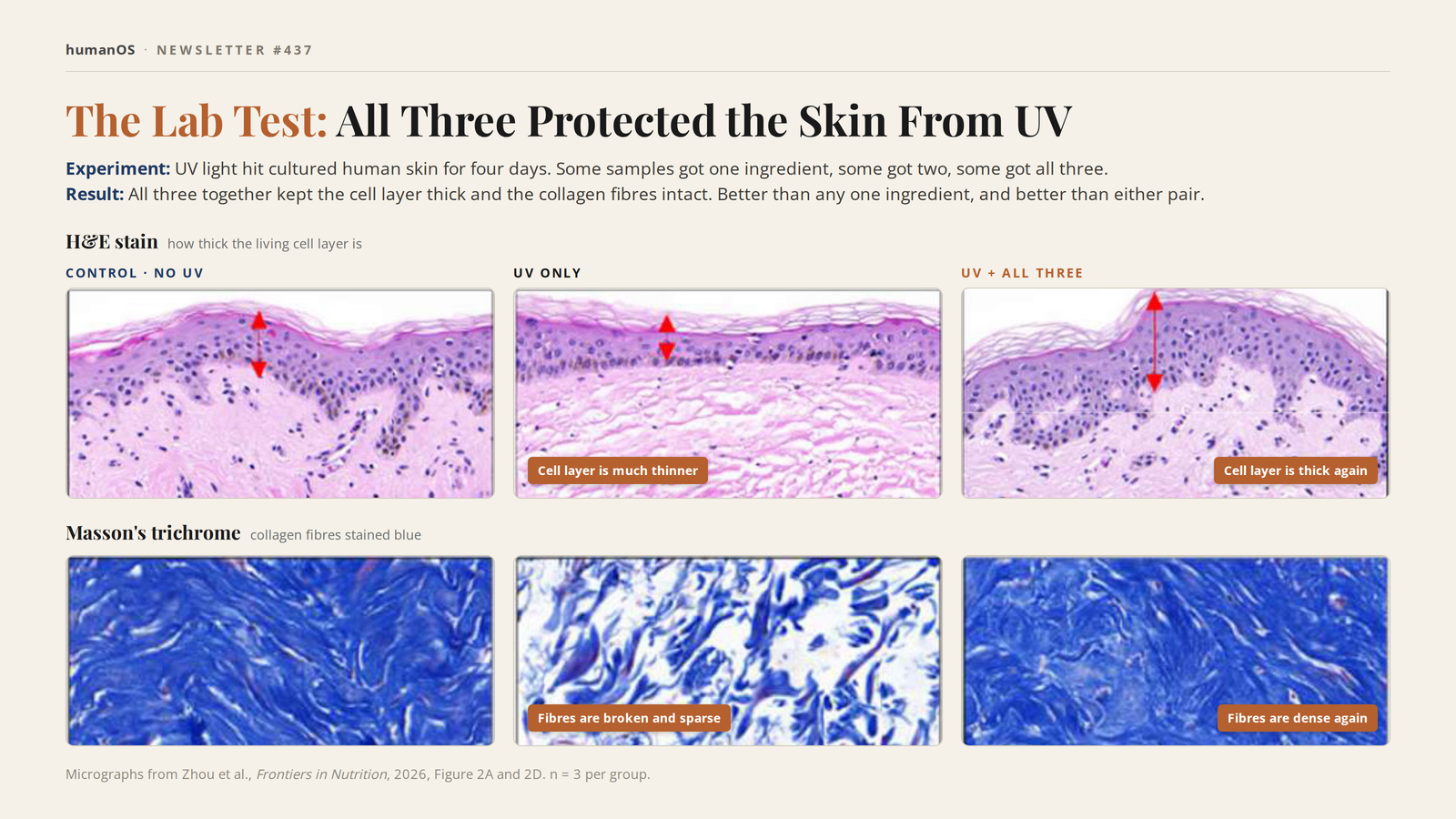
What’s notable is not just that the blend worked, but that it beat each ingredient tested on its own, and the full combo beat both of the two-ingredient pairs the researchers ran.
That comparison only exists because of the lab arm, where the researchers could run nine groups side by side on cultured human skin. They irradiated the tissue with UVA and UVB for four days, let it recover for three, then looked at what survived.
The triple combination did three things at once.
- It restored the cell's own antioxidant defense, the Nrf2 and SOD2 system that clears reactive oxygen species.
- It quieted the inflammatory signals that aging tissue leaks, and reduced the enzyme that breaks down collagen.
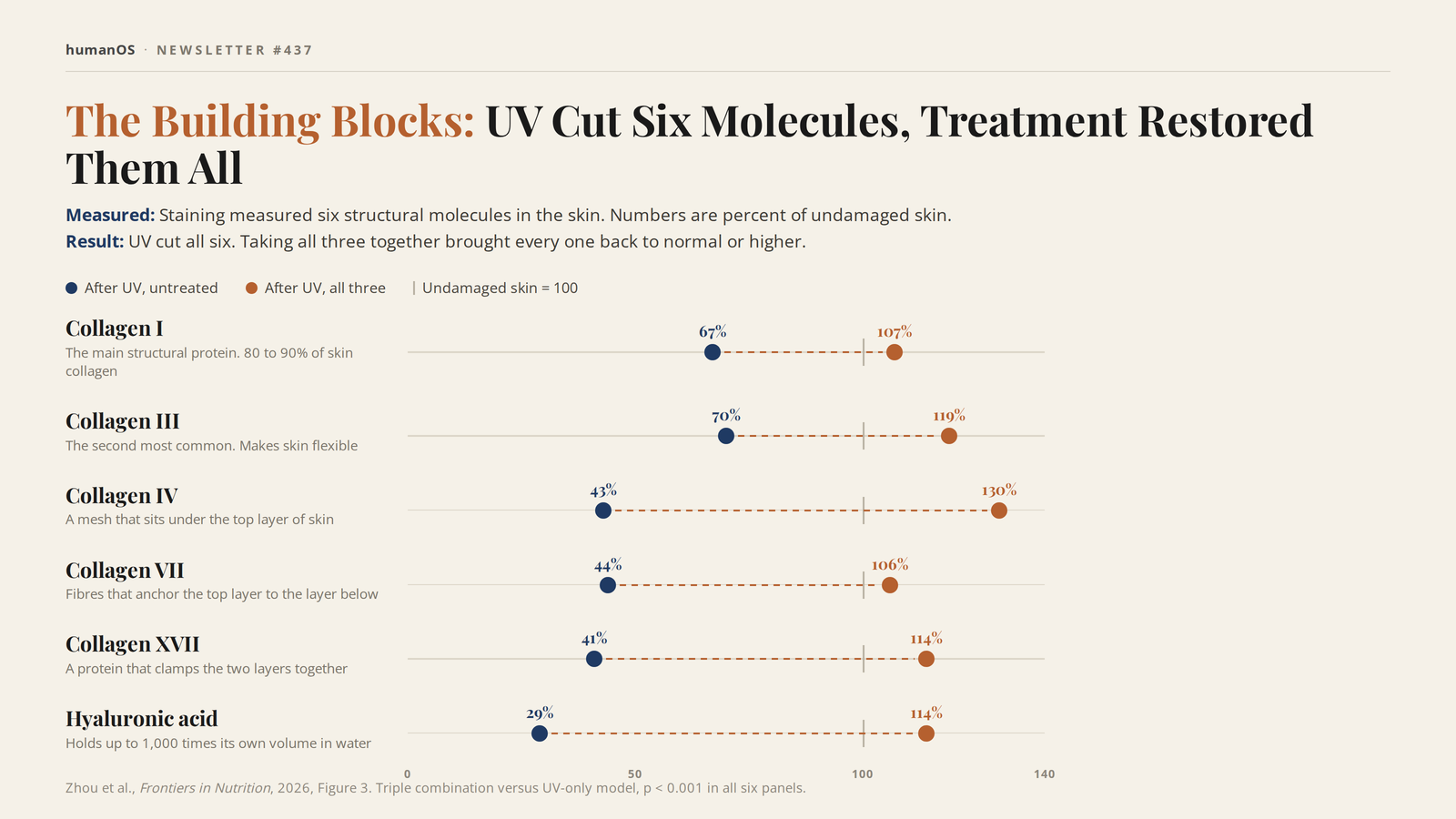
- It brought back the structural molecules themselves, five different collagens plus hyaluronic acid, in several cases above the level of undamaged skin.
No single ingredient did all three.
The human arm is weaker. There was no placebo group. Every woman knew she was taking the product. Eight weeks of being photographed and measured changes behavior on its own. The authors say this plainly in their limitations. Furthermore, the work was funded by the company that sells the ingredients, four of the authors work there.
None of that makes the finding wrong. It makes the human half a well-documented pilot rather than proof. Generally speaking, I’m a fan of within-subject designs methods, where each person serves as their own control. Rather than simply comparing average outcomes between groups, you can examine how each individual changed from their own baseline to the endpoint.
Lastly, I never automatically write off a study sponsored by a company. In most cases, they're the only people willing to support research on their product. Plus, in this case, I believe in the potential of each of these ingredients on its own, so I’m not surprised that the combo showed positive results.
The broader point holds despite the caveats. Most supplement research tests one compound at a time because it produces the cleanest study design. But biology rarely breaks down in just one place. When tissue is deteriorating through oxidative damage, inflammation, and structural loss at the same time, targeting only one process leaves the other two neglected.
How Much of Each, and Where It Comes From
The trial used a fixed daily formula split across three tablets.
Ingredient | Daily dose in the trial | Where it comes from |
Ergothioneine | 25 mg | Mushrooms. Porcini carry over 7 mg per gram dry weight, oyster up to 4, shiitake about 1, white button about 0.4 |
Collagen peptides | 2,500 mg | Hydrolyzed collagen from fish or cattle hide, with over 90% of it under 10,000 daltons |
Sodium hyaluronate | 120 mg | Bacterial fermentation, around 320 kilodaltons in this product |
The ergothioneine dose is the part worth noting. Average intake in the United States has been estimated at about 1.1 mg a day, and in Italy, at the top of the European range, about 4.6 mg. Twenty-five milligrams is several times higher than any normal diet delivers, and it sits at the upper end of the range used in human studies. For whatever it’s worth, this is the dose I have been taking personally for years.
The collagen dose is ordinary. Most collagen peptide trials land between 2.5 and 10 grams a day.
This is context, not a protocol. The blend was tested as one fixed formula, so we cannot say which of the three did the work, or whether a different ratio would do better.
Common Questions
Does collagen taken by mouth actually reach the skin?
Partly. Collagen protein is digested into peptides and amino acids, and some of those peptides do show up intact in blood. Whether they act as raw material or as a signal to the fibroblasts that make collagen is still argued. This study did not settle it.
Is ergothioneine just another antioxidant?
It behaves differently from most. Humans carry a specific transporter, SLC22A4, that concentrates it inside cells, and it is retained rather than cleared quickly. A compound we cannot make but have built machinery to absorb is unusual, which is why some researchers have floated the term longevity vitamin. That label is a hypothesis, not a settled classification.
Does swallowing hyaluronic acid do anything, or is it just digested?
Some of it is broken into smaller fragments by gut bacteria and absorbed. Trials of oral hyaluronic acid have reported improvements in skin hydration and dryness. The evidence is stronger for hydration than for wrinkles.
Was there a placebo group?
No. Every woman took the active product and was compared against her own baseline. The authors list the missing placebo and the insufficient blinding of a pre-post self-controlled design as limitations that weaken the clinical conclusions. They also note that an ex vivo skin model cannot capture blood flow or whole-body metabolism.
Does this apply to men?
That wasn’t tested but my guess is yes. The trial enrolled only women, aged 30 to 55, at a single site in China. The skin model used tissue from two female donors, aged 32 and 36.
Summary: Zhou and colleagues tested ergothioneine, collagen peptides, and sodium hyaluronate in a 3D ex vivo human skin model and in an 8-week open-label clinical trial. In the model, ultraviolet A (30 J/cm²) and ultraviolet B (50 mJ/cm²) daily for 4 days reduced living cell layer thickness, cell number, and collagen fiber area. The triple combination outperformed every single and dual treatment. Ultraviolet cut collagen I and III to 67% and 70% of control; the triple combination restored them to 107% and 119% of baseline. Collagen IV, VII, and XVII fell to 43%, 44%, and 41%; the triple combination restored them to 130%, 106%, and 114%. Hyaluronic acid fell to 29%; the triple combination restored it to 114%. The triple combination upregulated nuclear factor erythroid 2-related factor 2 and superoxide dismutase 2, restored transforming growth factor beta 1, and suppressed interleukin-1 alpha, interleukin-6, and matrix metalloproteinase-1. Clinically, 32 Chinese women aged 30 to 55 took 25 mg ergothioneine, 2,500 mg collagen peptides, and 120 mg sodium hyaluronate daily for 56 days. Dermis thickness, ultrasound collagen density, net elasticity, biological elasticity, maximum skin deformation, and stratum corneum hydration all rose, while transepidermal water loss, skin roughness, and the F4 firmness index fell. Crow's feet number, depth, length, area, and volume fell 12%, 11%, 15%, 25%, and 29%. Nasolabial fold depth, length, area, and volume fell 8%, 11%, 17%, and 24%. Marionette line length, average width, average depth, and number fell 37%, 30%, 32%, and 38%. Funded by H&H Group, with four authors employed there. No placebo control, retrospective trial registration (ChiCTR2600123703).
Random Trivia & Weird News
The Truck Driver's Left Cheek
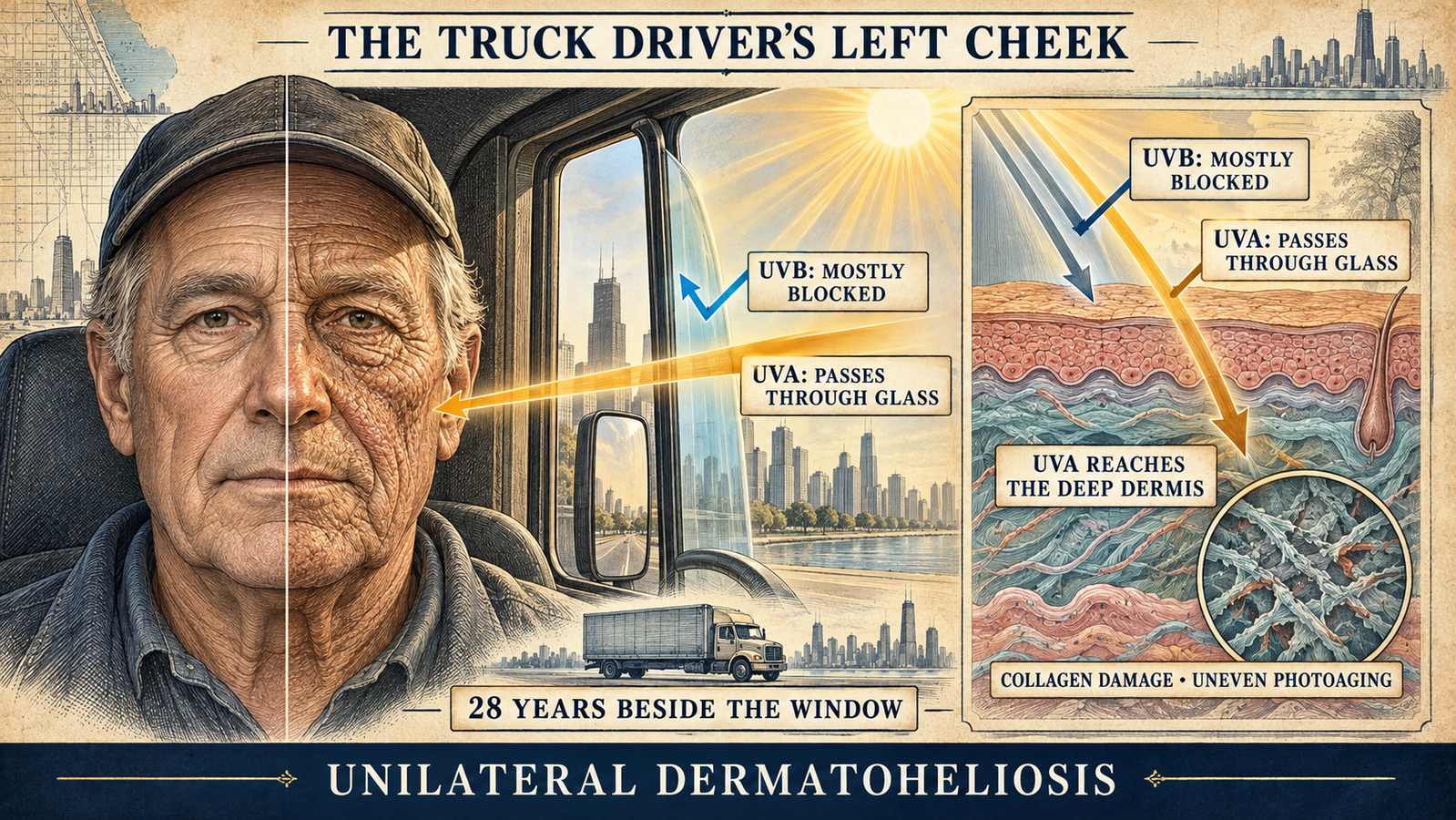
A 69-year-old delivery driver walked into a Chicago dermatology clinic with a face that looked like two different ages. His left side, the one nearest the window for 28 years on the road, was thickened, furrowed, and deeply lined. His right side looked ordinary for his age. Window glass blocks most UVB but lets UVA through, and UVA reaches the deep dermis where collagen lives. The photograph ran in the New England Journal of Medicine and has been shown in dermatology lectures ever since.
A Vitamin We Cannot Make
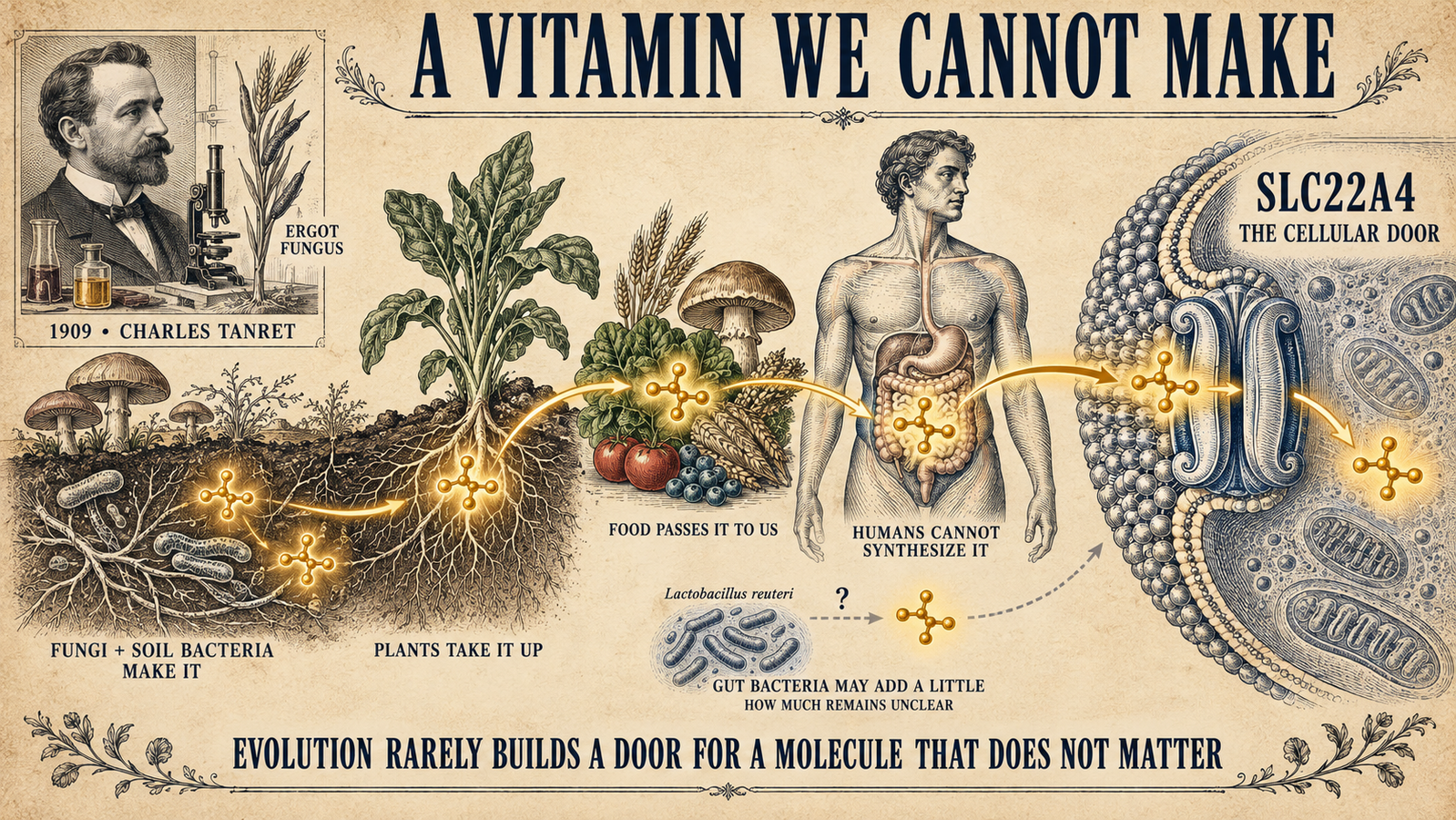
Ergothioneine was isolated in 1909 by the French chemist Charles Tanret, who found it in ergot fungus and named it after that source. Humans cannot synthesize it. Neither can plants. It is made by fungi and certain soil bacteria, taken up by plant roots, and passed along the food chain to us. Some gut bacteria, including strains of Lactobacillus reuteri, appear to make small amounts as well, though how much that adds to our own supply is still unclear. What makes it strange is that our cells carry a transporter, SLC22A4, that exists largely to bring it in. Evolution does not usually build a door for a molecule that does not matter.
Porcini Beat Every Other Food
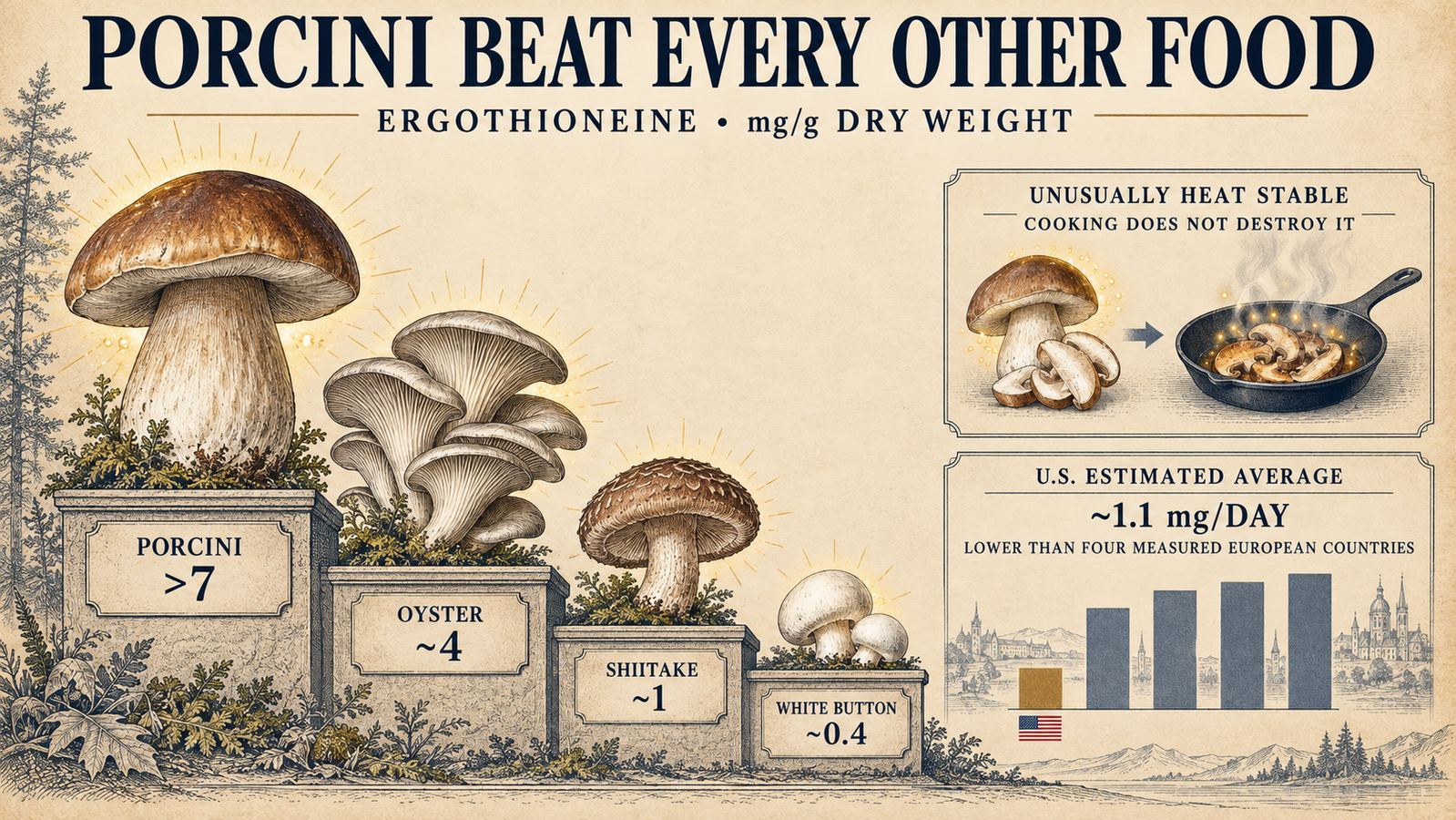
Mushrooms are by far the richest dietary source of ergothioneine, and the gap between species is wide. Porcini carry more than seven milligrams per gram of dry weight. Oyster mushrooms reach about four. Shiitake sit near one, and common white button mushrooms around 0.4. The molecule is unusually heat stable, so cooking does not destroy it. Estimated average intake in the United States is roughly 1.1 milligrams a day, lower than in any of the four European countries that have been measured.
Products We Love
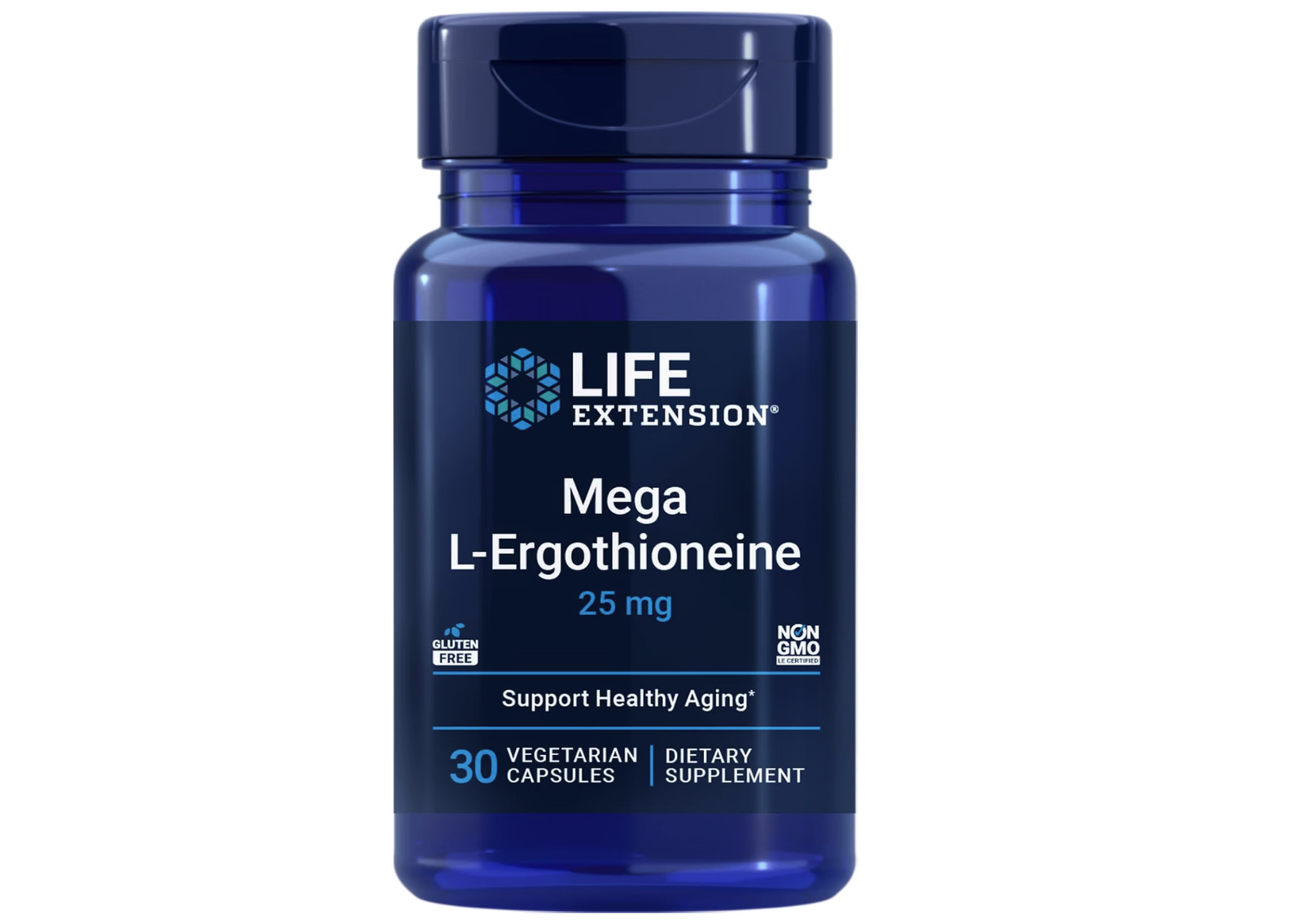
Life Extension Mega L-Ergothioneine
Ergothioneine is the ingredient in this week's study with the least name recognition and the most interesting biology. It is sold as a single-ingredient supplement, and this one delivers 25 mg per capsule, which matches the daily dose used in the trial exactly. Worth being clear about what the evidence supports. Ergothioneine has a good safety record in human studies and accumulates in tissue rather than washing straight out. It has not been tested on its own for skin appearance in people. The skin result above came from all three ingredients together, not from ergothioneine alone.
humanOS Catalog Feature of the Week

Is Red Light a Missing Nutrient for Our Health? Podcast with Dr. Michael Hamblin
What if some of the light we have spent decades avoiding is the part we are missing? This week's study is about protecting skin from ultraviolet light. Red and near-infrared light sit at the opposite end of the spectrum and appear to do something quite different. Dr. Michael Hamblin spent his career at the Wellman Center for Photomedicine at Massachusetts General studying photobiomodulation, the use of specific wavelengths to change how cells behave. In this conversation he covers which wavelengths matter, what a meaningful dose looks like, and where the evidence is strongest, including skin rejuvenation, wound healing, hair growth, and brain applications.
Enjoying these? A Pro membership keeps the newsletter going and unlocks the full humanOS library of courses, guides and protocols. $19.99 per quarter.
Join here: Become a Member
Wishing you the best,