Newsletter #440
Creatine may help the brain keep its gene settings steady. That's the idea in a new paper in Academia Neuroscience and Brain Research. The authors point to two facts. Creatine backs up the energy cells use to open and close their DNA. And making creatine costs the body a large share of its methyl groups, the same chemical tags that turn genes on and off. When you consume creatine, your body makes less of its own, which may leave more of those tags for the brain. This is a hypothesis, not a trial. But it's well built, and it comes with clear ways to test it. Let's take a closer look.
If these newsletters are a regular part of how you stay informed on health and longevity, consider supporting the work with a Pro membership. $19.99 per quarter, about $1.67 per issue, less than a coffee tip.
Join here: Become a Member
Review Your Learnings: Newsletter Summaries ✨
Creatine Monohydrate and Neuronal Methylation in Psychiatric Disorders
What does creatine have to do with mental health?
Creatine is best known for muscle, but the brain is one of its biggest users.
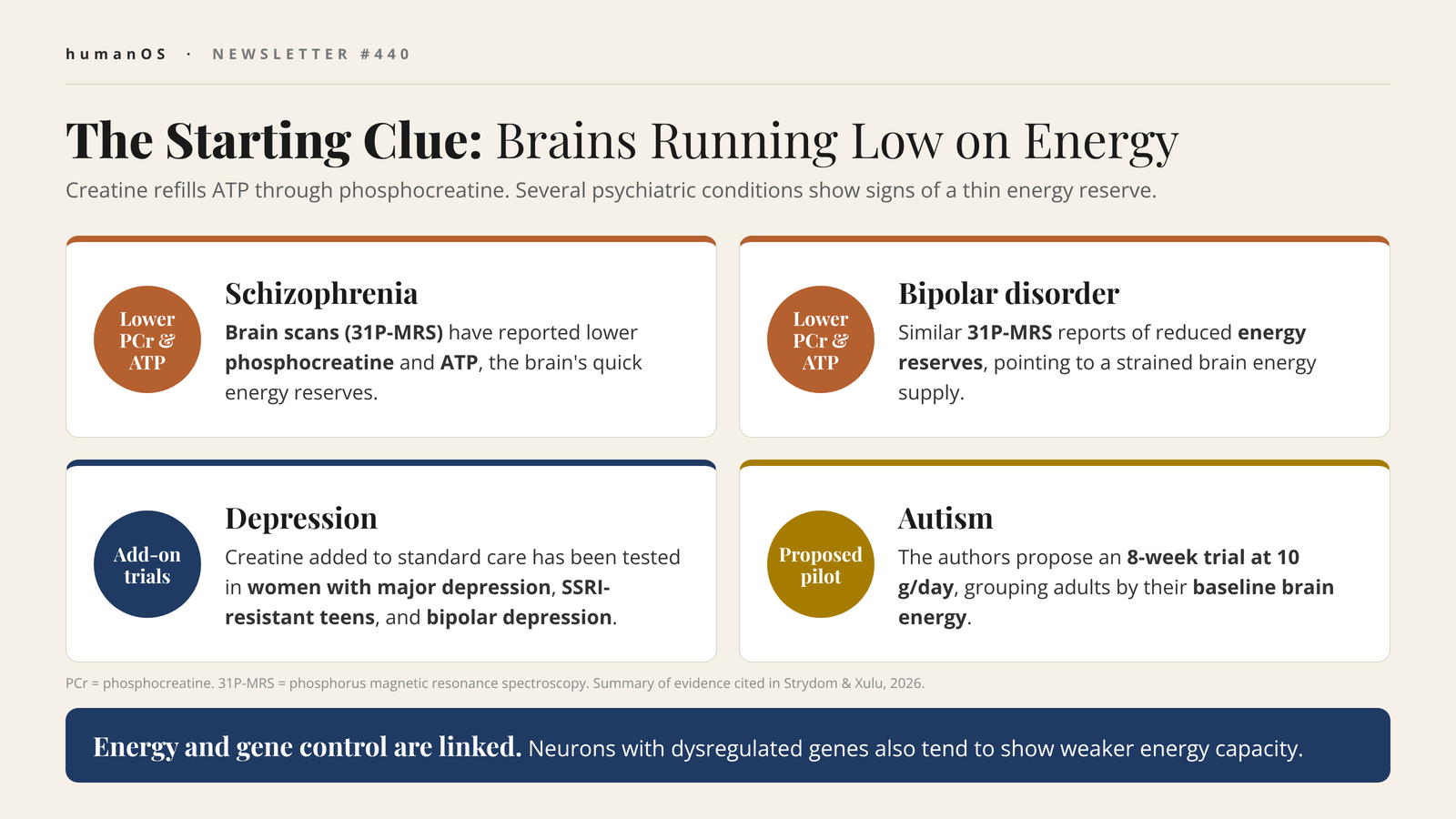
Creatine is a compound your body builds from three amino acids (arginine, glycine, and methionine). You also get it from meat and fish. Inside cells, it's stored as phosphocreatine, a quick reserve that refills ATP, the cell's main energy currency. Neurons burn through ATP fast, so this reserve matters.
Brain scans that measure energy molecules (phosphorus magnetic resonance spectroscopy, or 31P-MRS) have found lower phosphocreatine and ATP in some people with schizophrenia and bipolar disorder. Creatine has also been tested as an add-on treatment for depression. In this paper, they comment that in women with major depression, adding creatine to an antidepressant led to faster improvement than the antidepressant alone. Smaller studies in teens with hard-to-treat depression and in bipolar depression have also looked promising.
What's been missing is a clear reason why. The authors, Liesl Strydom and Khethelo Xulu, think the answer may be epigenetics.
Epigenetics is the system of chemical marks that controls which genes are active without changing the DNA code itself. The best known mark is DNA methylation, a small methyl group attached to DNA that usually turns a gene down. Autism, depression, anxiety, and schizophrenia all show disrupted methylation in genes that build and maintain the brain.
How could creatine steady gene regulation?
The authors propose two routes. Both start with ordinary creatine biology.
- Energy for the machines that open DNA. DNA is wound tightly around proteins. To read a gene, cells use molecular machines called chromatin remodelers to loosen that packaging. These machines run on ATP. Phosphocreatine keeps ATP topped up where it's needed, including near the nucleus. A steadier supply could help these machines keep working when a cell is under stress.
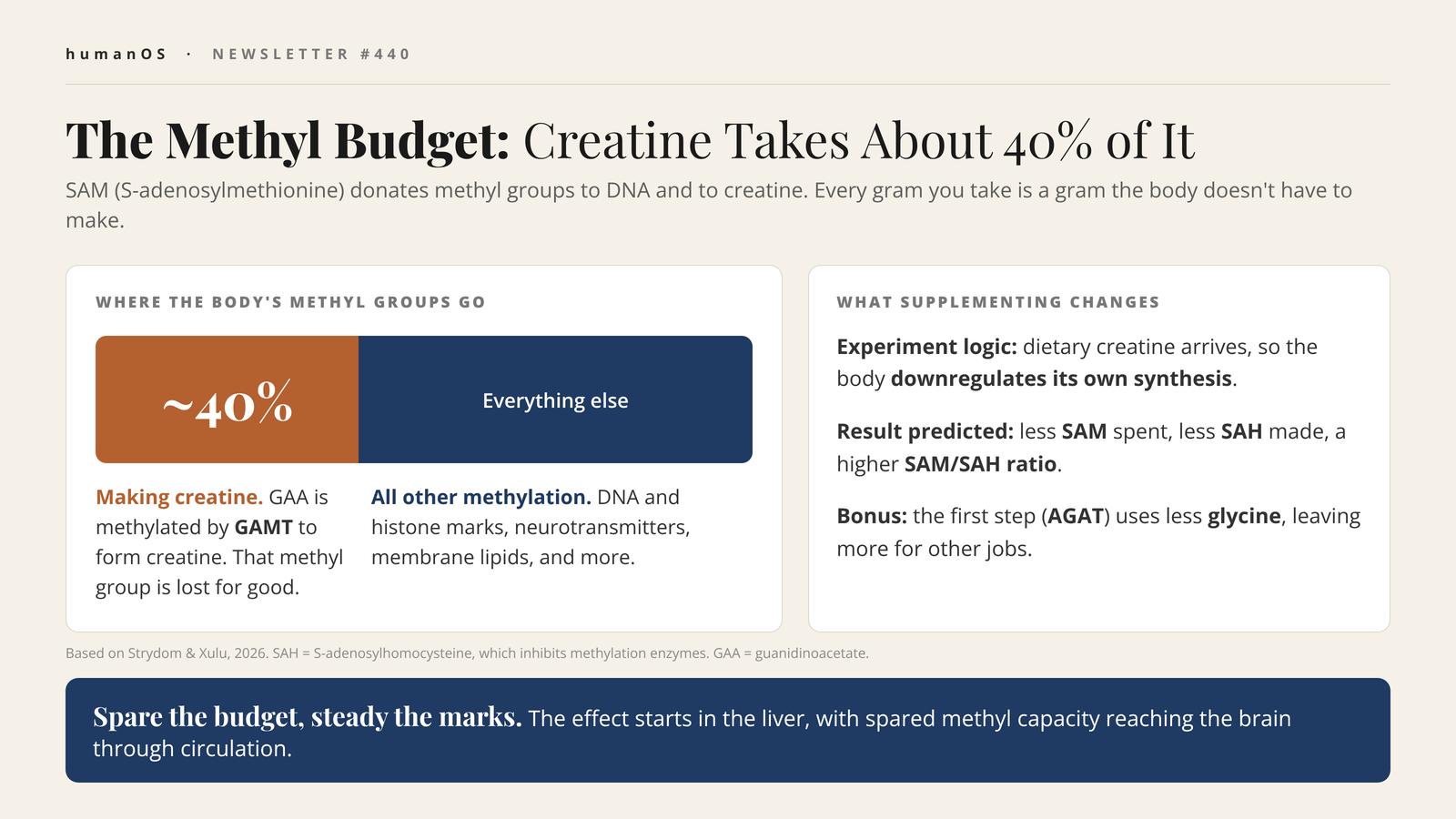
- Saving methyl groups. Making creatine is expensive. About 40 percent of the methyl groups the body produces go into it. Those methyl groups come from SAM (S-adenosylmethionine), the same donor DNA uses for methylation. When you take creatine, your body senses it has enough and makes less of its own. That spares SAM. It also lowers SAH (S-adenosylhomocysteine), a byproduct that slows methylation enzymes down.
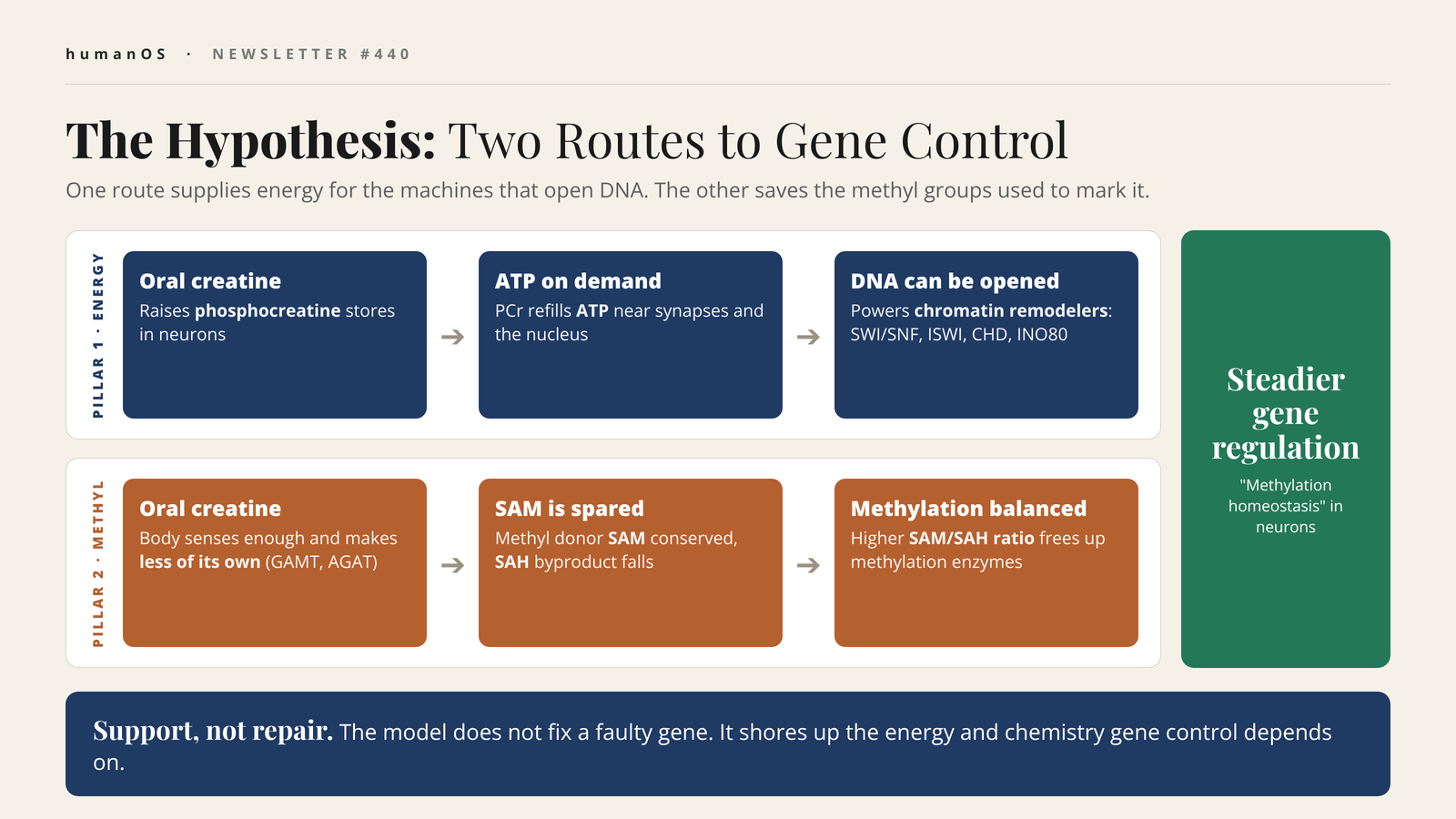
The goal here is balance, not more methylation. The authors call it methylation homeostasis. A better ratio of SAM to SAH gives the enzymes that add methyl marks, and the ones that remove them, room to do their jobs.
This saving happens mostly in the liver, where most creatine is made. The spared methyl capacity then reaches the brain through the blood. Some brain cells also make creatine, so part of the effect could be local. There's a small bonus too. Making less creatine uses less glycine, an amino acid with its own roles in brain signaling.
How would we know if it's true?
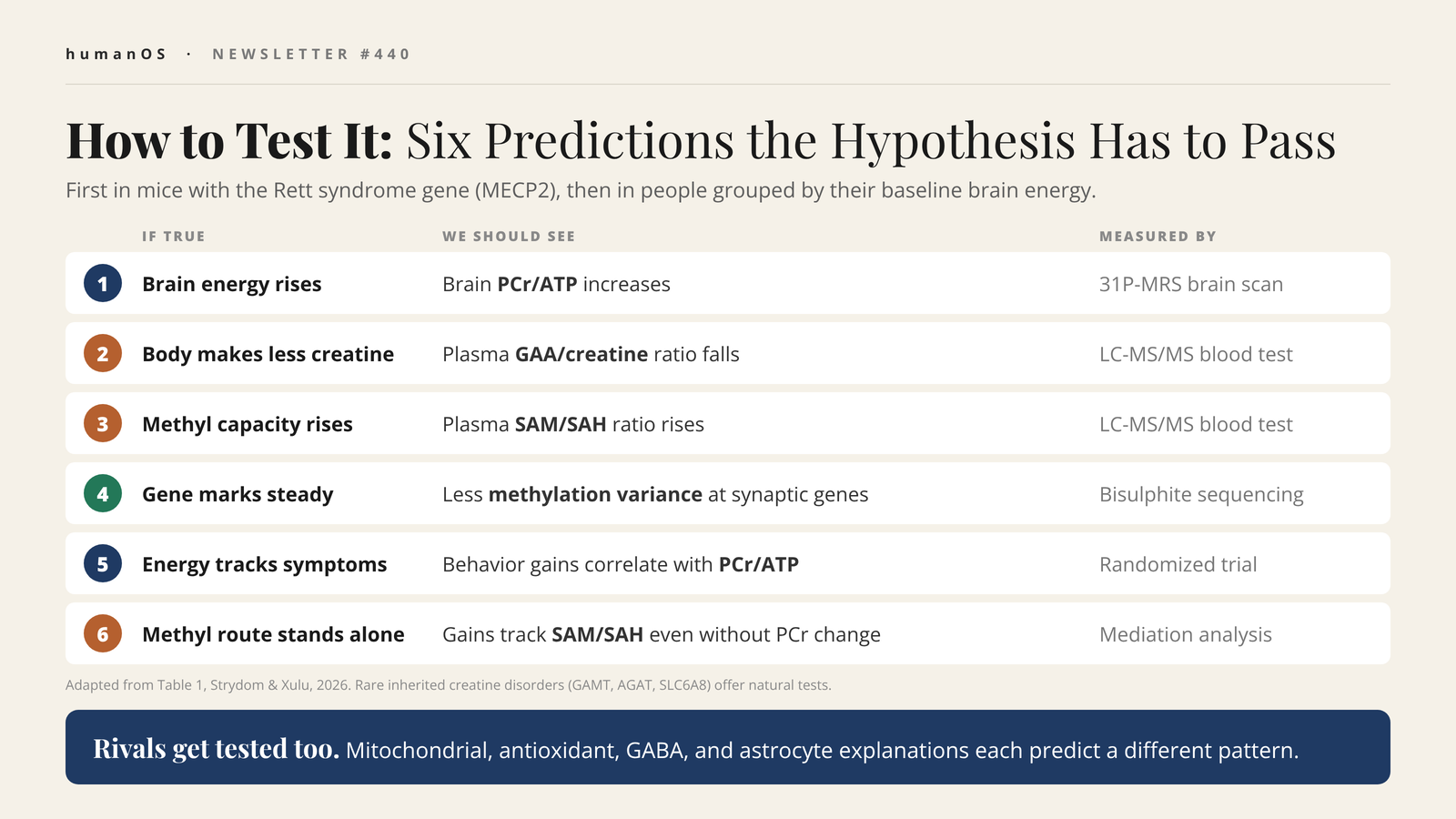
The paper spells out what should happen if the idea is right. That's what makes it useful.
If the idea is right | We should see |
Brain energy rises | More phosphocreatine relative to ATP on brain scans |
The body makes less creatine | Less of the creatine precursor (GAA) in the blood |
Methyl capacity goes up | A higher SAM to SAH ratio in the blood |
Gene marks become steadier | Less variation in methylation at genes that run synapses |
Biology drives symptoms | Improvements that track these changes |
The authors suggest starting in mice that carry the gene behind Rett syndrome (MECP2), a disorder tied directly to methylation. Next would be a small trial in adults with autism, giving 10 grams a day for eight weeks. People would be grouped by their starting brain energy, since those with the lowest reserves may respond best.
There are also natural experiments. Three rare inherited disorders block creatine at different steps. One stops the body from making creatine. One also causes its precursor to build up. And one keeps creatine from getting into cells. Comparing them could show whether problems come from low creatine itself or from a strained methyl supply.
The paper also lays out rival explanations. Creatine could help the brain by protecting mitochondria, acting as an antioxidant, or working through support cells called astrocytes. Each predicts a different pattern of results, so the right study could tell them apart.
Creatine Is a Brain Nutrient Worth Testing
The theory is plausible and testable, but it isn't proven.
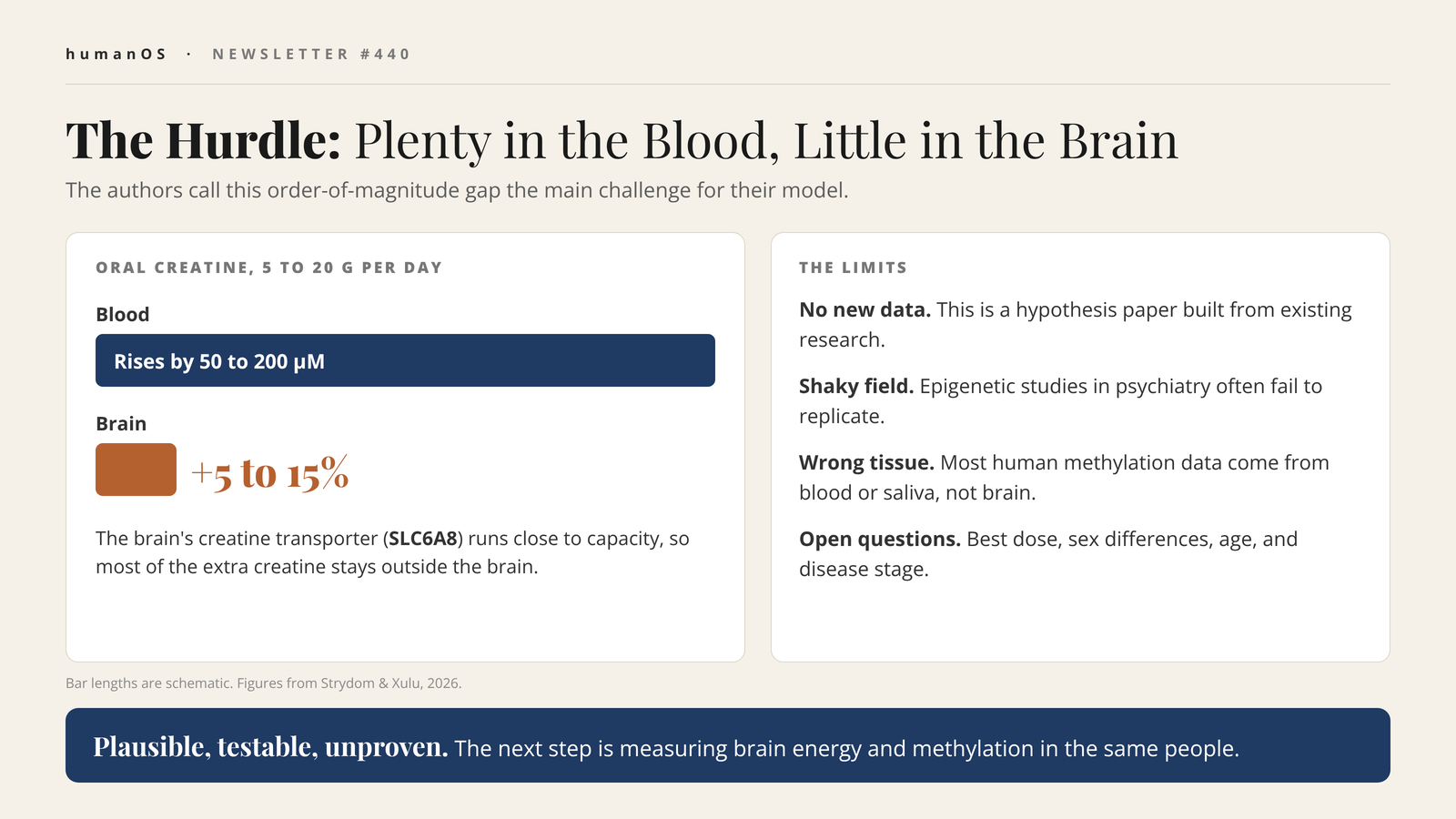
The biggest hurdle is getting creatine into the brain. It crosses through a transporter that already runs close to capacity. Typical doses raise creatine in the blood by a lot, but raise brain creatine by only about 5 to 15 percent. Whether that's enough to shift methylation is the key open question.
There are other limits. Epigenetic studies in psychiatry often fail to replicate. Most human methylation data come from blood or saliva, not brain tissue. The right dose, and how sex, age, and stage of illness change the response, are still unknown. Any benefit would likely be broad support rather than a targeted fix.
Still, the idea fits a bigger shift in how we think about mental health. The brain's energy supply and its chemistry budget may matter as much as its neurotransmitters. Creatine is inexpensive, well studied, and generally well tolerated at 3 to 5 grams a day. For anyone with a psychiatric condition, it's something to discuss with a doctor, not a replacement for care, and keep in mind, case reports have linked creatine to manic episodes in people with bipolar disorder.
Common Questions
What is creatine monohydrate?
Creatine monohydrate is the most common and best studied form of supplemental creatine. It's creatine bound to one water molecule. Your body uses it to store quick energy as phosphocreatine in muscle and brain.
What is DNA methylation?
DNA methylation is the attachment of a small chemical tag, a methyl group, to DNA. It usually turns genes down. It's one of the main ways cells control which genes are active without changing the genetic code.
Does creatine help with depression?
Some trials suggest creatine can speed up or boost the response to antidepressants, especially in women. The studies are small, and creatine is used as an add-on to treatment, not a replacement.
Does creatine get into the brain?
Yes, but slowly. Standard oral doses raise brain creatine by about 5 to 15 percent, much less than the rise in muscle or blood. Brain levels build over several weeks.
How much creatine do people take?
Most research uses 3 to 5 grams of creatine monohydrate a day. Some brain studies have used higher doses, such as 10 to 20 grams. People with kidney disease or bipolar disorder should talk with a doctor first.
Summary: Strydom and Xulu (2026) propose that creatine monohydrate stabilizes neuronal DNA methylation through two pillars. First, a larger phosphocreatine pool buffers ATP for ATP-dependent chromatin remodelers (SWI/SNF, ISWI, CHD, INO80) and protein upkeep systems. DNMTs and TET enzymes are not directly ATP-coupled. Second, creatine synthesis consumes about 40% of SAM-derived methyl groups. Supplementation suppresses endogenous synthesis via feedback on GAMT (and AGAT), sparing SAM, lowering SAH, and raising the SAM/SAH ratio, with glycine sparing as a side effect. 31P-MRS studies report reduced PCr and ATP in schizophrenia and bipolar disorder. Table 1 lists six predictions (brain PCr/ATP up, plasma GAA/creatine down, SAM/SAH up, lower methylation variance at synaptic promoters, behavioral gains tracking each). Proposed tests: MECP2 mice, then an 8-week, 10 g/day pilot in adults with ASD. Main limitation: 5 to 20 g/day raises plasma creatine by 50 to 200 µM but brain total creatine by only 5 to 15%. No new data were generated.
Random Trivia & Weird News
Creatine Was Named for Meat
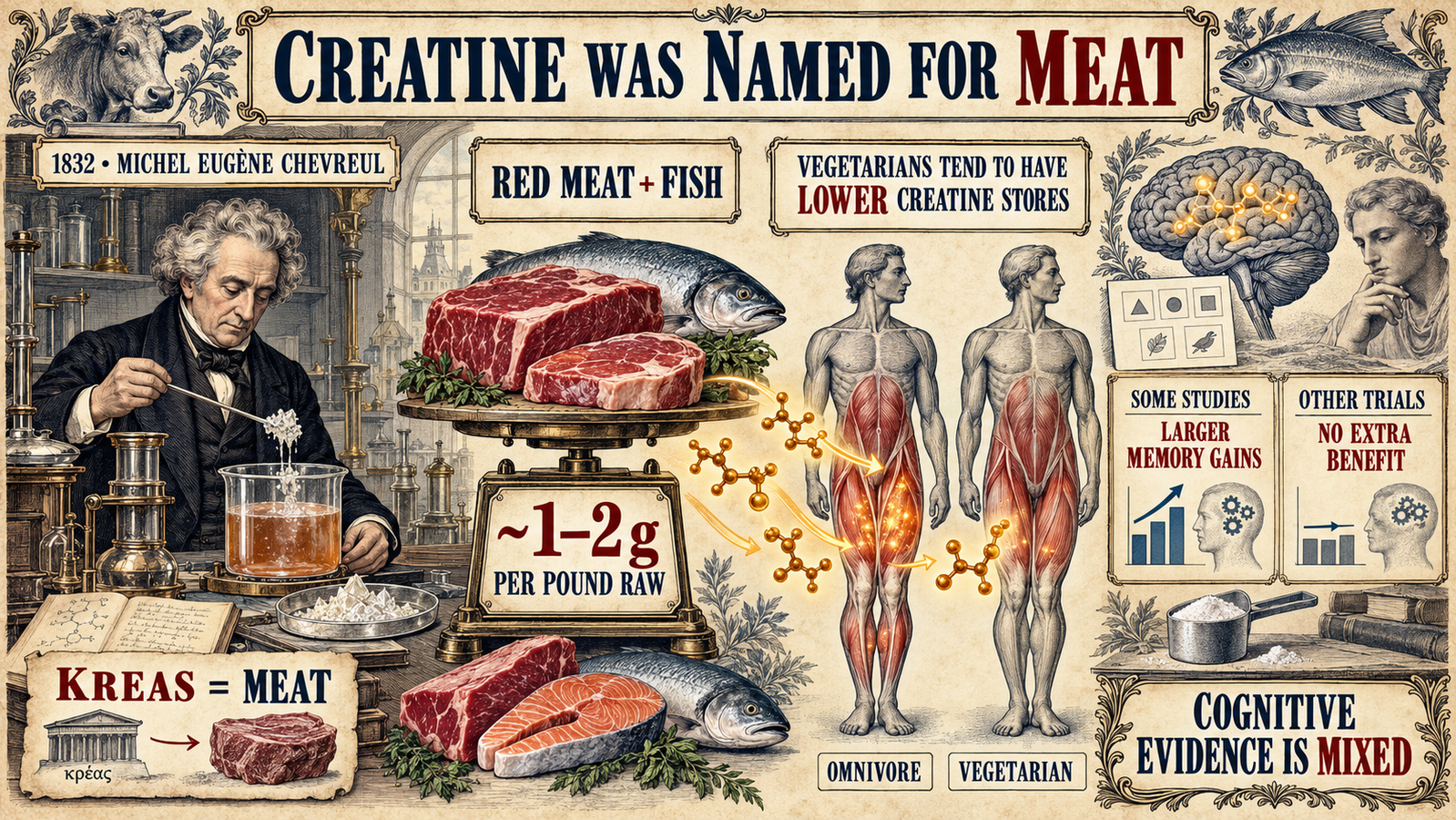
In 1832, French chemist Michel Eugène Chevreul isolated a new compound from meat broth. He named it creatine, from the Greek word kreas, meaning meat. The name still fits. Red meat and fish are the main dietary sources, with roughly one to two grams per pound of raw meat. That's one reason vegetarians tend to have lower creatine stores. It's also why several studies find vegetarians see the biggest gains in memory and thinking when they start supplementing.
Mom's Diet Changed Their Fur
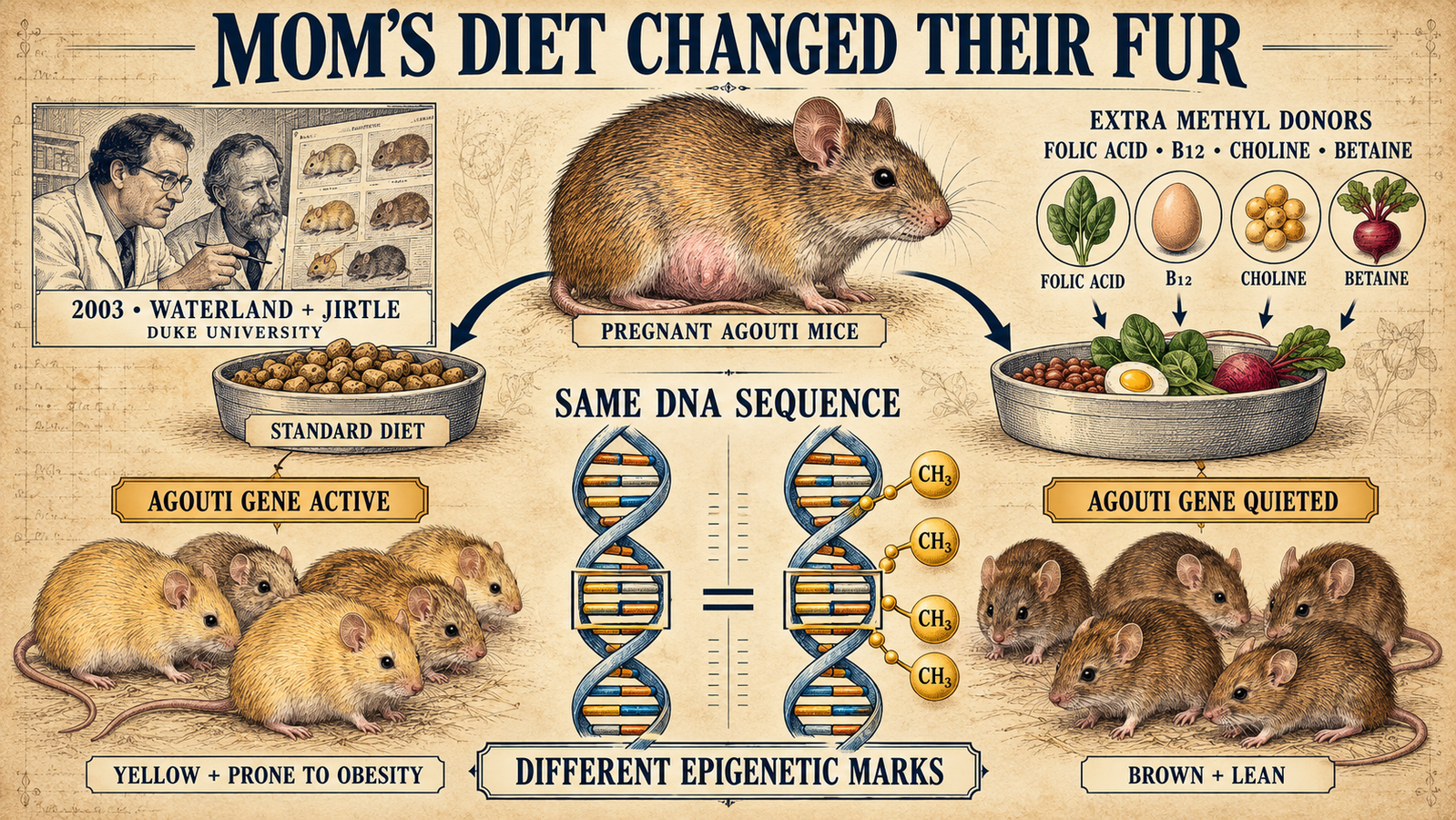
Agouti mice carry a gene variant that turns their fur yellow and makes them prone to obesity. In 2003, Robert Waterland and Randy Jirtle at Duke University fed pregnant agouti mice extra methyl donors, including folic acid, vitamin B12, choline, and betaine. Their pups were more likely to be brown and lean. The extra methyl groups added marks that quieted the gene. The pups' DNA sequence was unchanged. Only their mother's diet was different.
The Hunger Winter Left a Mark
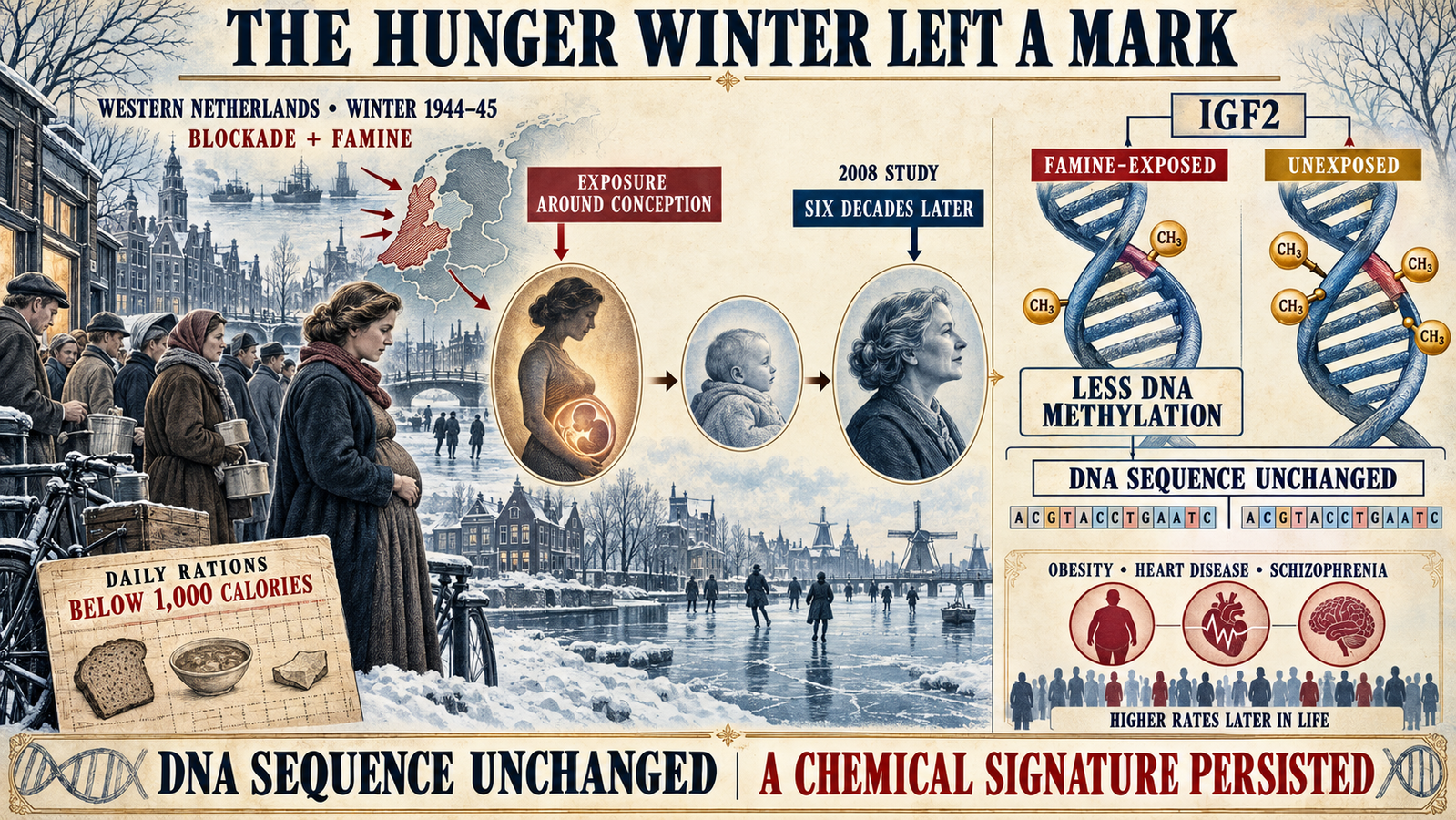
In the winter of 1944, a blockade brought famine to the western Netherlands. Daily rations fell below 1,000 calories. Children conceived during the famine later had higher rates of obesity, heart disease, and schizophrenia. In 2008, researchers found that six decades later, people exposed around conception had less methylation on IGF2, a gene involved in growth. A few months of famine before birth left a chemical signature that lasted a lifetime.
Products We Love
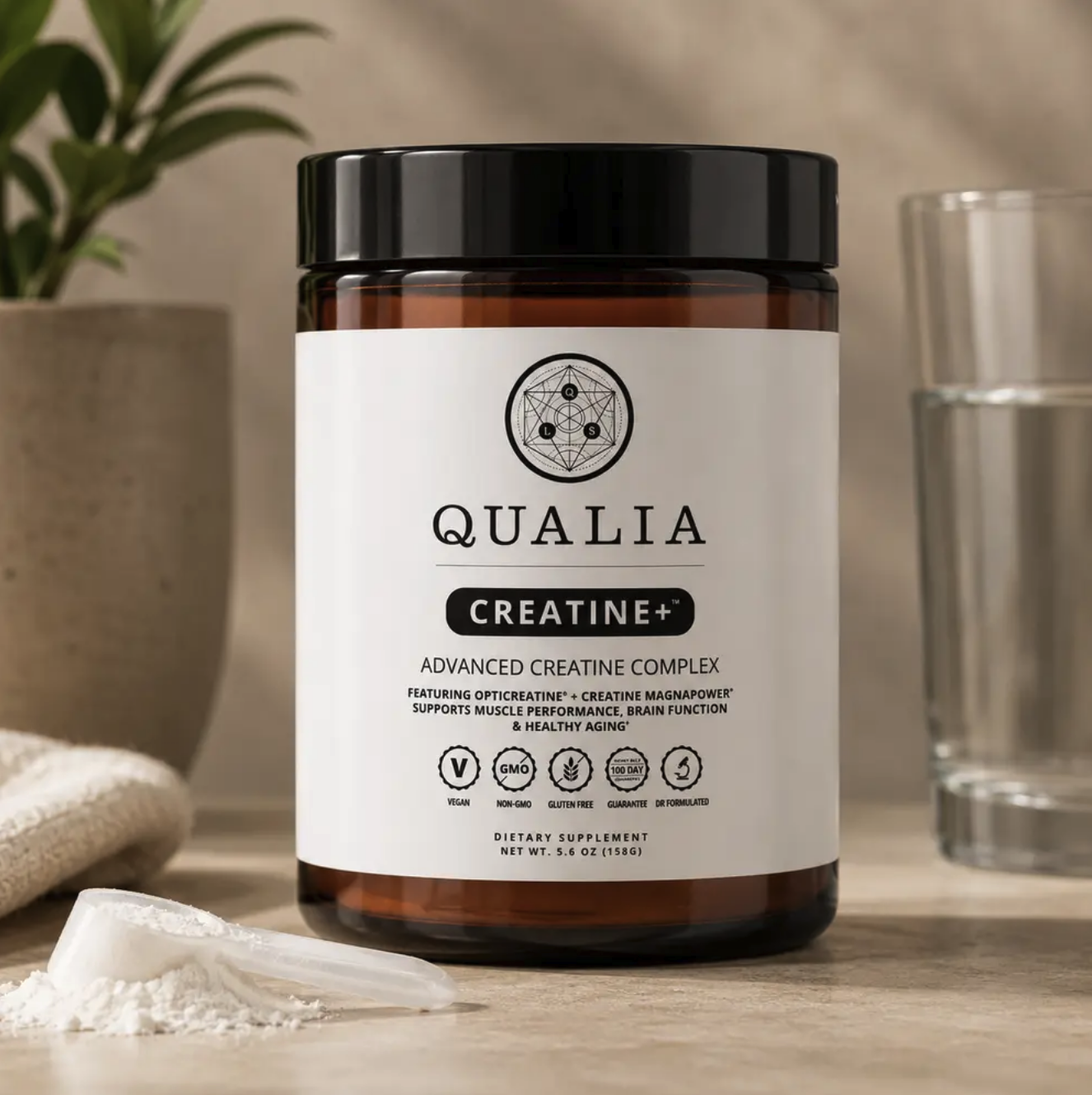
Qualia Creatine+
Most creatine research uses about 5 grams a day of creatine monohydrate, and that's the dose Qualia Creatine+ is built around. Each serving combines 4.5 grams of micronized creatine monohydrate (OptiCreatine) with 500 milligrams of magnesium creatine chelate (Creatine MagnaPower), for 5 grams from two sources. It also adds 250 milligrams of sea salt. Creatine works by building up stores over weeks, so the most important thing is taking it every day. Mix it into water, coffee, or a smoothie at whatever time you'll remember.
Disclosure note: I am currently serving as a Senior Scientific Advisor to Qualia Life Sciences.
humanOS Catalog Feature of the Week
Creatine and Sleep: Does Creatine Make You Sleep Less?
Could a common supplement change how much sleep you need? Creatine buffers the brain's energy stores, and the energy your brain uses while awake is one of the signals that builds sleep pressure. This humanOS blog looks at a study in rats where creatine shortened total sleep and reduced deep sleep after sleep loss. It also covers human trials where creatine helped people hold up on too little sleep, from rugby skills to mood and reaction time. It ends with practical advice on timing, so creatine supports your day without crowding your night.
Enjoying these? A Pro membership keeps the newsletter going and unlocks the full humanOS library of courses, guides and protocols. $19.99 per quarter.
Join here: Become a Member
Wishing you the best,