Newsletter #421
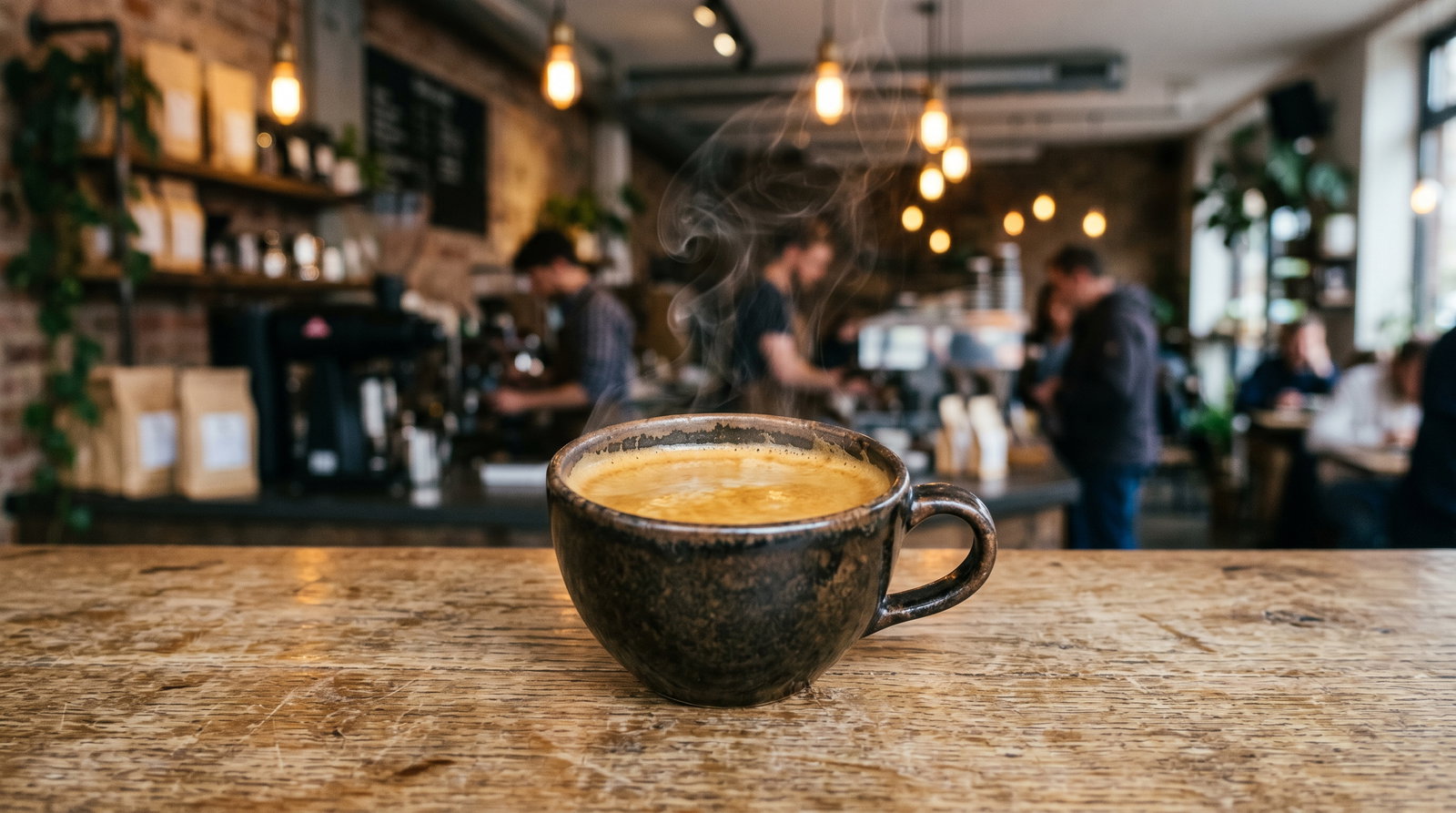
Few habits are as universal as the morning coffee. We talk about it in terms of caffeine, alertness, and energy. We rarely ask what it does to the trillions of microbes that line our gut. A new paper in Nature Communications steps into that gap. The team ran a tightly controlled study comparing daily coffee drinkers and non-drinkers, then asked the coffee group to give it up for two weeks and start again — half on caffeinated coffee, half on decaf. The picture that emerges is more interesting than "coffee wakes you up."
Become a Member of humanOS
Get full access to the courses, how-to guides, podcasts, and recipe packs that translate the latest science into practical, daily tools for your healthspan.
Review Your Learnings: Newsletter Summaries ✨
Habitual coffee intake shapes the gut microbiome and modifies host physiology and cognition
Most of what we think we know about coffee is really about caffeine. The jolt of alertness. The cortisol spike. The blood-pressure bump. But coffee is a complicated beverage. A single cup carries hundreds of plant compounds — phenolic acids, melanoidins, fiber-like molecules that our own bodies don’t break down. The question this team set out to explore is what happens to the gut microbes when those compounds reach the lower gut, and do any of those gut effects influence how we feel and think?
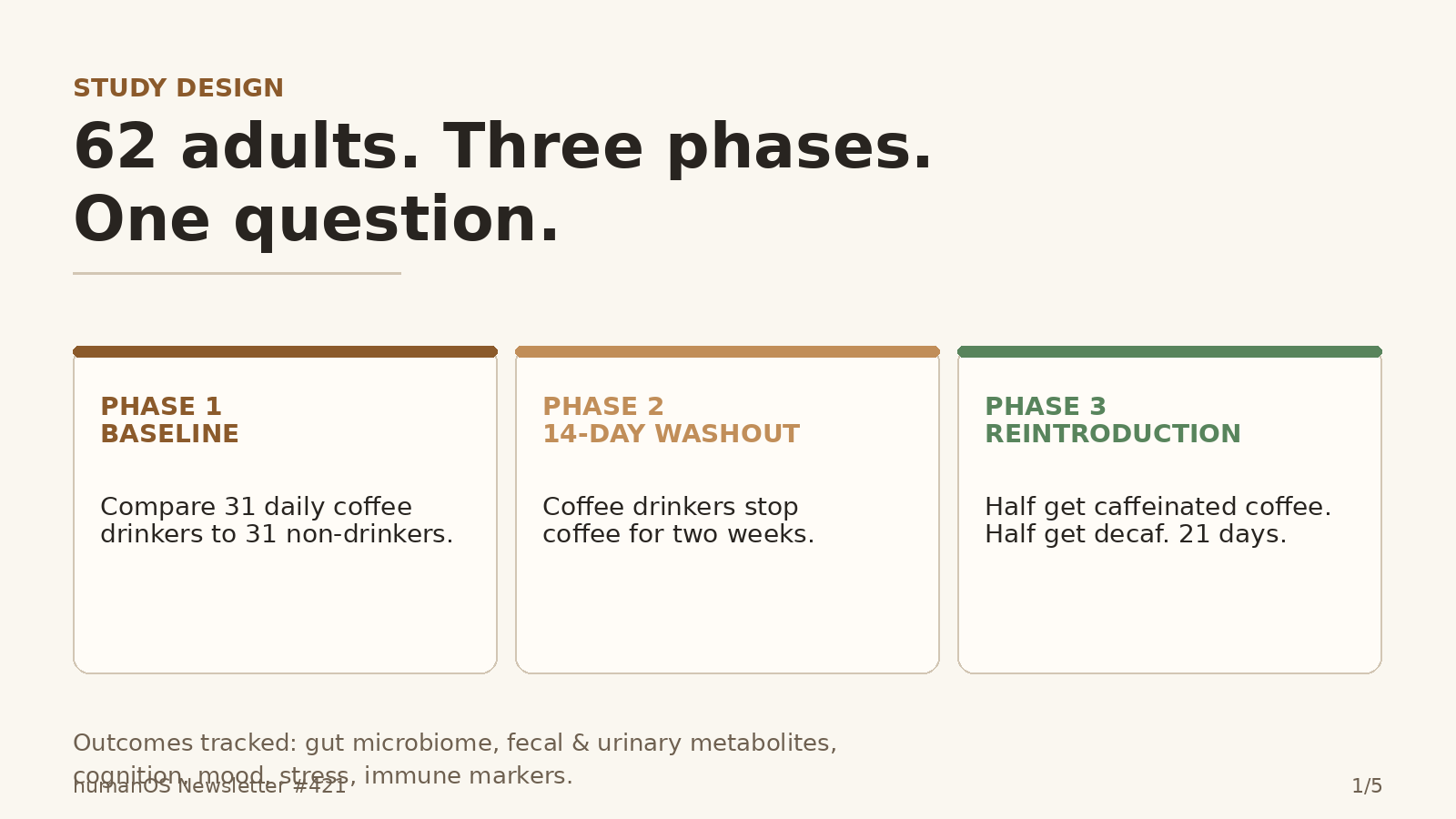
Led by John Cryan's group at University College Cork, the research team ran a three-phase study with sixty-two healthy adults aged thirty to fifty. Half were daily coffee drinkers, half had never been. They started by comparing the two groups head-to-head, then asked the coffee drinkers to abstain for two weeks before randomly assigning them to either caffeinated or decaffeinated coffee for three weeks. Stool samples, urine samples, blood, mood and cognitive testing, and seven-day food diaries were collected along the way.
A microbiome that recognizes its drinker
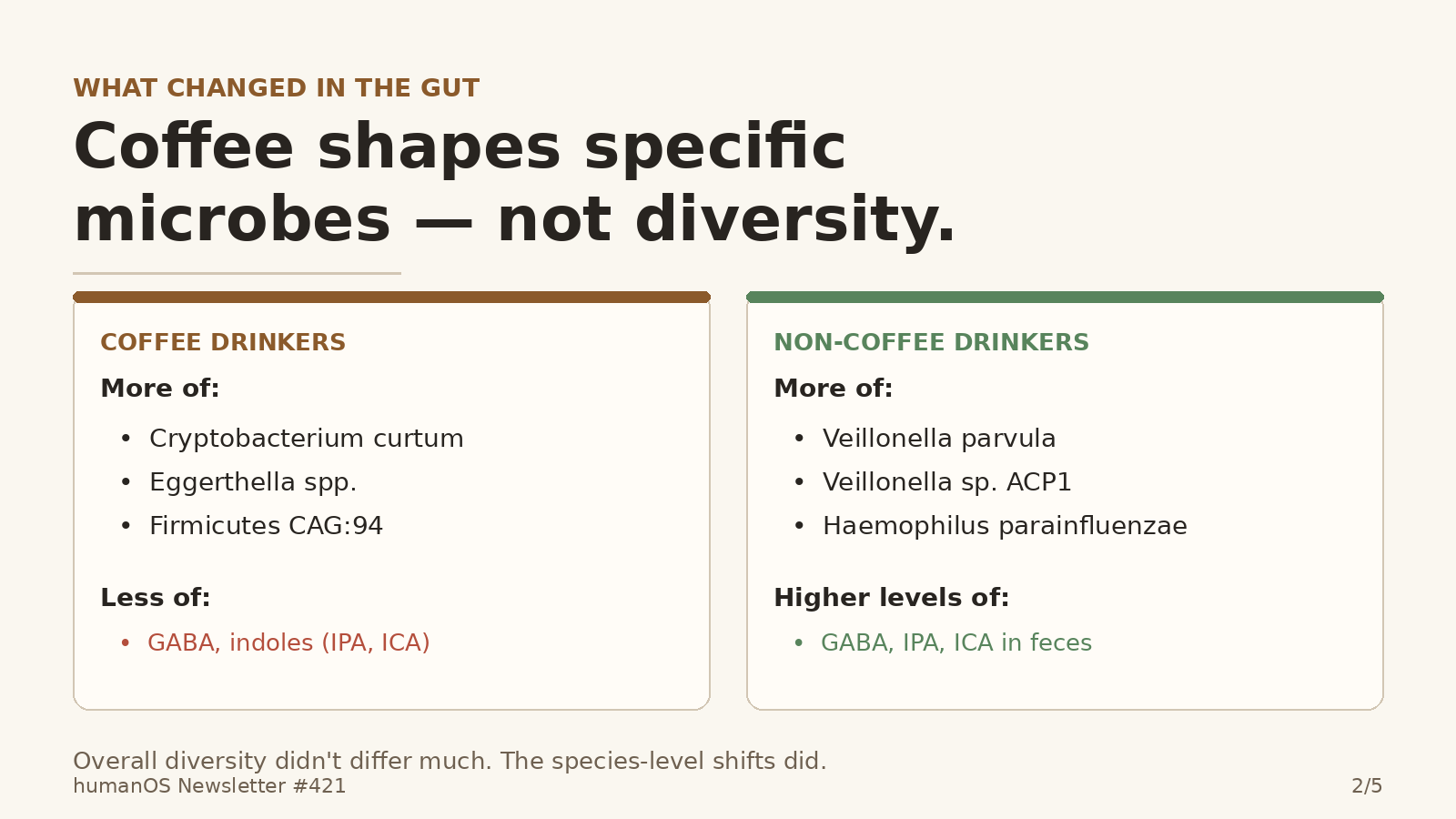
Coffee's signature was clearly etched into the gut. Coffee drinkers and non-coffee drinkers didn't differ much on overall microbial diversity. But at the species level, differences were present. Coffee drinkers carried more of certain bacteria associated with bile acid handling and oral-gut crosstalk. Non-coffee drinkers had more of a different set, including species that produce or consume neuroactive compounds. When the coffee drinkers stopped coffee for two weeks, some of those species drifted back toward the non-coffee profile. When they started again, even on decaf, the coffee-associated species came back.
Importantly, the microbiome shift was not just about caffeine. Compounds in the coffee bean itself, things like chlorogenic acids and the family of phenolics that give coffee its flavor and complexity, appeared to be having a biological impact in the lower gut, regardless of whether the cup stimulates you or not.
Caffeinated and decaf were not the same
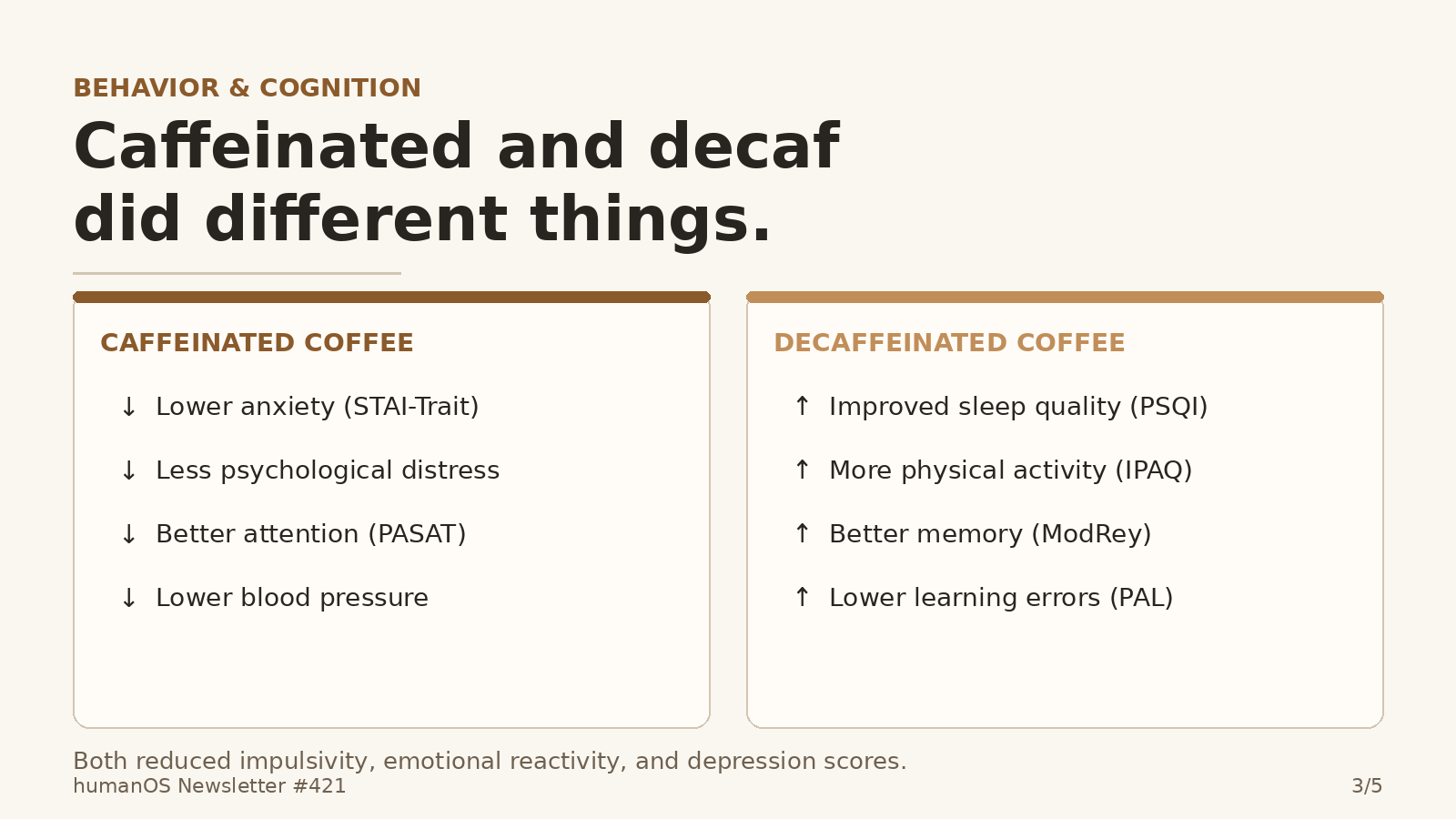
When the team looked at how participants felt and how they performed, the two arms of the trial diverged in interesting ways. Both versions of coffee, when reintroduced, lowered impulsivity, emotional reactivity, and depression scores compared with the two-week abstinence period. So far, both look similar. But caffeinated coffee specifically reduced anxiety, lowered psychological distress, sharpened attention, and dropped blood pressure. Decaffeinated coffee, by contrast, improved sleep quality, increased physical activity, and showed clear gains on a memory test.
The decaf group did better on a paired-associates learning task and on episodic memory, while the caffeinated group didn't. The authors are careful — improved sleep and more daily movement both independently support memory, so some of the effect may run through those routes. But the data points to an underappreciated likelihood - the cognitive payoffs we usually associate with coffee may not all come from caffeine.
The chemistry behind the conversation
The metabolomic side of the study showed that coffee drinkers had higher fecal levels of caffeine-derived metabolites. No surprises there. But, they also had measurably lower levels of a calming neurotransmitter and of certain microbial tryptophan products that are known to support gut-barrier integrity and brain function. Coffee abstinence partially reversed these patterns. Reintroducing coffee, either caffeinated or decaf, pushed many of them back the other way.
In urine, the team saw two clear families of coffee signatures. Caffeine-related compounds dropped during washout and only returned with caffeinated coffee. Polyphenol-derived compounds returned with either kind of coffee, and they varied widely from person to person — a reminder that the gut microbes each of us host shape how we metabolize the same cup.
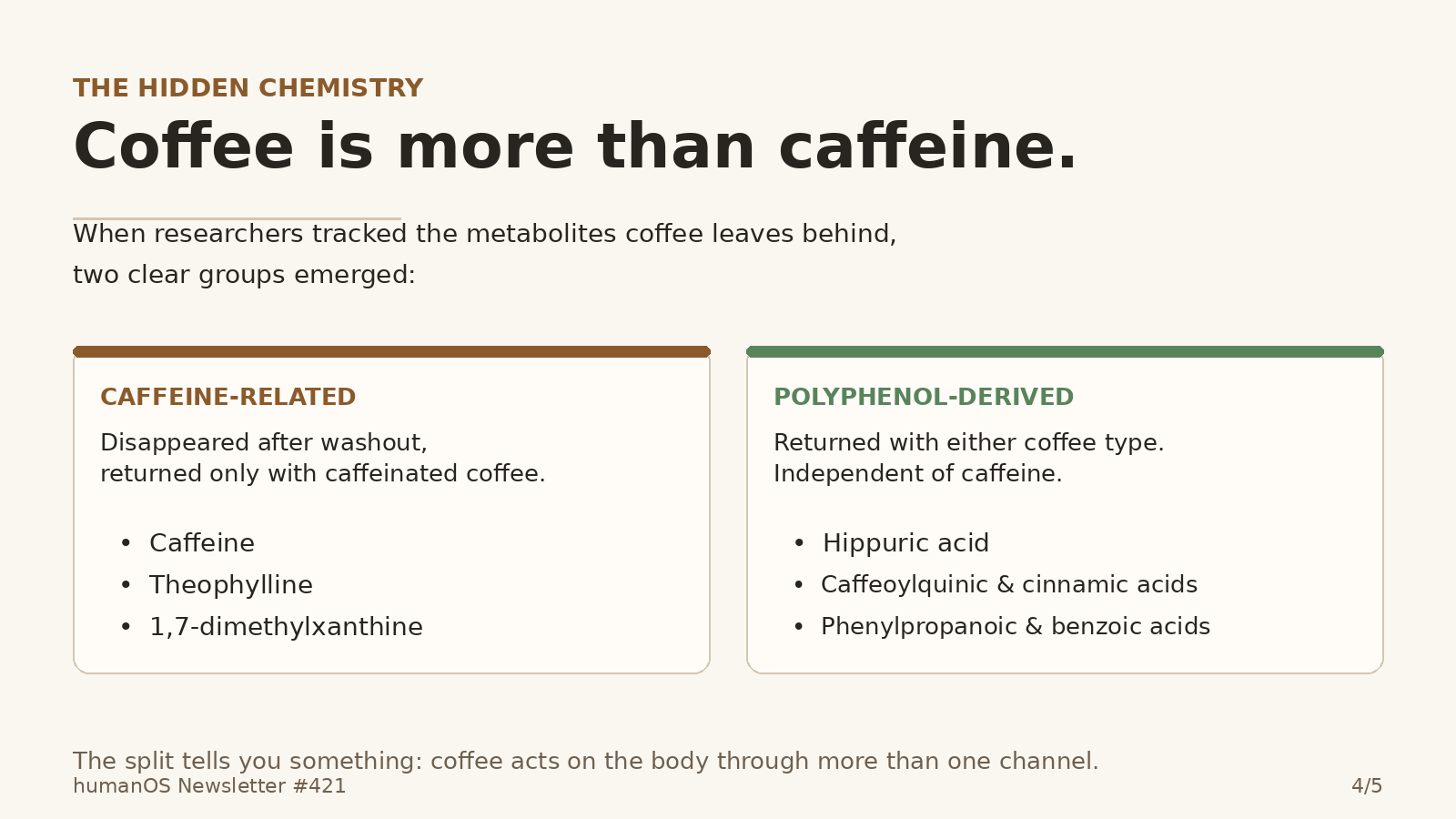
The integrated analysis closed the loop. A small set of metabolites , like caffeine derivatives plus several phenolic acids, were tightly linked, statistically, both to specific microbial species and to specific cognitive and behavioral measures. The picture is one of three layers that move together:
- what's in the cup
- what an individual’s gut does with it
- how the brain registers the result.
Coffee Is More Than Caffeine
Studies like remind us of something useful: many people think too narrowly about how coffee works. Coffee isn't just a delivery vehicle for caffeine. It's a fermented plant beverage with a whole secondary set of activity that begins in the colon. Some of that activity is about anti-inflammatory phenolics. Some is about neuroactive metabolites the microbiome makes or consumes. The cognitive effects many of us notice in the morning seemingly have a more complex explanation than caffeine total.
This also reframes decaf. For people who don't tolerate caffeine well, this study suggests decaf isn't the inert backup. The microbiome respond to it. So does sleep, memory, and physical activity. And the people who never drink coffee at all have their own gut-and-behavior profile, with lower impulsivity and emotional reactivity as a baseline.
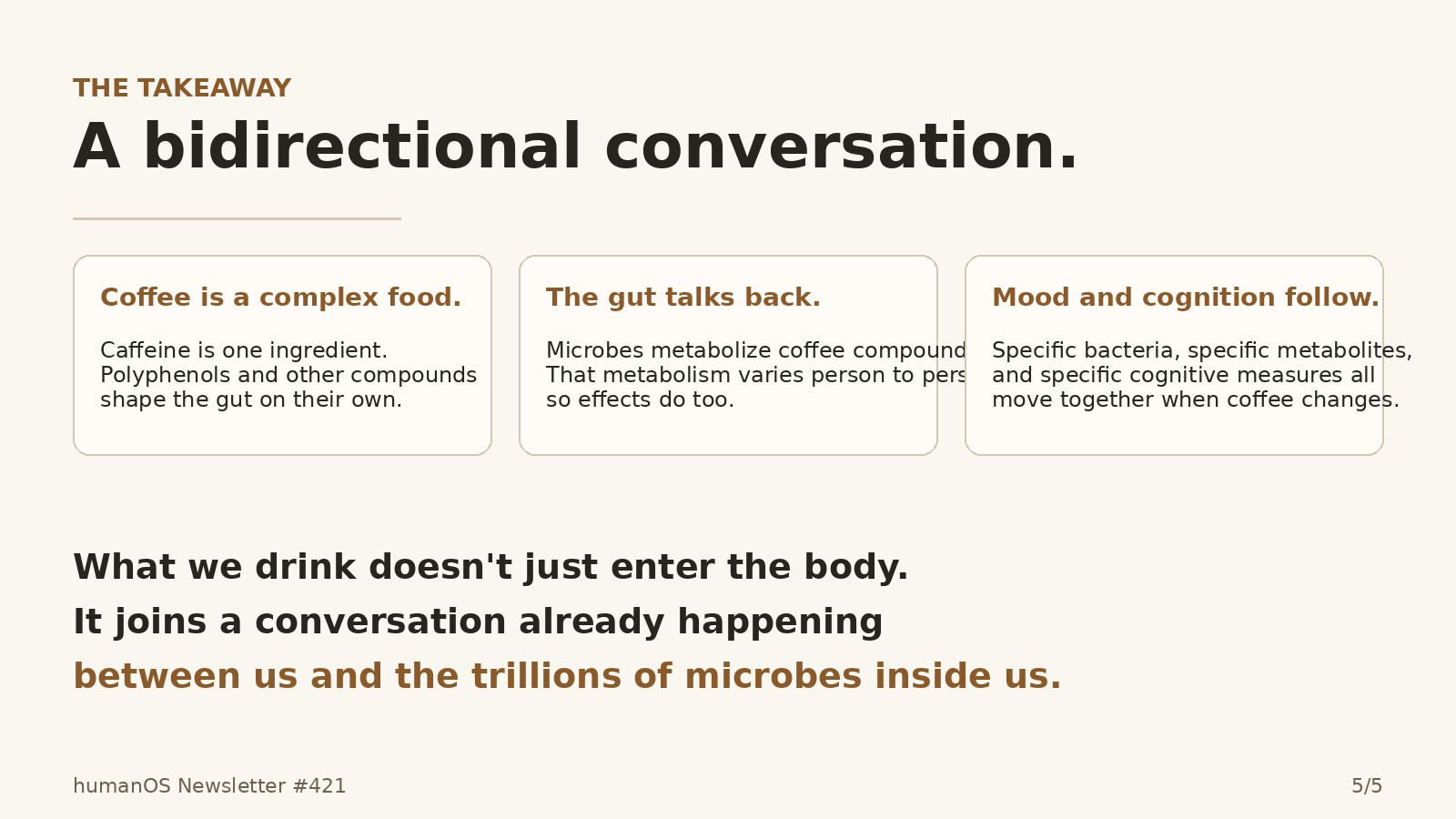
The bigger lesson is one we keep relearning across nutrition science. Foods do not act on the body in isolation. The gut is not a passive tube, and the microbiome is not a bystander. What we eat and drink enters a living ecosystem that is already active and constantly responding to its environment.
Coffee is a good example. It does not simply deliver caffeine. It provides compounds that interact with microbes, shape metabolism, and generate new molecules with biological activity. Some of the effects we attribute to coffee may come not just from the drink itself, but from what happens after it reaches the gut.
I know one thing, I’ll be add a cup of decaf to my afternoons.
Summary
A controlled, three-phase study in Nature Communications compared 31 daily coffee drinkers (3–5 cups/day) with 31 non-coffee drinkers, then had the coffee group abstain for 14 days before randomizing them to caffeinated or decaffeinated coffee for 21 days. Shotgun metagenomics, targeted and untargeted metabolomics, cognitive batteries (PASAT, ModRey, PAL, ERT), the SECPT stress task, and salivary cortisol were collected throughout. Coffee drinkers showed species-specific microbiome shifts (↑ Cryptobacterium curtum, Eggerthella spp., Firmicutes CAG:94; ↓ Veillonella parvula, V. sp. ACP1, Haemophilus parainfluenzae) without large changes in alpha diversity. Fecal GABA, indole-3-propionic acid, and indole-3-carboxyaldehyde were lower in coffee drinkers; theophylline, caffeine, 1,7-dimethylxanthine, and hippuric acid were higher. Coffee drinkers had lower CRP and higher IL-10 at baseline; abstinence raised CRP and TNFα. Behaviorally, coffee drinkers scored higher on UPPS-P impulsivity and ERS emotional reactivity; abstinence reduced both. Reintroduction lowered impulsivity, emotional reactivity, perceived stress, and depression scores in both arms. Caffeinated coffee uniquely reduced STAI-Trait anxiety and improved PASAT attention. Decaf uniquely improved ModRey episodic memory, PSQI sleep, IPAQ activity, and PAL learning. Nine metabolites — including theophylline, caffeine, 1,7-dimethylxanthine, hippuric acid, and several phenolic acids — were strongly linked to both microbial species and cognitive outcomes, demonstrating an integrated microbiota–gut–brain effect of coffee that is partly caffeine-dependent and partly not.
Random Trivia & Weird News
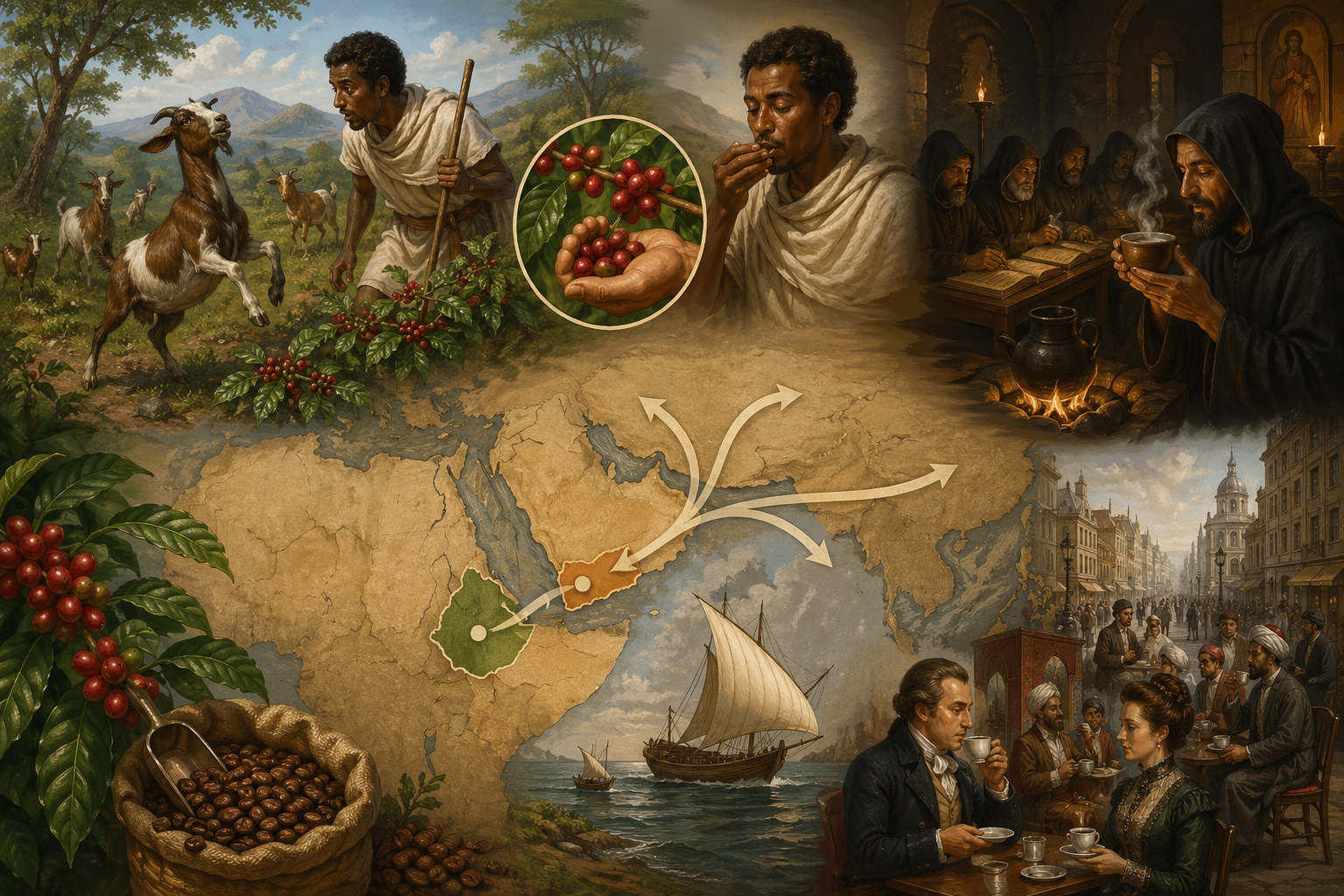
The Original Coffee Drinkers Were Goats
The legend is that coffee was discovered around the 9th century by an Ethiopian goatherd named Kaldi, who noticed his goats getting unusually energetic after eating the red berries of a certain shrub. He tried them himself. A nearby monastery turned the beans into a drink to stay awake during long prayers. Whether the goat story is true or not, the spread of coffee from Ethiopia to Yemen to the rest of the world is one of the great agricultural diffusions in human history, and a case where the discovery of a stimulant predates its scientific characterization by a thousand years.
Podcasts We Loved This Week
- Dr. Justin Sonnenburg: Essentials: How to Build, Maintain & Repair Gut Health via Huberman Lab
- Dr. Vincent Pedre: How to Rewire Your Gut (and Mind) For Health: Coffee, Microbiome DIVERSITY, and The Power of Belief via Longevity with Nathalie Niddam
Products We Love
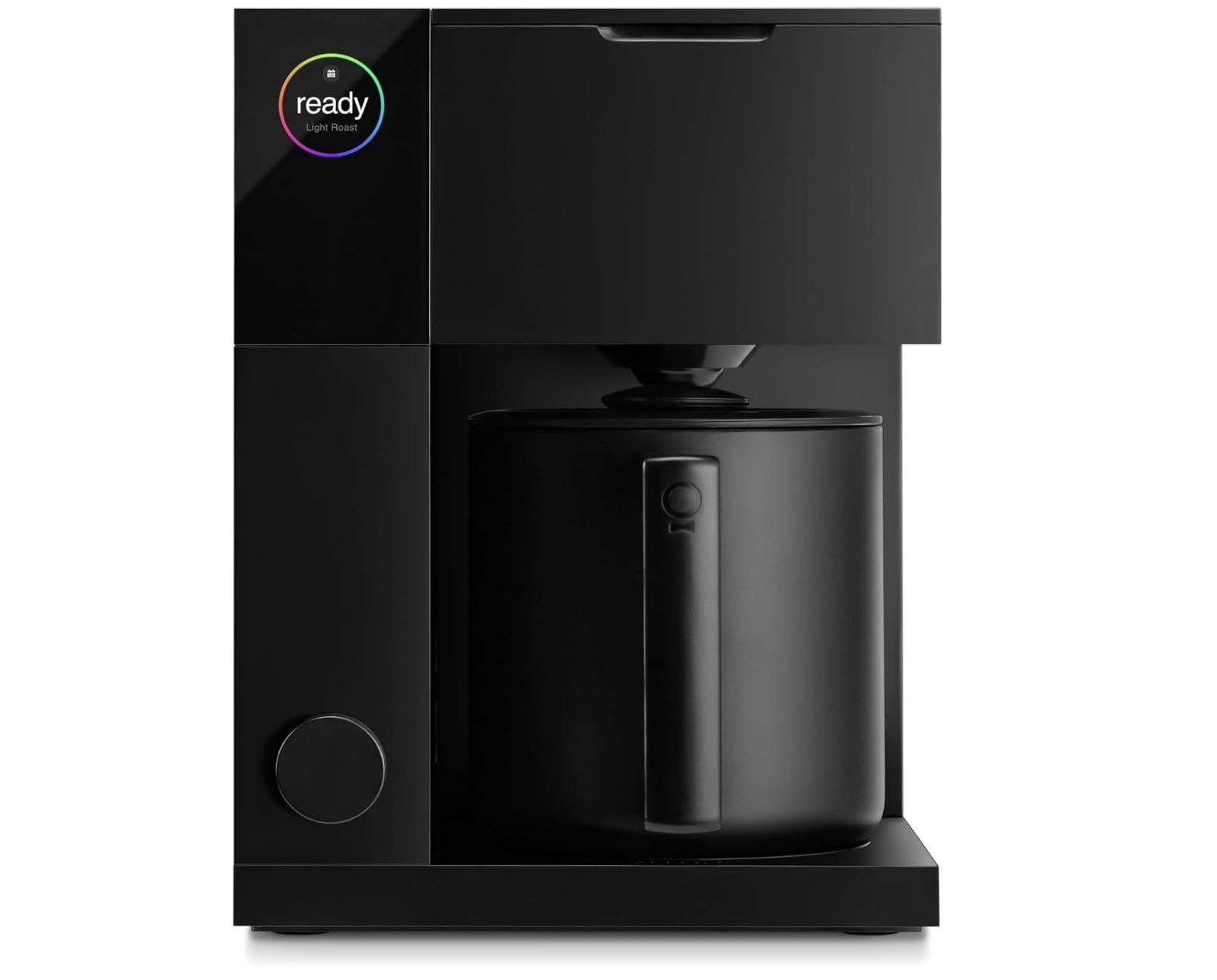
Fellow Aiden Coffee Maker
Meet the Fellow Aiden Coffee Maker, a drip brewer that delivers café-level flavor at home. Precise temperature control, dialed coffee-to-water ratios, and an automatic bloom cycle bring out clarity and sweetness in every roast. Brew a single mug or a full 10-cup batch with interchangeable baskets and a dual shower head for even extraction. One-button operation keeps it effortless, while the drip-stop basket and removable water tank make cleanup easy. The thermal carafe holds heat for hours, and scheduling means coffee is ready when you are. This is the product I have and use every day, and I love it.
humanOS Catalog Feature of the Week

The Gut Microbiome and Immunity. Podcast with Dr. Lucy Mailing
What if the bacteria in your gut were doing more than digesting food — what if they were quietly tuning your immune system, your inflammatory tone, and your susceptibility to disease? In this conversation, microbiome researcher Dr. Lucy Mailing walks through how the gut microbiome shapes immunity from the inside out: the link between fiber and short-chain fatty acids, the role of microbial diversity in resilience, and the surprising ways that everyday choices — including beverages like coffee — leave a fingerprint on the community of microbes you carry. A grounded, science-rich primer for anyone who wants to understand the gut not as a pipe, but as a living interface with the rest of the body.
Become a Member of humanOS
Get full access to the courses, how-to guides, podcasts, and recipe packs that translate the latest science into practical, daily tools for your healthspan.
Wishing you the best,