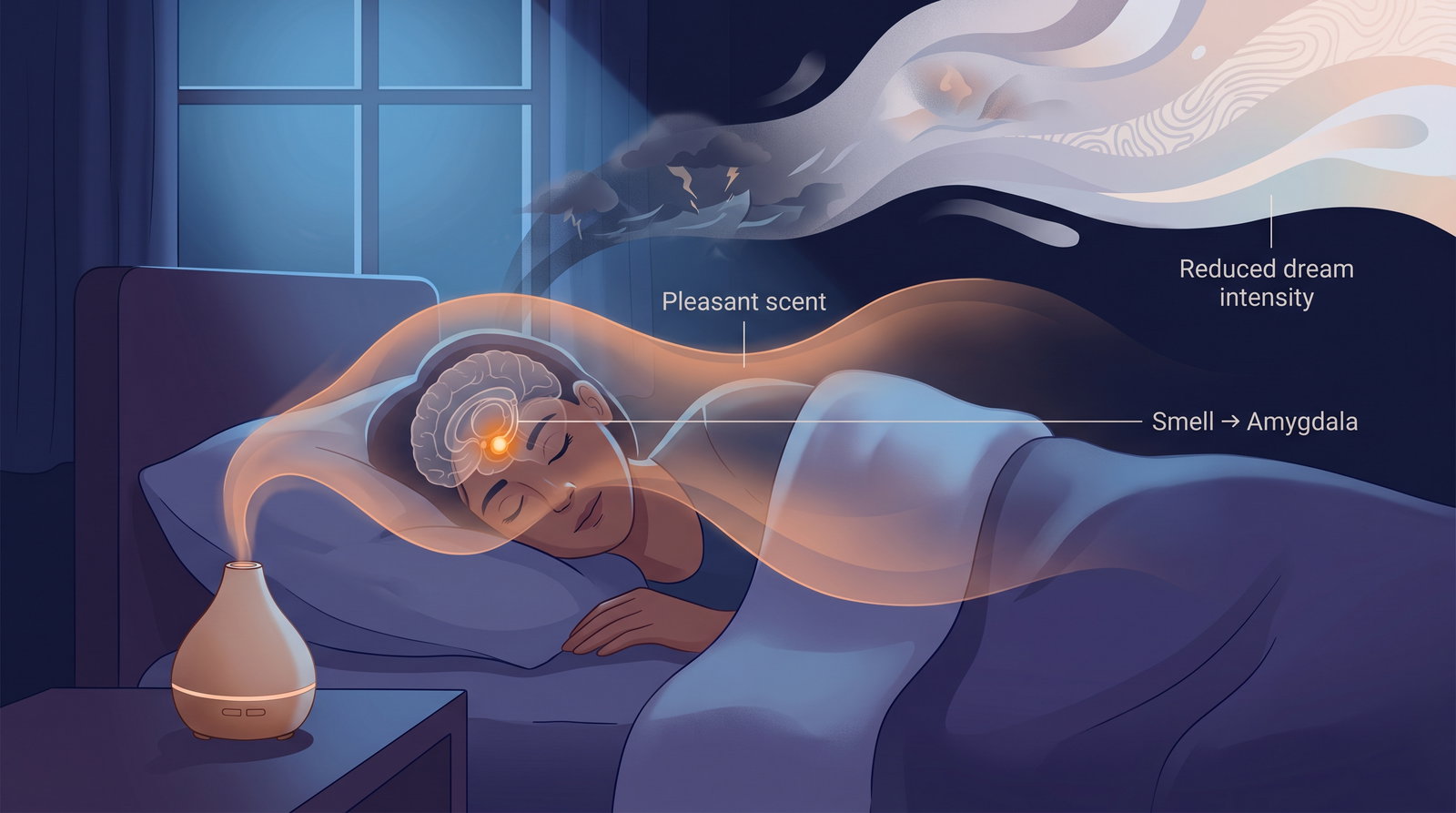
Newsletter #419
We're used to thinking of sleep as a sealed-off state. The body is offline, your senses are muted, external stimuli are blocked so the brain can do its overnight work. That picture isn't quite right. One sense stays awake. Smell never fully shuts off, which is why a smoke alarm has to wake you with sound. But what's interesting is what your brain does with smells during sleep, not whether it notices them. A small but provocative trial in patients with post-traumatic stress disorder — a population whose nights are often anything but restful — asked whether the right scent at the right time could change the emotional quality of their dreams. But there is a bigger picture here. This scent-during-sleep technique could improve sleep in a way that makes it more restorative overall. While that is not what this study investigated, keep that possibility in mind as you read the details of this particular investigation.
If these newsletters are a regular part of how you stay informed on health and longevity, consider supporting the work with a Pro membership. $19.99 per quarter — about $1.67 per issue, less than a coffee tip.
Join here: Become a Member
Review Your Learnings: Newsletter Summaries ✨
Nocturnal Olfactory Stimulation for Improvement of Sleep Quality in Patients With Posttraumatic Stress Disorder: A Randomized Exploratory Intervention Trial
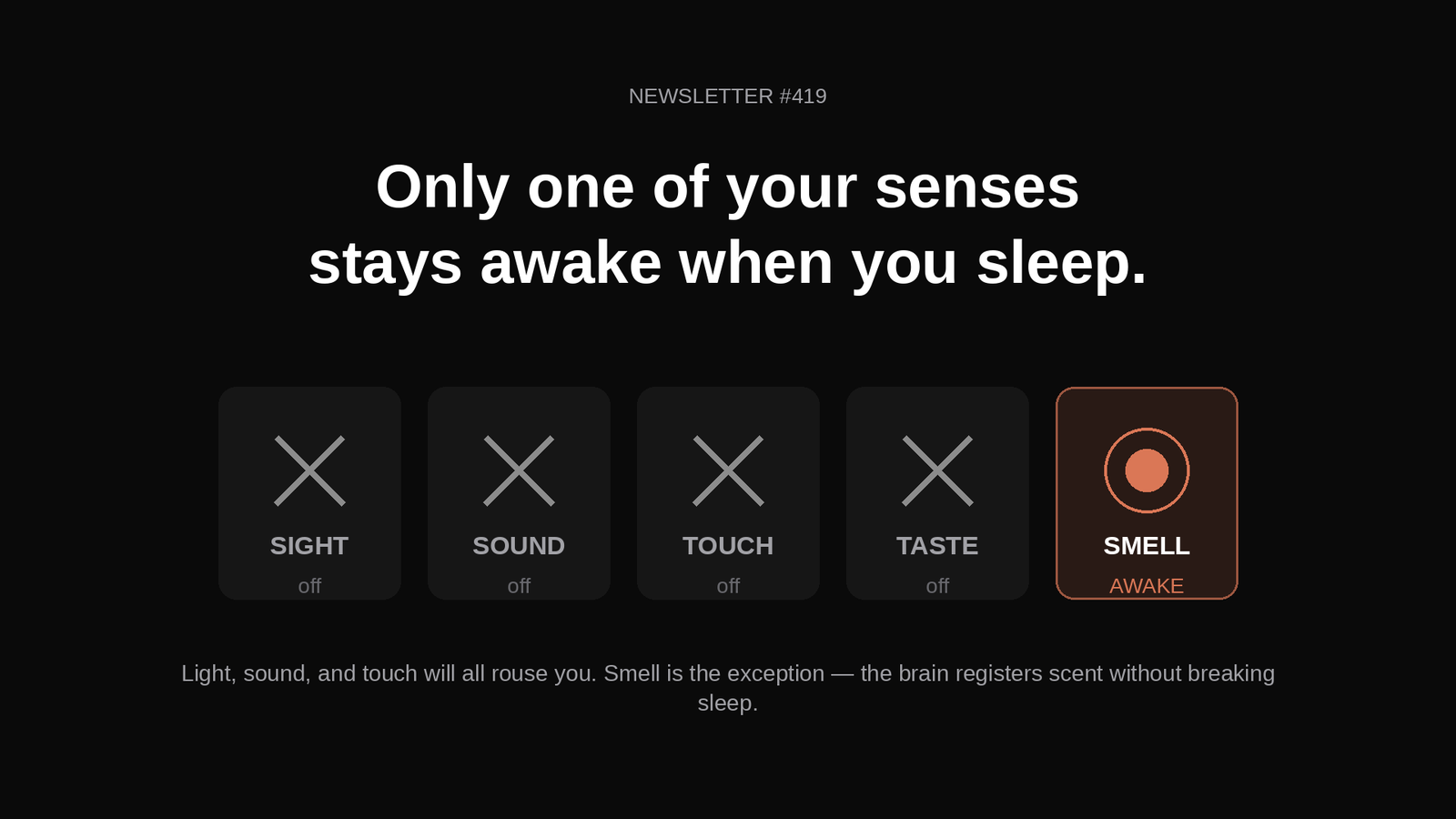
Stimulating sleepers with sound, light, or touch will eventually wake them. For smell, the magnitude of the scent must be larger in order to wake a person. Therefore, researchers can deliver odors at concentrations that would be obviously noticeable during the day, and the brain wave EEG measurements show the brain processing the odors, but the sleeper stays asleep. This is partly why smoke alarms had to be invented to use sound. A house fire's smoke won’t reliably wake a person in time.
If smell can slip into the sleeping brain without waking it, the obvious question follows: can that sensory channel be used to shape what happens inside sleep?
That’s exactly what researchers set out to test at the University of Dresden. They recruited inpatients on a specialized PTSD ward, all of whom were already in active trauma-focused treatment. For five baseline nights they tracked sleep with wrist actigraphy and morning questionnaires about dream content. Then, for five more nights, half of the patients went to bed with a small device delivering a pleasant odor through the night, and the other half got the same device delivering nothing. Patients were blind to which arm they were in. They picked their own scent in advance from four options — rose, lavender, orange, or peach — to ensure the smell was perceived to be pleasant.
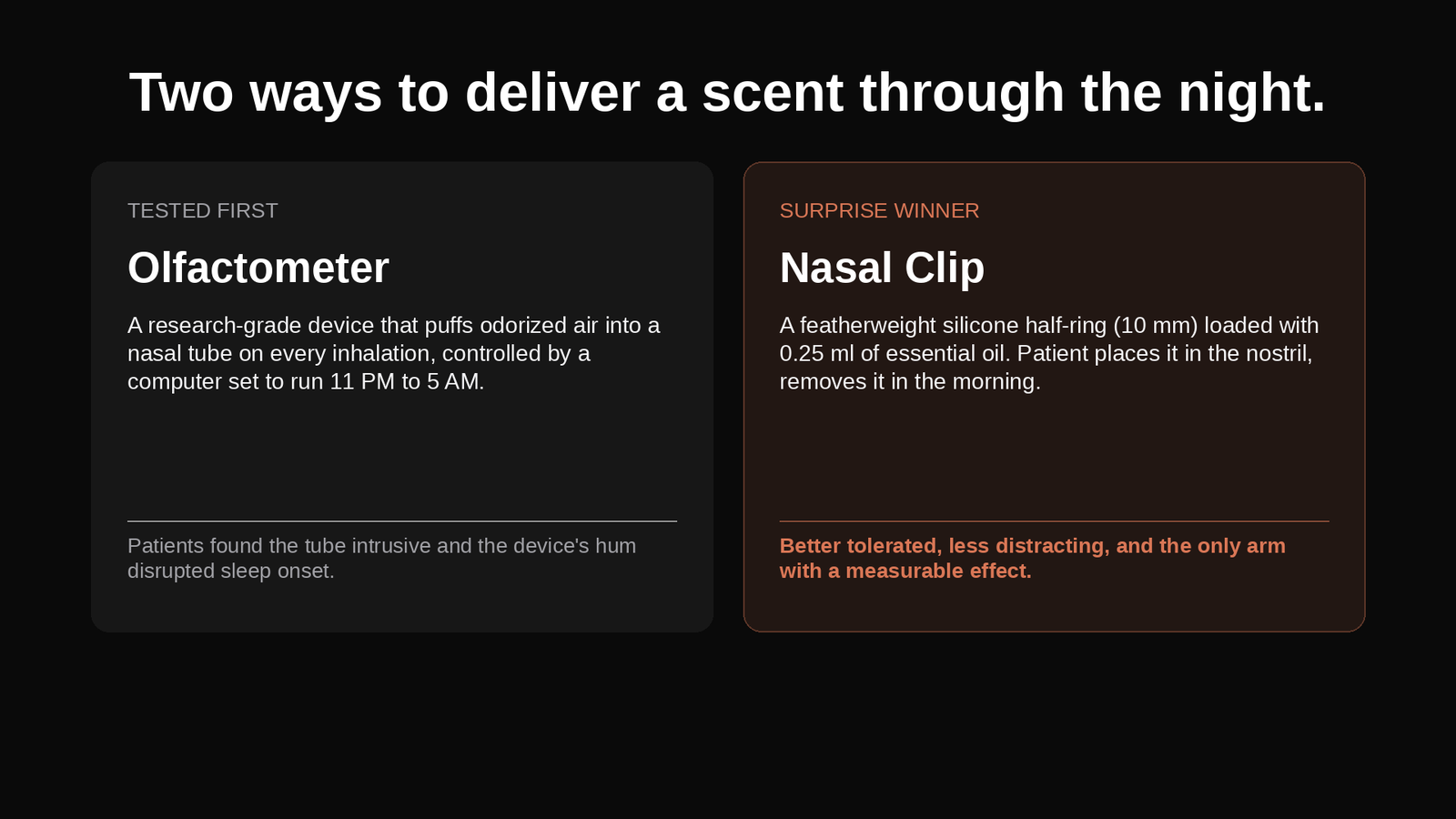
Two delivery systems were tested. The first was a research-grade olfactometer that puffed odorized air into a nasal tube on every inhalation. Patients found it intrusive. Some couldn't fall asleep with the tube in, and the device's hum bothered others. The second was a featherweight silicone nasal clip infused with the same individualized essential oil. Patients inserted the nasal clip it into the nostrils and forgot about it. The clip was the clear winner.
Three Reasons This Approach Could Work
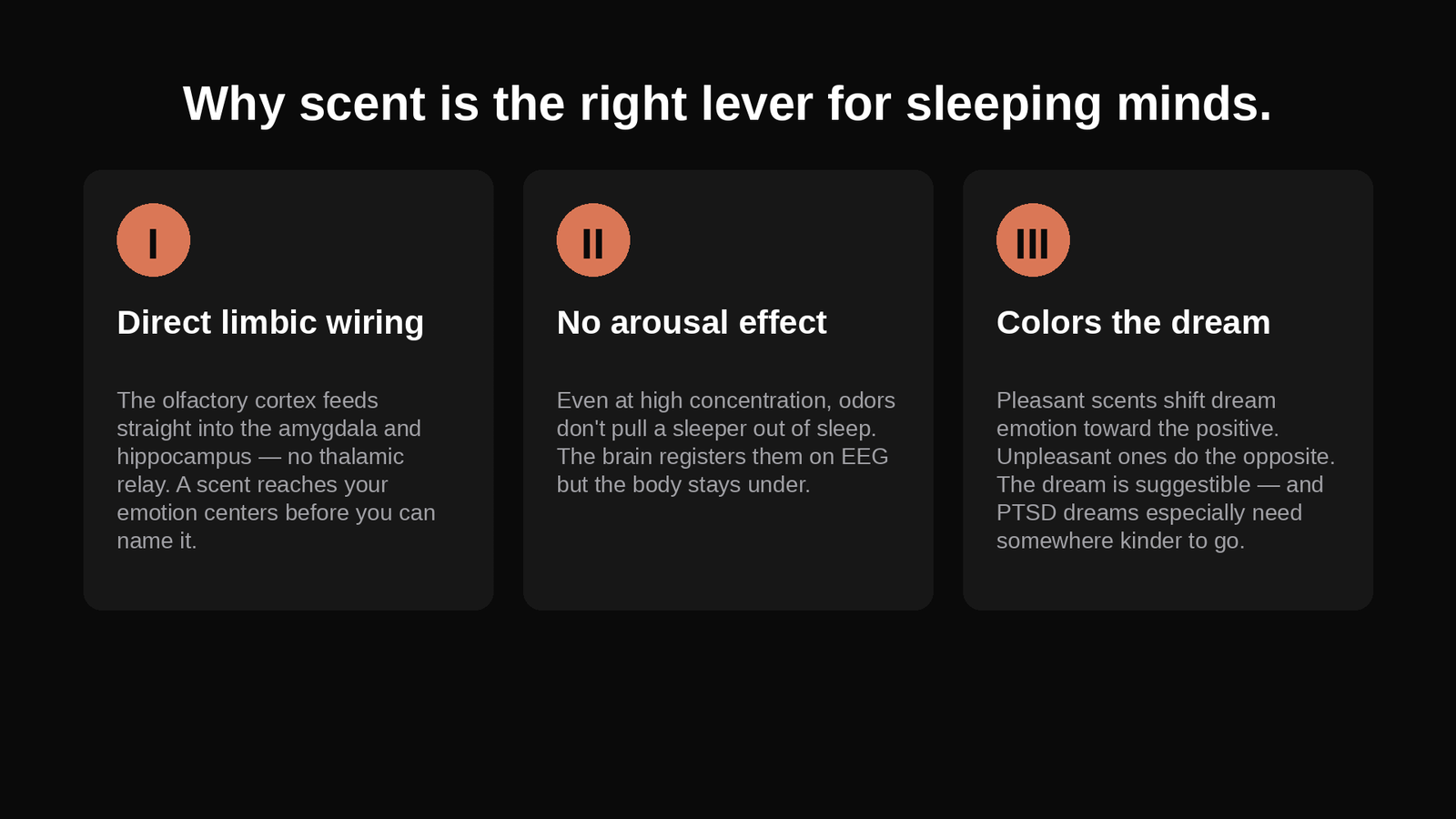
The hypothesis is rooted in olfactory anatomy. Smell is the oldest sense, and the rest of the limbic system — the amygdala, hippocampus, and the circuits that handle emotion and memory — evolved out of structures that were originally devoted to processing odors. Today the primary olfactory cortex is still wired directly into those areas without the relay station the other senses use. A scent reaches your emotion centers even before you have a chance to identify it.
The second reason is that olfactory input doesn't behave like other sensory inputs during sleep. Light, sound, touch will more easily awaken a sleeper if presented strongly enough. Smell has a different threshold. Even at high concentrations, olfactory stimuli don't reliably trigger arousal. The brain registers them but sleep persists. That makes a potentially unique modifier of the sleep state.
The third reason is that smell seems to influence dreams. Earlier work in healthy sleepers showed that a pleasant scent (rose) shifted the emotional tone of dreams toward the positive, while an unpleasant one (rotten eggs) pushed dreams negative. PTSD is a disorder in which dreams aren't just unpleasant, they are traumatic. If a scent could nudge dream emotion in a positive direction, that would be a highly valuable lever to pull.
What the Trial Found
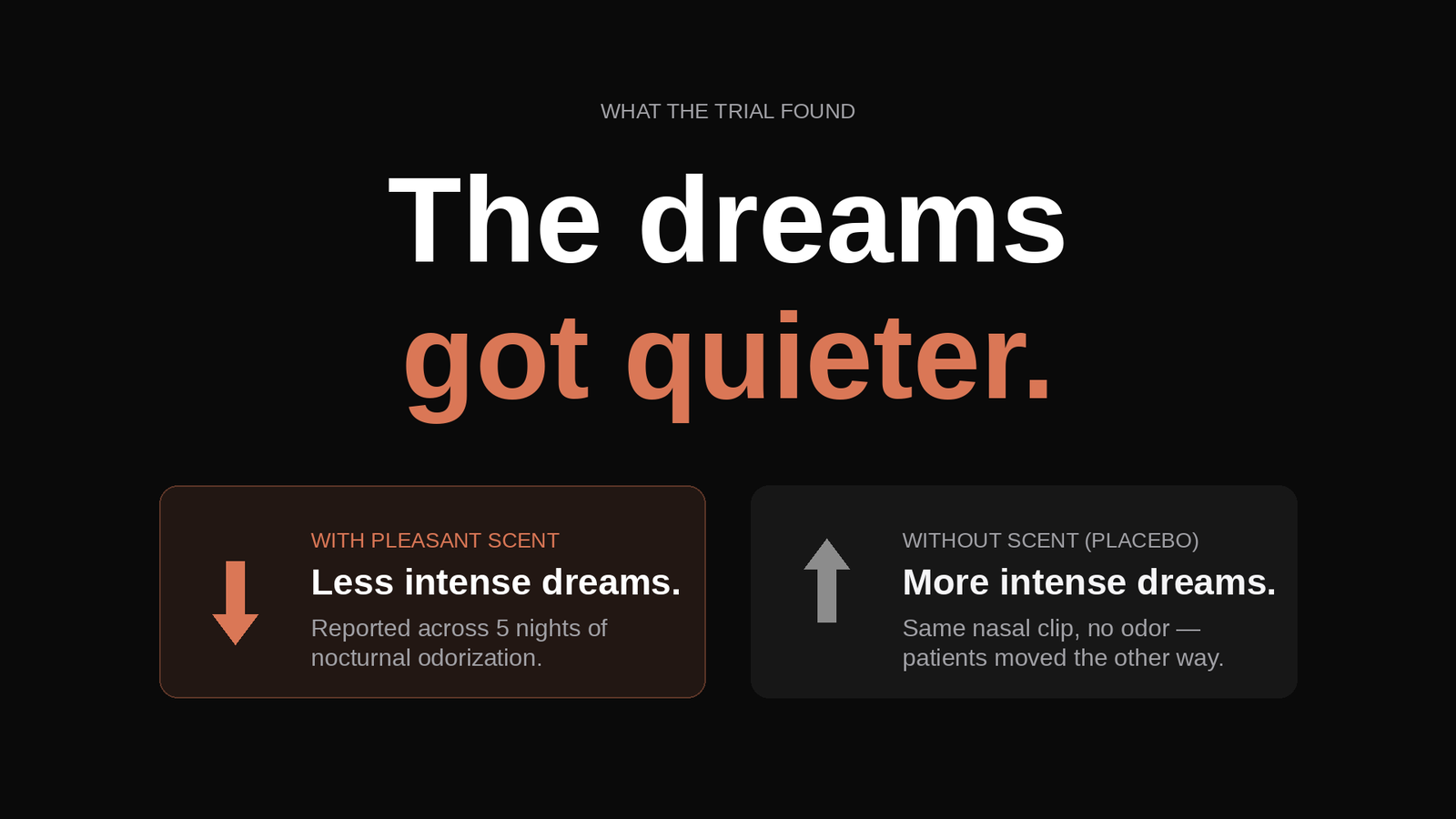
The clearest signal was on dream intensity, which in this group of patients tracks closely with negatively-toned distress. Patients using the nasal clip with a pleasant odor reported less intense dreams after the intervention than they had at baseline. The effect size was moderate-to-large. Patients using the same nasal clip with no odor moved in the opposite direction. For this group, their dream intensity and quality worsened. Plus, sleep efficiency, or the proportion of time in bed actually spent sleeping, held steady in the odor group while it degraded in the placebo group (i.e., less time as sleep while in bed), which is at least suggestive.
However, subjective sleep quality, or the feeling of restoration after you awake in the morning, plus time to fall asleep, didn't show statistically significant effects. With only forty patients across two devices and two conditions, this was a study underpowered to detect anything but the largest signals. The authors were clear about treating the work as exploratory rather than definitive. But importantly, no adverse effects were reported.
Why I Find This Interesting
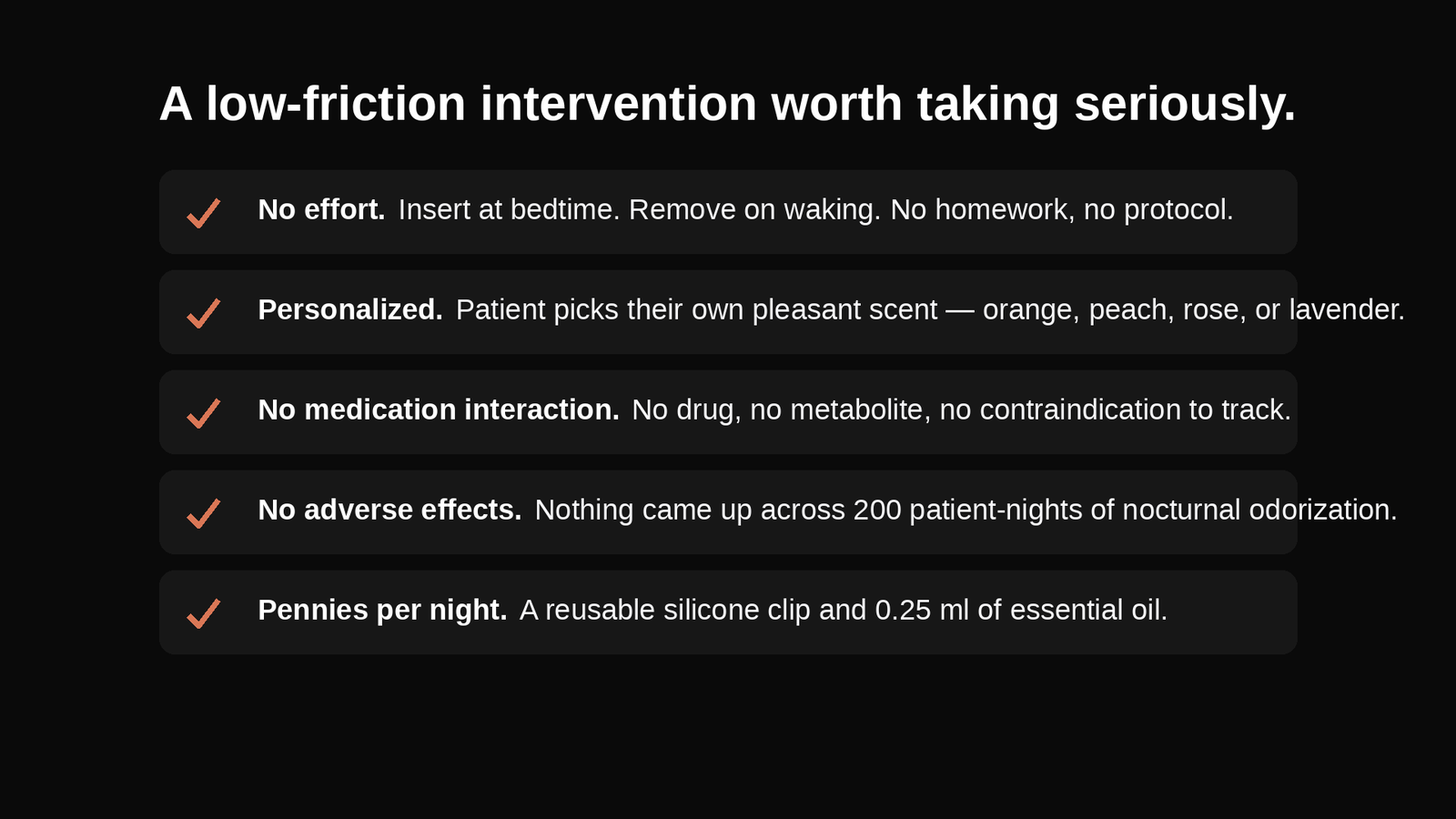
The part I keep coming back to is how cheap and undemanding the intervention is. PTSD treatment is hard. The therapies that work are effortful, often re-traumatizing in the short term, and not everyone has access. Anything that nudges nighttime in a better direction without asking the patient to do more cognitive work is worth taking seriously. The nasal clip costs almost nothing. Patients picked their own scent. They put it in before bed and took it out in the morning. There is no required discipline, no homework, no medication interaction to worry about.
Where this needs to go is replication in a larger sample with longer duration, paired with polysomnography rather than wrist actigraphy. But the underlying logic that olfaction is a backdoor into the emotional brain that stays open during sleep is biologically sound and supported by adjacent evidence. The intervention is so low-friction that even a modest effect could be worth a trial.
Summary: In a randomized, patient-blind, placebo-controlled exploratory trial at the University Hospital Dresden, 40 PTSD inpatients (n=35 women, mean age 41.7) completed 5 baseline nights followed by 5 intervention nights of nocturnal stimulation with either a self-selected pleasant odor (orange chosen by 44%, peach 31%, rose 19%, lavender 6%) or unscented placebo. Two delivery devices were tested: a computer-triggered olfactometer with a nasal tube and a passive silicone nasal clip. Baseline data confirmed PTSD symptom severity correlated with poorer subjective sleep quality (r=−0.43), lower feeling of recovery (r=−0.54), and more negatively-toned dreams (r=−0.46); objective actigraphy parameters did not correlate with PTSD severity. The main finding: patients using the nasal clip with an odor showed reduced dream intensity vs baseline (d=0.68), while nasal-clip placebo users worsened (d=0.87). Sleep efficiency dropped in the placebo group (d=0.50) but held steady in the odor group. The nasal clip outperformed the olfactometer on tolerability and outcome. No adverse effects were observed. Authors: Schäfer L., Schellong J., Hähner A., Weidner K., Hüttenbrink K-B., Trautmann S., Hummel T., Croy I. Journal of Traumatic Stress, 2019, 32, 130–140. doi: 10.1002/jts.22359.
Other Research on Smell During Sleep
But this study is part of a larger and increasingly fascinating area of research. Because the olfactory system remains active during sleep and is wired directly into brain regions involved in memory and emotion, scientists are exploring whether scents delivered overnight can influence how the brain consolidates memories, processes emotional experiences, and potentially enhances other restorative functions of sleep. Here are a few related lines of research that make this field so intriguing.
Here are several related lines of research:
Memory consolidation:
Research led by Jan Born and colleagues showed that re-exposing people to an odor they had smelled while learning improved recall the next day. The idea is that the scent acts as a cue that reactivates recently formed memories during slow-wave sleep, strengthening their storage.
Targeted memory reactivation
Odors can be paired with specific information before sleep and then presented again during sleep to selectively enhance consolidation of those memories. This has been demonstrated for declarative memory and some forms of motor learning.
Emotional memory processing
Because smell connects directly to the amygdala and hippocampus, odors may alter the emotional tone of dream content and overnight processing of emotionally charged memories. This is one reason olfactory interventions are being explored in PTSD.
Sleep architecture
Some studies suggest pleasant odors, such as lavender or rose, may modestly influence sleep stability and subjective sleep quality, although results are mixed.
The broader takeaway is that sleep may be more permeable than we once thought. The brain is not cut off from the environment. Under the right conditions, subtle sensory cues may be able to shape memory, emotion, and perhaps even the restorative biology that unfolds while we sleep.
Perhaps another way to think about this is that we are restoring an environmental cue that is largely absent from modern life. In doing so, we may be reintroducing a natural input the brain evolved to use during sleep to support memory, emotional processing, and restoration. Like so many aspects of modern living, its absence may represent one more way our environment has become disconnected from the conditions that help support human health.
Random Trivia & Weird News
The Proust Effect
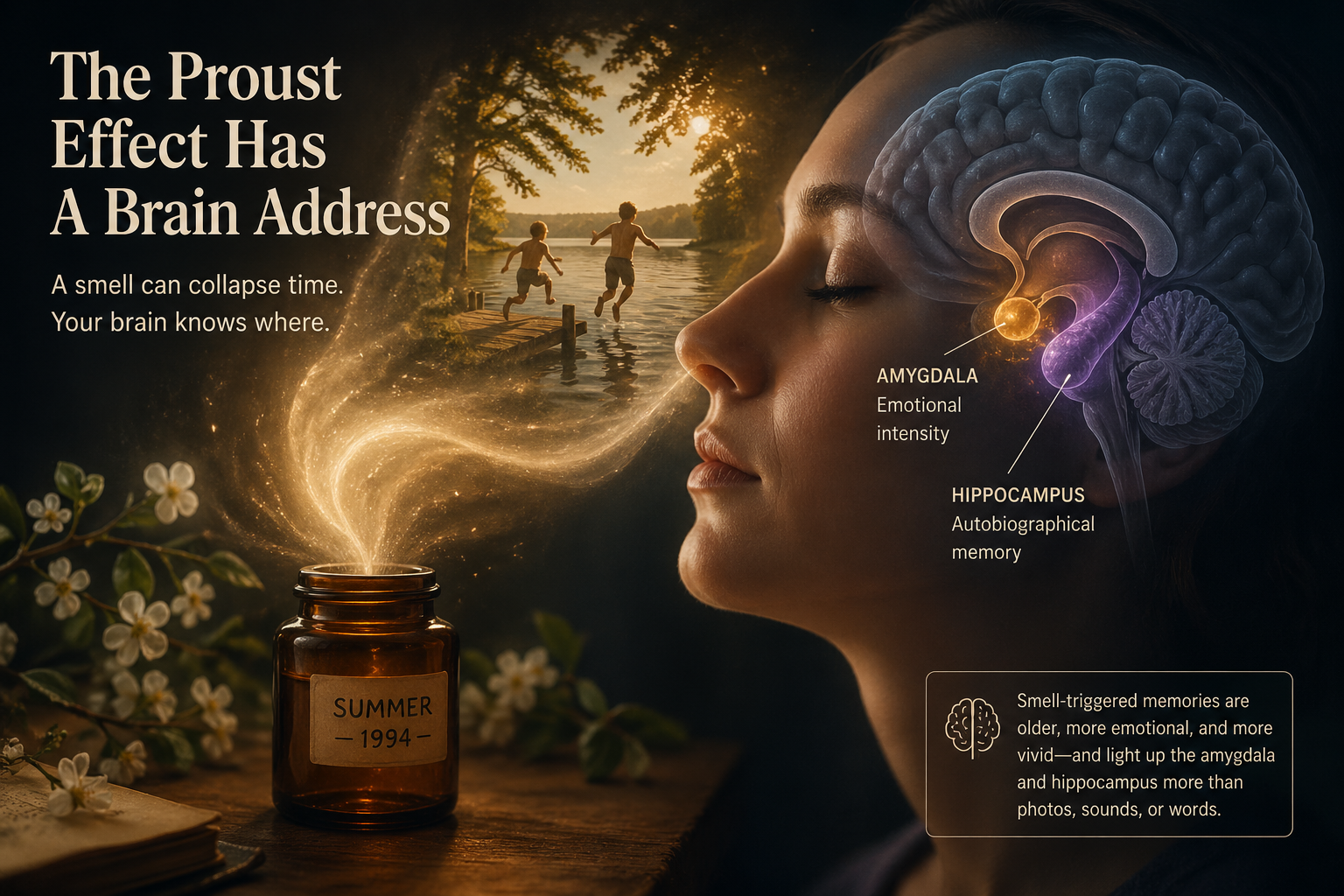
The phenomenon Marcel Proust described as a smell or taste immediately pulling you into a forgotten memory is now called the Proust phenomenon. At this point, this effect has been replicated experimentally so we know it’s real. Smells trigger autobiographical memories that are older, more emotional, and more vivid than memories cued by photos, sounds, or words. Functional imaging shows odor-triggered memories activate the amygdala and hippocampus more strongly than other sensory modalities, which is why the smell of a distant and seemingly forgotten event that took place one summer in your youth can immediately bring you back to that moment as though it was happening now.
Podcasts We Loved This Week
- Dr. Matt Walker: Improve Sleep to Boost Mood & Emotional Regulation via Huberman Lab
- Dr. Mark Hyman: Office Hours: Can't Fall Asleep? Your Sleep Questions Answered via The Dr. Hyman Show
Products We Are Enjoying
Memory Air
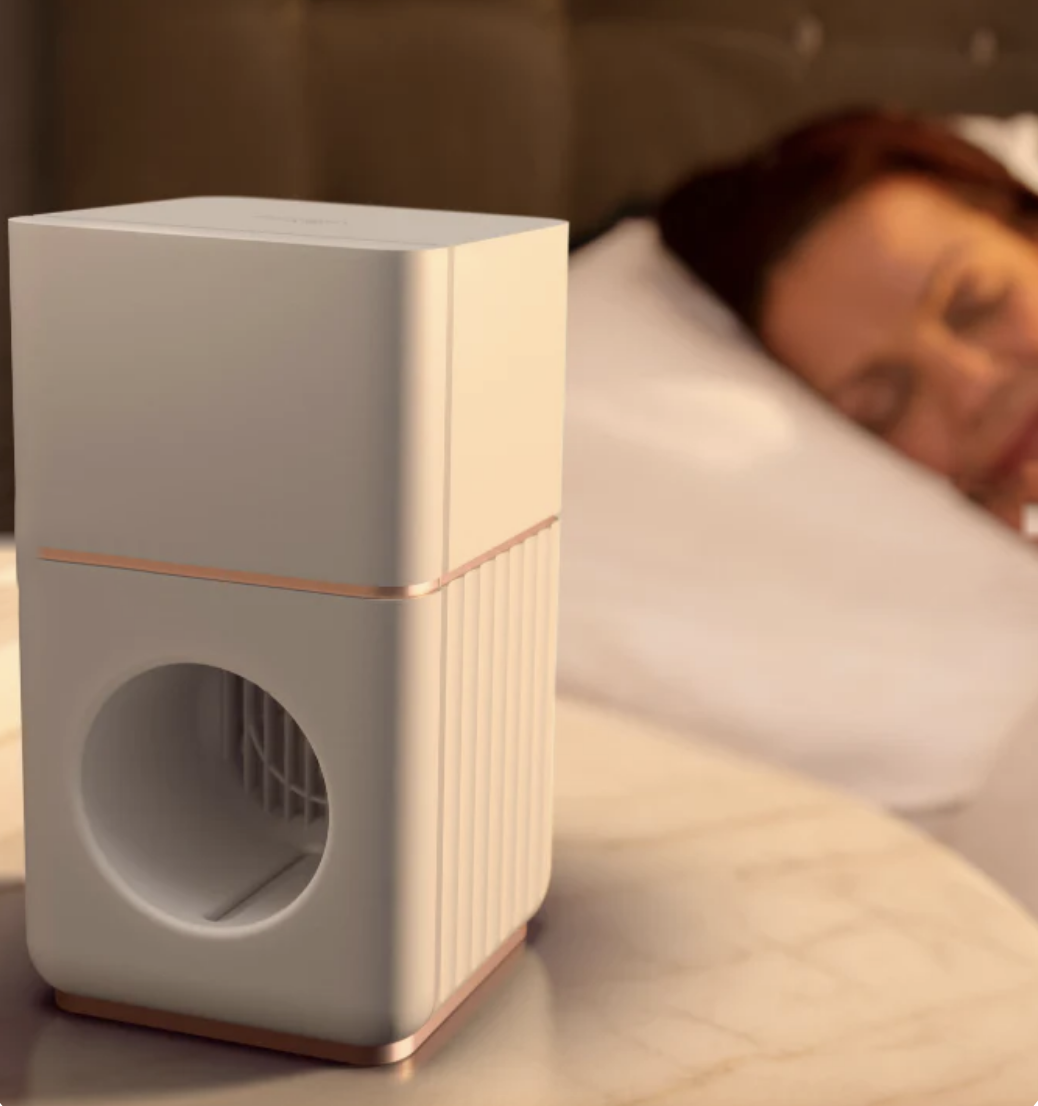
This technology aims to leverage exactly what we are speaking about in this newsletter. This fascinating device aims to enhance memory by pairing sensory stimulation via scent during sleep. Memory Air delivers 40 different scents, and each scent is presented twice per night, for a total of 80 scent exposures. The device begins about one hour after you fall asleep and runs its scent sequence over roughly 5.5 hours. I recently met the team behind the device at a functional medicine conference in West Palm Beach and had the opportunity to discuss the science with them in detail. Their work is grounded in a compelling body of neuroscience, and I came away impressed by the potential of the technology. I have not tried the device, but I’m eager to do so to see if any meaningful augmentation of memory and or sleep benefits. If I try it, I will report back.
humanOS Catalog Feature of the Week
Optimizing Sleep Course - Part of the Daily Performance Program
What if a better night were less about discipline and more about the right cues — the right light at the right time, the right temperature, the right scent on the pillow, the right wind-down for the kind of brain you happen to have? This course walks through the levers most worth pulling for sleep that actually restores you: circadian timing, sleep pressure, temperature, breathwork, and the surprising role of sensory input you don't have to consciously notice. Built for the curious adult who has tried everything and wants the science underneath.
If today's newsletter was worth your time, a Pro membership is what keeps it coming. Only $1.67 per newsletter!
Join here: Become a Member
Wishing you the best,