Newsletter #417
Sleep problems and mental health problems travel together. That has been clear for a long time. What's quietly being rewritten is which one is driving. A new perspective paper from Harvard's Nicholas Meyer and Frank Scheer at Brigham and Women's Hospital makes a strong case that disrupted sleep and a misaligned internal clock aren't downstream consequences of psychiatric illness. They're often part of what causes and maintains it. That reframing matters because it points to a treatment target sitting in plain sight.
New Feature: Newsletter Summaries ✨
The Sleep–Circadian Interface: A Window into Mental Disorders
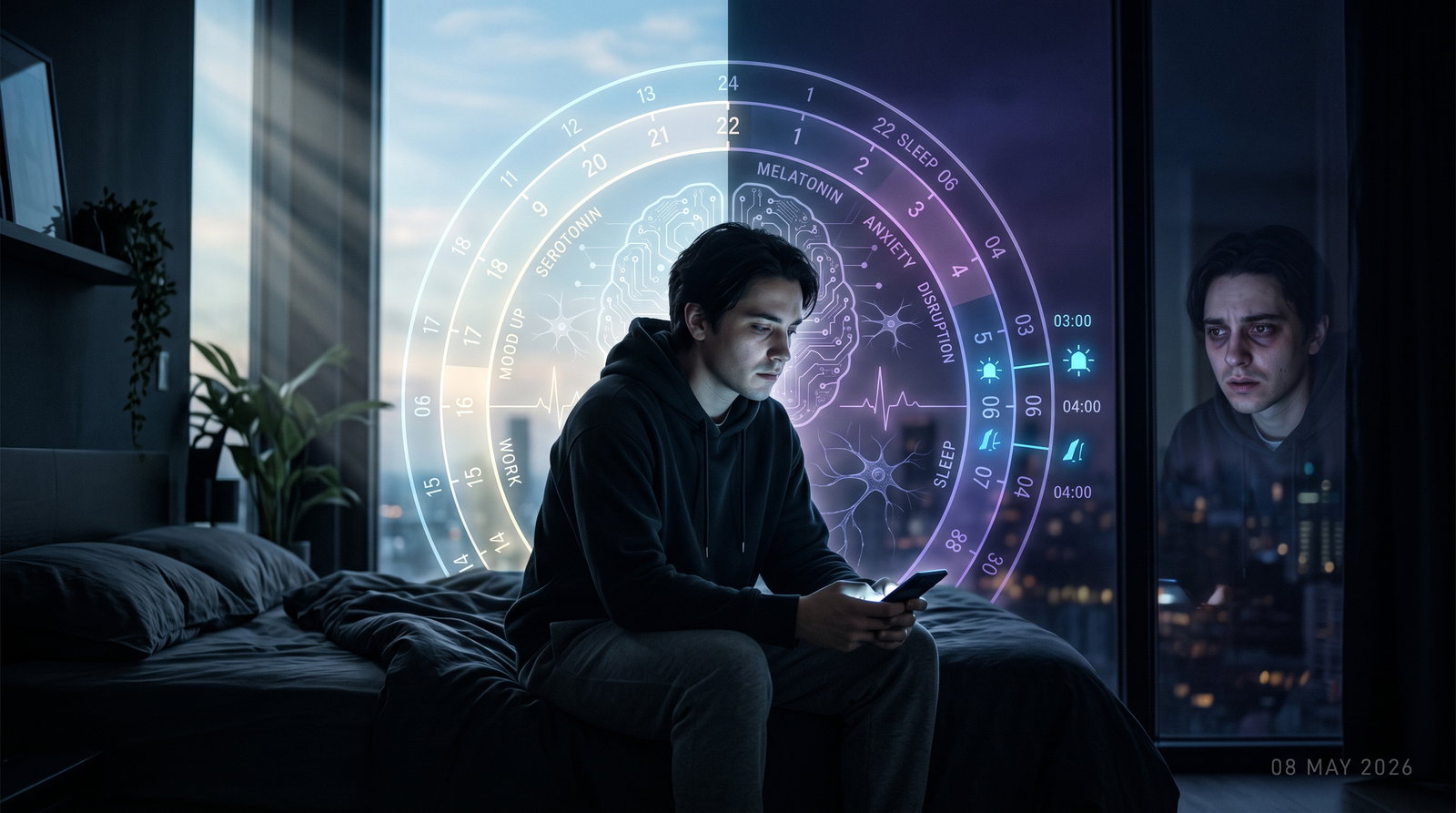
For most of psychiatry's history, sleep problems have been treated as a symptom. Something in the mind broke first, and poor sleep followed. The PNAS paper by Meyer and Scheer makes a strong case that this framing has it backwards, or at least is missing half the picture. Sleep disruption and a misaligned internal clock aren't simply downstream of mood, anxiety, and psychosis. They sit upstream. They help create the conditions for these disorders to emerge, and they keep them going once they do.
Which means treating the clock might be one of the more underused levers we have in mental health.
Two systems that have to agree
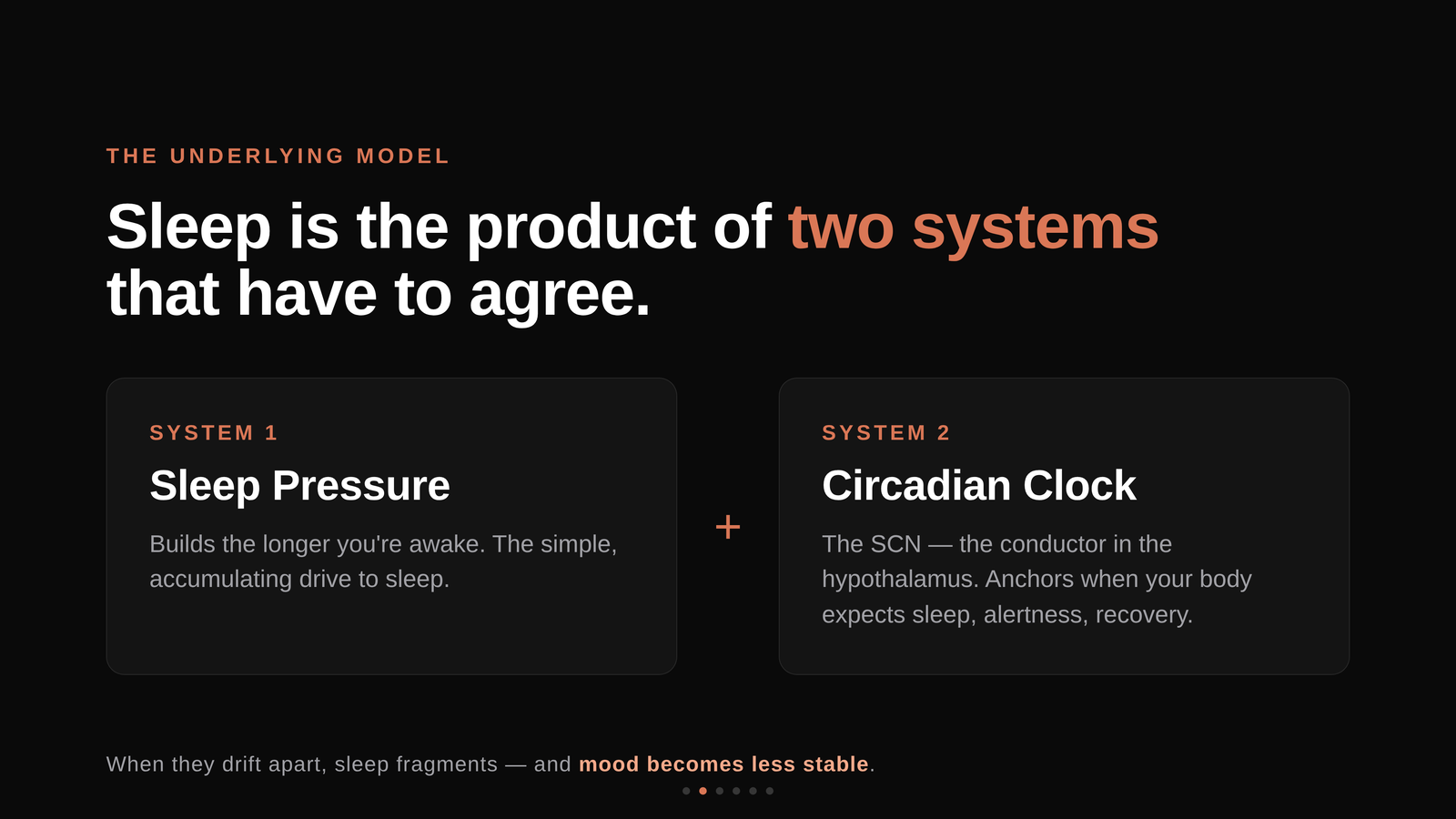
Sleep is the product of two systems that need to be in sync. The first is sleep pressure — the simple build-up of fatigue the longer you stay awake. The second is your circadian clock, a roughly 24-hour rhythm run out of a tiny structure in the hypothalamus called the suprachiasmatic nucleus (SCN). Think of the SCN as a conductor. It tells the rest of the body what time it is and when to expect sleep, alertness, hunger, and recovery.
When the conductor and the orchestra are aligned, sleep works. You feel tired at the right time, you sleep through, you wake up restored. When they drift apart, sleep gets fragmented and something deeper starts to shift. Mood becomes less stable. Recovery from emotional hits takes longer. The next stressor lands harder.
That misalignment can happen the obvious ways — shift work, jet lag — but more often it builds quietly out of what now constitutes normal living patterns: Inconsistent schedules with too little daylight and too much light at night.
Mood follows the clock
To pull these threads apart, researchers run something called forced desynchrony studies. Volunteers live on artificial schedules that deliberately break the alignment between their behavior and their internal clock. It is a clever way to see what each system is doing on its own.
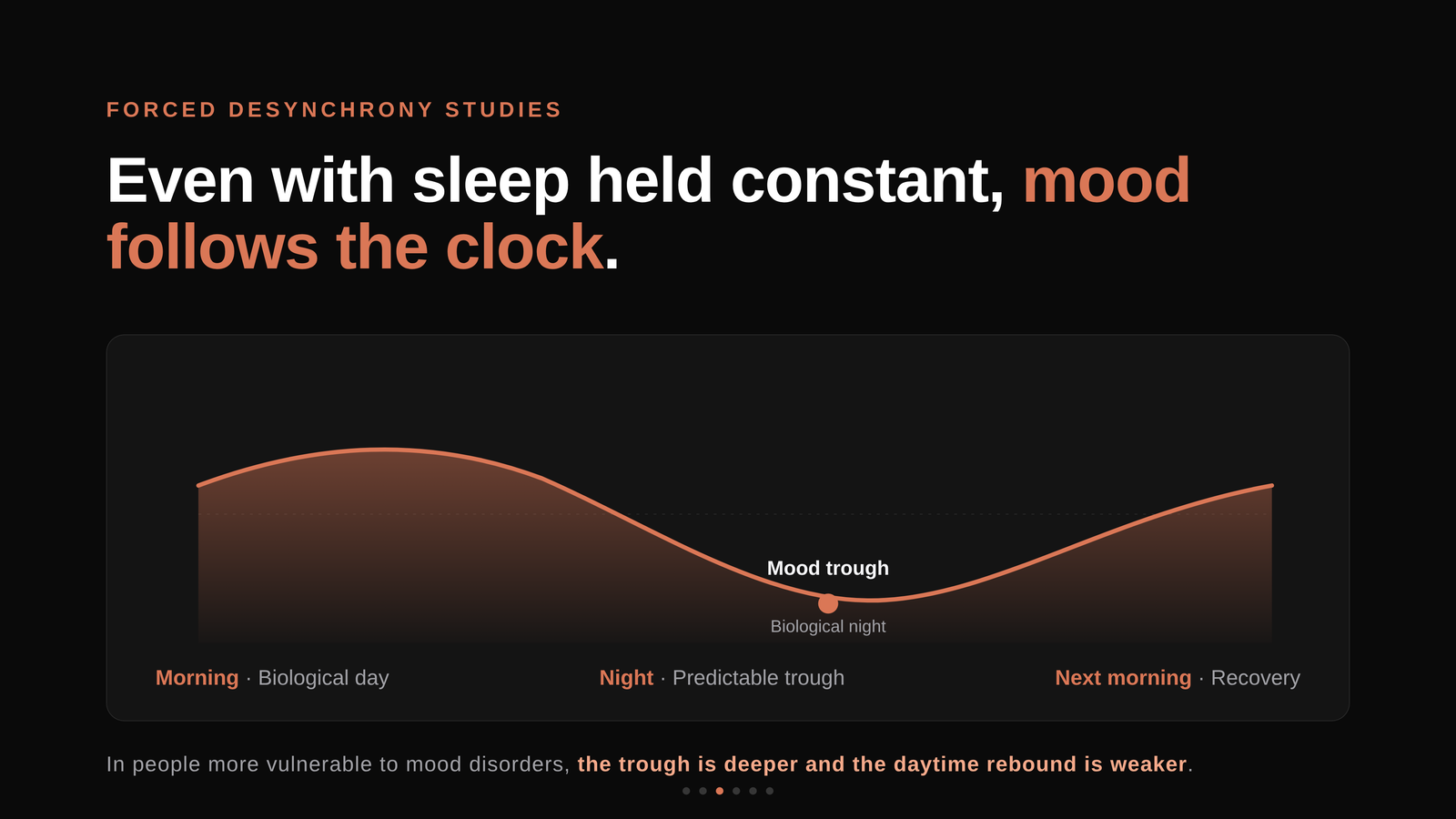
The pattern that keeps showing up is that mood follows the clock. Even when sleep is held constant, emotional state rises and falls with circadian phase, with a predictable trough during the biological night. In people more vulnerable to mood disorders, that trough is deeper and the daytime rebound is weaker.
That tells you something I keep coming back to. Your internal clock isn't just scheduling sleep. It is actively shaping how you feel across the day. If that clock is delayed, weakened, or unstable, you are moving through a different emotional landscape — one where negative states are more likely and harder to climb out of.
The timing of these disruptions is also striking. In bipolar disorder, in early psychosis, in the run-up to a first depressive episode, the sleep and circadian changes often show up first. Not riding along with the disorder, but leading it.
The clock has an input — and you can use it
If the clock matters this much, the obvious next question is what controls the clock. The answer is light.
Light is the primary signal that anchors your rhythm to the outside world. It travels from the retina to the SCN and resets the clock each day. It also reaches brain regions directly involved in mood regulation, which means it is pulling on both ropes at once.
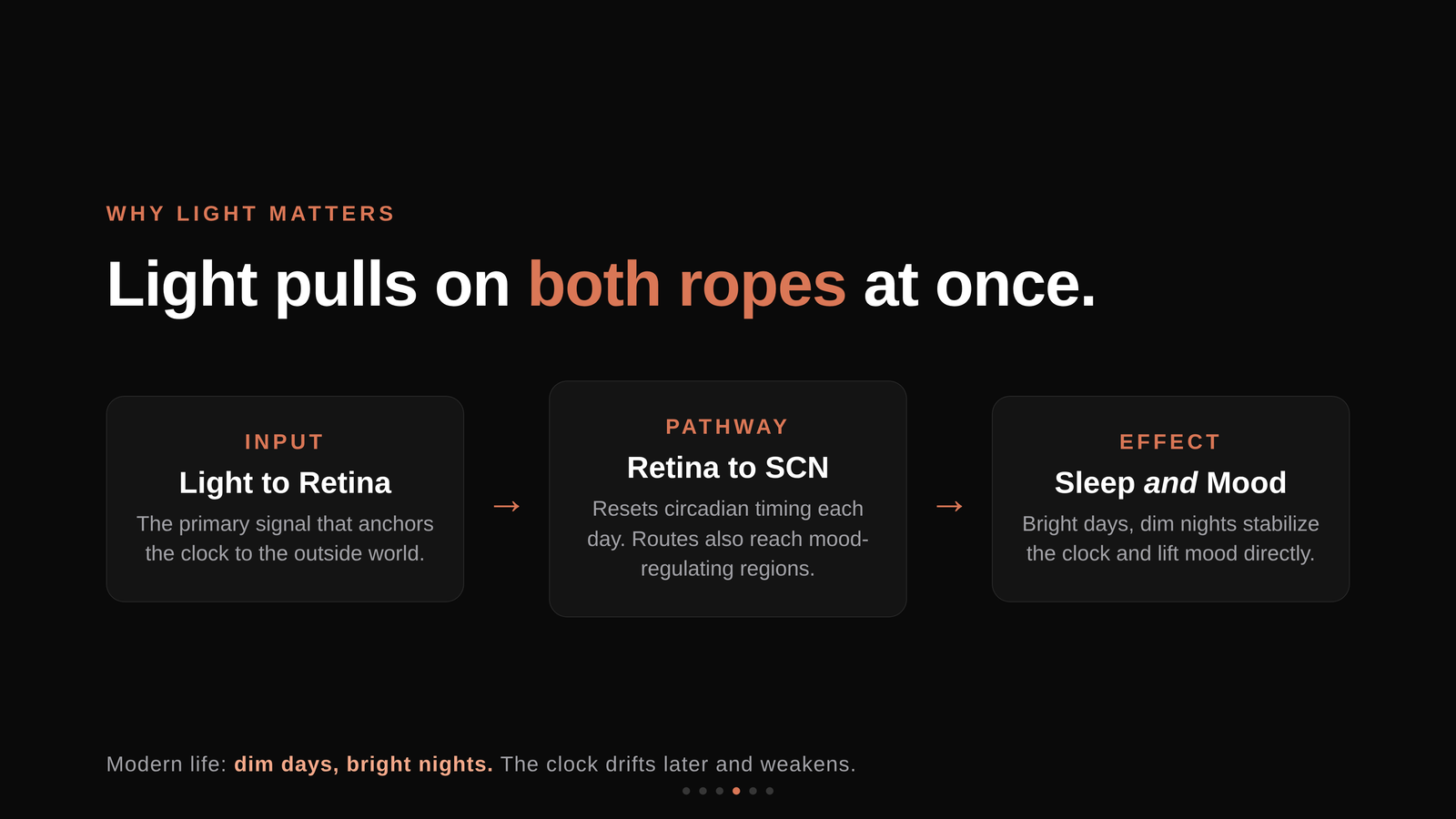
Modern life is more or less designed to disrupt this system. Most of us spend the day indoors under relatively dim light, then expose ourselves to bright artificial light well into the evening. That pattern pushes the clock later, weakens it, and widens the gap between when you feel ready for sleep and when your biology is ready for it.
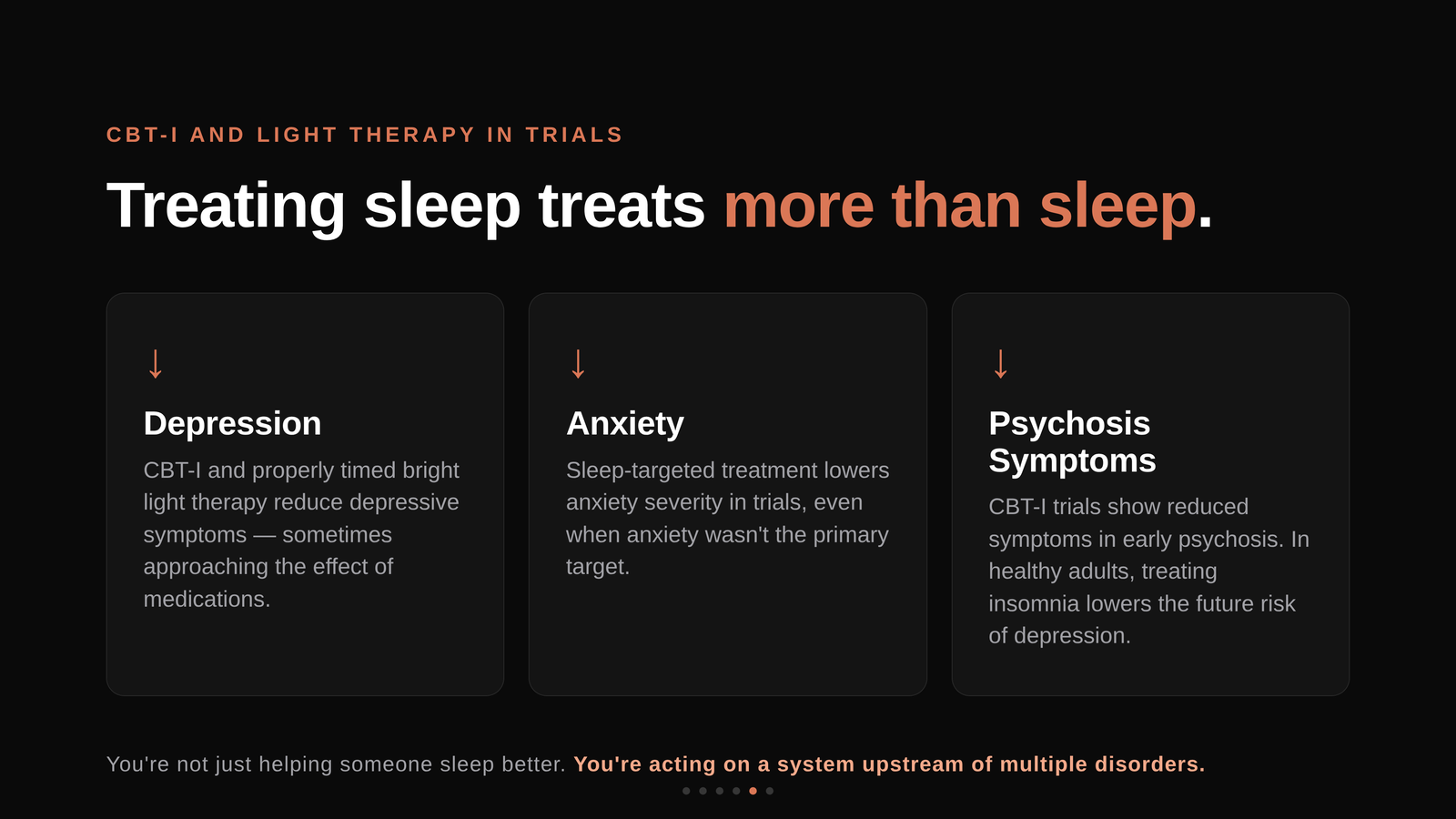
Here is the more interesting part. When you correct that input, the effects show up not just in sleep but in mood. Bright light therapy, used at the right time of day, has been shown to help seasonal depression, non-seasonal depression, and bipolar depression — sometimes approaching the effects of standard medications. Cognitive Behavioral Therapy for Insomnia (CBT-I), originally designed just to fix sleep, doesn't just fix sleep. In trials it has reduced depression, anxiety, and even symptoms of psychosis. In people who didn't yet have depression, it lowered the risk of developing it.
That is a different framing of what these treatments are doing. You're not only helping someone sleep better. You're acting on a system upstream of multiple psychiatric conditions.
The shift Meyer and Scheer are calling for is subtle but significant. Mental health isn't only about what is happening in your brain chemically. It is about when it is happening. Your brain runs on a daily rhythm that shapes mood, cognition, and resilience. When that rhythm is stable, it supports you. When it drifts, it creates the conditions where symptoms are more likely to emerge.
The hopeful part is that this is a system you can influence. Not perfectly, and not in isolation. But meaningfully. Stable sleep timing. Bright light during the day, dim light after sunset. Treating insomnia directly, the way you would treat any other condition that feeds something larger, rather than waiting for it to resolve on its own.
The authors aren't arguing that sleep replaces other psychiatric care. They're arguing that ignoring it costs us a treatment target sitting in plain sight.
Mental health isn't only about what is happening in your brain chemically. It is about when it is happening.
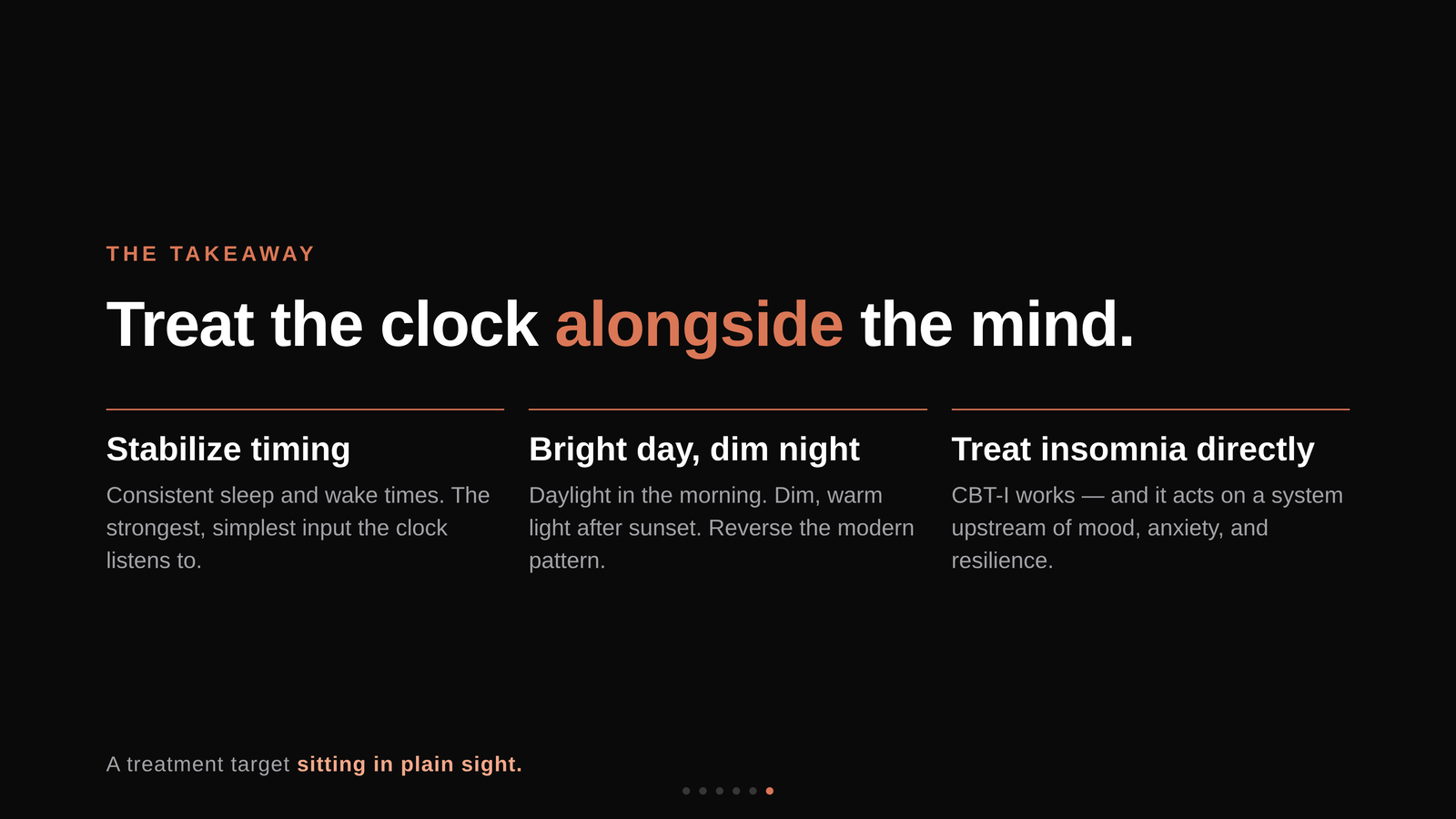
Summary: A major PNAS perspective by Harvard researchers Meyer and Scheer argues that sleep disruption and circadian misalignment are not merely symptoms of psychiatric illness — they are mechanistic drivers that help cause and maintain mood, anxiety, and psychotic disorders. The paper synthesizes evidence from forced desynchrony studies showing mood varies directly with circadian phase, epidemiological data revealing that 30–53% of insomnia patients have co-occurring mood disorders, genetic studies linking clock genes to psychiatric risk, and clinical trials demonstrating that sleep-targeted interventions like CBT-I and light therapy can directly reduce psychiatric symptoms. Between bright light therapy for depression (effective across seasonal and non-seasonal forms), CBT-I trials showing simultaneous improvement in sleep, depression, anxiety, and psychosis, and emerging chronotherapeutic frameworks like TranS-C, the authors argue that the sleep-circadian interface represents one of psychiatry's most powerful — and most underutilized — treatment targets. Their call to action: integrate sleep and circadian assessment into standard psychiatric care, and treat the clock alongside the mind.
Random Trivia & Weird News
The Suprachiasmatic Nucleus Is Smaller in Depression
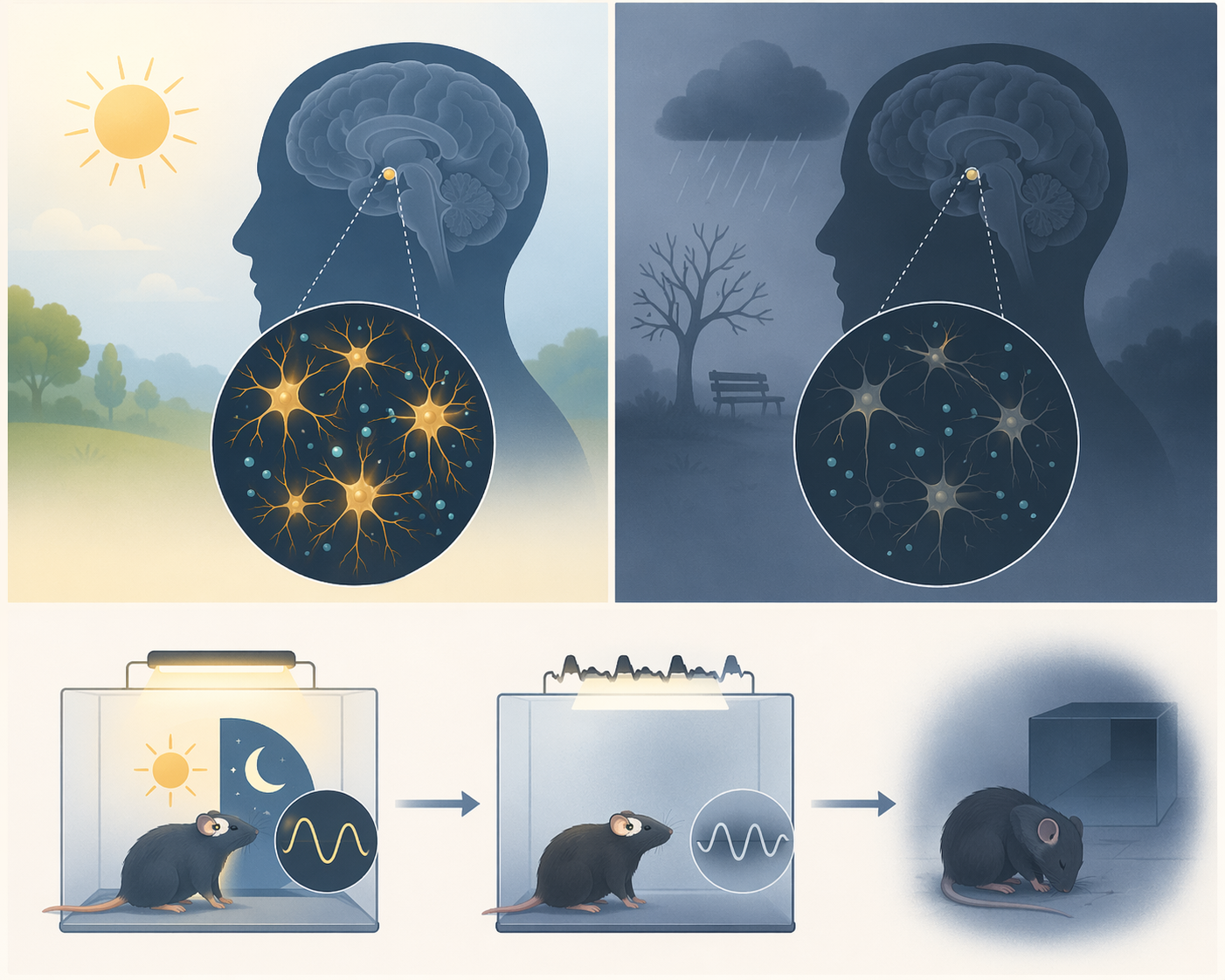
Post-mortem brain studies have found that the suprachiasmatic nucleus — the tiny hypothalamic structure that serves as the body's master clock — shows reduced neuronal activity and altered neuropeptide expression in people who had major depression. Animal studies confirm this: disrupting SCN rhythms in rodents produces depression-like and anxiety-like behaviors. Your master clock isn't just keeping time — it's actively protecting your mental health.
Podcasts We Loved This Week
- Russell Foster: The Biology of Sleep & Your Circadian Rhythm via Feel Better, Live More
- Dr. Greg Potter: What Time is It? How to Navigate Shift Work, Jet Lag, and Changes to Your Circadian Rhythms via The Whoop Podcast
Products We Are Enjoying
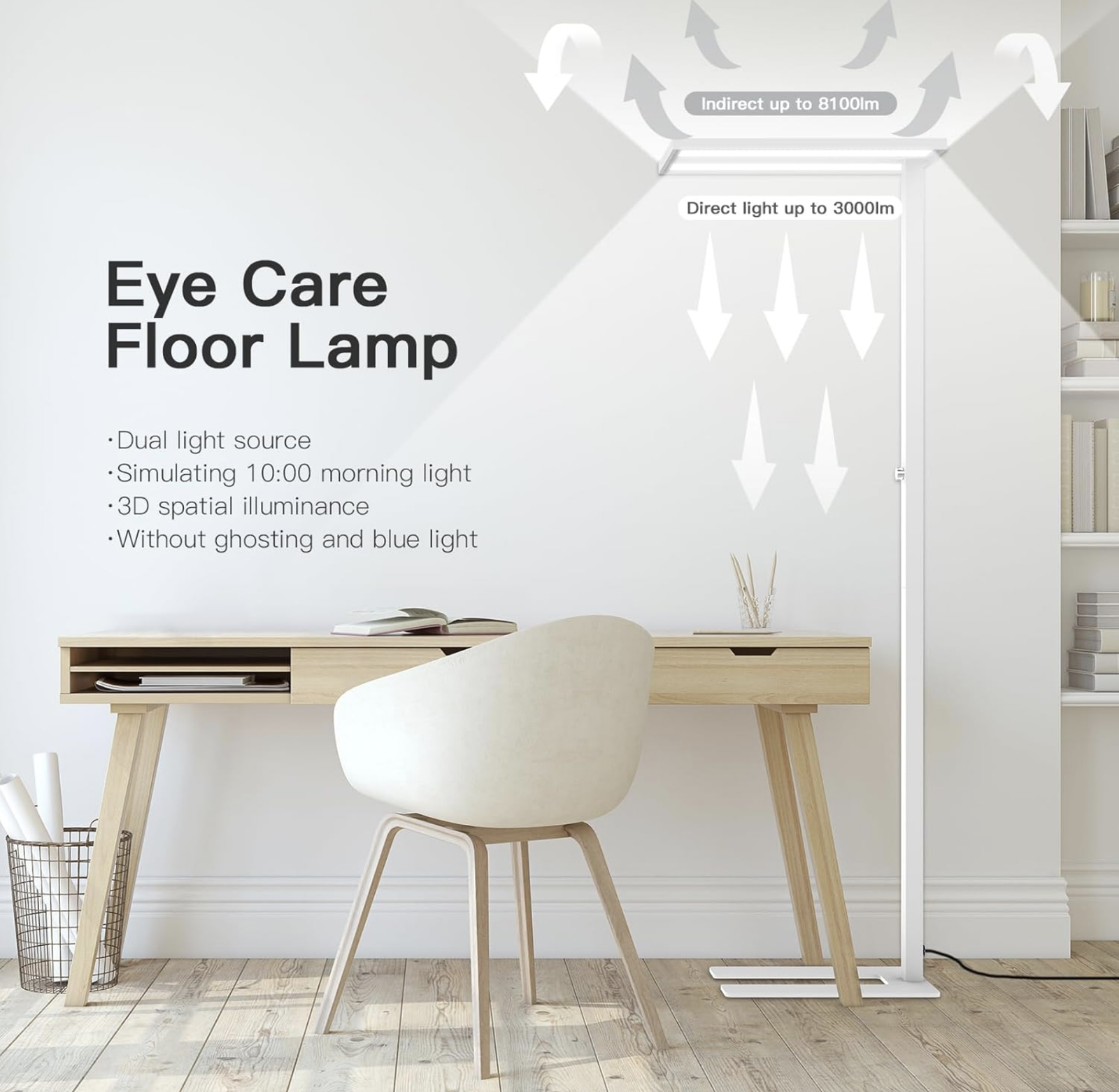
Sterren Deck Lamp
I added this dual-source floor lamp to my office, and it fundamentally changed my daily lighting environment. Before, even with all lights on, I was working under 250 lux—well below what supports sustained focus. With this lamp, I’m now operating closer to 1,000 lux, which feels like a completely different workspace. The combination of downward direct light and upward reflected light fills the room evenly, eliminating the dim, uneven patches that used to strain my eyes. It’s not just brighter—it’s more usable light. The high color rendering makes everything look more natural, and the absence of flicker or glare reduces fatigue over long work sessions. I also appreciate the simple dimming control, which lets me fine-tune intensity depending on the time of day. Overall, it’s shifted my office from a low-light, energy-draining environment to one that supports clarity, focus, sustained productivity, and circadian alignment.
humanOS Catalog Feature of the Week
The Body Clock
Want to go a little deeper? If you found this article illuminating, our Body Clock course might prove to be useful to you.
It unpacks the science of circadian rhythms — how they influence your sleep, immune system, metabolism, and mental health — and provides actionable strategies to keep your internal clock on time in a world that constantly pushes it off track.
To Access:
- Log in to humanOS.
- Click Mini-courses in navigation on the left-hand side
- Scroll down to Body Clock (all the way at the bottom, in the center)
Also, you can search “body clock” in the search field after you’ve logged in:
Wishing you the best,