
Newsletter #416
How fast are you actually aging? Some people in their 70s look and function like they're 50, while others have already taken on the burden of multiple chronic illnesses. For decades, researchers have hunted for blood tests, body measurements, and other biomarkers that might capture this hidden velocity — markers that could tell us, today, who is on track for a long, healthy life and who is heading for trouble. A new study from the Berlin Aging Study II just put 14 of the leading candidates head-to-head in the same cohort. The result is one of the cleanest looks we've had at which biomarkers actually earn the title "biomarker of aging."
If these newsletters are a regular part of how you stay informed on health and longevity, consider supporting the work with a Pro membership. $19.99 per quarter — about $1.67 per issue, less than a coffee tip.
Join here: Become a Member
Review Your Learnings: Newsletter Summaries ✨
Comparing Fourteen Consensus Biomarkers of Aging: Epigenetic Pace of Aging as the Strongest Predictor of Mortality in BASE-II
We measure many things in medicine. Cholesterol. Blood pressure. Inflammation. Each one tells us something useful, but none of them tells us the thing we really want to know: how fast is this body aging?
That question has obsessed gerontologists for decades. If you could measure biological age — not chronological age — you could see whether someone in their 60s is on a trajectory toward 100 healthy years or toward an early decline. You could also test whether interventions actually slow aging, instead of waiting 30 years to see who dies first.
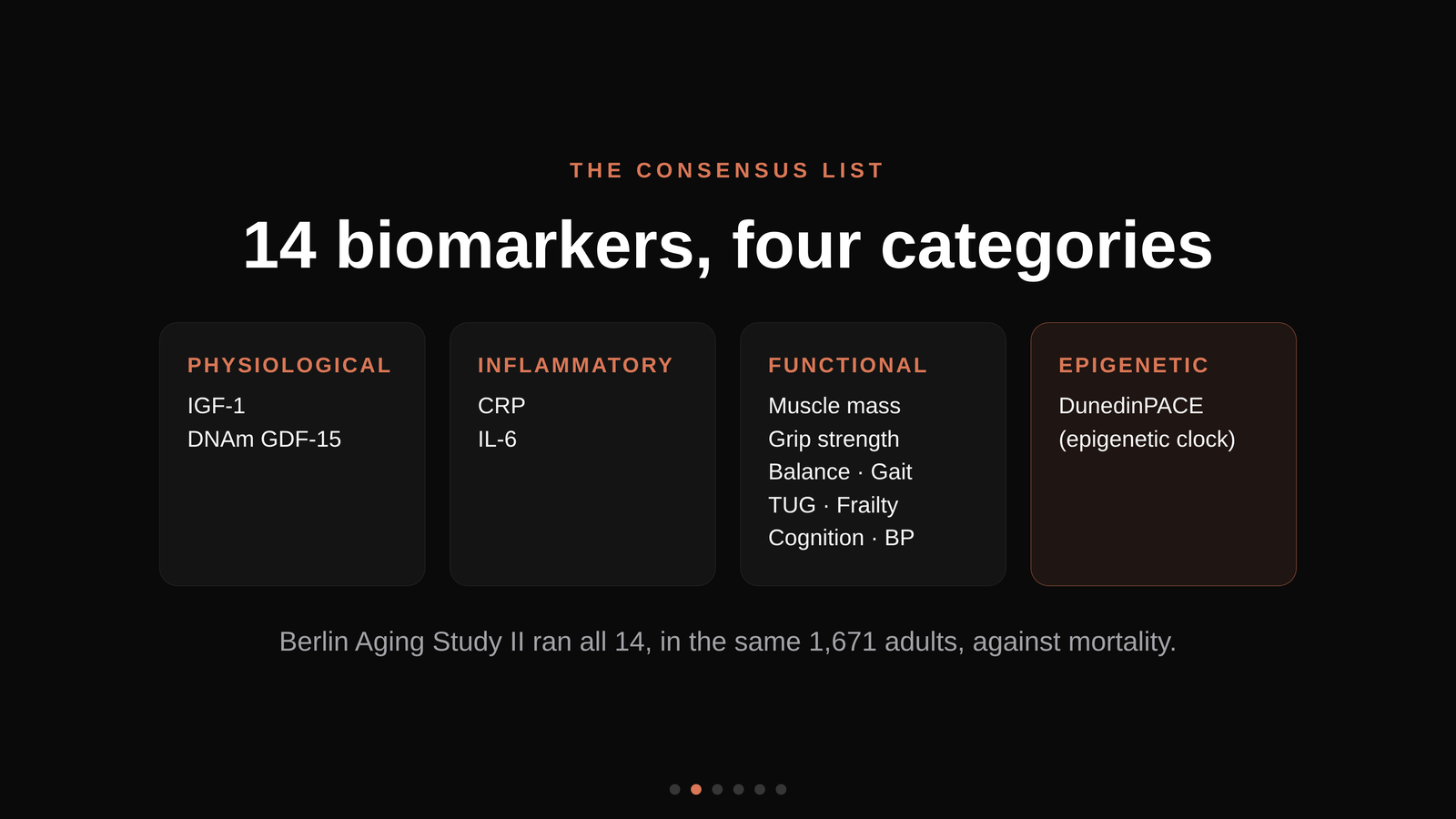
The hard part has been agreement. There are dozens of candidate biomarkers, and most studies only test a few at a time, in different populations, using different methods. So in 2025 a global expert panel ran a Delphi consensus and narrowed the field to 14 biomarkers worth using as outcome measures in anti-aging intervention trials. They span four categories: physiological (IGF-1, growth differentiation factor 15), inflammatory (CRP, IL-6), functional (muscle mass, hand grip strength, Timed-Up-and-Go, gait speed, standing balance, frailty phenotype, cognitive performance, blood pressure), and epigenetic (epigenetic clocks).
What no one had done was put all 14 to the same test, in the same cohort, against the most important hard outcome of all: mortality.
One Cohort, Fourteen Biomarkers
The Berlin Aging Study II (BASE-II) is exactly the kind of dataset built for this question. It enrolled 1,671 Berliners aged 60 to 80 between 2009 and 2014. At baseline, researchers measured everything — strength, balance, cognition, blood markers, epigenetic clocks. Then they followed participants for up to 16 years. By October 2025, 316 had died.
The team — led by Valentin Vetter at Charité in Berlin — ran each biomarker through Cox regression models predicting all-cause mortality. The first models adjusted only for age and sex. The second added the obvious confounders: alcohol intake, smoking, physical activity, and genetic ancestry. They also looked at cause-specific mortality (cardiovascular, cancer, neurological), and ran a feature-selection algorithm to ask which combination of biomarkers actually predicts best.
This is the first study to do all of that on the consensus list, in the same people, at the same time.
What Survived the Test
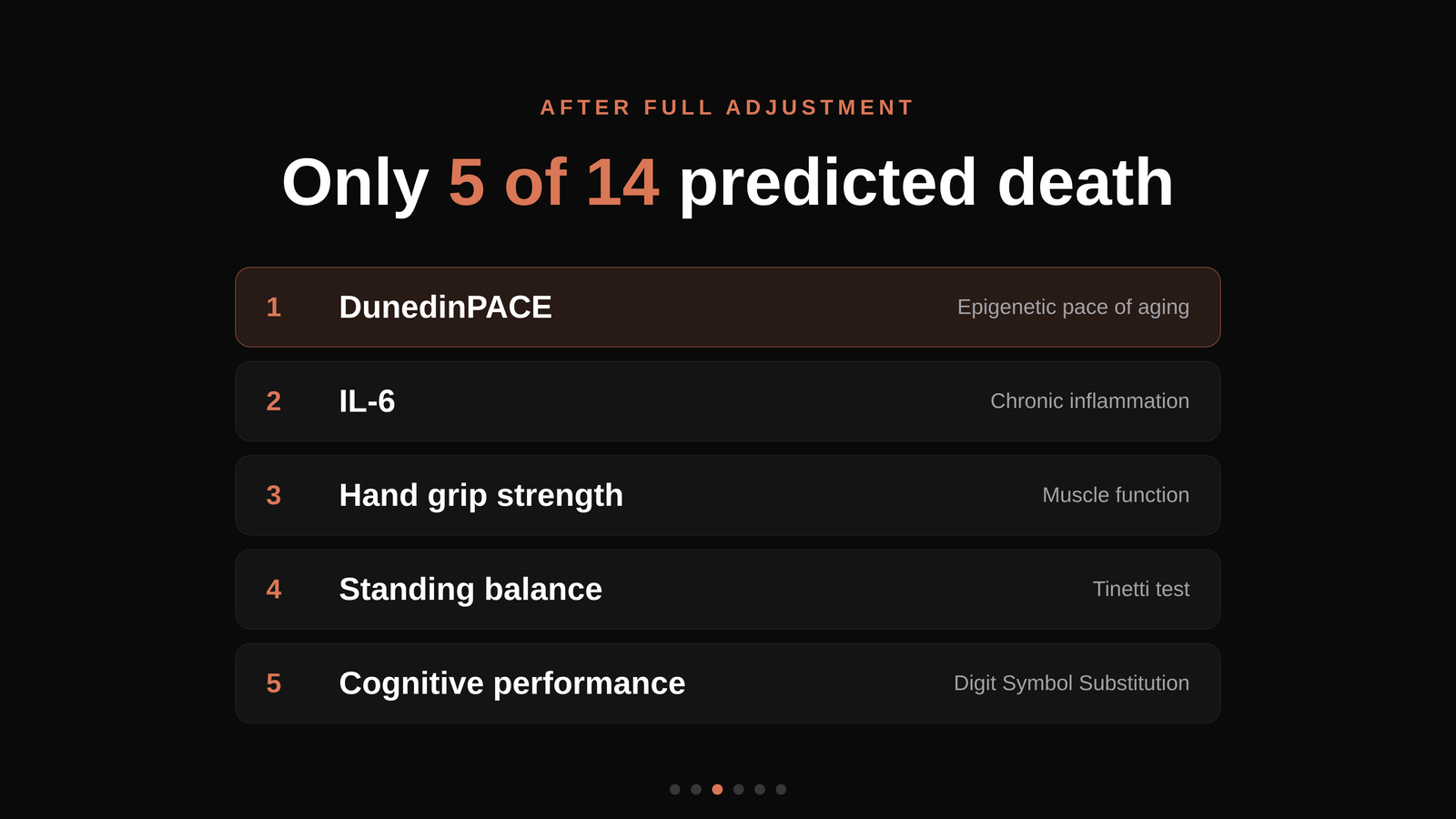
Once the analysis was fully adjusted, only five of the 14 biomarkers significantly predicted all-cause mortality:
- The epigenetic pace-of-aging clock, DunedinPACE
- Interleukin-6 (a chronic-inflammation marker)
- Hand grip strength
- Standing balance (Tinetti test)
- Cognitive performance (Digit Symbol Substitution Test)
Several familiar names did not make the cut. CRP, blood pressure, gait speed, IGF-1, muscle mass, frailty phenotype, the Timed-Up-and-Go test, and DNAm-derived GDF15 were not statistically associated with mortality after adjustment. That isn't the same as saying they don't matter — small effects are easy to lose in a moderate-sized cohort, and these markers may track other meaningful outcomes like disability or quality of life. But for predicting who lives and who dies, the signal wasn't there.
And among the five that did survive, one biomarker stood clearly above the rest.
Why DunedinPACE Was the Strongest Predictor
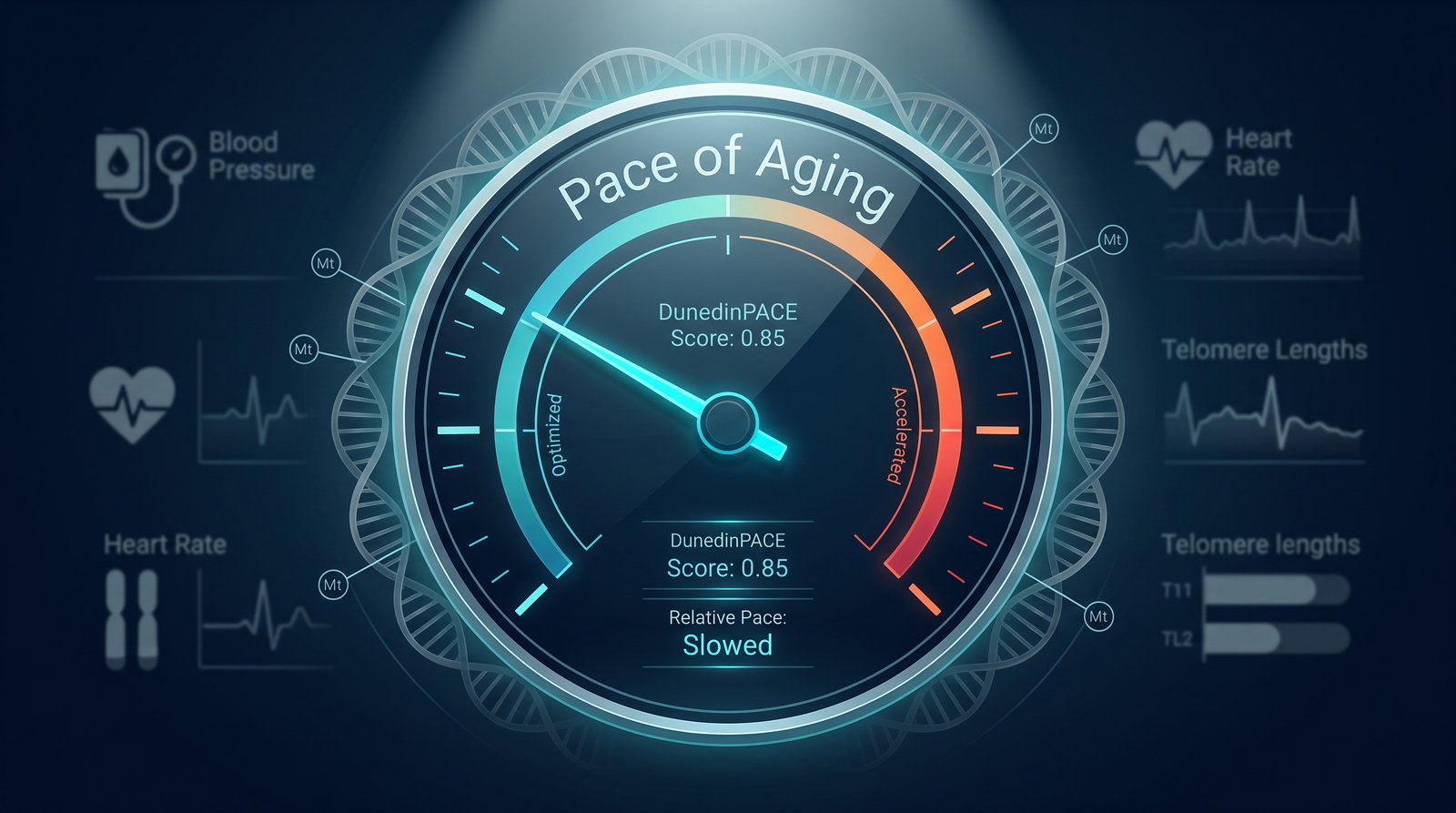
DunedinPACE is unusual among epigenetic clocks. Most clocks (Horvath, Hannum, GrimAge) try to estimate your biological age — a single number meant to compare with your chronological age. DunedinPACE does something different. It estimates the rate at which your body is aging right now, expressed as years of biological aging per chronological year. A score of 1.0 means you're aging at the population pace. A score of 1.2 means you're aging 20 percent faster than your peers.
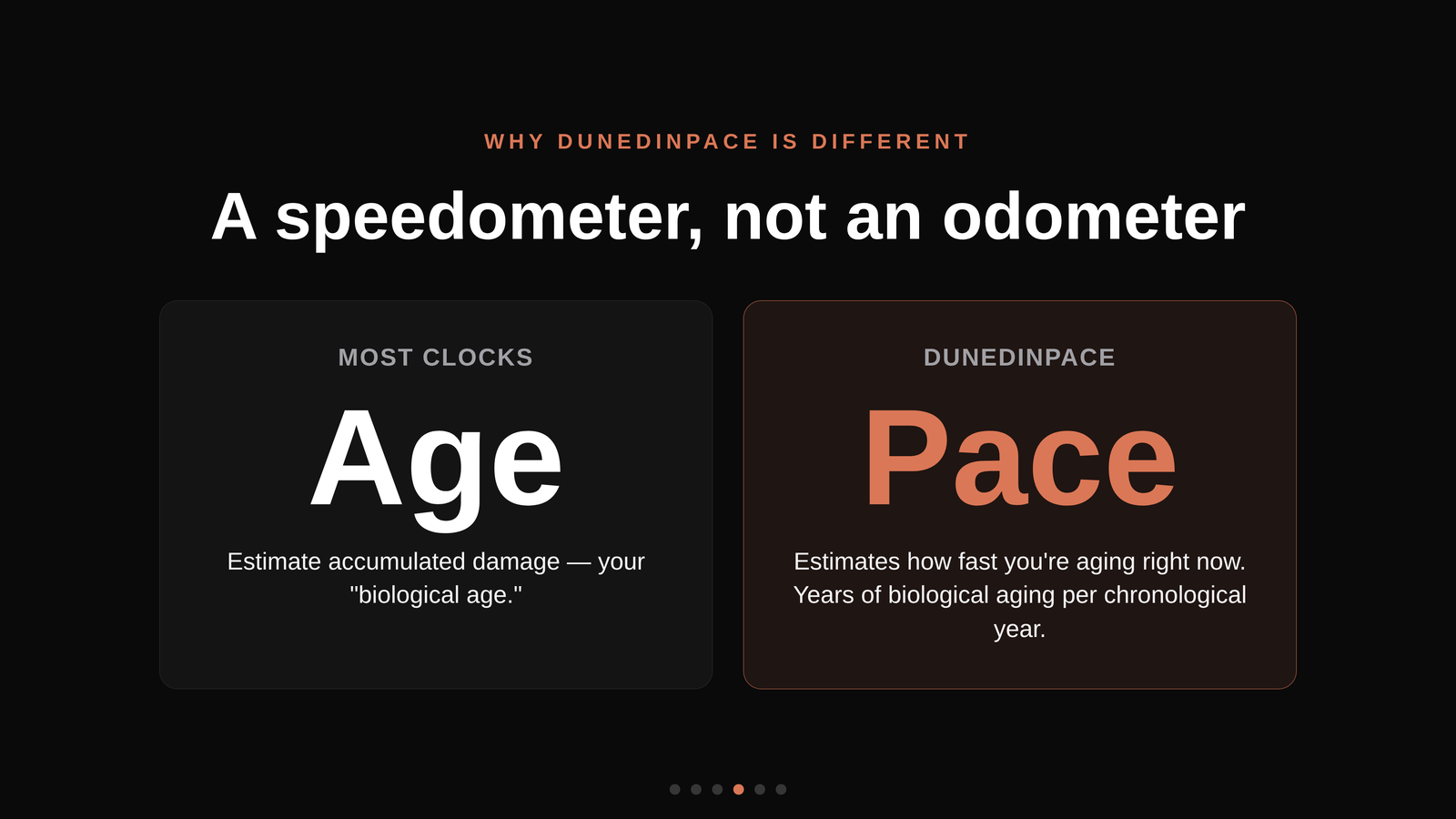
That distinction matters. A speedometer is more actionable than an odometer. If an intervention works, your pace can come down quickly, even if your accumulated damage is still there.
In BASE-II, every standard-deviation increase in DunedinPACE was associated with a meaningfully higher hazard of death. The effect held in subgroup analyses for cardiovascular deaths, cancer deaths, and neurological deaths — the three most common causes in the cohort. Of the other epigenetic clocks the team tested, only GrimAge showed a residual effect after adjustment, and GrimAge was originally trained to predict mortality in the first place.
The Three-Marker Minimum
Perhaps the most practically interesting result came from the feature-selection step. When the algorithm asked, "What is the smallest combination of biomarkers that predicts mortality almost as well as the full set of 14?" — the answer was three: DunedinPACE, muscle mass, and standing balance.
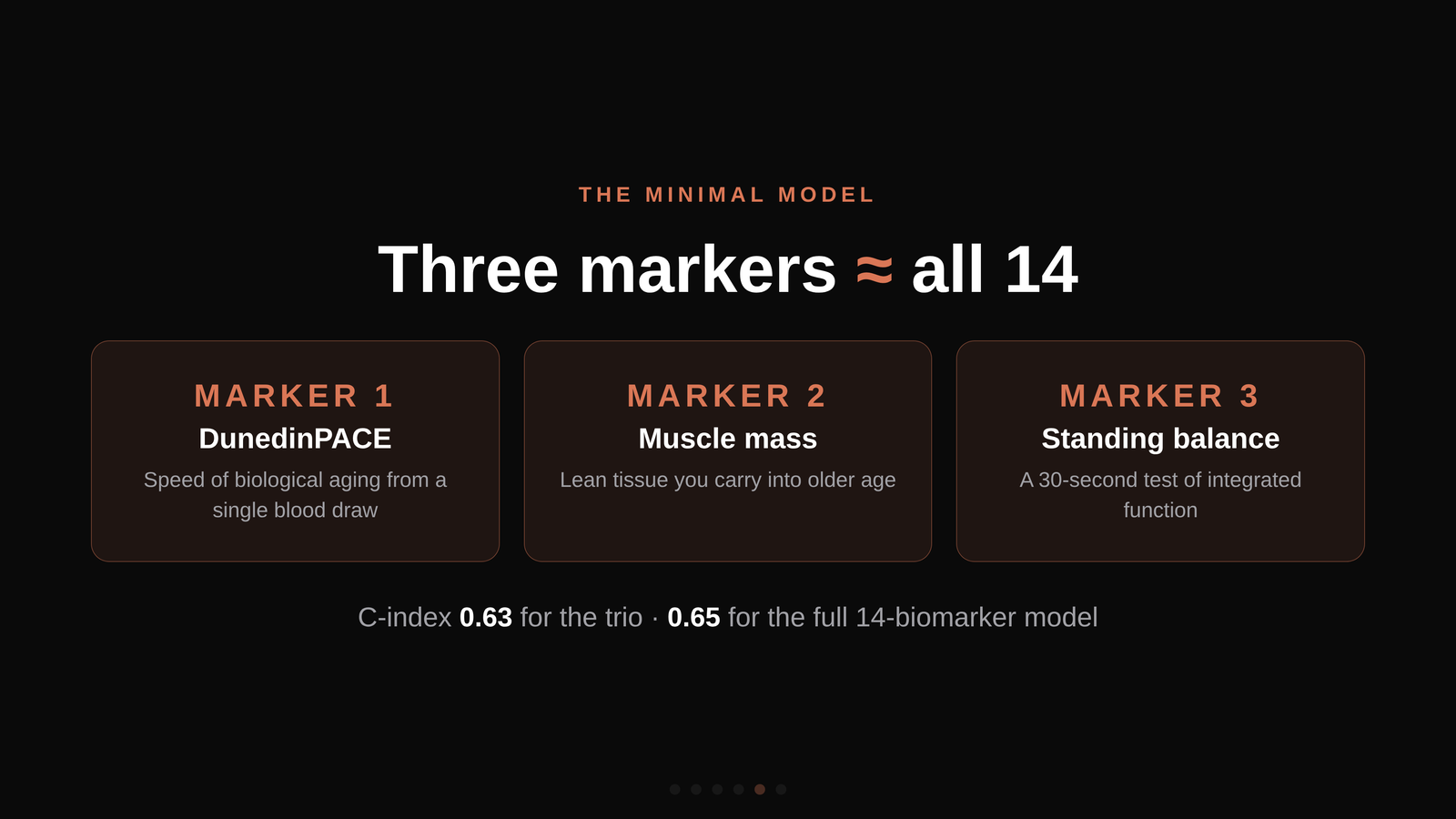
That trio achieved a C-index of 0.63 — barely below the full 14-biomarker model's 0.65. In other words, twelve of the consensus biomarkers, while individually meaningful, were largely redundant once you knew someone's pace of aging, their lean mass, and their ability to stay upright.
Most of the prognostic information in this whole field appears to be carried by a small number of very different signals: how fast the methylome is aging, how much muscle a person carries, and how well they can stay balanced.
What This Means
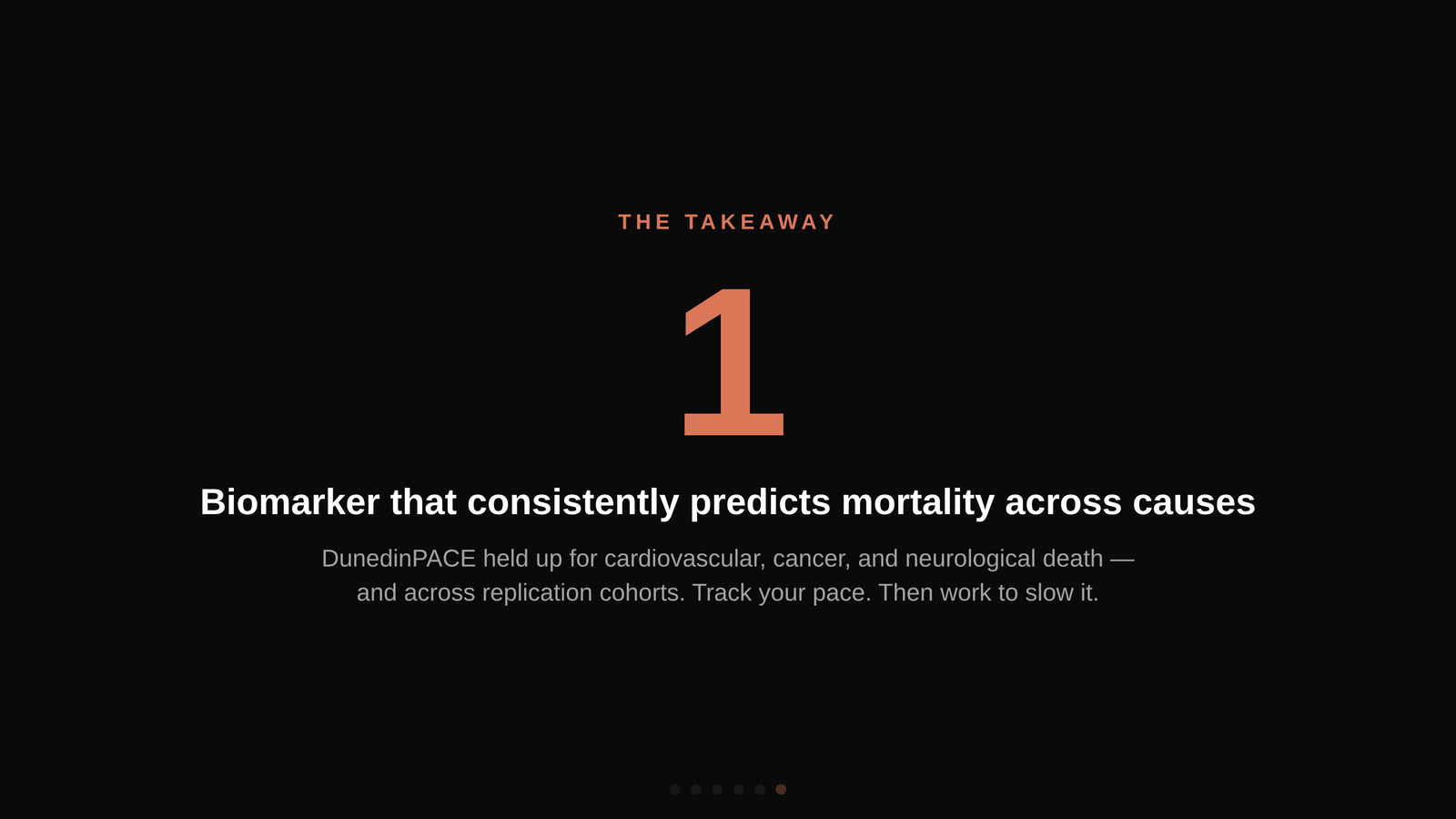
The part I keep coming back to is that we already have one biomarker that probably belongs in every serious longevity protocol. DunedinPACE is the only marker in this study that consistently predicted death across causes, across confounder models, and across replication cohorts cited by the authors. It is also the only one that doesn't require you to lose the function it measures before it gives you a signal.
If you're going to track one biomarker of aging in the next year, this is the one. Pair it with a measure of muscle mass and a thirty-second standing-balance test, and you have a remarkably good summary of how well you're aging — using a fraction of the metrics most clinics still rely on.
Limitations
This was an observational study in a relatively healthy older population, so absolute effect sizes may understate what we'd see in less healthy cohorts. The cause-of-death subgroup was small (n=185). And the 14-biomarker list is itself just a snapshot — newer markers, especially proteomic and multi-omic clocks, weren't part of the consensus.
But the direction is clear. After decades of looking, the field has its best single biomarker of aging yet. The next question is the obvious one: how quickly can we change it?
Summary: Researchers compared 14 expert-consensus biomarkers of aging in the Berlin Aging Study II, a cohort of 1,671 adults aged 60 to 80 followed for up to 16 years. After adjusting for age, sex, lifestyle, and ancestry, only five markers significantly predicted all-cause mortality: hand grip strength, IL-6, standing balance, cognitive performance (DSST), and the epigenetic pace-of-aging clock DunedinPACE. DunedinPACE produced the strongest and most consistent effect, holding up across deaths from cardiovascular disease, cancer, and neurological causes. Many familiar markers — CRP, blood pressure, gait speed, IGF-1, muscle mass, frailty phenotype, Timed-Up-and-Go, and DNAmGDF15 — did not reach significance once confounders were controlled. A minimal three-marker model (DunedinPACE + muscle mass + standing balance) matched the predictive accuracy of all 14 combined. The study positions DunedinPACE as the leading single readout for biological aging in intervention trials.
Random Trivia & Weird News
Telomeres Don’t Tell A Clear Story
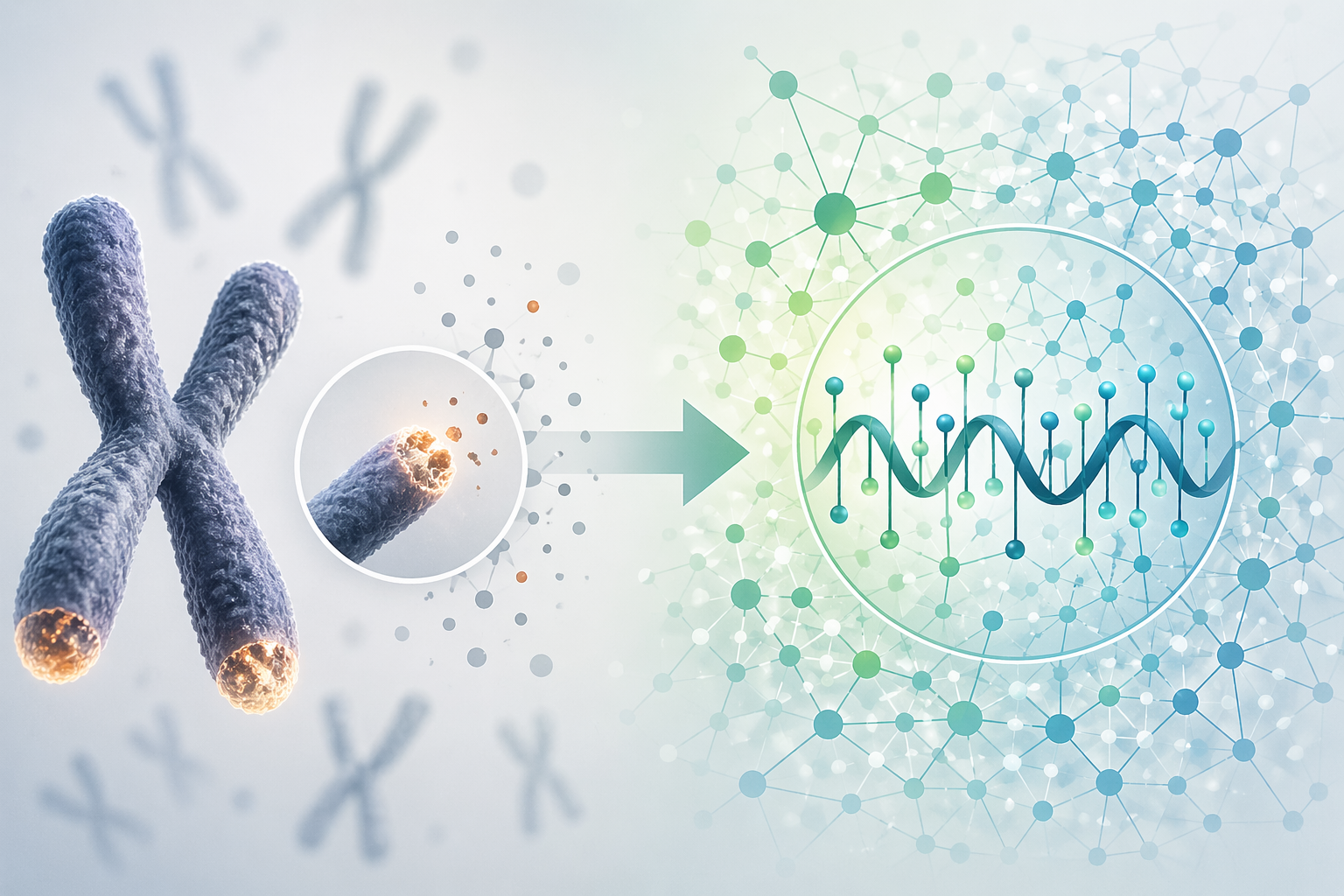
For two decades, telomere length was the celebrity biomarker of aging. Shorter caps on your chromosomes, shorter life. The relationship turned out to be real but messy — telomere length varies wildly between cells and reacts to short-term stress, infection, and even time of day. In the new BASE-II head-to-head, telomere length wasn't even on the consensus list. Newer markers like DunedinPACE incorporate telomere-related signals along with hundreds of other methylation sites, producing a steadier reading of your underlying aging rate.
Podcasts We Loved This Week
- Dominique Sachse: Aging Well, HRT, and Building Muscle After 50 via The Dr. Gabrielle Lyon Show
- Rhonda Patrick: Aliquot #145: How to Protect Immune Function With Age via FoundMyFitness
Products We Are Enjoying
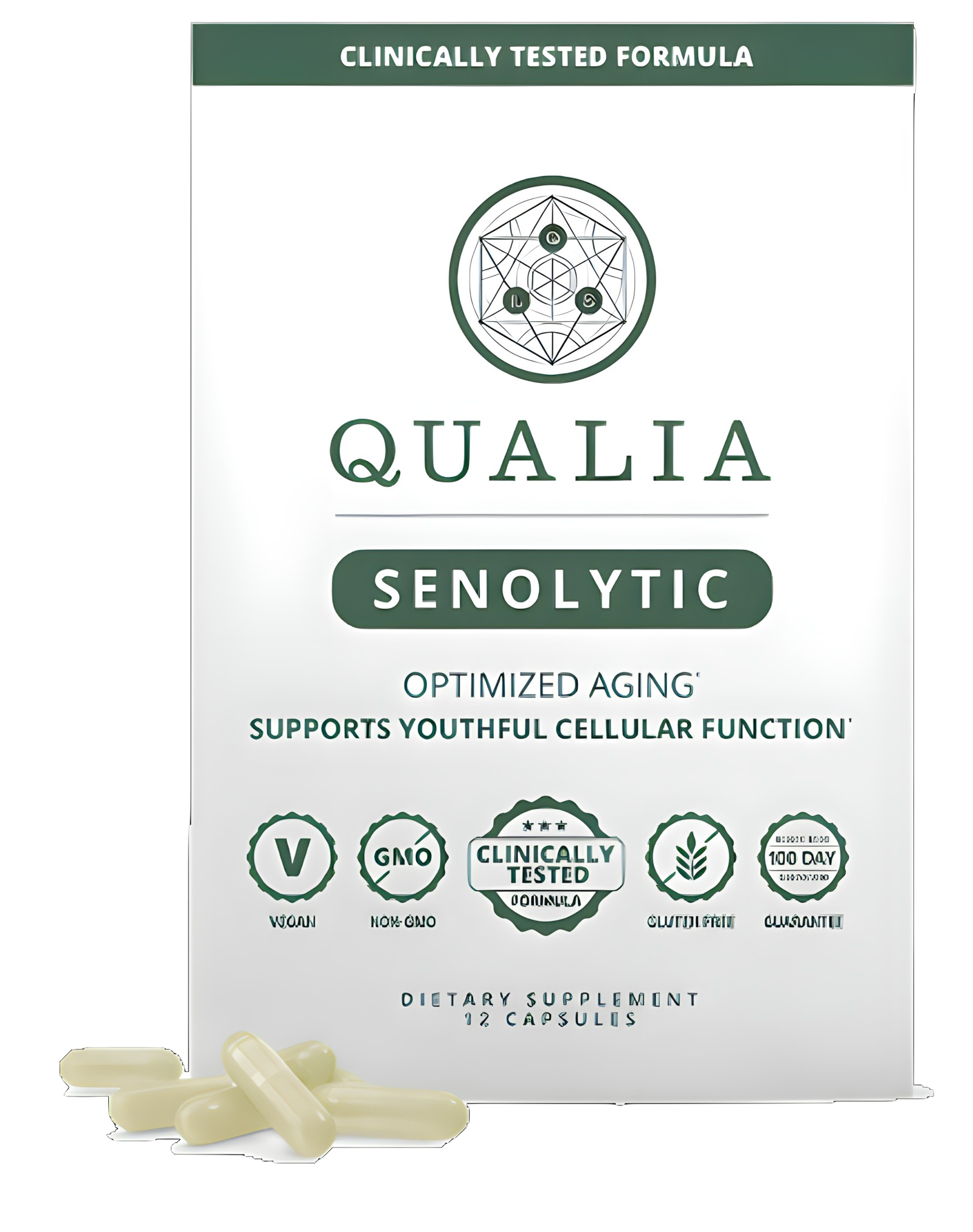
Qualia Senolytic
Qualia Senolytic is a 2-day, twice-monthly formula designed to support the body's natural clearance of senescent cells — the worn-out, inflammation-spewing cells that accumulate with age and contribute to many of the things this study measures, including loss of muscle, cognitive decline, and cardiovascular risk. It combines nine plant-derived compounds, including fisetin, quercetin, and curcumin, that have shown senolytic activity in published research.
humanOS Catalog Feature of the Week
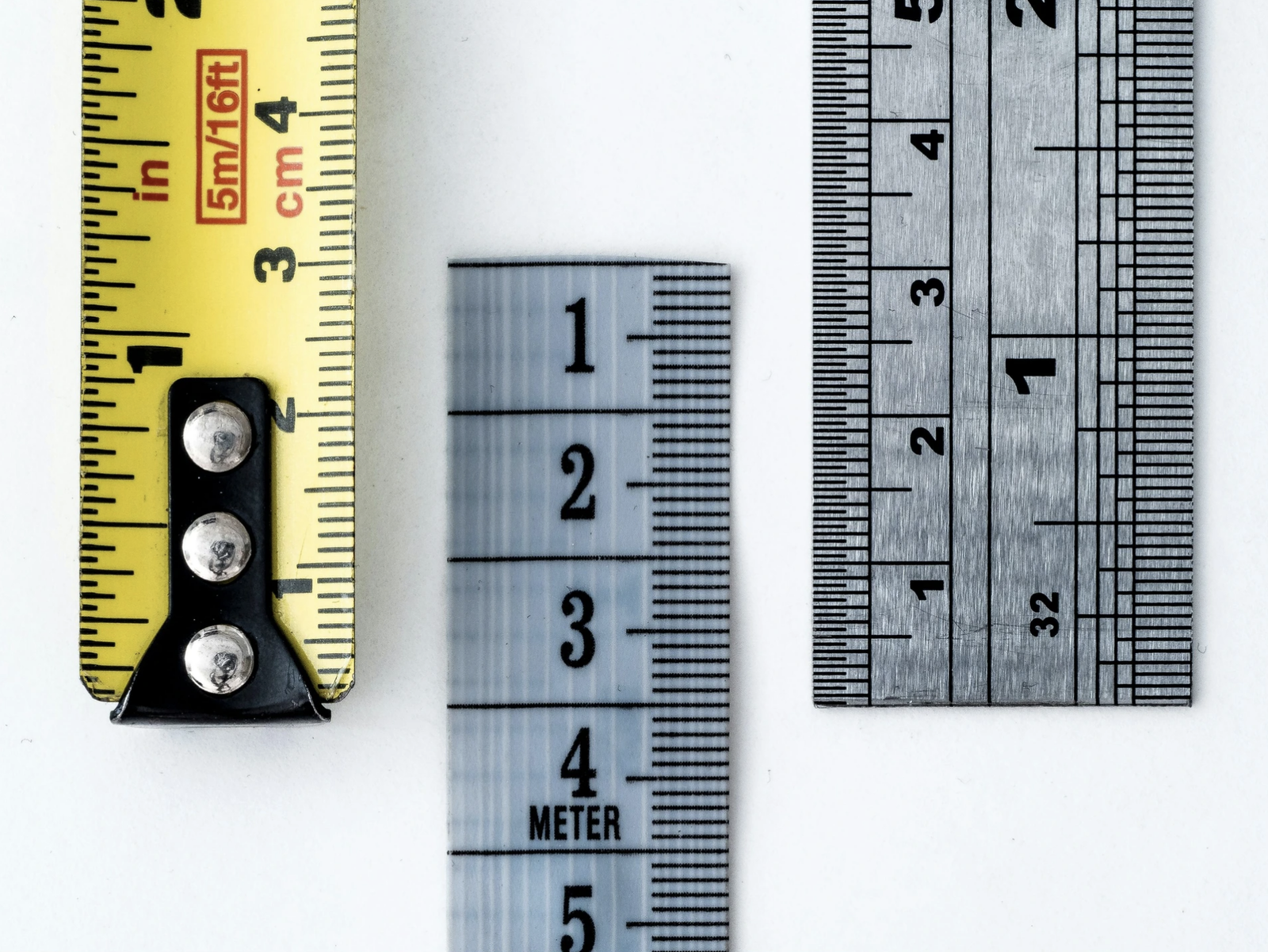
Testing Biological Age and the Pace of Aging. Podcast with Hannah Went
What if your age isn’t what you think it is? This episode and companion article explore a fast-moving frontier that challenges how we define aging, measure health, and evaluate whether interventions actually work. New tools promise to track changes beneath the surface, offering a different lens on risk, resilience, and progress over time. But how reliable are they, and what do they really tell you? Through a conversation with a leader building at the edge of this space, you’ll get a clearer sense of what’s emerging, what’s still uncertain, and why this shift could reshape how you approach longevity.
If today's newsletter was worth your time, a Pro membership is what keeps it coming. Only $1.67 per newsletter!
Join here: Become a Member
Wishing you the best,