
Newsletter #415
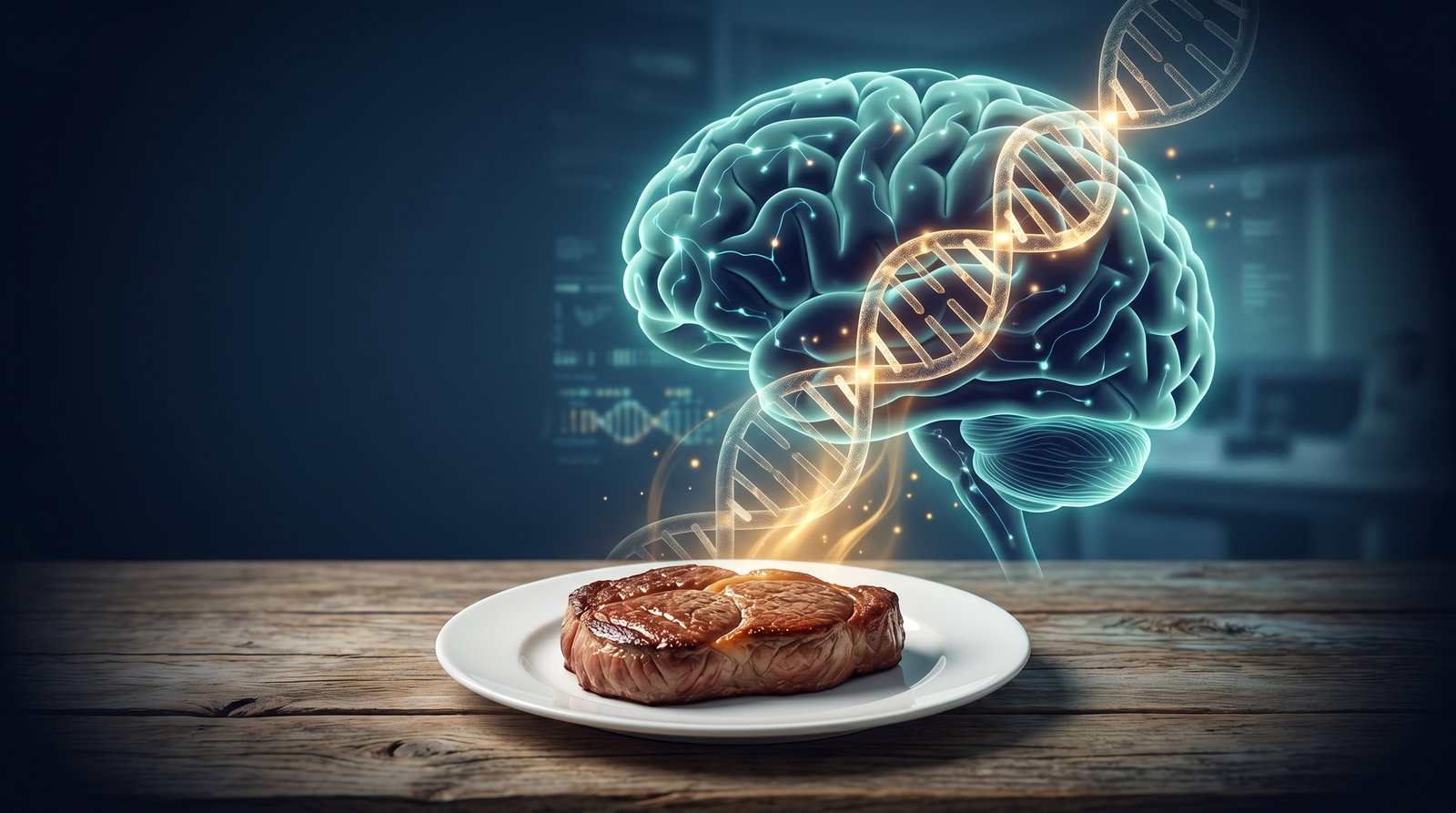
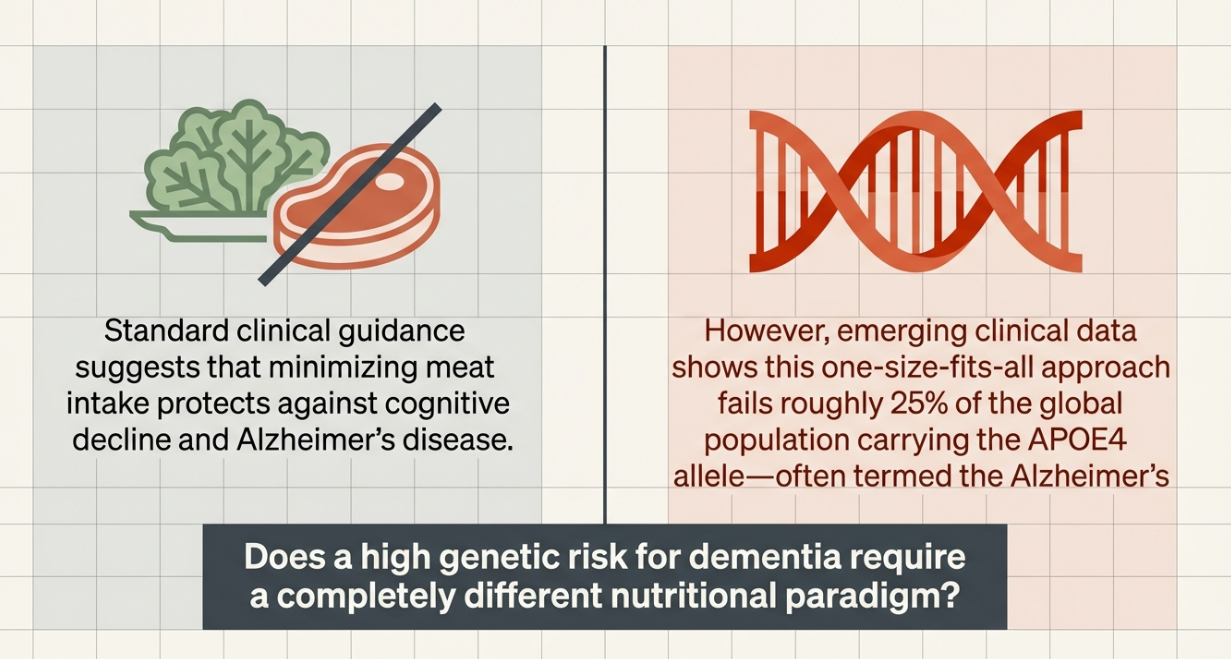
For decades, public health authorities have nudged everyone toward eating less red meat — a single recommendation handed down to billions of people with radically different genetic makeups. But what if that advice is genuinely protective for some people and quietly harmful for others? A sweeping 15-year cohort study out of Sweden has uncovered one of the most striking gene-diet interactions ever documented in nutritional epidemiology. The implications for how we think about personalized nutrition, aging, and brain health are hard to overstate.
If these newsletters are a regular part of how you stay informed on health and longevity, consider supporting the work with a Pro membership. $19.99 per quarter — about $1.67 per issue, less than a coffee tip.
Join here: Become a Member
New Feature: Newsletter Summaries ✨
APOE Genotype Modifies the Association Between Meat Consumption and Cognitive Trajectories and Incident Dementia in Older Adults
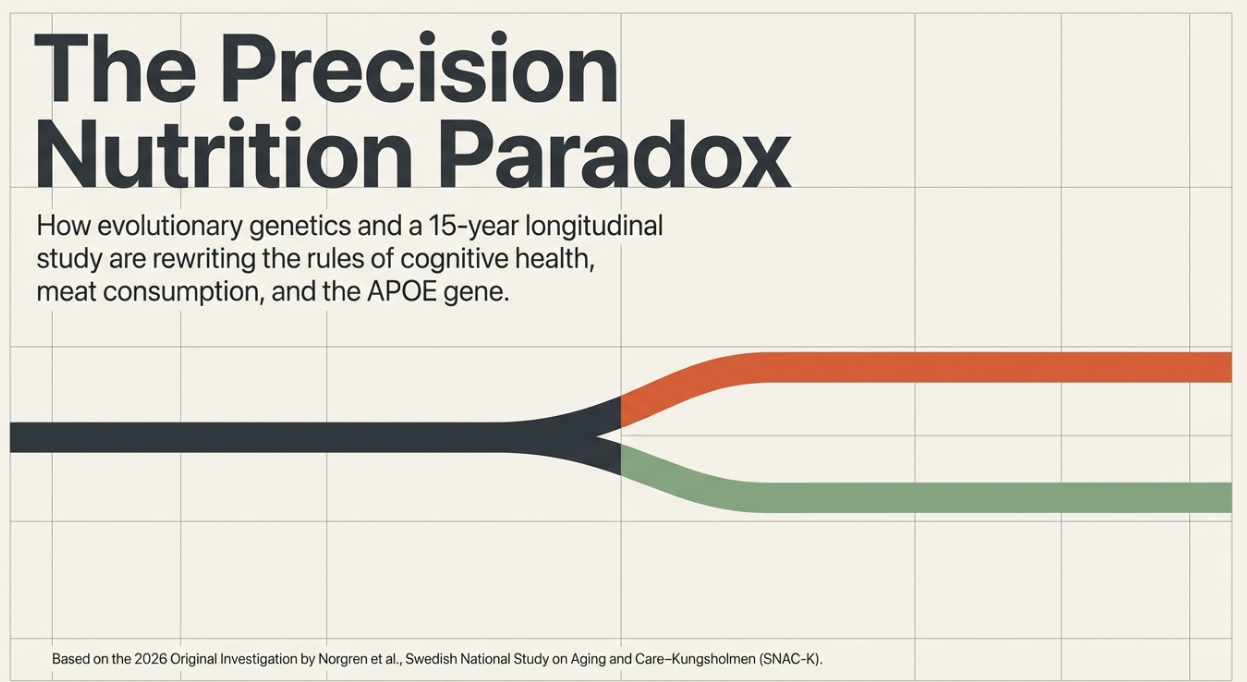
For most of the history of nutritional science, the dominant assumption has been that a healthy diet is a healthy diet — that the foods associated with good outcomes in large populations are probably good for most individuals within them. A new study challenges that assumption head-on, revealing that the relationship between meat consumption and brain aging is not universal at all. It is, in a meaningful and measurable way, written into your DNA.
The Evolutionary Logic Behind the Question
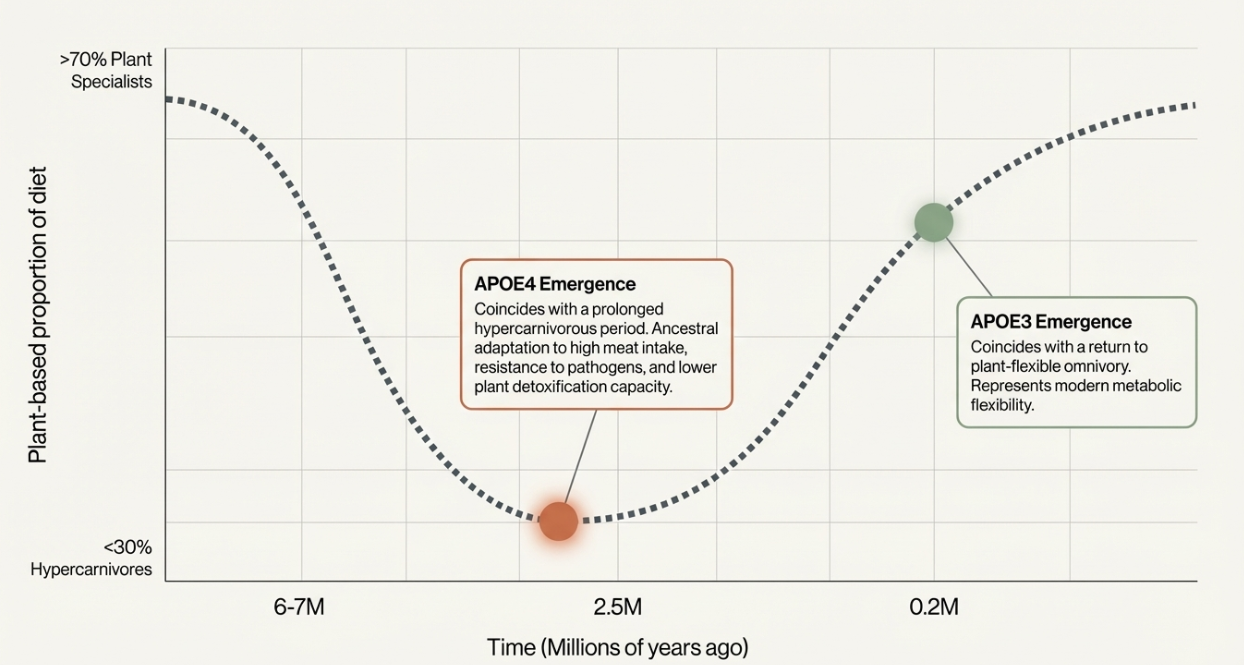
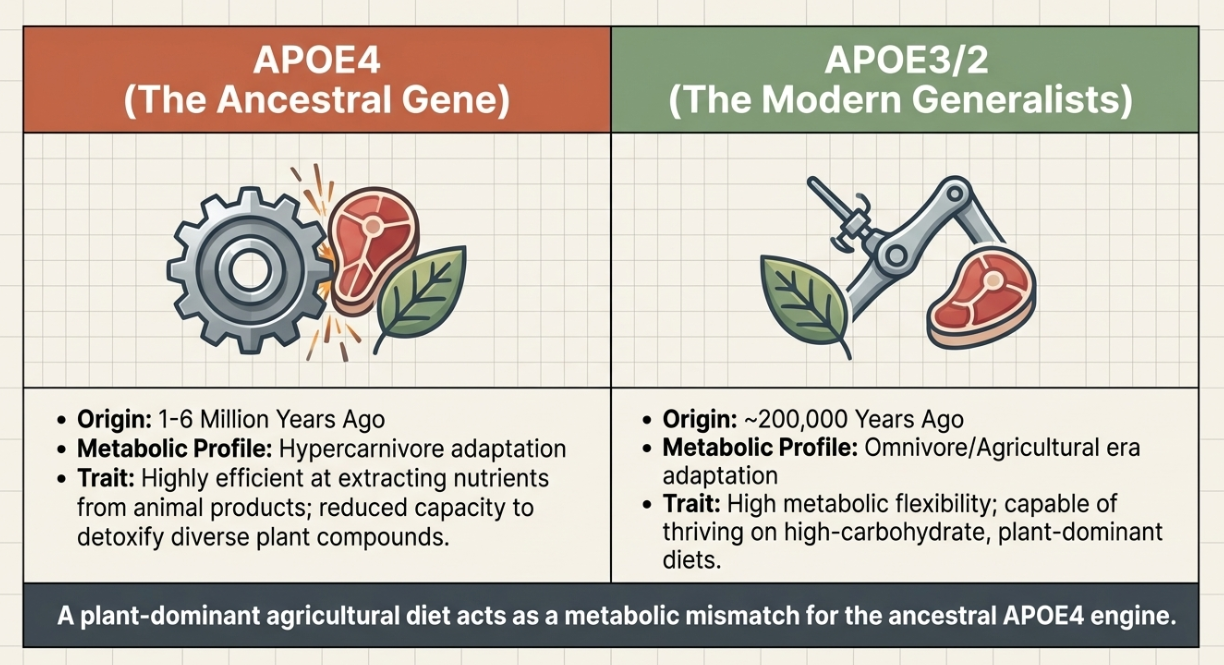
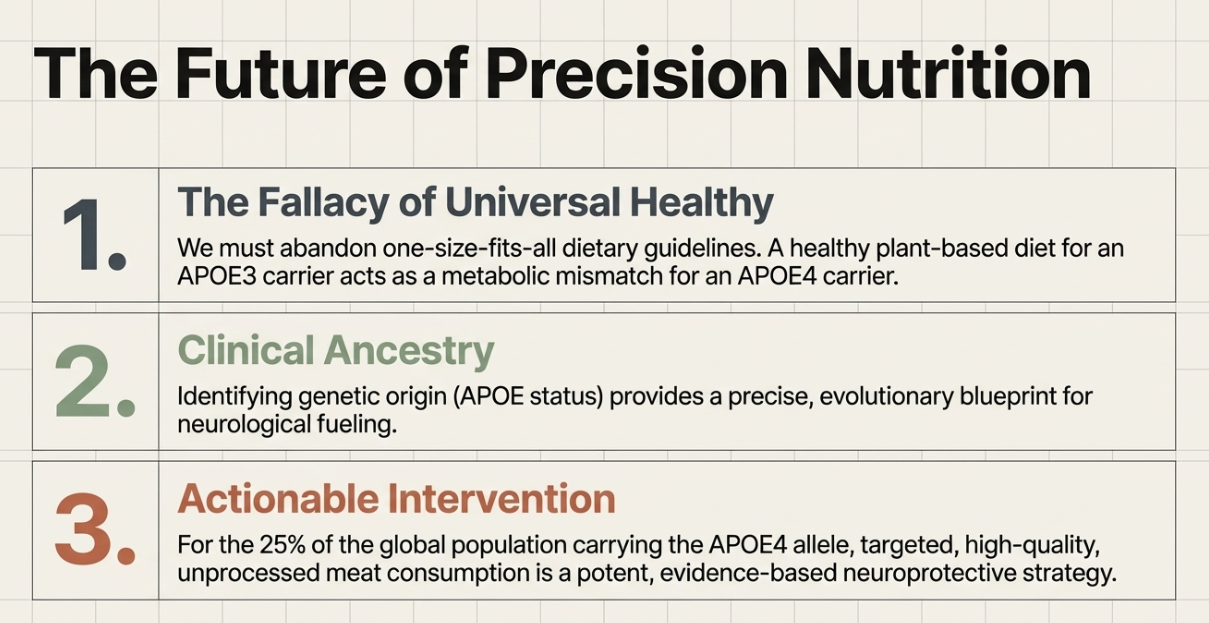
The research team was motivated by a genuinely interesting evolutionary premise. The APOE gene comes in several variants, and the ancestral version — APOE4 — is estimated to have emerged somewhere between one and six million years ago, during what researchers believe was a heavily carnivorous chapter in human prehistory. The more common modern variant, APOE3, arrived much later, roughly 200,000 years ago, coinciding with a dietary shift toward flexible omnivory and greater reliance on plant foods. The hypothesis follows naturally: if APOE4 evolved in a high-meat dietary environment, carriers of that allele may be metabolically optimized for higher meat intake in ways that APOE3 carriers simply are not. Prior work from the same research group had already found that diets with a high plant-to-animal ratio were negatively associated with cognition in APOE4 carriers specifically. This new study was designed to test the other side of that coin: does higher meat consumption offer distinct cognitive protection to people carrying the APOE ε3/ε4 or ε4/ε4 genotype?
How the Study Was Conducted
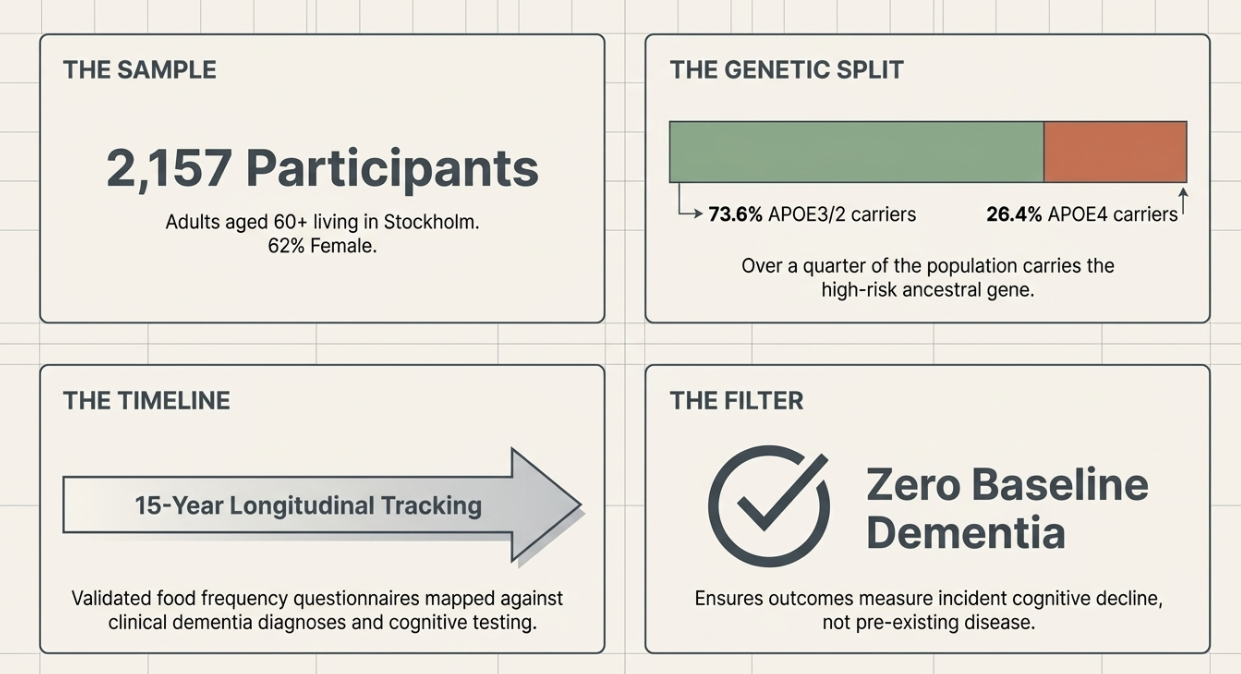
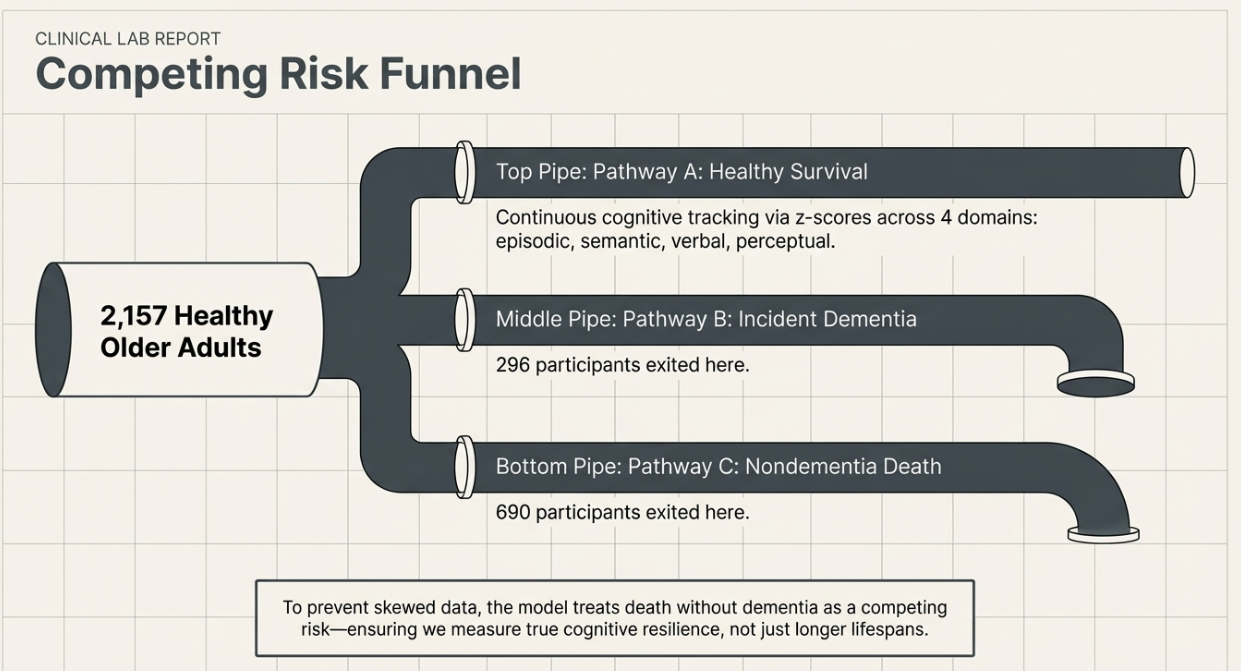
The investigators drew from the Swedish National Study on Aging and Care–Kungsholmen (SNAC-K), a rigorous population-based cohort that followed 2,157 adults aged 60 and older, all dementia-free at baseline, across a 15-year period. About 26% of participants carried the APOE34 or APOE44 genotypes of interest. Dietary intake was assessed using validated 98-item food frequency questionnaires, with meat consumption measured in grams per total kilocalories to account for overall energy intake. Participants were evaluated every six years up to age 78, then every three years after that. The two primary outcomes were longitudinal trajectories of global cognition — a composite z-score drawn from episodic memory, semantic memory, verbal fluency, and perceptual speed — and the incidence of new-onset dementia. Statistical models were carefully constructed to treat non-dementia-related death as a competing risk, and analyses were adjusted for age, sex, education, physical activity, smoking, alcohol use, BMI, and overall diet quality.
What They Found
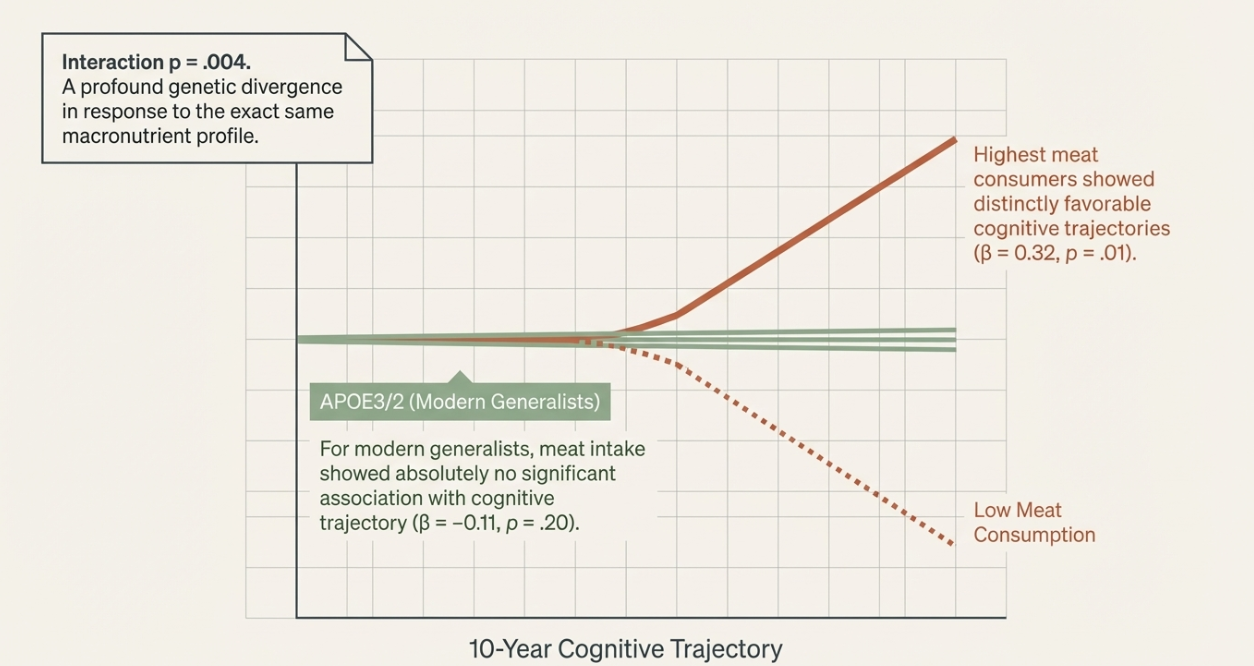
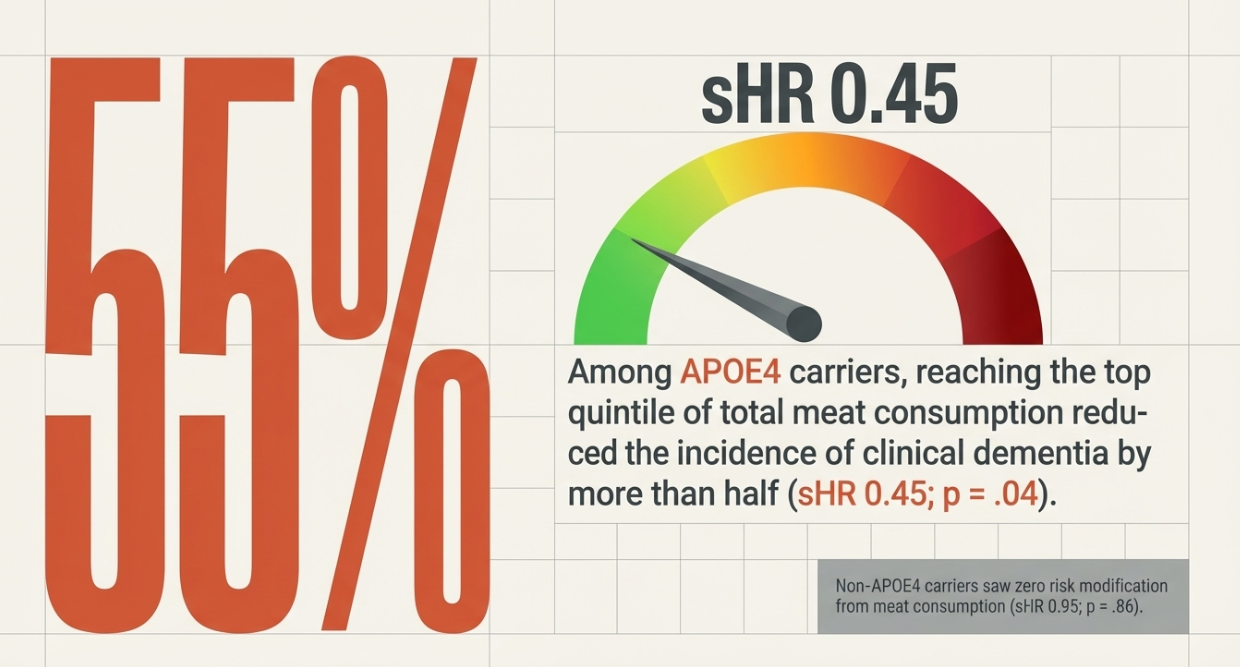
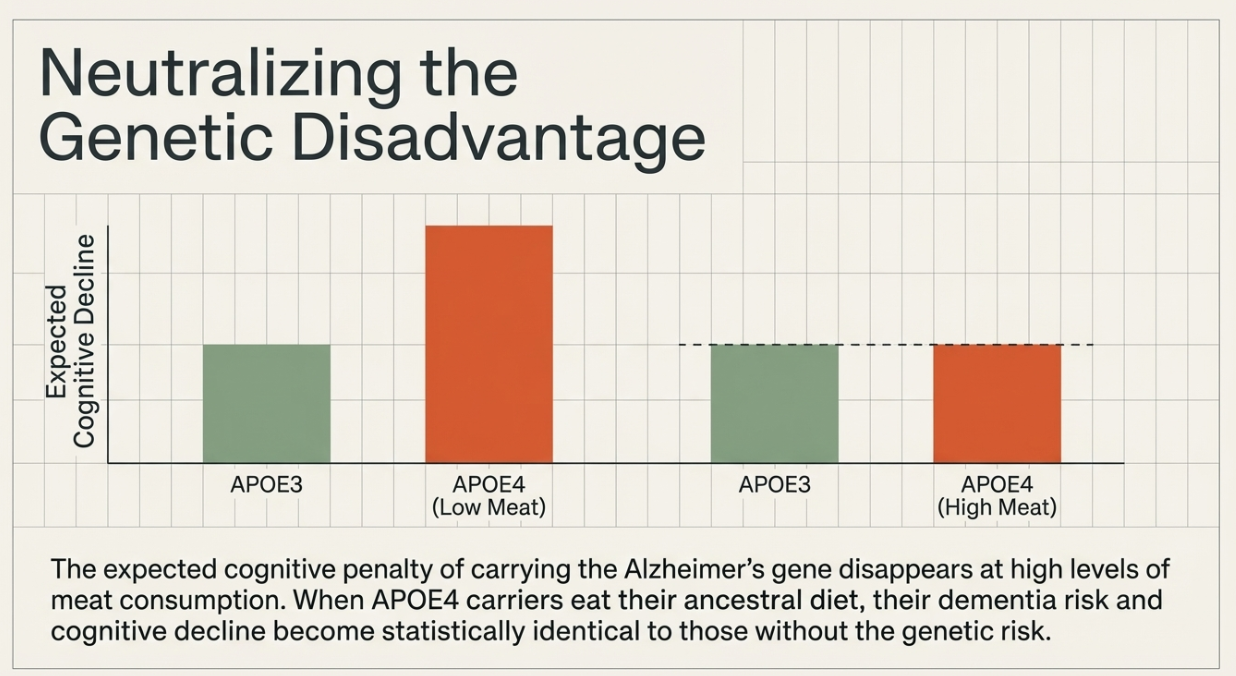
The findings were striking. Among participants carrying the APOE34/44 genotypes, those in the highest quintile of total meat consumption showed significantly slower global cognitive decline and a dramatically lower risk of developing dementia compared to those in the lowest quintile. Most remarkably, the elevated dementia risk typically conferred by the APOE4 allele was completely neutralized at high meat intake levels — these individuals' cognitive trajectories were statistically indistinguishable from people who never carried the high-risk genotype at all. Among participants without APOE34/44 genotypes, meat consumption had no significant association with cognitive outcomes in either direction. The type of meat mattered too. Higher consumption of unprocessed red meat was associated with lower dementia risk across all participants, while a higher ratio of processed to total meat was linked to worse cognitive outcomes regardless of APOE status. A post-hoc analysis also found that higher unprocessed meat intake was associated with reduced all-cause mortality specifically in the APOE34/44 group. On the mechanistic side, the researchers found suggestive evidence that APOE4 carriers may absorb dietary vitamin B12 from meat more efficiently than other genotypes — a plausible biological pathway worth investigating further.
Important Caveats
The study is observational, which means causation cannot be established. An elderly Swedish cohort introduces survival bias — participants who made it to enrollment may already represent a healthier subset of the population. The sample was ethnically homogeneous, limiting generalizability to populations where APOE allele frequencies and metabolic baselines differ. And self-reported dietary data, while validated, is inherently imperfect.
Why It Matters
What makes this research genuinely important is scale. The APOE34/44 genotypes affect roughly 25% of the global population and account for approximately 70% of Alzheimer's cases in Northern Europe and North America. The EAT-Lancet commission and similar planetary health frameworks have advocated for sweeping reductions in red meat consumption — recommendations derived largely from population-level data that may obscure profoundly different responses at the genetic level. This study suggests that for a large, identifiable subset of the population, following those guidelines may be precisely the wrong advice. It makes a compelling case that Alzheimer's prevention strategies of the future will need to begin with a simple genetic test.

Random Trivia & Weird News
Processed Meat: The One Thing Everyone Agrees On
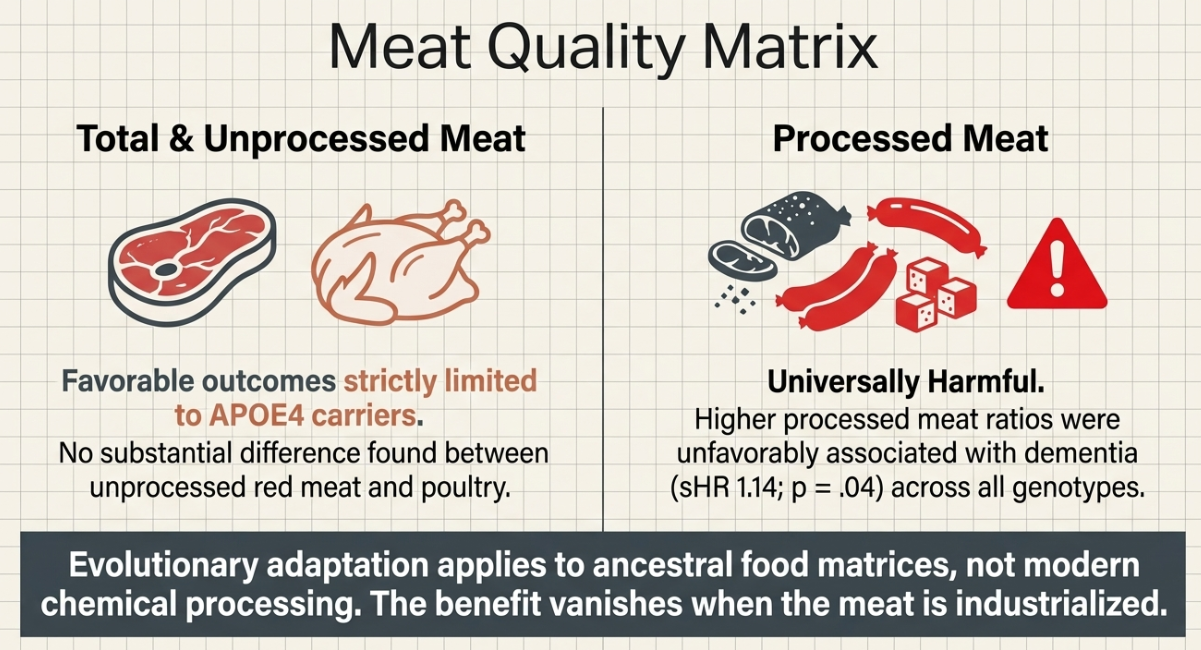
In a study that upended a lot of dietary conventional wisdom, one finding held firm across all genotypes: a higher ratio of processed meat to total meat was associated with worse cognitive trajectories and elevated dementia risk. It's a useful reminder that "meat" is not a monolithic food category. The gap in health outcomes between a grass-fed beef steak and a sodium-packed hot dog is enormous — and it appears to show up clearly in the brain over time.
Podcasts We Loved This Week
- Tommy Wood, MD, PhD: How to future-proof the adult brain vis STEM Talk
- Tim Spector: I Was Wrong About Vitamin D & Sunlight! The 7 Health Habits He's Changed His Mind About via ZOE Science & Nutrition
Products We Like
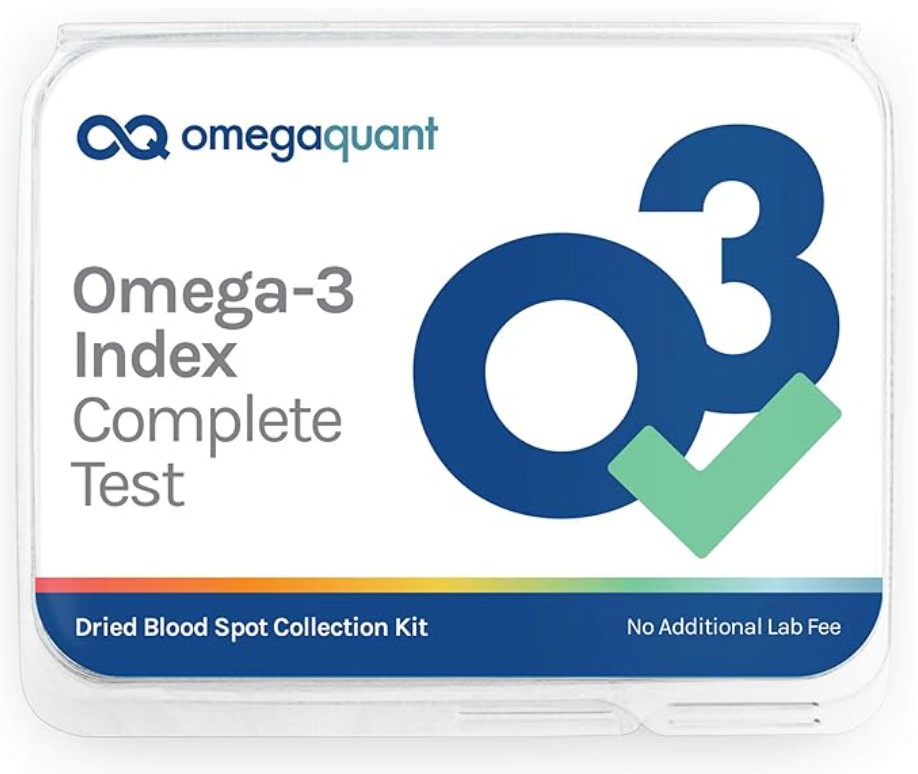
Omega Quant Omega-3 Index Complete - Complete Fatty Acid Profile Blood Test Kit
The Omega-3 Index Complete test offers a comprehensive look at your fatty acid profile, measuring key markers that influence cardiovascular and metabolic health, including:
- Omega-3 Index – A higher percentage (8-12%) is linked to better cardiovascular and cognitive function.
- Trans Fat Index – Elevated levels are associated with an increased risk of heart disease.
- Omega-6:Omega-3 Ratio – An imbalance may contribute to chronic inflammation.
- AA:EPA Ratio – A key indicator of inflammatory balance in the body.
Since fatty acid levels respond to diet and lifestyle changes within 3-4 months, this test helps you fine-tune your diet and supplementation based on real data rather than guesswork. Best of all, this test couldn’t be easier — just collect your sample at home, mail it in, and you should receive your results in 1-2 weeks.
humanOS Catalog Feature of the Week
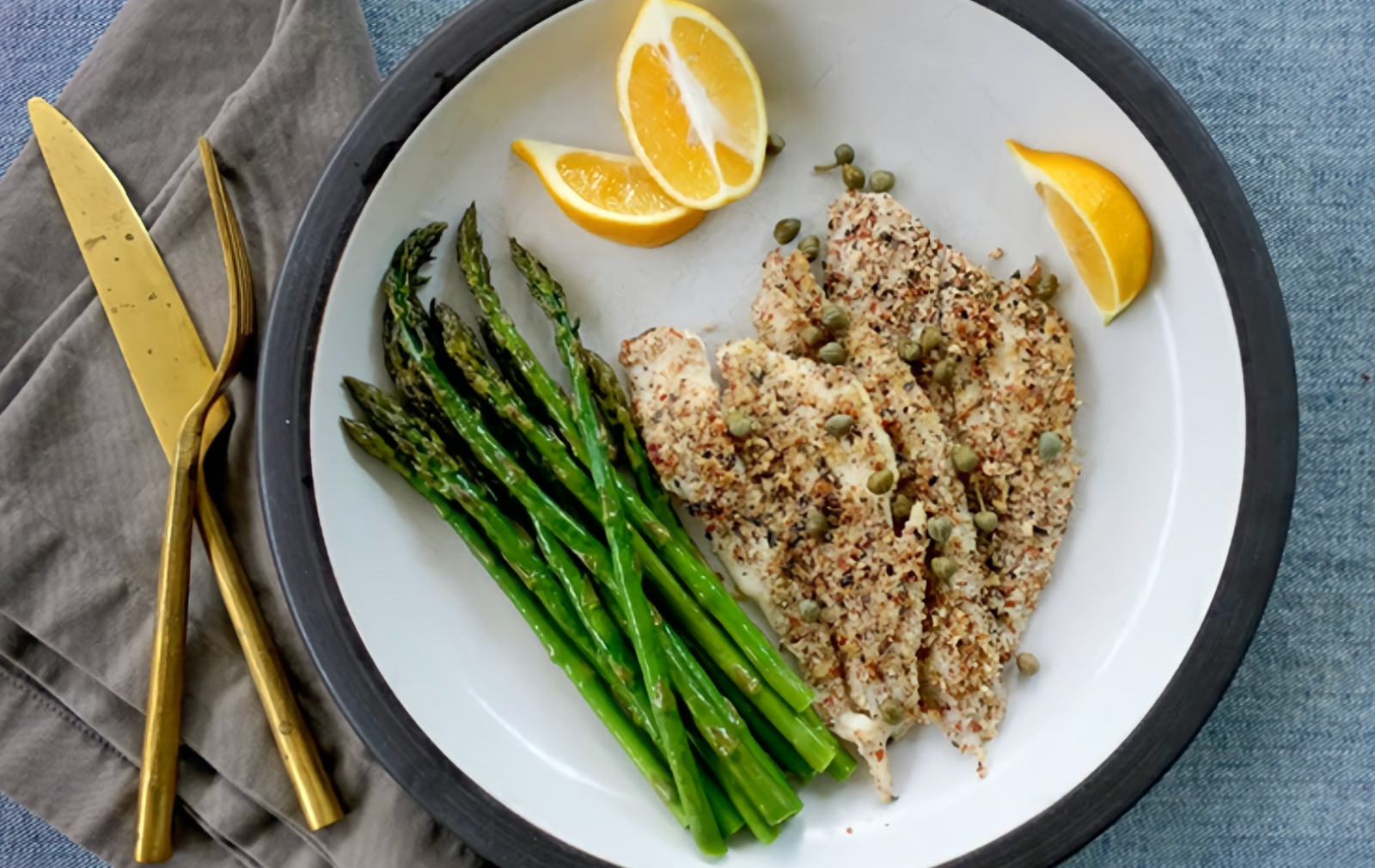
Almond-Crusted Petrale Sole with Roasted Asparagus
From the Primary Paleo Recipe Pack
This crispy pan-fried petrale sole with roasted asparagus is a simple, flavorful way to get your omega-3s without much effort. A light almond meal coating creates a satisfying crunch while keeping the dish gluten-free, and briny capers add a bright, savory contrast. Paired with tender, roasted asparagus, this meal delivers protein, healthy fats, and fiber — all in under 30 minutes.
To Access:
- login to humanOS
- See Recipes in navigation
- Primary Paleo Recipe Pack
- See the recipe inside!
Also, you can search “petrale sole” in the search field after you’ve logged in:

Wishing you the best,

—