

Newsletter #412
Your muscles contain hidden reservoirs of stem cells that lie dormant until damage strikes. When activated, these cells multiply and fuse into new fibers, repairing what's been torn or crushed. But we have no clinical treatments that directly accelerate this natural regeneration process. Rest helps. Ice might help. NSAIDs might actually slow things down. Researchers in Copenhagen wondered if a targeted nutritional intervention could do what medicine hasn't—flip the biological switch that sends muscle stem cells into overdrive. In a tightly controlled human trial, they explored this very idea. Let’s see what they found.
If these newsletters are a regular part of how you stay informed on health and longevity, consider supporting the work with a Pro membership. $19.99 per quarter — about $1.67 per issue, less than a coffee tip.
Join here: Become a Member
New Feature: Newsletter Summaries ✨
Nicotinamide and Pyridoxine Supplementation Enhances Acute Muscle Stem Cell Proliferation and Myogenesis in Humans Following Damaging Contractions
Muscle injuries are ubiquitous. Athletes tear hamstrings. Weekend warriors strain their backs. Older adults lose muscle mass year after year. And yet, despite the prevalence of these injuries, modern medicine offers remarkably little in the way of actual treatment.
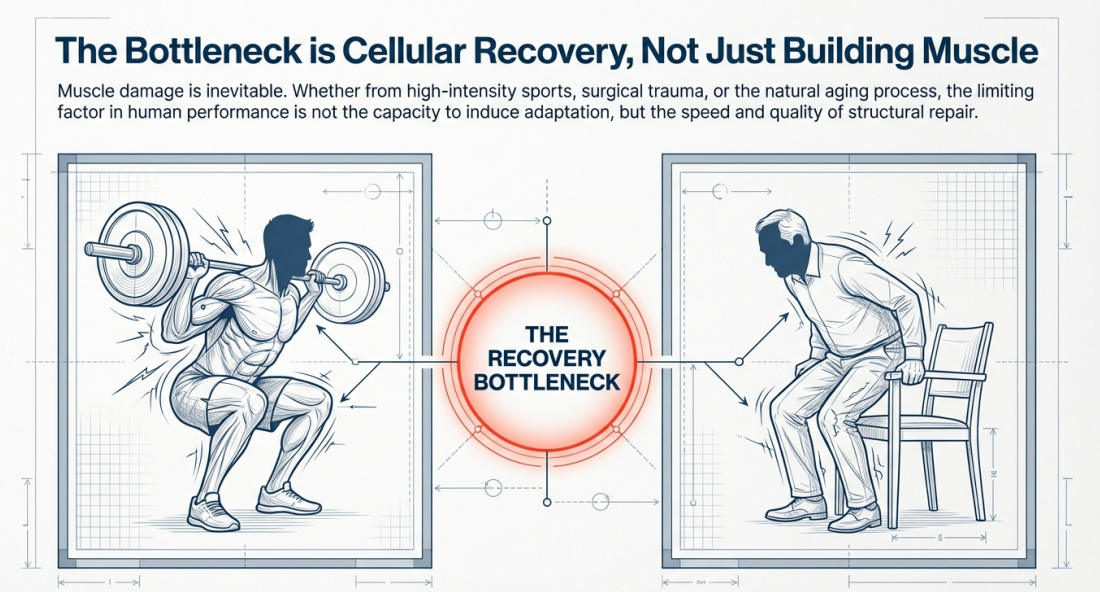
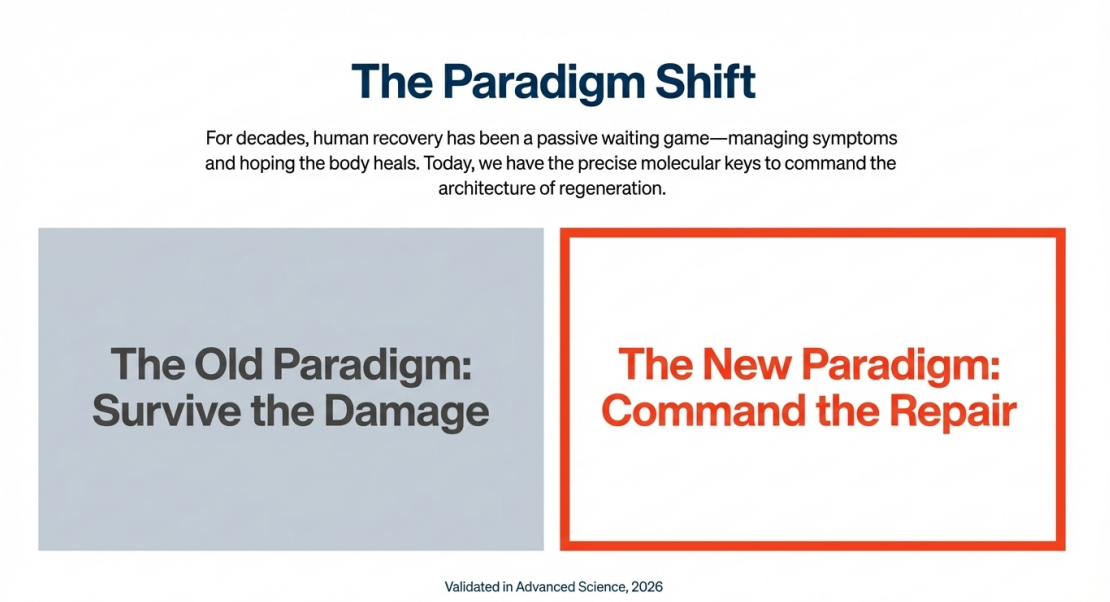
The standard protocols—rest, ice, compression, elevation—are symptom management strategies, not regenerative therapies. Nonsteroidal anti-inflammatory drugs like ibuprofen may even delay healing by suppressing the inflammatory signals that kickstart repair. There are no drugs, no procedures, no interventions that directly enhance the body's own capacity to rebuild damaged muscle tissue.
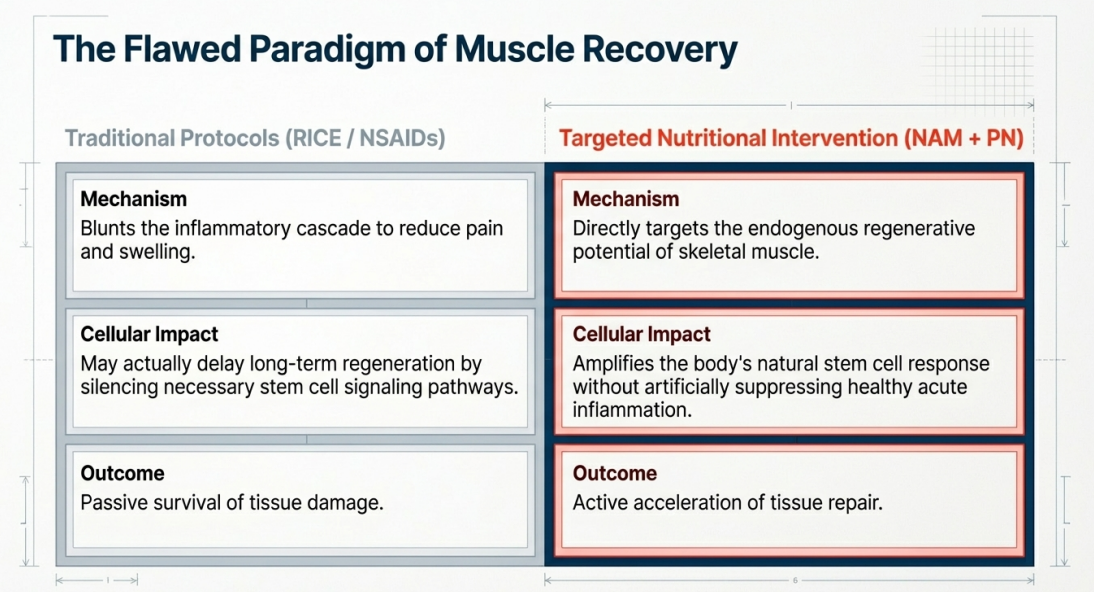
That's what motivated a team of researchers from the Institute of Sports Medicine Copenhagen and Nestlé Health Science to ask a simple question: can we use nutrition to turn on the body's muscle repair machinery?
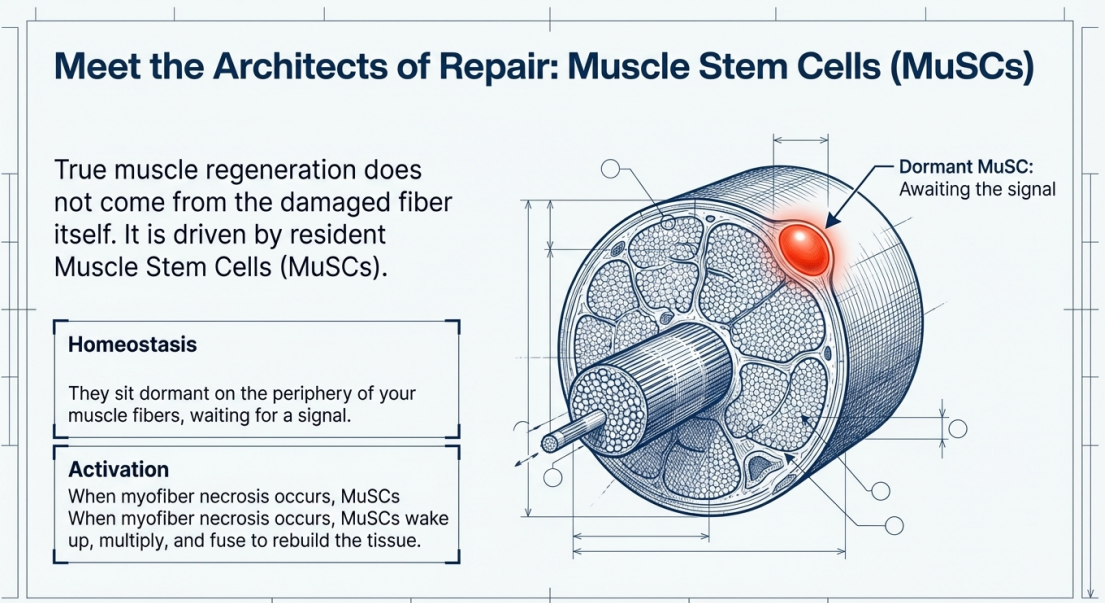
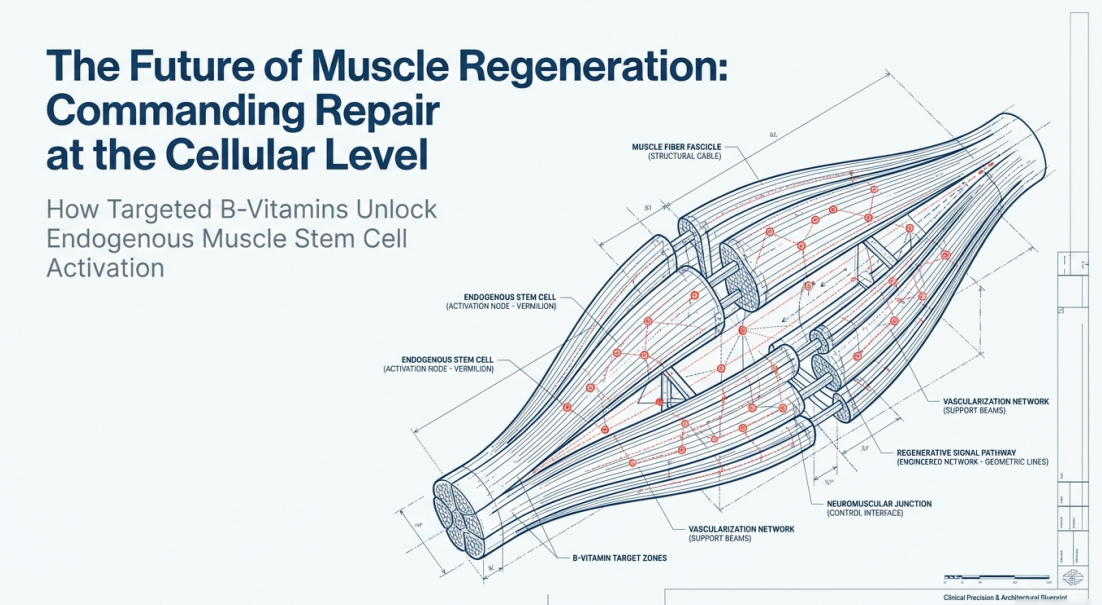
The machinery in question is a population of cells called muscle stem cells, or satellite cells. These cells live tucked between muscle fibers, dormant most of the time, waiting. When muscle fibers are damaged—whether through intense exercise, injury, or disease—these stem cells wake up, multiply, and differentiate into new muscle tissue. They're the primary drivers of skeletal muscle regeneration. But their activity declines with age, and there's currently no established way to boost their function clinically.
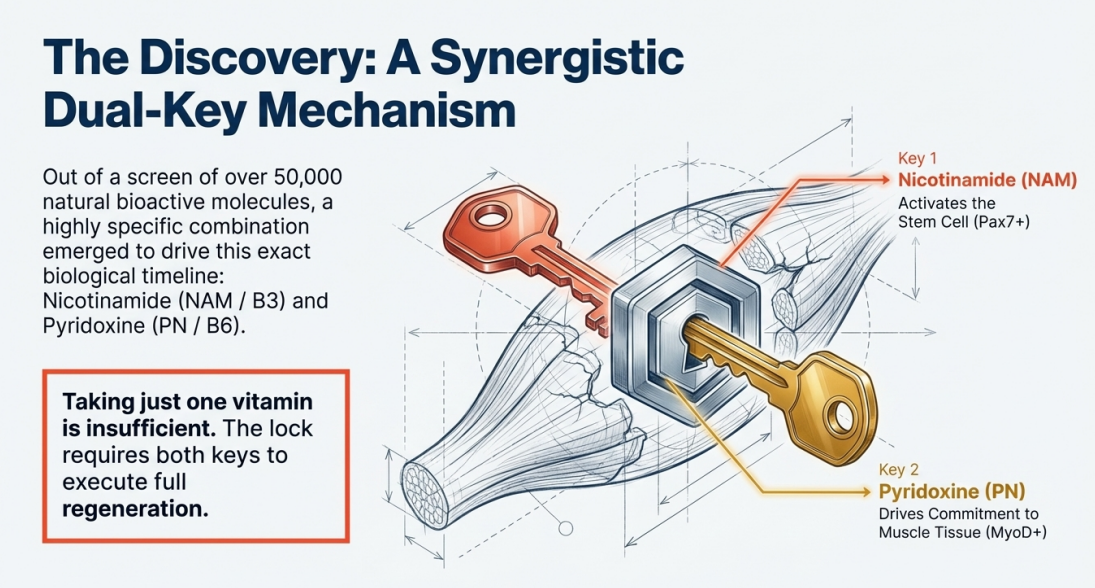
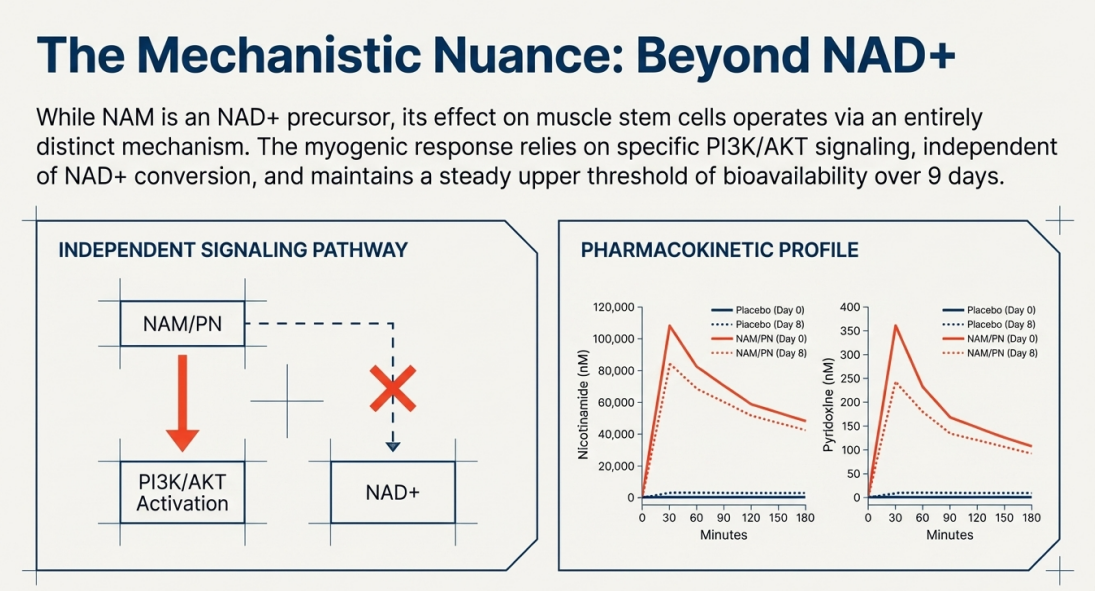
The researchers started with a massive screening project: they tested over 50,000 natural bioactive molecules to see which ones could stimulate human muscle stem cells in culture. Two compounds stood out. Nicotinamide (NAM), a form of vitamin B3, and pyridoxine (PN), a form of vitamin B6, not only work, but worked synergistically. When combined, they significantly increased stem cell proliferation and differentiation. In rodent studies, the combination accelerated muscle repair after injury.
But rodents aren't humans. So the team designed a rigorous, randomized, placebo-controlled trial to test whether the NAM/PN combo could enhance muscle regeneration in people.
They recruited 43 healthy young men, aged 18 to 49. To standardize the muscle damage across participants, they used a unique and rather unpleasant protocol: neuromuscular electrical stimulation combined with forced lengthening contractions on the vastus lateralis, one of the quadriceps muscles. This protocol doesn't just create soreness—it induces true muscle fiber necrosis, the kind of damage that requires stem cell-driven regeneration to repair.
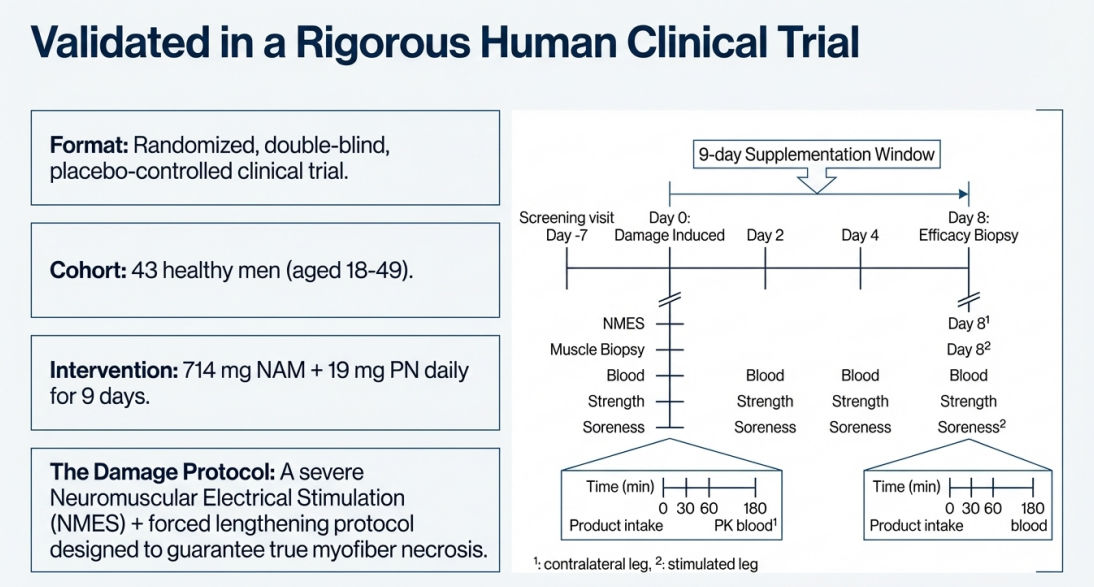
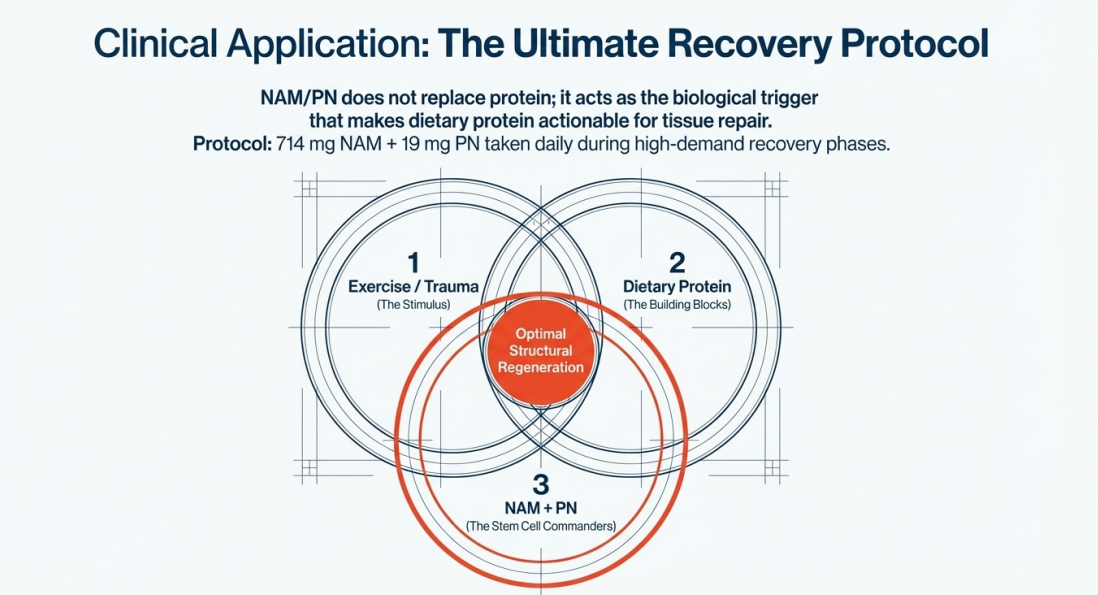
Immediately after the muscle-damaging protocol, participants were randomly assigned to receive either a placebo or a daily supplement containing 714 mg of nicotinamide and 19 mg of pyridoxine for nine days. Blood tests confirmed that the supplement was safe, well-tolerated, and successfully elevated circulating levels of pyridoxal-5'-phosphate (PLP), the bioactive form of vitamin B6.
Eight days after the damage protocol, the researchers took muscle biopsies and analyzed them for markers of stem cell activity and muscle regeneration.
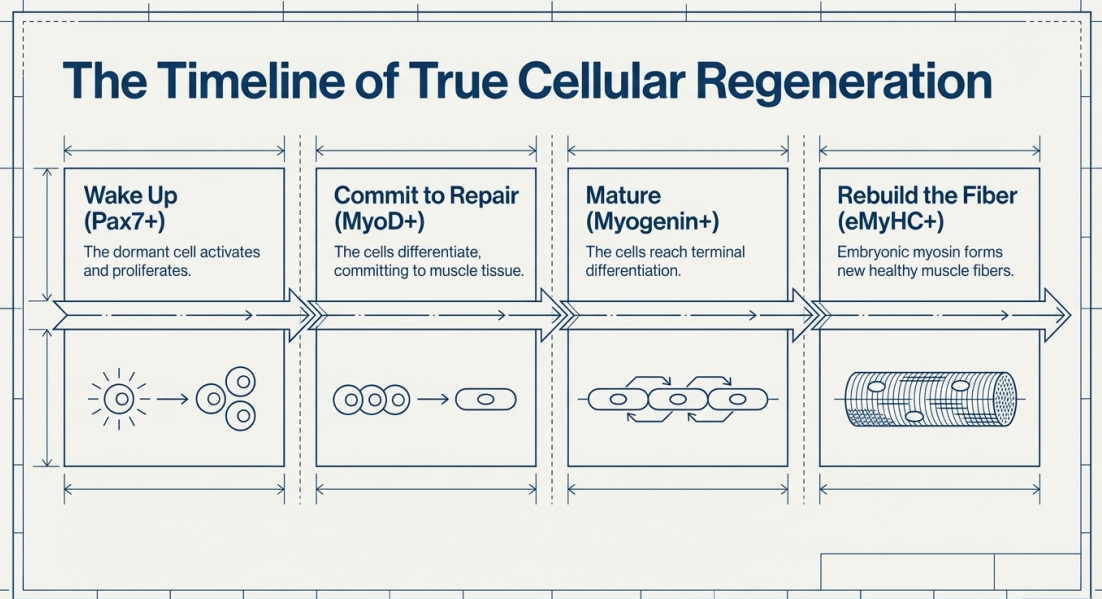
The results were striking. In the supplemented group, the number of activated muscle stem cells—identified by the marker Pax7—increased by 29%. More importantly, the number of cells expressing MyoD, a marker of stem cells committed to becoming new muscle tissue, jumped by 67%.
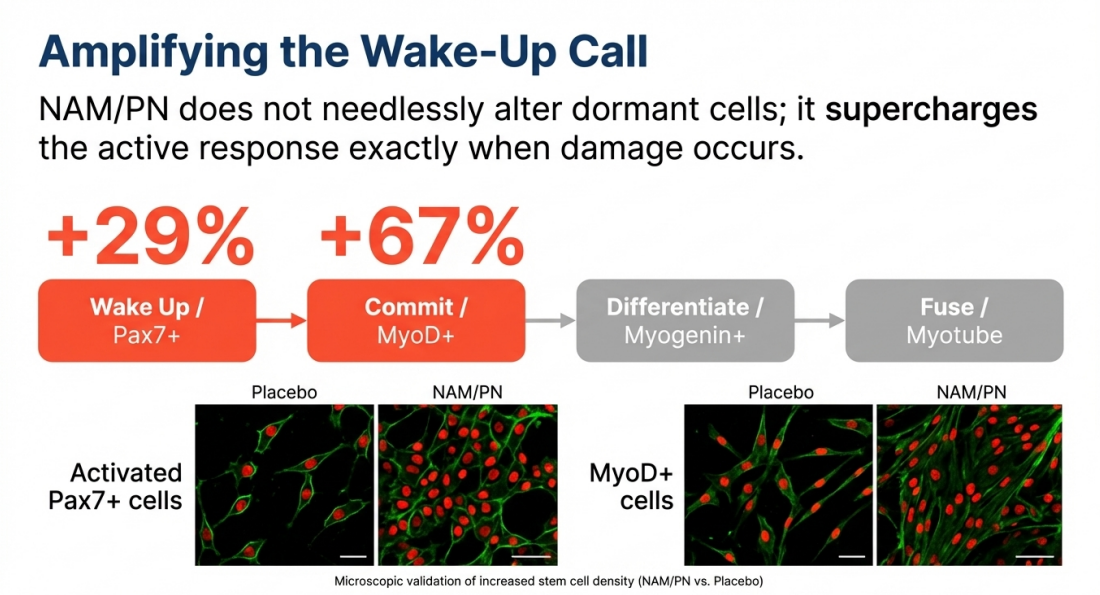
And the number of cells expressing myogenin, a marker of the late stages of muscle cell development, increased by 34%.
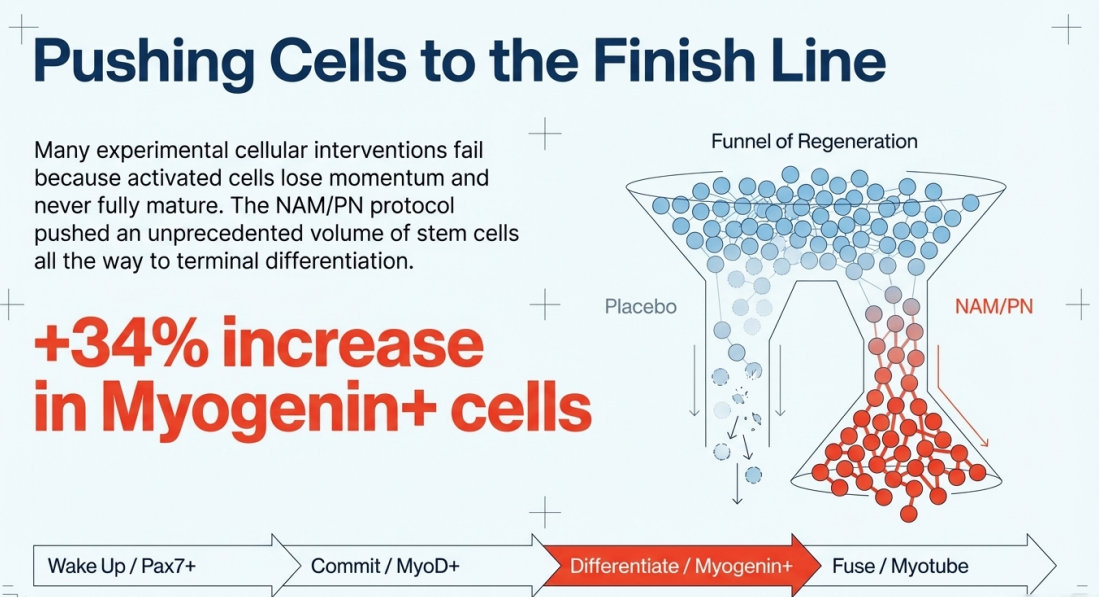
These aren't subtle shifts. The B-vitamin combination was driving muscle stem cells through their entire regenerative program—from activation to proliferation to differentiation—at a significantly accelerated pace.
At the structural level, this translated to faster physical repair. The proportion of damaged muscle fibers actively regenerating, as indicated by the presence of embryonic myosin heavy chain (eMyHC), increased by 37% in the supplemented group. The vitamins weren't just activating stem cells—they were accelerating the actual repair of muscle tissue.
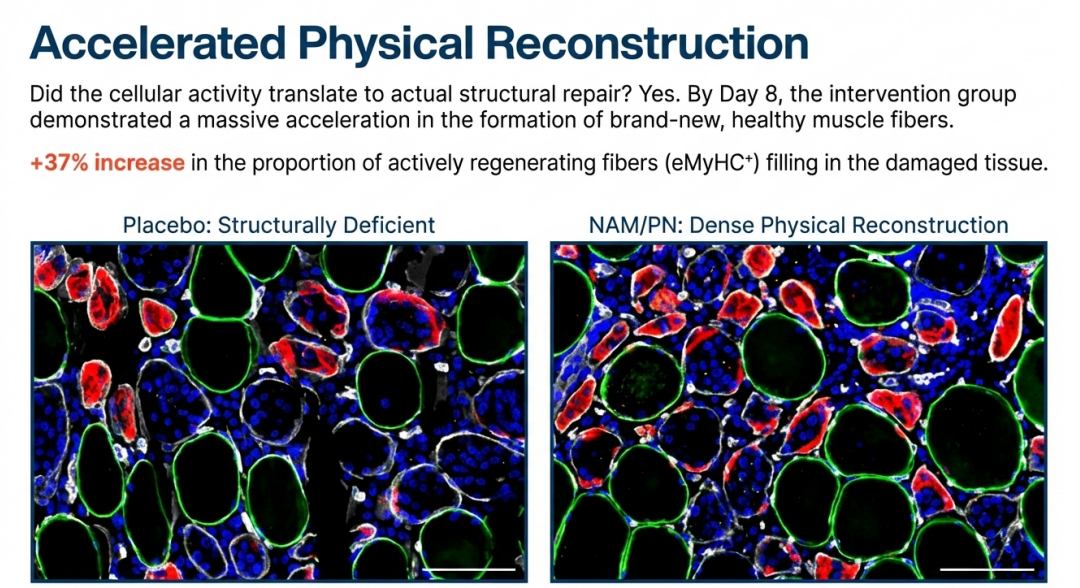
Critically, this acceleration didn't come at the expense of the stem cell pool. The treatment didn't deplete the reserve of quiescent stem cells that the muscle needs for future repairs. It simply made the regenerative process more efficient.
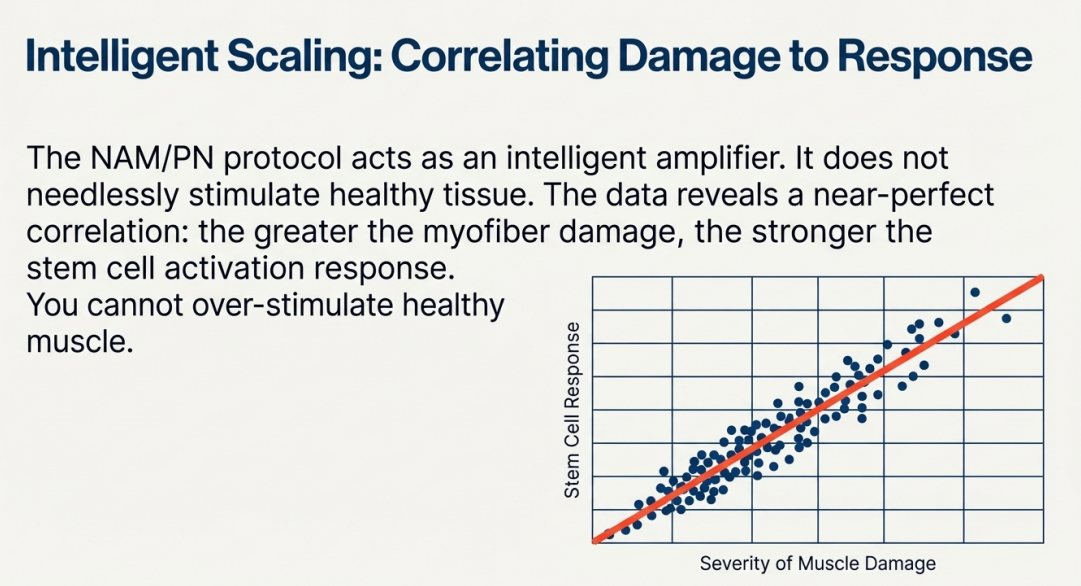
The study had limitations. Muscle biopsies are small, and they may not capture the full extent of damage across the entire muscle. The electrical stimulation protocol varied in how much damage it caused across individuals—some people experienced minimal damage, others lost nearly 60% of their muscle fibers. The study only included men, so the exact response in women remains to be confirmed in vivo, though lab studies on female muscle cells suggest similar effects. And because participants were instructed to avoid structured strength training for three months before the trial, it's unclear how regular exercise might interact with the supplementation.
Still, the core finding is robust: a simple, safe, well-tolerated combination of two B vitamins significantly enhances human muscle stem cell activity and accelerates muscle regeneration following damage.
The implications extend far beyond sports recovery. Age-related muscle loss—sarcopenia—is driven in part by declining muscle stem cell function. Cancer cachexia, the devastating muscle wasting that accompanies many cancers, is similarly linked to impaired regeneration. Muscular dystrophies involve chronic cycles of damage and failed repair. If a nutritional intervention can enhance stem cell activity in healthy young adults, it's not a stretch to imagine it could offer therapeutic benefit in these clinical populations.
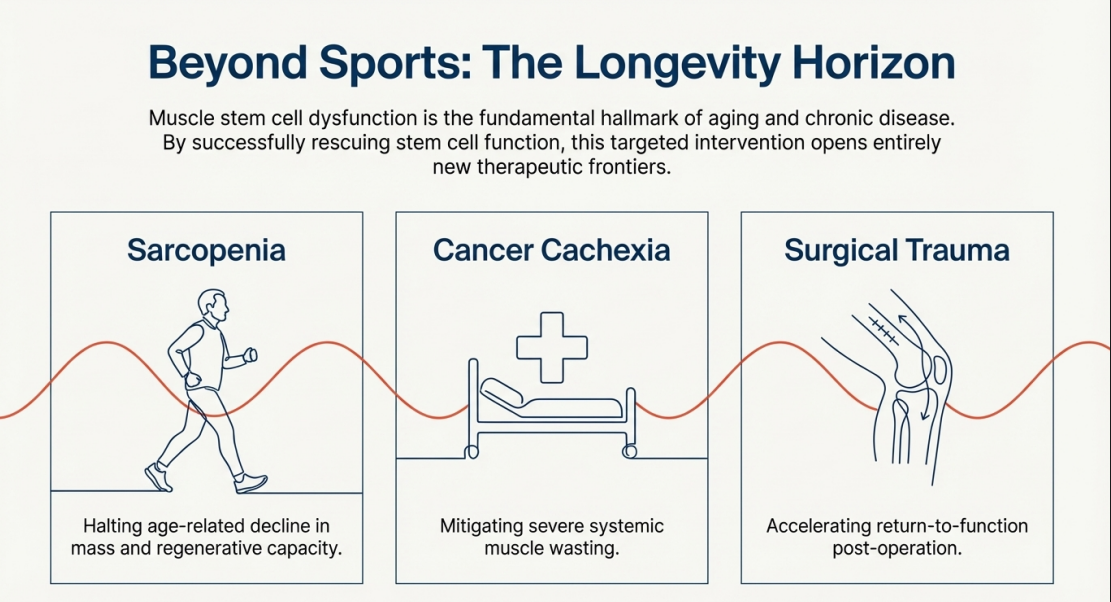
The proof of concept is here. Muscle regeneration can be enhanced through targeted nutrition. The body's repair machinery can be turned up. And two of the most basic, widely available vitamins on the planet seem to be the key.
Random Trivia & Weird News
B6 Is Wildly Underrated in Performance Nutrition
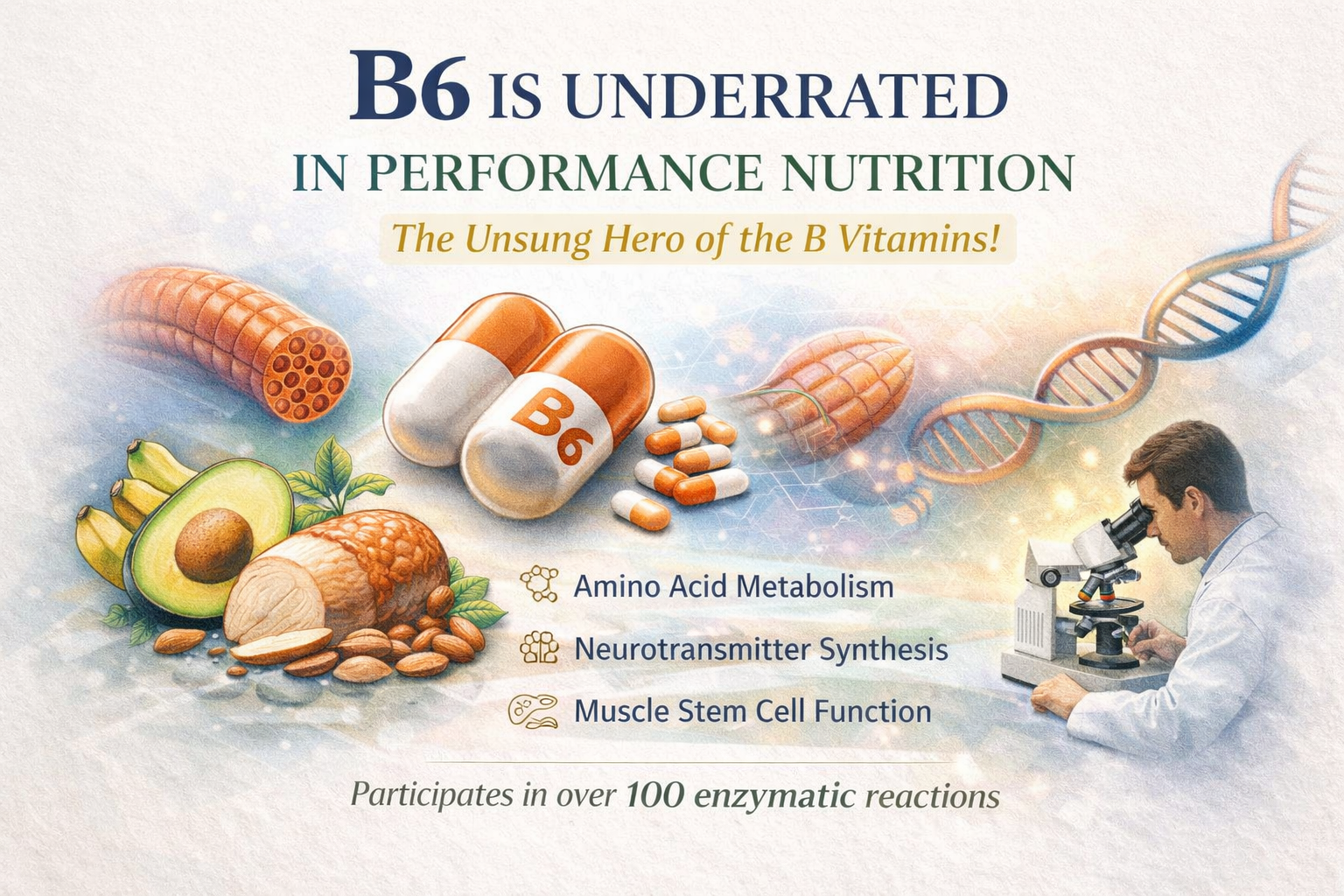
While B12 and folate get all the attention, vitamin B6 quietly participates in over 100 enzymatic reactions in the human body. It's essential for amino acid metabolism, neurotransmitter synthesis, and—as this study reveals—muscle stem cell function. Deficiency is rare in developed countries but subclinical insufficiency may be common, especially in people who avoid animal products, take certain medications, or consume high amounts of processed foods. The RDA is just 1.3-1.7 mg per day, but the doses used in this study were over 10 times higher.
The RICE Protocol Is Officially Dead
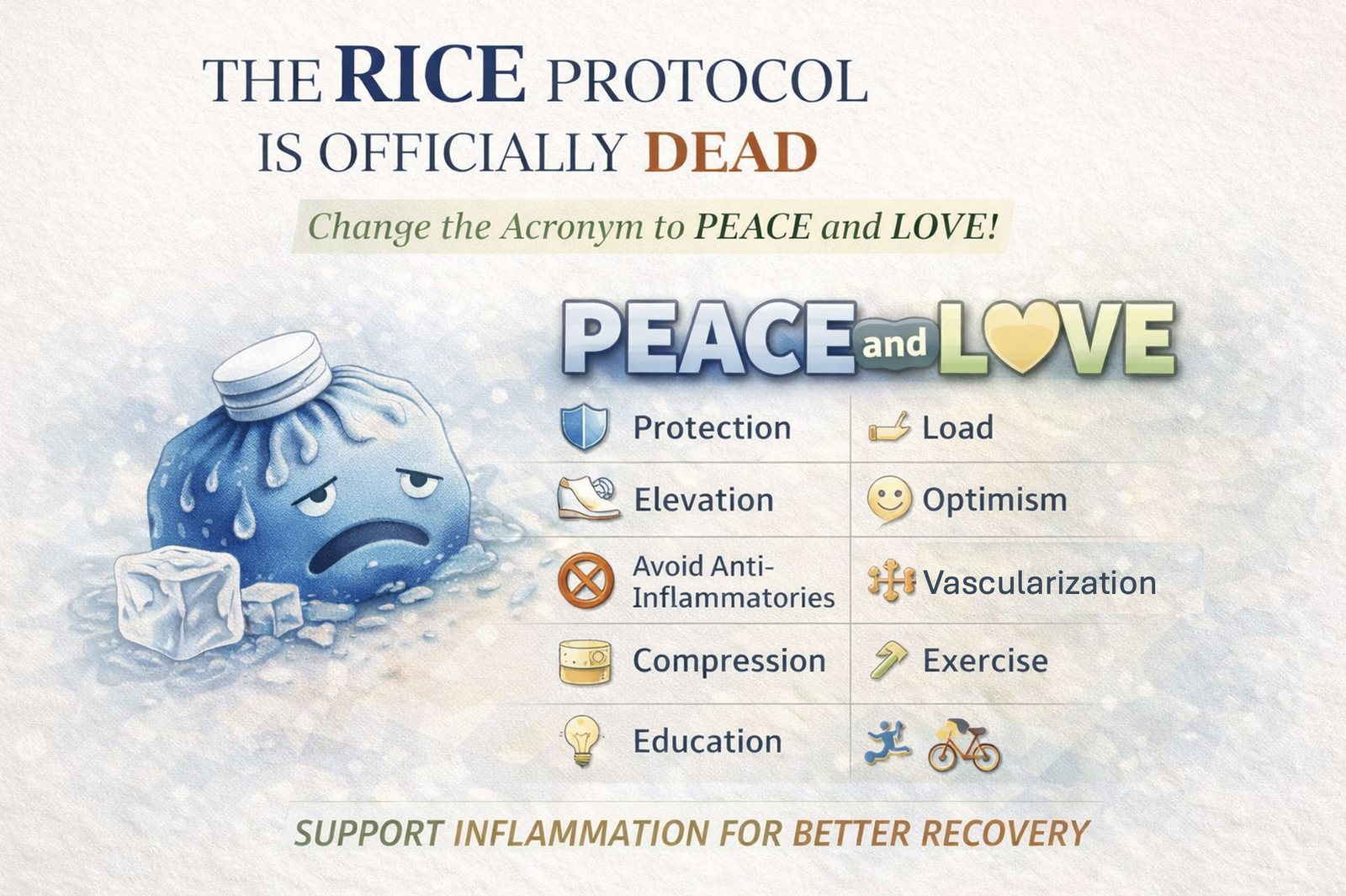
For decades, athletes were told to Rest, Ice, Compress, and Elevate injuries. In 2019, the doctor who coined the term publicly renounced it, stating that icing likely delays healing by suppressing the inflammatory response needed for tissue repair. The new acronym is PEACE and LOVE: Protection, Elevation, Avoid anti-inflammatories, Compression, Education, then Load, Optimism, Vascularization, Exercise. The shift reflects a deeper understanding of inflammation not as an enemy to suppress, but as a biological process to support.
Podcasts We Loved This Week
- Dr. Heather Hirsch: Hormone Replacement Therapy, What Every Woman Needs to Know in 2026 via The Dr. Gabrielle Lyon Show
- Dr. Natalie Yivgi-Ohana: A Mind-Blowing Mitochondria Episode — Mito Transplant, Rare Diseases & Biomarkers via LONGEVITY with Nathalie Niddam
Products We Are Enjoying
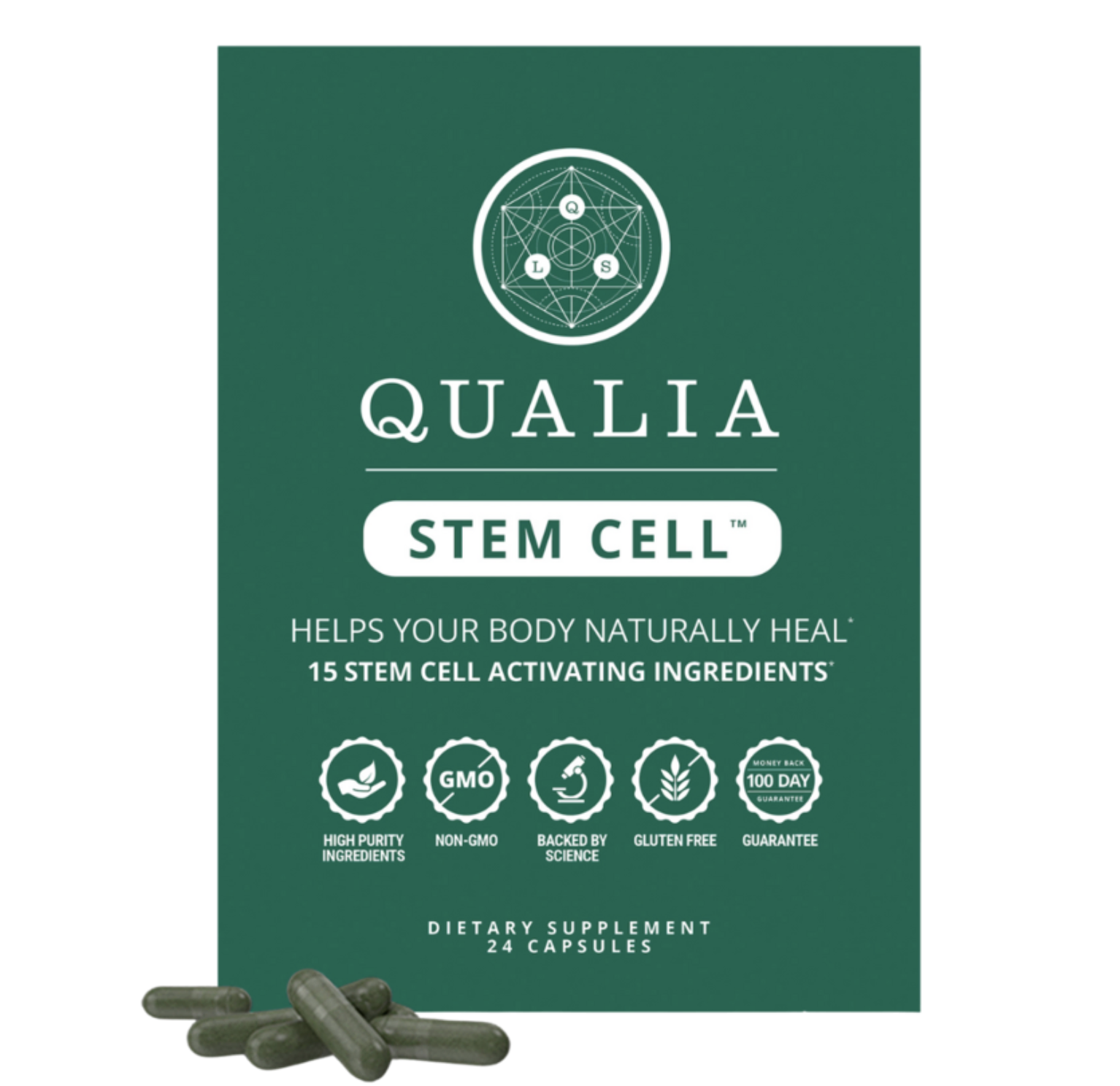
Qualia Stem Cell
Qualia Stem Cell is designed to support the body’s innate repair system at its source. Stem cells act as a reserve for renewal, but their activity declines with age, reducing the body’s ability to maintain and restore tissue. This formula brings together 15 research-informed ingredients that target multiple dimensions of stem cell function, from signaling and protection to mobilization and activity. The goal is not a single pathway, but coordinated support across the system. By reinforcing these processes, Qualia Stem Cell aims to sustain tissue repair, recovery, and ongoing renewal in a way that aligns with how the body naturally maintains itself over time.
humanOS Catalog Feature of the Week

Stem Cells May Prolong Human Healthspan. Podcast with Mike West
Aging is often framed as decline. But what if it is, in part, a story about lost regenerative capacity? In this episode, we explore a different lens. Stem cells sit at the center of that story, quietly shaping how tissues repair, adapt, and eventually fail. My guest, Dr. Mike West, has spent decades pushing the boundaries of what is biologically possible. From early breakthroughs in embryonic stem cells to today’s therapeutic frontiers, his work raises a deeper question. Are we closer than we think to restoring function, not just slowing loss?
Wishing you the best,

—