

Newsletter #410
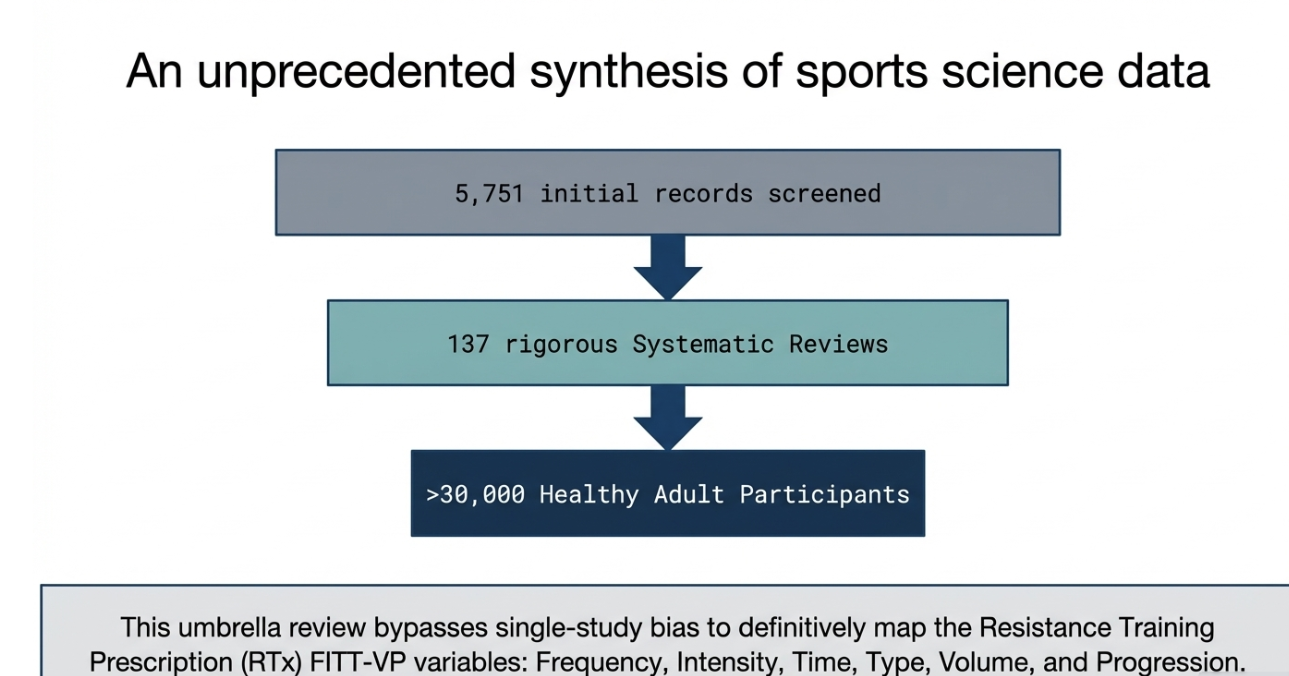
For decades, strength training prescription has been treated like a precision science—complete with elaborate periodization schemes, exact set-and-rep formulas, and strict progression models that can feel more like engineering than exercise. The 2009 American College of Sports Medicine guidelines, for instance, were so specific that fully implementing them could require 20 hours of weekly training. Now, after synthesizing 137 systematic reviews covering over 30,000 participants, researchers have arrived at a radically simpler conclusion: most of those rules don't matter nearly as much as we thought. What does matter—effort, consistency, and progressive overload—can fit into almost anyone's life, no advanced degree required.
If these newsletters are a regular part of how you stay informed on health and longevity, consider supporting the work with a Pro membership. $19.99 per quarter — about $1.67 per issue, less than a coffee tip.
Join here: Become a Member
New Feature: Newsletter Summaries ✨
Resistance Training Prescription: An Umbrella Review and Practical Recommendations
The American College of Sports Medicine last published comprehensive resistance training guidelines in 2009. Since then, more than 30,000 participants have in research studies on exercise have been analyzed, reshaping our understanding of how to build muscle, strength, and physical resilience. A new umbrella review—a systematic synthesis of systematic reviews—has distilled this massive evidence base into actionable insights that challenge many long-held assumptions about strength training prescription.
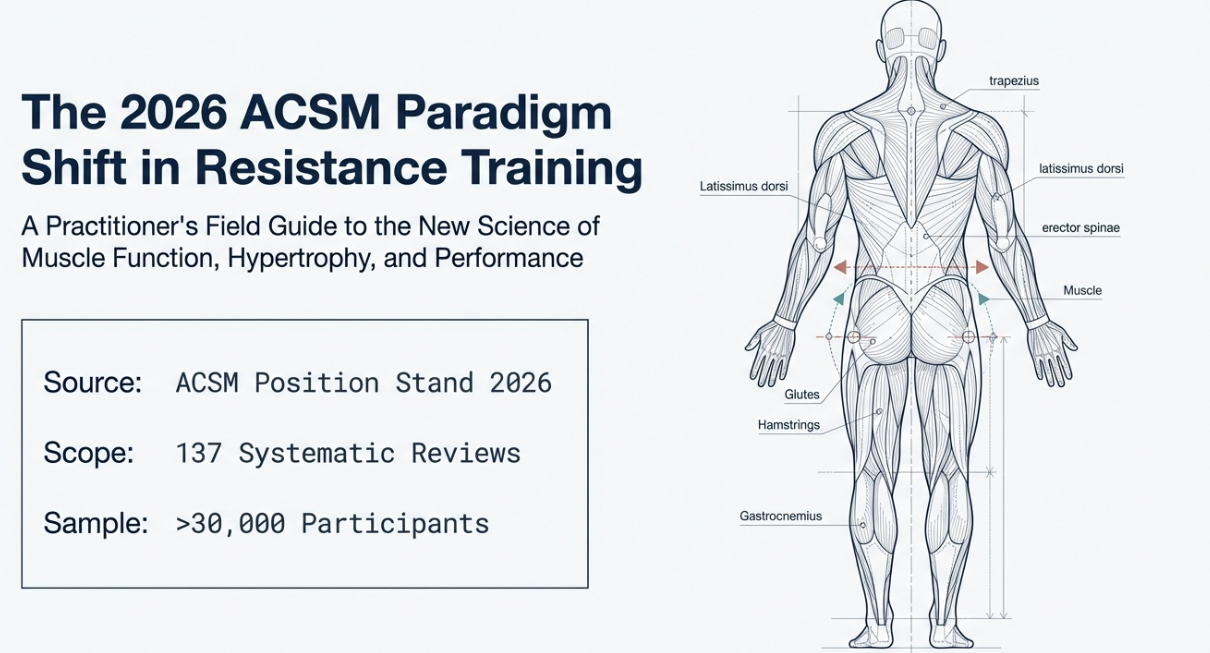
The research team, recognizing that earlier position stands were criticized for lacking rigorous methodology, employed modern evidence synthesis techniques to minimize bias. They systematically searched six major academic databases through October 2024, ultimately analyzing 137 systematic reviews encompassing thousands of randomized controlled trials. To avoid the common pitfall of "double-counting" studies that appear in multiple reviews, they calculated overlap using the corrected covered area index. The result is the most comprehensive, methodologically sound assessment of resistance training prescription to date.
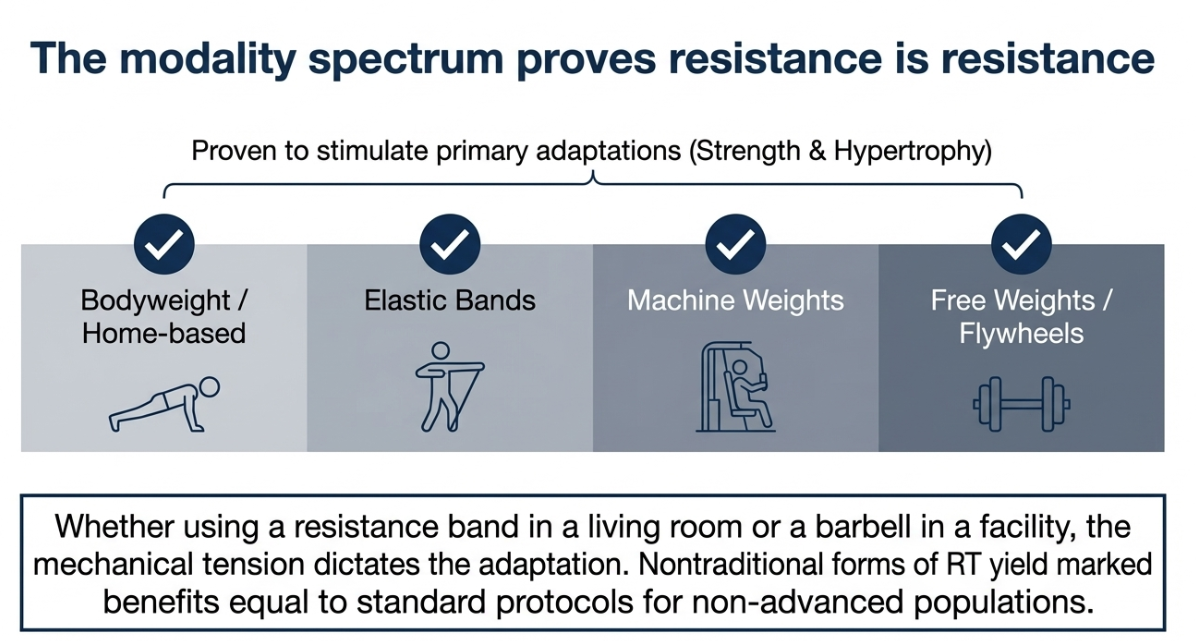
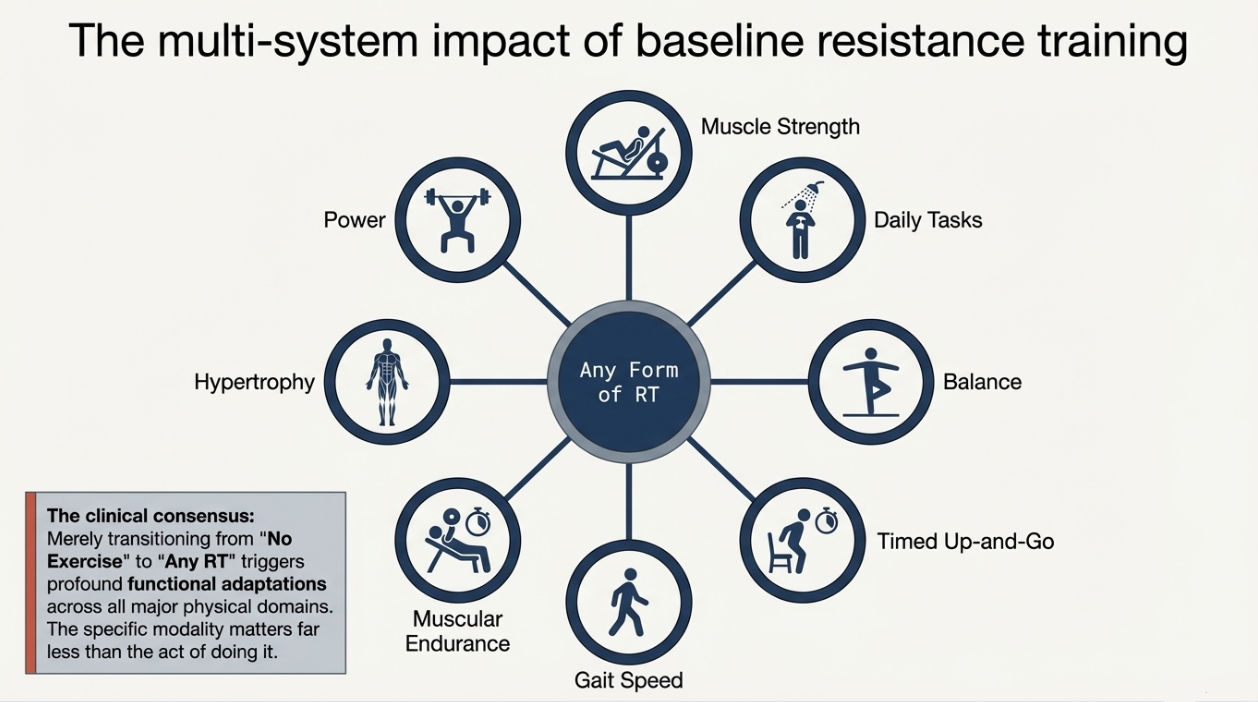
The fundamental finding is reassuring: compared to doing nothing, any form of progressive resistance training produces significant improvements across virtually every measure of muscular fitness. Participants gained strength, muscle size, power, muscular endurance, contraction velocity, gait speed, balance, and functional performance. Importantly, these benefits weren't limited to traditional barbell training in well-equipped gyms. Elastic band training, home-based bodyweight exercises, and circuit training all produced substantial improvements.
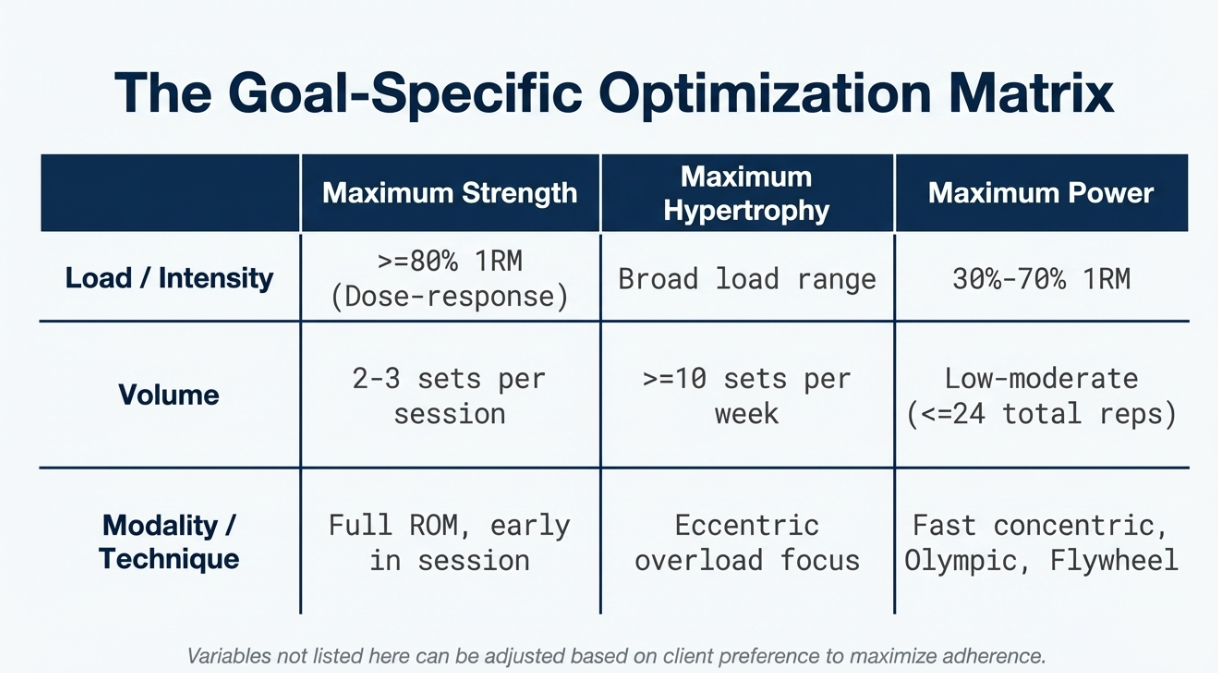
When researchers compared different resistance training programs to identify which specific variables enhance particular adaptations, a surprisingly short list emerged. For building maximal strength, the evidence points to several key factors: lifting heavier loads (at least 80% of one-repetition maximum), using a full range of motion, completing 2-3 sets per exercise, placing strength exercises early in the workout, and training at least twice weekly. Eccentric flywheel devices also showed advantages over standard training for strength development.
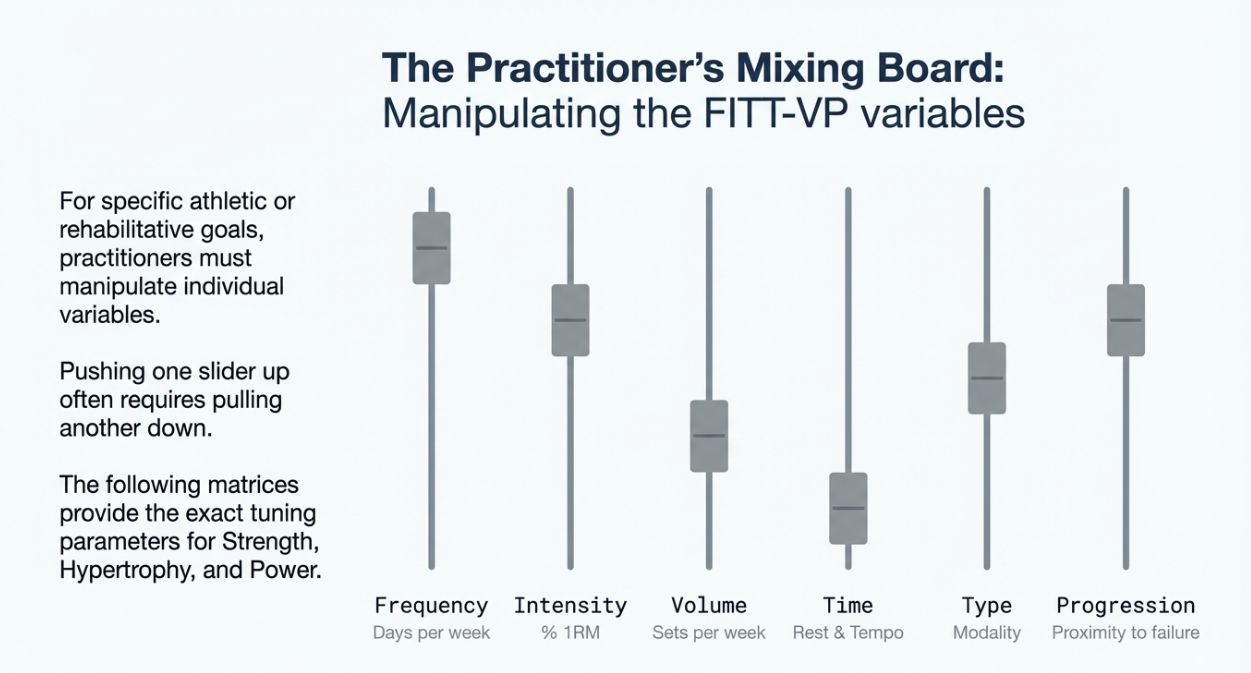
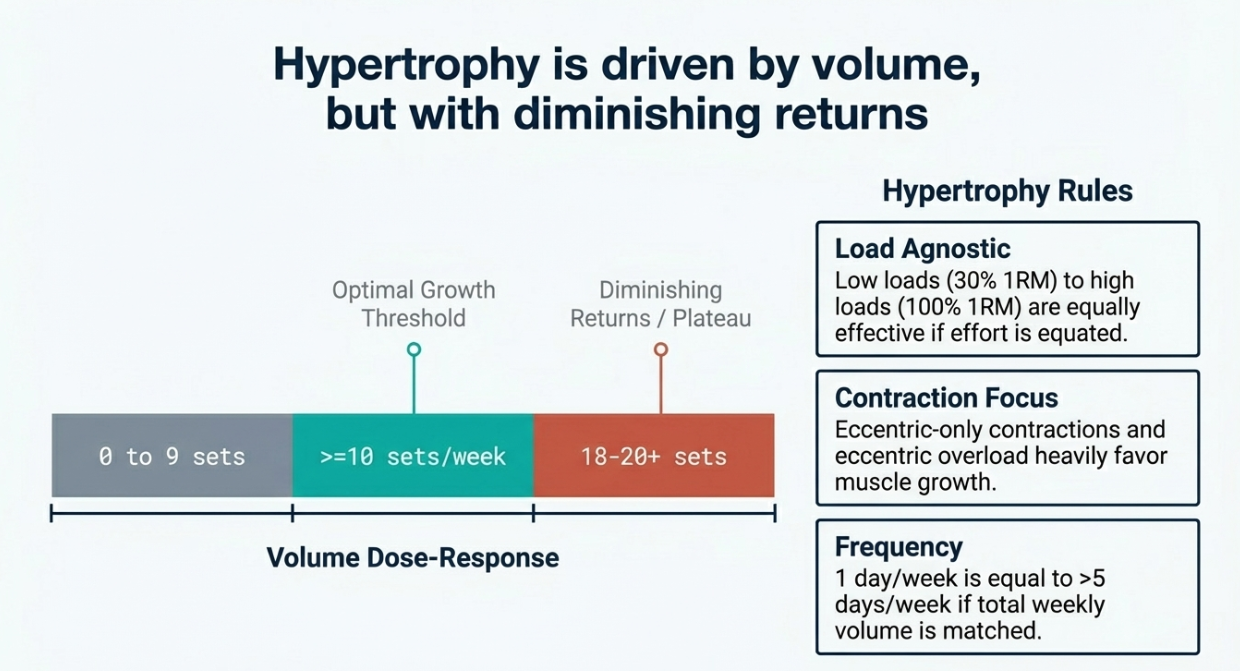
Muscle hypertrophy—the technical term for muscle growth—responded primarily to two variables: higher training volumes (at least 10 sets per muscle group per week) and eccentric overload, where muscles are challenged during the lengthening phase of movement. For developing muscle power—the ability to generate force rapidly—moderate loads (30-70% of one-rep max), lower total volumes (24 or fewer total repetitions across sets), Olympic-style weightlifting movements, and intentionally fast concentric contractions proved most effective.
Perhaps more significant than what works is what doesn't appear to matter much. Training to momentary muscular failure—pushing sets until you physically cannot complete another repetition—did not consistently enhance strength, hypertrophy, or power. This finding alone liberates exercisers from the widely held belief that productive training must be exhaustive and potentially discouraging.
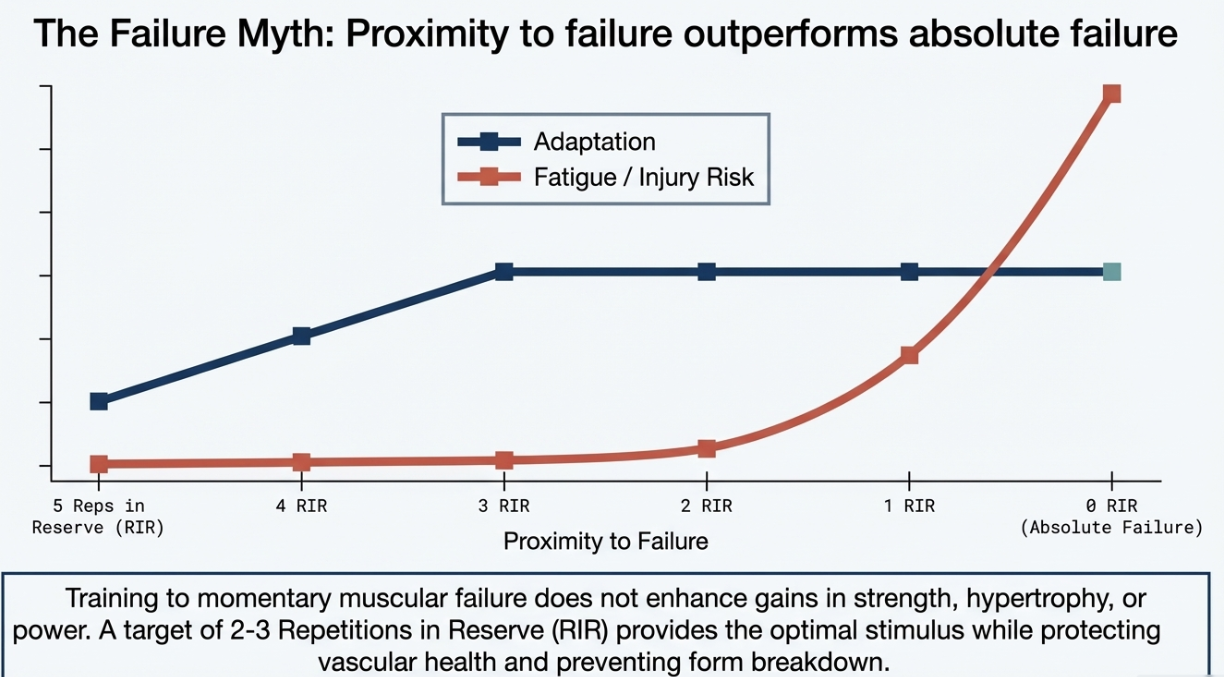
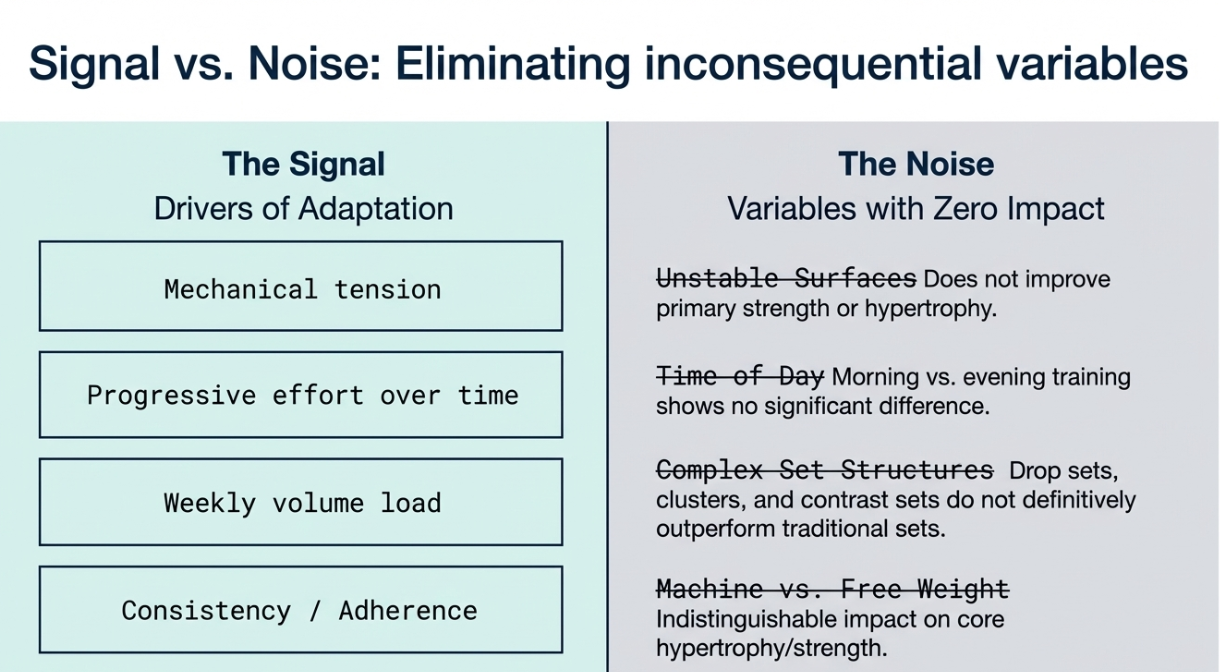
The list of variables that failed to show consistent superiority continues: equipment type (free weights versus machines), unstable surface training, exercise complexity, advanced set structures like drop sets or cluster sets, specific time-under-tension protocols, blood flow restriction training, and various periodization models all produced similar outcomes when fundamental training principles were held constant. The implication is profound: these variables might fine-tune outcomes for elite athletes pursuing marginal gains, but they're largely optional for the general population seeking health and functional benefits.
Limitations
The researchers acknowledged important limitations. Umbrella reviews provide robust group-level evidence but cannot isolate precise dose-response relationships for individual variables. While they calculated moderate overlap in primary studies for strength outcomes, they didn't perform this calculation for all variables, meaning some findings might be artificially inflated by duplicate data. Additionally, umbrella reviews cannot statistically rank the comparative effectiveness of different programs through network meta-analysis—they can only indicate whether a variable matters, not how much it matters relative to alternatives.
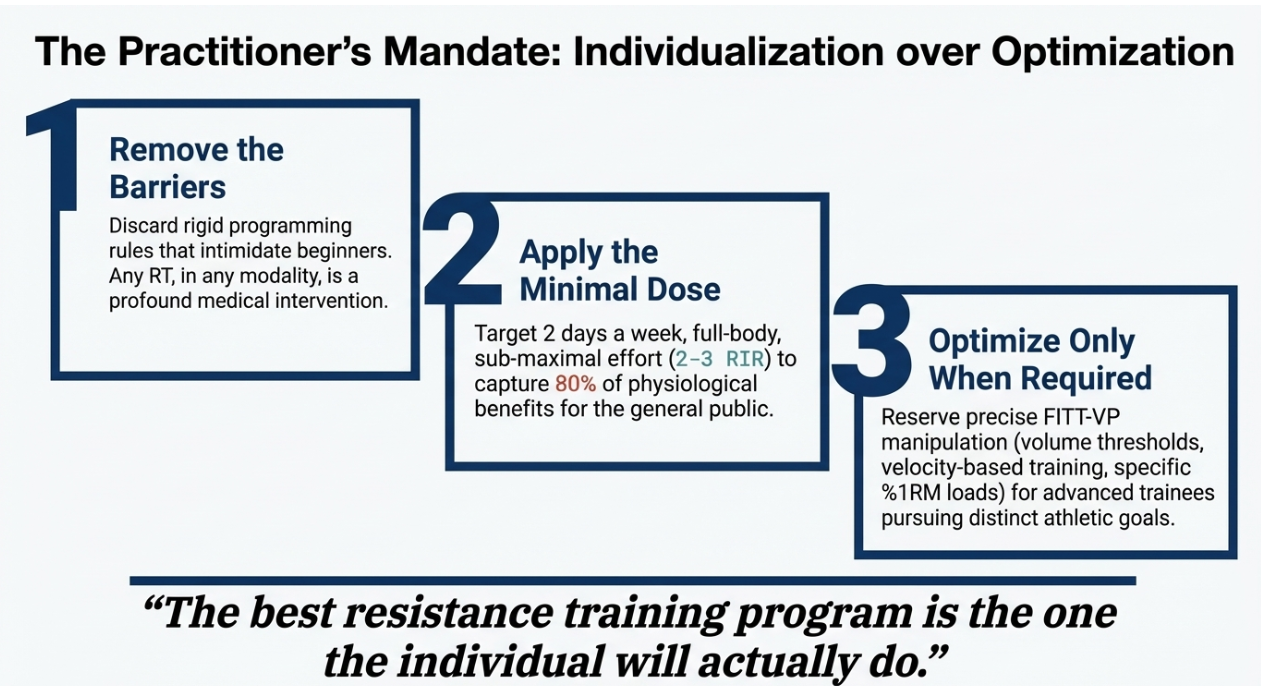
The practical implications represent a paradigm shift in exercise prescription. Previous guidelines were so detailed and demanding that they may have inadvertently created barriers to participation. Currently, nearly 60% of American adults perform zero muscle-strengthening exercise. When guidelines suggest that optimal training requires extensive time, equipment, and technical knowledge, many people conclude that strength training simply isn't for them.
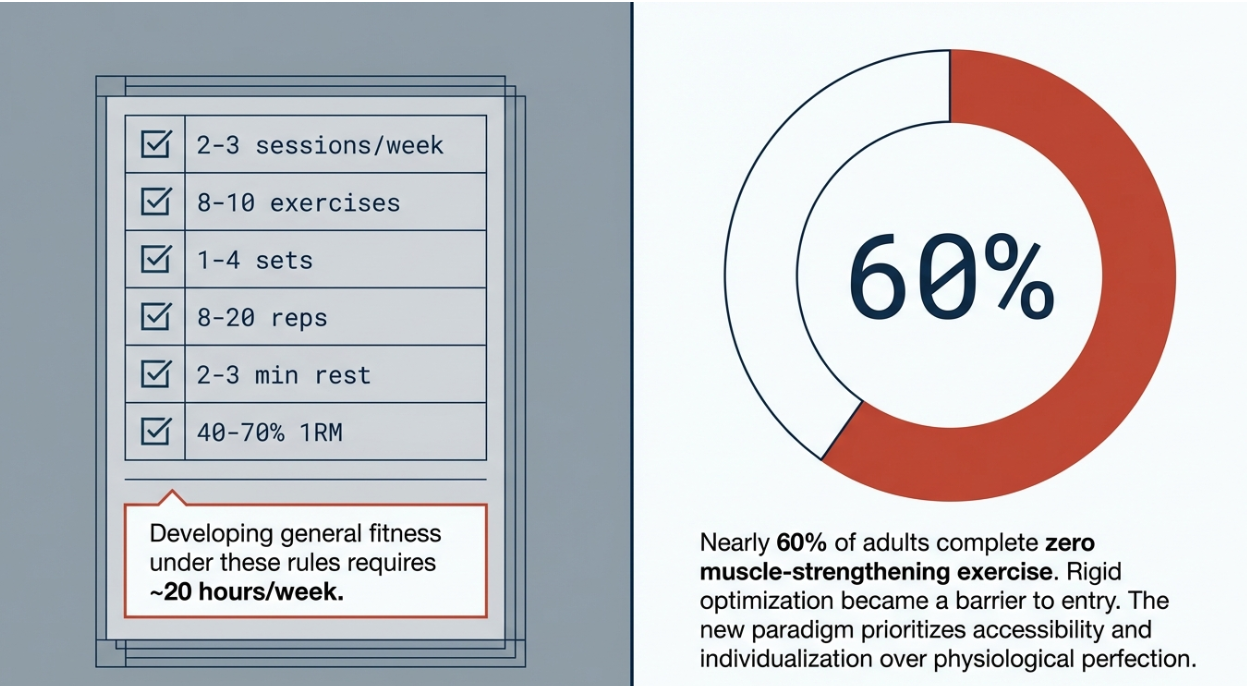
The evidence suggests otherwise. Meaningful health benefits—reduced mortality risk, better cardiovascular health, improved metabolic function, enhanced mental health—don't require optimization. They require consistency with fundamental principles: progressive resistance, adequate effort, and regular practice. Whether someone uses barbells, resistance bands, or their own body weight matters far less than whether they actually do the training.
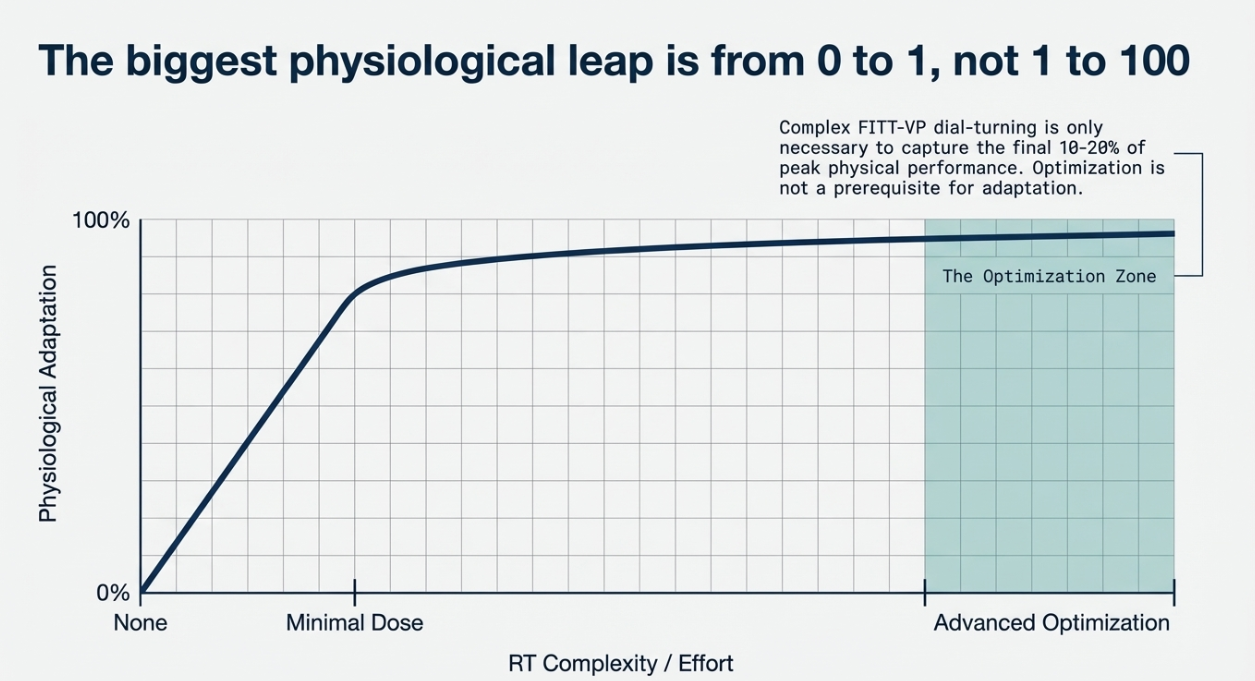
This shift from physiological optimization to practical adherence has profound public health implications. When 40% of adults are doing no muscle-strengthening activity whatsoever, the primary goal shouldn't be perfecting programs for the dedicated few—it should be removing barriers for the uninitiated many. Simpler, more flexible guidelines that prioritize safety, enjoyment, and sustainability over marginal physiological superiority may ultimately produce far greater population-level health benefits.
The researchers' ultimate recommendation is elegantly straightforward: healthy adults should engage in any accessible form of progressive resistance training at least twice weekly with a high degree of effort. That simple foundation—trainable in countless ways, adaptable to virtually any circumstance—is sufficient to dramatically improve muscle function, physical performance, and long-term health outcomes.
Random Trivia & Weird News
The Ancient Greeks Knew Progressive Overload

Milo of Croton, a 6th-century BCE wrestler, reportedly developed legendary strength through an ingenious progressive overload protocol: he carried a newborn calf on his shoulders daily. As the calf grew into a full-sized bull over four years, Milo's strength increased proportionally. Whether historically accurate or mythological, the story demonstrates that ancient athletes intuitively understood the fundamental principle modern science confirms—muscles adapt when progressively challenged. The method might differ from contemporary programming, but the underlying mechanism of gradually increasing resistance remains unchanged across millennia of human strength development.
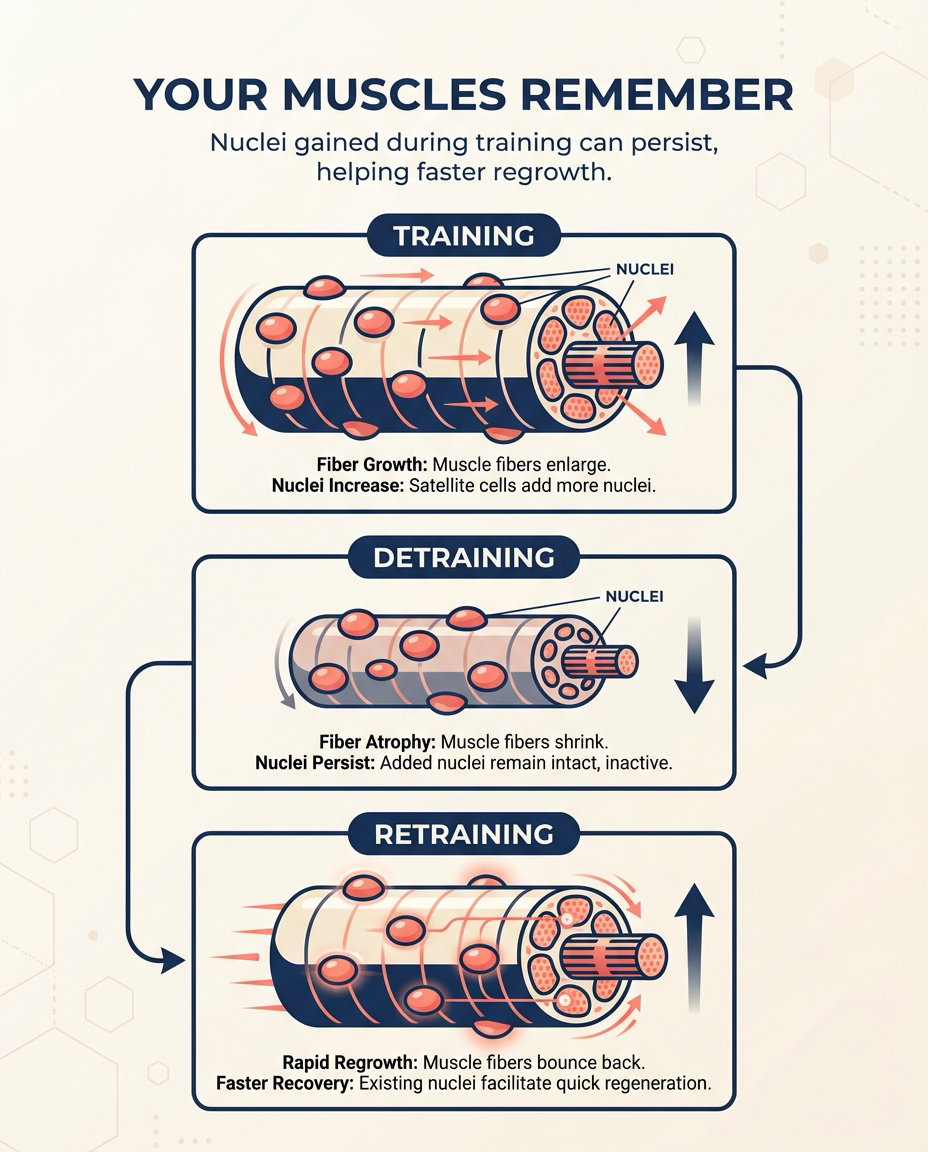
Extra Story: Your Muscles Have Surprisingly Good Memory
"Muscle memory" is real at the cellular level, but not how most people think. When you build muscle, nuclei are added to muscle fibers—and remarkably, these nuclei persist even after you stop training and lose size. Research on mice showed that muscles previously trained retained extra nuclei for at least three months of detraining. When training resumed, previously trained muscles regrew significantly faster than never-trained muscles. This cellular memory suggests that building muscle earlier in life creates lasting advantages, and that regaining lost muscle is genuinely easier than building it initially—your muscles literally remember being bigger.
Podcasts We Loved This Week
- Andrew Huberman: Essentials: Benefits of Sauna & Deliberate Heat Exposure via Huberman Lab
- Dr. Heather Hirsch: Hormone Replacement Therapy, What Every Woman Needs to Know in 2026 via The Dr. Gabrielle Lyon Show
Products We Are Enjoying
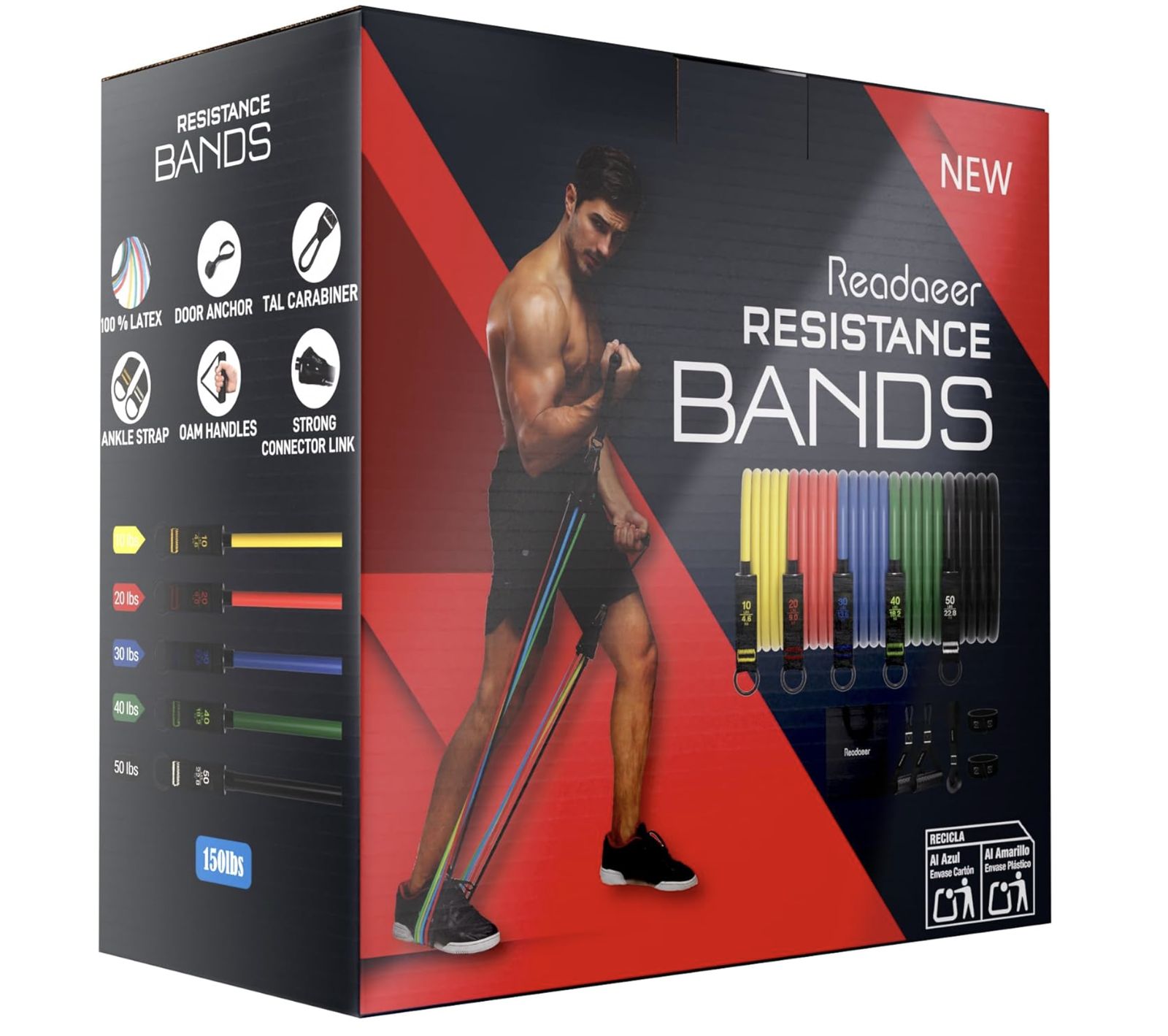
Readaeer Resistance Bands
Resistance Bands Are Actually Research-Validated For decades, resistance bands were dismissed as inferior substitutes for "real" weights, suitable only for rehabilitation or elderly populations. Recent research demolishes this prejudice. Multiple systematic reviews included in this umbrella analysis found elastic resistance training produces comparable improvements in strength, hypertrophy, and functional performance to free weights and machines in healthy adults. Bands offer unique advantages: they provide accommodating resistance (tension increases throughout the range of motion), they're incredibly portable and affordable, injury risk is minimal, and they eliminate intimidation factors associated with gym environments. For adherence and accessibility, they might actually be superior to traditional equipment for many populations.
humanOS Catalog Feature of the Week

Muscle and Health Podcast with Keith Baar
Muscle shapes how you move, perform, and age. And it starts changing earlier than most people think.
This blog and podcast focus on a simple but overlooked question: what happens if you don’t actively maintain muscle over time?
Muscle and strength decline with age, affecting independence, resilience, and long term health. But building strength earlier creates a buffer that pays off later.
In the podcast, Keith Baar explains what actually drives muscle, tendon, and performance adaptations beneath the surface.
If you care about how you function now or later, this will change how you think about training.
Wishing you the best,

—