
Newsletter #408
Aging can more visible in our skin, muscles, or on memory. But some of the most consequential aging happens more invisibly with our arteries. As we grow older, the large elastic vessels that cushion each heartbeat begin to stiffen, fray, and lose their resilience. That stiffening is a major driver of hypertension, heart attacks, and stroke. A new study explores whether a compound from ginseng might protect aging arteries at their deepest biological level—right down to damaged DNA.
If these newsletters are a regular part of how you stay informed on health and longevity, consider supporting the work with a Pro membership. $19.99 per quarter — about $1.67 per issue, less than a coffee tip.
Join here: Become a Member
New Feature: Newsletter Summaries ✨
Ginsenoside Rb1 Ameliorates Natural Vascular Aging by Alleviating DNA Damage and Restoring Aortic Nanobiomechanical Homeostasis
Cardiovascular disease, as seen with things like changes in cholesterol and blood pressure, remains the leading cause of death globally. The single most powerful risk factor is age itself.
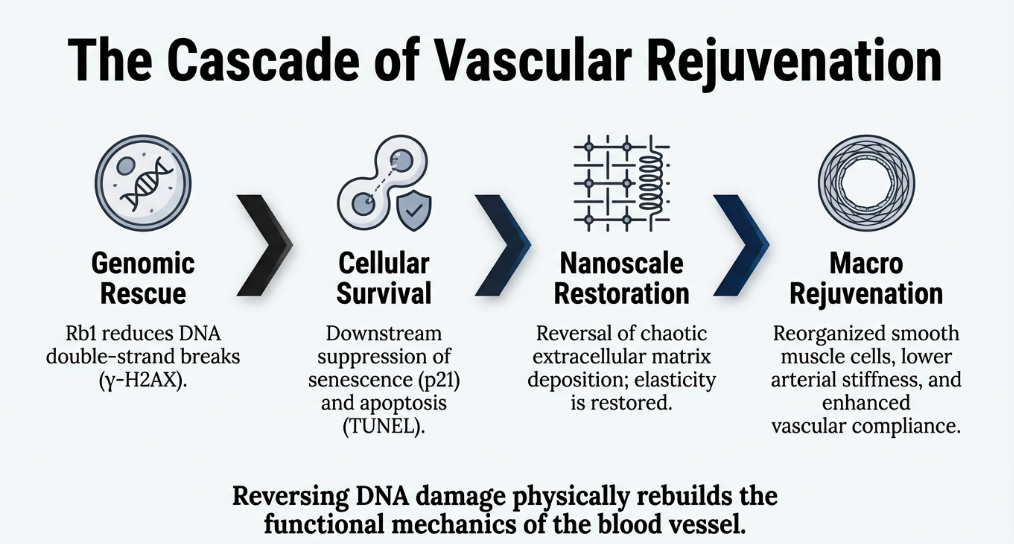
Over time, large elastic arteries like the aorta undergo what researchers call “arterial aging.” Structurally, the vessel wall thickens. Elastic fibers fragment. Collagen accumulates. Smooth muscle cells lose their orderly alignment. Functionally, this translates into stiff arteries that can’t expand and recoil efficiently with each heartbeat.
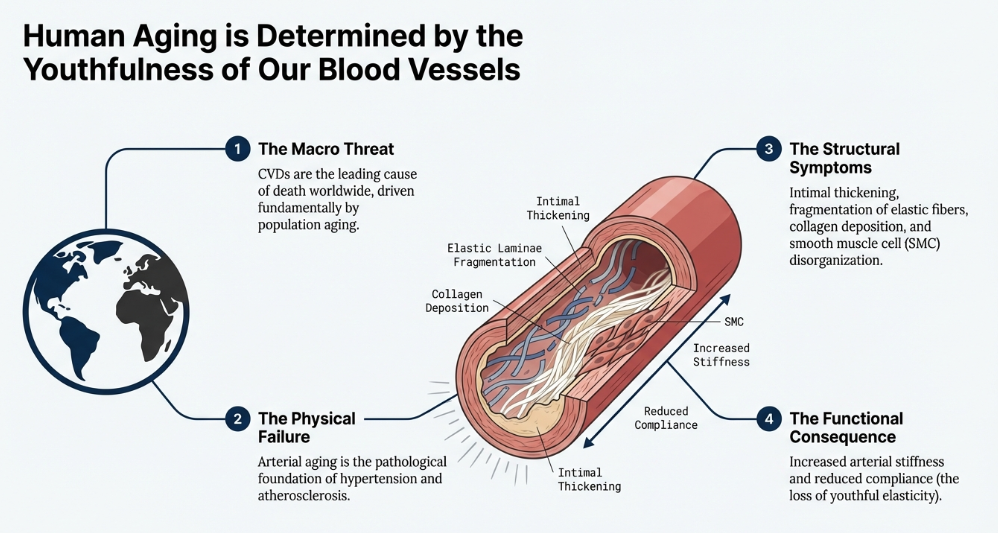
Stiff arteries force the heart to work harder. They elevate blood pressure. They accelerate atherosclerosis. In short, arterial aging lays the groundwork for cardiovascular disease. But what actually drives this deterioration?
At the cellular level, aging arteries are characterized by oxidative stress, mitochondrial dysfunction, chronic inflammation, and the buildup of senescent (“zombie”) cells. One central trigger sits upstream of many of these problems: unrepaired DNA damage.
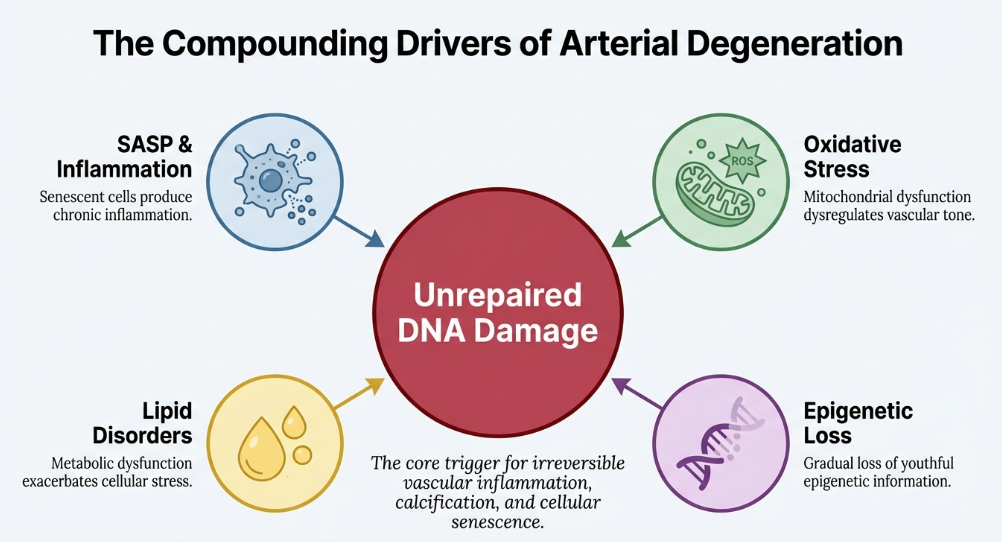
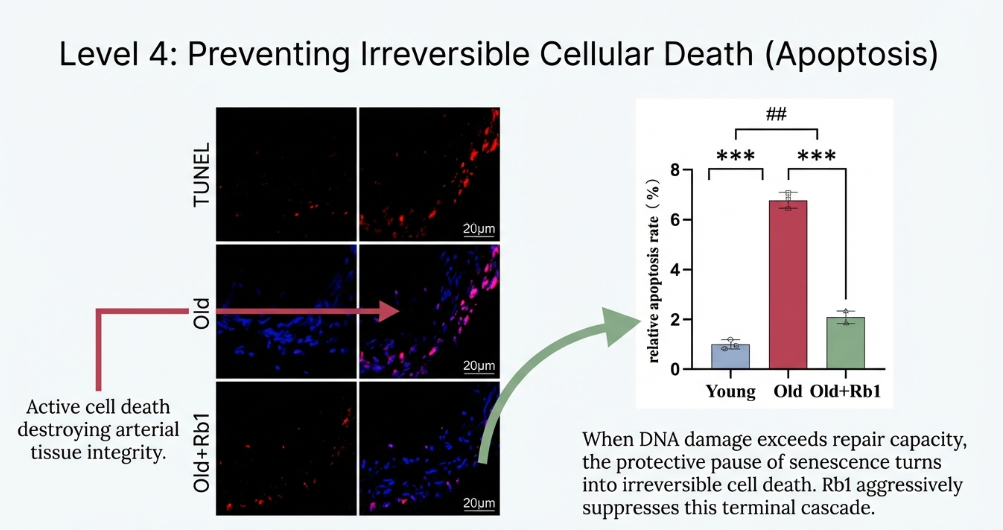
When DNA damage accumulates beyond the body’s repair capacity, cells either stop dividing (senescence) or self-destruct (apoptosis). In blood vessels, that loss of healthy cells and rise in inflammatory signaling accelerates structural breakdown and stiffness.
This study focused on whether Ginsenoside Rb1—a primary active compound found in ginseng—could interrupt that cascade.
The Experiment
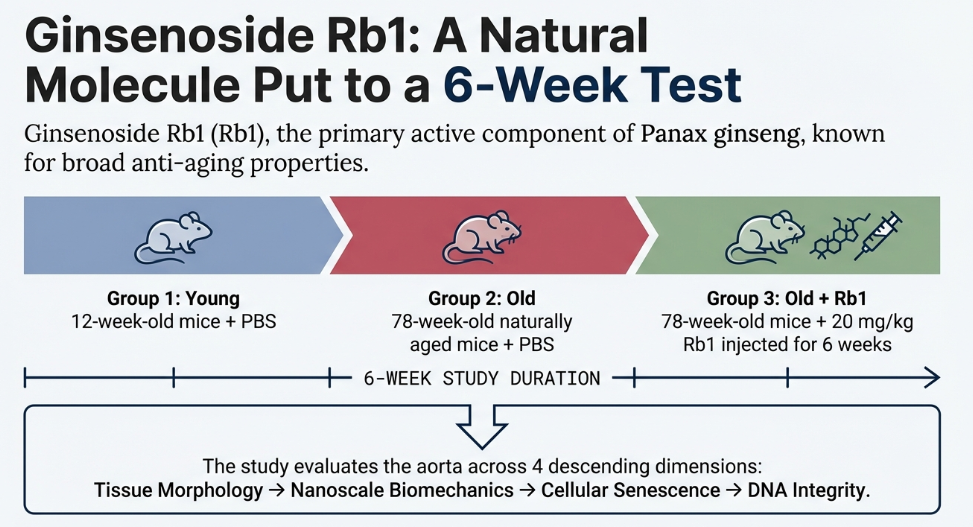
Researchers used naturally aged mice (72 weeks old) to model arterial aging. One group received no treatment. Another group received Ginsenoside Rb1 injections for six weeks. Young mice served as a healthy baseline. After treatment, scientists examined the aorta from three angles:
- Structure (microscopic tissue organization)
- Biomechanics (elasticity and viscosity at the nanometer scale)
- Molecular markers (DNA damage, senescence, and cell death)
To measure mechanical properties with extreme precision, they used Atomic Force Microscopy (AFM)—a technique capable of detecting nanoscale changes in tissue elasticity that traditional methods might miss.
What They Found
Structural Restoration
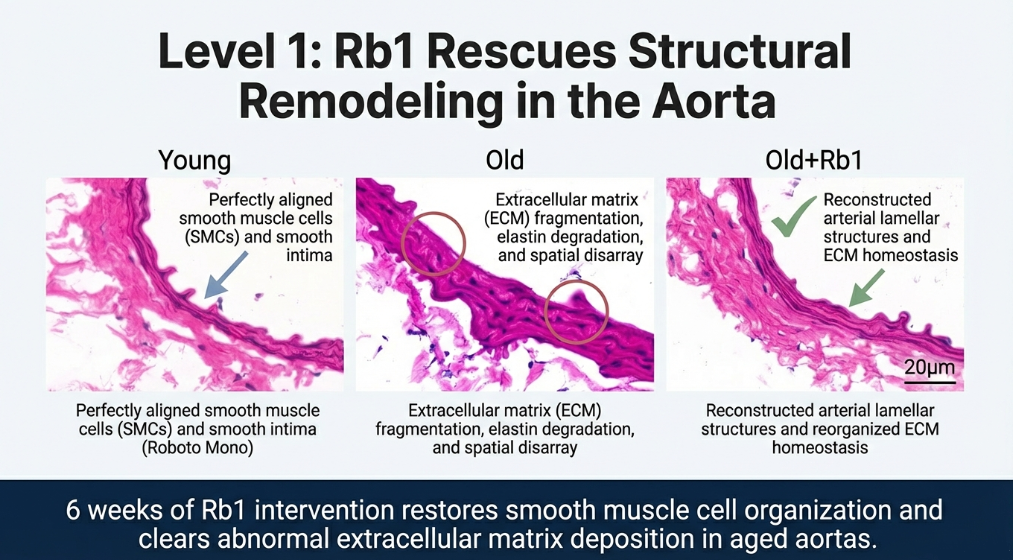
Untreated aged arteries showed classic signs of deterioration: fragmented elastic fibers, disorganized smooth muscle cells, and extracellular matrix breakdown. Rb1-treated arteries looked markedly improved. Smooth muscle cells were better aligned. The extracellular matrix appeared more organized. The overall architecture resembled a more youthful vessel. Not perfect—but clearly rejuvenated.
Improved Elasticity at the Nanoscale
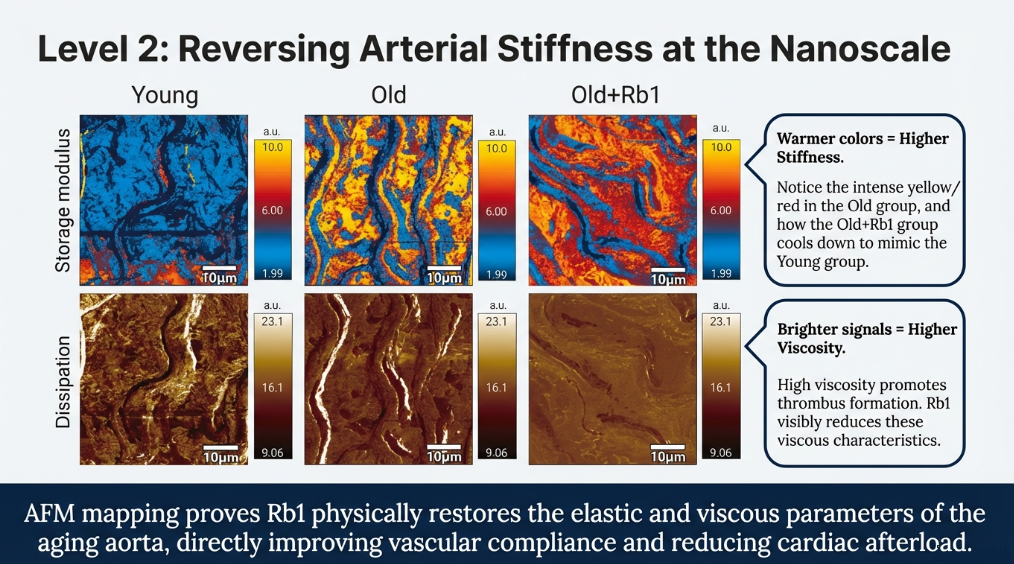
Aging arteries become mechanically chaotic. Their elasticity varies unpredictably across microscopic regions, leading to stiffness and poor compliance. Using AFM, researchers showed that Rb1 significantly improved the distribution of elasticity and normalized viscosity patterns. In practical terms, the arteries behaved more like flexible shock absorbers again. This nanoscale mechanical restoration is important because arterial stiffness often precedes clinical symptoms by years.
Reduced Cellular Senescence and Apoptosis
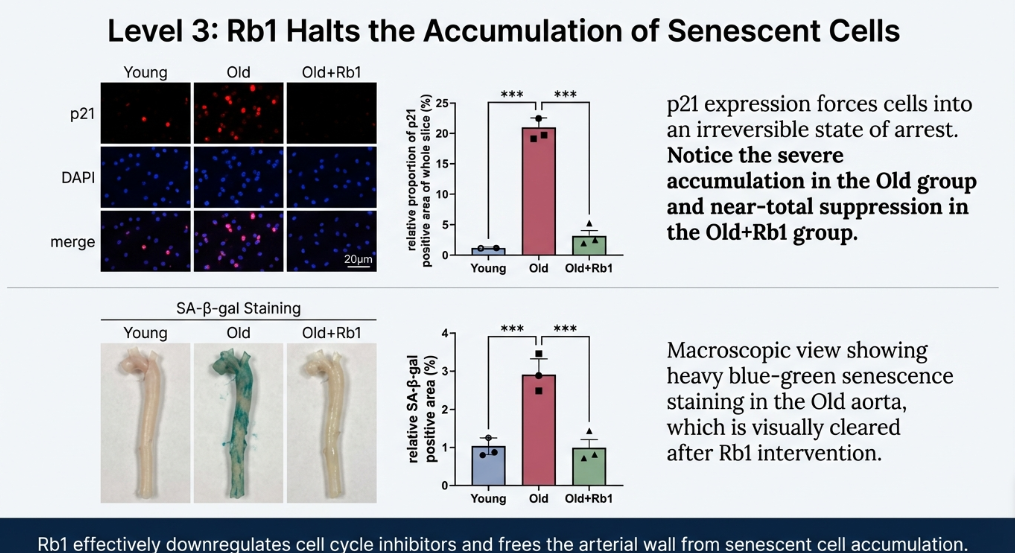
The treated group showed lower levels of p21 (a key driver of cellular senescence) and fewer SA-β-gal–positive senescent cells. They also had reduced apoptosis, meaning fewer cells were undergoing programmed death. This matters because excessive senescence and apoptosis thin the vascular wall and promote inflammatory signaling.
Less DNA Damage
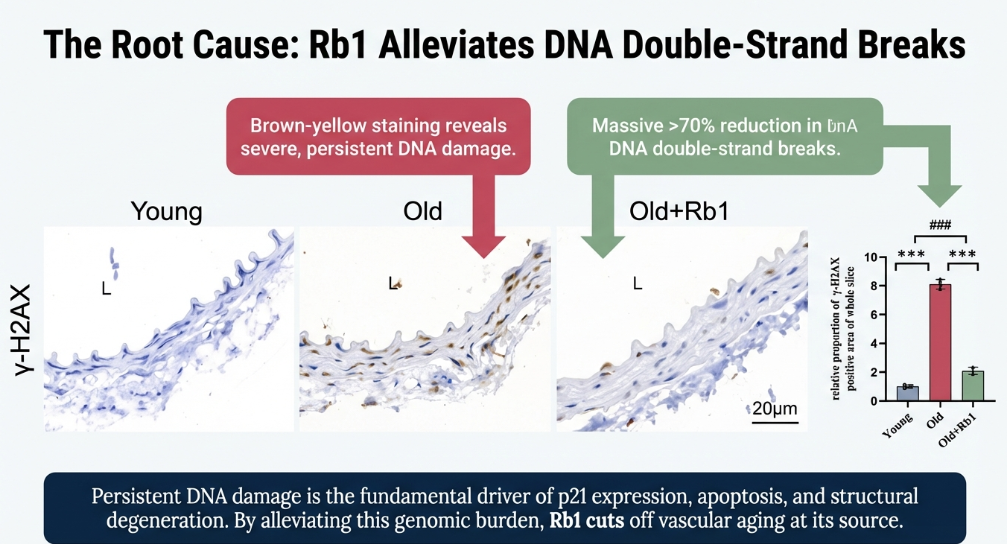
Perhaps the most important finding: Rb1 significantly reduced levels of γ-H2AX, a biomarker of DNA double-strand breaks. In other words, the compound appeared to directly reduce the burden of DNA damage inside aging arterial cells. That reduction likely sits upstream of the improvements in senescence, apoptosis, and mechanical function. By easing DNA damage, Rb1 may interrupt the entire degenerative cascade.
Why This Matters
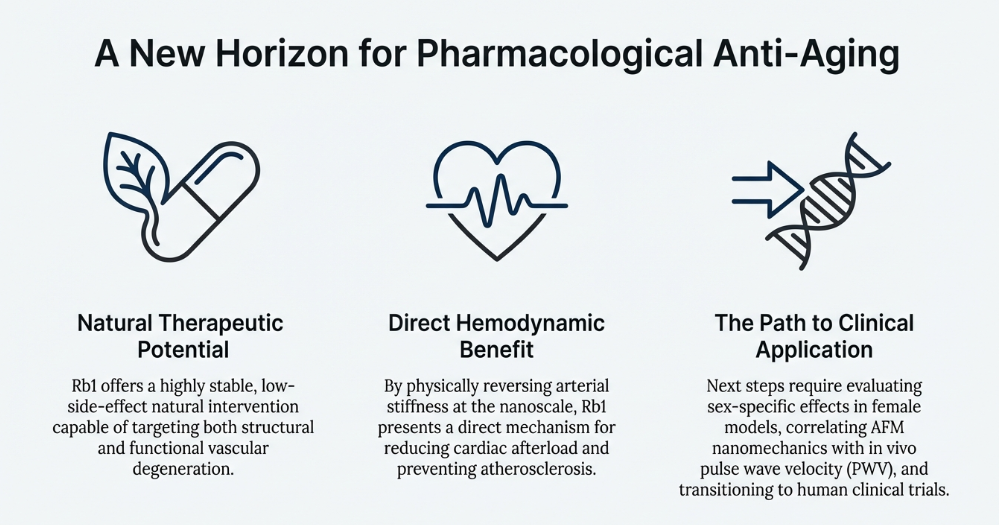
This study is the first to show that Ginsenoside Rb1 can slow arterial aging by targeting DNA damage itself. That’s a big deal.
Most cardiovascular therapies treat downstream consequences—lowering blood pressure, reducing cholesterol, preventing clots. But this research suggests we may be able to intervene earlier in the biological process of vascular aging.
It also highlights something important about measurement. The use of Atomic Force Microscopy revealed subtle mechanical changes that standard vascular tests might overlook. This kind of high-resolution biomechanical tracking could become a powerful way to detect early vascular dysfunction.
Qu
Important Caveats
This was an animal study conducted only in male mice. We don’t yet know:
- Whether the same effects occur in females
- Whether the benefits translate to humans
- How Rb1 interacts with inflammation, lipid metabolism, or epigenetic regulation
- Whether these nanoscale improvements lead to measurable in vivo changes like reduced pulse wave velocity (Every heartbeat sends a pressure wave through your arteries. In young, flexible arteries, the vessel walls stretch and absorb some of that energy. The wave moves more slowly because the artery is acting like a shock absorber. Slower pulse waves mean softer arteries. Thus, reduced pulse wave velocity is a great sign.)
Treated arteries did not fully return to youthful baseline levels. Still, the direction of change was consistent and biologically meaningful.
The Bigger Picture
Arterial aging isn’t just about plaque buildup—it’s about the gradual loss of structural and genetic integrity inside blood vessel cells.
This study connects DNA repair capacity directly to arterial elasticity and structural preservation. It suggests that protecting genomic stability may be one of the most important levers for cardiovascular longevity.
The broader implication is clear: strategies that reduce DNA damage or enhance repair may play a central role in extending healthspan—not just lifespan. Ginsenoside Rb1 is now a candidate worth watching.
Summary: Arterial aging is a major driver of cardiovascular disease, marked by stiffening, structural breakdown, and loss of elasticity in large blood vessels like the aorta. A new animal study investigated whether Ginsenoside Rb1, a bioactive compound from ginseng, could slow this process. Aged mice treated with Rb1 for six weeks showed improved arterial structure, restored nanoscale elasticity, reduced cellular senescence, and less apoptosis compared to untreated aged mice. Most importantly, Rb1 significantly reduced DNA double-strand breaks, suggesting it acts upstream by lowering the DNA damage burden that drives vascular aging. Although arteries did not fully return to youthful levels and the study was limited to male mice, the findings provide the first direct evidence that Rb1 can target DNA damage to preserve arterial structure and function. The research also highlights advanced biomechanical tools for detecting early vascular decline, pointing toward new strategies for improving cardiovascular healthspan.
Random Trivia & Weird News

The 2,000-Year-Old Ginseng Root
In northeastern China, archaeologists once discovered preserved ginseng roots in a tomb over 2,000 years old—carefully stored as a medicinal treasure. Ancient texts describe ginseng as a “life-force” enhancer long before modern molecular biology existed. Today, researchers are investigating whether compounds like Rb1 may influence DNA repair pathways. It’s a striking convergence: ancient herbal traditions meeting nanoscale biomechanics and genomic science in the quest for longevity.
Podcasts We Loved This Week
- Dr. Tony Wyss-Coray: Restore Youthfulness & Vitality to the Aging Brain & Body via Huberman Lab Podcast
- Boundless Life with Ben Greenfield: Are We Just Modern Zoo Animals? The Ancestral Mismatch (Part 1) via Boundless Life
Products We Are Enjoying
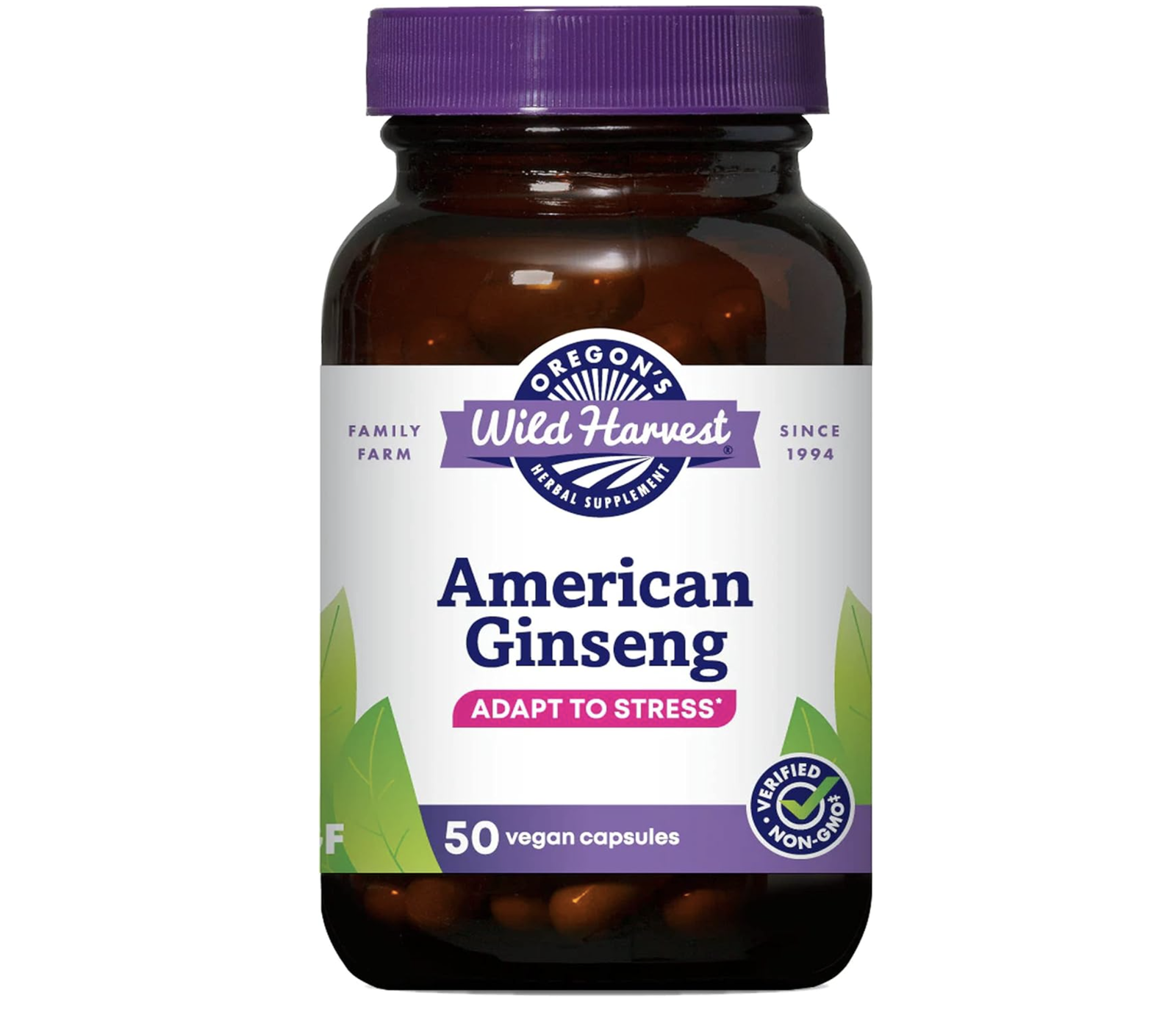
American Ginseng
American ginseng (Panax quinquefolius) often contains higher levels of ginsenoside Rb1 than its Asian relative, Panax ginseng. Researchers often compare the two species using the Rg1:Rb1 ratio, and American ginseng consistently shows a profile dominated by Rb1. This matters because the study above examined how Rb1 may protect aging arteries by reducing DNA damage and improving vascular elasticity. While many ginseng products focus on Korean red ginseng, American ginseng may be one of the richer natural sources of the specific compound investigated in this research.
humanOS Catalog Feature of the Week
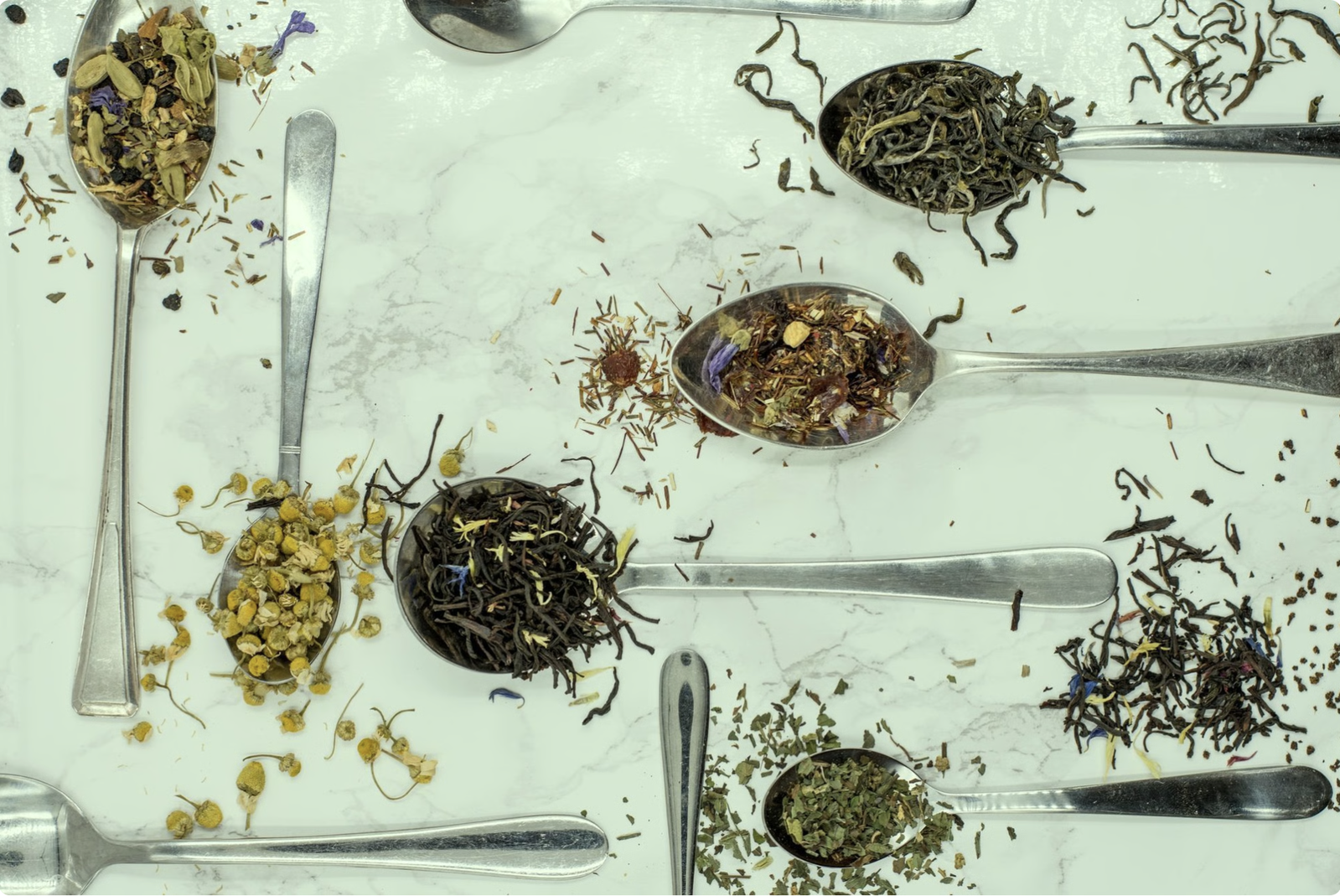
Flavonoids in Edible Plants & Heart Health. Podcast with Nicola Bondonno
For decades, we’ve been told that fruits and vegetables protect against disease. But a deeper question remains: why? Is it simply the vitamins and minerals they contain, or is something else at work? In this conversation, the guest explores a growing scientific puzzle. Large population studies show strong links between plant intake and lower disease risk, yet isolated vitamin supplements rarely reproduce the same benefits. That mismatch has pushed researchers to look beyond traditional nutrients toward a different class of plant compounds that may be doing the real biological heavy lifting. The discussion reveals how scientists are rethinking plant nutrition and why whole foods may work in ways pills cannot.
Wishing you the best,

- —