

Newsletter #407
GLP-1 drugs like Ozempic have reshaped medicine almost overnight. Originally framed as weight-loss treatments, they’re now reducing heart disease, improving kidney function, and even showing promise in neurodegenerative disorders. Why does one drug seem to influence so many different diseases at once — and why do some of its side effects resemble accelerated aging? This new theoretical framework argues that we’ve been thinking about disease all wrong. Instead of treating isolated organs, we may need to treat biological networks. Let’s take a look.
If these newsletters are a regular part of how you stay informed on health and longevity, consider supporting the work with a Pro membership. $19.99 per quarter — about $1.67 per issue, less than a coffee tip.
Join here: Become a Member
New Feature: Newsletter Summaries ✨
From GLP-1 to the Blueprint Theory of Aging: Rethinking Disease Through Patho-Pathways
Modern medicine has long operated under a rule of one drug, one disease. Blood pressure medication treats hypertension. Insulin treats diabetes. Statins treat cholesterol. Clean, compartmentalized, organized. But biology doesn’t work that way. It’s more convenient for study and research, but this approach is reductionist.
The researchers behind the Blueprint Theory of Aging (BPT) argue that most chronic diseases, from heart disease to neurodegeneration , don’t emerge in isolation. They are different branches of the same underlying network dysfunction. And the recent success of GLP-1 receptor agonists forced them to take this idea seriously.
GLP-1 drugs like semaglutide and tirzepatide don’t just lower weight. They reduce cardiovascular events. They improve kidney outcomes. They influence inflammation. Some data even suggest effects on neurodegenerative processes. That breadth is someone unusual for most pharmaceuticals, but its revealing (and not entirely novel, think metformin, approved as a diabetes drug, but now being researched as something that could improve healthspan while aging).
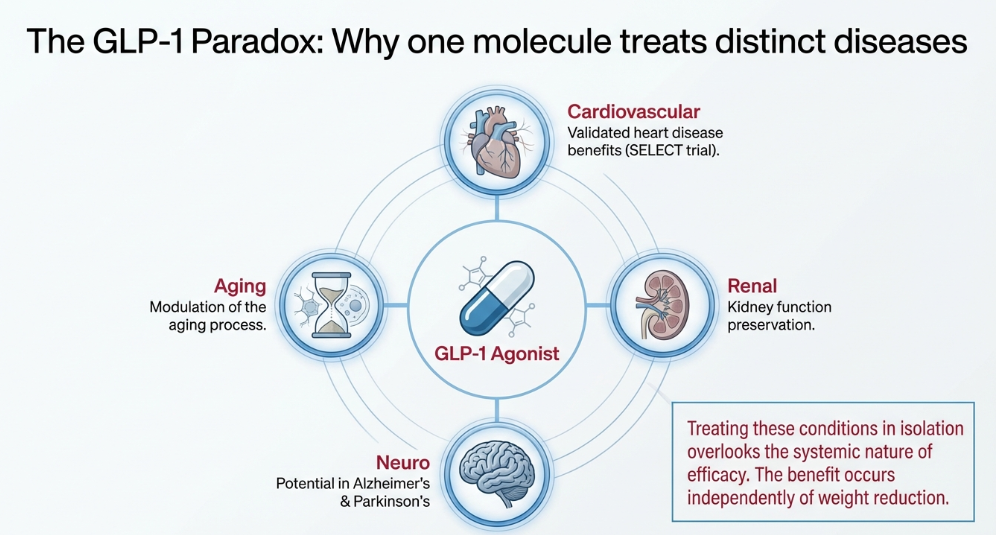
The Core Idea: “Patho-Pathways”
The Blueprint Theory introduces the powerful concept of patho-pathways. These are normal biological programs that become destructive when activated at the wrong time, in the wrong place, or at the wrong intensity. Think of inflammation. It’s essential for healing. But when chronically activated, it drives insulin resistance, arterial plaque formation, and cognitive decline.
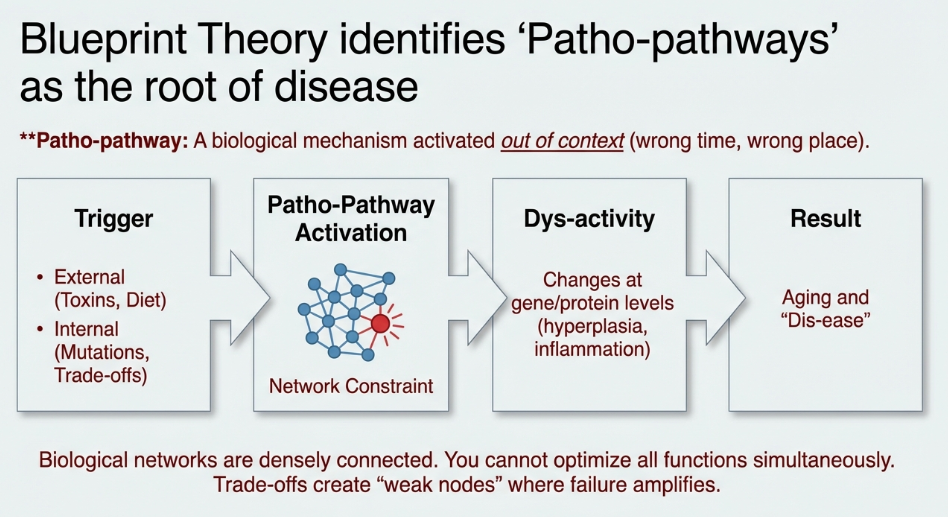
In this framework, aging isn’t just random wear and tear. It’s the result of biological networks getting pushed into maladaptive states due to environmental stress, injury, toxins, infections, or metabolic overload. Once triggered, these cascades branch outward — affecting multiple organs at once.
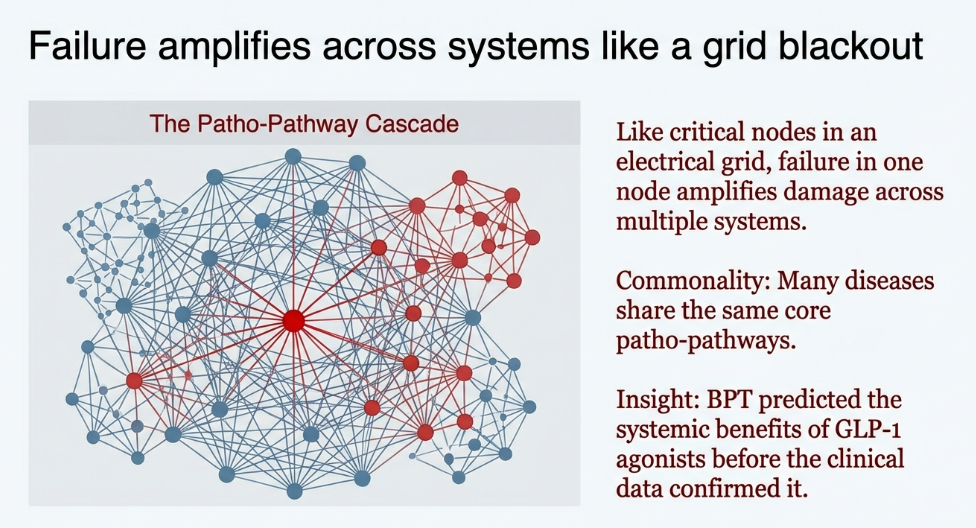
The GLP-1 Patho-Pathway
The researchers mapped what they call the GLP-1 dysregulation patho-pathway. In obesity, the process unfolds in stages:
Stage 1: Early Fat Accumulation: Excess fat tissue begins releasing inflammatory signals. Insulin resistance develops locally.
Stage 2: Lipotoxicity: Fat spills into organs not designed to store it, such as the liver and muscle, impairing their function.
Stage 3: Systemic Breakdown: Widespread insulin resistance culminates in type 2 diabetes.
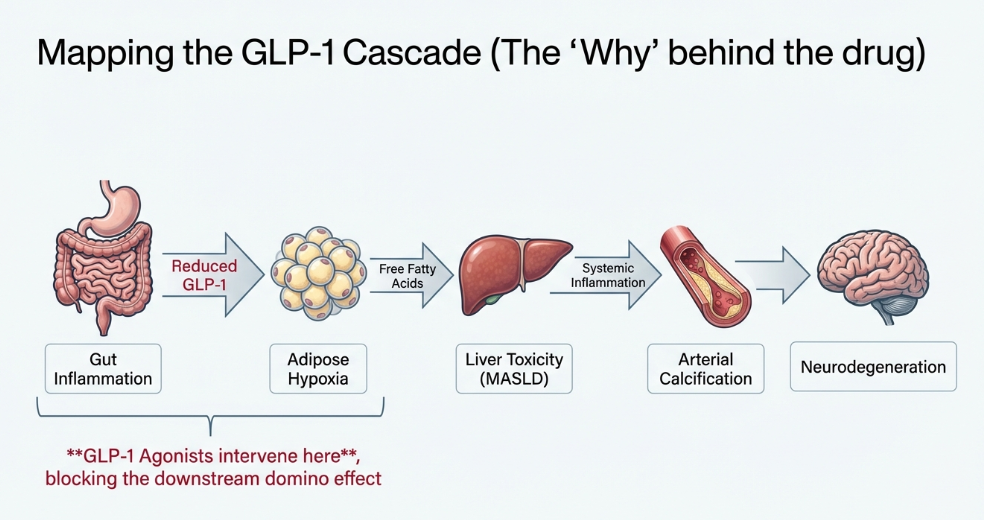
But it doesn’t stop there. This same cascade branches into what researchers call the “calcium paradox,” where bone demineralization contributes to vascular calcification. It fuels neuroinflammation associated with Alzheimer’s and Parkinson’s disease. It accelerates tissue dysfunction across organ systems.
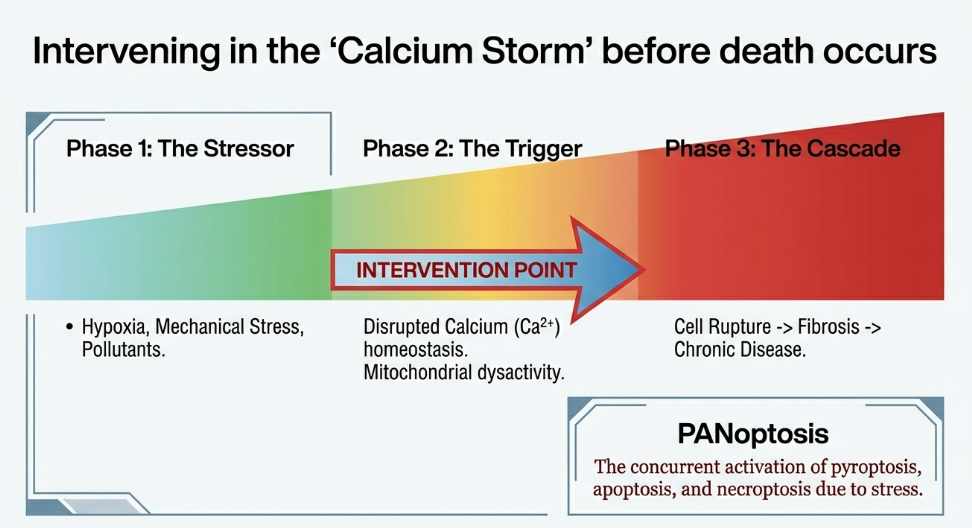
In other words, one root network problem leads to many disease labels. GLP-1 drugs work because they hit a shared node within this network. Instead of targeting one symptom, they dampen a central control point. But here’s the catch.
Because this pathway is deeply embedded in genetically regulated programs, interfering with it creates trade-offs. The same intervention that improves metabolic health can trigger muscle loss (sarcopenia) or other aging-like effects. The network compensates. You cannot tweak a core biological system without consequences.
Trade-Offs Are Built Into Biology
The Blueprint Theory emphasizes something uncomfortable but essential: biological optimization is constrained. You cannot maximize every function simultaneously. Networks are interconnected. Improve one axis and you may destabilize another. This helps explain why modern drug development fails 90% of the time. We design drugs as if diseases are isolated mechanical faults. But they’re network states. If you ignore the network, you create unintended downstream effects.
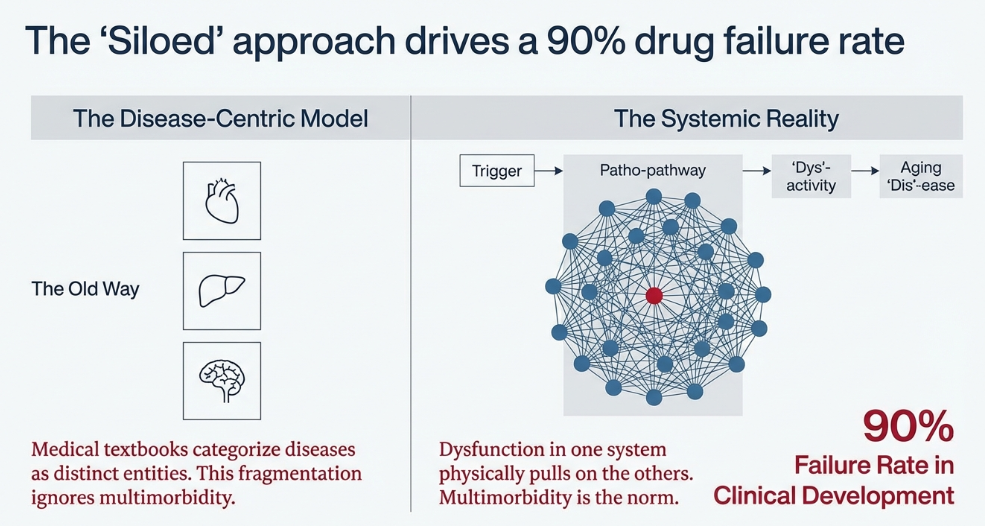
Targeting Necrosis
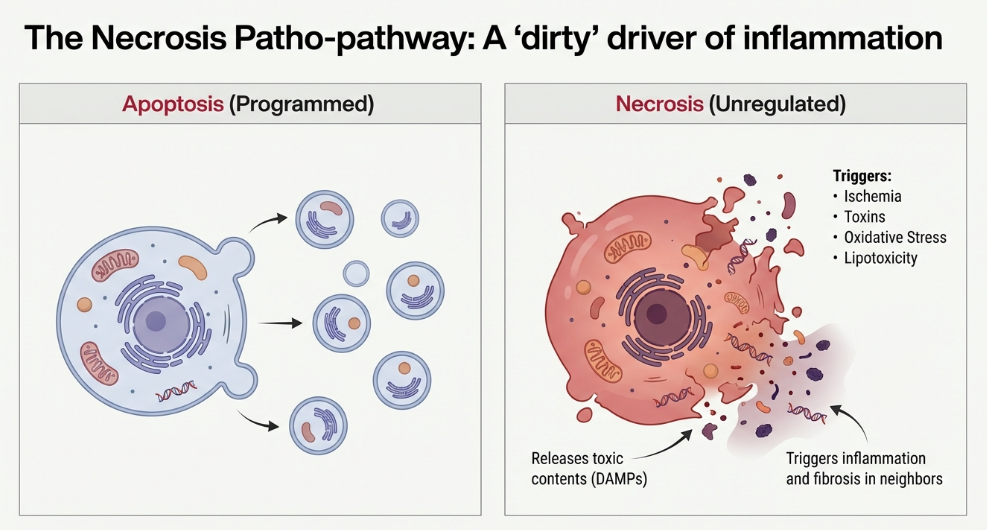
If GLP-1 modulation involves trade-offs because it interferes with regulated genetic programs, what if we targeted something different? The researchers propose the necrosis patho-pathway as a more promising target. Necrosis is a catastrophic form of cell death triggered by severe stress — oxidative damage, trauma, and ischemia. When intracellular calcium levels spiral out of control, destructive enzymes activate and essentially digest the cell from within. The dying cell releases inflammatory debris, damaging surrounding tissue and accelerating fibrosis.
Unlike GLP-1 signaling, necrosis is not a programmed genetic optimization pathway. It’s a pathological response to injury. This distinction matters.
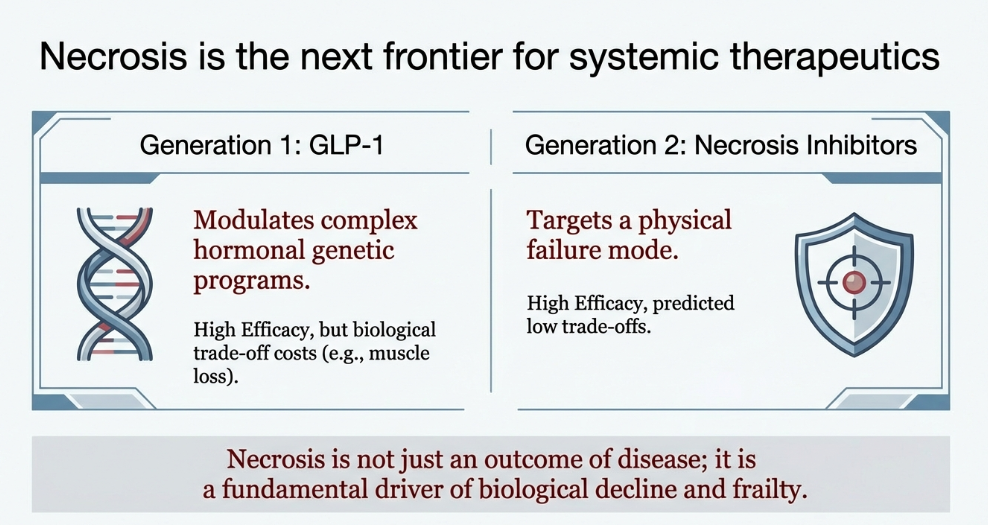
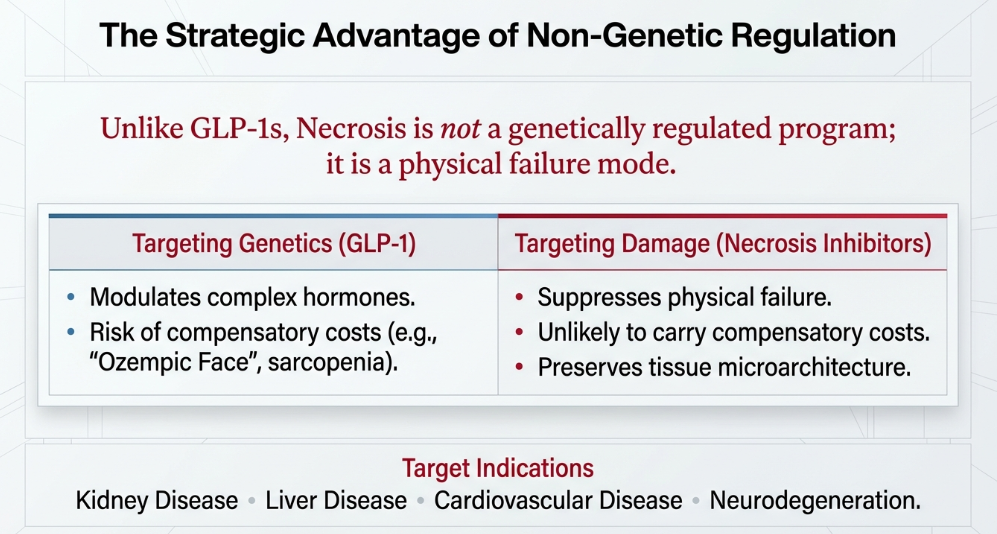
The authors hypothesize that inhibiting necrosis could interrupt destructive aging cascades across organs — heart, brain, kidney — without triggering the compensatory trade-offs seen when manipulating regulated metabolic systems.
It remains theoretical, but it’s an elegant idea. Instead of adjusting normal biological levers you aim to block runaway damage signals.
Predictions and the Need for Proof
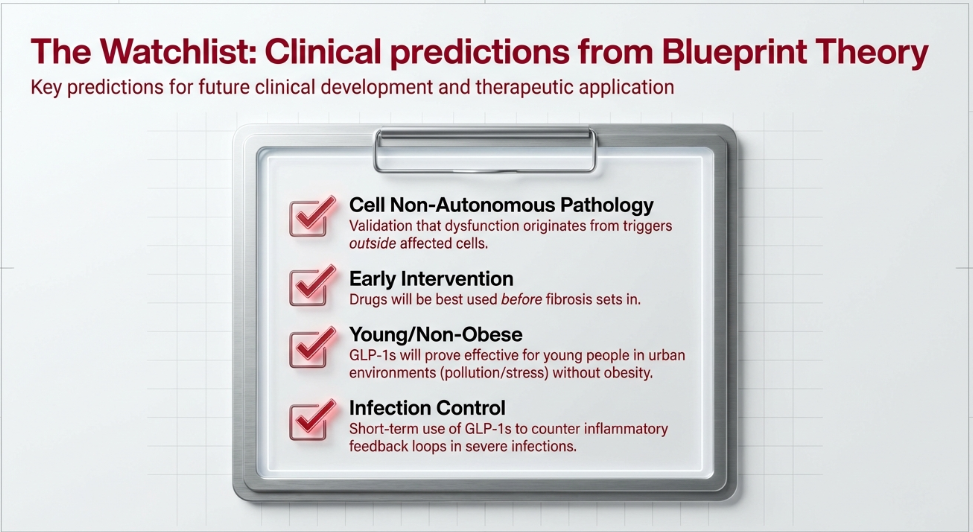
Because this is a conceptual framework rather than a clinical trial, many of its proposals remain untested. The authors predict GLP-1 drugs may work best when used early — before irreversible tissue damage. They speculate benefits in young individuals with chronic inflammatory diseases. They even propose short-term GLP-1 use alongside antibiotics in severe infections. These ideas are hypotheses, not evidence. Similarly, necrosis inhibitors would need to be developed and rigorously tested before we know whether they truly avoid biological trade-offs.
The Paradigm Shift: From Disease Labels to Network Medicine
The real impact of this work is philosophical. It proposes moving from a disease-centric model to systems medicine. Instead of calling a drug a “weight-loss drug” or a “heart drug,” we would classify therapies by the patho-pathways they modulate.
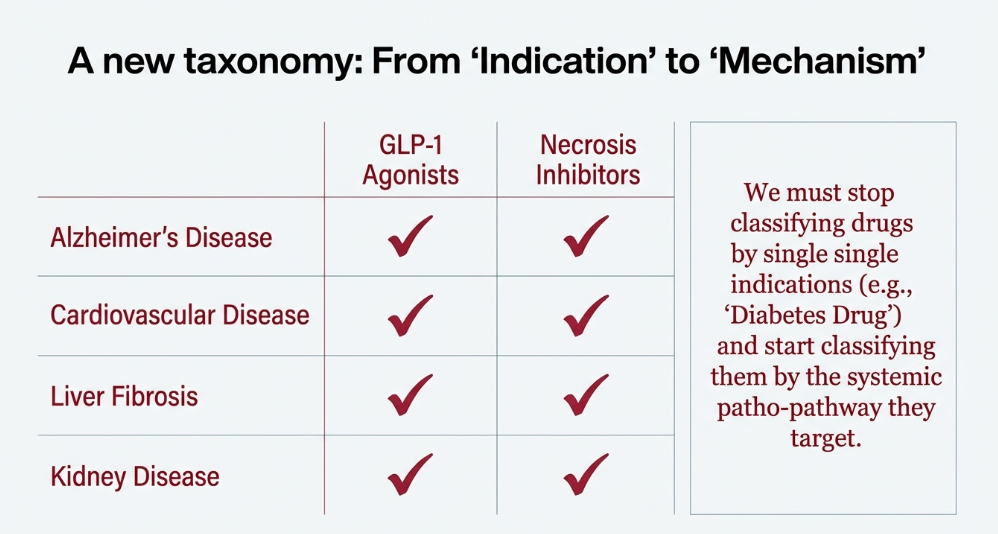
Drug discovery would shift from symptom suppression to network stabilization. If correct, this could reduce pharmaceutical failure rates and open the door to second-generation systemic therapeutics — drugs that influence multiple age-related diseases at once by targeting shared biological drivers.
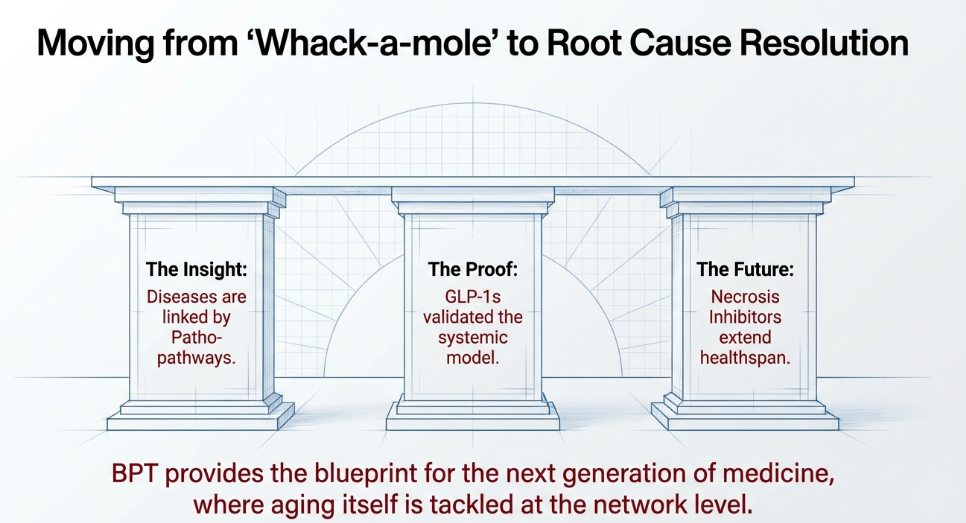
GLP-1s may not be the endgame. They may be the proof that we’ve been drawing the map incorrectly. And if we redraw it — around networks rather than organs — we may finally begin treating aging itself not as inevitable decline, but as modifiable biology.

Random Trivia & Weird News
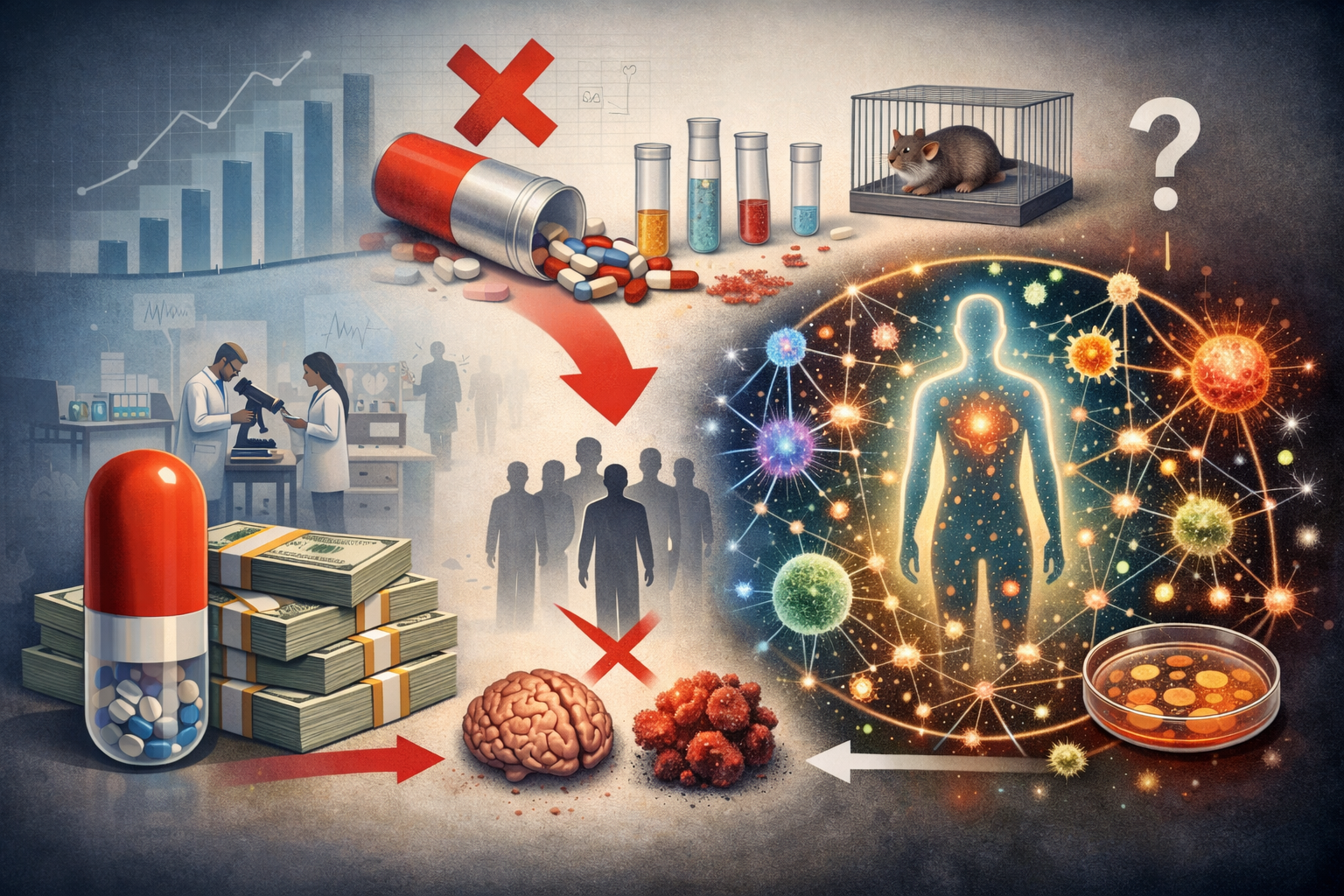
The $2 Billion Failure Problem
It costs over $2 billion to bring a drug to market — and 90% of candidates fail in clinical trials. Some researchers now believe the failure rate isn’t about bad molecules, but flawed models of disease that ignore interconnected biological networks.
Podcasts We Loved This Week
- Dr. Tony Wyss-Coray: Restore Youthfulness & Vitality to the Aging Brain & Body via Huberman Lab
- Dr. Elizabeth Yurth: The Science of Ketones, Hormones, and Faster Recovery via Extend Podcast
Products We Are Enjoying
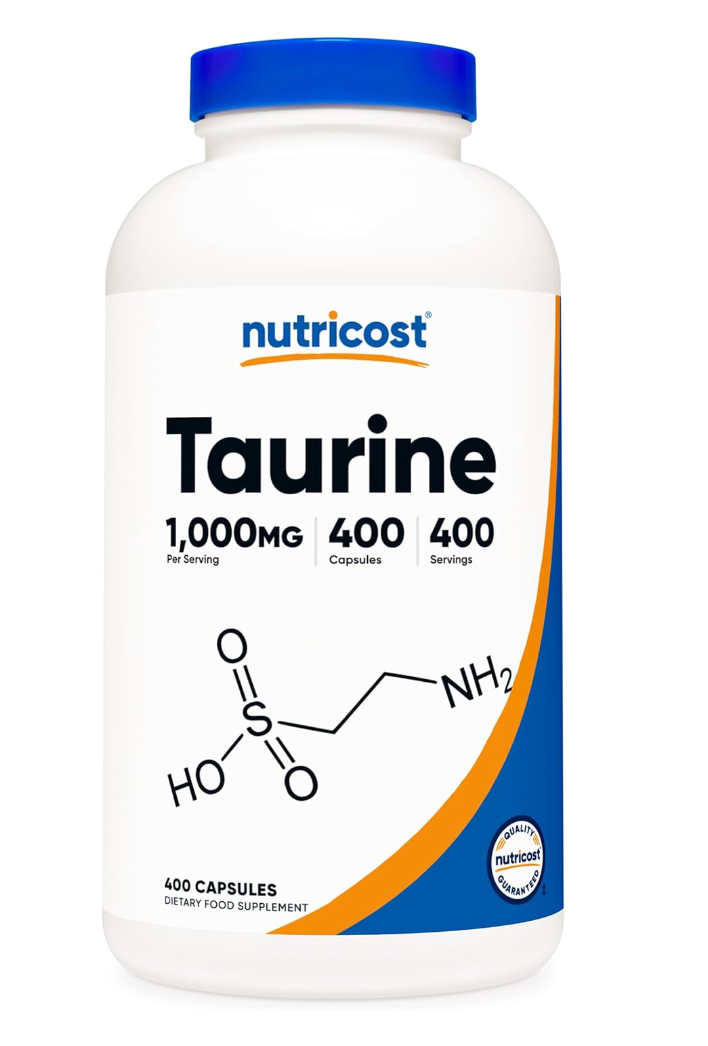
Taurine
It is worth noting that normal healthy folks don’t really need to worry about suffering frank deficiency of taurine. A typical American diet provides around 120-180 mg of taurine daily, and humans can synthesize small amounts, so you can get by even if your diet contains zero taurine. It is not an essential nutrient, in other words.
However, the benefits of taurine for fighting off the components of metabolic syndrome are usually realized with much higher doses than what you would naturally find in the diet, which is why supplementation is needed. The studies analyzed above used a wide array of doses, ranging from 1.5 g up to 6 grams. Three grams has been shown to be safe for long term use, so a smart dosing regimen for metabolic health might be one gram three times per day — or one capsule in the morning, one in the afternoon, then one at night.
humanOS Catalog Feature of the Week

Taurine and Biological Aging. Podcast with Vijay Yadav, PhD
Taurine shows up in energy drinks, yet it is not a stimulant. It is not even considered essential. So why are serious scientists studying it in the context of aging?
New research suggests taurine levels fall dramatically over the lifespan across multiple species. That raises a deeper question. Is this decline just a byproduct of aging, or could it be helping drive it?
In this week’s blog and humanOS Radio episode, we sit down with Columbia geneticist Vijay Yadav to explore the data, the experiments, and the implications. The findings may reshape how you think about longevity and what it takes to protect healthspan.
Wishing you the best,

—