

Newsletter #406
For years, older adults have been told to limit red meat if they want to protect their heart and brain. But what if that advice is too simple? A new randomized feeding trial challenges the idea that all red meat is metabolically harmful—and suggests that the real question isn’t whether you eat meat, but what kind, how much, and within what dietary pattern. The findings could reshape how we think about protein, muscle preservation, and cognitive aging.
If these newsletters are a regular part of how you stay informed on health and longevity, consider supporting the work with a Pro membership. $19.99 per quarter — about $1.67 per issue, less than a coffee tip.
Join here: Become a Member
New Feature: Newsletter Summaries
Minimally Processed Pork vs. Lentils in a Plant-Forward Diet for Metabolic and Cognitive Health in Older Adults
Most dietary guidelines are aimed at protecting heart and brain health by recommending an abundance of plant matter in one’s diet. They also typically advise limiting red meat. But there’s a problem: many studies that these guidelines are based off of lump together highly processed meats (bacon, sausage, deli meats) with lean, minimally processed cuts. That’s like judging all exercise based on the health effects of overtraining.
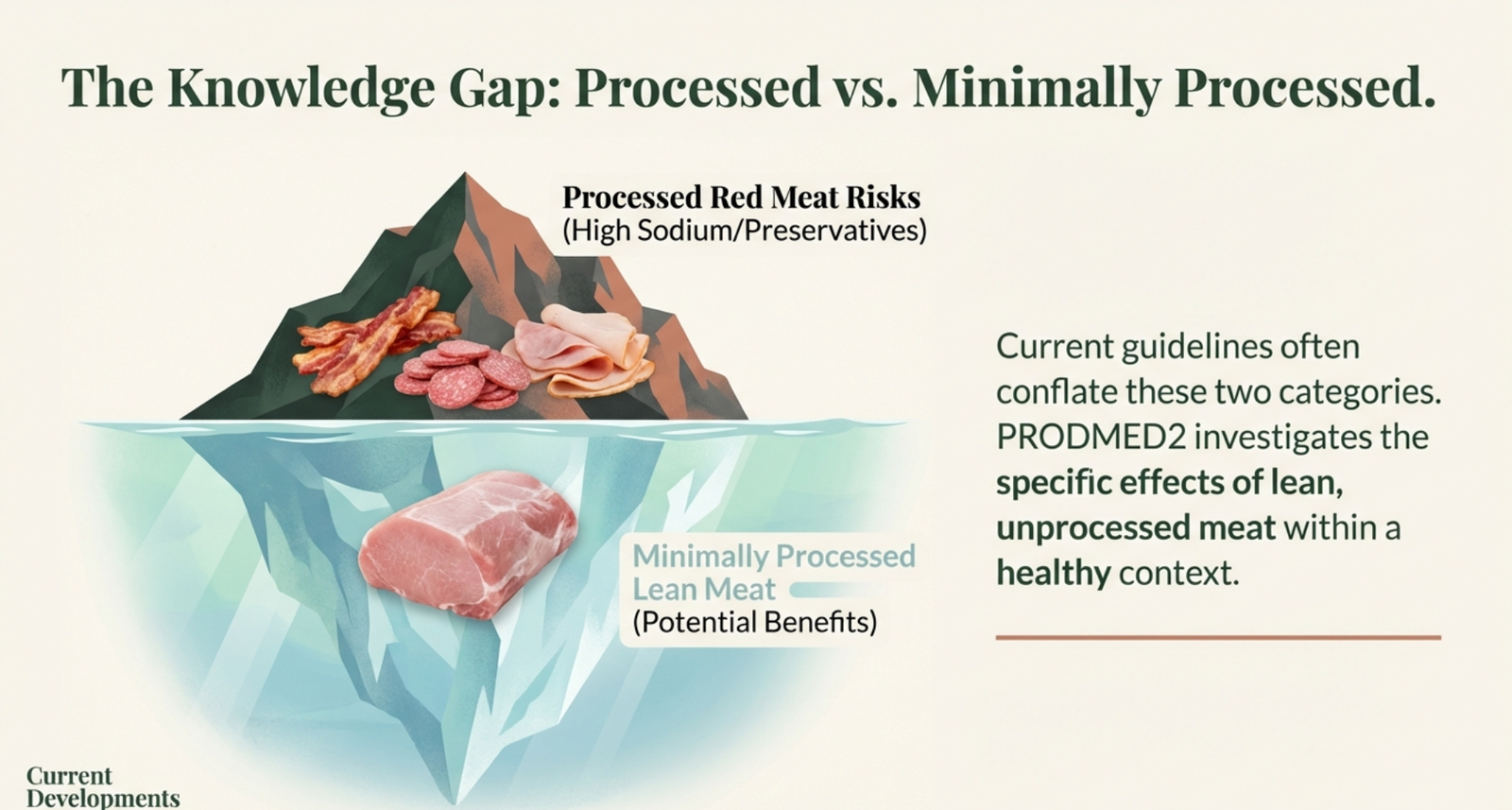
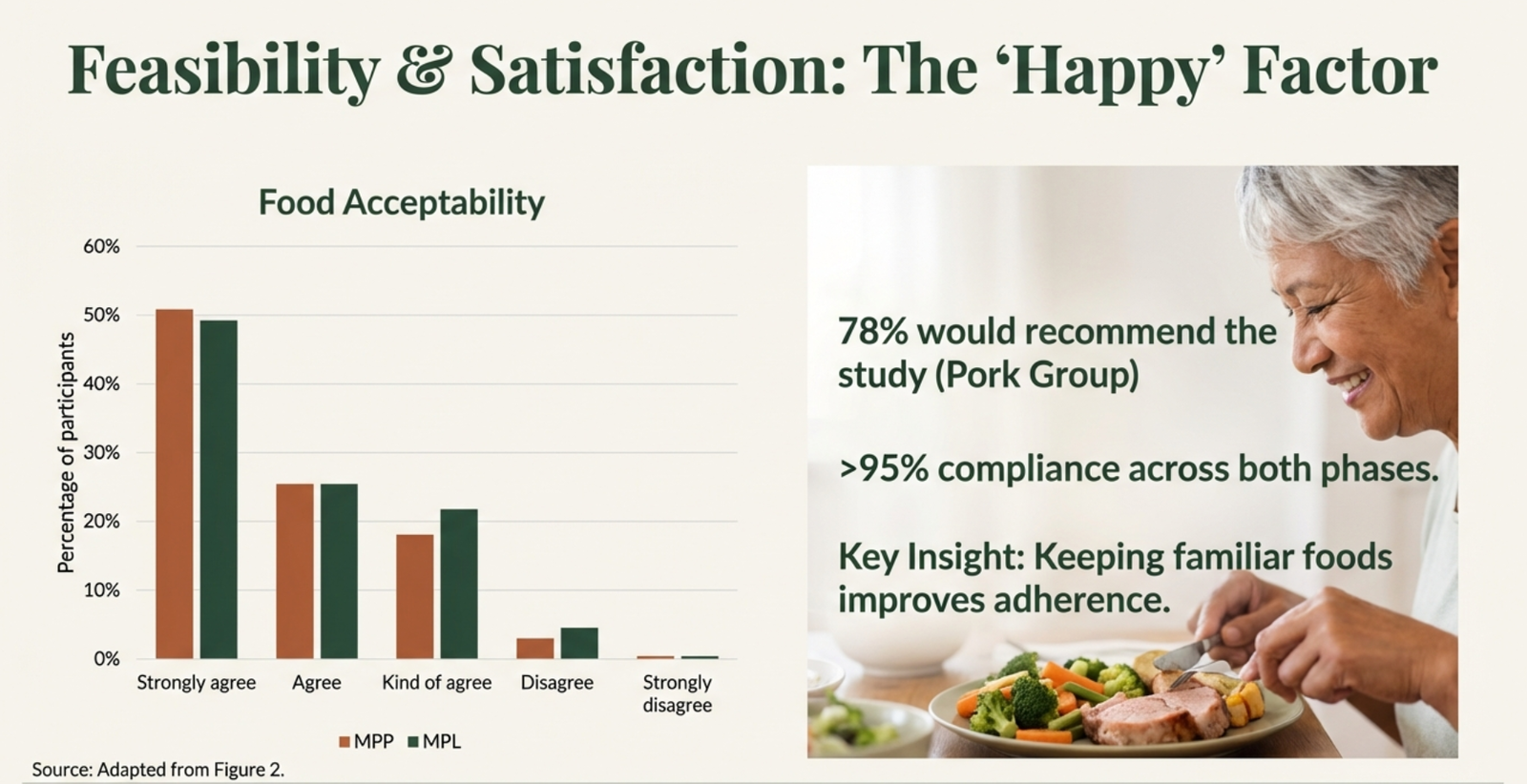
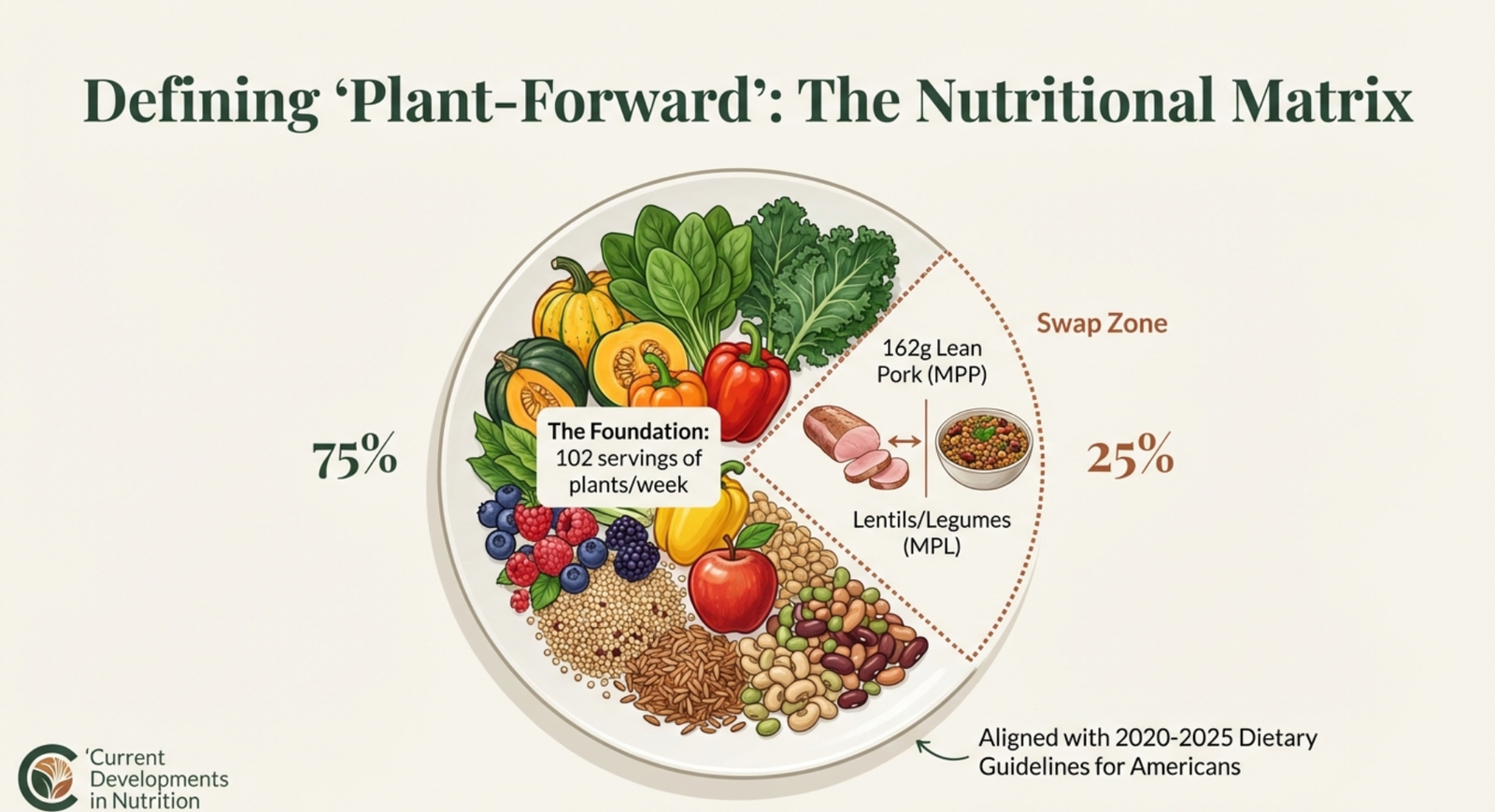
This new study, called PRODMED2, set out to test something more specific related to meat. The researchers recruited 36 healthy older adults (average age ~72 years) and placed them into a rigorous crossover feeding trial. Each participant completed two 8-week diet phases: one including 162g of lean, minimally processed pork daily, and one including an equivalent amount of protein from lentils and legumes. All meals were prepared and provided by researchers, ensuring over 95% adherence (← this is hugely important as many dietary studies don’t actually test what they set out to test due to poor compliance).
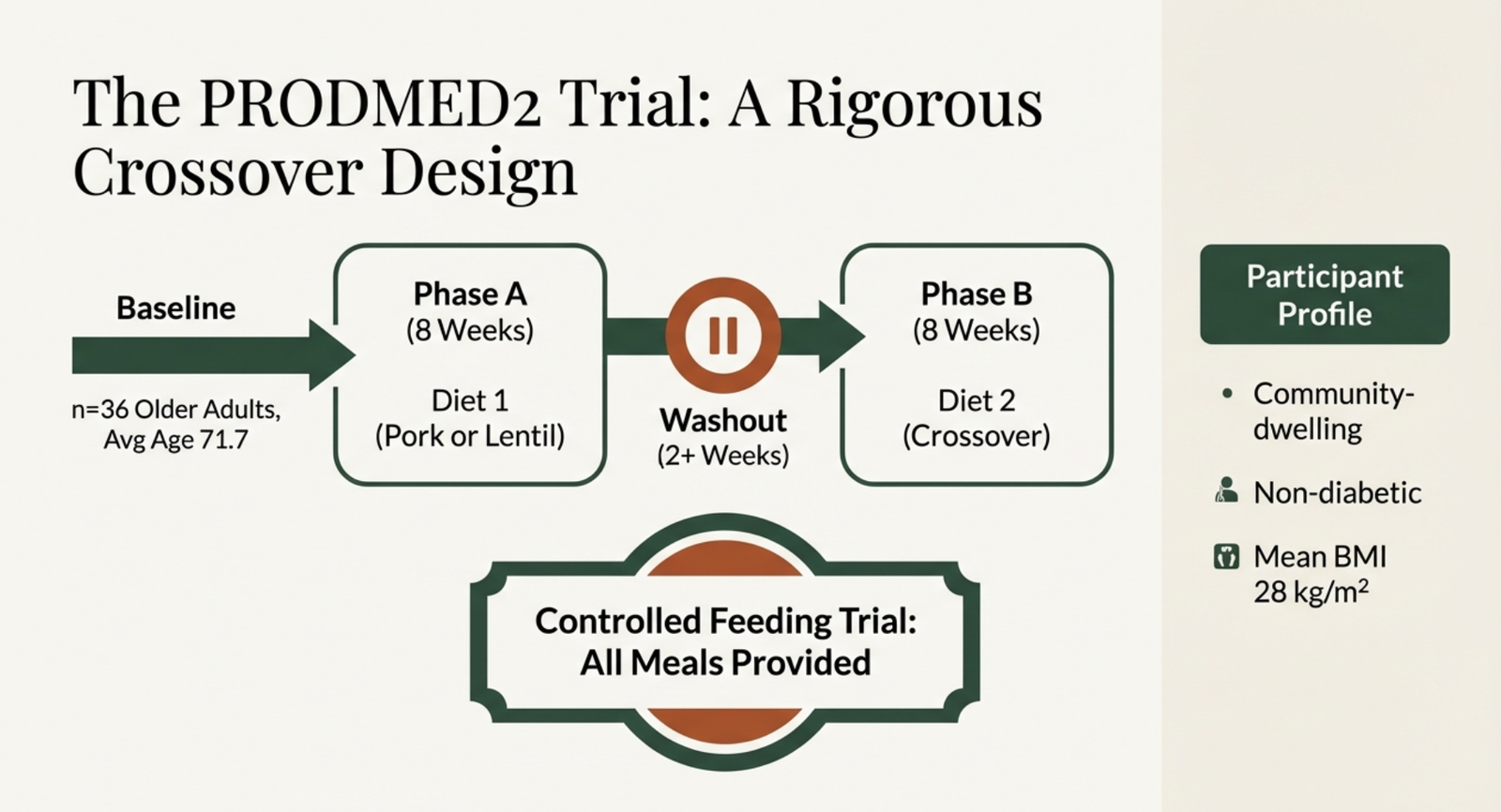
Importantly, both diets were calorie- and macronutrient-matched and aligned with federal dietary guidelines. The only meaningful difference was the primary protein source. The results were striking—and nuanced.
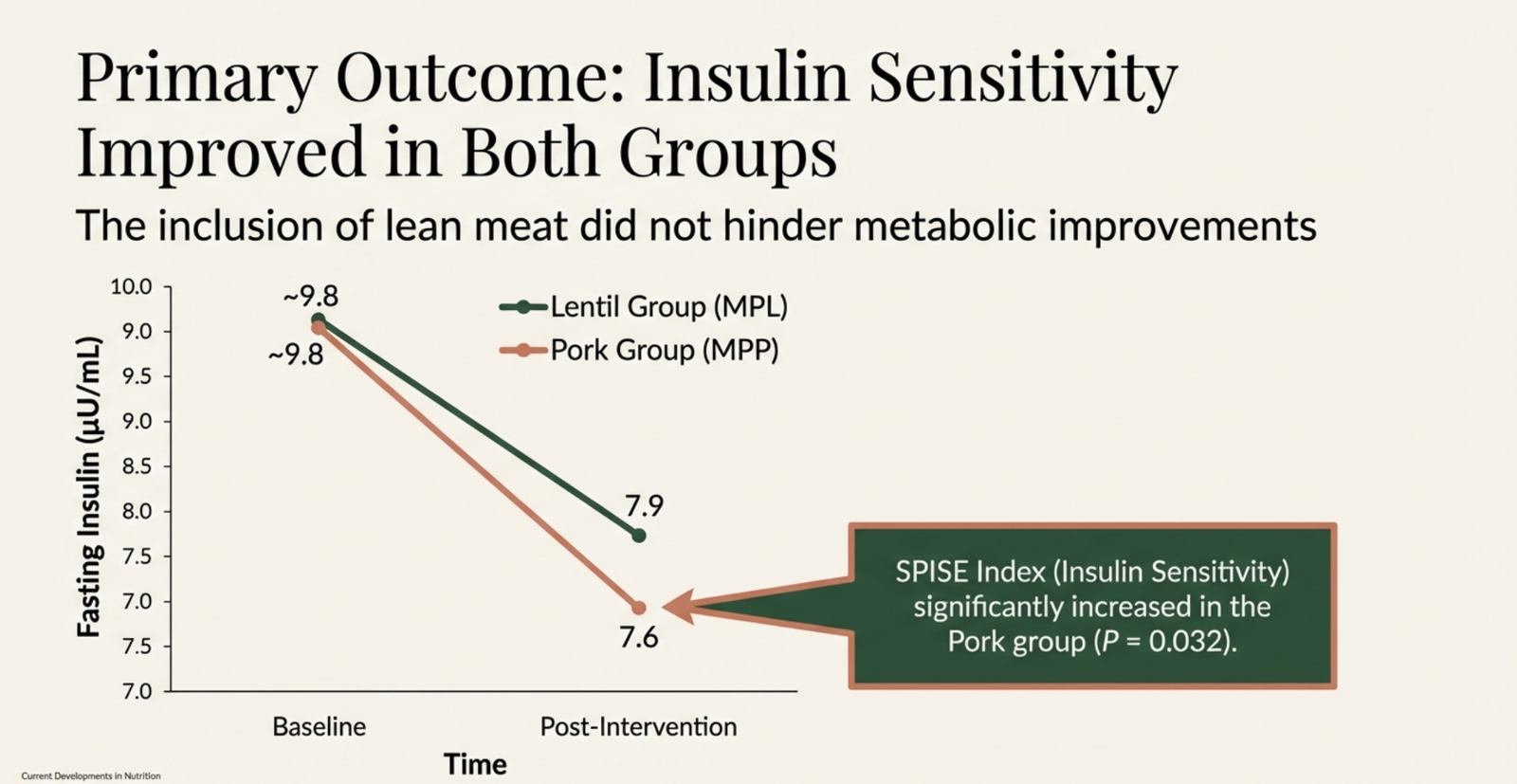
Insulin Sensitivity Improved in Both Groups
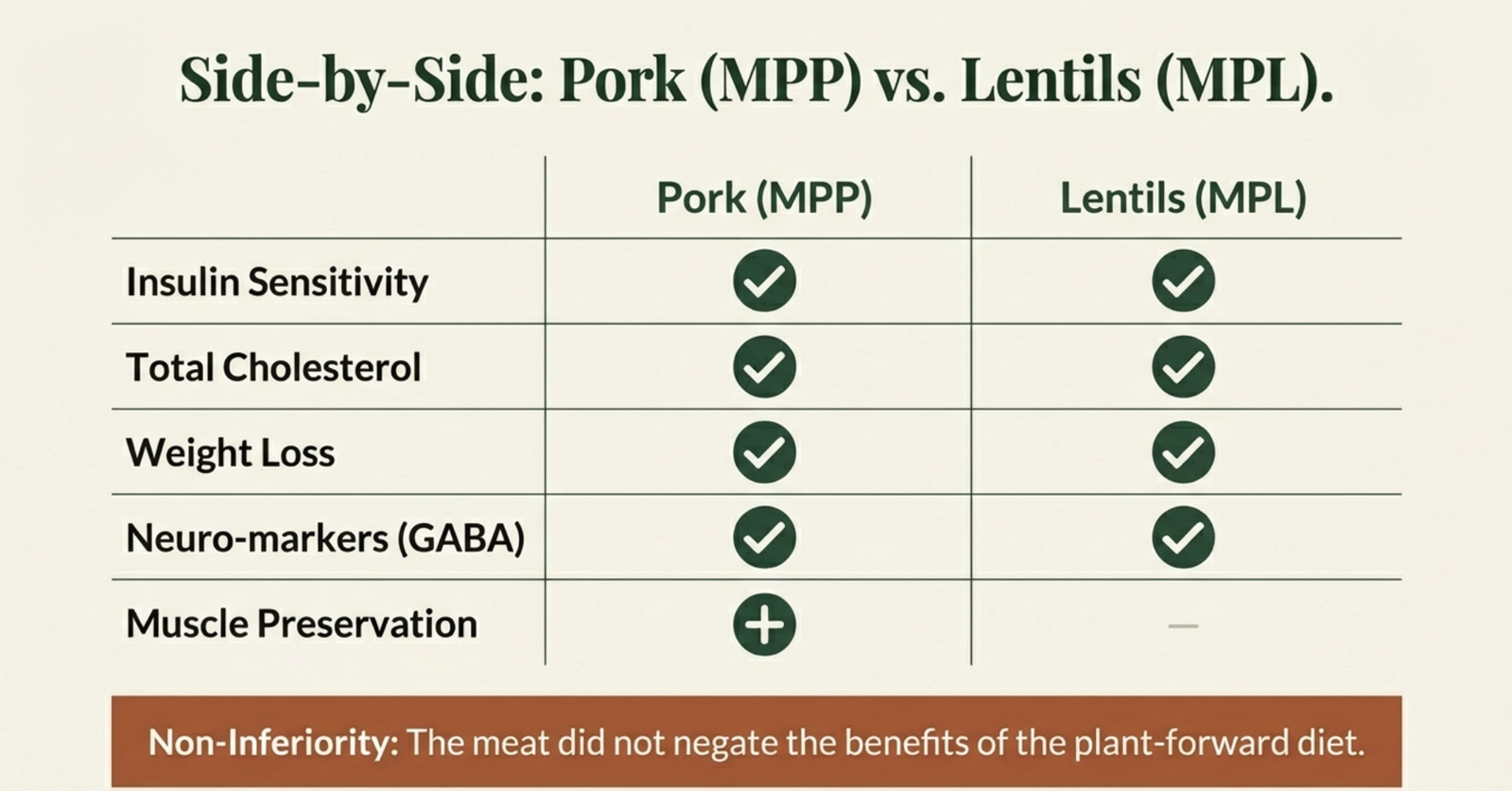
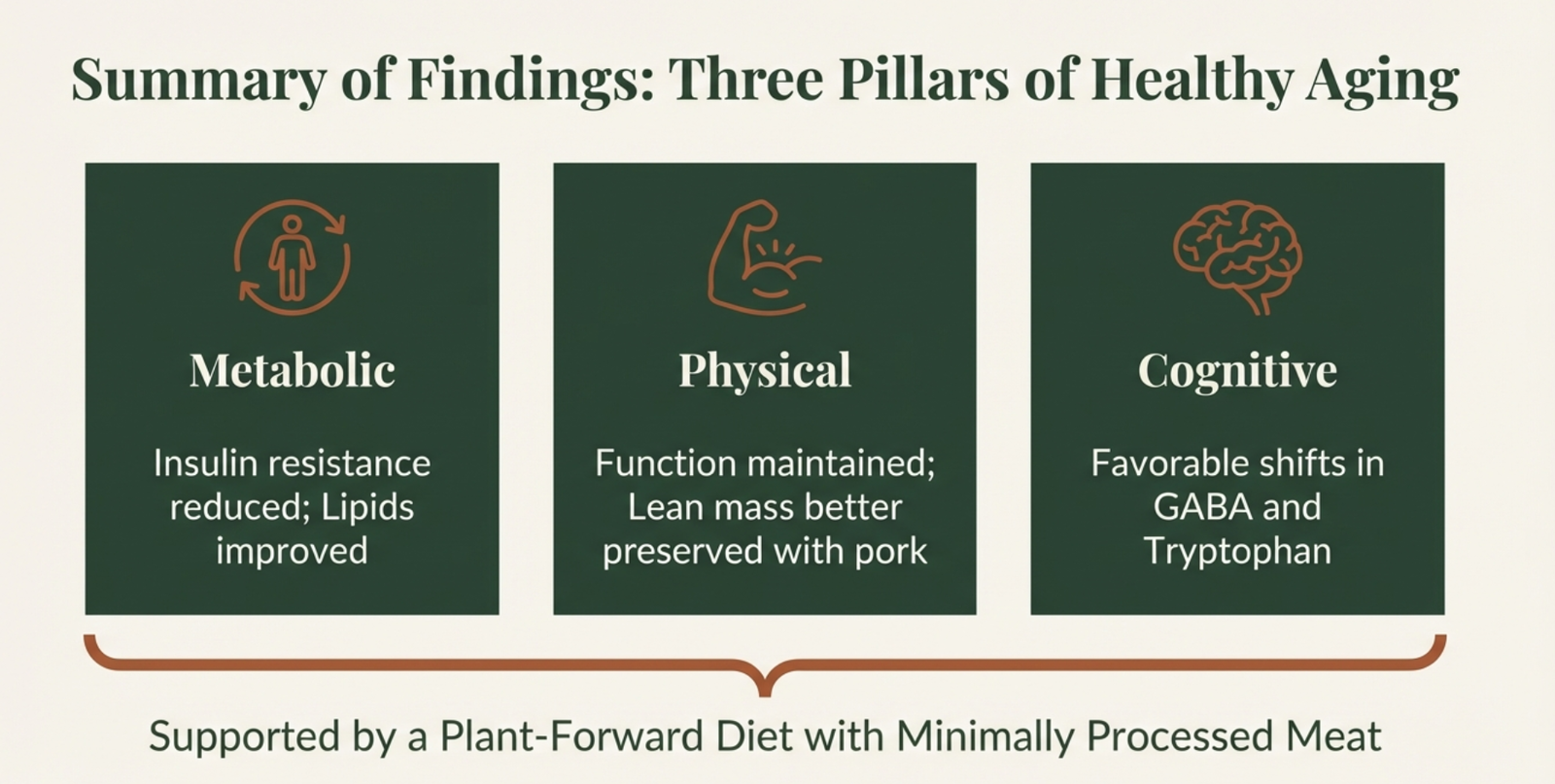
Fasting insulin levels decreased significantly in both the pork and lentil phases. That means insulin sensitivity improved regardless of whether protein came from animal or plant sources. This matters. Improving insulin sensitivity reduces cardiovascular risk, lowers diabetes progression, and supports healthier brain metabolism. The takeaway: when embedded in a plant-forward, nutrient-dense dietary pattern, lean red meat did not impair metabolic health.
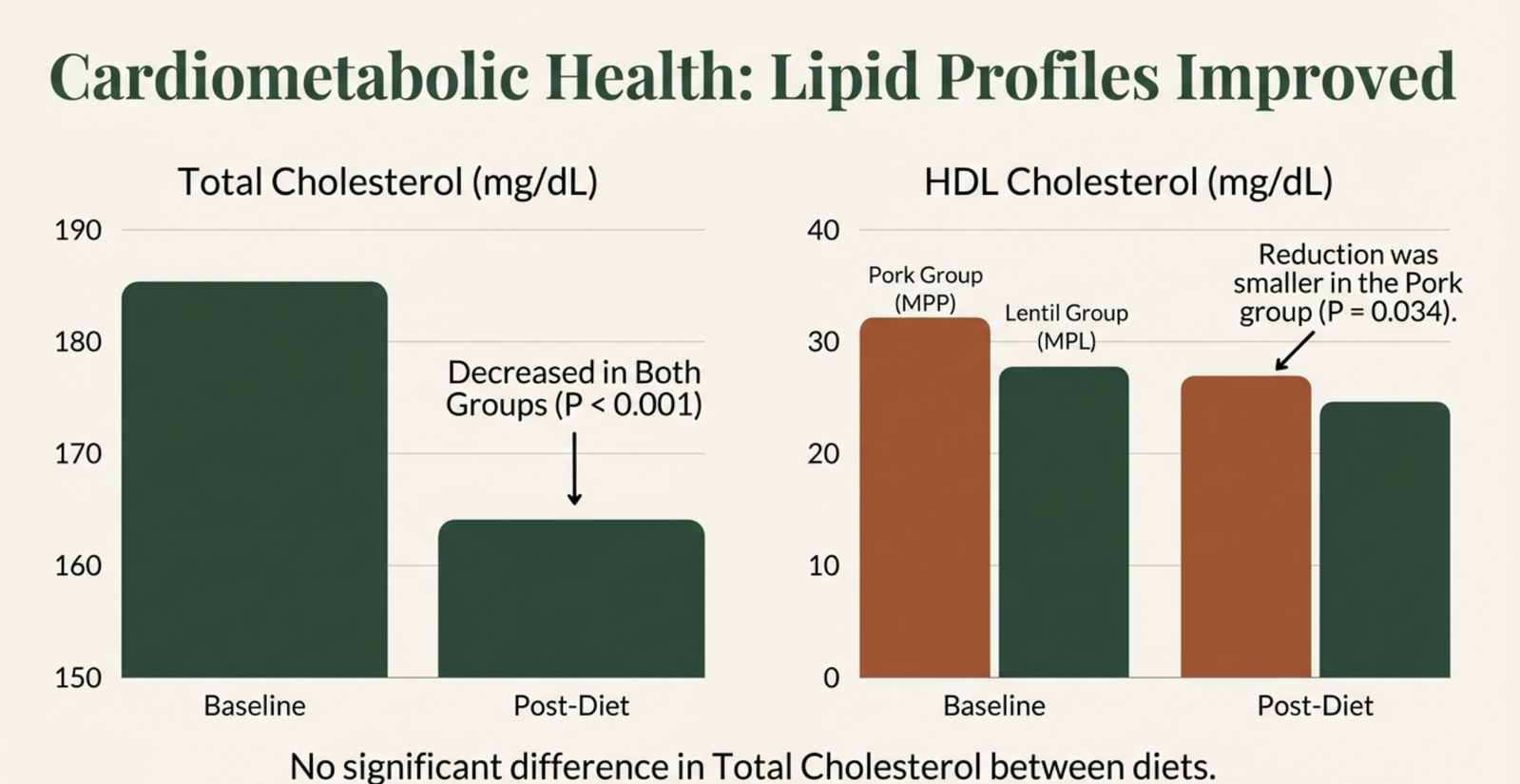
Cholesterol Improved Across the Board
Total cholesterol dropped in both groups. High-density lipoprotein (HDL), often referred to as “good cholesterol,” decreased slightly in both groups—but the reduction was smaller in the pork group. While not dramatic, this suggests that including lean pork may help preserve HDL levels better than a fully plant-based protein approach. But here, the clear message seems like the overall dietary pattern matters more than the isolated protein source.
Muscle Retention Favored the Pork Diet
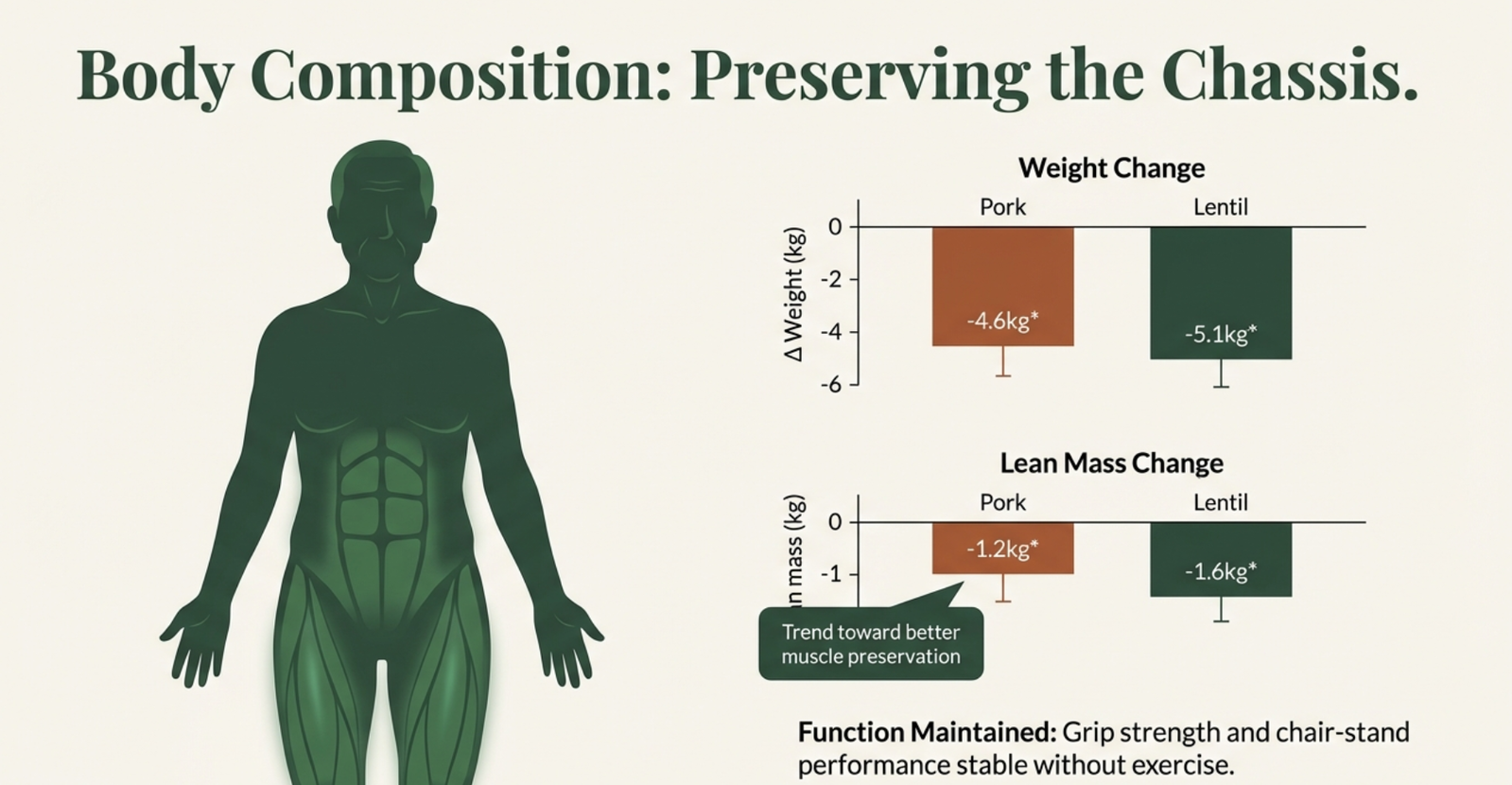
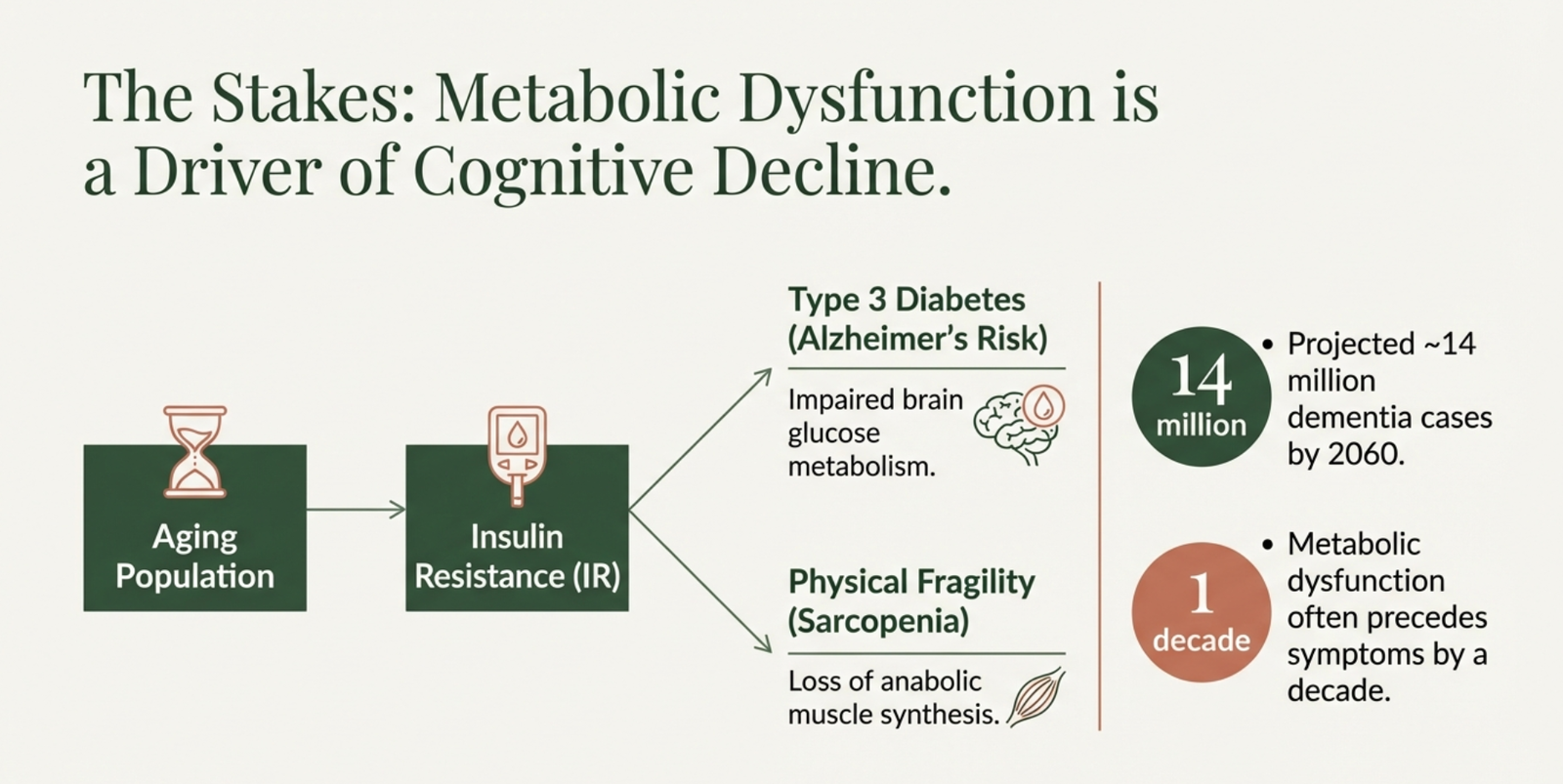
Both groups lost weight—likely due to shifting from habitual diets to tightly controlled, nutrient-dense meals. But here’s where it gets interesting: the pork group showed a trend toward retaining more lean mass. In older adults, muscle loss is not cosmetic—it’s functional. Muscle protects independence. It reduces fall risk. It preserves metabolic health. Animal proteins are generally more efficient at stimulating muscle protein synthesis due to their amino acid profile, particularly leucine content. For aging populations, protein quality isn’t trivial—it’s strategic.
Brain-Related Biomarkers Improved in Both Diets
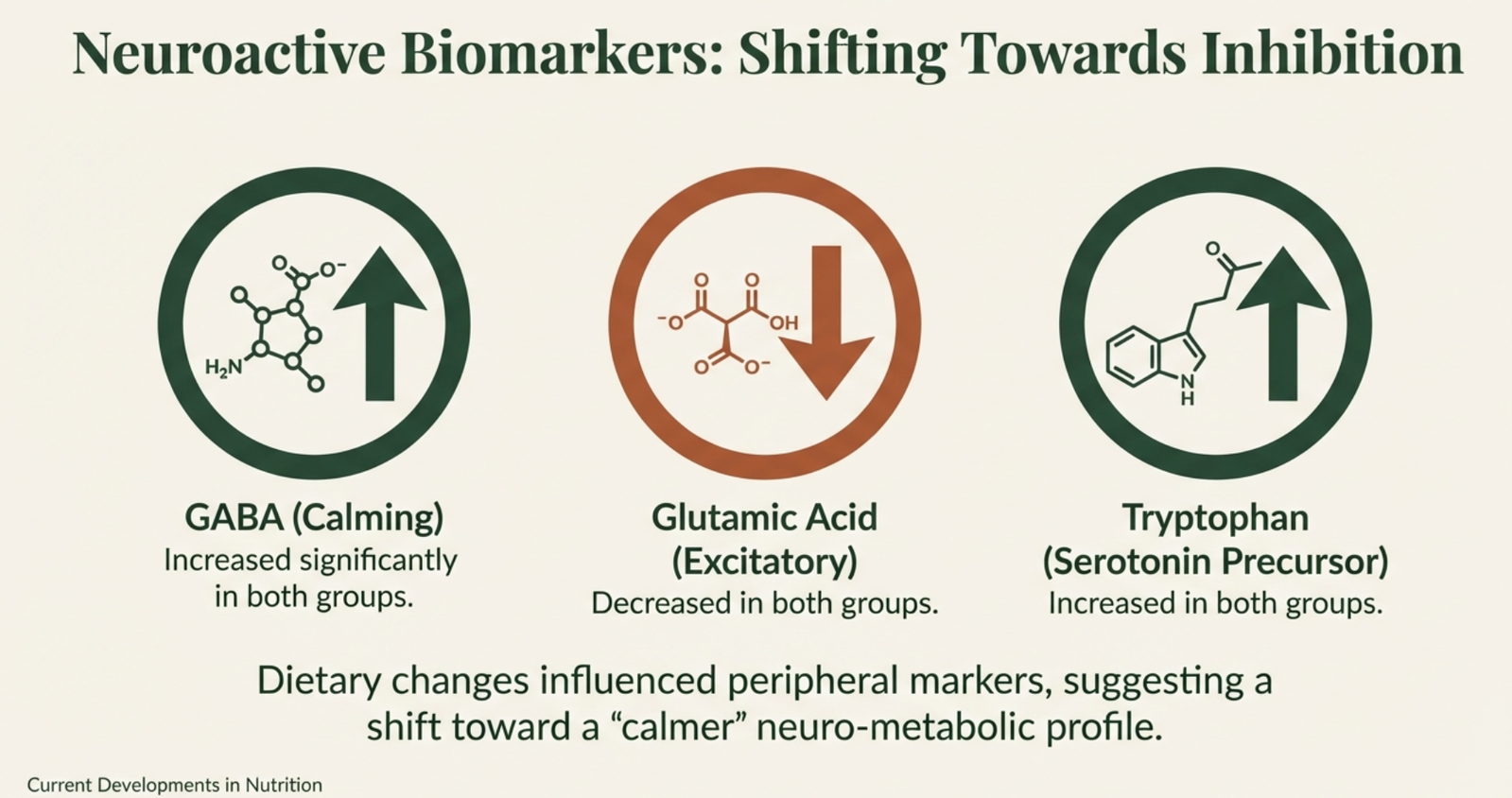
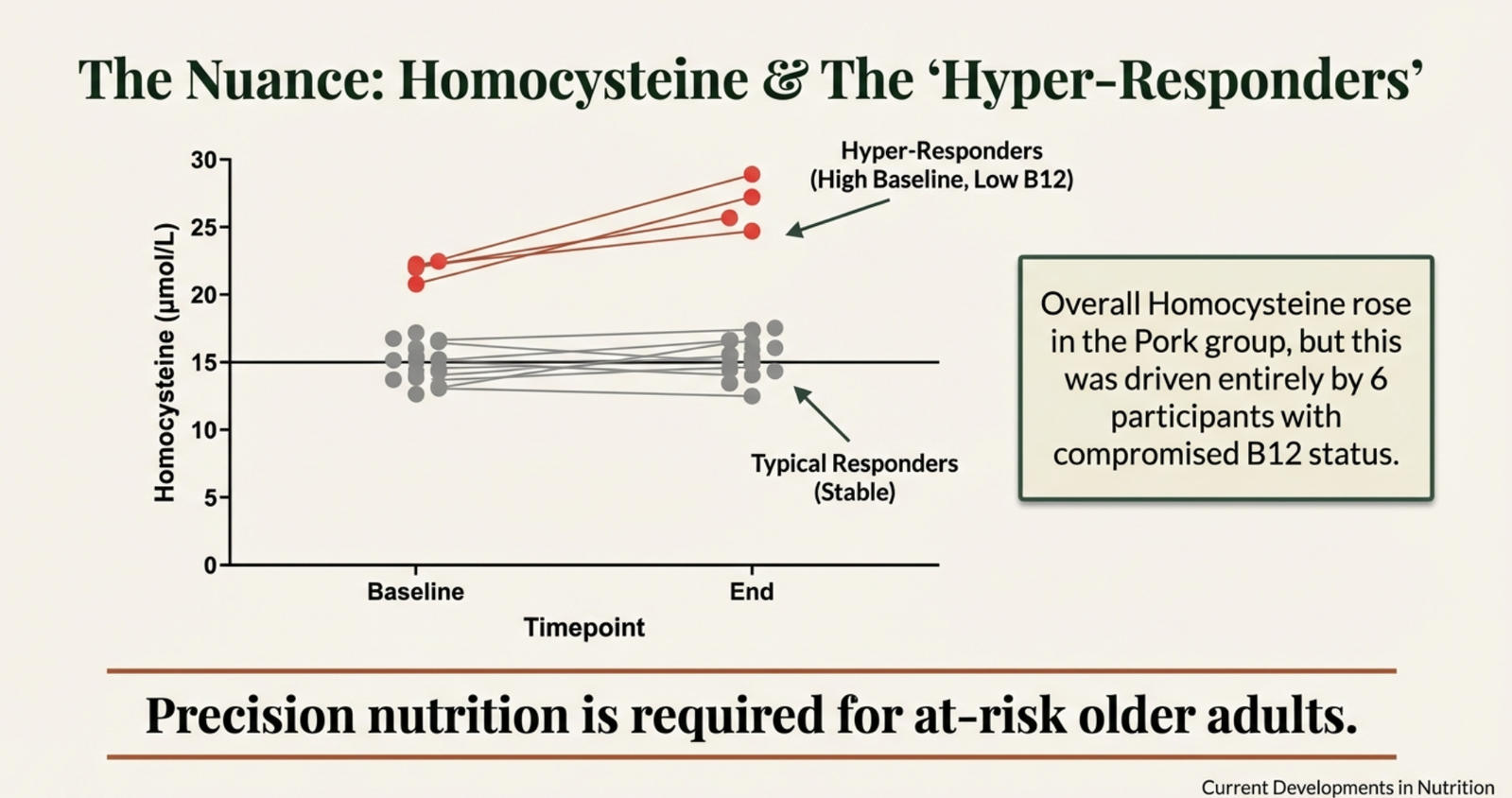
Both dietary phases improved neurochemical markers. Levels of GABA (associated with calm and inhibitory balance in the brain) and phenylalanine (a dopamine precursor) increased. This suggests that a plant-forward framework—regardless of pork inclusion—supports neurochemical health. However, homocysteine, a marker associated with cardiovascular and cognitive risk, rose slightly in the pork group. A closer look revealed something important: this rise was driven by six “hyper-responders” who had lower baseline vitamin B12 levels. For the majority (30 out of 36 participants), homocysteine did not worsen with pork consumption. This is where precision nutrition enters the conversation. The response wasn’t universal—it depended on individual biology. Also note, lower vitamin B12 status can be fixed, so I wouldn't write off those six people. In a perfect world, we would fix their vitamin B12 status, then test them again.
What This Really Means
This study challenges a binary narrative.
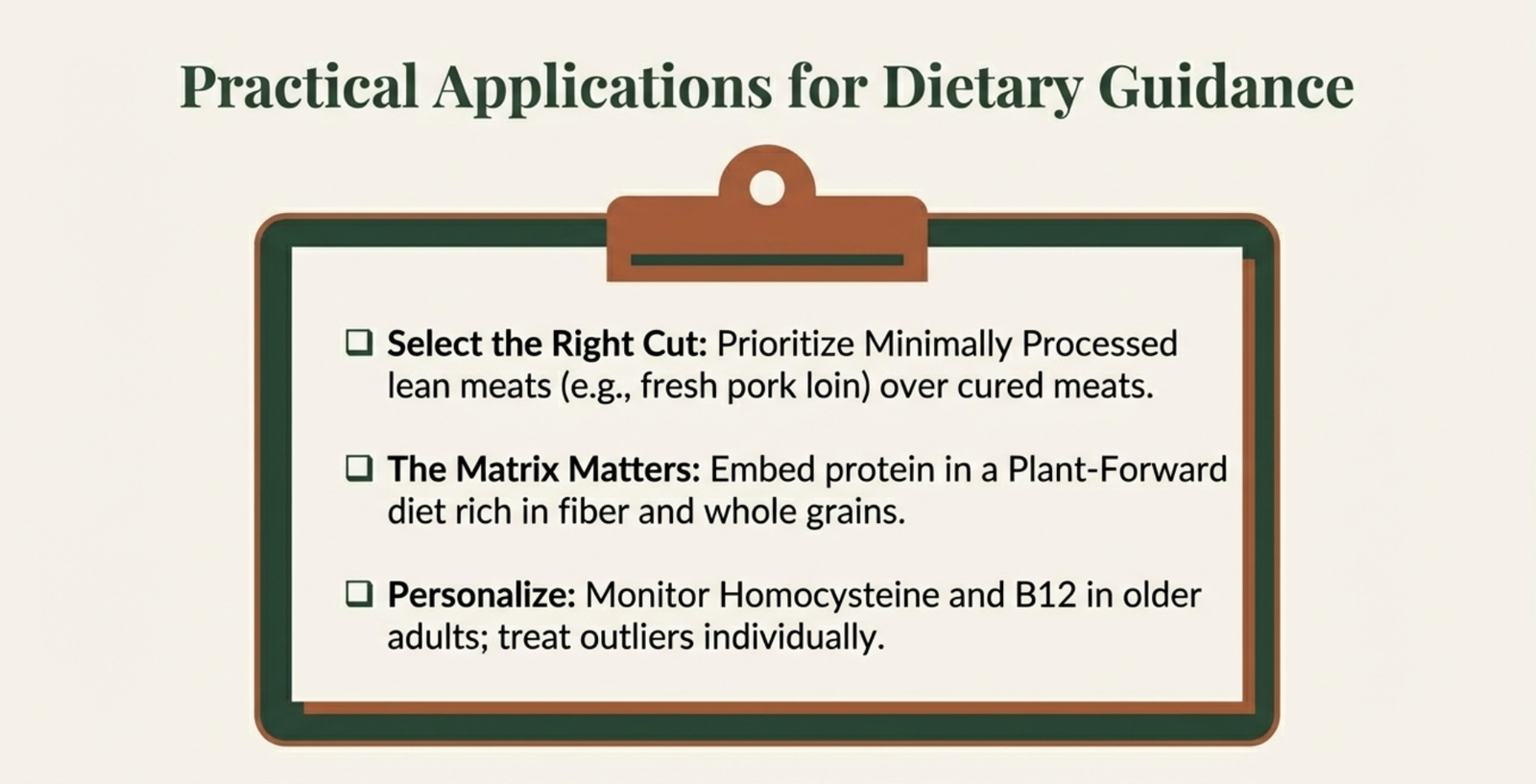
Red meat is not automatically harmful in older adults. Context matters:
- Lean, minimally processed cuts
- Controlled portions
- Embedded within a plant-forward pattern
- Adequate micronutrient status (especially B12)
The data suggest older adults don’t need to eliminate red meat to improve insulin sensitivity or cholesterol levels. And they may benefit from higher-quality protein for muscle preservation during weight loss.
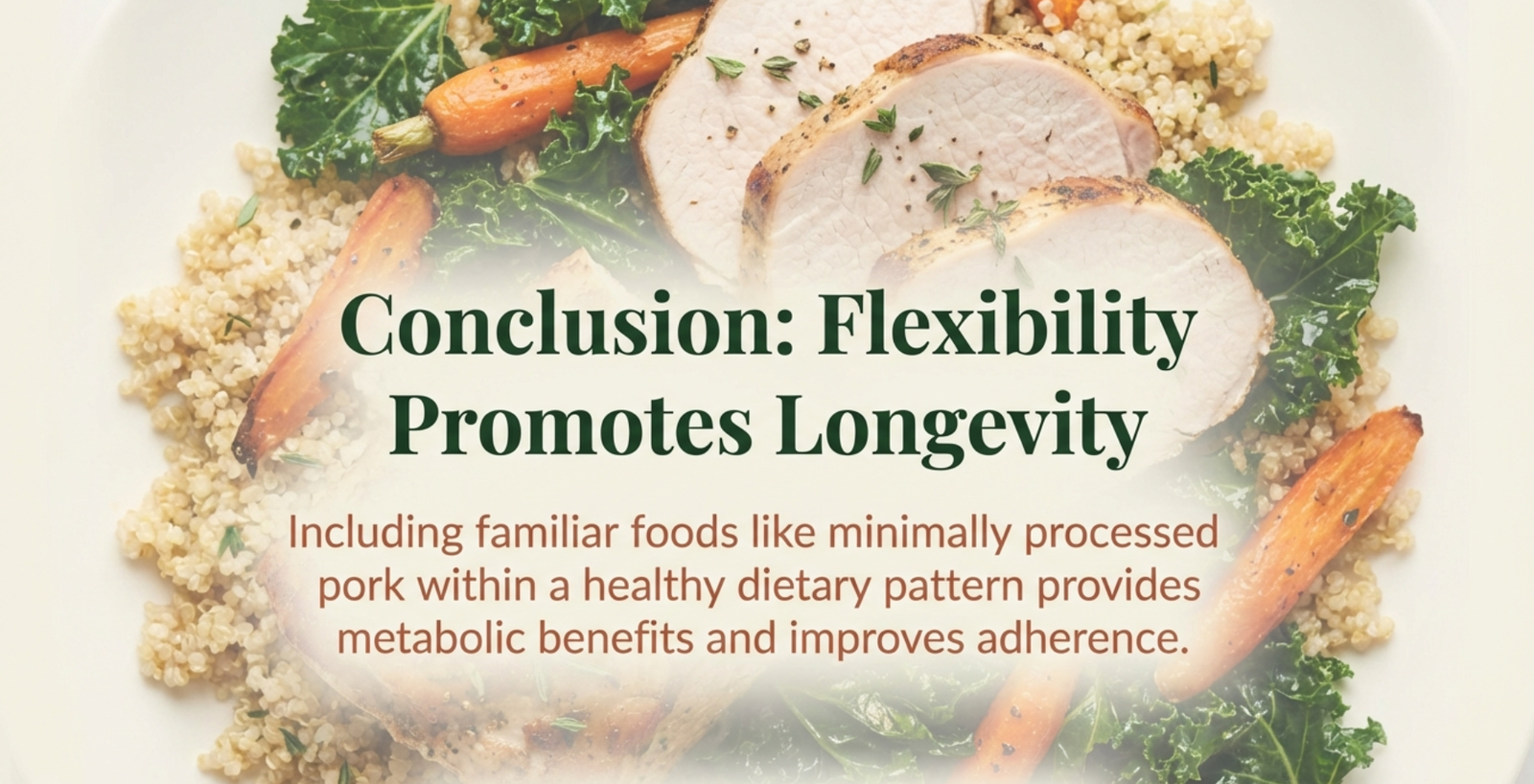
The more important shift may be psychological and practical. In regions where meat consumption is culturally central, insisting on strict vegetarianism may reduce adherence. A flexible, plant-forward approach that includes lean red meat may be more sustainable—and sustainability is what drives long-term health outcomes.
Finally, this study reinforces a larger humanOS principle: Metabolic health is not built by adding or removing single foods. It’s built by improving the overall dietary architecture and quality (among other lifestyle factors that are determinants of metabolic health). And for aging populations, protecting muscle is just as critical as protecting the heart and brain (because it’s all connected).
Random Trivia & Weird News
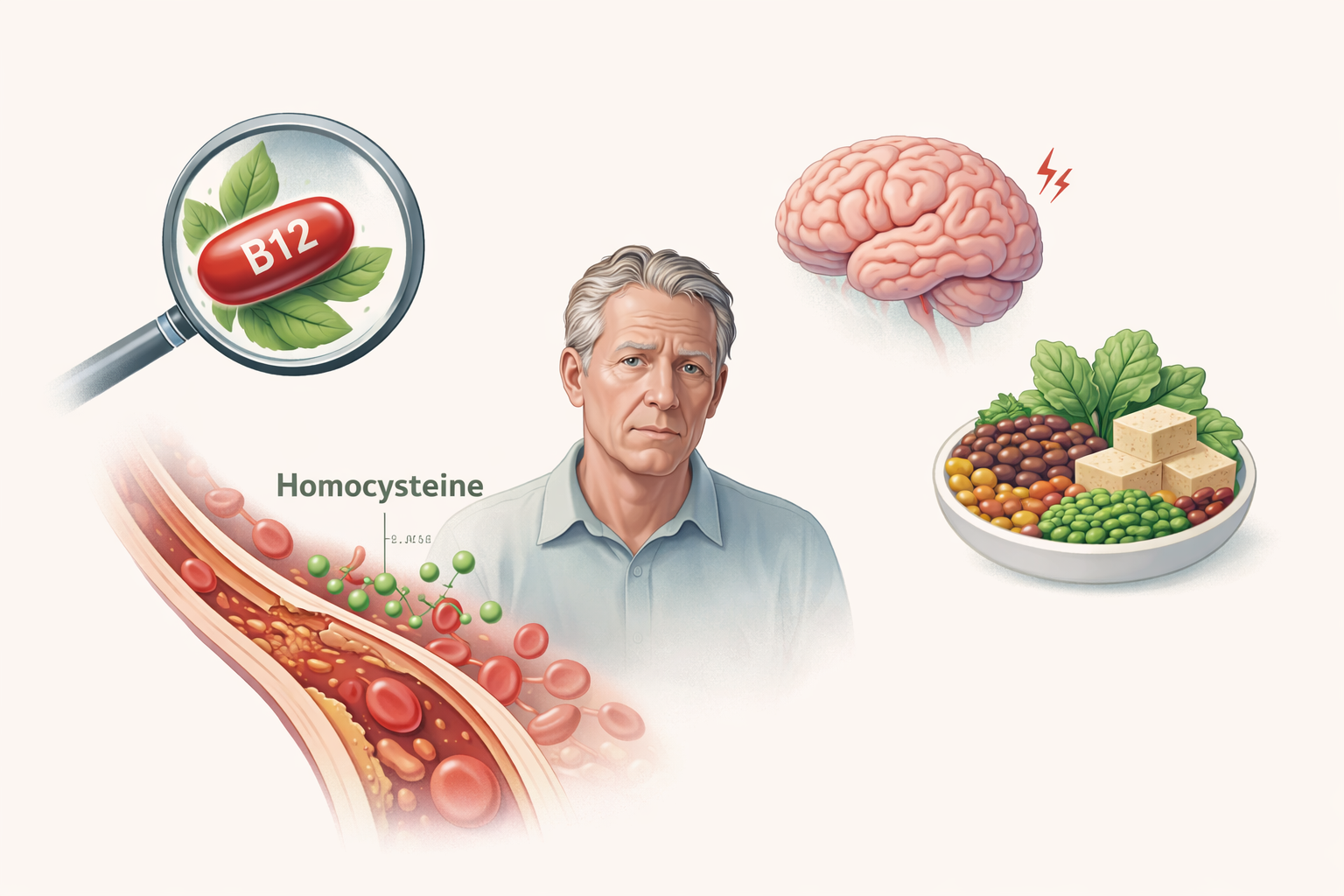
The Vitamin B12 Blind Spot
Vitamin B12 deficiency can quietly elevate homocysteine, increasing cardiovascular and cognitive risk. Older adults are especially vulnerable due to reduced absorption. Some experts now recommend routine B12 screening in aging populations—particularly for those following plant-heavy diets. Small deficiencies can have outsized neurological effects if left undetected.
Podcasts We Loved This Week
- Ido Portal: Essentials: The Science & Practice of Movement via Huberman Lab (Huberman Lab)
- Dan Pardi, MS, PhD: Health and Healthy Ageing: What Are They, Really? via Reason and Wellbeing (Apple Podcasts)
Products We Are Enjoying
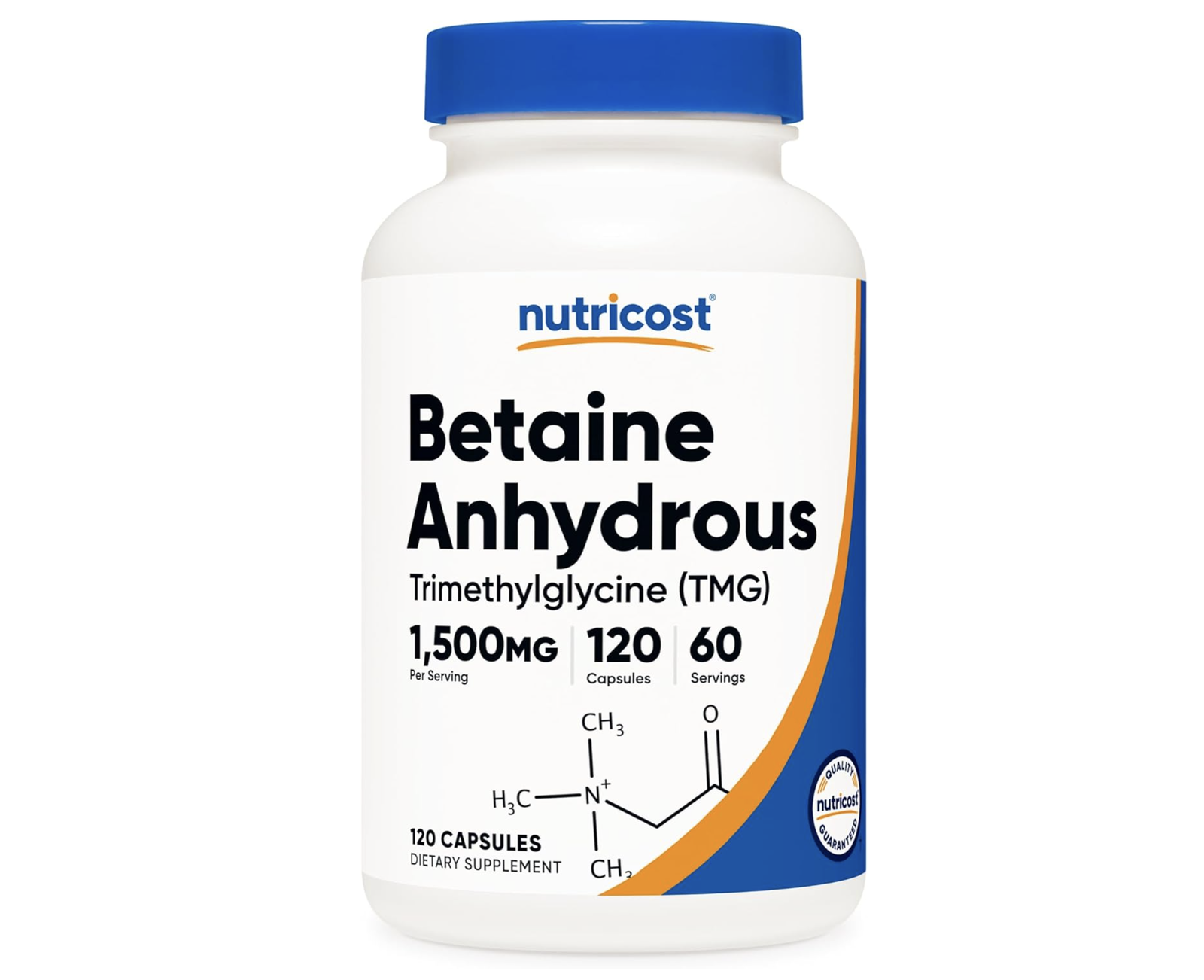
Betaine Anhydrous
Betaine anhydrous serves as a methyl donor in the remethylation of homocysteine back to methionine, effectively lowering elevated homocysteine levels—a key risk factor for cardiovascular and cognitive decline. This conversion is catalyzed by the enzyme betaine-homocysteine methyltransferase (BHMT), primarily in the liver and kidneys. By supporting this pathway, betaine helps maintain healthy homocysteine metabolism, particularly important for aging populations and those with low vitamin B12 status. Each capsule provides 750mg of betaine anhydrous, with a standard serving of two capsules delivering 1500mg daily—a dose commonly used in research for homocysteine management and metabolic support.
humanOS Catalog Feature of the Week
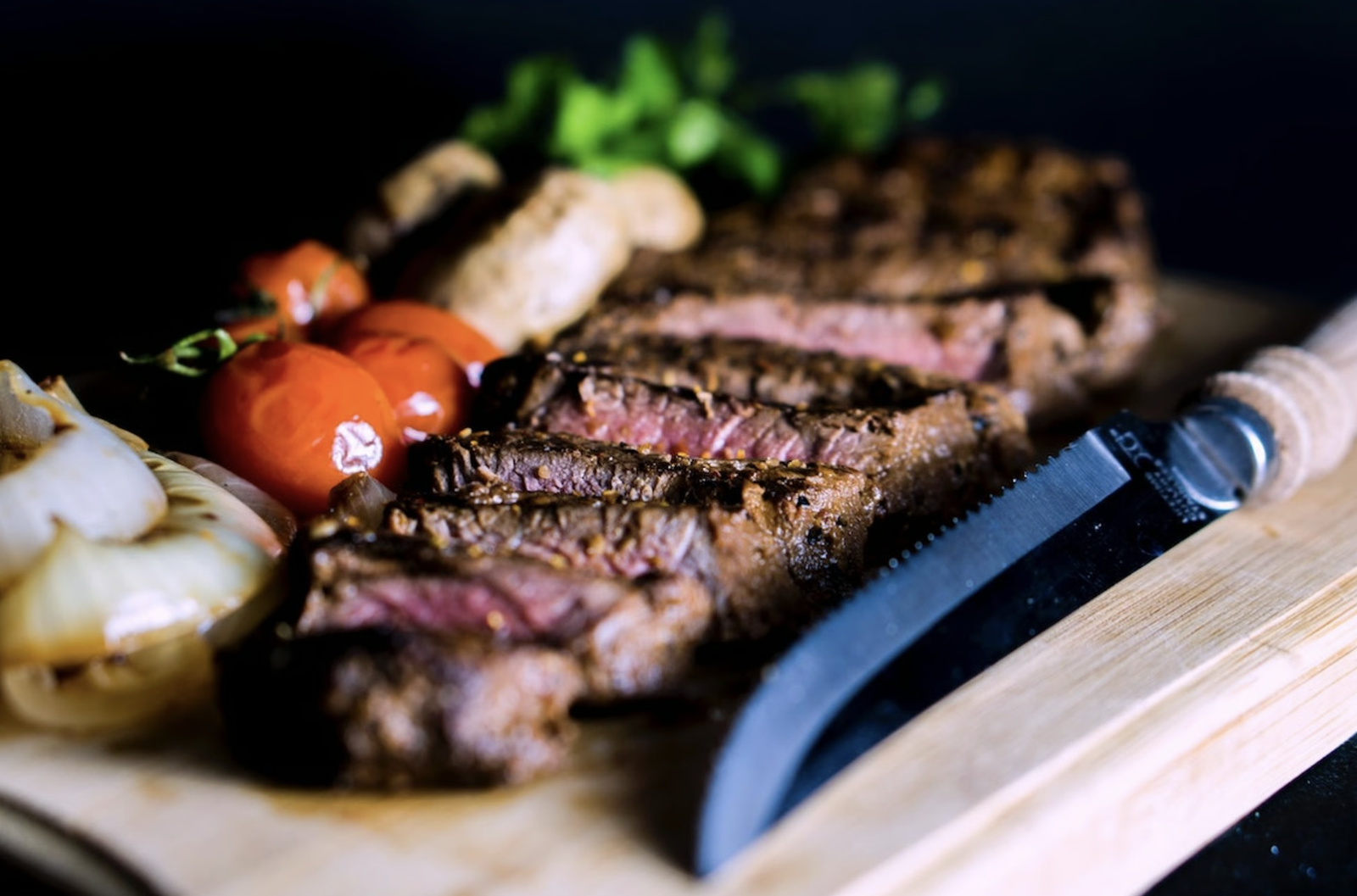
Meat Controversy and Why Nutrition Research Is Hard - Michael Hull
“Let food be thy medicine” sounds simple. The science behind it is not.
In today’s world, foods are often discussed as if they function like drugs. But nutrition research does not operate under the same rules as pharmaceutical trials. You cannot blind broccoli. You cannot placebo a diet. Compliance drifts. Reporting fails. Effects unfold slowly.
So how should we judge nutrition science? By drug standards? Or by a different framework?
In this episode of humanOS Radio, Dan speaks with nutrition researcher Michael Hull about red meat, evidence grading, and why interpreting food research is far more complex than most headlines suggest.
Wishing you the best,

—