
Newsletter #405
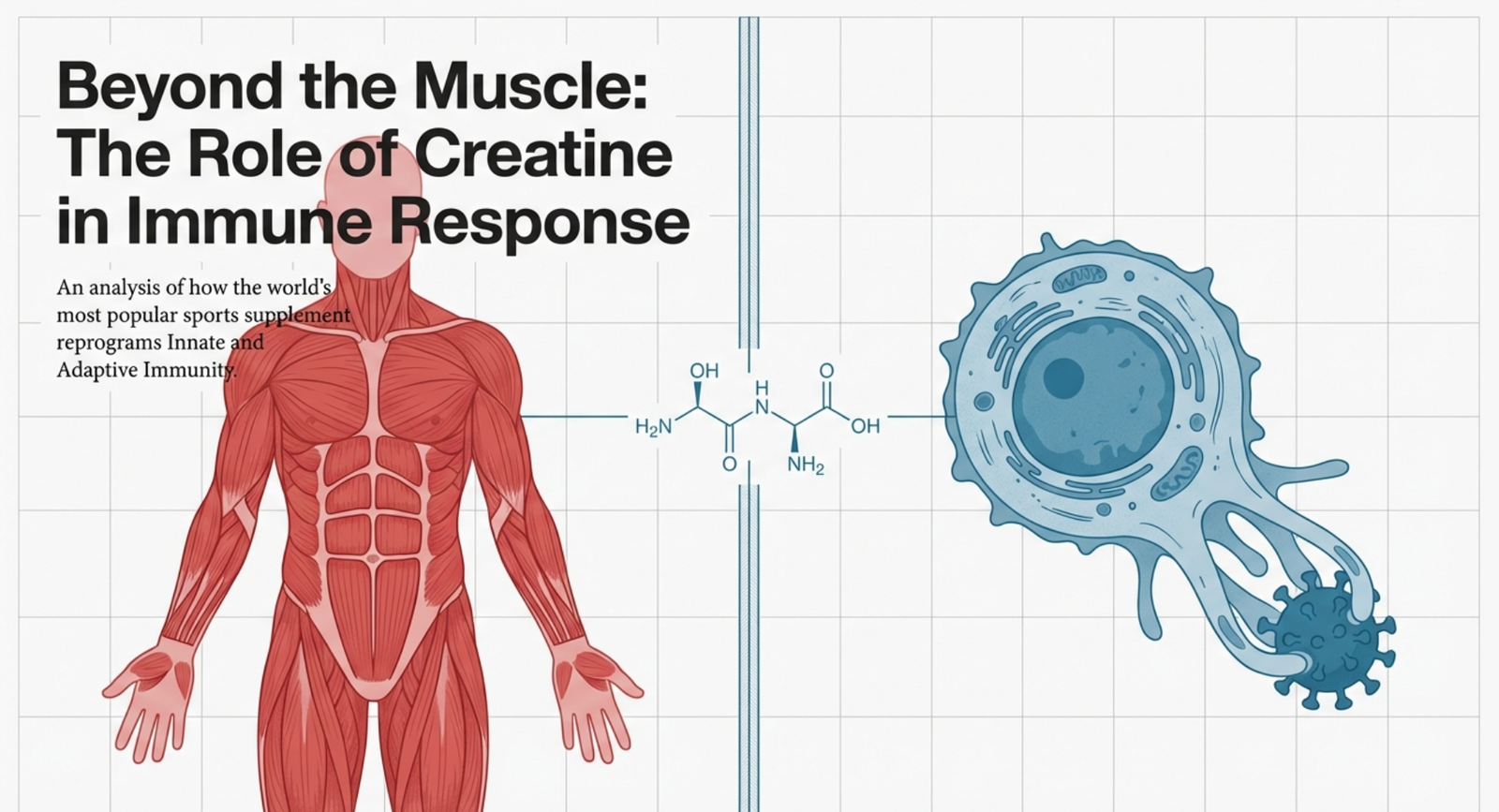
Creatine has quietly moved far beyond the gym. Once known almost exclusively as a performance supplement for athletes, it’s now taken daily by older adults, teens, and people focused on general health. That shift has forced researchers to ask a bigger question: what else does creatine do inside the body? This week’s study explores a surprising answer—creatine doesn’t just fuel muscles. It helps decide how the immune system turns on, calms down, and sometimes even fights cancer.
If these newsletters are a regular part of how you stay informed on health and longevity, consider supporting the work with a Pro membership. $19.99 per quarter — about $1.67 per issue, less than a coffee tip.
Join here: Become a Member
New Feature: Newsletter Summaries ✨
The Role of Creatine in the Development and Activation of Immune Responses
For decades, creatine has been treated as a simple energy booster for muscle cells. Lift heavier, recover faster, repeat. But muscles are not the only tissues that burn through energy at extreme rates. Immune cells—especially those involved in inflammation, infection, and cancer defense—are among the most energy-hungry cells in the human body. This research review reframes creatine as something much bigger: a metabolic switch that shapes how immune responses develop and behave.
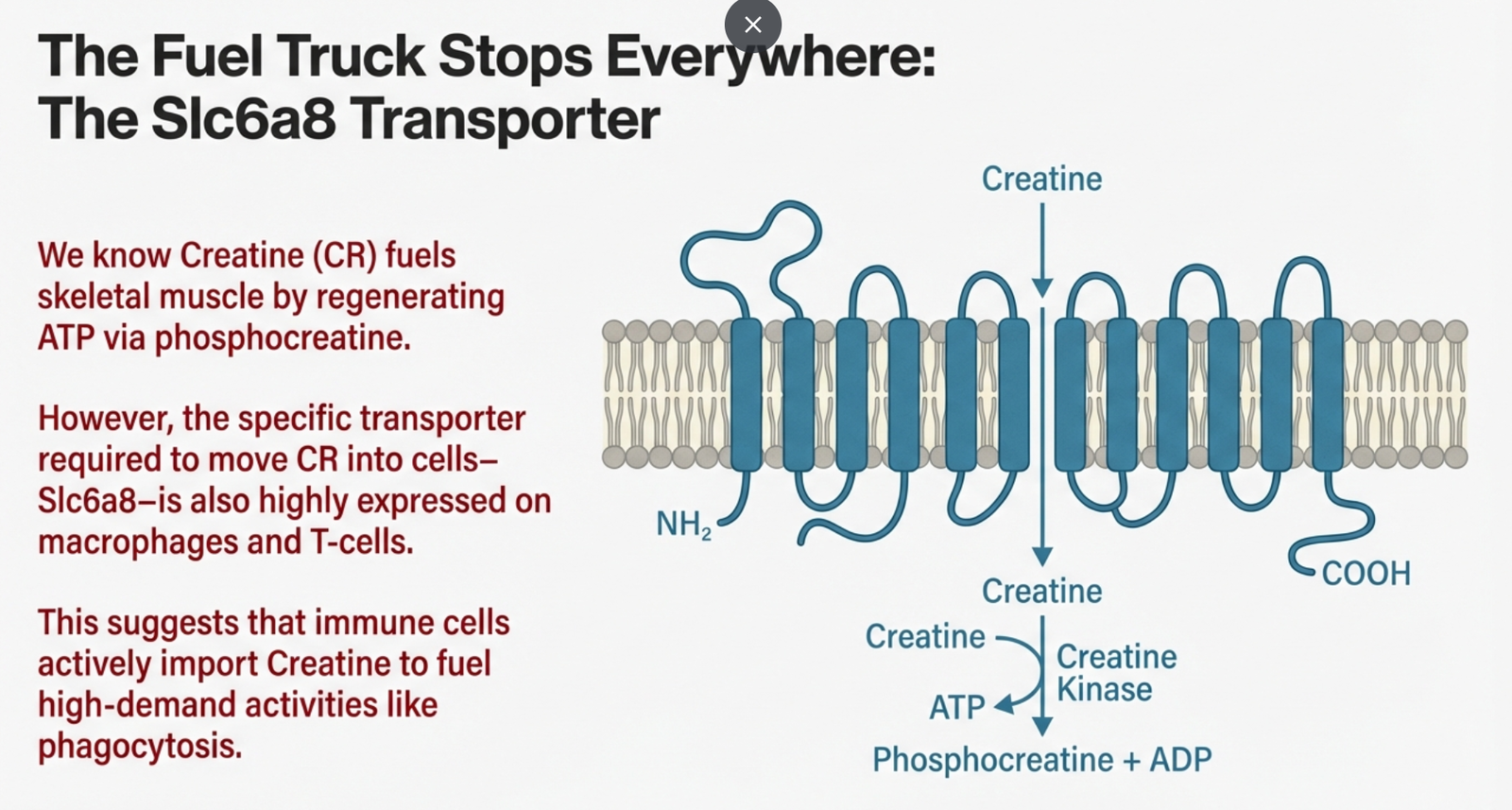
At the center of the story is energy. Immune responses are expensive. When T cells multiply, when macrophages engulf debris, or when killer cells attack tumors, they rapidly drain their internal energy stores. Creatine acts as a cellular backup battery. It helps regenerate ATP—the body’s energy currency—exactly when demand spikes. The researchers hypothesized that this energy-buffering role might directly influence immune behavior. The evidence strongly supports that idea.
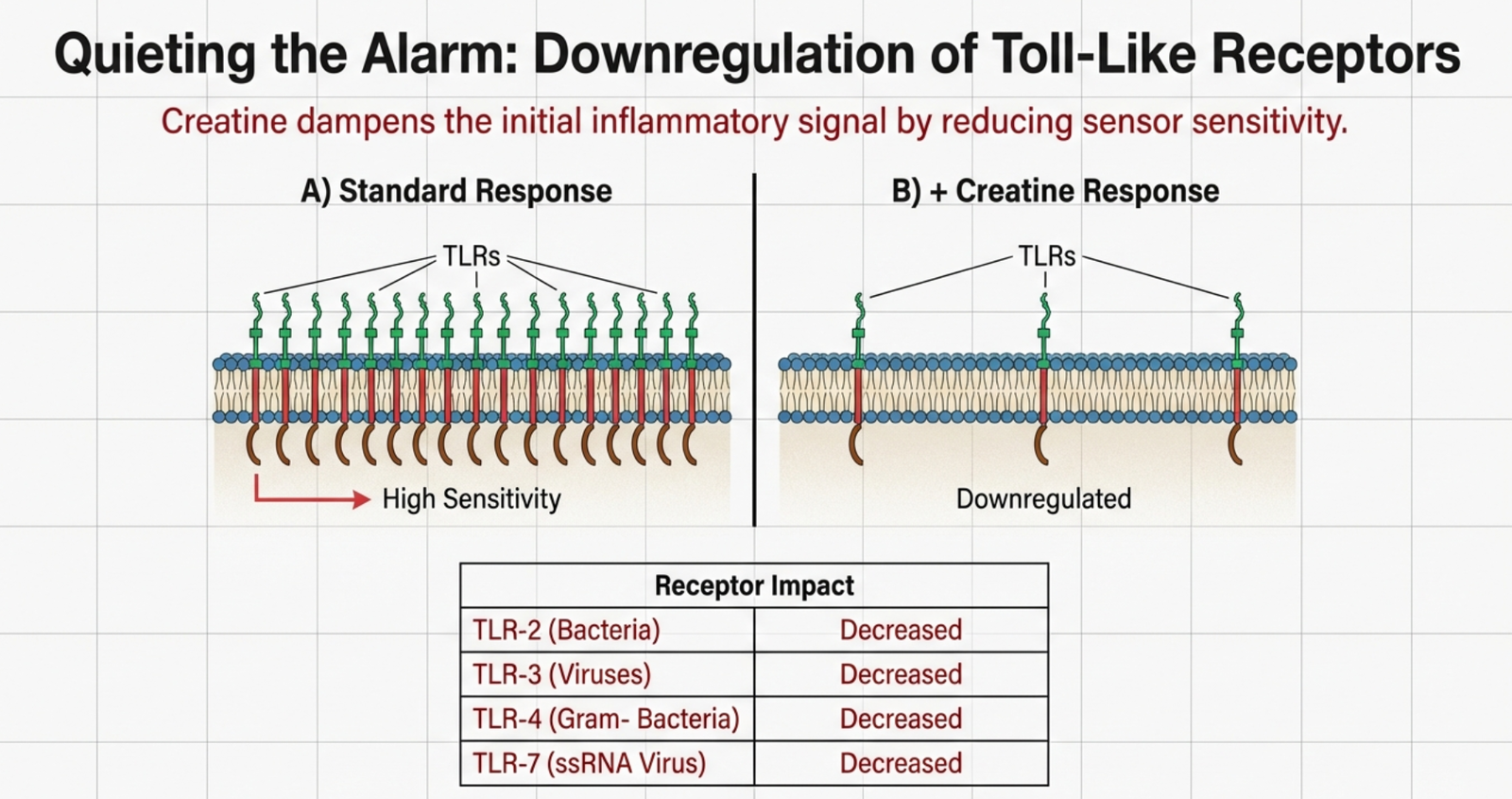
The review pulls together findings from cell studies, animal models, and limited human trials. One of the clearest patterns emerges in the innate immune system—the body’s first line of defense. When immune cells like macrophages are exposed to creatine, they become less inflammatory. Specifically, creatine reduces the expression of receptors that normally act as early-warning sensors for danger. With fewer alarms ringing, these cells produce fewer inflammatory signals.
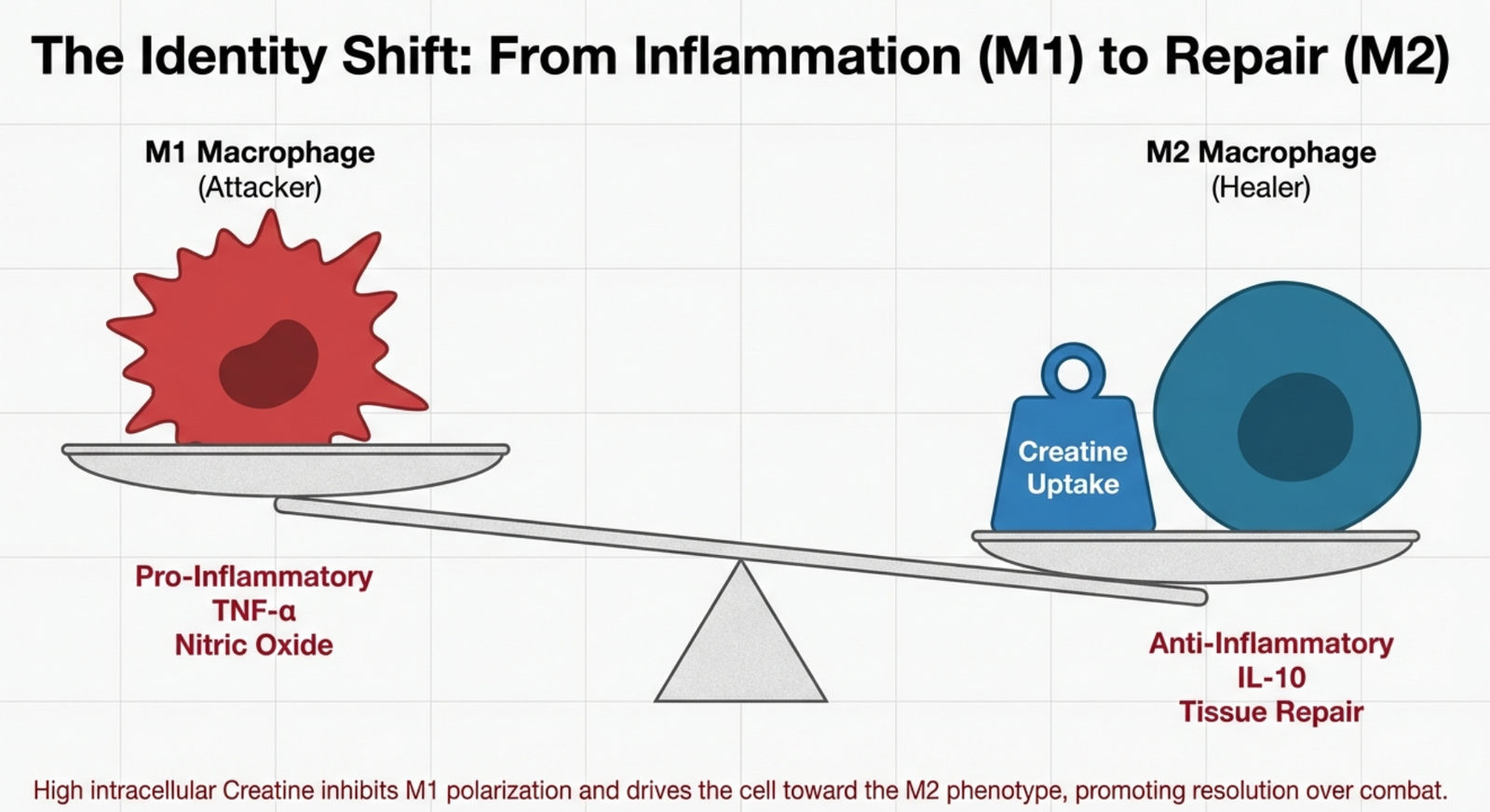
This shift doesn’t shut immunity off. Instead, it nudges immune cells toward a repair-focused state. Macrophages, for example, can exist in a destructive, inflammatory mode or a healing, tissue-repair mode. High creatine levels push them toward the latter. When researchers genetically blocked creatine uptake in immune cells, this calming effect disappeared, and inflammation surged back. That cause-and-effect relationship is one of the strongest findings in the review.
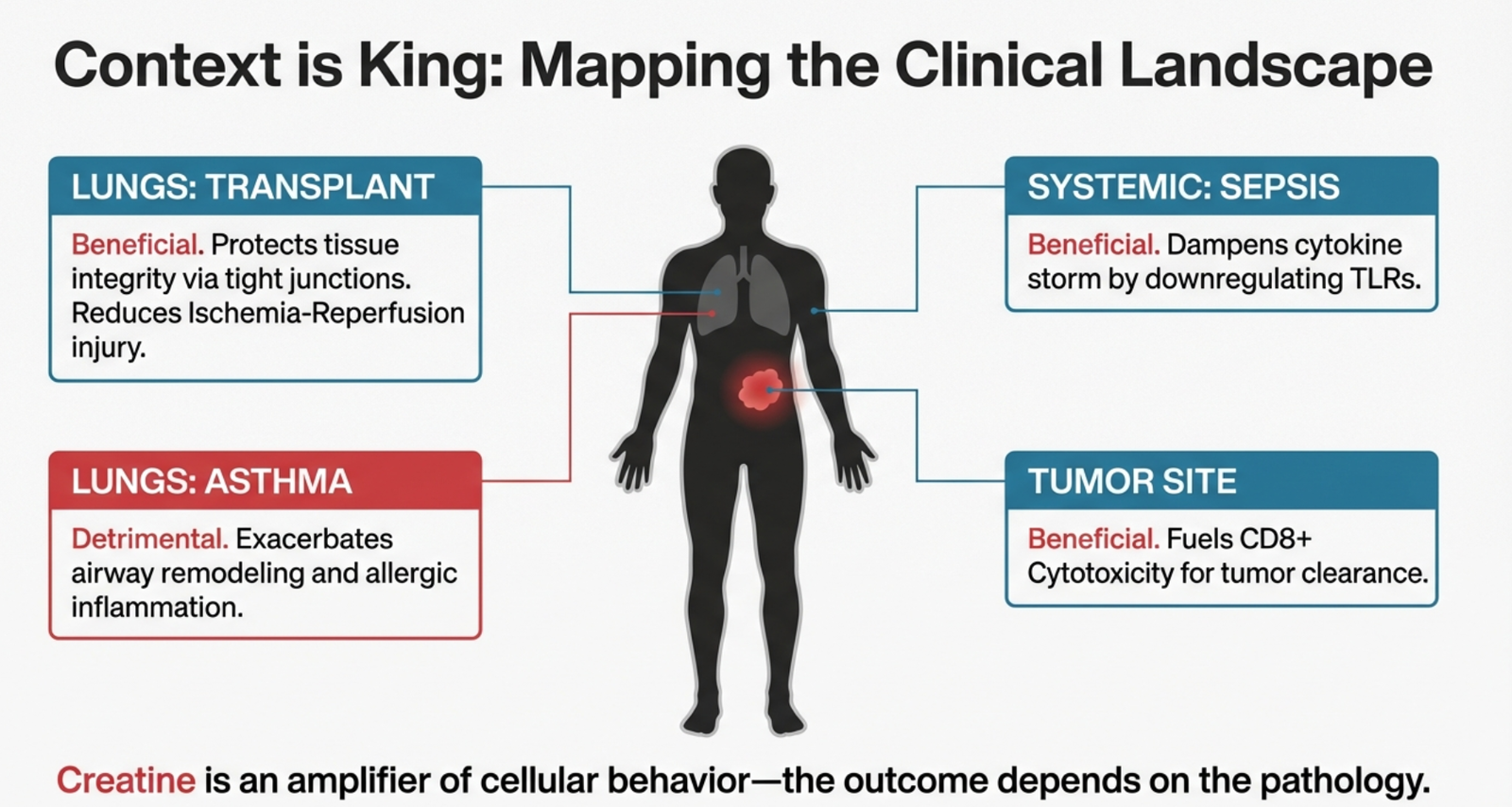
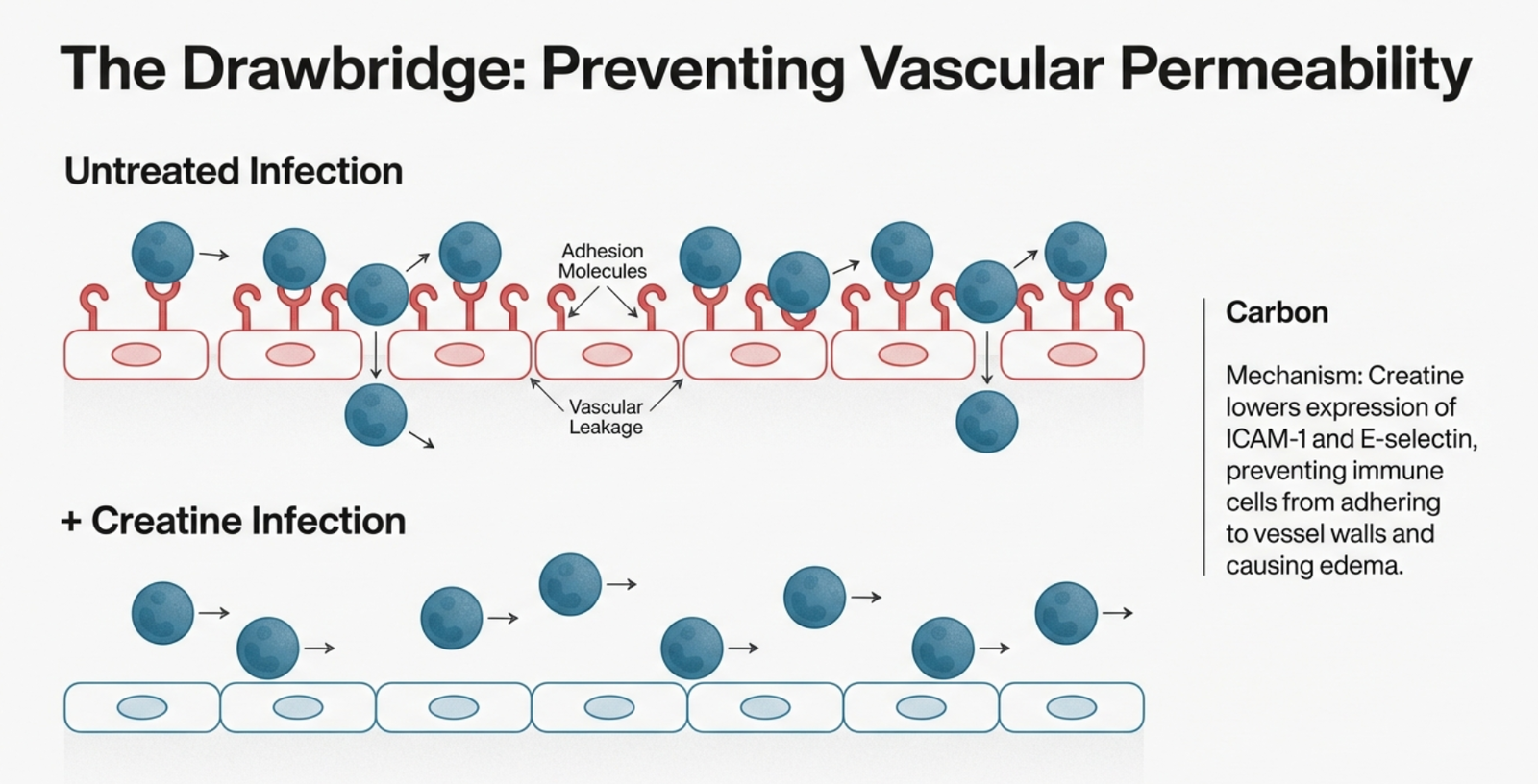
These anti-inflammatory effects showed up across injury models. Creatine reduced swelling, limited immune cell overrecruitment, and protected tissue during events like reduced blood flow followed by reperfusion. In simple terms, creatine made immune responses more controlled and less damaging.
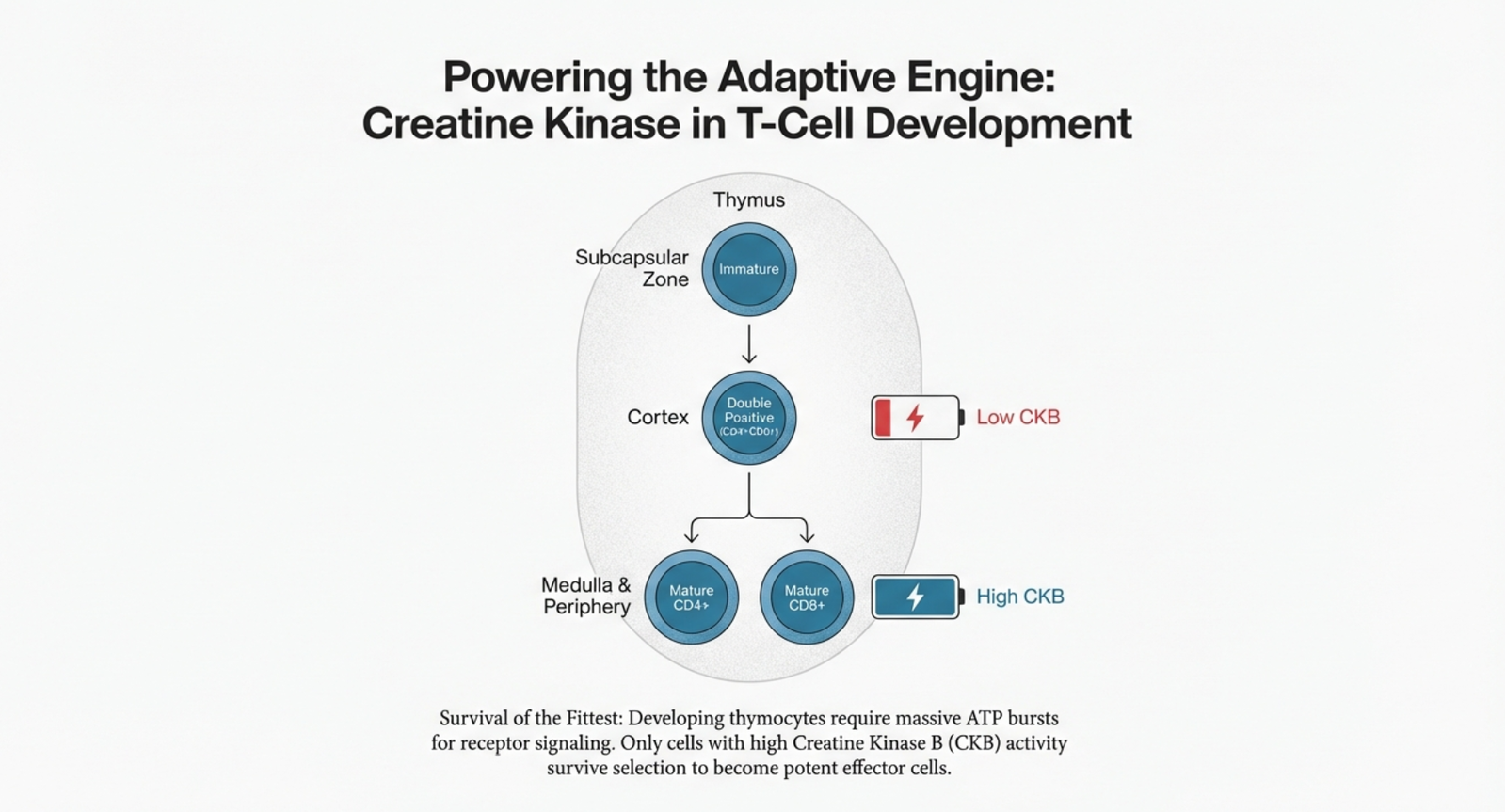
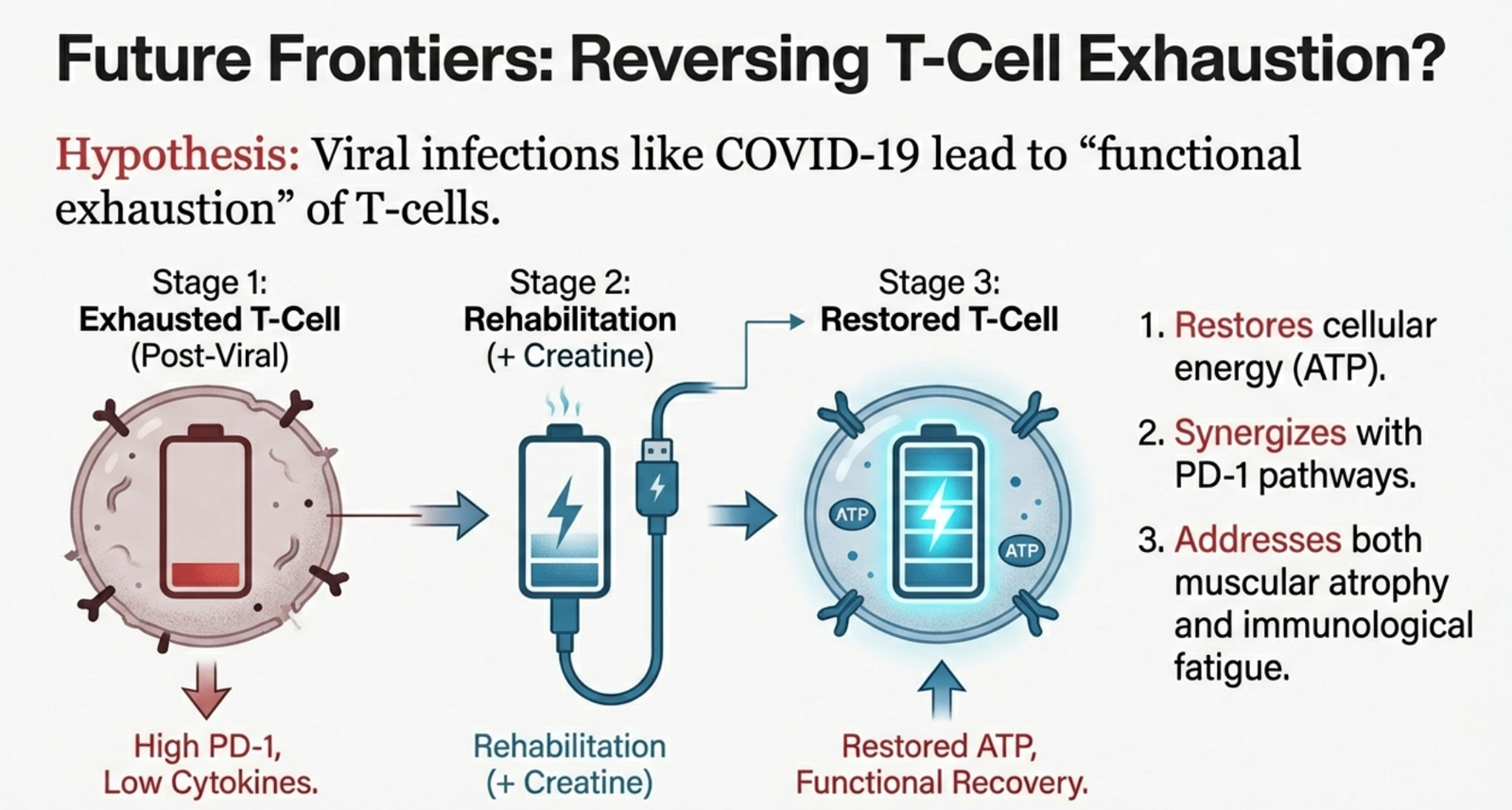
But creatine’s influence doesn’t stop there. In the adaptive immune system, which includes T cells, creatine appears to act as a performance enhancer of a very different kind. T cells require enormous energy to multiply and attack threats. One enzyme (Creatine Kinase B - CKB) that handles creatine recycling is essential for proper T cell development. Disrupt it, and immune defenses weaken.
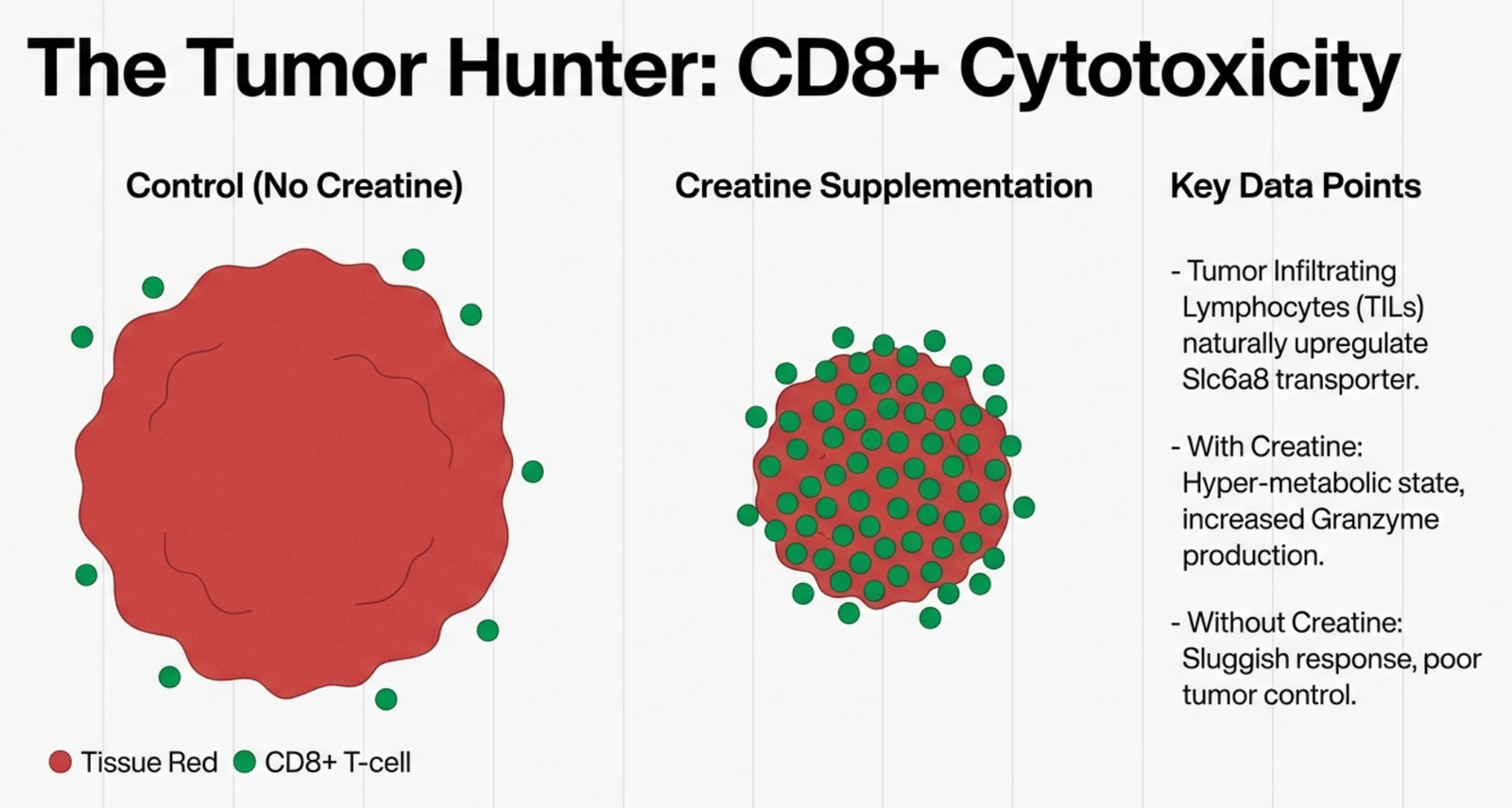
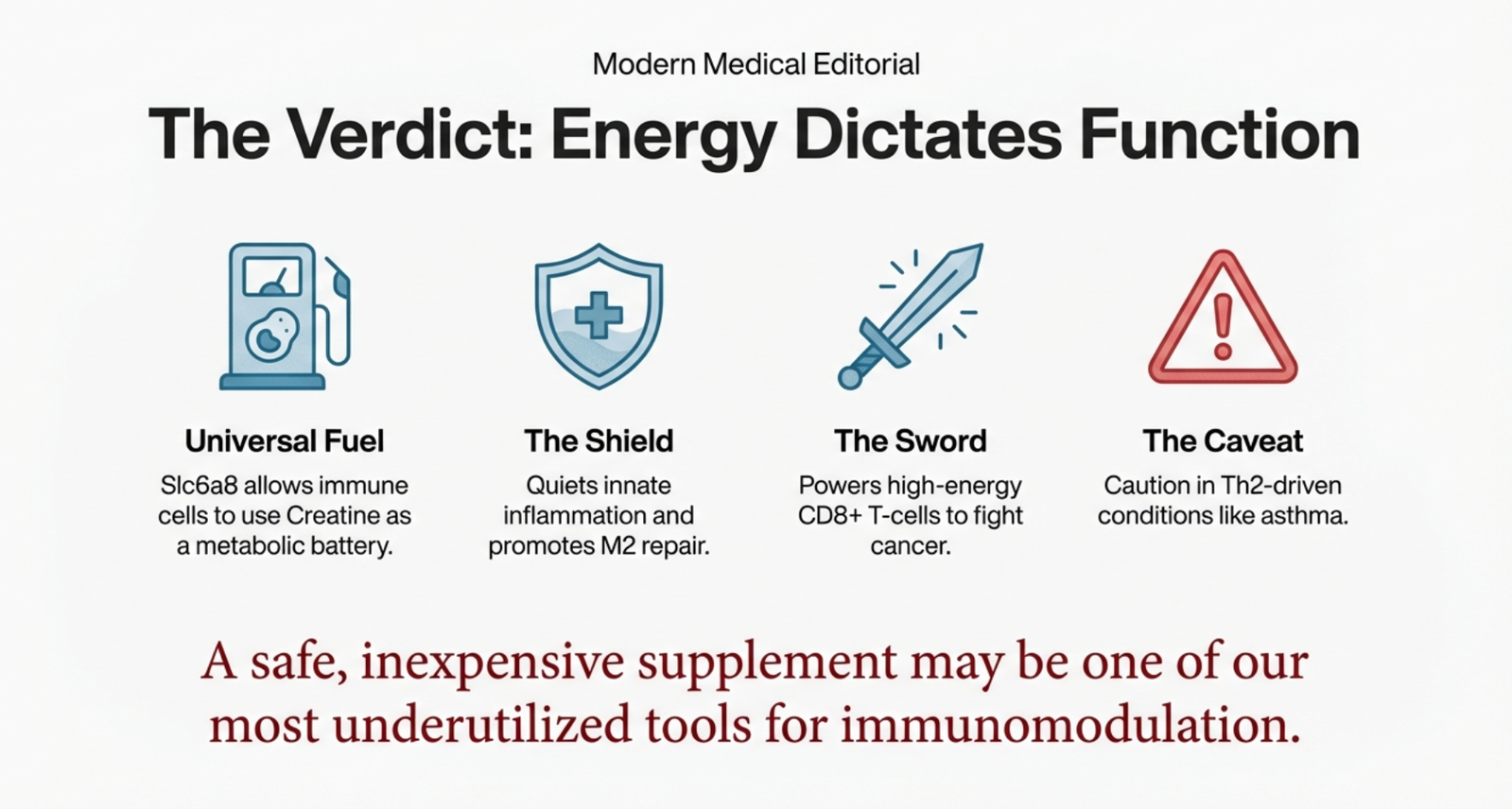
This becomes especially important in cancer. Tumors are metabolically hostile environments, starving immune cells of energy. The review highlights studies where tumor-fighting CD8+ T cells relied heavily on creatine transport to function. When these cells couldn’t import creatine, tumors grew unchecked. When creatine was available, immune cells survived longer, hit harder, and slowed tumor growth.
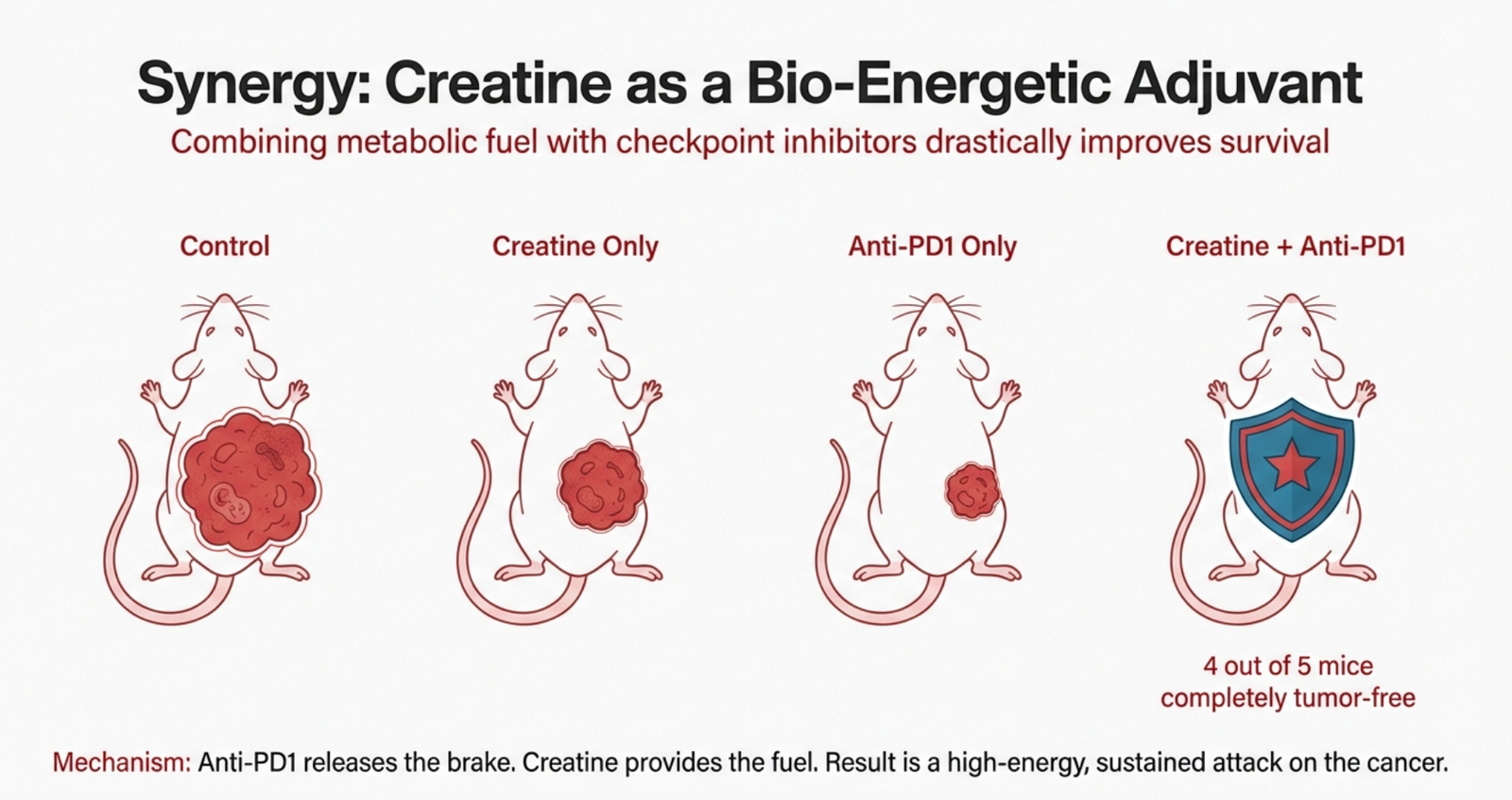
The most striking result came from combining creatine with immunotherapy. In mouse models, creatine supplementation dramatically boosted the effectiveness of anti-PD1 cancer treatments. In some cases, tumors disappeared entirely. This suggests creatine may act as a low-cost amplifier for existing cancer therapies by solving an energy bottleneck rather than directly targeting the tumor.
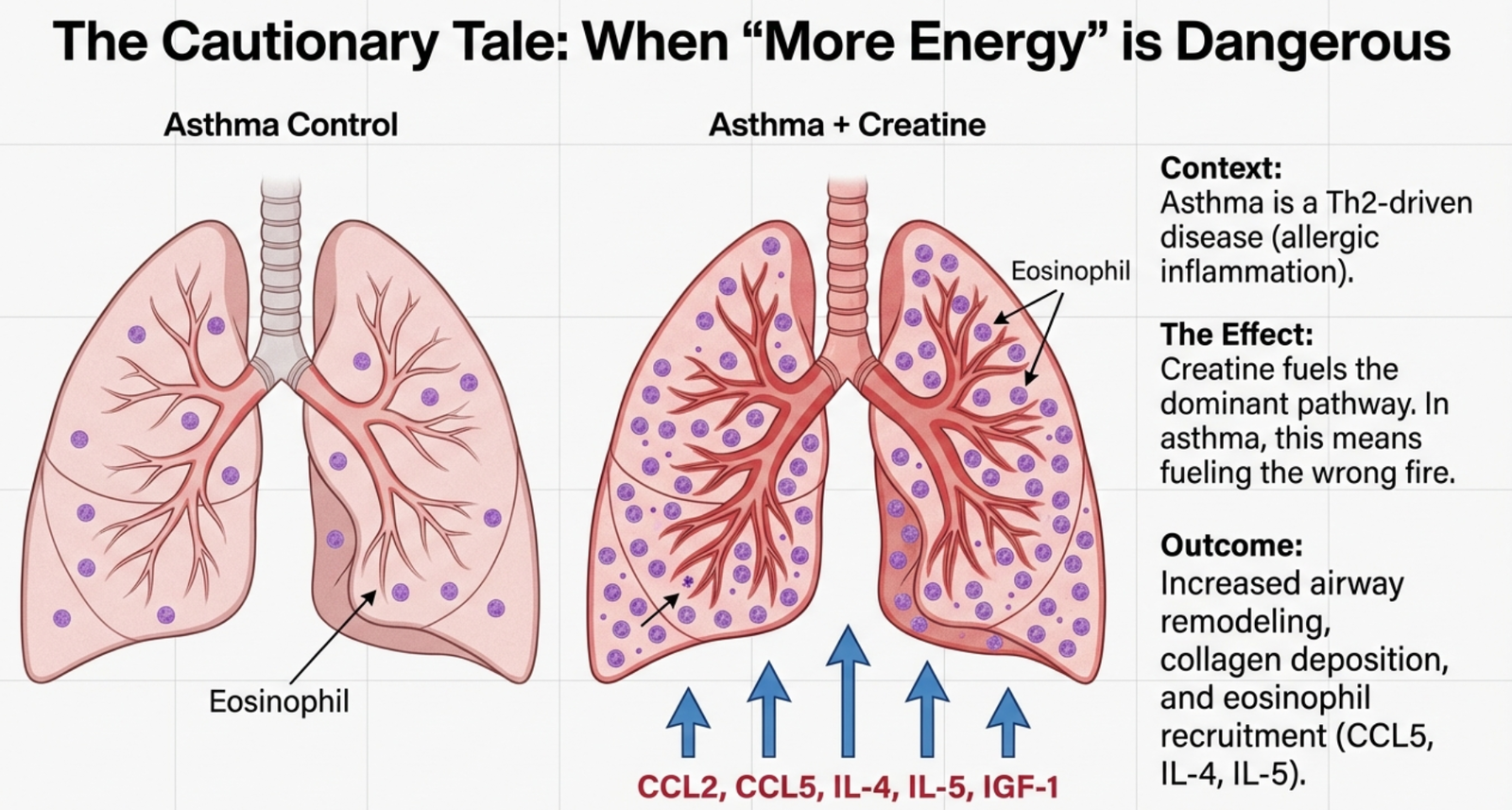
However, the story isn’t universally positive. The same immune-skewing effects that reduce inflammation can backfire in certain conditions. In asthma models, creatine worsened symptoms. It amplified immune pathways already responsible for allergic inflammation, leading to thicker airways and stronger inflammatory signaling. This highlights a crucial point: immune modulation is context-dependent. What helps in cancer or acute injury may harm in allergy-driven diseases.
Human data remains limited. Some athletic studies show reduced inflammatory markers with creatine use, while others show no measurable effect. Most mechanistic insights still come from animals. There’s also a theoretical concern that dampening early immune sensors could slow infection detection, though this hasn’t been observed clinically in healthy users.
The broader implication is clear - creatine is not just a muscle supplement. It’s a metabolic regulator of immunity. With better human trials, it may become a targeted tool—used to boost immune firepower in cancer or to calm excessive inflammation when damage outweighs benefit. At the same time, it reinforces the idea that supplements are not universally neutral. Their effects depend on the biological system they enter.
Random Trivia & Weird News

Your Immune Cells Can Outburn Your Muscle Cells
During activation, some immune cells burn ATP faster than sprinting muscle fibers. For brief moments, fighting infection is metabolically more intense than running flat-out (on a per cell basis).
Podcasts We Loved This Week
- James Clear: Best Ways to Build Better Habits & Break Bad Ones via Huberman Lab
- Dr. Anurag Singh: The Gut-Muscle-Immune Axis: How Mitophagy Rewires Your Body for Longevity via The Dr. Gabrielle Lyon Show
Products We Are Enjoying
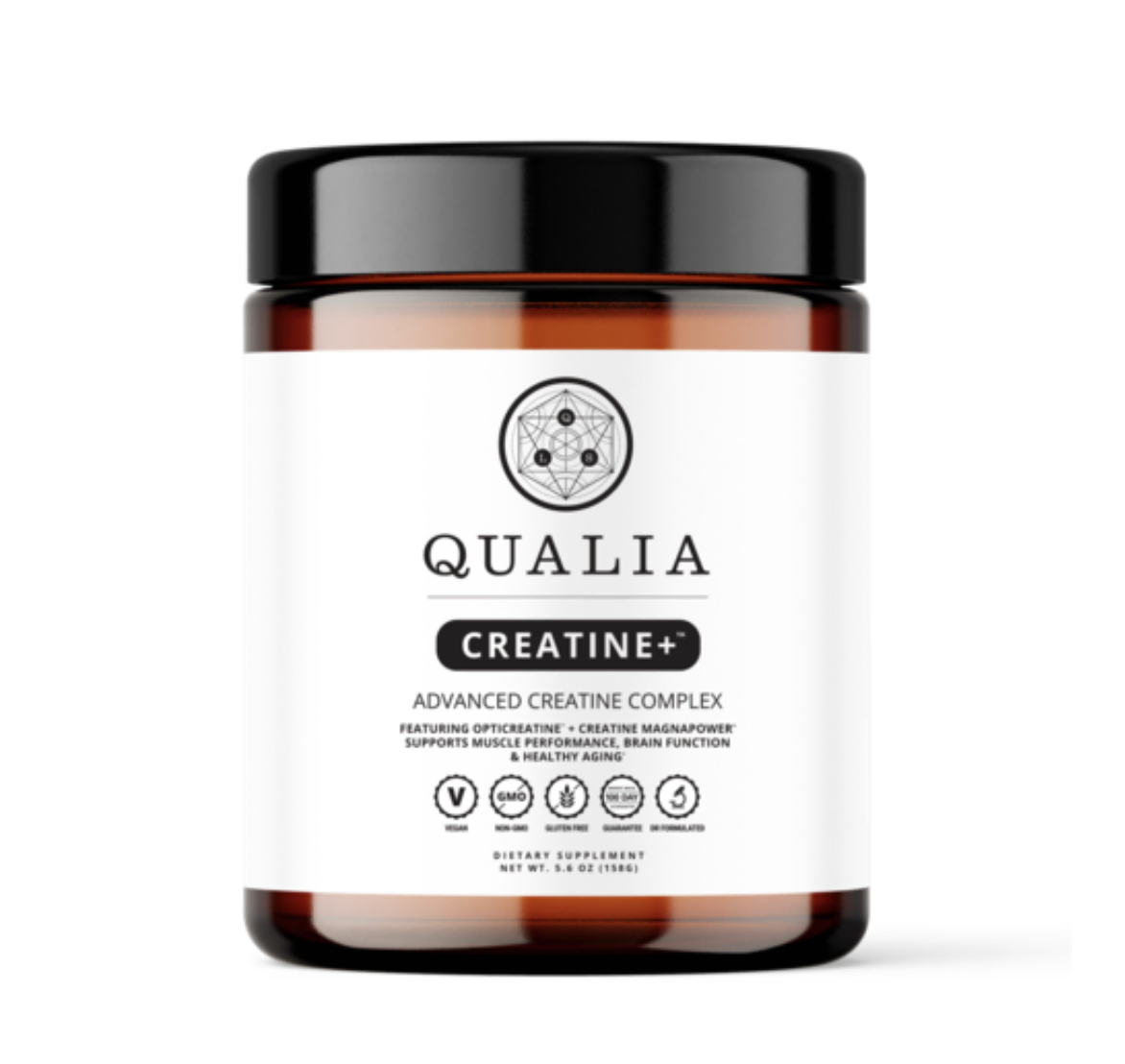
Qualia Creatine+
Qualia Creatine features a multi form creatine system designed to enhance solubility, absorption, and cellular delivery. It includes OptiCreatine™ creatine monohydrate, a highly pure, micronized form engineered to dissolve smoothly with minimal grit or clumping. The formula also provides Creatine MagnaPower®, a chelated complex of creatine and magnesium, supporting phosphocreatine formation in muscle and brain cells for rapid energy buffering during intense physical and cognitive demand. Added sea salt supplies sodium and chloride ions that assist intestinal uptake and transport of creatine into tissues. Together, these components are intended to create a comprehensive platform for maximizing creatine availability and performance support.
humanOS Catalog Feature of the Week

The Gut Microbiome and Immunity. Podcast with Dr. Lucy Mailing
Inside your gut lives an ecosystem that shapes far more than digestion. Emerging research suggests your microbiome influences appetite, body weight, mood, cognition, athletic performance, and even lifespan. More than 70 percent of your immune cells reside in the gut, forming a dynamic partnership with microbes that constantly interact with the outside world. When this system thrives, it helps defend against pathogens. When disrupted, vulnerability rises.
In this blog and humanOS Radio episode, Dan speaks with Dr. Lucy Mailing about how microbial metabolites like short chain fatty acids influence inflammation, antiviral immunity, aging, antibiotics, and diet. How much control do you really have over your immune resilience?
Wishing you the best,

—