

Newsletter #404
We spend most of our lives indoors, under lighting that feels neutral and harmless. But what if the light above your desk is quietly shaping how well your cells work? A new study asks a surprisingly basic question: what happens when modern lighting strips away parts of the spectrum humans evolved under—and what happens when you put them back?
If these newsletters are a regular part of how you stay informed on health and longevity, consider supporting the work with a Pro membership. $19.99 per quarter — about $1.67 per issue, less than a coffee tip.
Join here: Become a Member
New Feature: Newsletter Summaries ✨
LED lighting (350–650 nm) undermines human visual performance unless supplemented by wider spectra (400–1500 nm+) like daylight
For most of human history, light meant sunlight. Not just brightness, but a broad, continuous spectrum stretching from ultraviolet through visible light and deep into infrared. That spectrum shaped how our biology works, right down to how our mitochondria produce energy.
Modern life broke that relationship in a single generation.
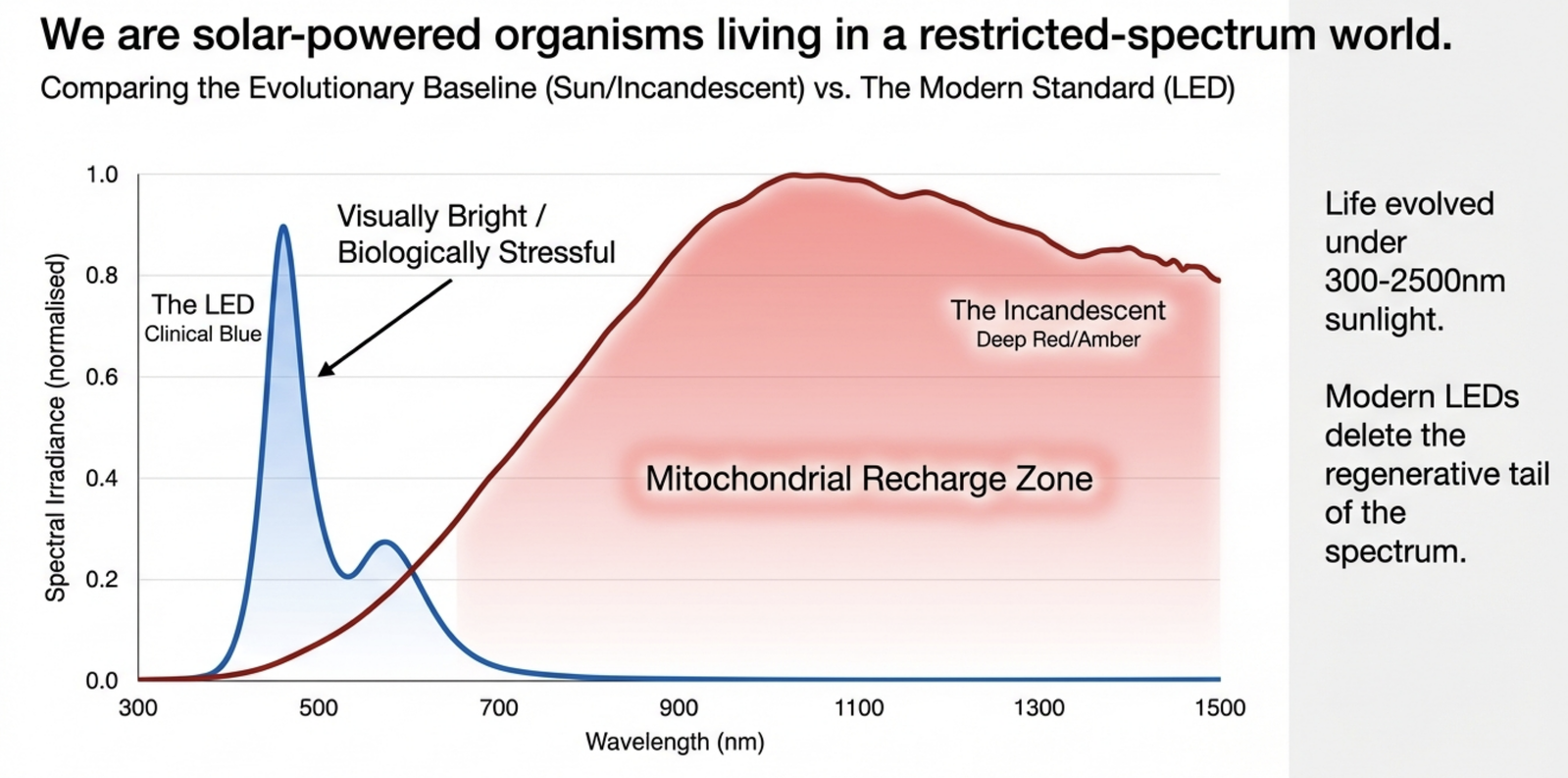
Today, most indoor spaces are lit by LEDs. They are efficient, cheap, and long-lasting—but spectrally narrow. Standard LEDs emit mostly between 350 and 650 nanometers. What is missing is just as important as what remains: the long-wavelength red and near-infrared light that sunlight and older incandescent bulbs naturally provide.
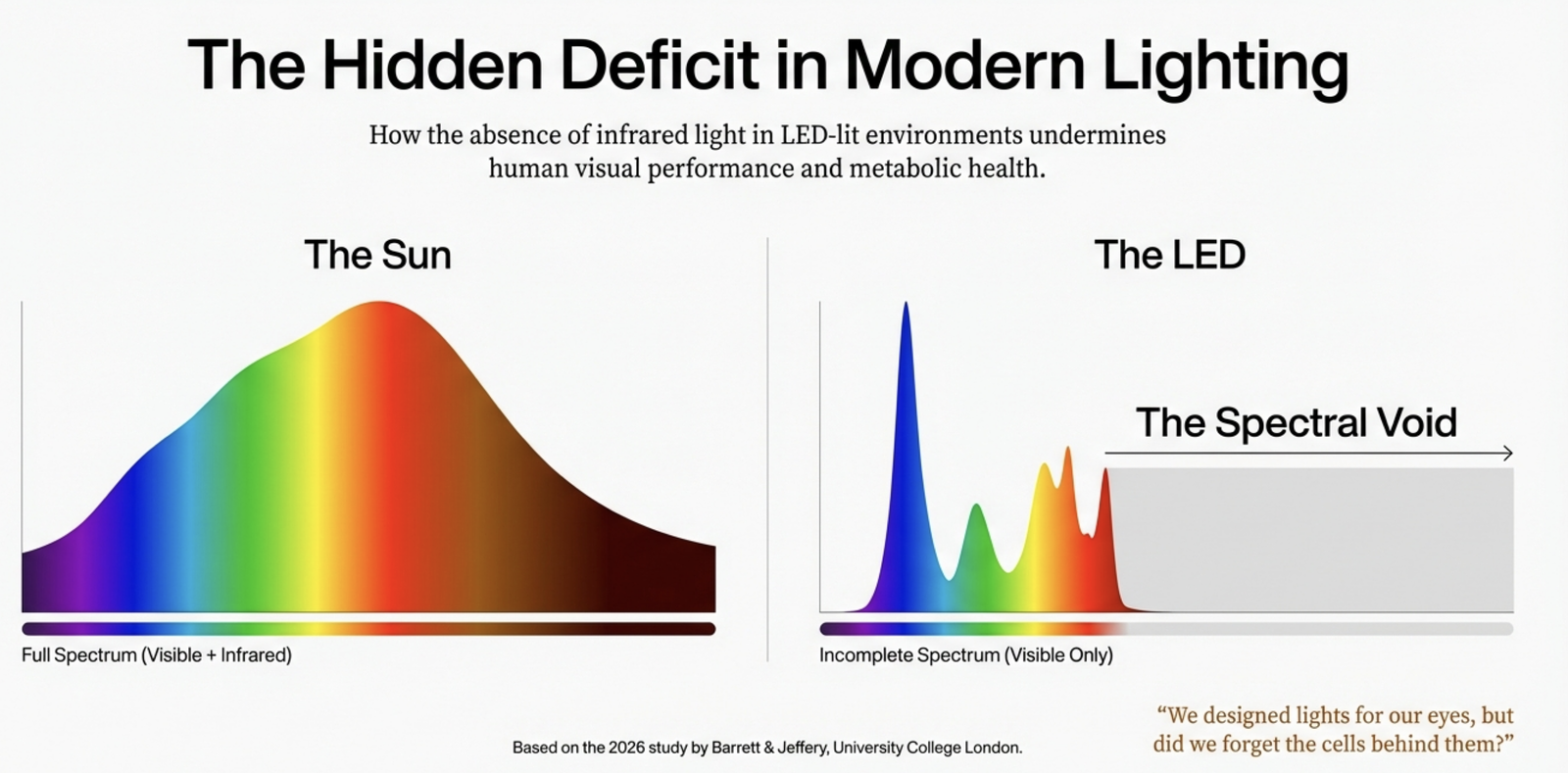
The authors of this paper, Edward Barrett and Glen Jeffery, argue that this missing light is not trivial. It represents a form of ‘environmental malnutrition.’
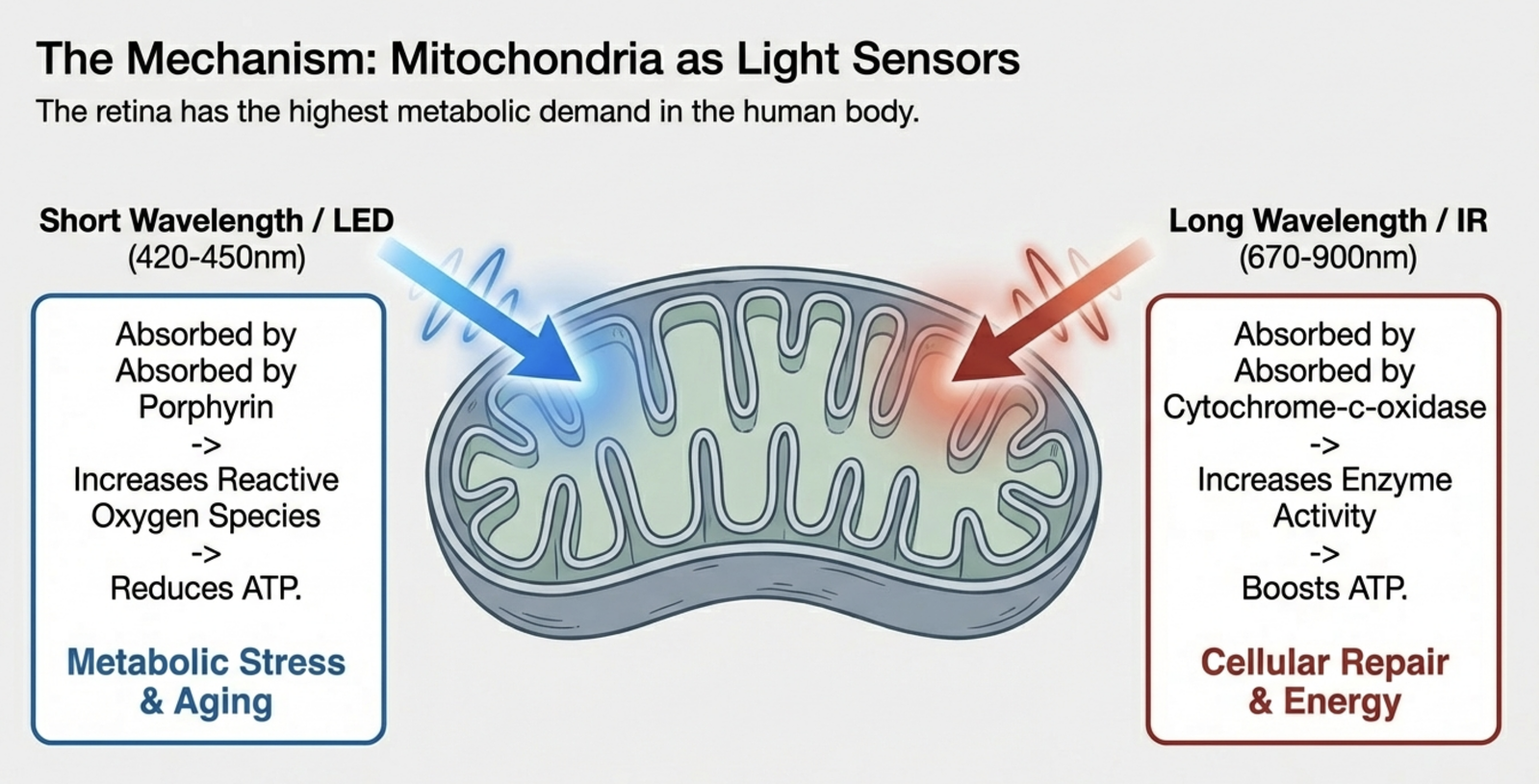
At the center of their argument are mitochondria. These organelles are not only chemical engines; they are also light-sensitive. Shorter wavelengths, especially blue light, tend to suppress mitochondrial respiration and increase cellular stress. Longer wavelengths, particularly red and near-infrared, do the opposite. They support electron transport, increase ATP production, and reduce inflammatory signaling.
The retina is a perfect place to see this effect. It has the highest energy demand of any tissue in the body. If mitochondrial function falters, vision is often the first system to show it.
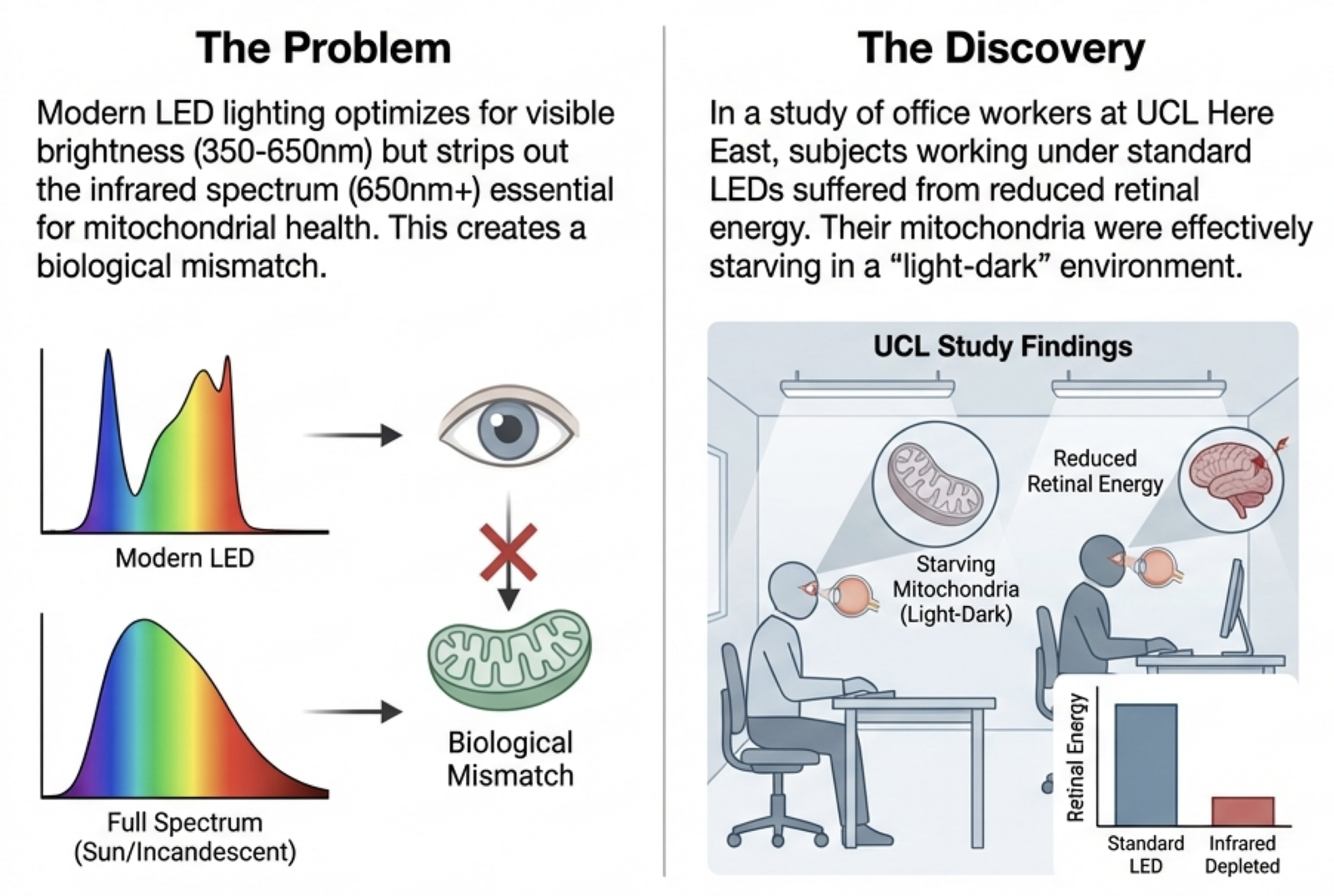
To test whether modern lighting actually degrades human performance, the researchers moved out of the lab and into a real workplace. The study took place in a windowless, deep-plan building in London originally built for the 2012 Olympics. The space was lit entirely by standard LED ceiling lights. The building’s glazing blocked infrared light from outside, creating a clean example of what the authors describe as a “light-malnourished” environment.
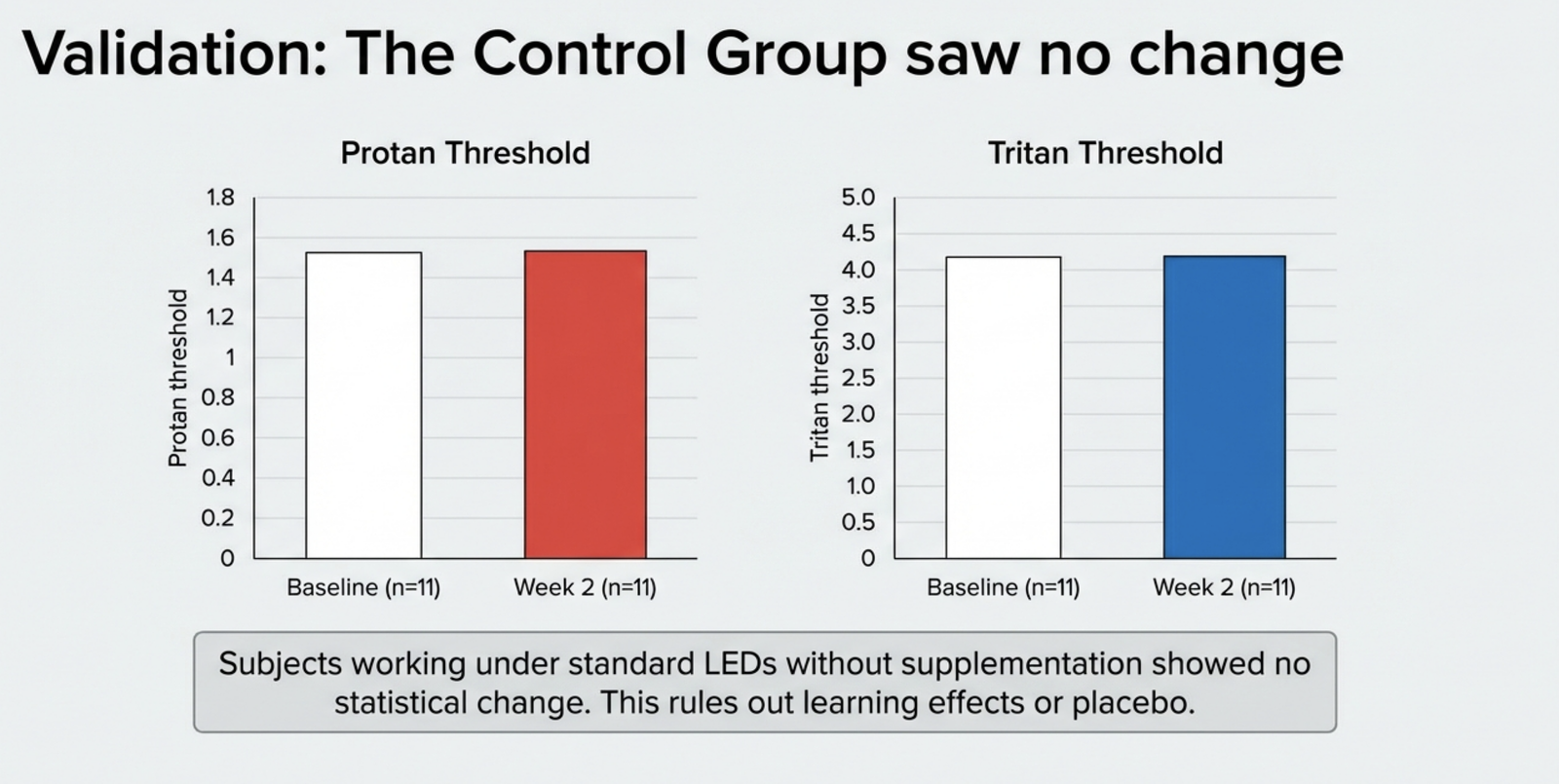
Twenty-two healthy adults, aged 23 to 65, participated. Half served as controls and continued working under LEDs alone. The other half received a simple intervention: a 60-watt incandescent desk lamp placed on their workstation for two weeks. These lamps reintroduced the missing long-wavelength spectrum, extending beyond 1500 nanometers, without changing brightness or work routines.
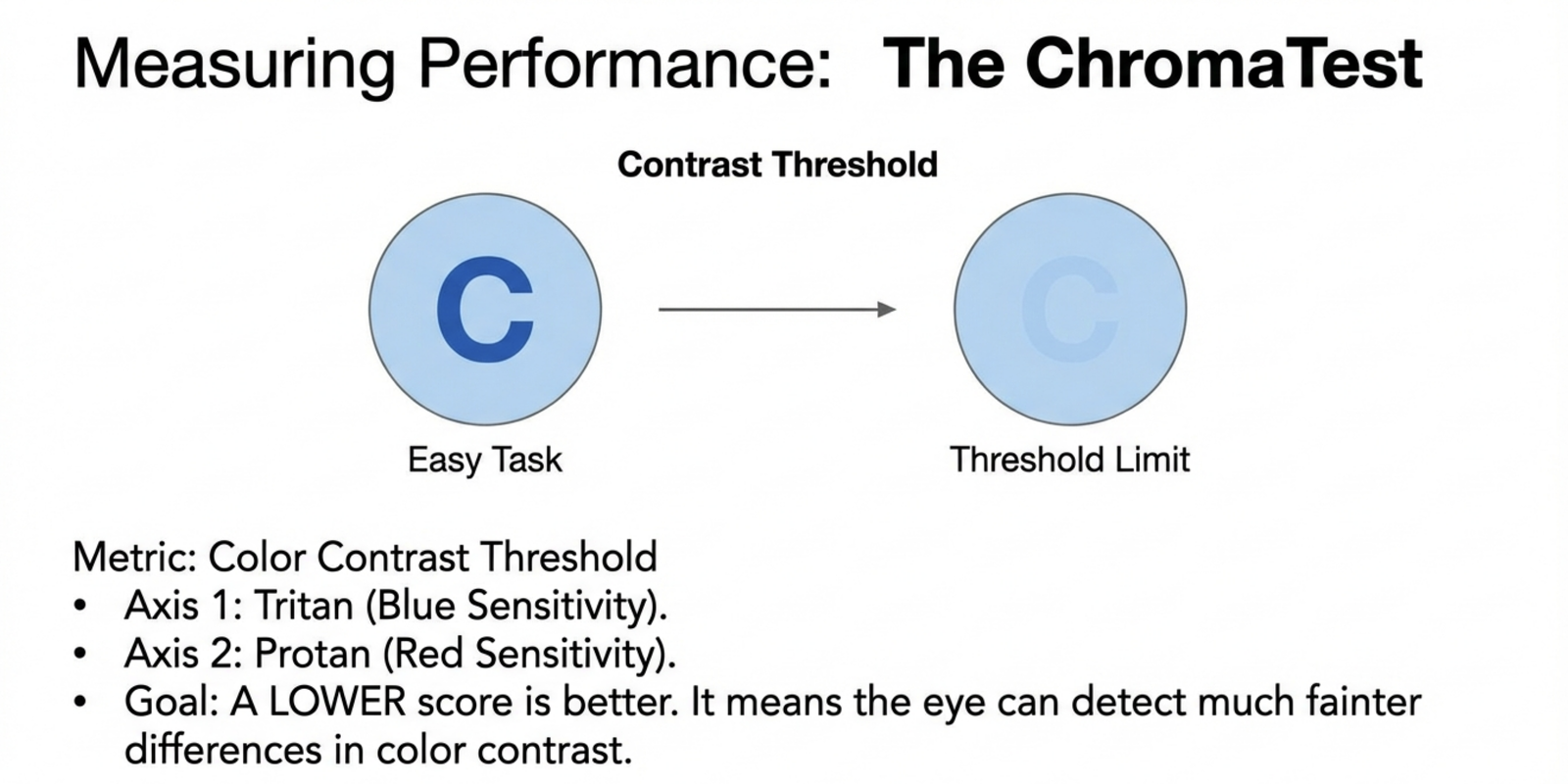
Visual performance was measured using a sensitive color contrast test that examines two pathways in the visual system: one tuned to blue contrast and one to red. Measurements were taken before the lamps were added, immediately after two weeks of exposure, and again weeks later after the lamps were removed.
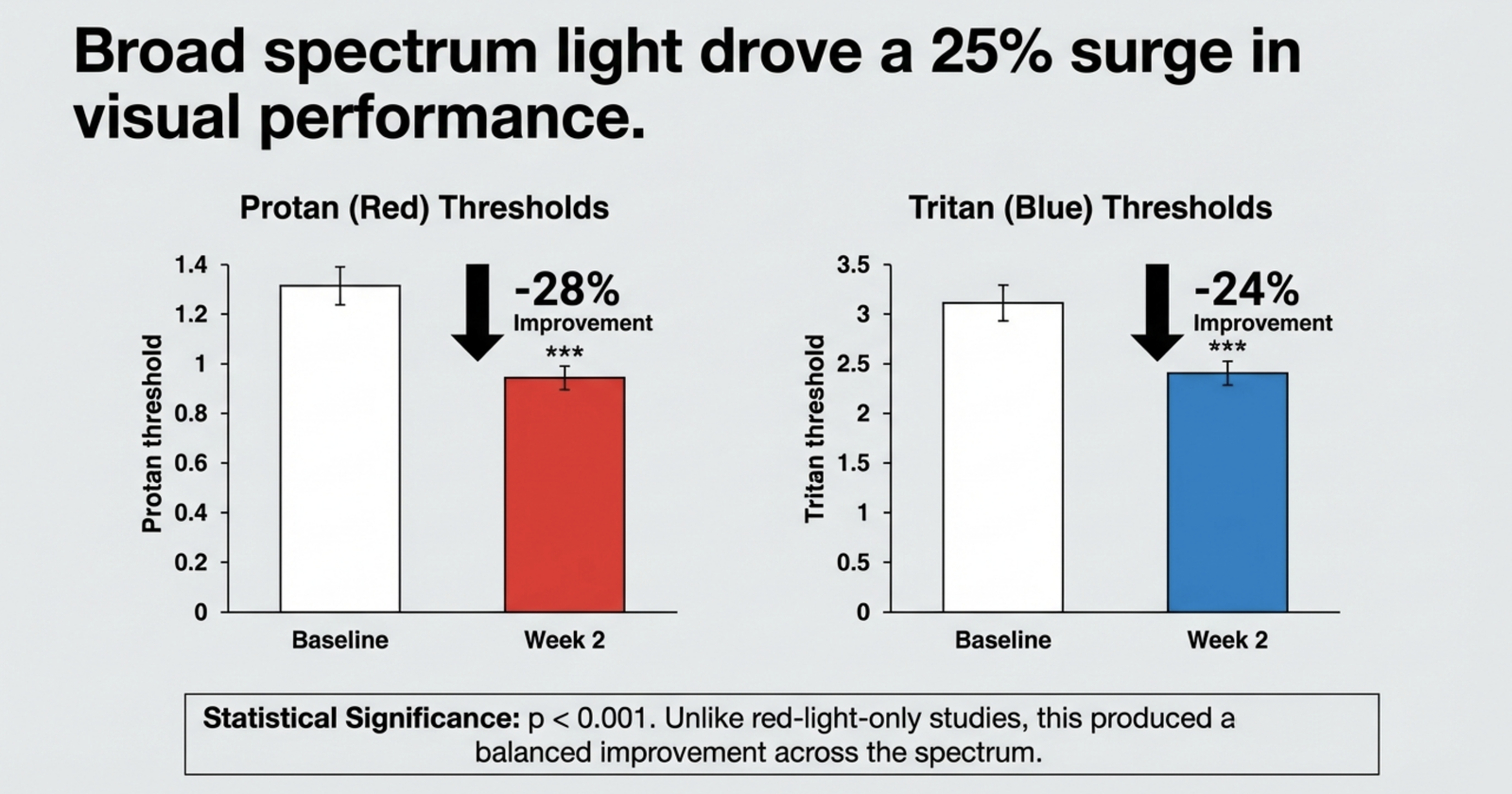
The results were striking. After two weeks, the group with incandescent light showed roughly a 25 percent improvement in color contrast sensitivity. Importantly, the gains were balanced across both visual pathways. Previous experiments using narrow-band red light often improved one axis more than the other. Broad-spectrum light improved the system as a whole.
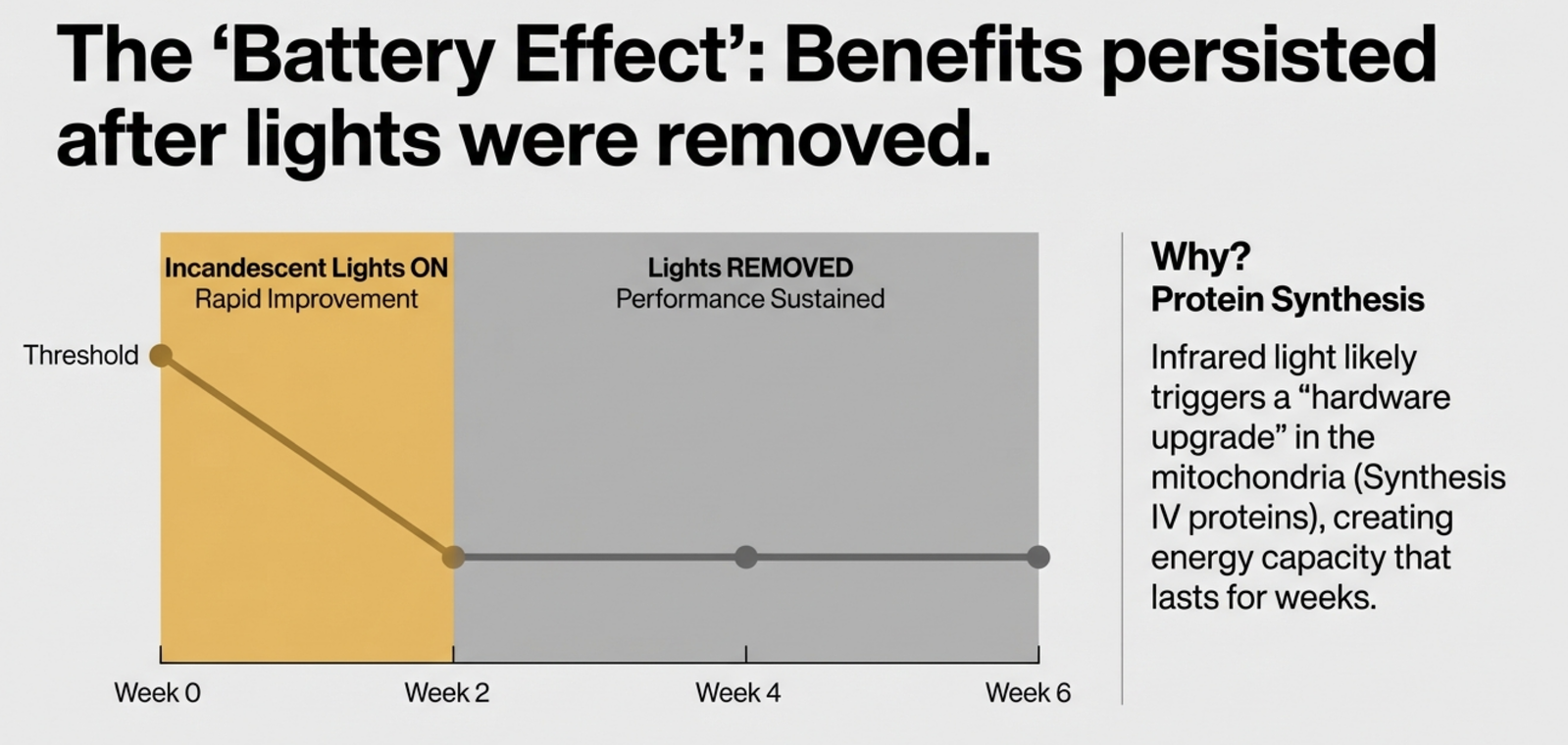
More surprising was what happened next. When the incandescent lamps were removed, vision did not immediately decline. Instead, the improvement persisted. Six weeks later, visual performance was still significantly better than baseline.
This durability suggests something deeper than a short-term boost. The authors propose that broad-spectrum light triggers longer-lasting changes in mitochondrial biology, potentially by increasing the production of respiratory proteins that remain active for weeks. In other words, light exposure may remodel the system rather than temporarily stimulating it.
The implications go beyond eyesight. Because mitochondria communicate across tissues through metabolic and immune signals, the retina may act as an early warning system for whole-body energy status. If lighting improves retinal mitochondrial function, it may also be nudging metabolism, inflammation, and cellular resilience in a healthier direction elsewhere in the body.
That reframes bad lighting as more than an ergonomic issue. It becomes a systemic stressor. The authors are careful about limitations. The study was small. Participants were free-living humans, not lab animals. The exact molecular mechanism of photobiomodulation is still debated. But the consistency and persistence of the effect raise an uncomfortable question.
Have we optimized buildings for energy efficiency while quietly degrading human biology? Fixing LEDs is not easy. Adding infrared emitters creates jagged spectral peaks that do not resemble sunlight. Building truly full-spectrum LED systems is expensive and complex.
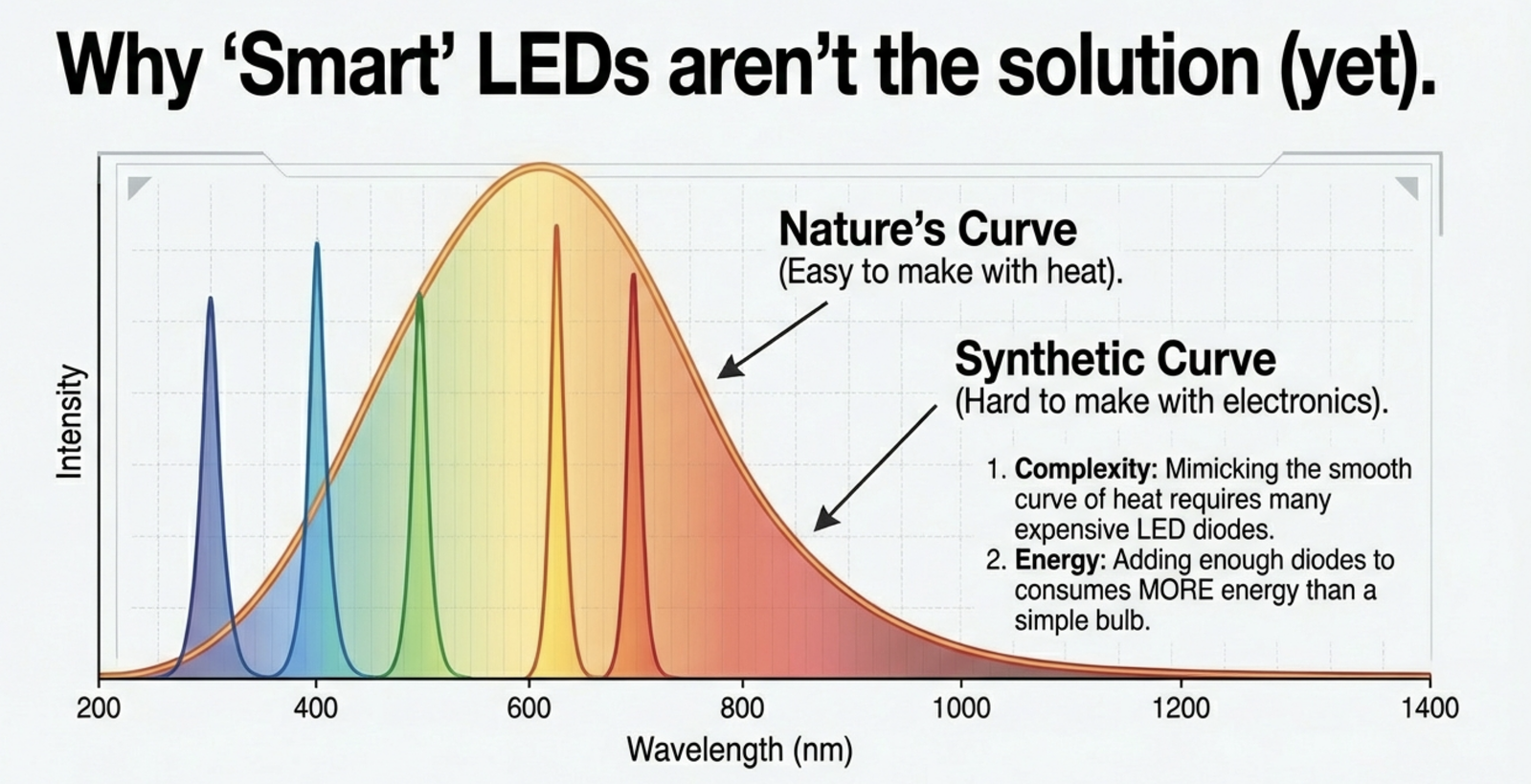
The authors suggest a pragmatic alternative: low-voltage halogen or tungsten lighting. Running these bulbs at lower temperatures shifts output toward infrared, reduces energy use compared to standard incandescent operation, and dramatically extends bulb life. It is an old technology, repurposed with new biological insight.
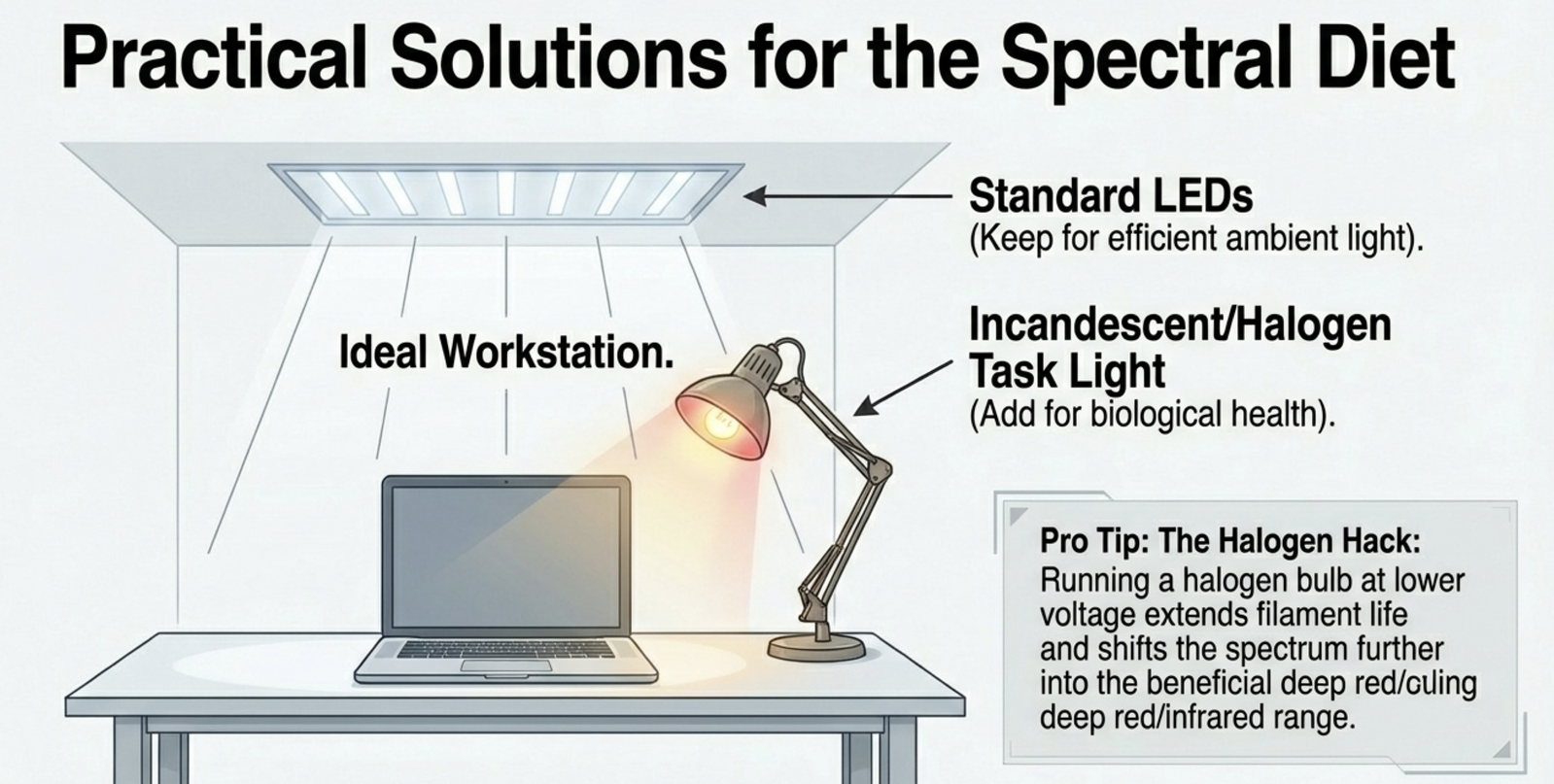
This study does not argue that LEDs are evil. It argues that spectrum matters. And that when we remove something evolution relied on, the body notices—even if it takes weeks to show.
Random Trivia & Weird News
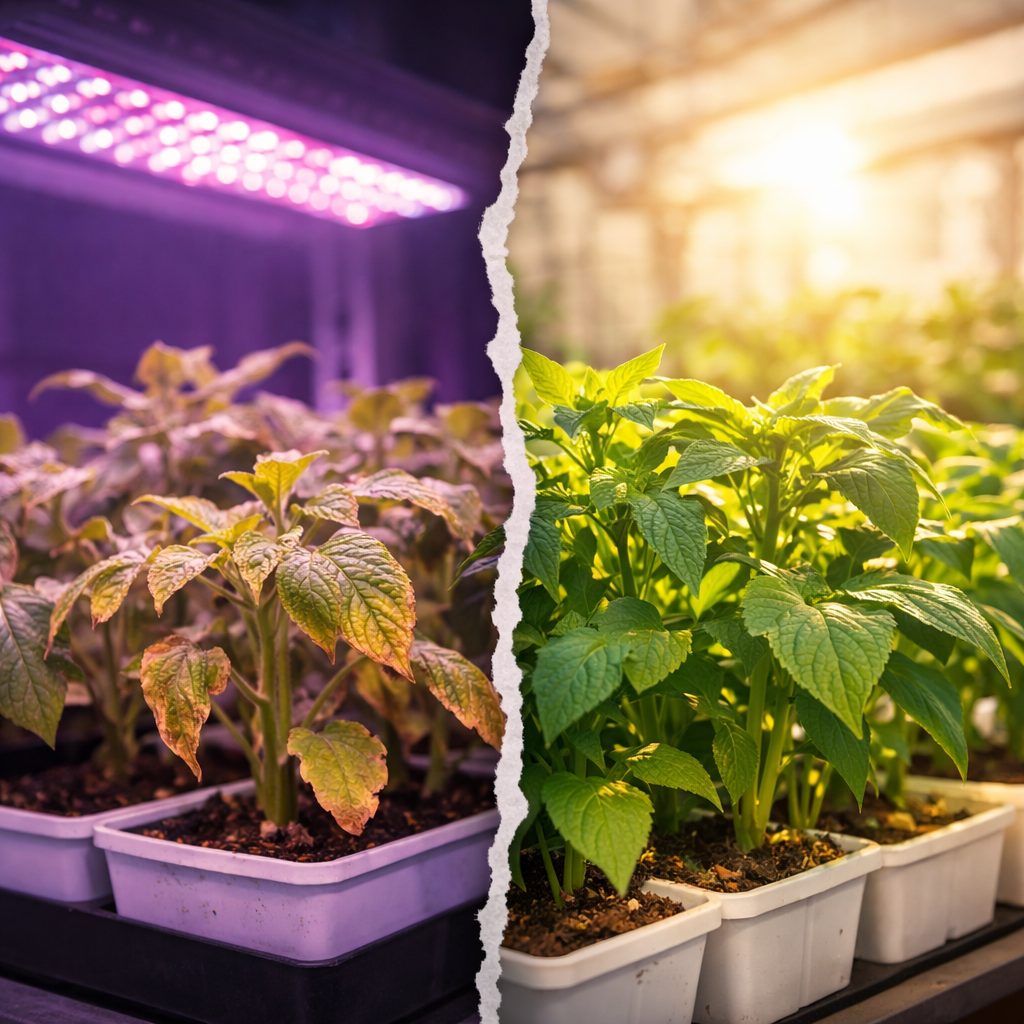
Plants Can “See” Bad Light Too
Plants grown under narrow-spectrum LEDs often look healthy but develop metabolic stress over time. When growers reintroduce broader spectra, growth efficiency improves. Humans may be repeating the same mistake indoors, assuming brightness equals nourishment.
Podcasts We Loved This Week
- Francisco Gonzolas-Lima discusses methylene blue & noninvasive human brain stimulation via STEM-Talk
- Dr. Read Montague How Dopamine & Serotonin Shape Decisions, Motivation & Learning via Huberman Lab
Products We Are Enjoying
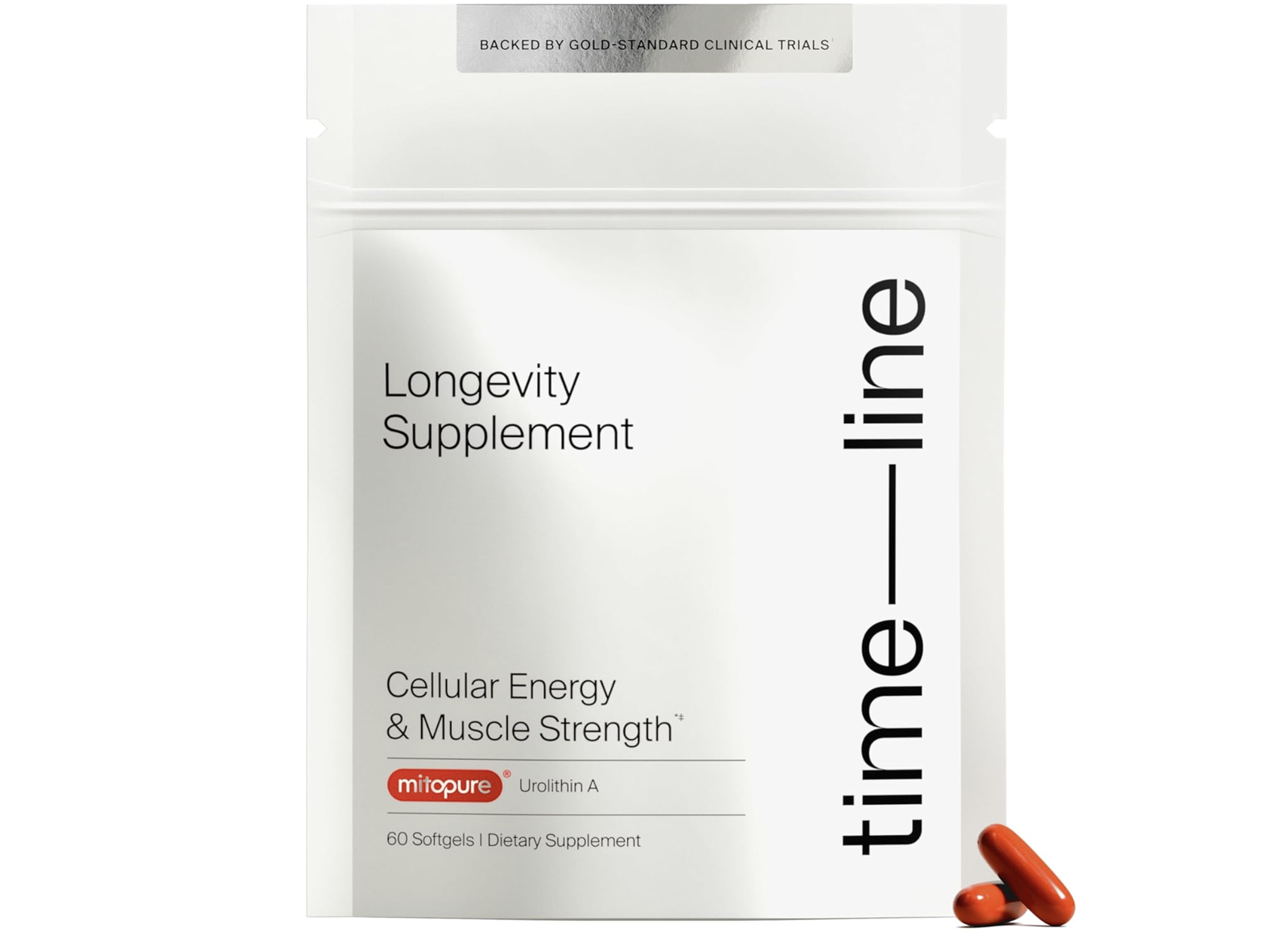
Mitopure (Urolithan A)
Urolithin A is a gut-derived metabolite that supports mitochondrial quality control by activating mitophagy, the process that clears out damaged mitochondria so healthier ones can function better. Mitopure is a patented, clinically validated form that reliably delivers a therapeutic dose independent of diet. Human trials show improvements in cellular energy metabolism and muscle strength, including up to a 12 percent increase in hamstring strength in sedentary middle-aged adults. Because cellular energy underpins whole-body function, these effects matter for aging. I personally take 500 mg per day, the dose used in clinical studies.
humanOS Catalog Feature of the Week

Optimizing Energy Production by Mitochondria. Podcast with Bruce Hay
Have you ever noticed how effortlessly energetic kids are, and how rare that kind of energy feels later in life? That contrast is not just nostalgia. It is biology. In this post and podcast, we explore why human energy changes so dramatically across the lifespan and why mitochondria sit at the center of that story. From aging science to cellular quality control, we dig into how energy shapes function, motivation, and how you live day to day. If you care about preserving vitality as you age, this conversation connects the dots in a way that will change how you think about energy itself.
Wishing you the best,

—