

Newsletter #403
Most conversations about brain aging focus on neurons. This paper argues that is the wrong starting point. The authors make a strong case that the slow failure of the brain’s blood vessels, driven by aging mitochondria inside endothelial cells, may be one of the earliest and most decisive steps toward cognitive decline. What makes this especially interesting is that the intervention they explore is not a drug or device, but a simple shift in when we eat.
If these newsletters are a regular part of how you stay informed on health and longevity, consider supporting the work with a Pro membership. $19.99 per quarter — about $1.67 per issue, less than a coffee tip.
Join here: Become a Member
New Feature: Newsletter Summaries ✨
Fasting as Medicine: Mitochondrial and Endothelial Rejuvenation in Vascular Aging
As populations age, dementia and cardiovascular disease rise in parallel. This review starts from a blunt observation: aging itself is the strongest risk factor for both. But rather than treating aging as an abstract backdrop, the authors zero in on a specific failure point that links the heart and the brain. The health of the endothelium, the thin cellular lining of every blood vessel.
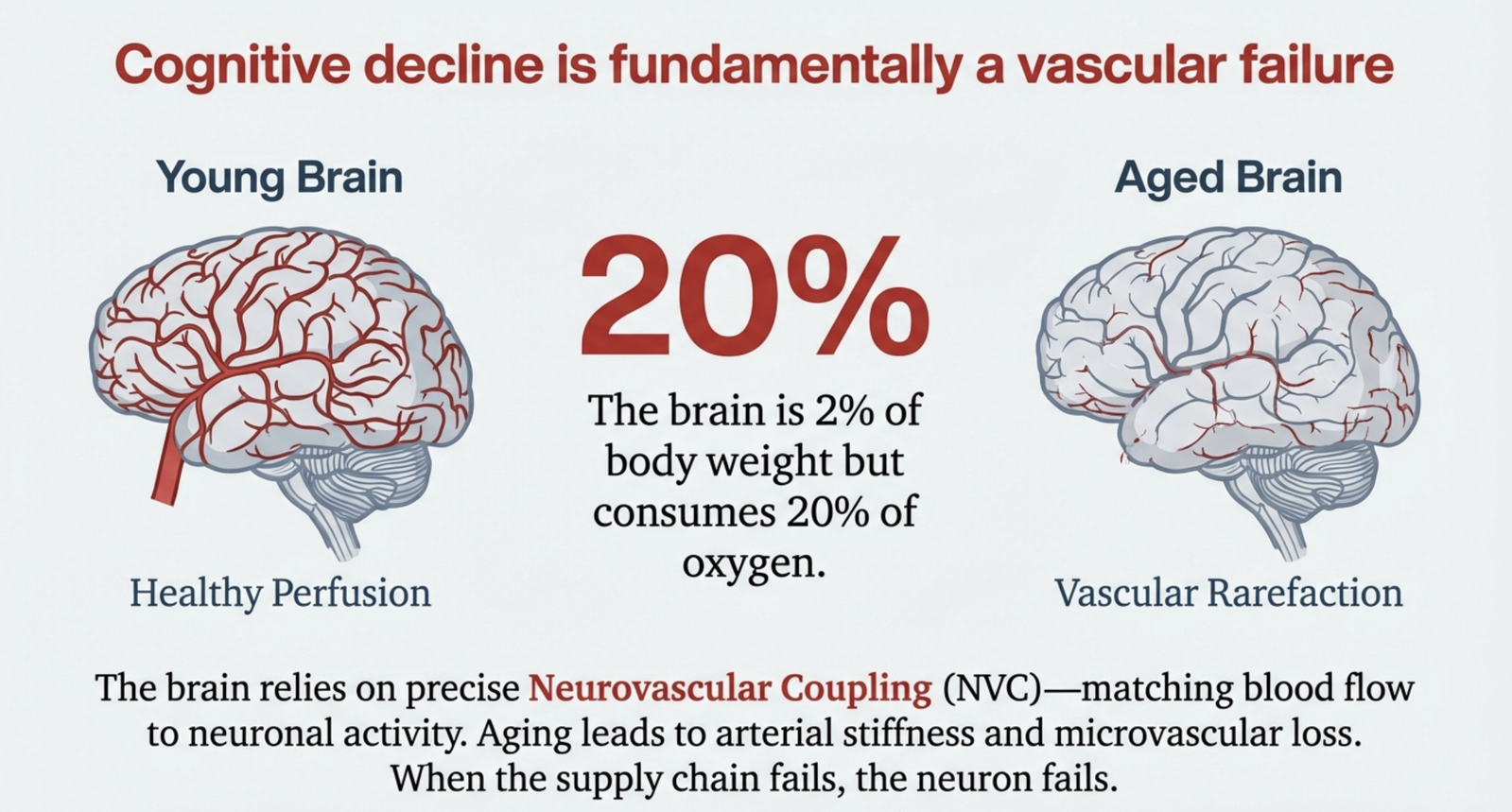
Endothelial cells are not passive pipes. They actively regulate blood flow, control inflammation, and maintain the blood–brain barrier. To do this, they rely heavily on healthy mitochondria. With age, those mitochondria begin to fail. Energy production drops. Oxidative stress rises. Damaged mitochondria accumulate instead of being recycled. The result is a sluggish, inflamed vascular system that cannot respond properly to demand.
In the brain, this shows up as neurovascular uncoupling. Neurons fire, but blood flow does not rise to meet the moment. At the same time, the blood–brain barrier weakens, allowing inflammatory molecules and toxins to leak into delicate neural tissue. Long before neurons die, their environment becomes hostile.
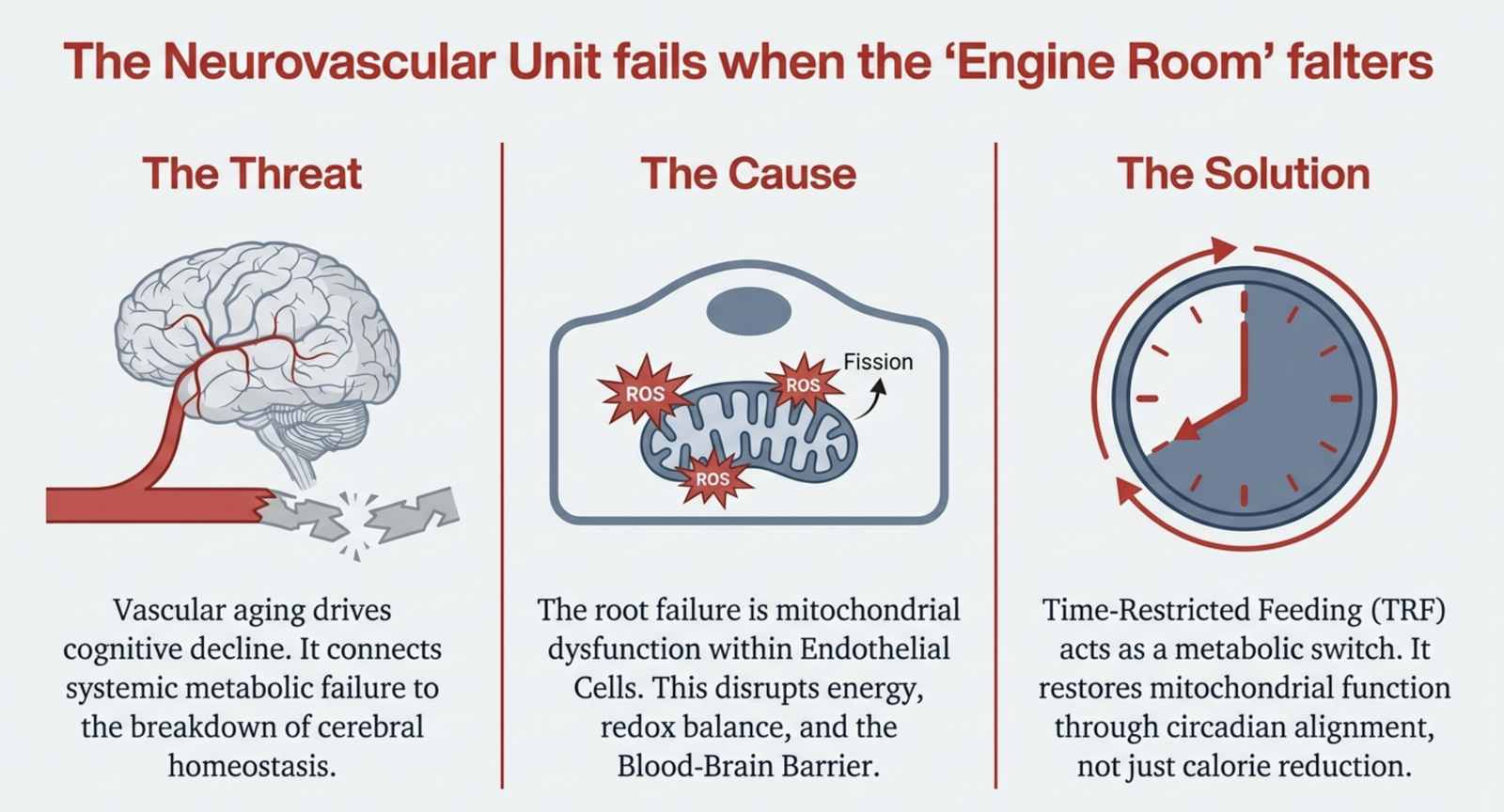
The authors argue that this mitochondrial–endothelial failure is not a side effect of neurodegeneration. It may be one of its earliest drivers.
This is where time-restricted feeding and eating enter the picture.
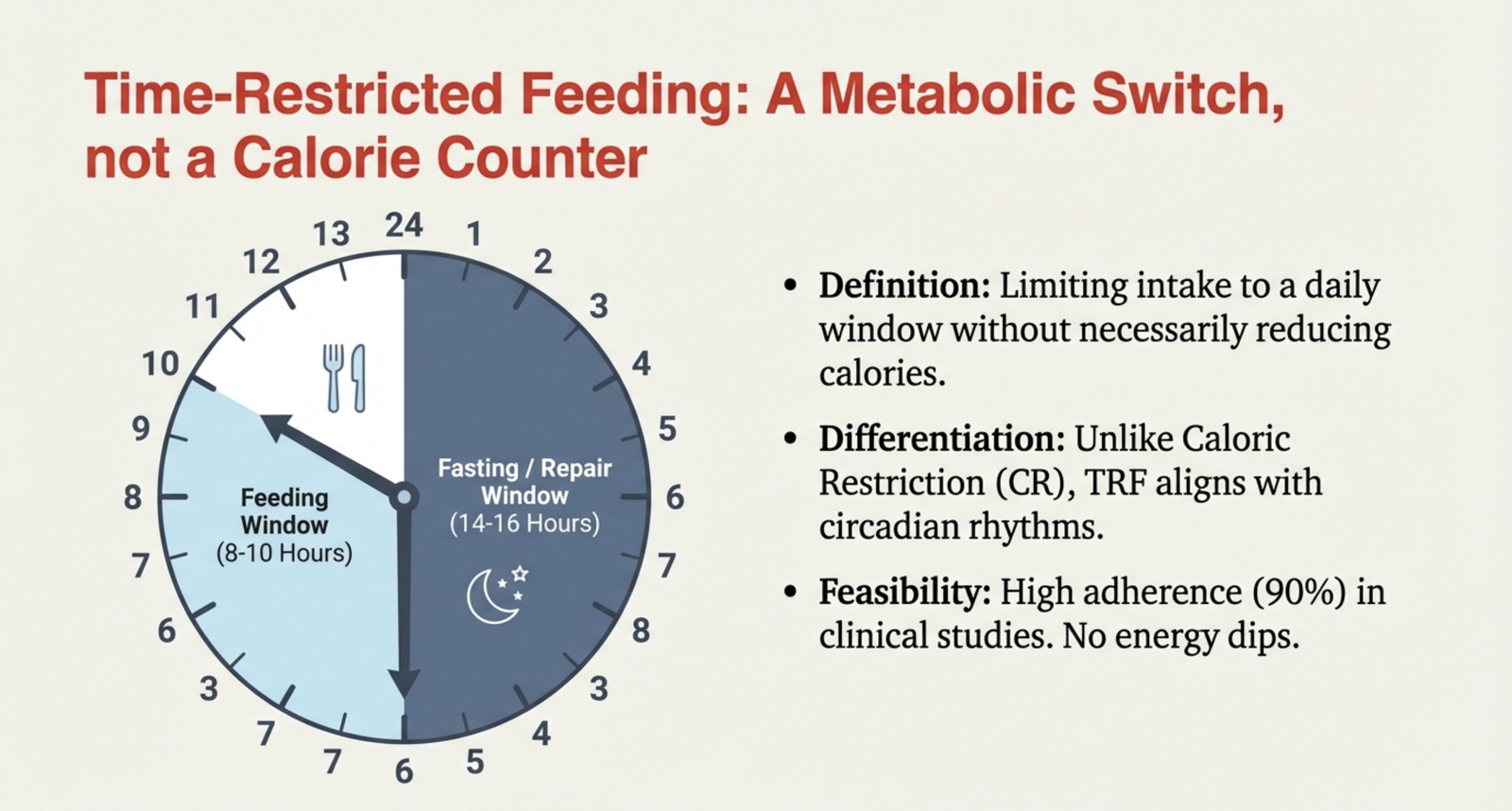
Unlike calorie restriction, which focuses on how much you eat, TRF and TRE focus on when you eat. Food is consumed within a consistent daily window, usually eight to ten hours, followed by a prolonged fasting period. Calories do not necessarily change. Biology does.
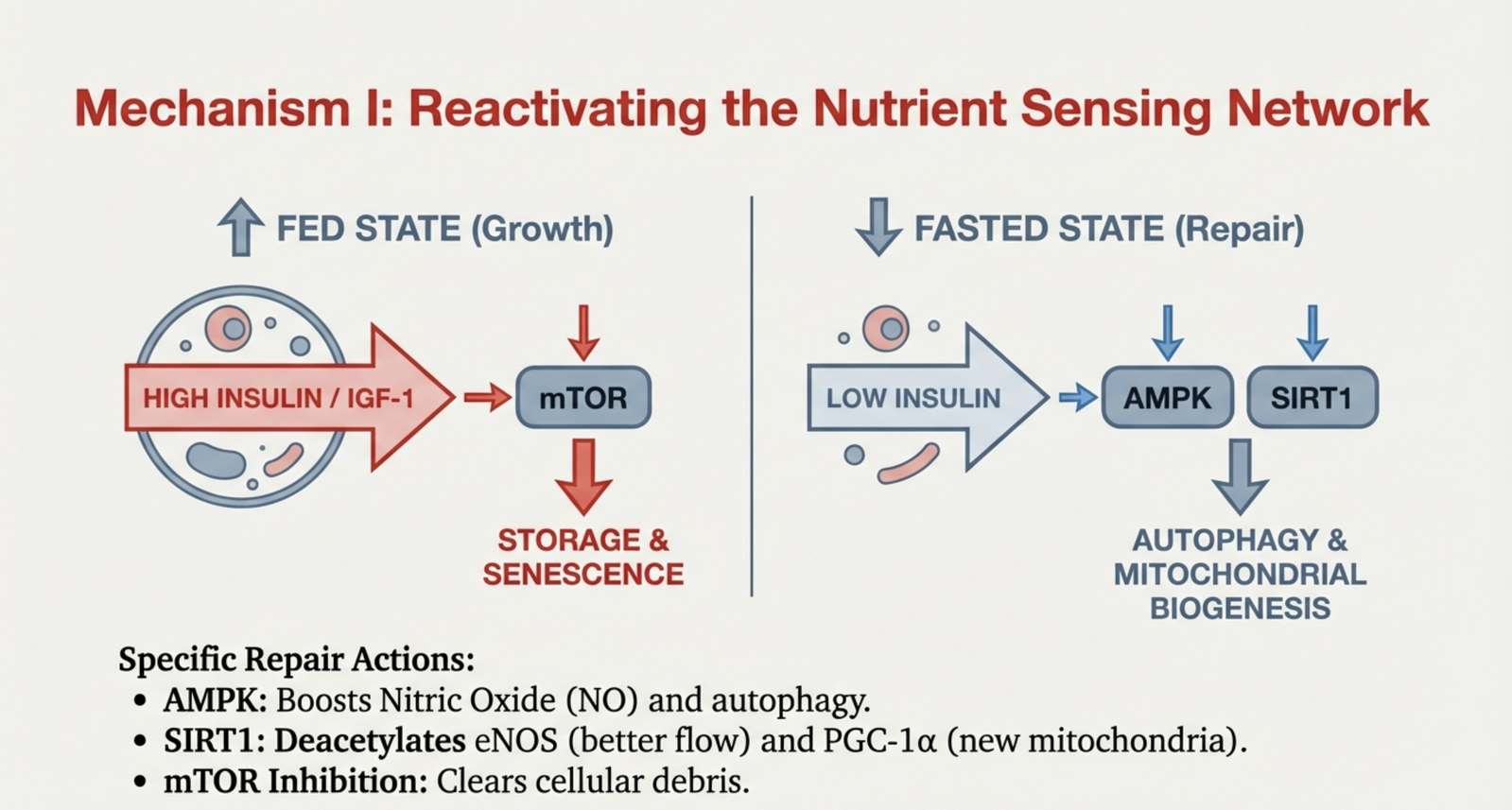
During the fasting window, cells shift out of growth mode and into maintenance mode. Energy sensors that are quiet in constant feeding conditions switch back on. Two of the most important are AMPK and SIRT1. These pathways increase nitric oxide production, improve blood vessel flexibility, and stimulate the creation of new, healthier mitochondria.
At the same time, fasting suppresses mTOR, a pathway that promotes growth but blocks cellular cleanup. When mTOR activity falls, endothelial cells can finally remove damaged mitochondria through mitophagy. This is less about boosting performance and more about restoring quality control.
A second major shift occurs at the fuel level. As liver glycogen runs low, the body transitions from glucose to fat and ketone use. One ketone in particular, beta-hydroxybutyrate, plays a central role. It is not just an efficient fuel that generates less oxidative stress. It also acts as a signaling molecule.
Beta-hydroxybutyrate turns on antioxidant genes, quiets inflammatory signaling, and strengthens the tight junctions that hold the blood–brain barrier together. In endothelial cells, it dampens the senescence-associated secretory phenotype, the inflammatory state that spreads dysfunction to neighboring tissue.
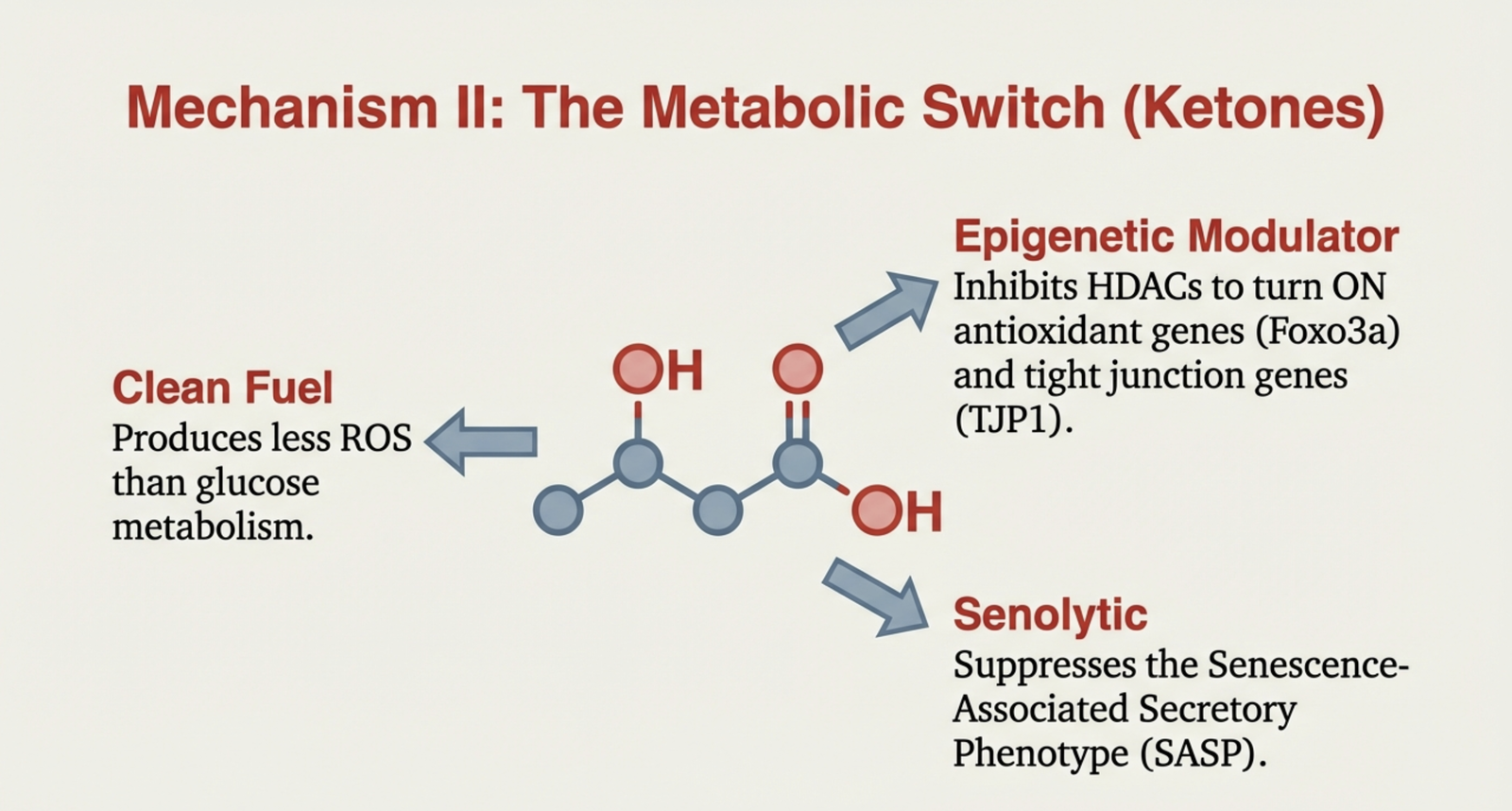
These molecular changes translate into functional improvements. Animal models show restored neurovascular coupling and better spatial memory once mitochondrial oxidative stress is reduced. Blood vessels regain their ability to dilate when neurons are active. The barrier protecting the brain becomes less permeable and more selective.
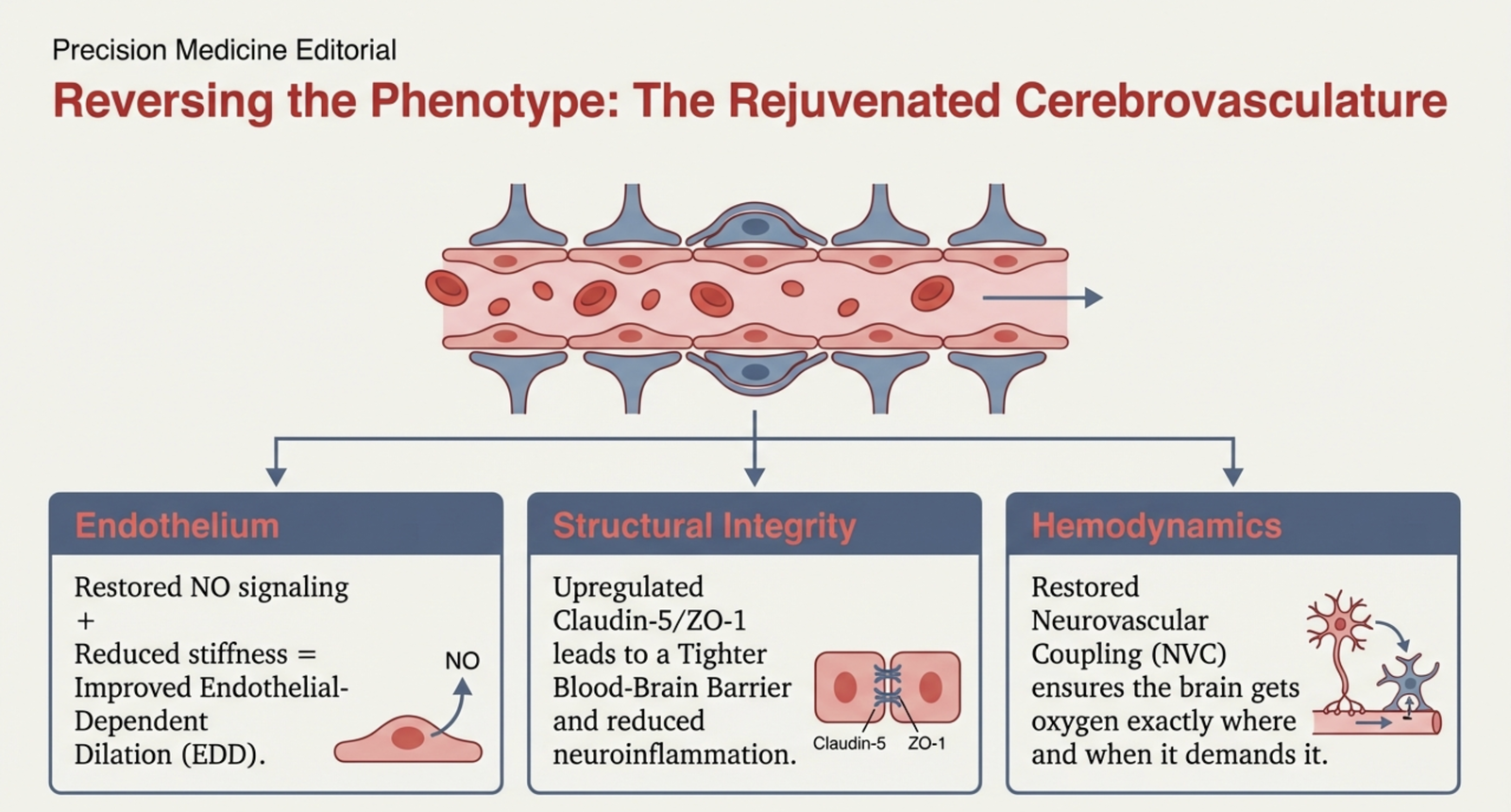
Human data, while more limited, point in the same direction. Time-restricted eating reduces arterial stiffness and pulse wave velocity, lowering the mechanical stress transmitted into cerebral microvessels. These changes matter because the brain’s smallest vessels are the most vulnerable to damage from aging blood flow patterns.
The authors are careful about limitations. Most human trials have focused on weight, glucose control, and blood pressure, not cognition. Large, long-term studies designed to test whether TRF or TRE actually preserve brain function are still missing. Individual response also varies. Sex, metabolic health, and genetics all influence how people adapt to fasting.
There is also a real concern for older adults. Restricting eating windows without attention to protein intake could worsen muscle loss. The intervention is simple in concept but requires thoughtful execution.
Timing matters too. Eating earlier in the day appears to align better with circadian biology than late-night feeding, but this can be socially and behaviorally challenging.
Despite these caveats, the authors reach a clear conclusion. Vascular aging is not downstream damage. It is a central organizing process driven by mitochondrial failure in endothelial cells. Address that failure, and you may protect the brain upstream of neurodegeneration.
Time-restricted eating stands out because it activates multiple resilience programs at once. Autophagy. Mitochondrial renewal. Antioxidant defense. Circadian alignment. All without a prescription.
The implication is simple but profound. By changing when we eat, we may be able to preserve the integrity of the brain’s blood supply and extend cognitive health far longer than previously assumed.
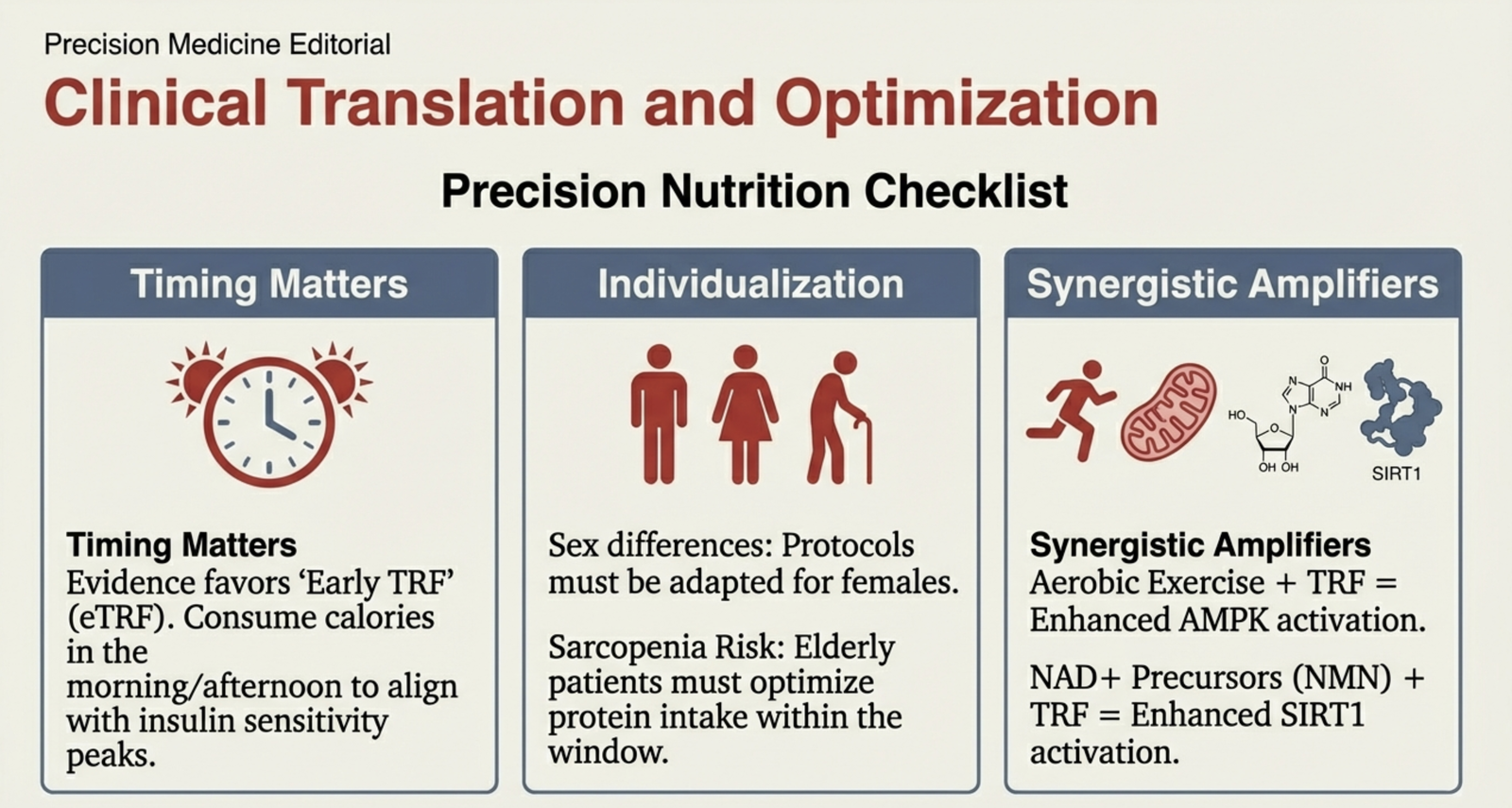
Time-restricted feeding and eating emerge as a promising intervention because they target these upstream failures. Fasting activates energy-sensing pathways that restore mitochondrial quality control, reduce inflammation, and improve nitric oxide signaling. It also induces a metabolic shift toward ketone use, with beta-hydroxybutyrate acting as both a cleaner fuel and a protective signaling molecule.
Together, these changes improve vascular flexibility, tighten the blood–brain barrier, and restore neurovascular coupling in preclinical models. Human data show improvements in arterial stiffness and vascular health, though direct cognitive trials are still needed.
The central insight is that aligning eating patterns with biology may preserve brain health by protecting the vessels that support it.
Random Trivia & Weird News

The Brain’s Blood Vessels Have a Sleep Schedule
Researchers recently discovered that cerebral blood vessels follow a daily rhythm independent of neurons. Vessel dilation, barrier permeability, and mitochondrial activity all change by time of day. This finding suggests that late-night eating may stress brain vessels at their most vulnerable phase, reinforcing why circadian-aligned eating patterns may matter more than calorie counts.
Podcasts We Loved This Week
- Professor Michelle Harvie. Understanding Intermittent Fasting via Stress-Free Longevity
- Professor Colin Espie. Understanding How to Sleep Better via Stress-Free Longevity
Products We Are Enjoying
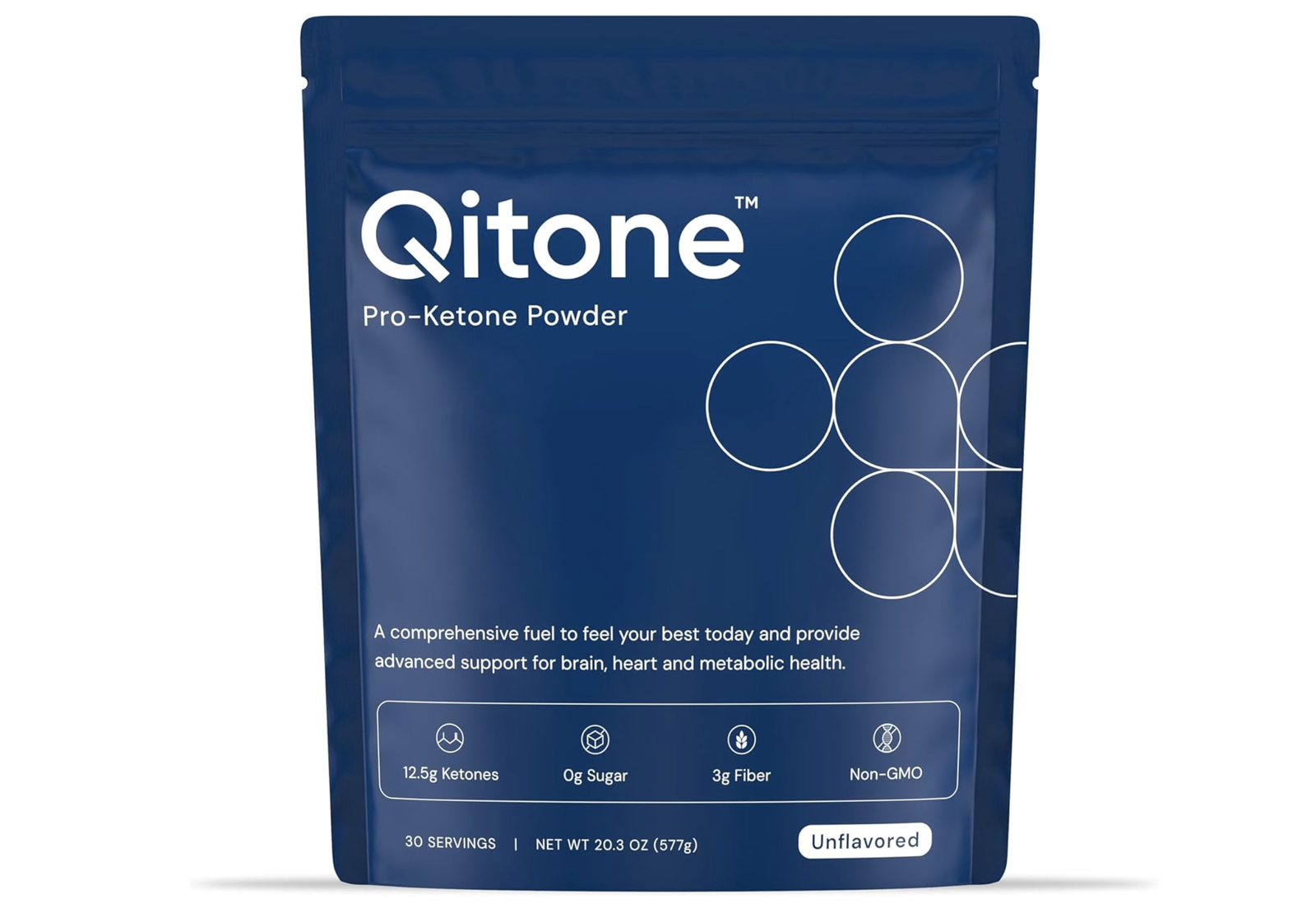
Qitone - Pro-Ketone Powder
This product is a stimulant free ketone ester powder designed to support brain energy, focus, and mental clarity. It works by helping the body produce ketones, an efficient fuel the brain readily uses. The formula delivers a precise dose of a proprietary C8 ketone di ester that mixes easily into drinks, without sugar, artificial ingredients, or taste, supporting sustained cognitive performance without crashes.
humanOS Catalog Feature of the Week

Is the Ketone beta-Hydroxybutyrate Good for Memory? Podcast with John Newman, MD, PhD
Memory is not just something we use. It is who we are. When memory fails, identity fractures, and that is why diseases of the aging brain inspire such deep fear. Yet despite decades of effort, treatments have largely fallen short. In this blog and podcast, we explore why that might be and where a different path is emerging. The conversation moves away from neurons alone and toward metabolism, signaling, and resilience. Our guest studies molecules once seen as metabolic byproducts and asks whether they may hold clues to preserving memory as we age.
Wishing you the best,

—