

Newsletter #399
This Week’s Research Highlights
Chocolate has long carried a reputation as a guilty pleasure—but what if one of its key compounds quietly shaped how fast our cells age? A new study looks beneath diet trends and headlines to examine a specific molecule from cocoa and what it’s doing at the molecular level inside the human body. Instead of asking whether chocolate is “good” or “bad,” this research asks a more precise and revealing question: can a single dietary compound slow the biological clock itself?
New Feature: Newsletter Summaries ✨
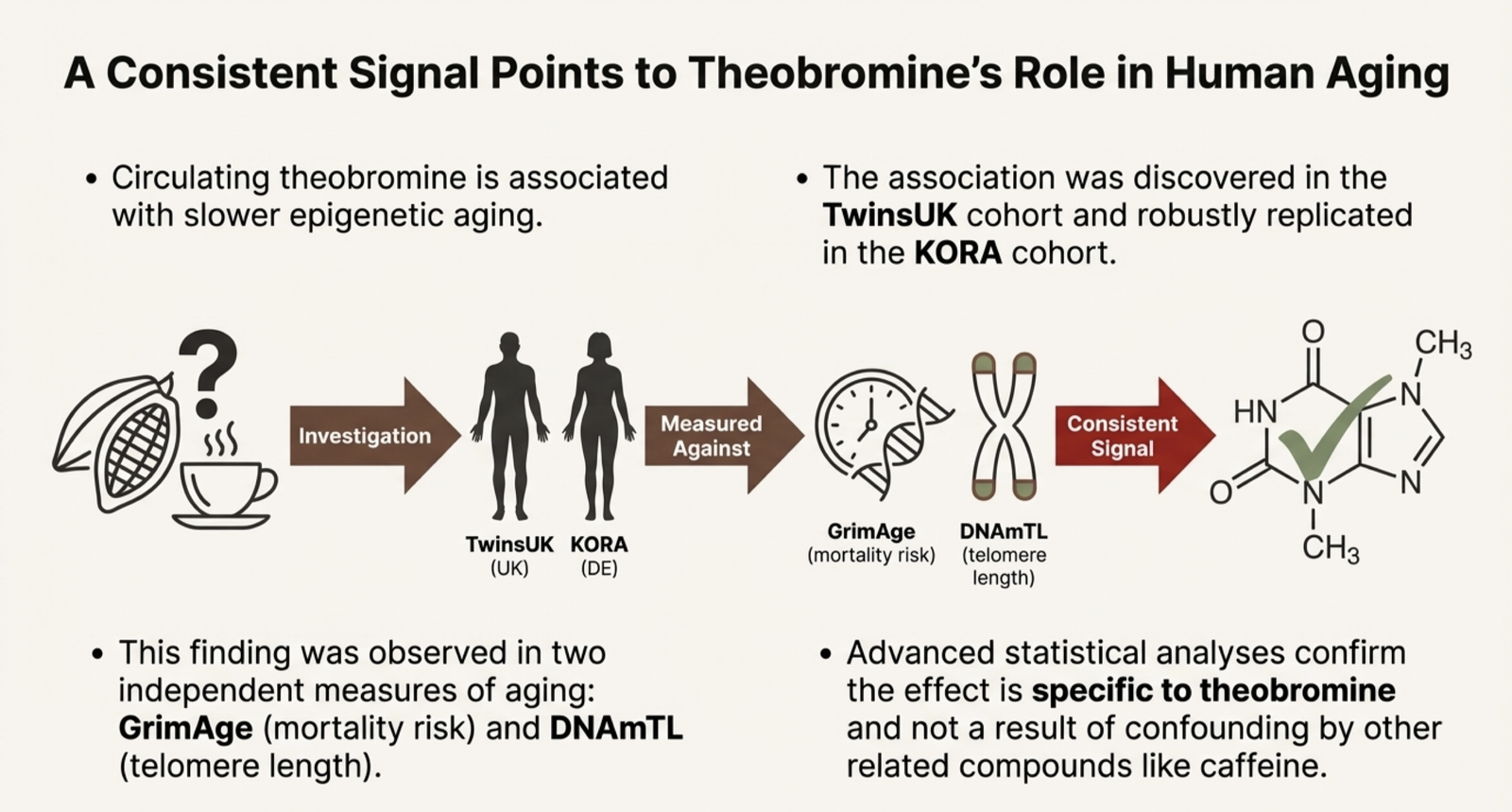
Theobromine Is Associated With Slower Epigenetic Ageing
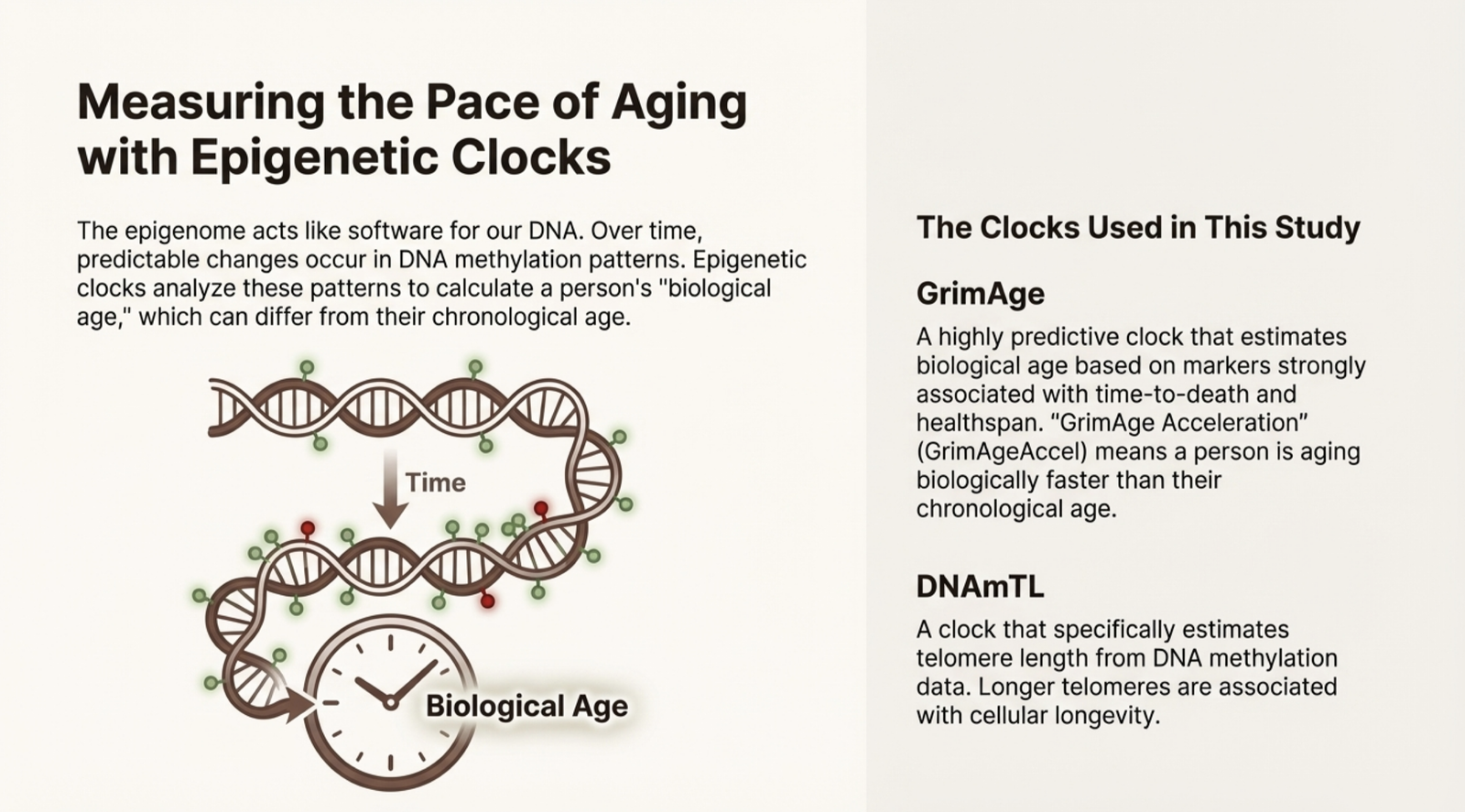
Aging doesn’t happen all at once. Long before wrinkles or aches appear, subtle changes accumulate inside our cells. One of the most powerful ways scientists now track this process is through epigenetic clocks—tools that read chemical tags on DNA to estimate how fast the body is aging biologically, not just chronologically.
In this study, researchers focused on theobromine, a naturally occurring compound found primarily in cocoa. Theobromine belongs to the same chemical family as caffeine, but it behaves very differently in the body. It acts more gently on the nervous system, lingers longer in circulation, and is consumed in much higher amounts through chocolate than through coffee.
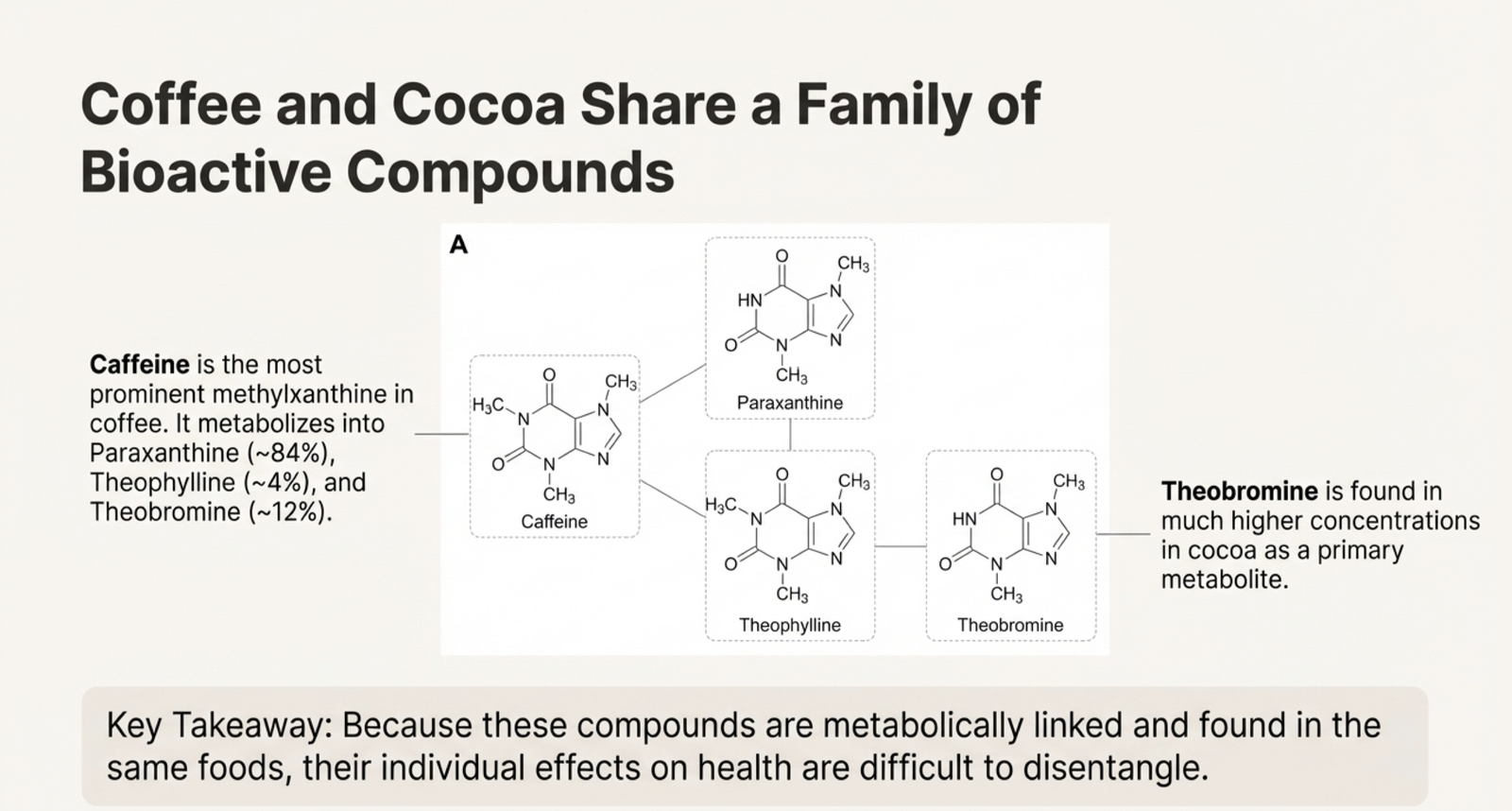
To understand whether theobromine relates to aging, the researchers analyzed blood samples from two large European populations. The first group included over 500 healthy women; the second, more than 1,100 men and women. In both groups, they measured circulating levels of theobromine and compared them to markers of biological aging derived from DNA.
The results were strikingly consistent. Individuals with higher theobromine levels showed slower epigenetic aging, as measured by a well-validated clock that strongly predicts mortality risk (GrimAGE). They also showed signs of longer telomeres (DNAmTL), the protective caps at the ends of chromosomes that shorten as cells divide and age.
What makes these findings especially compelling is their specificity. Coffee contains caffeine and related compounds that often travel together in the bloodstream. But when researchers accounted for caffeine and its metabolites, the association remained firmly tied to theobromine. Advanced statistical models repeatedly singled it out as the strongest predictor of slower biological aging among the compounds studied.
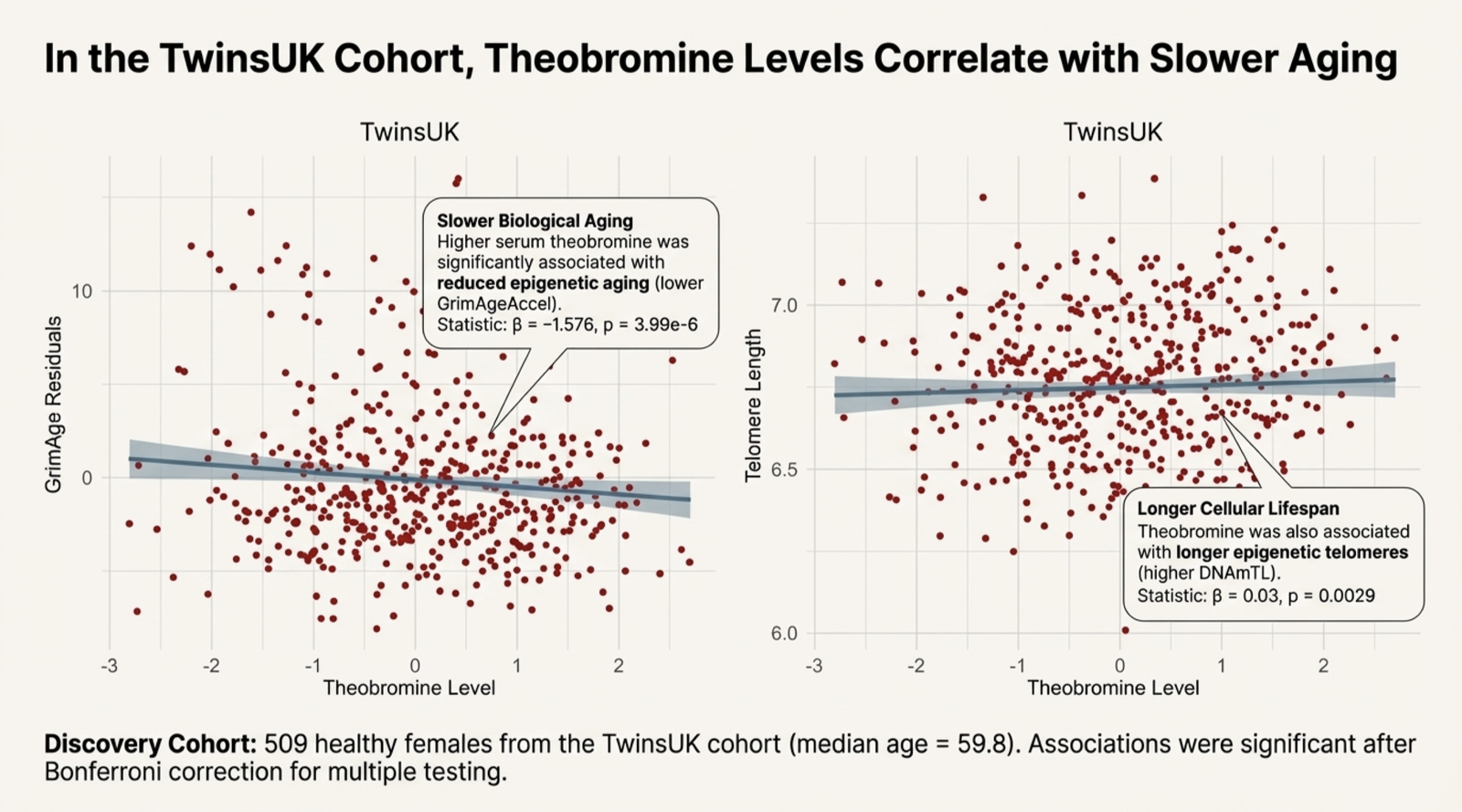
In other words, this wasn’t just a “coffee effect,” nor a general marker of healthier lifestyles. The signal pointed to theobromine itself.
Why does this matter? Because epigenetic aging isn’t just an abstract concept—it tracks with real-world outcomes. Faster epigenetic aging is associated with higher risk of chronic disease, earlier mortality, and reduced healthspan. Slowing this process, even modestly, could translate into meaningful gains in long-term health.
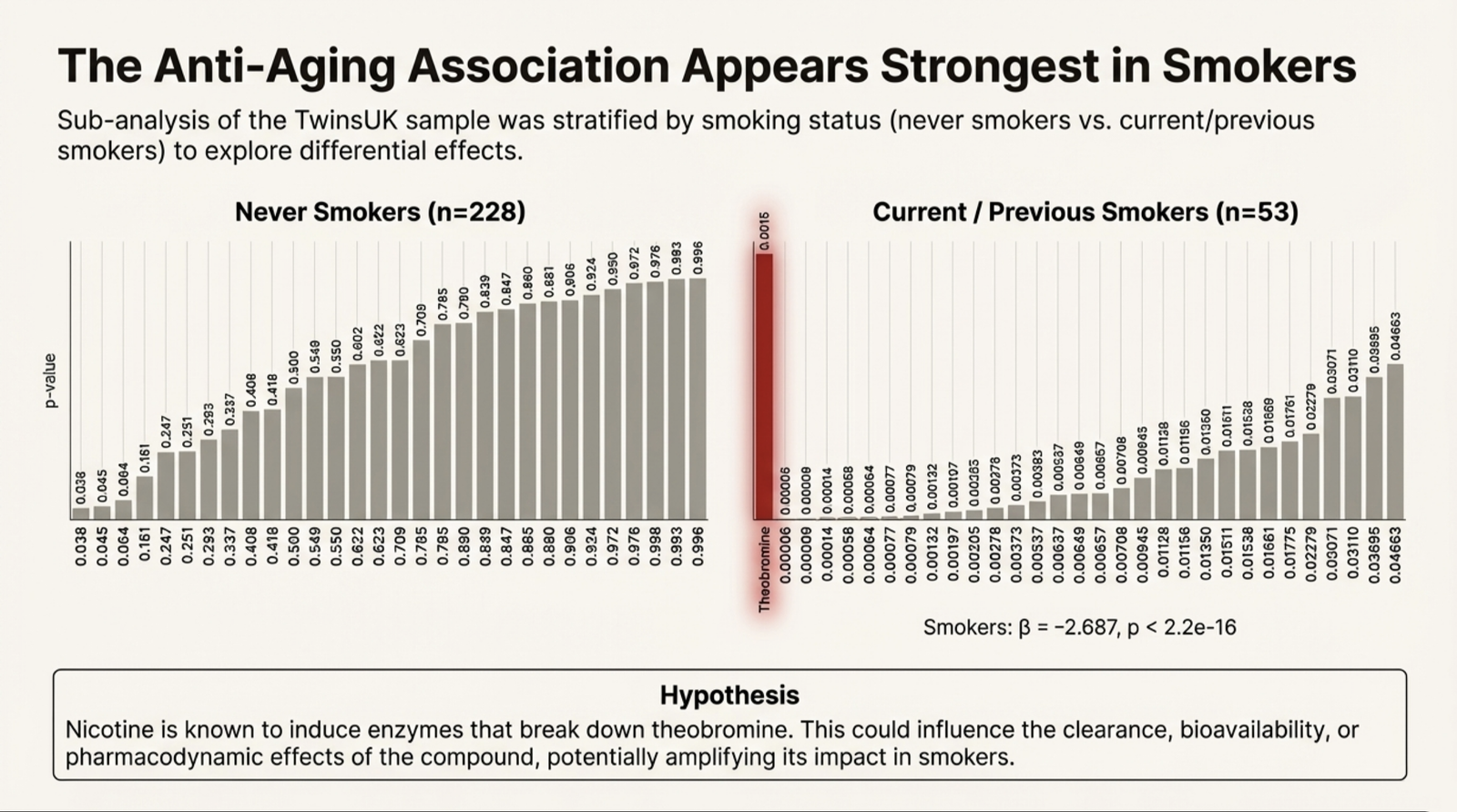
The study also uncovered an intriguing twist. The protective association between theobromine and aging markers was strongest in current and former smokers. Smoking is known to accelerate biological aging, so this finding suggests theobromine may be especially relevant in counteracting stress-related damage. One hypothesis is that nicotine alters liver enzymes in a way that changes how theobromine is processed, increasing its biological impact.
Importantly, the researchers ruled out the idea that theobromine was simply standing in for other beneficial cocoa compounds, such as flavanols. Even after adjusting for these factors, the association held. That strengthens the case that theobromine influences a distinct biological pathway.
So what might that pathway be? While this study wasn’t designed to prove mechanism, existing evidence offers clues. Theobromine may influence enzymes that regulate how tightly DNA is packaged and expressed—processes central to epigenetic control. Other research links it to improved blood flow, neurotrophic signaling, and favorable gut microbiome changes, all of which can indirectly shape aging biology.
One particularly important detail: the study showed that timing matters. When blood samples for metabolites and DNA were taken close together, the association was strongest. As the gap between measurements increased, the signal weakened. That suggests theobromine reflects a current physiological state, not just long-term habits.
This paper doesn’t claim that chocolate is a longevity drug or that theobromine reverses aging. It does something more careful and more valuable. It identifies a specific dietary compound, measured directly in human blood, that consistently aligns with slower biological aging across independent populations.
For a field often crowded with broad lifestyle advice, that level of precision stands out.
Random Trivia & Weird News
Chocolate Was Once Used as Currency
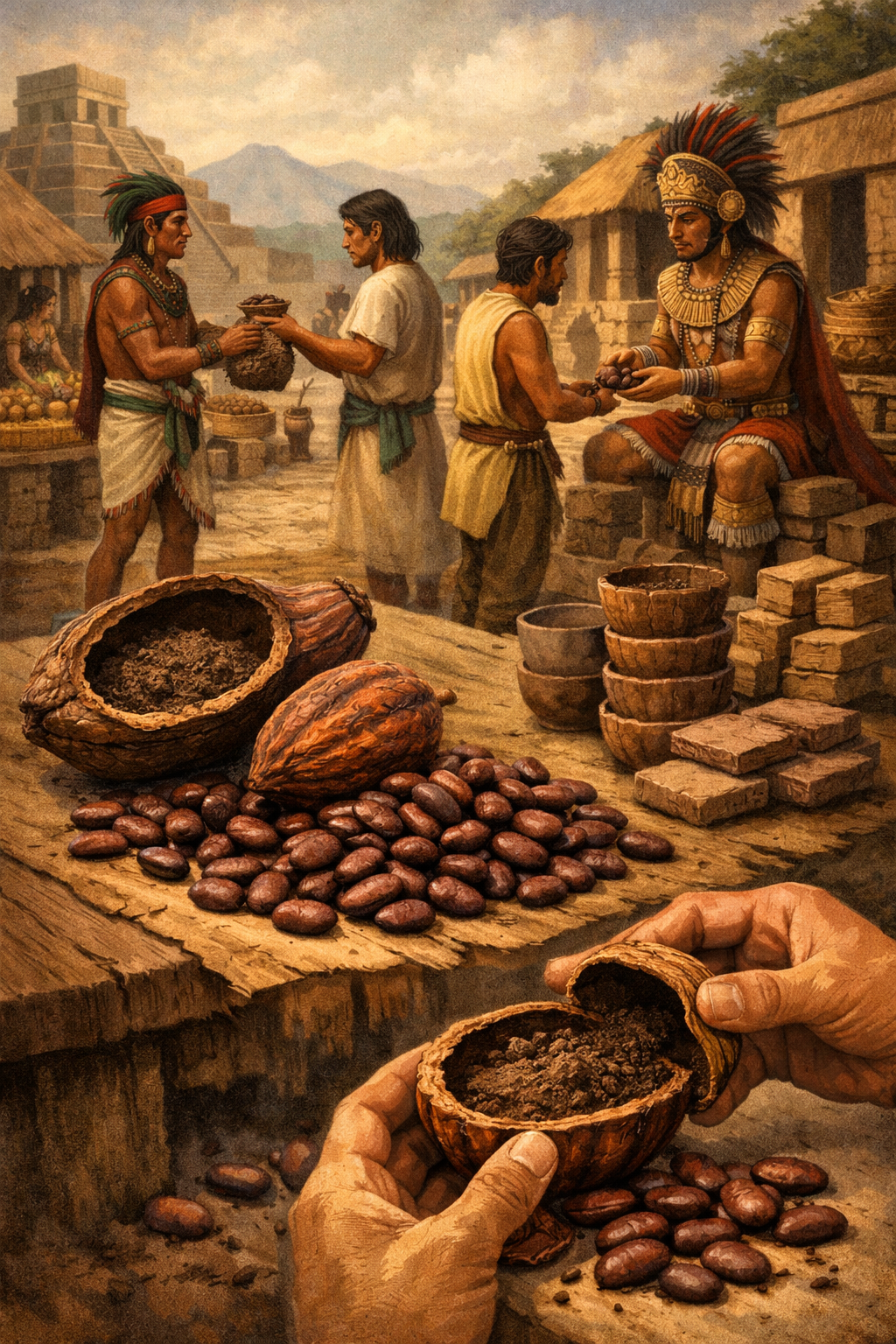
In parts of Mesoamerica, cacao beans weren’t just food—they were money. Historical records show that cocoa beans were used to pay taxes, buy goods, and even settle debts. Counterfeiting was a problem too: some people hollowed out cacao shells and filled them with dirt. Chocolate wasn’t indulgence—it was economic infrastructure.
Podcasts We Loved This Week
- Dominic D’Agostino, Ph.D.: The Ketogenic Diet, Ketosis & Hyperbaric Oxygen via The Peter Attia Drive
- Dr. Justin Sonnenburg: Essentials: How to Build, Maintain & Repair Gut Health via Huberman Lab
Products We Are Enjoying
CocoaVia
Getting therapeutic doses from regular dark chocolate or cocoa powder presents some challenges. Processing methods like alkalization (dutching) can significantly reduce flavanol levels. And most commercial chocolate products just don’t contain a whole lot of flavanols.
To put it into perspective: A typical 100g bar of dark chocolate (70-85% cocoa) contains somewhere between 100-200mg of flavanols. So to get 494mg of flavanols just from dark chocolate, you'd need to eat around 2.5-5 bars of dark chocolate — that's like 1000-2000 calories just from chocolate! Clearly, this wouldn't be a practical or healthy way to achieve this intake.
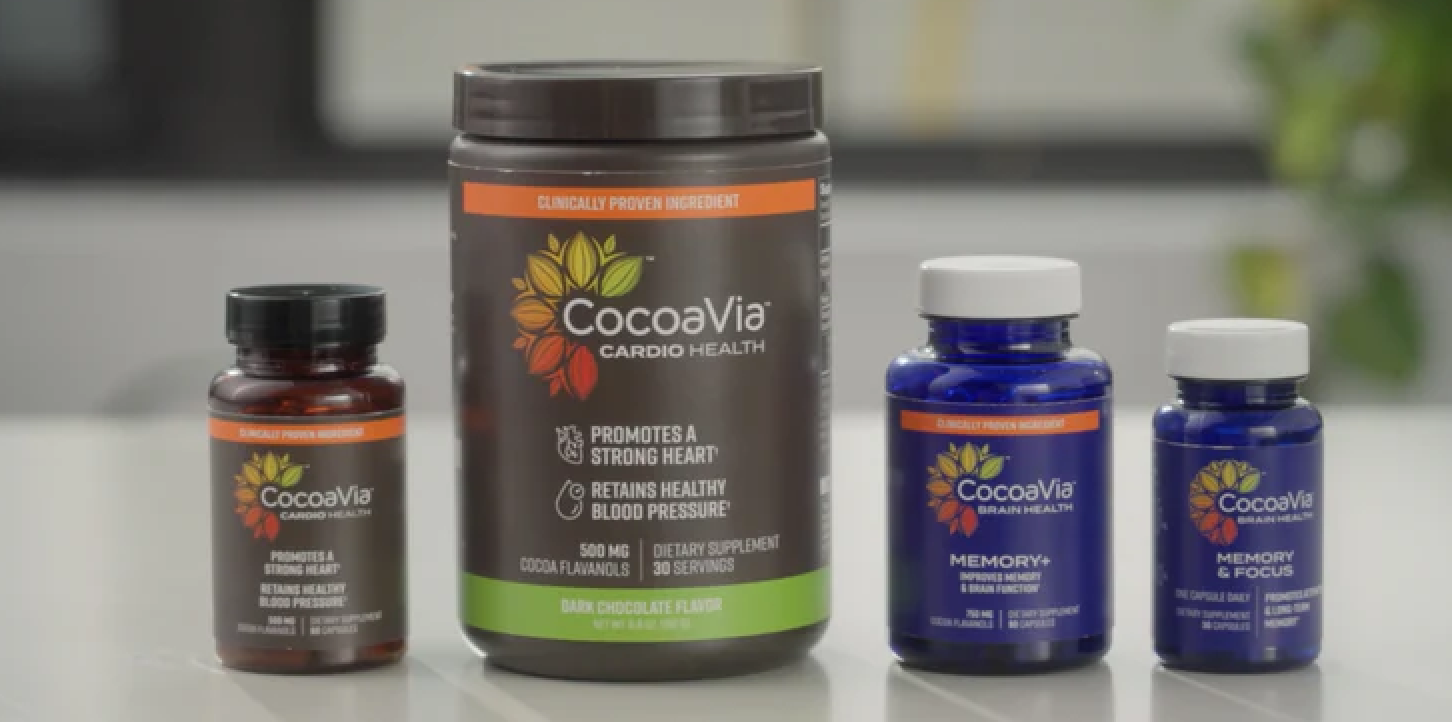
Each scoop of the powder contains 500 mg of cocoa flavanols — almost exactly the amount tested in clinical research, including today’s feature study. They also offer capsules but the powder is more cost-effective, and it’s not hard to use.
humanOS Catalog Feature of the Week

Testing Biological Age and the Pace of Aging. Podcast with Hannah Went
Chronological age does not always reflect true health. Biological age, measured through molecular and physiological markers, offers a more accurate view of how the body is aging and its risk for age-related disease. Advances such as methylation-based diagnostics and multi-omic technologies are transforming how scientists measure, track, and potentially influence aging, helping determine which longevity interventions truly work.
In this episode of the humanOS Radio podcast, we welcome Hannah Went, a leader in longevity and epigenetics. Founder of TruDiagnostic, she has led extensive research using methylation array-based diagnostics to advance preventive healthcare and life extension worldwide.
Wishing you the best,

—