

Newsletter #398
This Week’s Research Highlights
What if one of the most powerful levers for improving metabolic health wasn’t a drug, a supplement, or even a diet—but light? A 2025 review paper takes a serious look at infrared-based therapies and asks a fundamental question: can targeted exposure to specific wavelengths of light meaningfully shift inflammation, mitochondrial function, and metabolic regulation in humans? The answer, while still emerging, is far more compelling than most people realize.
New Feature: Newsletter Summaries ✨
Therapeutic Potential of Infrared and Related Light Therapies in Metabolic Diseases
Metabolic disease is not a single condition—it’s a systems failure. Insulin resistance, type 2 diabetes, dyslipidemia, fatty liver disease, and cardiovascular dysfunction tend to travel together because they share common roots: impaired energy production, chronic low-grade inflammation, and damaged cellular signaling. The review by Nowacka et al. frames infrared light therapy as a way to intervene directly at those roots, rather than chasing symptoms downstream.
The authors focus primarily on far-infrared radiation (FIR), a form of light that sits beyond what our eyes can detect. Unlike visible light, FIR penetrates tissue and interacts with cells in ways that are subtle but biologically meaningful. Importantly, this isn’t about heating tissue indiscriminately. It’s about how light energy alters cellular behavior.
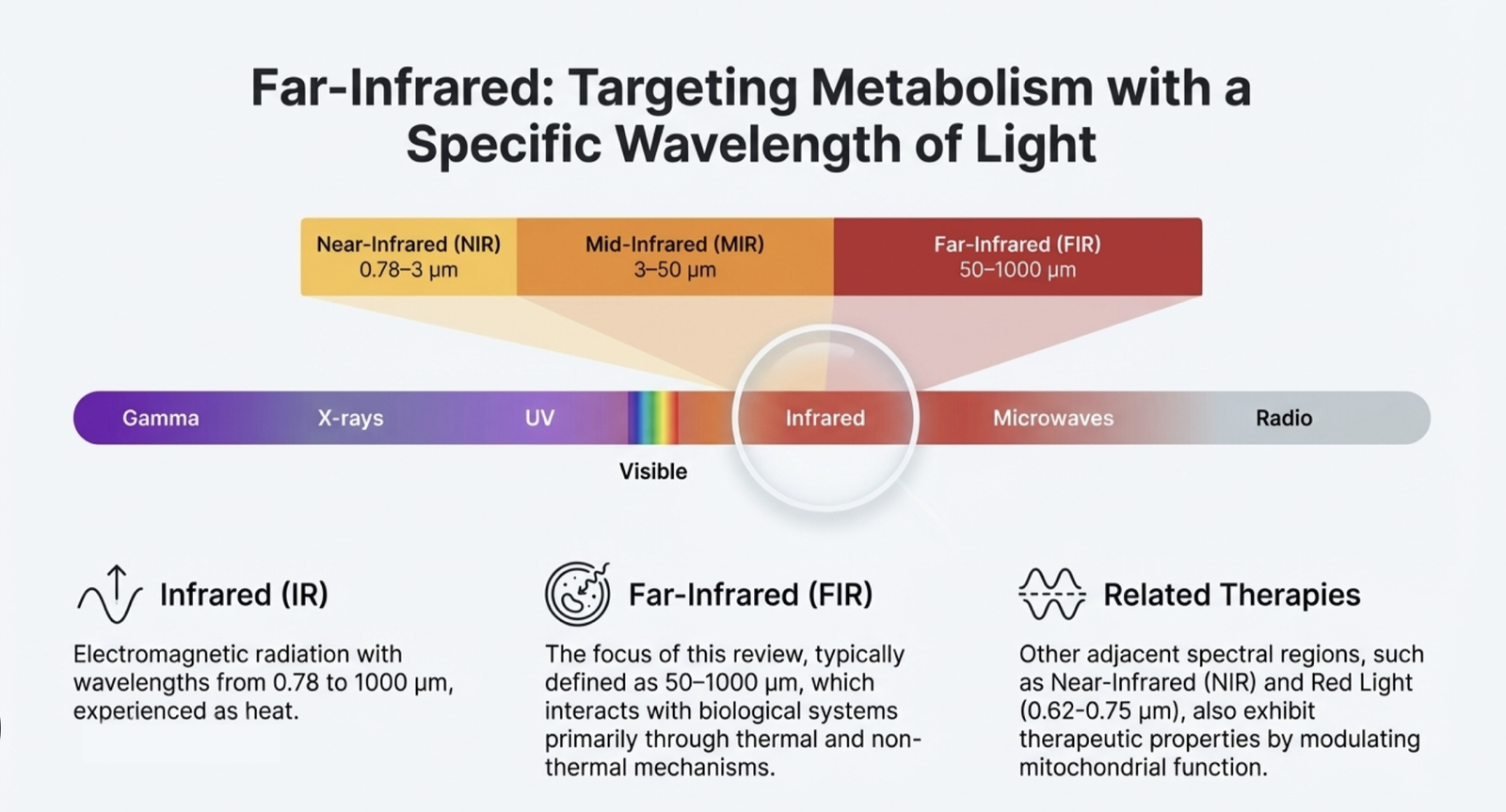
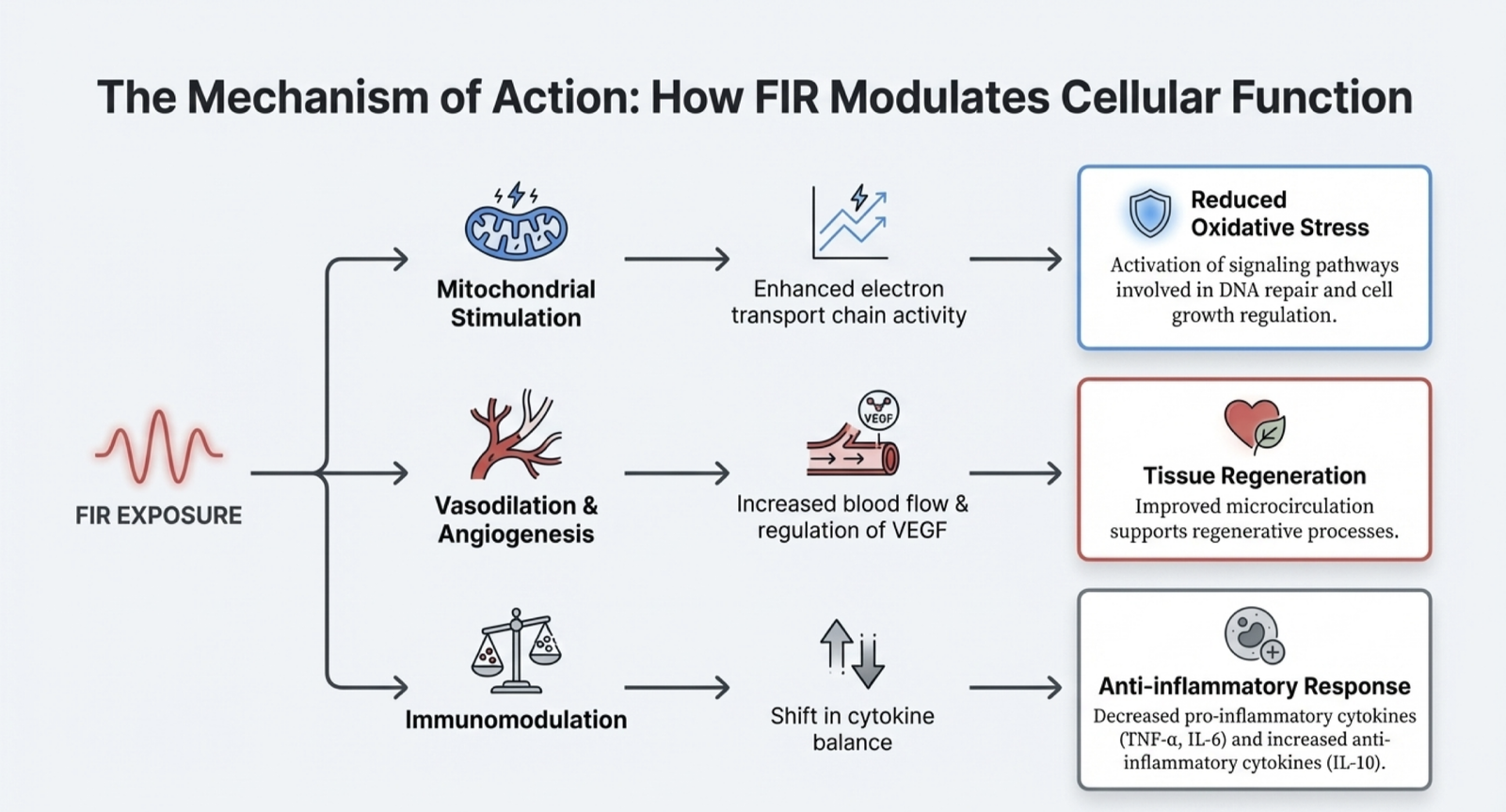
At the core of the argument is mitochondrial health. Mitochondria are the cell’s energy engines, and when they underperform, the entire metabolic system suffers. While near-infrared light has been shown to directly stimulate mitochondrial enzymes involved in respiration, FIR appears to work through a different route—by interacting with intracellular water and cell membranes. These interactions change membrane potential and improve mitochondrial efficiency, leading to higher ATP production without overwhelming the cell with oxidative stress.
This balance matters. Metabolic disease isn’t just an energy shortage problem; it’s an energy mismanagement problem. FIR increases energy availability while keeping reactive oxygen species in a controlled range. That mild oxidative signal turns out to be useful—it activates repair pathways, improves cellular resilience, and supports healthier tissue turnover.
One of the most consistent findings across studies is FIR’s effect on inflammation. Chronic, low-grade inflammation quietly disrupts insulin signaling, damages blood vessels, and accelerates aging. FIR therapy suppresses inflammatory cytokines like TNF-α and IL-6 while boosting anti-inflammatory signals such as IL-10. The practical result is improved microcirculation, reduced oxidative damage, and a cellular environment that’s more favorable for recovery and regeneration.
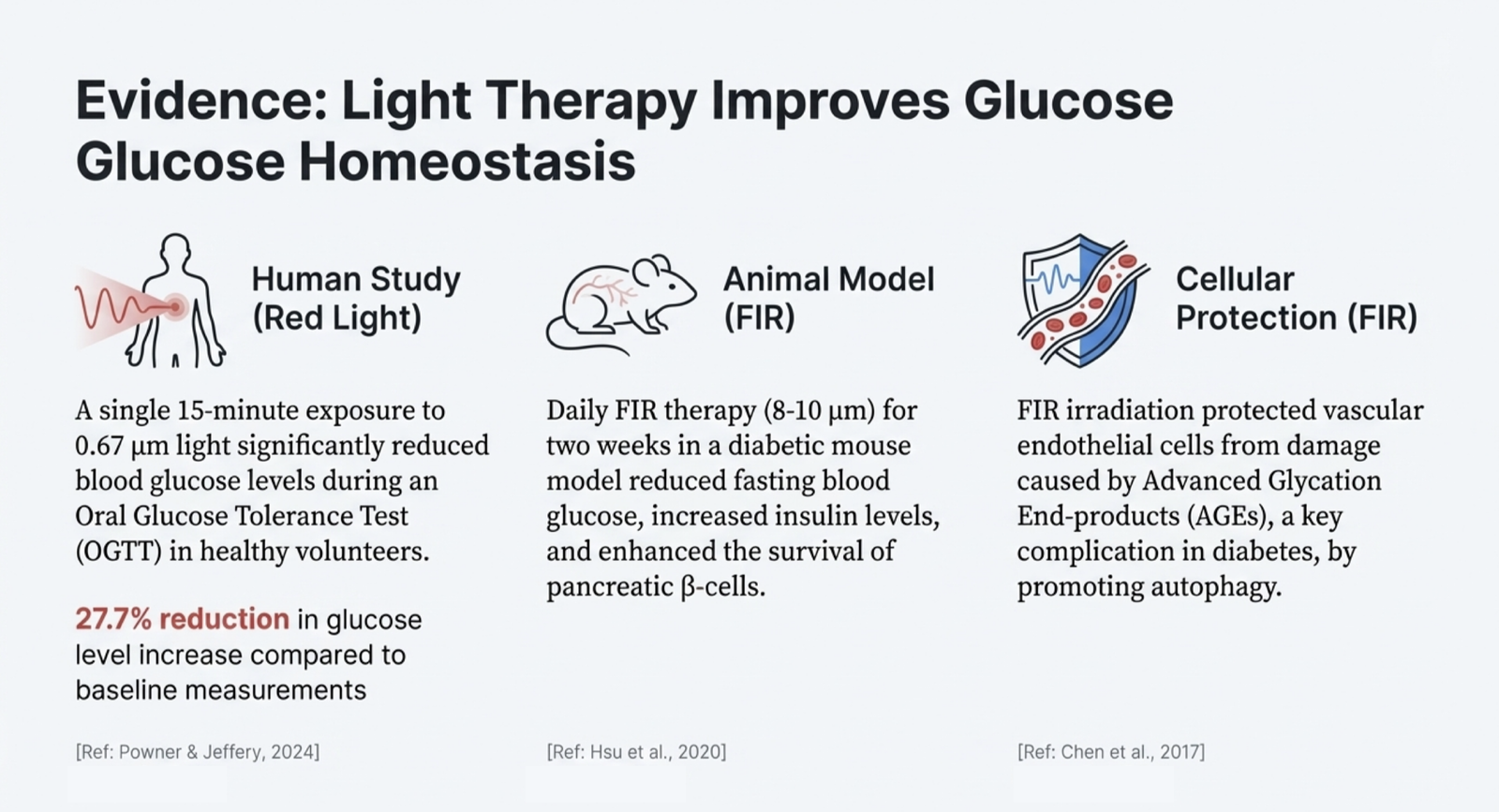
These mechanisms translate into tangible metabolic effects. In animal models of diabetes, FIR therapy preserved pancreatic beta-cell mass—the very cells responsible for insulin production. This protection appears to run through the Sirt1/PLZF pathway, a key regulator of cellular longevity and mitochondrial performance. By increasing the NAD⁺/NADH ratio, FIR activates Sirt1, helping beta cells resist apoptosis and maintain insulin output under metabolic stress.
Human data, while still limited, points in the same direction. Studies using red and infrared light have shown reductions in blood glucose levels, likely because more efficient mitochondria pull glucose into cells more effectively. FIR also protects blood vessels by reducing advanced glycation end products (AGEs), which are a major driver of diabetic vascular damage. By enhancing autophagy, FIR helps cells clear these harmful byproducts before they accumulate.
The benefits extend beyond glucose. Dyslipidemia and fatty liver disease are deeply connected to mitochondrial dysfunction and impaired fat oxidation. FIR activates AMPK, the cell’s master energy sensor, shifting metabolism away from fat storage and toward fat burning. In animal studies, this led to marked reductions in liver fat accumulation. In clinical settings, FIR therapy lowered LDL cholesterol and triglycerides while improving blood flow—effects that were amplified when combined with dietary interventions like the Mediterranean diet.
Cardiovascular health is where these changes converge. FIR improves endothelial function, promotes vasodilation, and enhances microcirculation. In people with metabolic disease, this translated into improved retinal blood flow and reductions in systolic blood pressure, including in patients with type 2 diabetes. These are not trivial outcomes—they point to a therapy that may reduce long-term cardiovascular risk by restoring vascular flexibility.
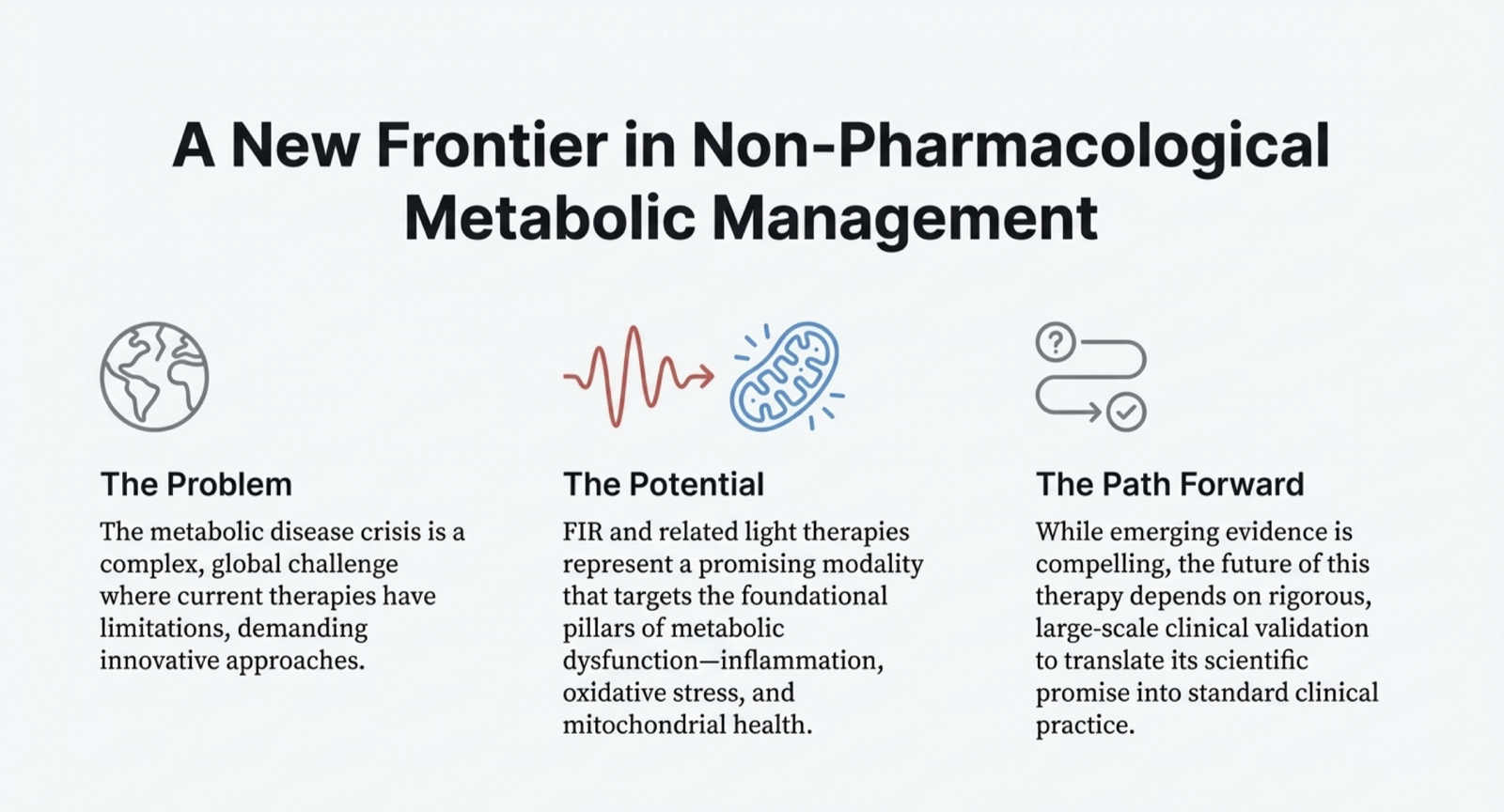
The authors are careful to outline limits and safety considerations. Excessive heat exposure can cause skin injury or ocular damage, and sessions must be carefully controlled. Most protocols keep skin temperature below 42°C and limit exposure to 15–30 minutes. Just as important, much of the strongest evidence still comes from animal models or small trials. Still, the broader implication is clear: light is not just something we see with. It’s something our biology responds to deeply. FIR therapy doesn’t force metabolism in a new direction—it supports the cell’s own ability to regulate energy, inflammation, and repair. As a complementary intervention, it may offer a surprisingly elegant way to support metabolic health from the inside out.
Random Trivia & Weird News

Ancient Romans Used Sun Therapy Clinically
Long before modern photobiology, Roman physicians prescribed “heliotherapy” for fatigue and metabolic complaints. While they lacked mechanisms, they may have stumbled onto light’s biological influence centuries ahead of science.
Podcasts We Loved This Week
- Walter Green - The impact of gratitude, serving others, embracing mortality, and living intentionally via The Peter Attia Drive Podcast
- Arthur Brooks Ph.D. - Cultivating happiness, emotional self-management, and more via The Peter Attia Drive Podcast
Products We Are Enjoying
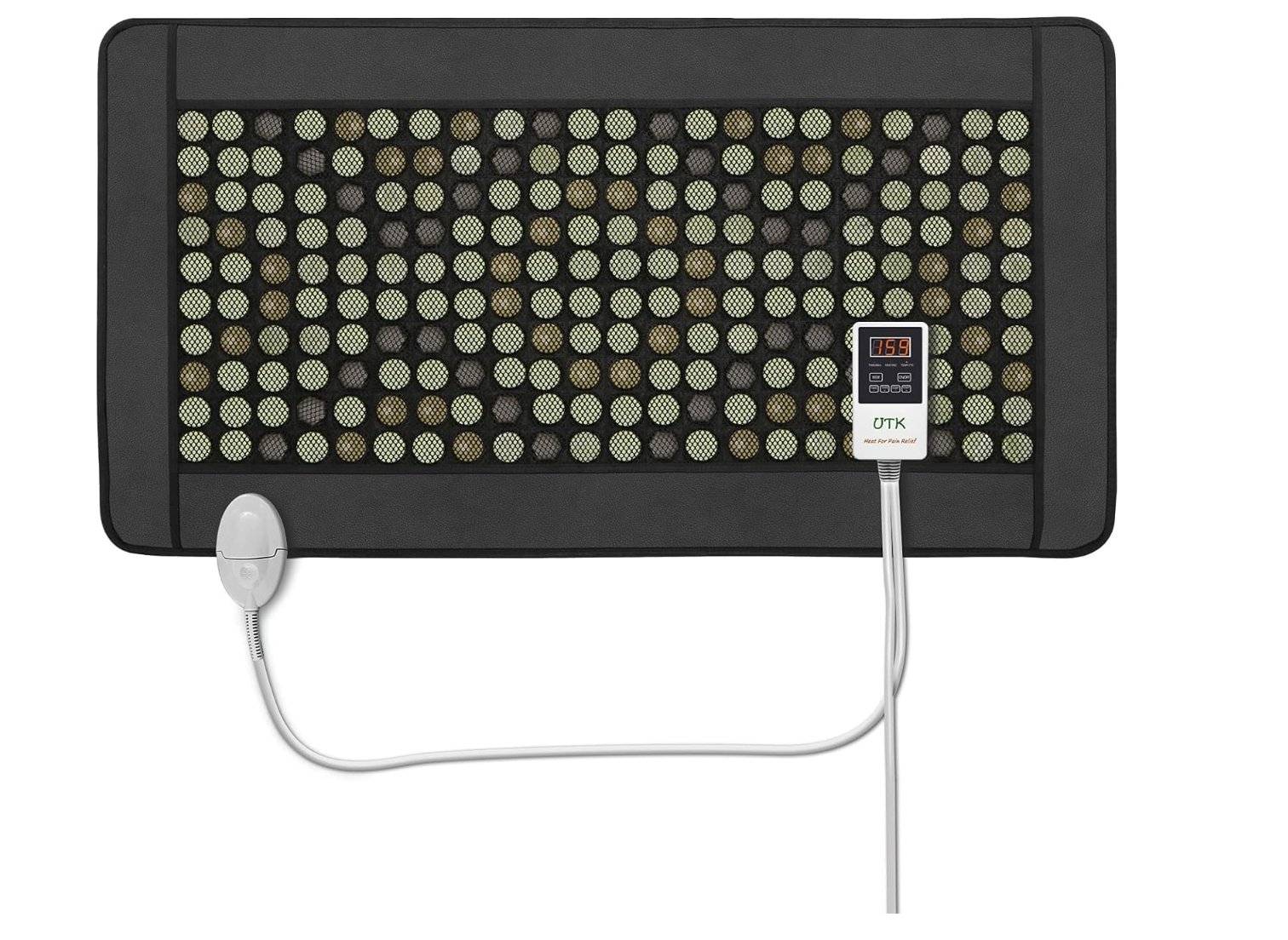
UTK Far Infrared Heating Pad for Back
The product is a large far-infrared heating pad designed for deep, targeted pain relief and relaxation. Using carbon fiber heating elements, it emits 5–15 μm far-infrared rays that penetrate muscle tissue to improve circulation and relieve stiffness and pain in the neck, back, joints, and other areas. It heats to higher temperatures than standard pads and incorporates natural jade, tourmaline, and magnet stones to enhance warmth retention and therapeutic effects. The pad supports full-body use, offers precise temperature and timer controls, works worldwide on 110–220V, and includes multiple safety protections for comfortable daily use.
humanOS Catalog Feature of the Week

The How-to Guide to Smart Daily Light
Your body doesn’t just need sleep — it needs the right light at the right time.
This guide walks you through how to optimize your light exposure across the full 24-hour cycle to support sleep, energy, mood, metabolism, and more.
Inside, you'll learn:
- ☀️ How just 10 minutes of morning sunlight improves sleep that night
- 💡 Why standard indoor lighting is too dim during the day — and too bright at night
- 🔴 How to use “virtual darkness” (like blue-blocking glasses) to wind down in the evening
- 🧪 The physiological roles of UV, red, and near-infrared light
- 🛠️ How to tune indoor lights, screens, and even hotel rooms to support your body clock
If you want better circadian alignment and deeper sleep, this is your blueprint.
To Access:
- Log in to humanOS.
- See How-to Guides in navigation on the left-hand side
- Click Smart Daily Light
Also, you can search “smart daily light” in the search field after you’ve logged in.
Wishing you the best,

—