

Newsletter #397
This Week’s Research Highlights
It’s easy to assume that supporting brain health requires complex routines or high-tech tools. But the study we will focus on today tested a far more approachable idea: could a small, ordinary dietary habit influence how well the aging brain perfuses itself? This new study suggests an accessible approach to help the brain get better blood flow. Hat tip to humanOS member David Dubach for sharing this study with me.
UPDATE ON TOMMY WOOD BOOK
To everyone who filled out the form for a free copy of Dr. Tommy Wood's book "The Stimulated Mind," we have now closed the form. I have shared the data with Tommy so he can share with his publisher. They will make a bulk order of these books in January, and you should receive your copy by the end of March when the book launches. It will be shipped directly to your house. Enjoy!
New Feature: Newsletter Summaries ✨
Longer-term skin-roasted peanut consumption improves brain vascular function and memory: A randomized, single-blind, controlled crossover trial in healthy older adults
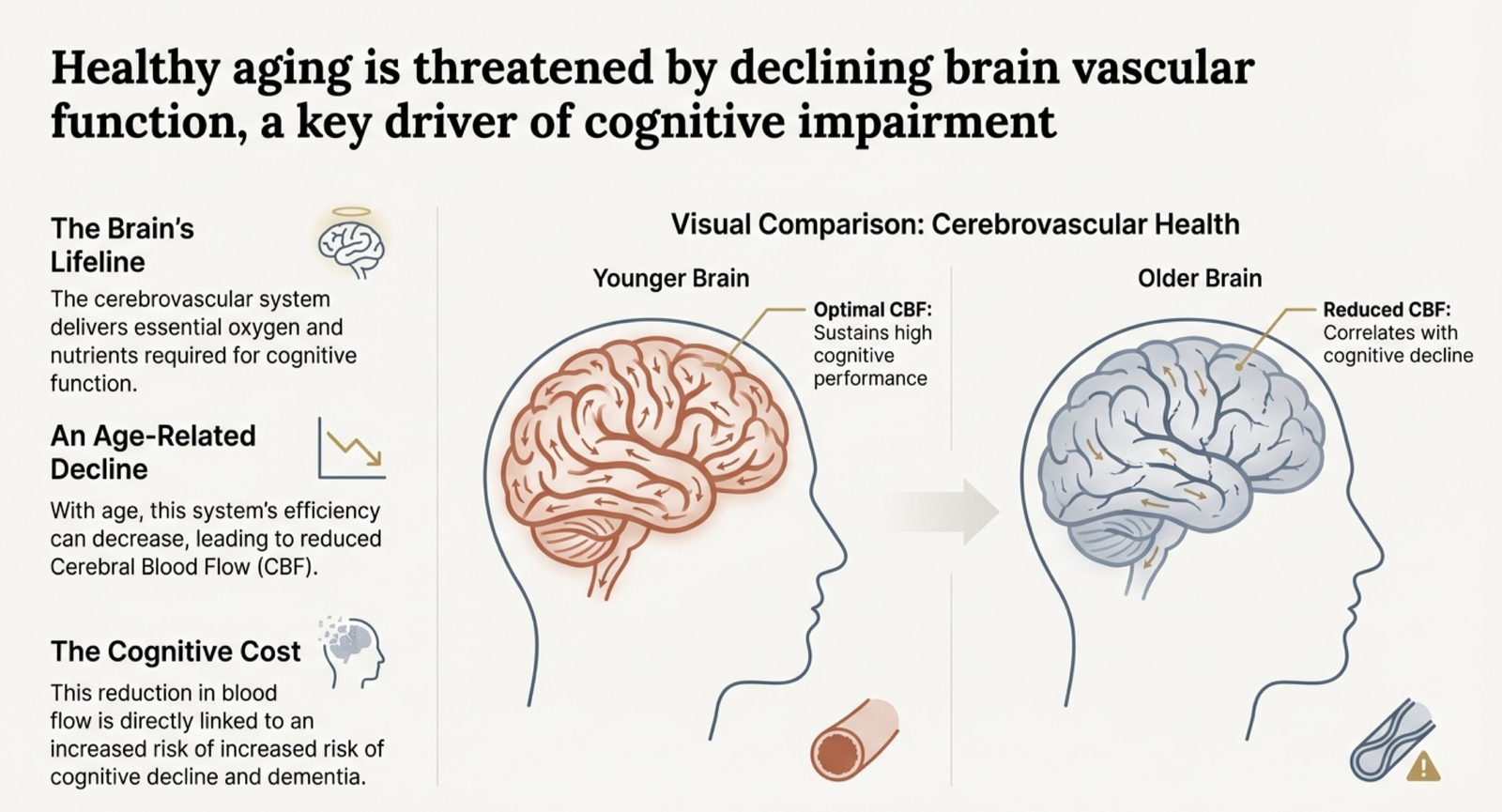
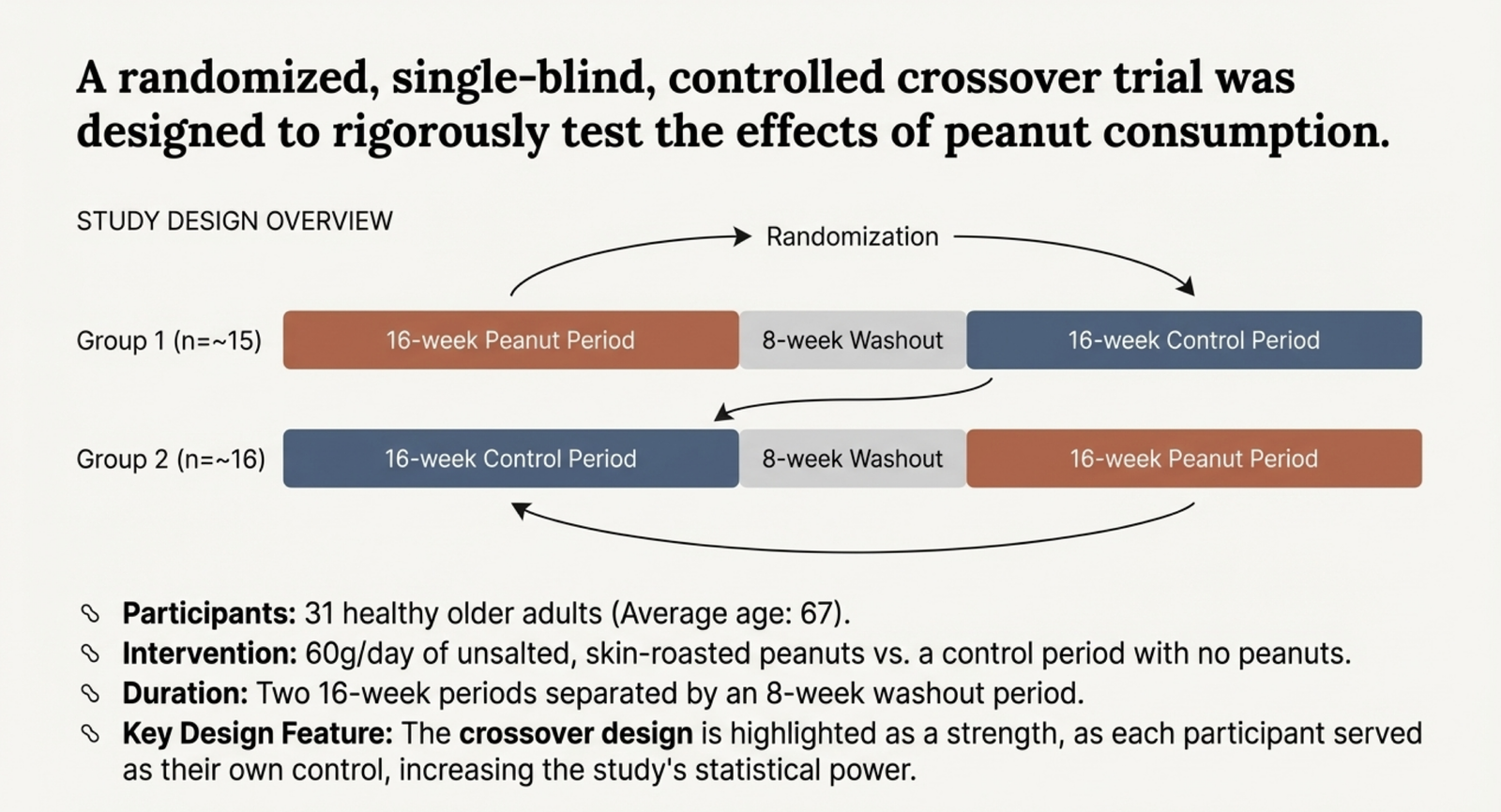
Researchers at Maastricht University (first author Lucia Kerkhof) tested whether eating skin-roasted, unsalted peanuts daily could improve brain blood flow and cognitive performance in older adults. Over 16 weeks, participants consumed peanuts (rather than their regular snack baseline), and their cerebral blood flow was measured using arterial-spin-labeling MRI — a gold-standard method for noninvasive brain perfusion imaging.
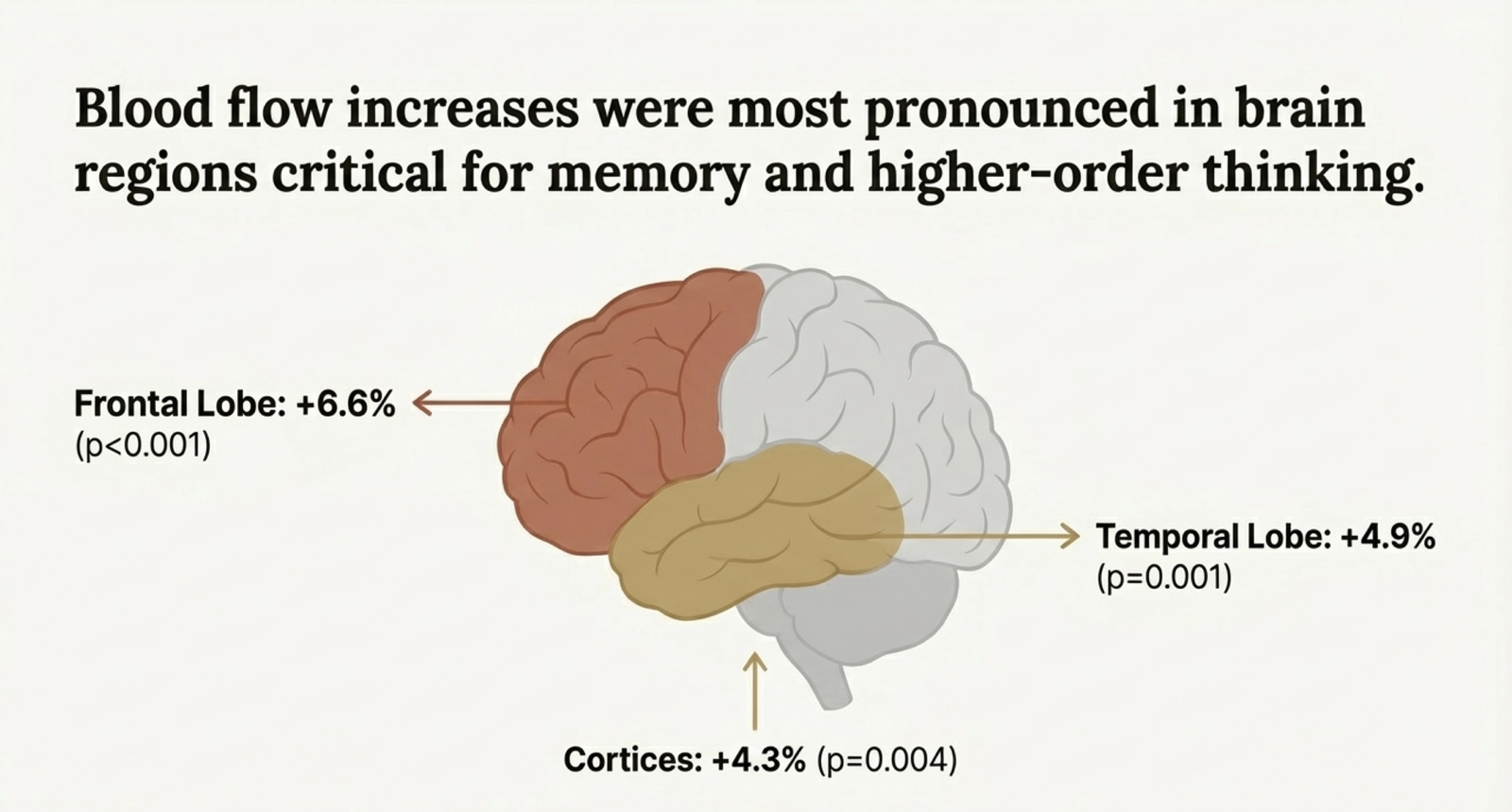
The findings are intriguing. After the peanut period, participants’ global cerebral blood flow increased by ~3.6%, and gray matter cerebral blood flow rose by ~4.5%. By contrast, older adults lose about 0.37% of global cerebral blood flow per year as a normal part of aging. This means the peanut intervention appeared to counteract roughly a decade of age-related decline — at least in terms of blood flow.
Memory also improved. On a delayed verbal recall task, participants correctly remembered on average 1.4 more words from a prior list (a 5.8% improvement), compared with the control period. The regions showing increased blood flow — especially the frontal and temporal lobes — are central to verbal memory, language, and working-memory circuits, making the perfusion gains biologically plausible contributors to the improved memory.
Why might peanuts have this effect?
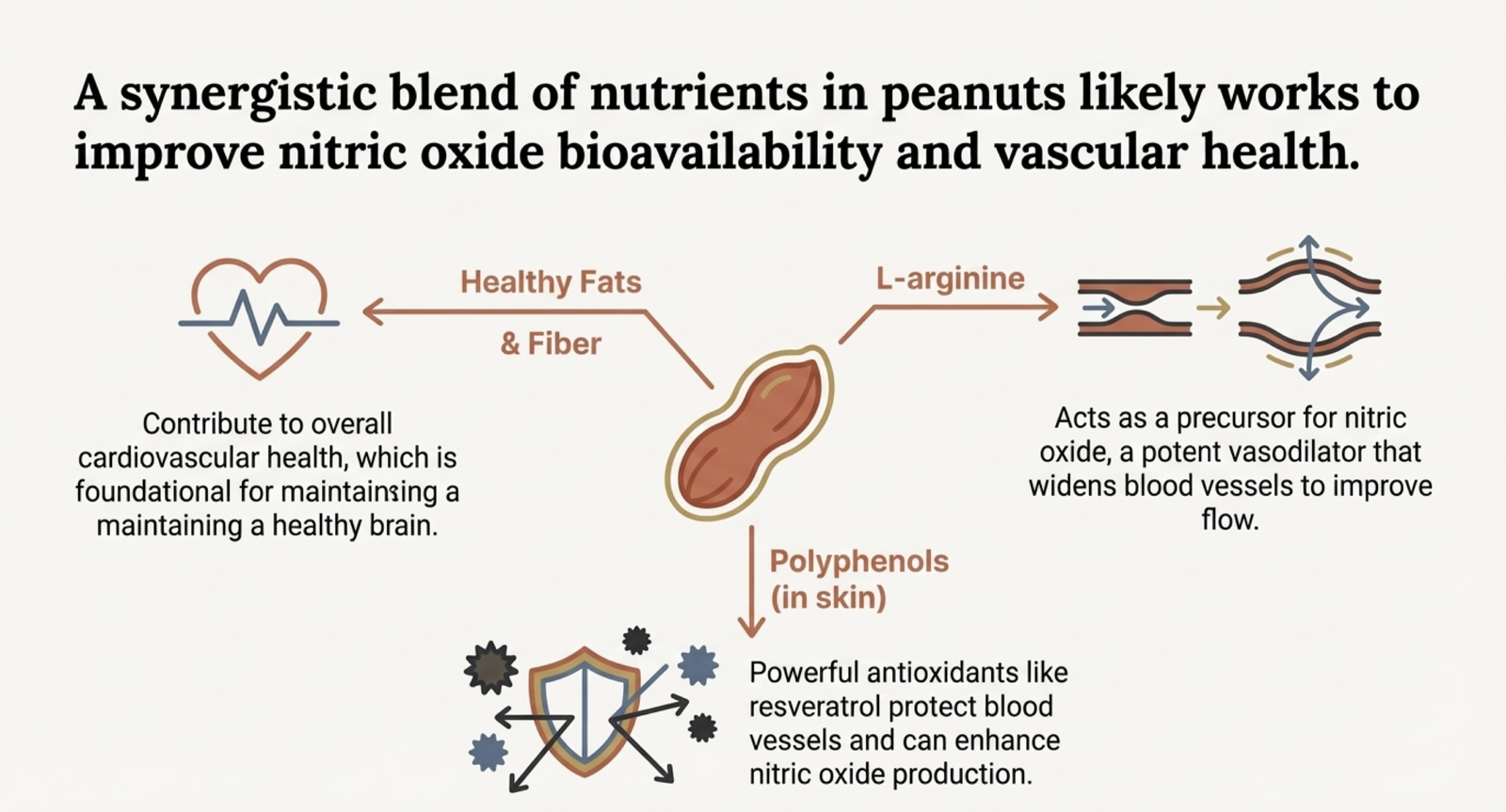
The authors propose several candidate nutrients and mechanisms. Peanuts are relatively rich in L-arginine, an amino acid that supports nitric oxide production and vascular dilation. Indeed, past research has shown intravenous L-arginine can boost global brain perfusion. Peanuts also deliver unsaturated fats, dietary fiber, phytosterols, and antioxidants, including polyphenols like resveratrol (primarily in the peanut skin). While the resveratrol content is lower than in dedicated supplement trials, in aggregate these nutrients may improve blood-vessel health, reduce inflammation, support nitric-oxide bioavailability, or even influence the gut–brain axis via fiber fermentation and short-chain fatty-acid production.
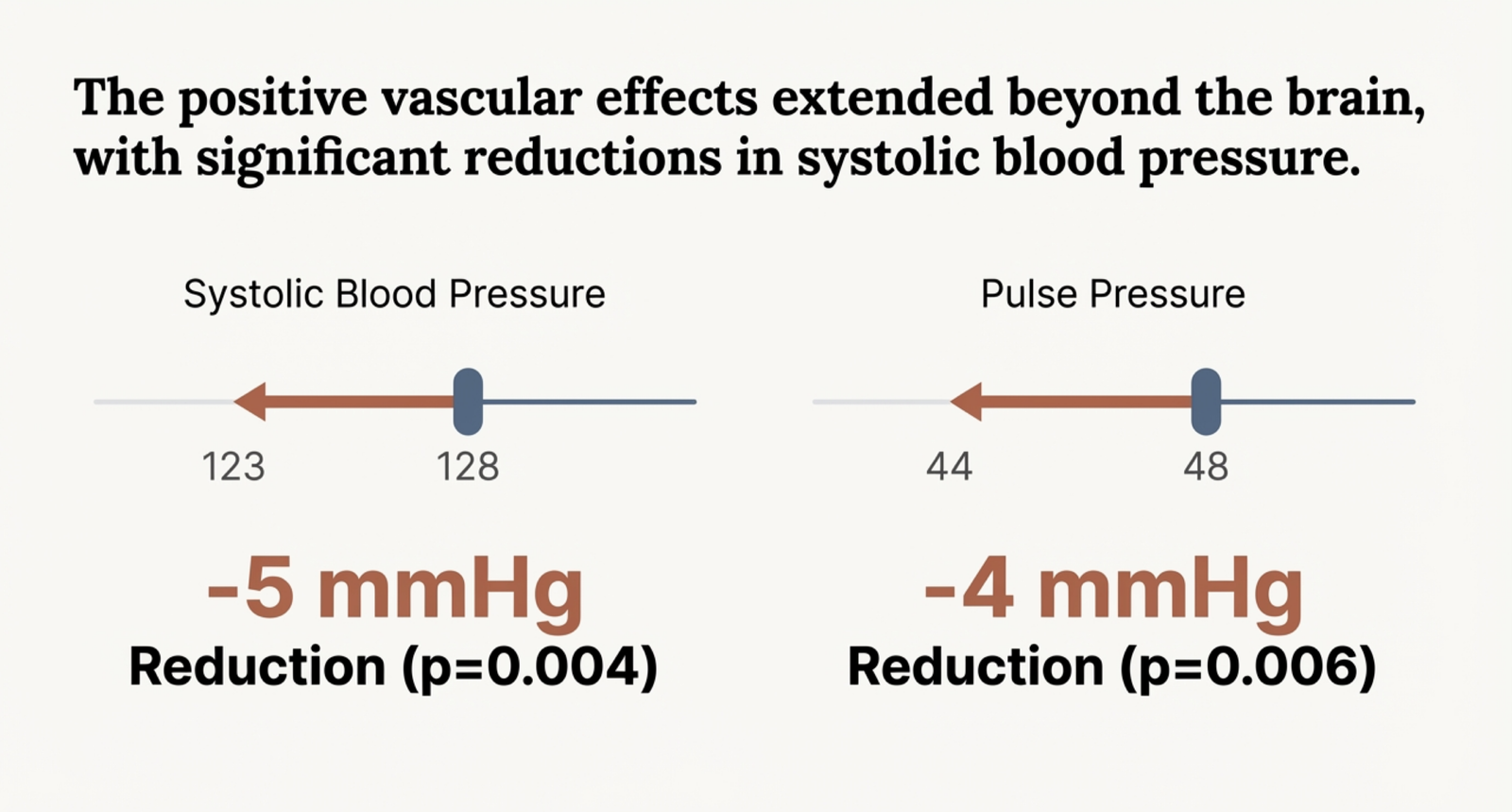
Notably, the trial observed modest reductions in systolic blood pressure and pulse pressure, aligning with prior nut-intervention studies — though blood pressure benefits on peanuts alone have been inconsistent across studies. No changes emerged in measures of small-vessel health (e.g., retinal microvascular caliber), suggesting the primary effects may be on large-scale cerebral perfusion rather than microvasculature.
Strengths of the study include the use of pCASL-MRI (a robust measure of cerebral blood flow), a crossover design, inclusion of both men and women, and good participant compliance. Limitations: participants knew when they were eating peanuts (blinding was only partial), dietary intake was self-reported (no biomarkers to confirm compliance), and reported calorie intake rose slightly — though body-weight remained stable, implying partial compensation. It remains unclear whether different forms of peanuts (e.g. salt-roasted, blanched, peanut butter) would yield similar benefits, and whether benefits persist beyond the 16-week window. While this research was funded by The Peanut Institute Foundation, which had no role in the study design, data collection or analysis, publication decisions, or manuscript preparation. Just something to keep in mind.
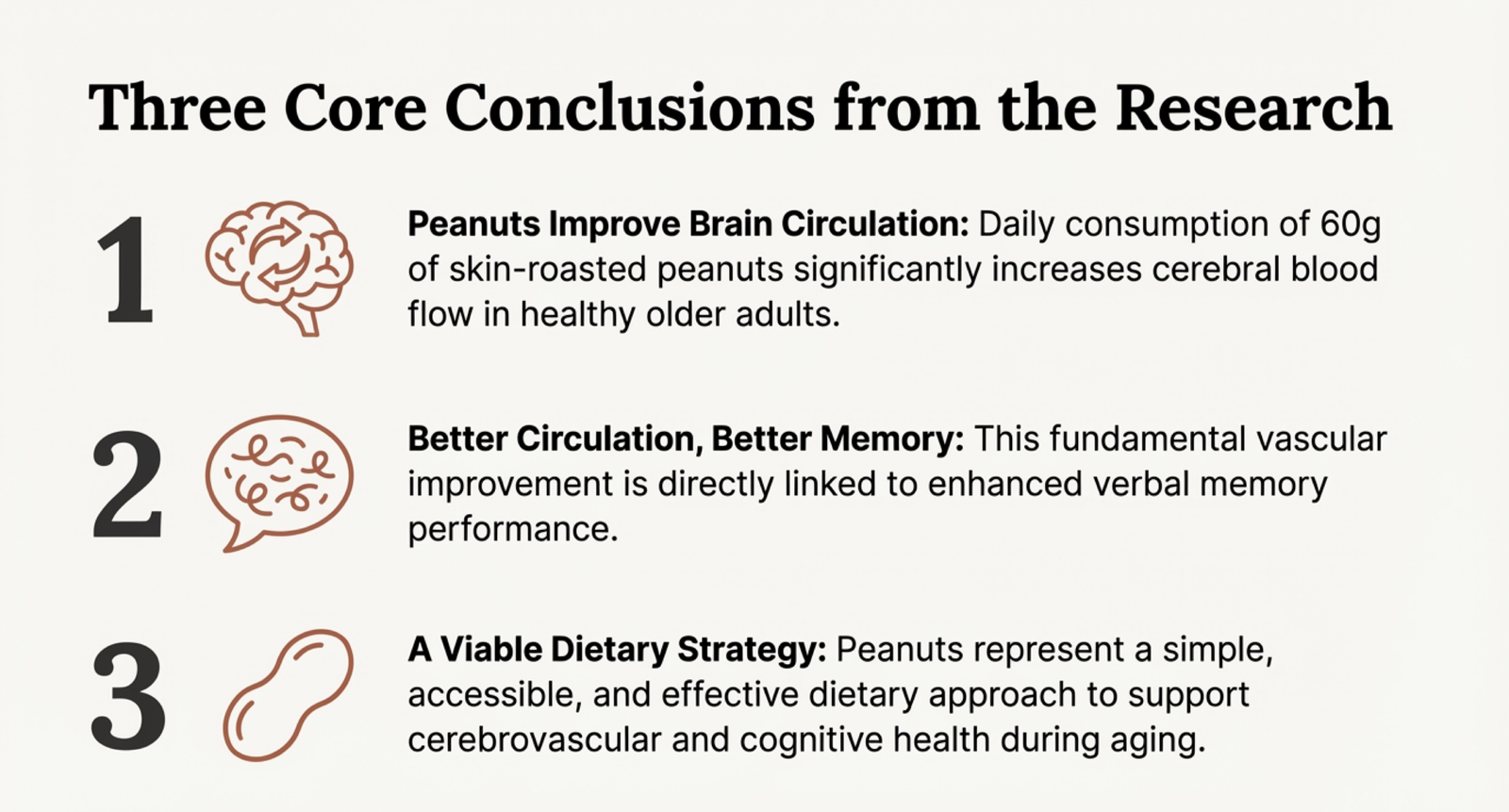
In sum, daily consumption of unsalted skin-roasted peanuts over several months may boost cerebral blood flow and modestly improve memory in older adults — pointing to an accessible, food-based strategy for supporting brain vascular health and cognitive resilience. Future work should test dose, duration, different peanut preparations, and long-term sustainability.
Random Trivia & Weird News
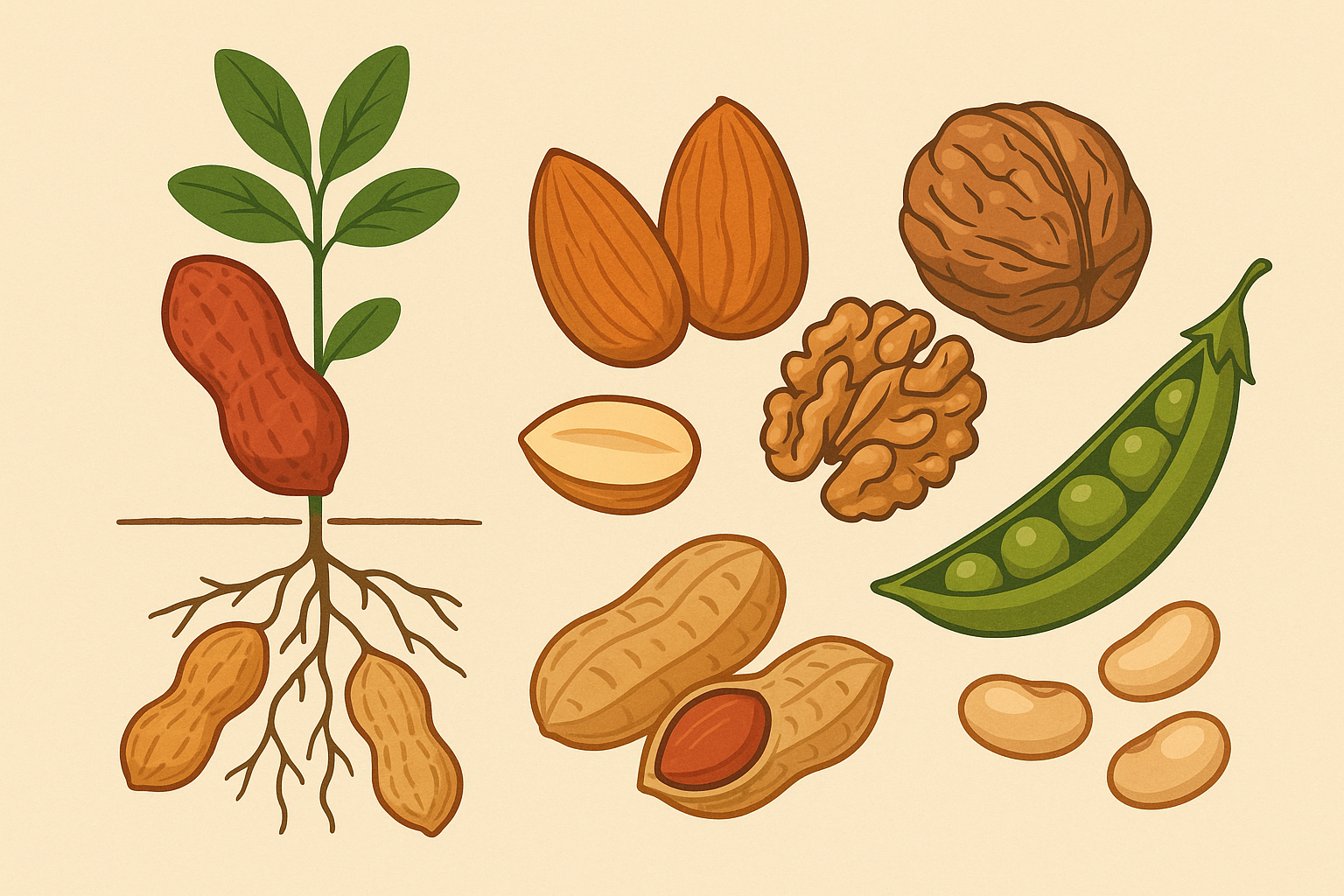
Why Peanuts Aren’t Actually Nuts
Despite their name, peanuts are botanically legumes, more closely related to beans and lentils than to almonds or walnuts. They grow underground in pods rather than on trees. This odd biology shapes their nutrient profile: higher protein, unique polyphenols, and that unusually rich supply of arginine. Their “groundnut” lineage also explains why they can regenerate nitrogen in soil—a trait researchers study for sustainable agriculture. Peagumes., anyone? 🦗
Podcasts We Loved This Week
- Twyla Tharp: Master the Creative Process via Huberman Lab
- Anna Lembke: The Paradox of Pleasure via The Hidden Brain
Products We Are Enjoying
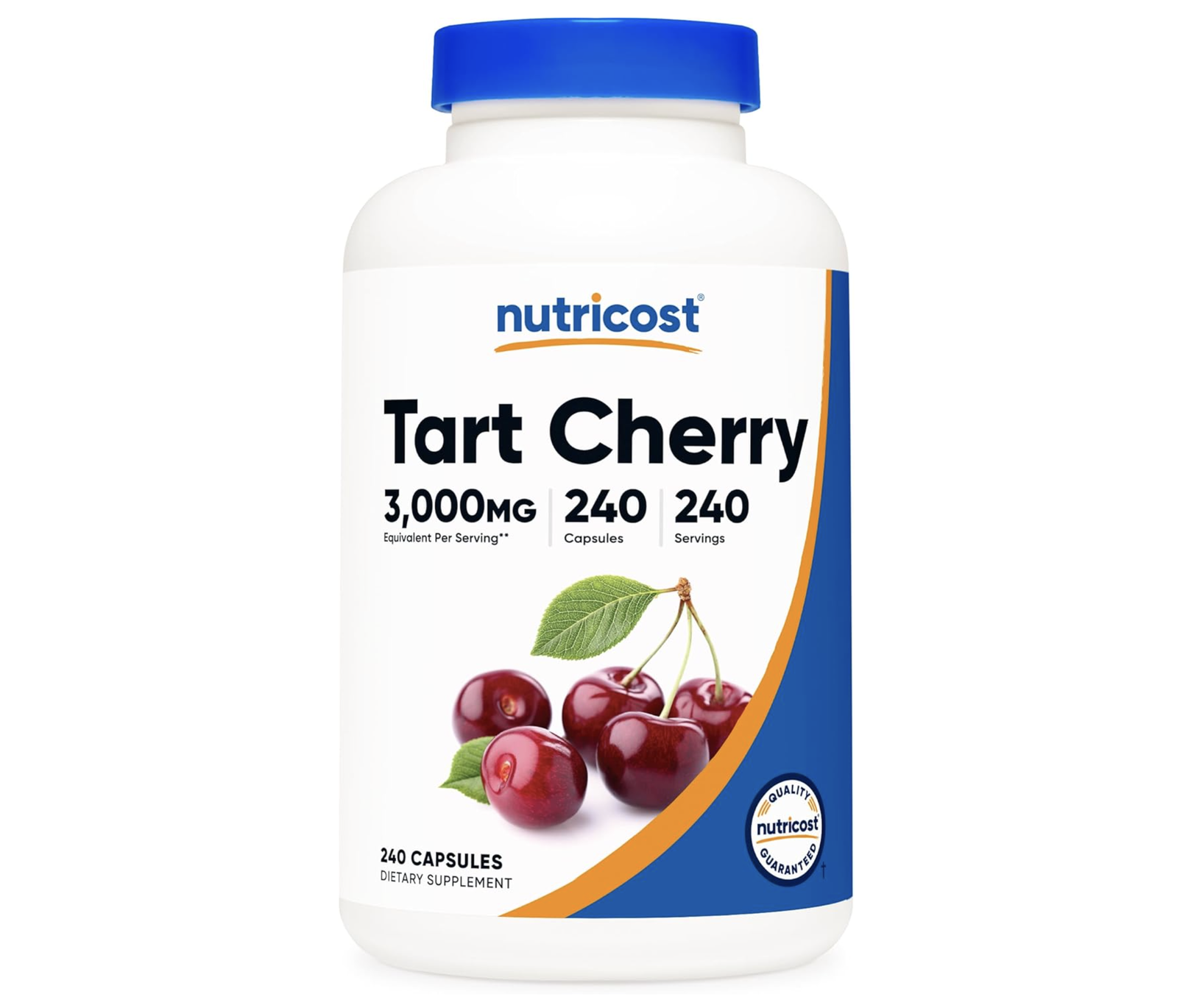
Nutricost Tart Cherry Extract
This tart cherry extract provides 240 once-daily servings, delivering a 3,000 mg equivalent from a concentrated 10:1 extract. Each convenient capsule is non-GMO, gluten-free, and third-party tested. Produced in an NSF-certified, GMP-compliant, FDA-registered facility, it offers a quality-assured way to add tart cherry benefits to your routine. This is a product that I take before exercise and also sometimes before sleep.
humanOS Catalog Feature of the Week
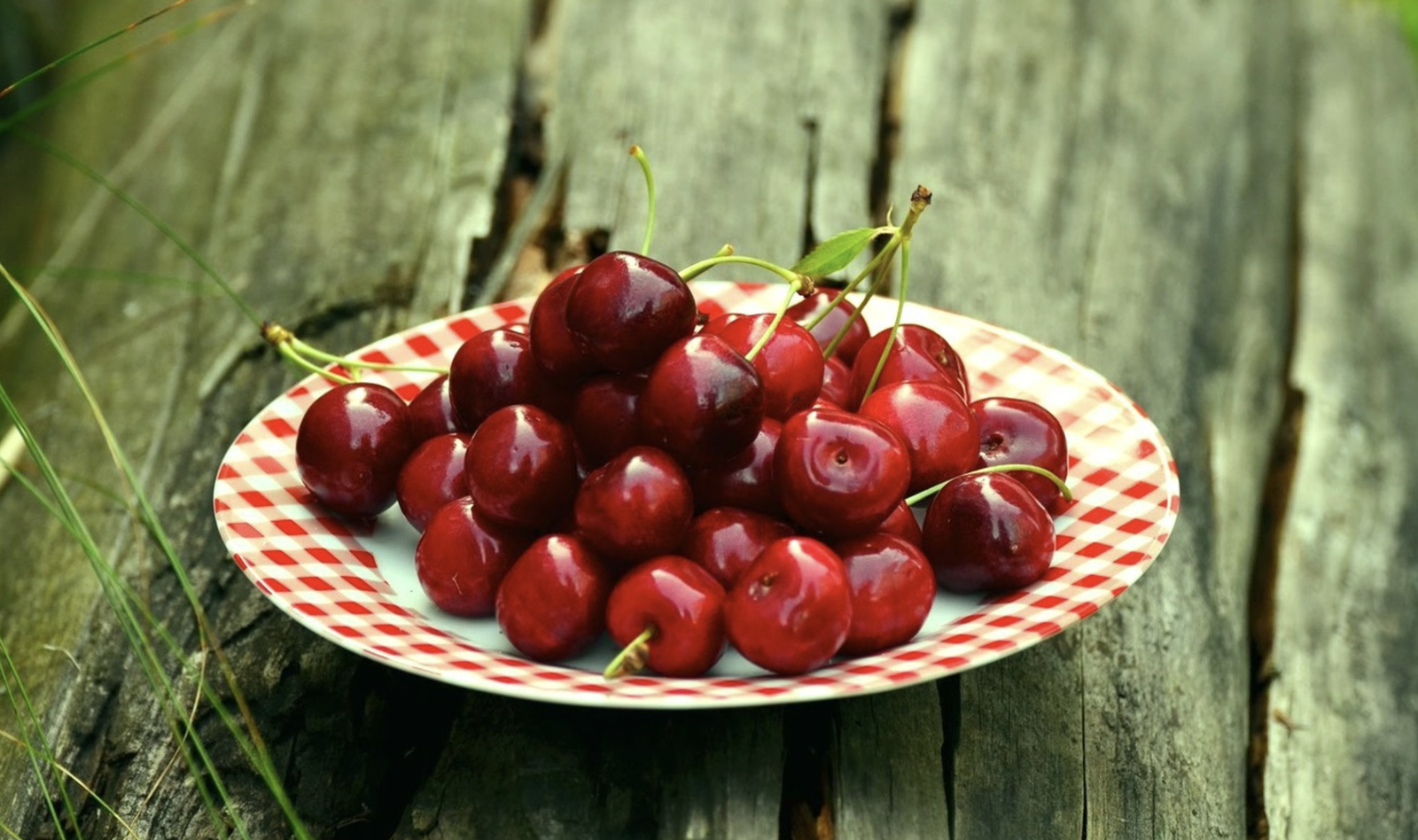
Drink Tart Cherry Juice For Lower Blood Pressure
Tart cherries are far more than pie filling. This vivid little fruit is packed with phenolic compounds that can dial down inflammation, ease oxidative stress, improve sleep, and—most intriguingly—may lower blood pressure. In a controlled human trial, just two ounces of tart cherry juice produced a drop in blood pressure comparable to that seen with certain antihypertensive drugs. Even better, the same beneficial compounds appear in many colorful fruits and vegetables. If you’re curious how something as simple as a daily splash of tart cherry juice might support cardiovascular health, the full story is worth a closer look.
Wishing you the best,

—