

Newsletter #396
This Week’s Research Highlights
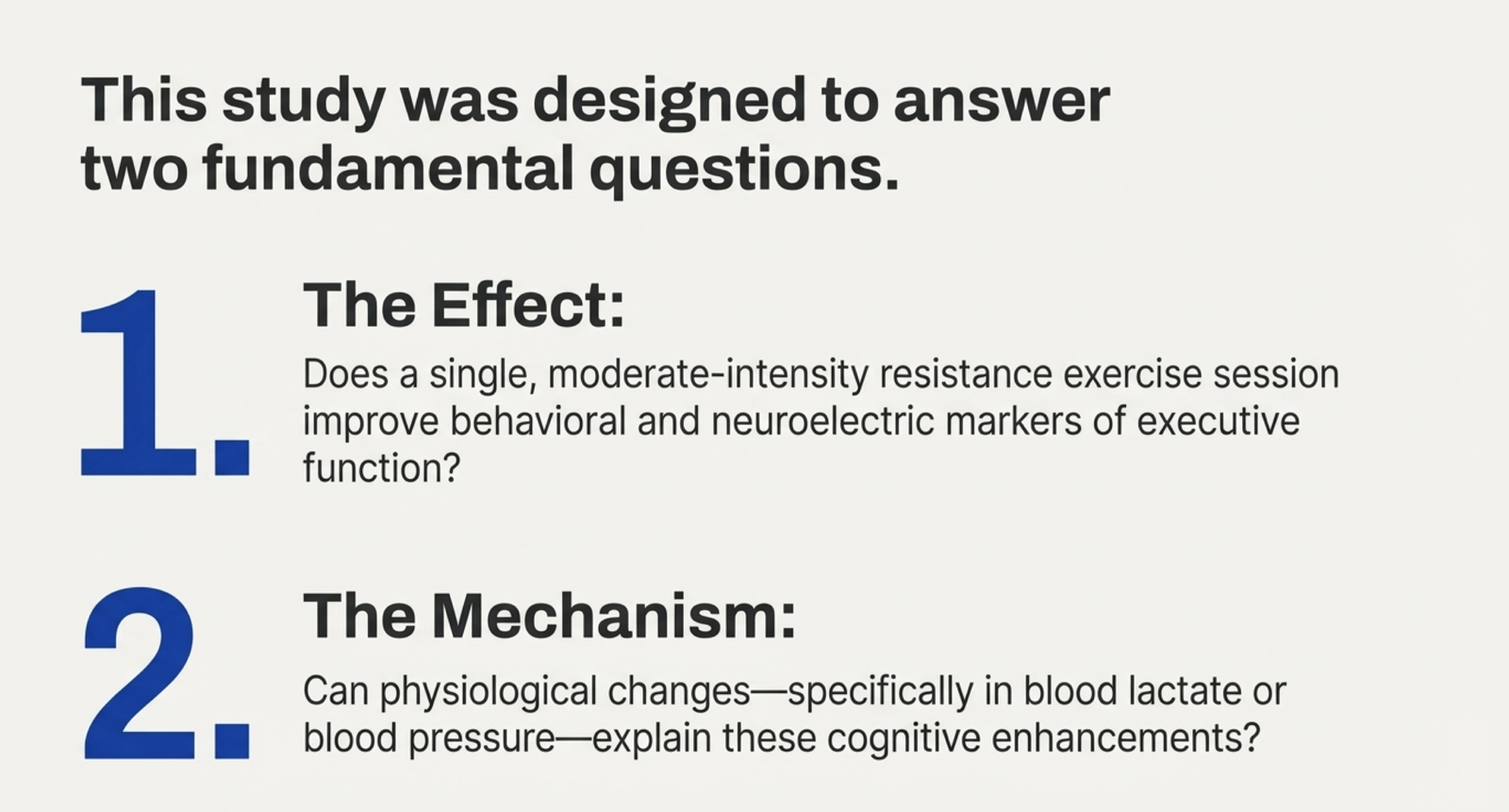
Why does a single workout sometimes make you feel mentally sharper—not just energized, but genuinely quicker at thinking and reacting? And does strength training, often overshadowed by aerobic exercise in cognitive research, offer its own unique brain-boosting benefits? A new study from Nicholas Baumgartner and colleagues tackles these questions with unusual depth, combining behavioral tests with brainwave recordings and blood-based physiological markers. The result is a clearer picture of how acute resistance exercise—just one moderate-intensity session—can speed up mental processing and why these effects may occur.
New Feature: Newsletter Summaries ✨
Brawn and Brainpower: Acute Resistance Exercise Improves Behavioral and Neuroelectric Measures of Executive Function
A Single Strength Session Speeds Up Key Forms of Thinking
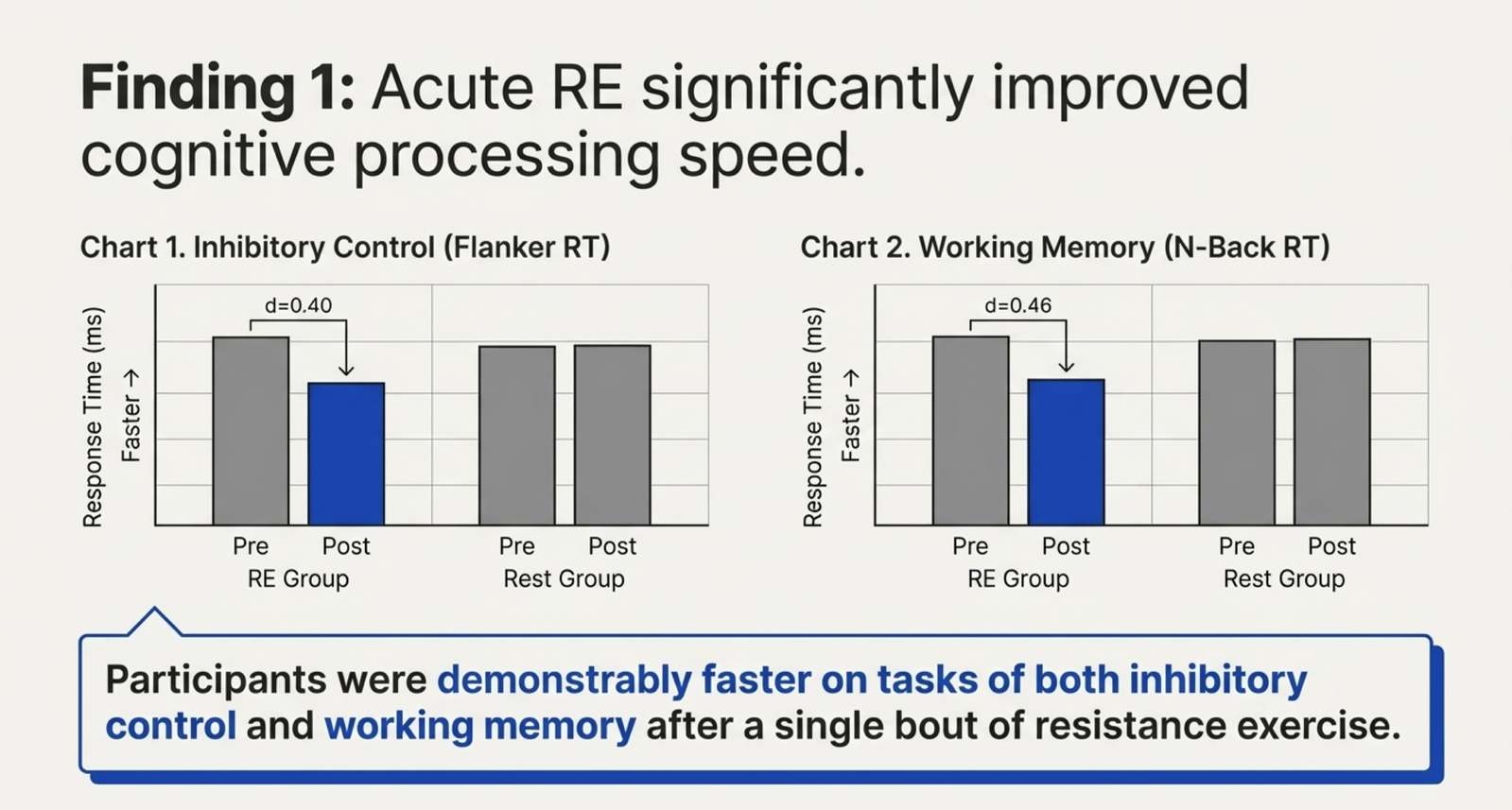
The authors focused on two pillars of executive function: inhibitory control (the ability to suppress automatic responses) and working memory (holding and manipulating information). Across both domains, people who completed a single bout of resistance exercise responded faster on cognitive tasks than those who simply watched a controlled, emotionally matched video. Accuracy did not consistently change, but speed did—a pattern that aligns with prior mixed findings on accuracy but increasingly strong evidence for faster post-exercise information processing.
In other words, after lifting weights, people didn’t necessarily make better decisions, but they made them faster—a hallmark of enhanced processing efficiency.
Brainwaves Show Faster Under-the-Hood Processing
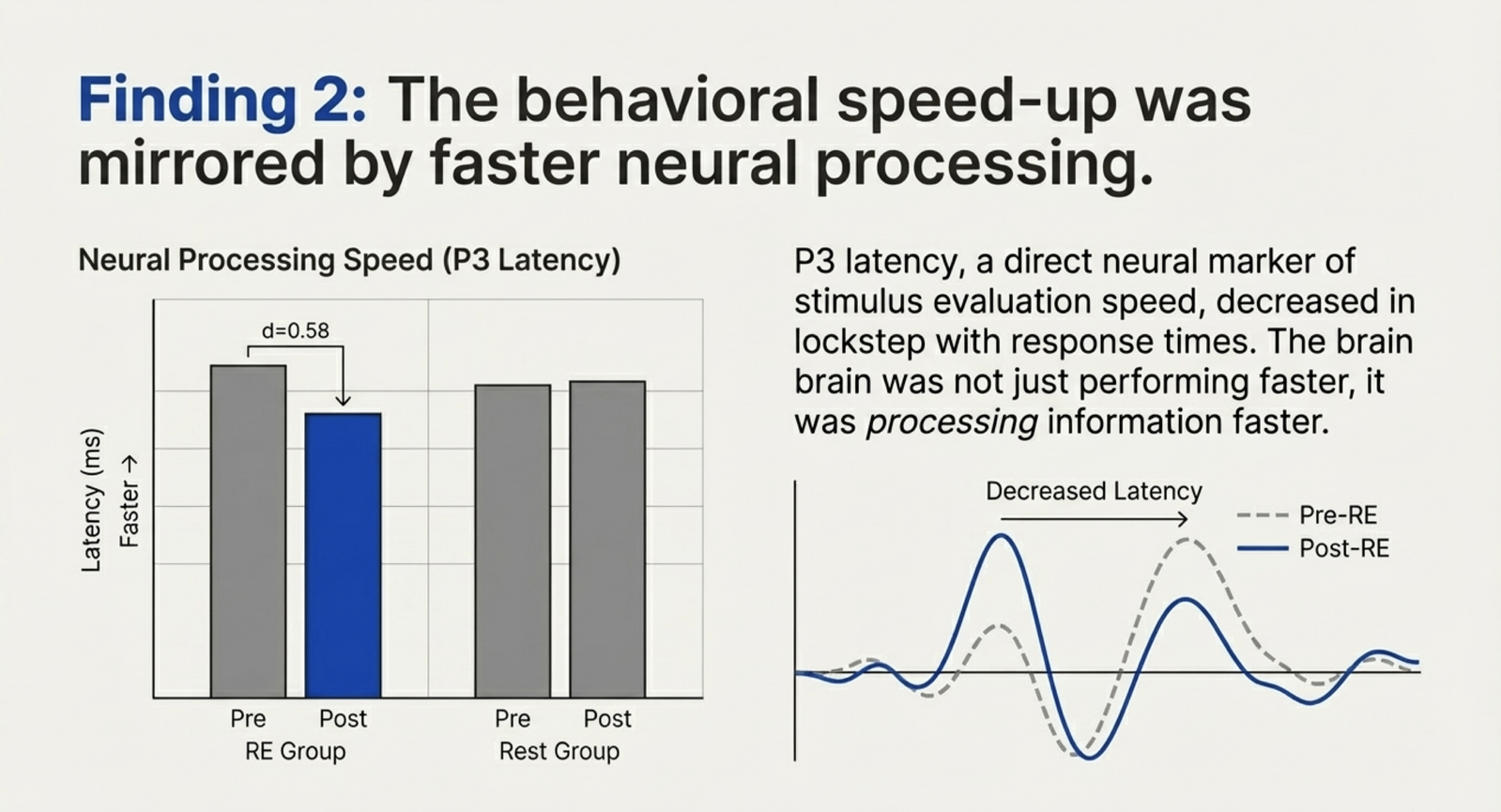
To understand what was happening inside the brain, the researchers measured event-related potentials (ERPs), focusing on the P3 and N2 components—electrical signatures associated with attention, inhibitory control, and conflict processing.
- Attention: Noticing your name across a noisy room and instantly tuning in, even though dozens of other conversations are happening around you.
- Inhibitory control: Stopping yourself from checking your phone the moment a notification pops up because you’re in the middle of an important task.
- Conflict processing: Seeing the word RED printed in blue ink and correctly saying “blue” even though your brain wants to read the word—your mind has to resolve the conflict between meaning and color.
The core message is that a single strength-training session seemed to make the brain operate more quickly and efficiently. After resistance exercise, people didn’t just respond faster—they processed information faster. Their brains were quicker at taking in what mattered, shifting attention, and updating ongoing decisions. This wasn’t about producing stronger mental signals but about tightening the timing, as if the brain’s internal clock sped up for a short window.
The exercise also appeared to smooth out the mental “friction” that happens when the brain encounters conflicting information. Normally, tougher trials create extra strain as the brain works to sort through competing cues. After exercising, that strain became smaller, suggesting the brain was resolving conflict with less effort. Meanwhile, people who simply rested showed the reverse pattern: they began to display more of this strain over time, not less.
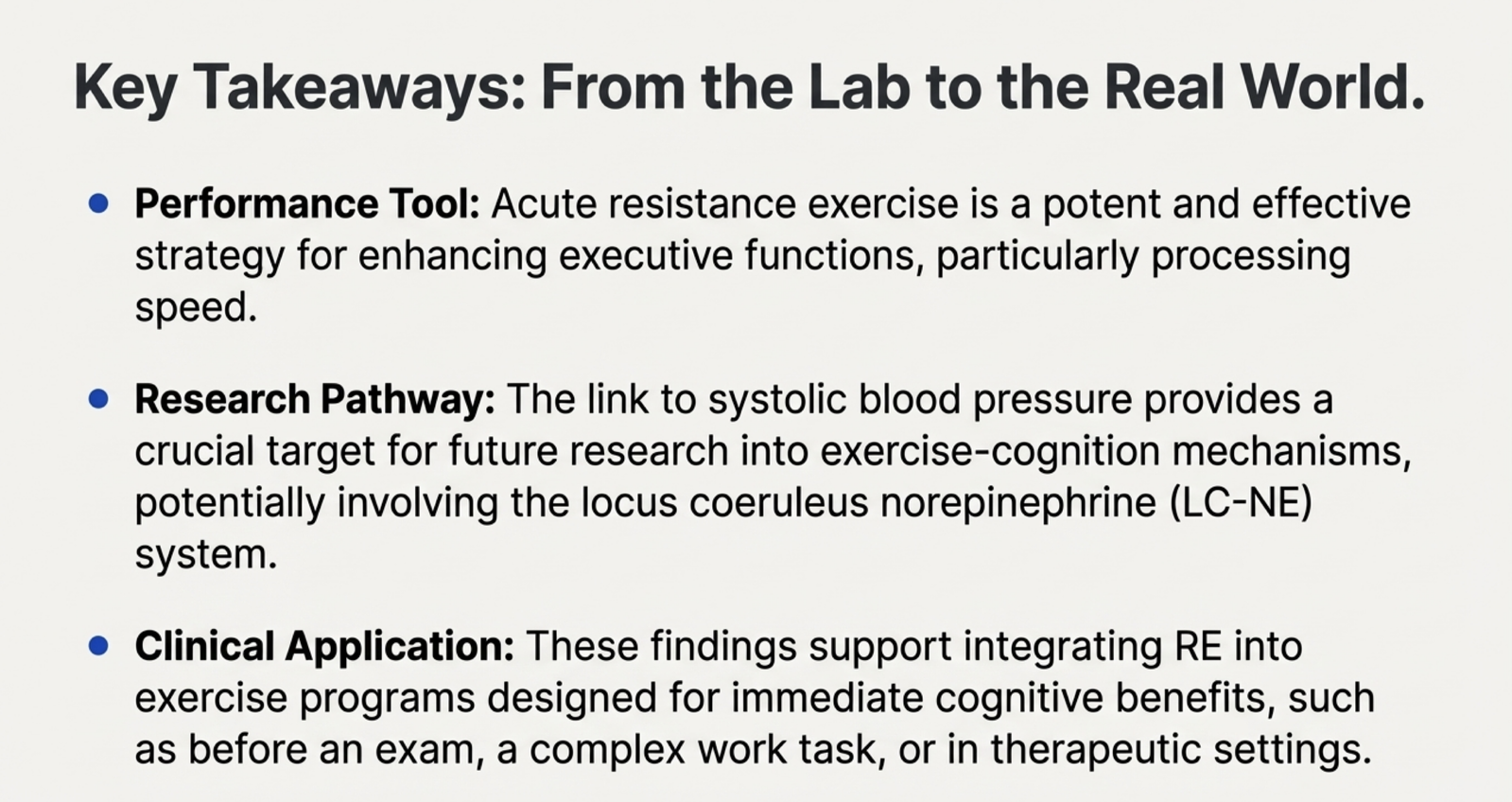
Taken together, the findings offer a clear takeaway: one bout of resistance exercise can temporarily sharpen the brain’s processing speed and make it easier to handle mentally demanding, mixed-signal situations.
Why Does Strength Training Enhance Executive Function?
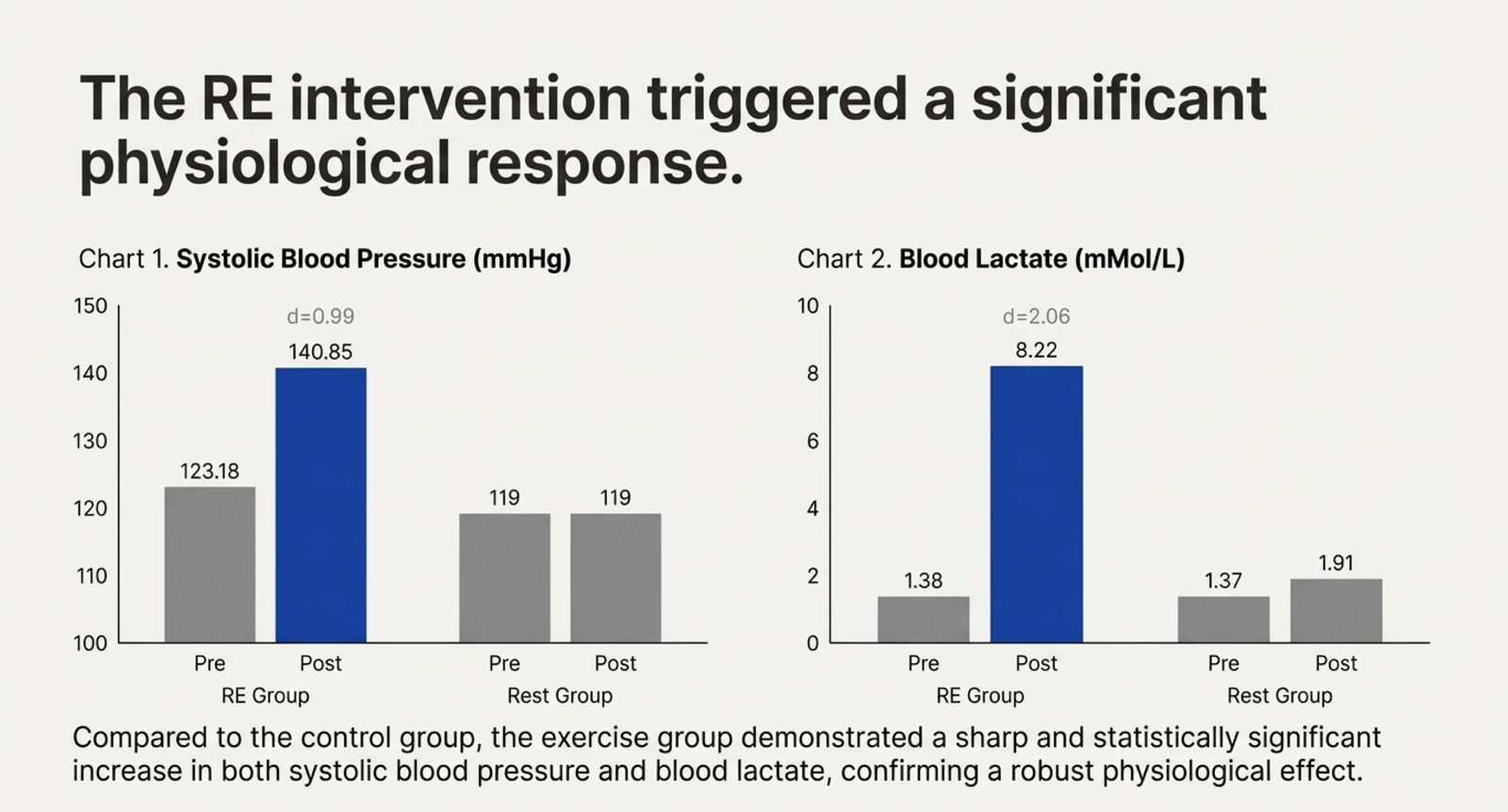
One of the most valuable parts of this study is its effort to uncover why resistance exercise sharpens thinking, not just that it does. The clearest clue came from systolic blood pressure. Participants who showed a bigger bump in systolic pressure after lifting weights were also the ones who responded faster on cognitive tasks, suggesting that this rise in blood pressure helps explain the mental boost. Neither heart rate nor lactate—two popular suspects in exercise research—showed this same relationship.
The blood-pressure connection makes intuitive sense. A single workout activates the body’s sympathetic nervous system, increasing arousal and readiness. That heightened state, which includes a temporary rise in blood pressure, is known to enhance attention and executive functioning. The fact that blood pressure—but not heart rate—aligned with better thinking hints that certain forms of physiological arousal may be more tightly linked to cognitive sharpness than others.
Lactate, on the other hand, turned out to be a less convincing mechanism in this context. Even though lactate levels rose substantially after resistance exercise, those increases didn’t predict who showed cognitive or neural improvements. This runs counter to theories suggesting lactate fuels short-term cognitive gains. Here, the evidence points in a different direction: lactate may not play a meaningful role in boosting inhibitory control or working memory, though its influence on more complex abilities like cognitive flexibility is still worth exploring.
In short, the study suggests that the brain boost from resistance exercise may be driven more by the body’s arousal systems—reflected in elevated systolic blood pressure—than by metabolic byproducts like lactate.
Caveats and Conclusions
The researchers highlight several limitations. Individuals varied widely in their lactate responses—far more than expected for moderate-intensity exercise—possibly due to differences in effort, muscle physiology, or estimates of one-rep maximum. The fixed timing of stimuli in the working memory task may have dampened ERP sensitivity. And heart rate was still slightly elevated during post-exercise cognitive testing, a potential confound (though it did not mediate any effects).
Even with these issues, the study stands out for being one of the first to combine resistance exercise, ERP markers, and blood-based physiological measures in the same experimental design. Its sex-matched control condition also helped isolate the effect of exertion from differences in mood or engagement.
A single session of moderate resistance exercise can measurably speed up executive function—both in behavior and in the brain’s underlying electrical activity. The most likely driver, at least in this study, is increased arousal reflected in systolic blood pressure, not lactate or heart rate. For readers wondering whether strength training benefits not only muscles but also mental performance, Baumgartner and colleagues provide compelling evidence: yes, your brain may lift right alongside your body.
Random Trivia & Weird News
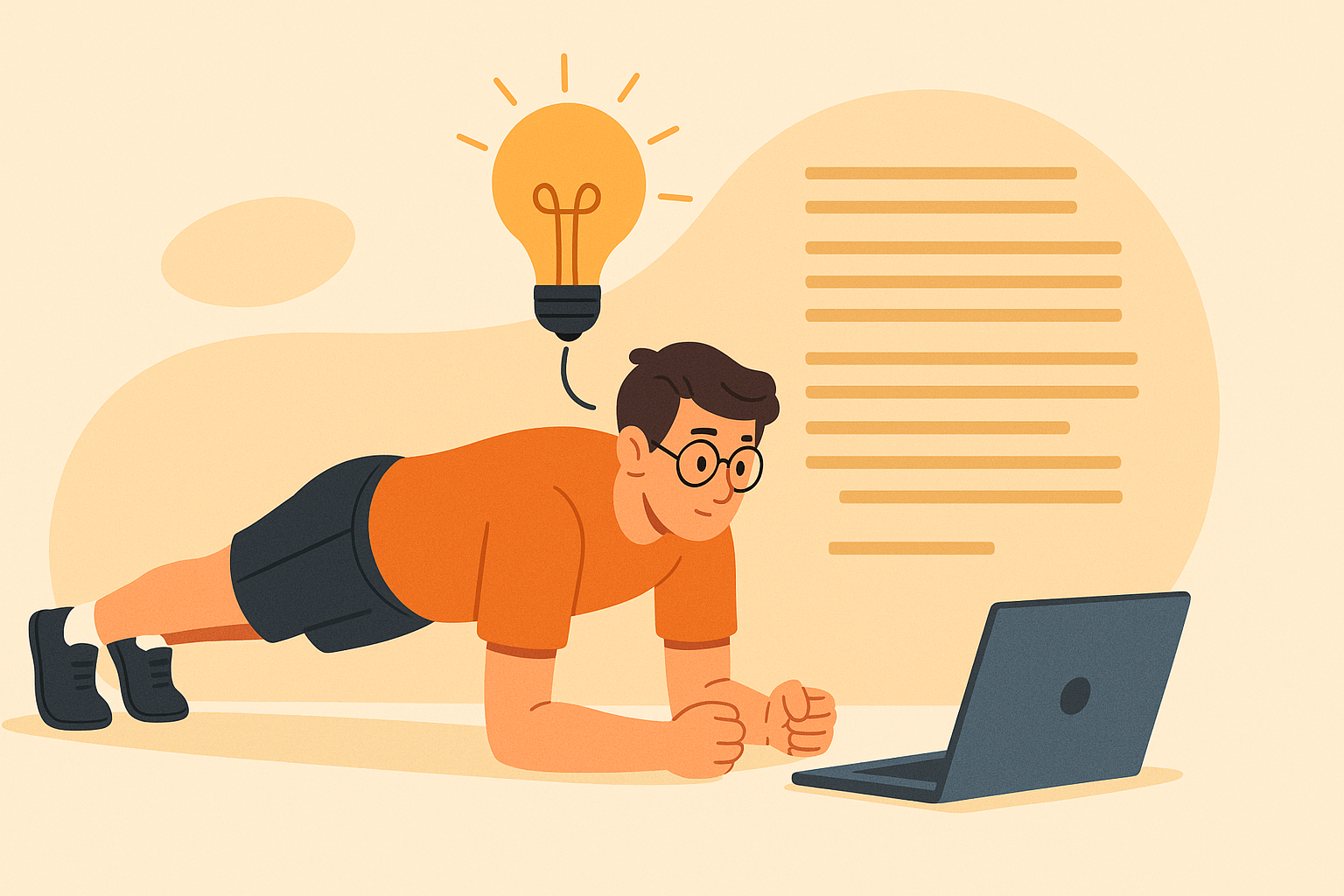
The Accidental Discovery of the “Thinking Plank”
A group of grad students noticed they came up with their best research ideas only while suffering through planks. The working theory: when your core is on fire, your brain will do anything to distract you—including inventing creative solutions to long-standing problems. One student wrote an entire dissertation outline in a 90-second plank, later admitting, “I don’t remember typing it. I was just trying not to collapse.”
Podcasts We Loved This Week
- Andrew Huberman: Essentials: Science of Building Strong Social Bonds with Family, Friends & Romantic Partners via Huberman Lab
- Dr. Abraham Morgentaler: TRT: Your Complete Guide to Safe Dosing, Risks, and Boosting Longevity via The Dr. Gabrielle Lyon Show
Products We Are Enjoying
Qualia Mind
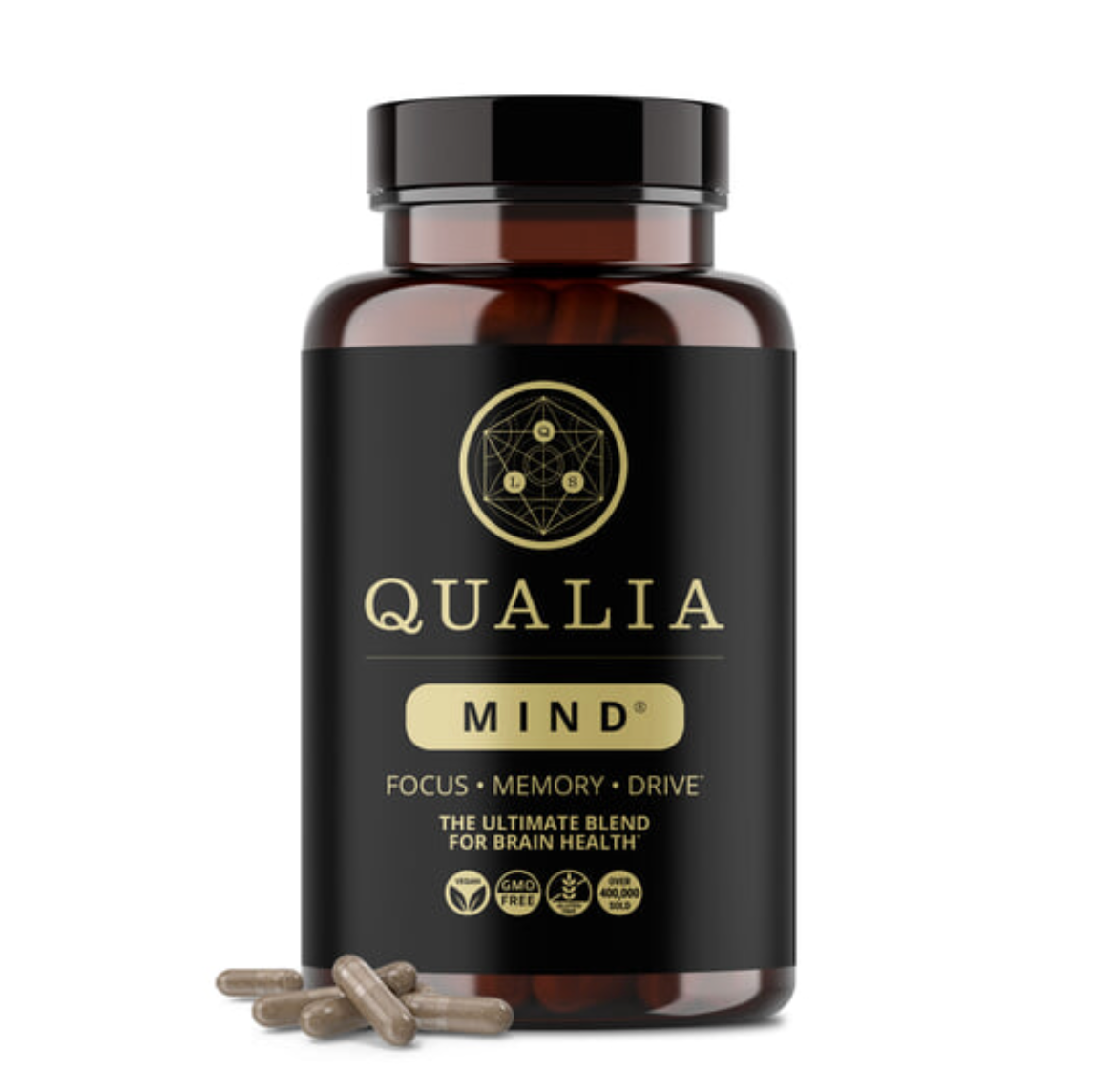
Qualia Mind is a powerful nootropic (cognition-enhancing supplement) to support mental clarity, motivation, and long-term brain health. Whether you’re aiming to boost focus, enhance productivity, or sharpen memory, Qualia Mind delivers. It’s been my category favorite, and I’ve tried them all. For me, it doesn’t feel like you’re over caffeinated. Rather, it induces a pleasant and noticeable elevation in thinking performance across the day, without any anxiety or discomfort.
humanOS Catalog Feature of the Week

Muscle and Health Podcast with Keith Baar
This blog and podcast dive into a topic that matters to anyone who wants to stay strong, capable, and independent across the lifespan: the health and quality of your muscle tissue. After age 50, most people lose muscle every year—and strength declines even faster—raising risks of frailty, falls, and poorer outcomes during illness. But there’s a powerful opportunity here: building and maintaining muscle earlier in life creates a long-lasting buffer against these declines. In this conversation with Dr. Keith Baar, a leading researcher on muscle and connective tissue biology, you’ll explore how different types of exercise shape muscle and tendons, why some people respond better to training than others, how diet affects mitochondrial function, and the surprising roles of hormones and protein timing. It’s a rich, eye-opening look at how to future-proof your body—and why taking action now pays dividends for decades.
Wishing you the best,

—