

Newsletter #391
This Week’s Research Highlights
Nighttime used to mean darkness, with only light from the stars, moon, and fire. Now, we have streetlights, phone screens, digital clocks, and the glow sneaking through curtains and from plugged-in electronics. It feels harmless, maybe even cozy. But a massive new study says that this artificial glow might damage our hearts. Let’s take a closer look.
New Feature: Newsletter Summaries ✨
Light Exposure at Night and Cardiovascular Disease Incidence (JAMA Netw Open. 2025)
Researchers tracked nearly 13 million hours of real-world light exposure from about 89,000 people and followed their health for almost a decade. The results were hard to ignore. People who spent their nights surrounded by more light had higher chances of developing heart disease, heart attacks, heart failure, atrial fibrillation, and strokes. And these links stayed strong even after accounting for things like exercise, diet, sleep habits, and genetics.
People who spent their nights surrounded by more light had higher chances of developing heart disease, heart attacks, heart failure, atrial fibrillation, and strokes.
The numbers tell a clear story. Those who lived under the brightest lights at night had roughly 25–30% higher risk of coronary artery disease, 50% higher risk of heart attack, and 30% higher risk of stroke. They were also more likely to experience heart failure and irregular heart rhythms. The researchers didn’t find evidence that genes explained this. It wasn’t that people born with higher heart risk happened to live in bright neighborhoods. The light itself seemed to matter.
Why would a little extra light at night cause such damage?
It comes down to circadian disruption which is when the body’s internal timing system is off. This timing system runs on a simple cue: light means day, dark means night. When bright light hits your eyes after sunset, your brain reads it as “it’s still daytime.” Hormones that regulate metabolism, blood pressure, and heart rhythm start drifting out of sync. Over time, that small misalignment adds up.
The effects spread through the body. When the circadian rhythm is thrown off, glucose control weakens, nudging the body toward insulin resistance and, eventually, diabetes. Blood tends to clot more easily, raising the chance of stroke. Blood pressure creeps up, especially at night when it’s supposed to dip. Even the electrical rhythm of the heart becomes unstable, increasing the risk of arrhythmia. What starts as light in your eyes ends up as strain on your arteries.
Women and younger people were more affected by night light
The study also found some differences between groups. Women and younger people were more affected by night light. For women, the connection between bright nights and heart disease or heart failure was stronger, which fits with earlier research showing women respond more intensely to light and to the biological stress of shift work. Younger participants showed higher sensitivity too, likely because light perception fades with age. Ironically, older adults might be somewhat protected by reduced circadian responsiveness.
Some might assume this is really a sleep story—that people with more light exposure simply sleep less or worse. But the researchers tested that idea. They adjusted for sleep duration and quality, and the relationship between bright nights and heart problems remained. Poor sleep explained part of the connection but not all of it. Even those who slept enough still faced higher cardiovascular risks if their nights were bright.
That fits with lab findings showing that light itself can disrupt the body’s hormonal and metabolic balance. In experiments, people exposed to light at night—even while asleep—show higher blood sugar, blunted melatonin, and elevated nighttime blood pressure. It’s not only about rest. It’s about the biological expectation of darkness.
Study Strengths and Weaknesses
The study’s scale gives it unusual weight. With almost a decade of health follow-up and millions of hours of personal data, it goes far beyond earlier satellite studies that could only measure outdoor brightness. These wrist sensors captured what people actually experienced. That said, the researchers did acknowledge limits. The data came mostly from the UK Biobank, which skews toward White, educated, and health-conscious participants. They only tracked light for a week per person, though those patterns stayed fairly stable over time. They also couldn’t tell what kind of light people were exposed to. Was it mainly blue light from screens, overhead LEDs, or streetlights outside? Probably all of them combined by that’s an assumption. The study was observational so it can’t prove cause and effect. But the consistency across different populations and biological mechanisms makes the link hard to dismiss.
The takeaway feels both obvious and uncomfortable. We’ve normalized light pollution to the point that we hardly think about it. Cities glow like permanent dawn or dusk. Bedroom walls shine faintly from outdoor lamps and phones charging on nightstands. Yet our physiology hasn’t changed much since the days when night truly meant dark. Our bodies still expect that daily rhythm of light and shadow, activity and rest.
You don’t need to live in a remote cabin to reclaim a little darkness. Try small changes. Turn off unnecessary lamps after dinner. Switch to warmer, dimmer bulbs at night. Use blackout curtains or a sleep mask. Set your screens to night mode and avoid scrolling before bed. And in the morning, step outside for real daylight to anchor your body clock for the rest of the day.
The likely cause is circadian disruption. Light at night confuses the body’s internal clock, altering hormone release, metabolism, and blood pressure regulation. Over time, this leads to increased clotting, insulin resistance, and heart rhythm instability. Women and younger adults appeared more sensitive, possibly due to higher light responsiveness. While the study couldn’t determine which light sources were most harmful or prove causality, the evidence points toward artificial light at night as a hidden cardiovascular risk. Limiting nighttime brightness by dimming lights, avoiding screens before bed, and using blackout curtains. Doing so may help restore healthier circadian balance and protect heart health.
Random Trivia & Weird News
🪸 Why Sea Turtles Head Toward Parking Lots
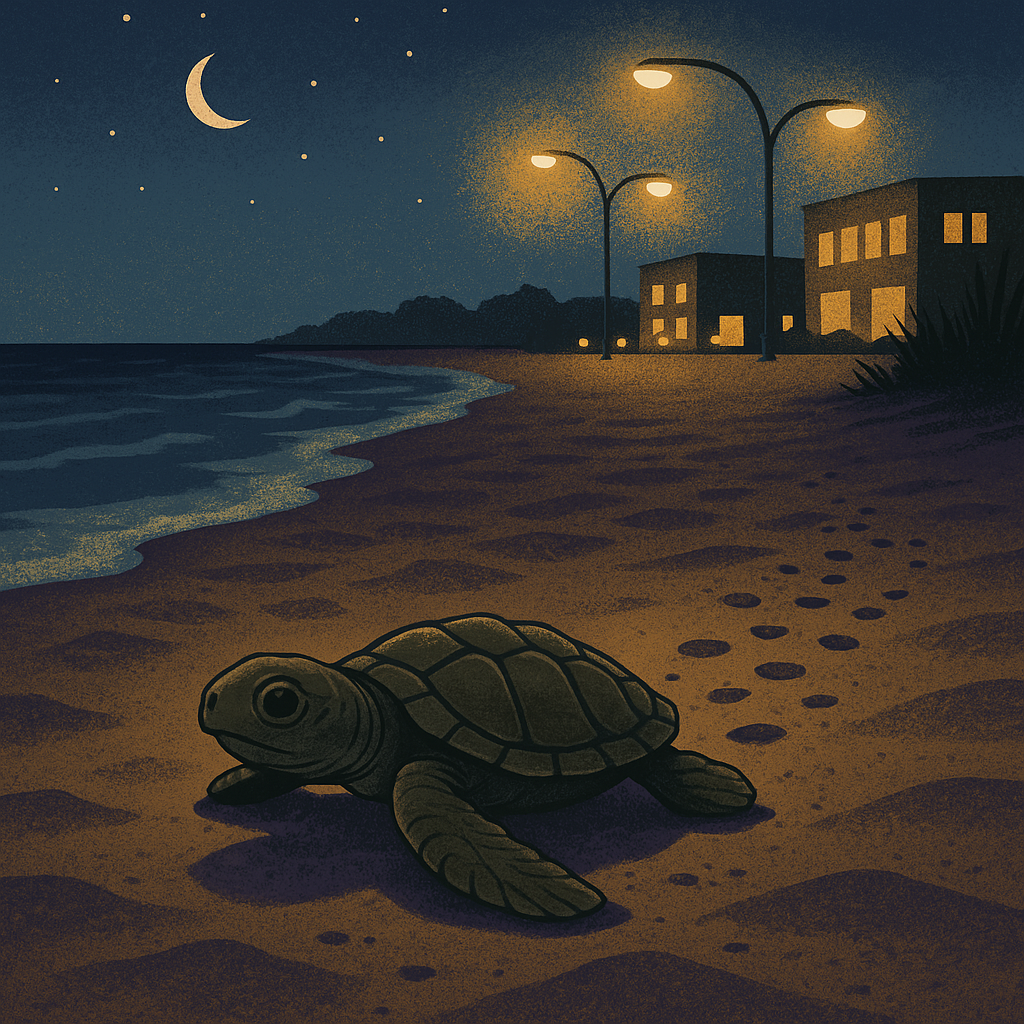
For millions of years, newborn sea turtles have followed the moon’s glow across the sand to find the sea. But today, beachfront lighting has flipped their compass. Streetlamps, car lots, and hotel signs outshine the moon, luring the hatchlings inland instead of seaward. Many die from exhaustion or predators before ever reaching water. Some beaches now require “turtle-friendly lighting”—low, amber bulbs shielded from the shore—to help restore the ancient pathway between sand and sea.
Podcasts We Loved This Week
- Dr. Dan Pardi - #233 Stem Cells & Longevity: How to Rebuild Your Body from the Inside Out via High Performance Longevity
- Dr. Deanna Minich - Exploring Melatonin's Powerful Role in Longevity and Wellness via Sandy K Nutrition
Products We Are Enjoying
Qlosi to improve blurry near vision
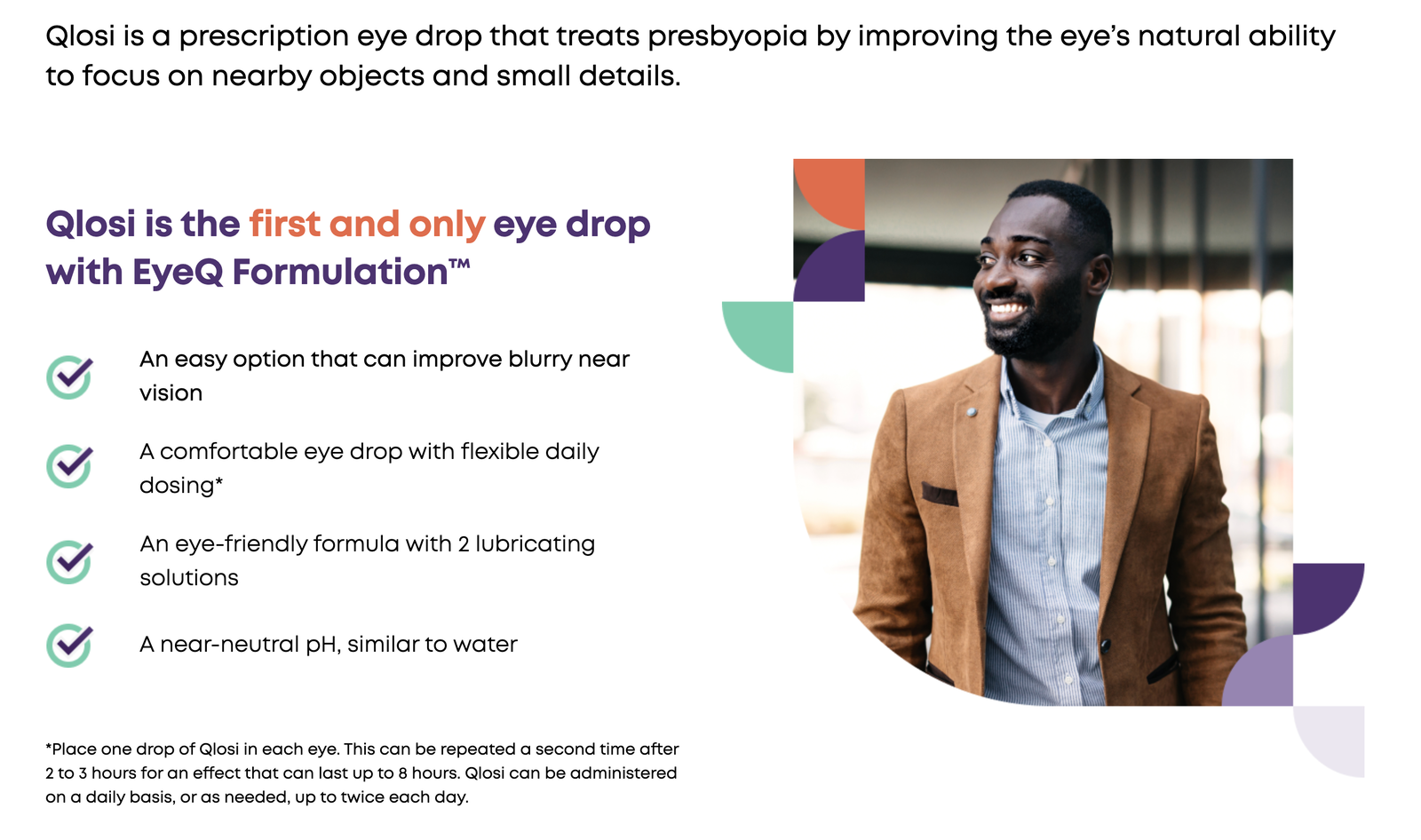
Presbyopia is the gradual loss of the eye’s ability to focus on nearby objects, a common part of aging that typically begins in the early to mid-40s and affects about 1.8 billion people worldwide. Qlosi is a prescription eye drop that helps improve near vision by making the pupil smaller, sharpening focus without significantly affecting distance vision. Many people notice results within 20 minutes and up to 8 hours of benefit per dose. I haven’t personally used it, but I thought it was fascinating and worth sharing as a modern alternative to reading glasses. qlosi.com.
humanOS Catalog Feature of the Week
How-to Guide for Smart Daily Light
We evolved in the presence of natural daily cycles of light and darkness. But the invention of artificial lighting means that we can now fully control when and how much light we’re exposed to, which has altered this relationship. Today, most of us spend the majority of the day indoors, under comparatively dim artificial lights. Then, after sundown, we are exposed to more bright light, and importantly more blue light due to our digital devices. Consequently, we are getting less bright light during the day and less darkness at night.
This is important because, as noted above, light sends crucial signals to the body, and the intensity and timing of this light matters for both your health and your daily performance. But fortunately, there is a lot you can do about it. In this guide, we discuss how you can achieve a pattern of natural light and darkness in the modern world by adjusting behavior, modifying your indoor spaces, configuring your devices, and more.
To Access:
- Login to humanOS
- See How-to Guides
- Click Smart Daily Light
Wishing you the best,

—