

Newsletter #387
This Week’s Research Highlights
When you crush a sprig of thyme or rub fresh oregano between your fingers, that burst of aroma comes from tiny molecules called terpenes.
They’re what make plants smell the way they do. Think of the sharpness of pine needles, the brightness of citrus peel, the calming scent of lavender. But could the smell of your herb garden actually promote better aging?
Scientists are beginning to think so.
A new paper zeroes in on two terpenes — thymol and carvacrol, found in thyme and oregano — and finds that they seem to also clear out out cellular damage to keep your system running more smoothly with age. Let’s take a closer look.
New Feature: Newsletter Summaries ✨
What Are Terpenes?
Terpenes are small, volatile molecules produced by plants as part of their defense and communication systems. They can deter pests, attract pollinators, or help plants withstand heat and drought. Over 30,000 have been identified so far, forming the largest class of natural products known.
When you smell a lemon, that’s limonene. Pine trees release pinene. Lavender’s calming scent comes from linalool. Thyme and oregano get their sharp, herbal notes from thymol and carvacrol. These terpenes don’t just act in the environment — they interact with our biology when we breathe them in, eat them, or apply them to our skin.
Many terpenes have anti-inflammatory, antioxidant, and antimicrobial properties. In plants, these traits protect against bacteria and fungi. In humans, they can activate stress-response pathways that promote resilience.
The Cellular Clean-Up Crew: Autophagy and Mitophagy
Inside every cell, proteins and organelles are constantly being damaged, used up, or replaced. To stay healthy, the cell must remove and recycle these worn-out components. This process is called autophagy (“self-eating”).
When autophagy targets mitochondria — the tiny energy factories inside cells — it’s called mitophagy. Mitochondria are vital but also fragile. Over time, they accumulate damage from stress and metabolism. If not cleared, dysfunctional mitochondria leak harmful molecules that accelerate aging and disease.
By cleaning out these faulty parts, autophagy and mitophagy keep the cell’s machinery running smoothly. Think of it like doing regular maintenance on your car: replace the bad parts, and it runs efficiently for longer.
How Thymol and Carvacrol Trigger Cellular Renewal
In the new study, scientists found that thymol and carvacrol — two isomers, meaning they share the same atoms arranged slightly differently — can activate these cellular renewal processes across multiple species, from worms to mice.
Here’s how it seems to work:
- These terpenes can insert themselves into cell membranes, including those of mitochondria.
- This causes a temporary mild disruption in mitochondrial function, similar to the stress of exercise or fasting.
- In response, the cell activates protective pathways, including PINK1-Parkin signaling, which identifies and removes damaged mitochondria.
- The end result is a cleaner, more efficient population of mitochondria and improved metabolic health.
This mild mitochondrial “stress” is known as mitohormesis — the idea that small, temporary challenges strengthen the system, much like lifting weights strengthens muscles.
Why This Matters for Health and Aging
Autophagy declines with age. As our cells lose the ability to clear damaged proteins and mitochondria, waste builds up, leading to inflammation, metabolic dysfunction, and disease. Drugs like metformin and natural compounds like resveratrol and curcumin have been studied for their ability to reawaken this system.
Now, thymol joins that list. In mice fed a high-fat diet, thymol reduced fat buildup in the liver — not by reducing calories or weight, but by improving how cells handled energy. In roundworms and aging mice, thymol preserved mobility and muscle function with age, and even lowered biological age markers in tissues.
The researchers suggest thymol acts as a caloric restriction mimetic, triggering some of the same longevity-promoting pathways as fasting or exercise — without needing to change diet or activity levels.
Nature’s Built-In Pharmacology
The study also makes a fascinating evolutionary point. Mitochondria evolved from ancient bacteria that once lived freely in the environment. So, when plant compounds like thymol — which evolved to disrupt bacterial membranes — interact with mitochondria, they can nudge these organelles in ways that activate protective cellular programs.
This might explain why many plant molecules that evolved for defense also benefit human health. Metformin, for instance, was inspired by a compound in French lilac that blocks mitochondrial energy production. Resveratrol, found in grapes, slows ATP synthesis. Thymol seems to do something similar — briefly disturbing mitochondrial function just enough to wake up the body’s built-in repair systems.
What This Means for You
You don’t need to run out and buy thymol supplements. These compounds already exist naturally in your kitchen herbs. Oregano and thyme essential oils contain high concentrations of thymol and carvacrol, and even small amounts in food may contribute to long-term benefits.
Diets rich in herbs, spices, and colorful plants — such as those eaten in Mediterranean or Okinawan populations — contain many such mitohormetic phytochemicals. These diets correlate strongly with healthy aging and longevity.
The idea isn’t that a single molecule is the key to youth, but that a diverse mix of plant bioactives constantly challenges our cells in gentle ways that build resilience over time.
Plants make terpenes to survive stress. When we eat those plants, we inherit some of their wisdom. Thymol and carvacrol — the aromatic heart of thyme and oregano — do more than flavor your food. They talk to your mitochondria, urging them to renew themselves, clear out the old, and prepare for another day of work.
Random Trivia & Weird News

Chemists at the University of Florida have uncovered a novel terpenoid (a previously unknown member of the terpene family) and, strikingly, a completely new enzyme family responsible for its biosynthesis.
Unlike many known terpenoids, which come from plants, this one has a framework rarely seen in nature and is biosynthesized in bacteria. The enzyme that creates it doesn’t resemble any previously characterized proteins, making it a unique outlier in known enzymology.
The team also repaired a gene that had lost its function in evolution; by restoring it, they resurrected enzymatic activity to produce ancestral terpene chemistry. Their work broadens not just the catalog of terpenes, but also how we think about the diverse tools nature uses to build them, and opens new paths for discovering bioactive molecules.
Podcasts We Loved This Week
- Derek Thompson: Why Money Doesn't Buy Happiness in America via Plain English.
- Barry Halliwell, PhD: Ergothioneine, the Most Promising Anti-Ageing Supplement? A Masterclass via Reason & Well-being
Products We Are Enjoying
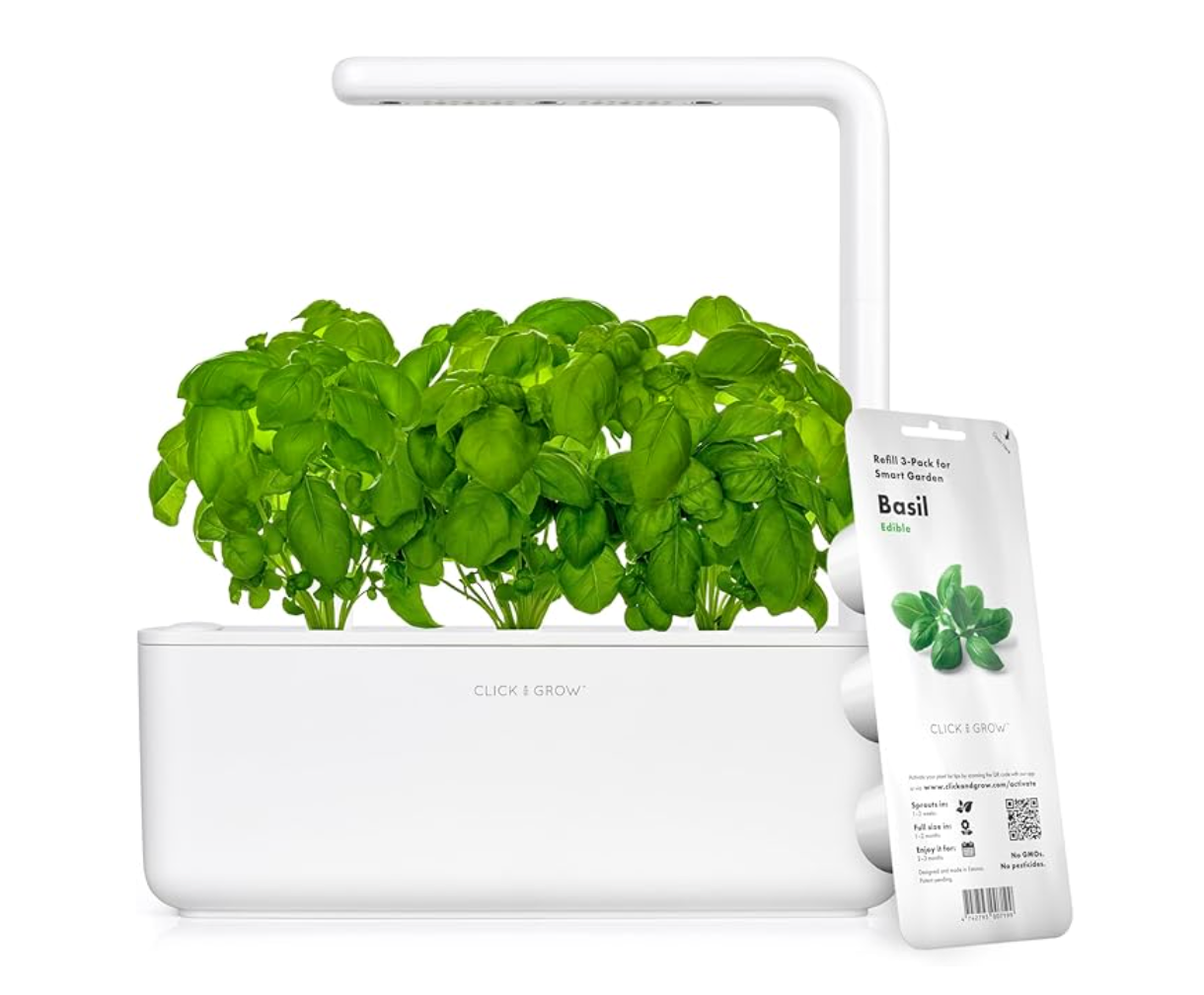
Click & Grow Indoor Herb Garden Kit with Grow Light
This indoor herb garden kit uses energy-efficient LED grow lights to help plants thrive indoors year-round, regardless of sunlight or weather. Its self-watering design means you just add the included pods, fill the reservoir, and plug it in. With over 50 seed options, it’s a low-effort way to enjoy fresh herbs, making your kitchen greener, tastier, and healthier.
humanOS Catalog Feature of the Week

The Mediterranean Diet Course
The Mediterranean Diet is more than a heart-healthy pattern. It’s a microbiome-supporting, inflammation-lowering, cell-rejuvenating way of eating.
In this course, you’ll learn how this dietary pattern:
- Feeds beneficial gut microbes and promotes anti-inflammatory metabolites
- Boosts memory and helps defend against cognitive decline
- Improves stress resilience and exercise performance — in as little as 4 days
- Supports cellular rejuvenation and extends healthy lifespan
Plus, we unpack the real science behind olive oil, fiber, polyphenols, as well as a little-known molecule called spermidine — and show you how to Mediterranean-ize any style of cooking.
To Access:
- Log in to humanOS.
- See Mini-Courses in navigation on the left-hand side
- Click Mediterranean Diet
Wishing you a healthy week,

—
Here’s a deeper look at that discovery of a new terpene and enzyme family:
Chemists at the University of Florida have uncovered a novel terpenoid (a previously unknown member of the terpene family) and—strikingly—a completely new enzyme family responsible for its biosynthesis.
Unlike many known terpenoids, which come from plants, this one has a framework rarely seen in nature and is biosynthesized in bacteria. The enzyme that creates it doesn’t resemble any previously characterized proteins, making it a unique outlier in known enzymology.
The team also repaired a gene that had lost its function in evolution; by restoring it, they resurrected enzymatic activity to produce ancestral terpene chemistry. Their work broadens not just the catalog of terpenes, but also how we think about the diverse tools nature uses to build them—and opens new paths for discovering bioactive molecules.