Newsletter #386
This Week’s Topic Highlight
People have been moving to rhythm long before written language. Ancient flutes carved from bird bones were paired with stamping feet around campfires. Cave paintings show figures mid-step, knees bent, arms raised, already dancing. Wherever archaeologists look, from the Arctic to the Amazon, they find evidence that humans weren’t just working to survive, they were gathering to move together. Now, we're increasingly appreciating that dancing might be an underutilized method of movement to support our health. Let’s Explore.
New Feature: Newsletter Summaries ✨
Dancing Doesn’t Make Sense!
Optimal foraging theory suggests that behaviors evolve when the energy gained outweighs the energy lost. Chasing an antelope makes sense: meat for the tribe. Digging tubers makes sense: starch for the fire. Dancing, on the other hand, burns fuel without feeding anyone. Thirty minutes of steady movement on a dance floor can use up 200 to 300 calories. In a world where every calorie mattered, this looks costly. So why did it last?
The answer has less to do with food and more to do with connection. Moving in rhythm strengthened bonds. It created trust and showed vitality. People who danced together cooperated better. Individuals who danced with skill and endurance looked healthier and more attractive. In other words, energy spent dancing was energy invested in belonging.
Your Brain on Beat
Modern research hints at why dance carried such weight. Learning a sequence of steps engages working memory. Switching between rhythms sharpens cognitive flexibility. Watching and imitating movements activates mirror neurons, helping brains sync up. Large cohort studies show something striking: older adults who dance regularly lower their risk of dementia more than those who stick to cycling, swimming, or walking. The complexity of rhythm plus movement may give the brain an extra layer of stimulation.
Older adults who dance regularly lower their risk of dementia more than those who stick to cycling, swimming, or walking.
Mood, Stress, and Belonging
Anyone who’s lost themselves in music knows the shift. You're in a social environment, but now it's just you and the music. The mind quiets and instead of “doing moves,” the music moves you. The movement happens without cognitive oversight. You’re feeling it.
Dancing reduces cortisol and increases endorphins, which explains that light, easy feeling that regular dancers seek. Yet the social side adds another valuable layer. Moving in sync with others — whether at a wedding, a nightclub, or a community gathering — creates what sociologists call “collective effervescence.” That’s a fancy way of saying you feel like part of something bigger. In evolutionary terms, that mattered as much as shelter. Isolation meant danger. Belonging meant safety.
The Body in Motion
Dance is also a disguised workout. Sustained sessions strengthen the heart and lungs. Twists and turns challenge balance. Quick shifts train stabilizing muscles and improve agility. Because it’s weight-bearing, dance helps maintain bone density, an overlooked benefit once people pass midlife. It also improves metabolic control, smoothing out blood sugar spikes. All of this happens while the mind thinks it’s playing. That might be the secret. People are more likely to keep up with an activity that feels like fun rather than obligation.
But dancings not a ‘real’ workout! See below.
How to Bring Dance into Daily Life
Most people think of dance as something special — a wedding, a party, a class. That mindset makes it harder to do regularly. A healthier approach is to see it as both social glue and personal practice.
- With others: Join a salsa night, take a swing class, or just let loose at the next party. Moving in sync adds an extra layer of joy you can’t get alone.
- On your own: Put on three favorite songs and move in your kitchen or living room. Ten minutes is enough to raise your pulse, shift your mood, and clear your head.
Neither approach is better. Dancing with others builds bonds; dancing alone lets you explore freely, without judgment. Both count.
Dance looks inefficient if you only count calories. But survival never depended solely on efficiency. It depended on belonging, vitality, and spirit. That’s why every culture danced, and why we still do. Today, science backs up what tradition always knew: dance strengthens the body, keeps the brain nimble, and restores energy.
So grab a friend and go to a class. Or shut the door, put on music, and move however you feel. Find styles that speaks to you. Either way, you’re not just exercising. You’re participating in one of humanity’s oldest health practices — one that has kept us alive, together, and joyful for millennia, and one that might just be exceptionally good for your brain.
Random Trivia & Weird News
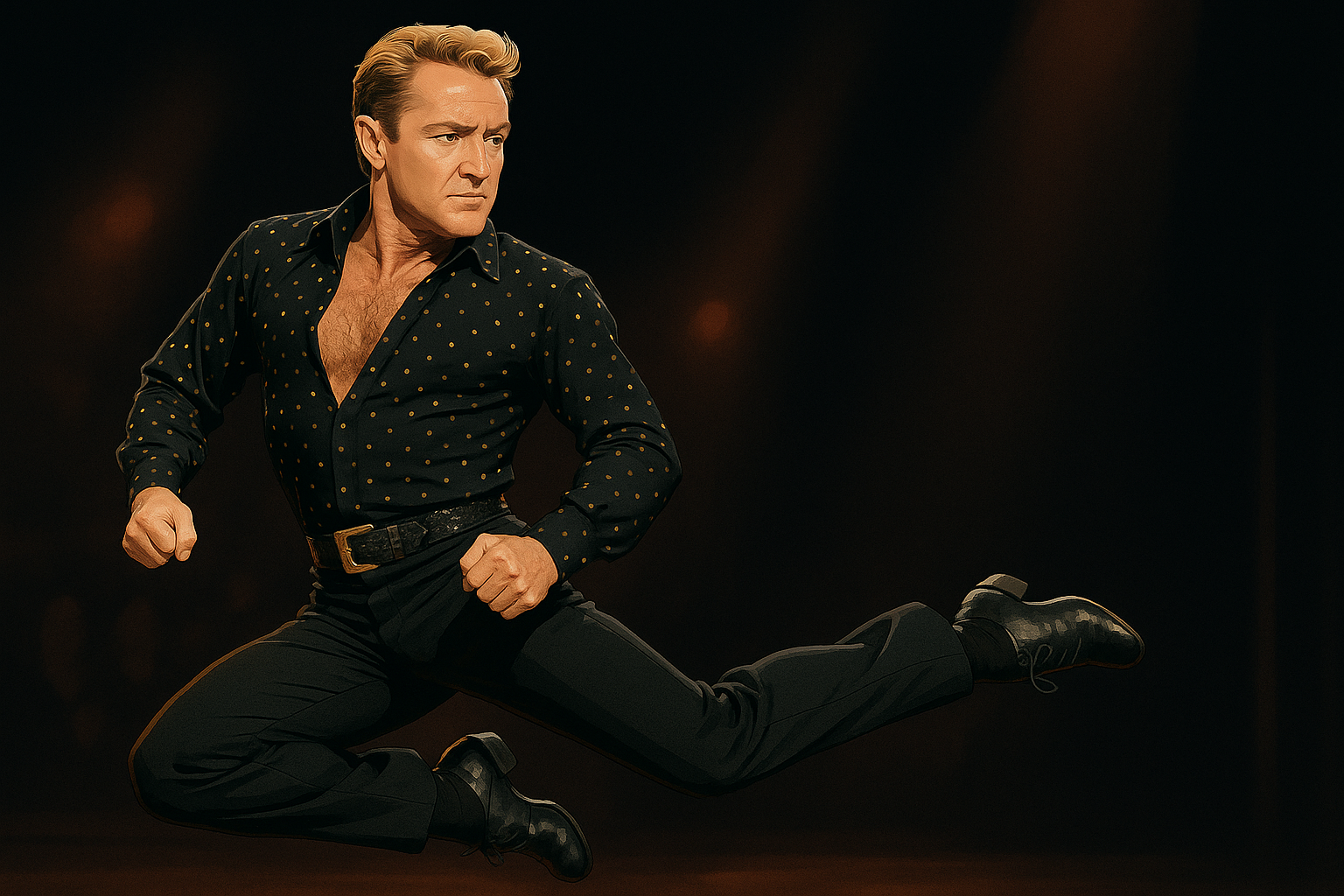
Michael Flatley, the charismatic force behind Riverdance and Lord of the Dance, didn’t just transform Irish step dancing into a global spectacle, he also turned it into an empire. At his peak in the late 1990s, Flatley reportedly pulled in $1.8 million every week, a staggering figure for a dancer. His legs, the engines of his fame, were insured for an eye-watering $44.7 million. That’s higher than many professional athletes. It’s a reminder of how performance, when fused with business savvy and cultural timing, can turn rhythmic footwork into fortune.
Podcasts We Loved This Week
- Greg Kelly, ND, Nick Bitz, and Lauren Alexander: Senolytics via Collective Insights Podcast
- Kevin Hall: What is wrong with America’s food? via Plain English with Derek Thompson
Products We Are Enjoying
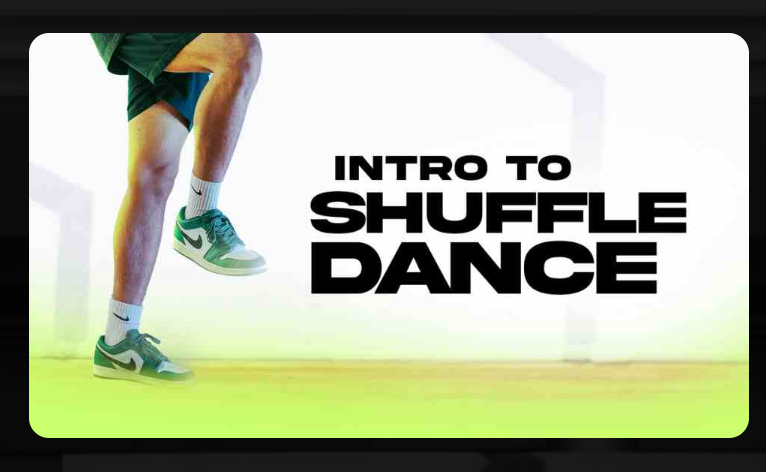
Shuffle Academy
A digital dance platform dedicated to teaching shuffle dance. It features a library of more than 200 step-by-step classes, tutorials, and choreographies designed to help beginners build a foundation and experienced dancers refine technique. The platform includes structured lessons, style breakdowns, and practice routines, along with challenges that keep learning engaging. Beyond pre-recorded content, Shuffle Academy also offers live Q&A sessions with instructors, creating an interactive experience. Accessible on desktop, tablet, and mobile, it provides a comprehensive way to learn and progress in shuffle dance at your own pace.
This is just one illustration of online dance instruction. There is so much out there. Go explore!
humanOS Catalog Feature of the Week
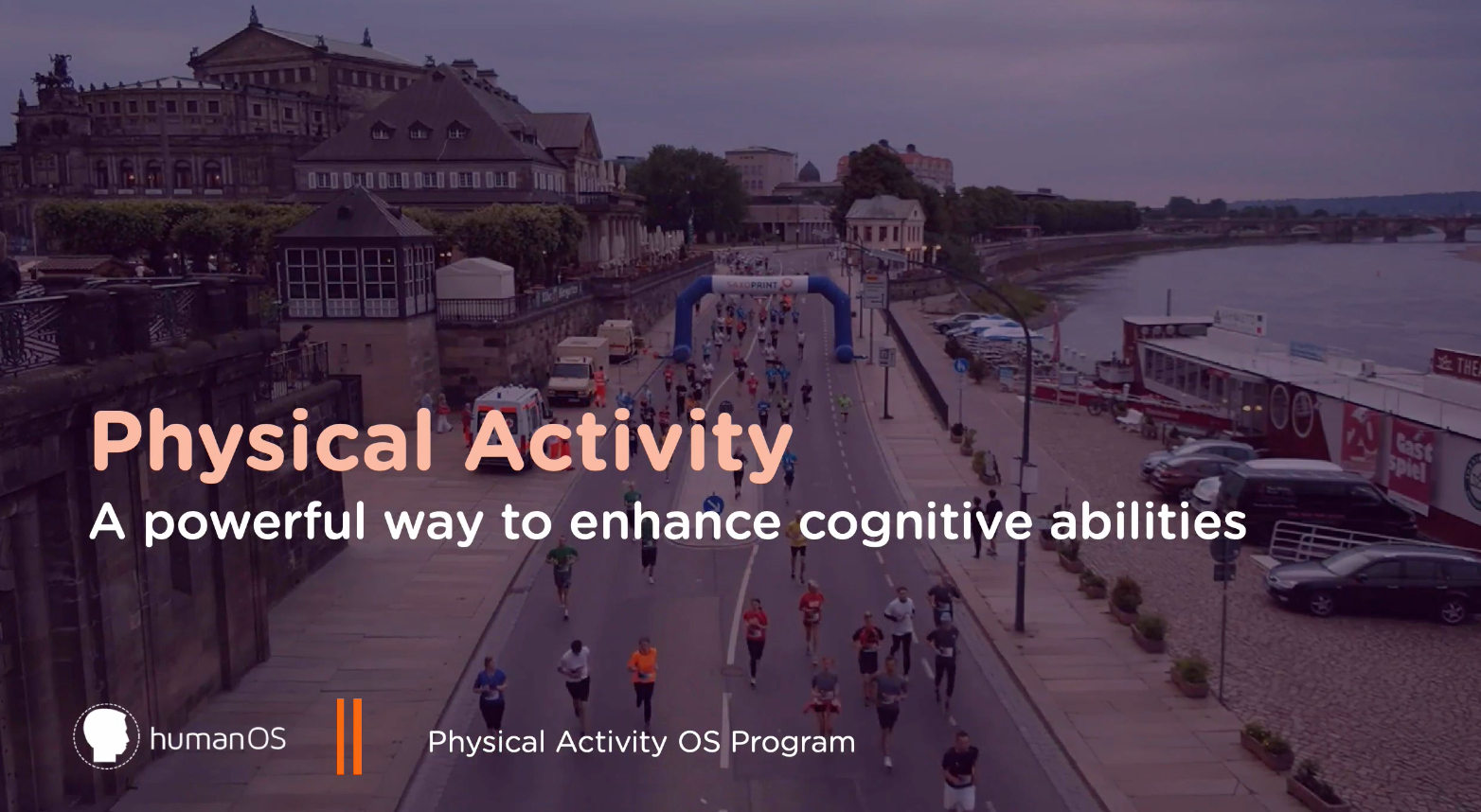
Daily Performance & Physical Activity
This course reveals how physical activity fuels brain performance—not just in the long run, but within minutes.
You’ll learn:
- How exercise builds mitochondrial powerhouses in your brain, not just your muscles
- Why high-intensity movement enhances focus and task-switching
- The role of BDNF in learning, memory, and mental adaptability
- How short movement breaks restore blood flow and sharpen thinking
Whether you're training for a new PR or trying to beat brain fog, this course shows how movement drives performance from the inside out.
To Access:
- Log in to humanOS.
- See Programs in navigation on the left-hand side
- Click Daily Performance Program.
- Scroll down to Daily Performance and Physical Activity.
Wishing you the best,