

Newsletter #385
This Week’s Topic Highlights
You’ve probably seen ads for red light therapy. Panels. Helmets. Promises about sharper focus, fewer wrinkles, faster recovery. It looks futuristic, maybe even silly. But it’s not just marketing. Below, we will show what the science has show about the subject. This newsletter is based on a podcast on this very subject from our friends Dr. Josh Turknett and Dr. Tommy Wood from Better Brain Fitness (this very episode is linked below under Podcasts we liked this week).
New Feature: Newsletter Summaries ✨
What Is Red Light Therapy?
Red light therapy uses light in the 600–1100 nanometer range. That’s both red and near-infrared light. At those wavelengths, light can pass through skin and reach tissue underneath. Some of it even gets through the skull into the brain.
The idea started by accident. In the 1960s, a Hungarian physicist named Endre Mester was testing lasers to shrink tumors. Instead, he noticed that the mice grew hair faster and healed quicker where the light hit. From there, people began testing it for wounds, pain, and inflammation. Later, NASA looked at it to slow bone and muscle loss in astronauts.
The key discovery was that light at these wavelengths interacts with mitochondria—the parts of cells that make energy.
How It Works
Inside mitochondria is an enzyme called cytochrome c oxidase, part of complex IV in the chain that produces ATP, the energy currency of the cell.
Red and near-infrared light are absorbed by this enzyme. When that happens, nitric oxide molecules that block energy production get kicked off. The result is that mitochondria make more ATP.
That boost in energy has wide effects:
- Better blood flow, since nitric oxide also relaxes blood vessels.
- Less oxidative stress and inflammation.
- More support for repair and plasticity in the brain.
And because the brain uses so much energy, anything that helps mitochondria work better could matter.
The Evidence So Far
Animal studies show strong results: more ATP, better blood flow, less inflammation, even new neuron growth. That’s why researchers began testing it in people.
Traumatic brain injury (TBI): The best human data comes from here. Small controlled trials show that weeks of red light therapy can improve memory, attention, and even mood after TBI. Devices usually deliver light at 810–850 nm through arrays held to the scalp.
Stroke: A huge international trial tried red light within 24 hours of a stroke. The results were negative. But many thought the trial was a long shot—too little time, too much damage already.
Healthy people: A 2021 trial gave healthy adults red light over the prefrontal cortex. Mitochondrial activity went up. Blood flow went up. The older the subject, the bigger the effect.
Another study in 2016 tested college students. One session of red light improved executive function and reaction speed. Exercise alone helped a little. But red light alone did more. Combining exercise and light didn’t work as well, maybe because both were pulling on similar pathways.
Other conditions: Trials are ongoing for Alzheimer’s, mild cognitive impairment, Parkinson’s disease, and depression. Results so far are small but encouraging.
The Limits
Light penetration is one big challenge. Only about 4% of 810 nm light makes it through the skull, and it reaches 2–4 cm into the brain. Lasers go deeper than LEDs, but most consumer devices use LEDs.
That means the therapy mainly hits the cortex—the outer layer of the brain. But that still matters, since the cortex is central to cognition and tightly connected to deeper brain regions. Improved blood flow and anti-inflammatory effects can also spread beyond where the light hits.
Another issue is wavelength and dose. Some studies find benefits at 810 nm, others at 1064 nm. Some setups use lasers, some use arrays. Exposure times vary. We don’t yet know the best recipe.
Why It’s Worth Watching
The appeal is simple: more energy for neurons. A tired brain is a vulnerable brain. Red light gives cells a push.
The strongest evidence is in traumatic brain injury and mood support. For healthy people, the case is still early but promising. And unlike many other brain interventions, this one is low risk. Side effects are rare.
There’s still a lot to figure out—wavelength, duration, how deep the light needs to go. But the idea that we can help the brain’s energy supply with something as basic as light is worth paying attention to.
Red light therapy isn’t magic. It won’t replace sleep, exercise, or nutrition. But it does tap into a simple truth: the brain lives or dies by its ability to make energy. And light, of all things, may help keep that system running stronger, for longer.
The key is mitochondria. Red light hits an enzyme called cytochrome c oxidase, which unblocks energy production. The result is more ATP, the energy every cell runs on. That boost supports blood flow, lowers inflammation, and helps repair.
Animal studies are strong. In humans, the best data is in traumatic brain injury, with improvements in memory, mood, and attention. Trials in healthy people show better blood flow, faster reaction times, and sharper executive function. Limits remain—light only penetrates a few centimeters and the best wavelength is still debated—but the approach looks safe, low-risk, and worth watching.
Random Trivia & Weird News
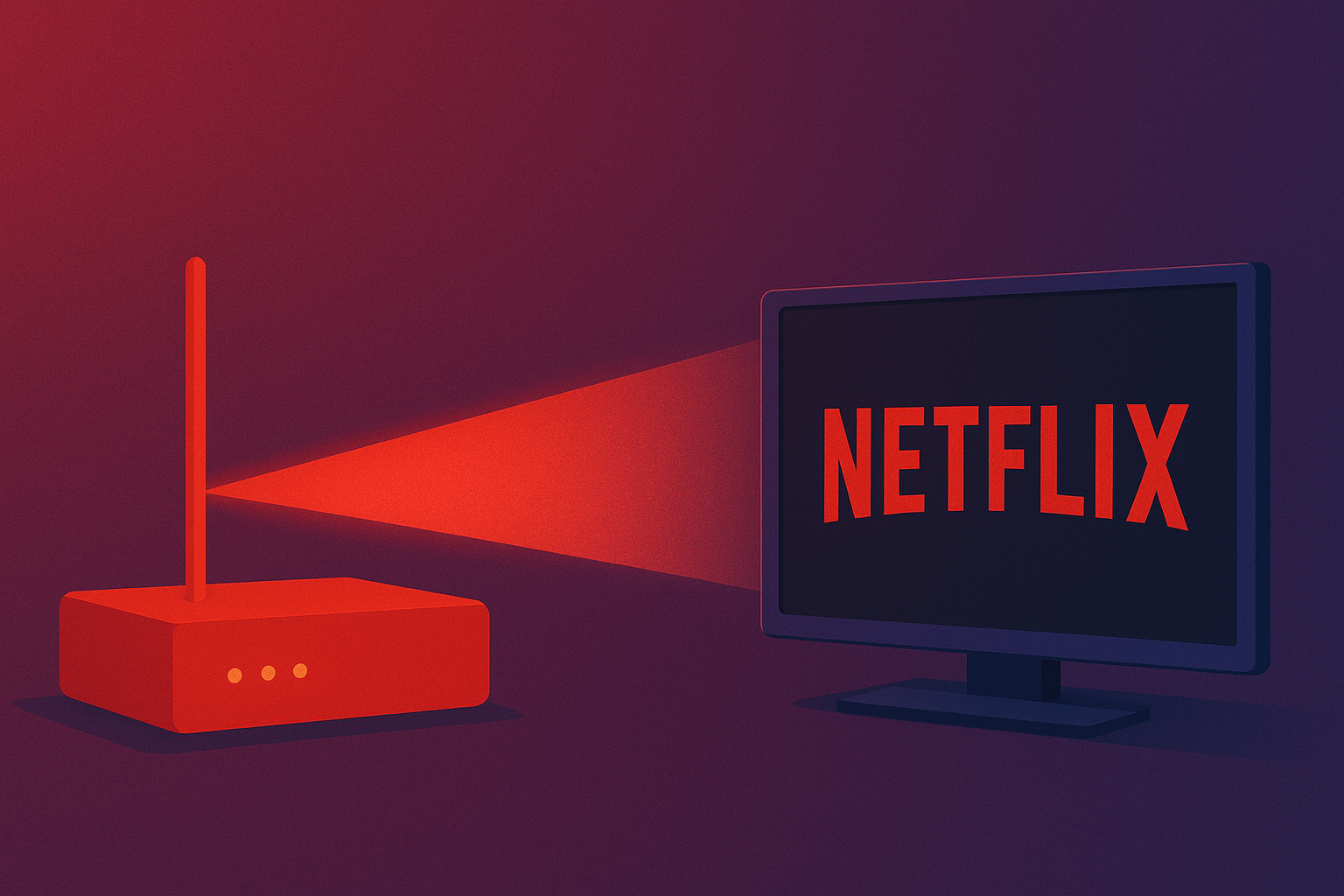
Imagine streaming two million Netflix shows at the same time, all through a single invisible beam. That’s what researchers in the Netherlands pulled off with infrared light. They used one thin, unseen ray to push data at a blistering 5.7 terabits per second. For comparison, that’s enough bandwidth for every person in a small country to binge their favorite series simultaneously. Red light’s invisible cousin, infrared, isn’t just about brain health, it might also carry your Wi-Fi signal in the future. (Story: TechRadar)
Podcasts We Loved This Week
- Dr. Josh Turknett and Dr. Tommy Wood: Does Red Light Therapy Boost Brain Health? via Better Brain Fitness
- Dr. Josh Turknett and Dr. Tommy Wood: Statins, Cholesterol, and Brain Health: Our Unfiltered Take. via Better Brain Fitness
Products We Like
Celliant Infrared Dream Pillow
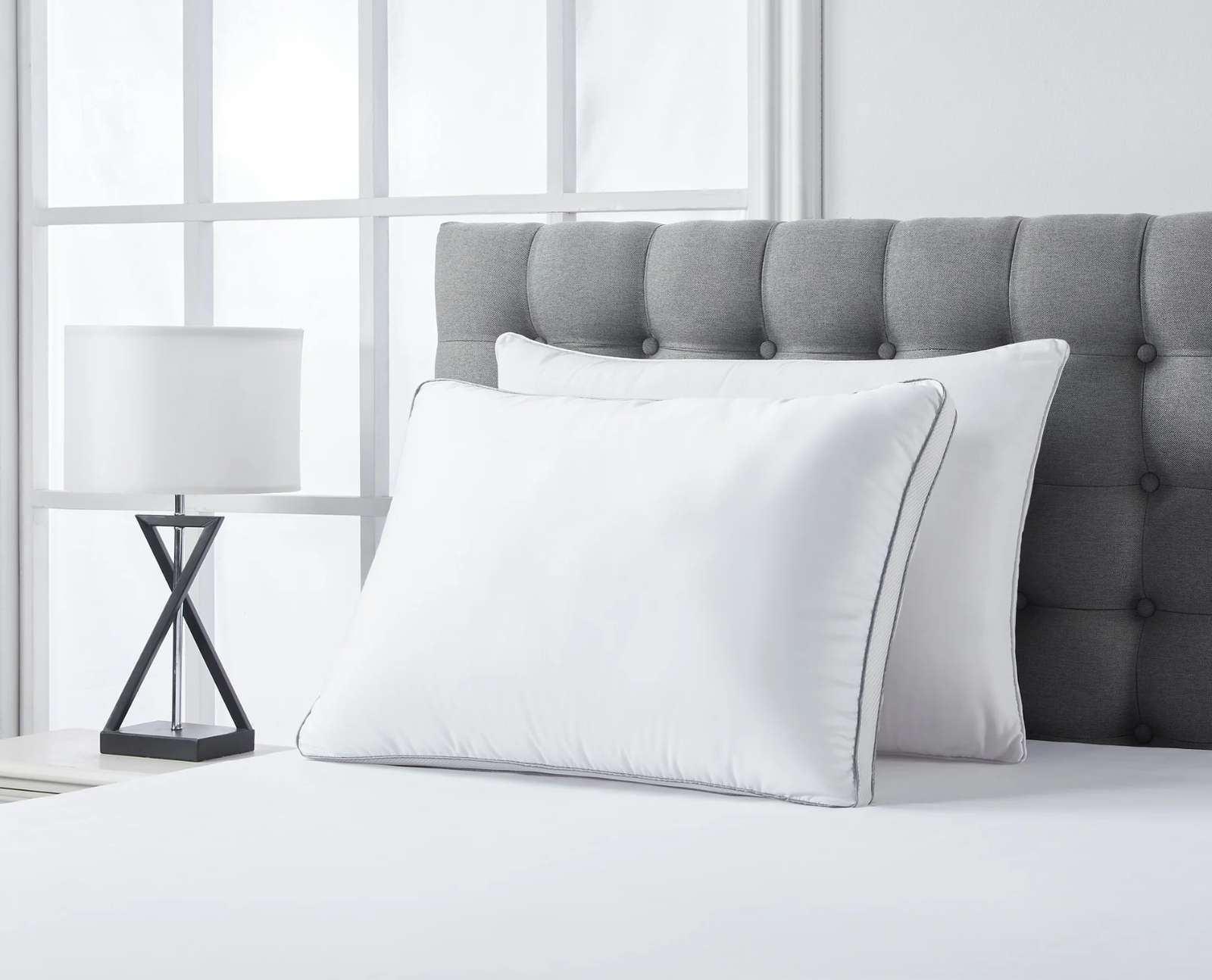
The Celliant Infrared Dream Pillow uses CELLIANT® technology, a fiber infused with natural minerals that convert body heat into full-spectrum infrared energy. This infrared energy is reflected back into the body, where it has been clinically shown to enhance circulation, increase oxygen delivery, and support cellular recovery during rest. Backed by 10 peer-reviewed clinical trials, CELLIANT fabrics are unique in transforming passive textiles into active wellness tools, turning every night’s sleep into a regenerative process.
humanOS Catalog Feature of the Week

How-to Guide for Smart Daily Light
We evolved in the presence of natural daily cycles of light and darkness. But the invention of artificial lighting means that we can now fully control when and how much light we’re exposed to, which has altered this relationship. Today, most of us spend the majority of the day indoors, under comparatively dim artificial lights. Then, after sundown, we are exposed to more bright light, and importantly more blue light due to our digital devices. Consequently, we are getting less bright light during the day and less darkness at night.
This is important because, as noted above, light sends crucial signals to the body, and the intensity and timing of this light matters for both your health and your daily performance. But fortunately, there is a lot you can do about it. In this guide, we discuss how you can achieve a pattern of natural light and darkness in the modern world by adjusting behavior, modifying your indoor spaces, configuring your devices, and more.
To Access:
- Login to humanOS
- See How-to Guides
- Click Smart Daily Light
Wishing you the best,
—