Newsletter #384
This Week’s Research Highlights
I know we covered sleep in the last newsletter, but this new study came out this week, and I just had to write about it. So, why do we get that heavy, irresistible pull toward sleep the longer we stay awake? Scientists call it “sleep pressure,” but the true source of that rising force has remained a mystery. For decades, theories have circled around chemical messengers, synaptic overload, and nightly clean-up jobs in the brain. But what if the real signal isn’t out in the noise of the whole brain, but buried in the tiny power plants inside a handful of neurons? A new study offers a remarkable clue.
New Feature: Newsletter Summaries ✨
When Electrons Get Ahead of Us
You know the feeling. It gets late. Your brain gets heavy. You want sleep. Scientists call that rising pull “sleep pressure.” We have ideas about why it builds. Adenosine from spent ATP. Synapses that need a nightly reset. Metabolic waste that needs clearing. Helpful, but vague. What is the meter in the brain actually measuring?
A new study points to a simple story. The brain’s sleep switch seems to listen to mitochondria. Not in every neuron. In a small set of sleep control cells that live in the brain and tell it when to go to sleep (Note: using fly brains but very likely applies to humans, too). The idea is straight forward. During a long day awake, electrons arrive in mitochondria faster than they are needed to make ATP. Supply races ahead of demand. When that happens, electrons spill and create tiny sparks of chemistry that mark stress. The sleep system notices, then puts you down for the night to fix it.
Here is how the team showed it. They took flies that had slept, and flies that were kept awake. Then they looked at single cells from the brain. They focused on the “sleep on” neurons that project to a region called the dorsal fan shaped body. 🪭 After sleep loss, only these neurons showed a surge in genes for the electron transport chain, ATP synthase, and the enzymes that feed them. At the same time, their mitochondria changed shape. They broke into smaller units, tagged pieces for recycling, and formed more contact points with the endoplasmic reticulum. After recovery sleep, those changes receded back toward normal. Other neurons , by the way, did not show this pattern.
As an analogy, think of mitochondria as a clean factory that turns nutrients into ATP. Electrons move down a series of complexes to finally meet up with oxygen. That movement pumps protons and builds a gradient. ATP synthase, a physical turbine, uses that gradient to make ATP. When work and supply are matched, most electrons complete the trip cleanly. When ATP demand is low but fuel is still flowing, electrons back up. Some jump off the line early and form reactive oxygen species. A little of that is normal. Too much means trouble. 🥱
The sleep control neurons are especially sensitive to this mismatch. During waking, arousal chemicals counteract them. Quiet cells, however, use less ATP. That lowers demand at the end of the electron line even as supply stays high. ATP levels inside the cells go up. The coenzyme Q pool becomes crowded with electrons, electron leaking rises, and certain membrane lipids get oxidized. A channel protein on these sleep-inducing neurons can “read” that chemistry and convert it into an electrical nudge toward sleep.
To test their hypothesis, the researchers added an “overflow valve” to the mitochondria in these sleep neurons. It lets extra electrons skip the normal route and go safely to oxygen. With that outlet in place, sleep pressure dropped. They also tried the opposite. They drove ATP production with a research technique designed to stimulate neurons, which made electron flow less necessary. That pushed the mismatch in the other direction and sleep arrived faster. They even changed mitochondrial shape directly. Forcing mitochondrial fragmentation made flies sleep less and blunt their rebound after deprivation. Forcing fusion did the reverse and raised the threshold for waking.
Here is a quick summary for your review:
- When electrons outpace ATP demand, electron leaking increases.
- Leaking leaves chemical fingerprints on lipids and redox molecules.
- The sleep switch reads those signals in specific neurons.
- Sleep lets mitochondria fuse, clear damage, and reset gene programs.
This updated picture does not erase older ideas. Adenosine still matters. Synapses likely still scale during sleep. The glymphatic system still clears byproducts at night. These may be the repair crew. Mitochondrial mismatch looks like the foreman who calls them in.
For readers who like mechanisms, the study ties behavior to the basics. When the team increased uncoupling proteins in these neurons, electrons were used up even without extra ATP creation. Sleep need went down. When they added the overflow enzyme, the system vented pressure. Sleep need went down. When they powered the gradient with a research technique that uses light to modify neuron activity, electrons built up, and sleep need went up. Electrophysiology lined up with all of this. Neurons with fragmented mitochondria fired less. Neurons with fused mitochondria fired more and produced the burst patterns linked to sleep onset.
What does this mean for us? It gives sleep pressure a physical anchor. Electron build up also hints at why poor timing feels bad. If you eat late and stay wired, you may push supply while demand is down in these cells. The mismatch grows. The next day you feel off until you reset.
The larger lesson seems clear: Sleep is not just a choice. It is a reaction to the basic accounting problem in aerobic life. Electrons must move. ATP must be made and used. When they get out of balance in the cells that call the shots, your brain does the simple, healthy thing. It turns the lights out so the factory can catch up.
Random Trivia & Weird News
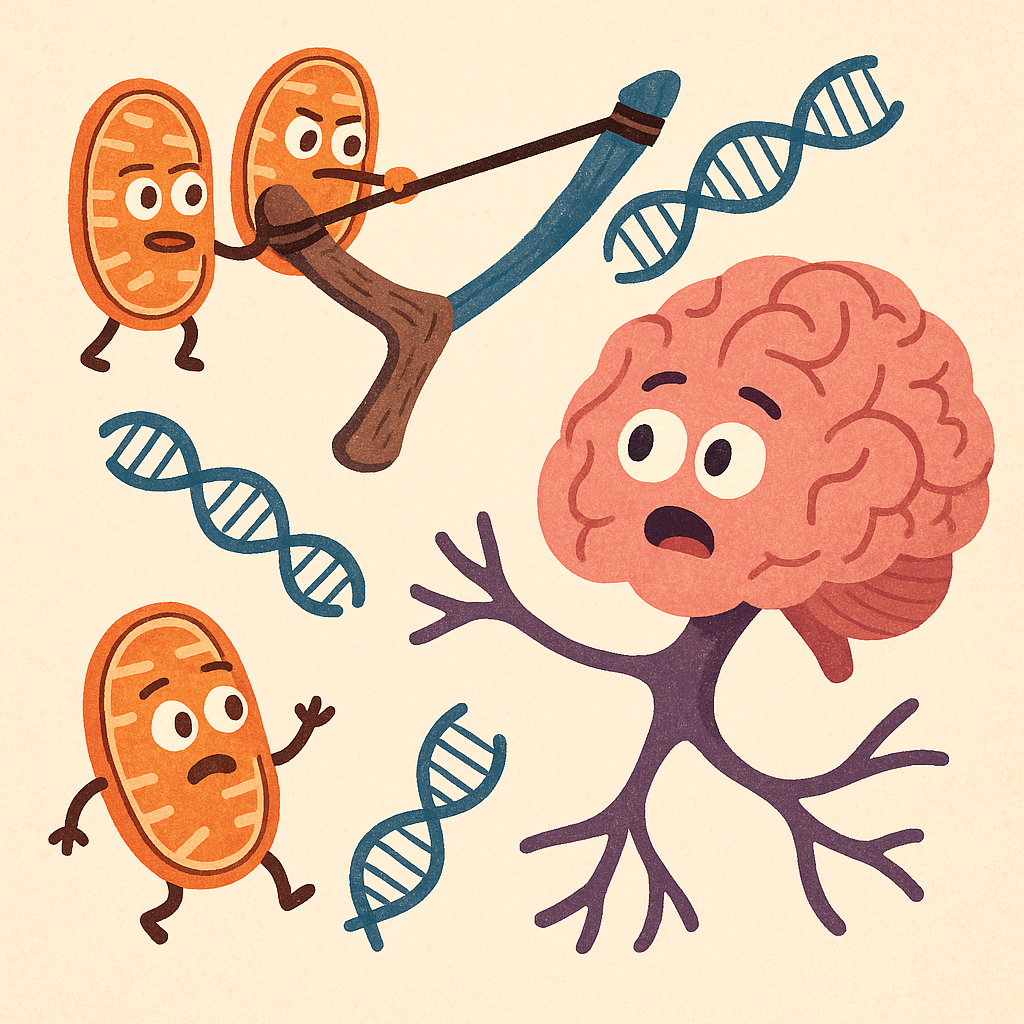
Mitochondria flinging their DNA into our brain cells
Turns out, mitochondria don’t just quietly live inside our cells—they occasionally shoot bits of their DNA into the nucleus. These insertions (called NUMTs) once thought relics of ancient evolution are happening throughout our lives—especially in brain cells. In a study of 1,200 brains, people with more of these insertions tended to die earlier than those with fewer. (Source: SciTechDaily)
Podcasts We Loved This Week
- Derek Thompson: If GLP-1 Drugs Are Good for Everything, Should We All Be on Them? via Plain English
- Dr. Josh Turknett and Dr. Tommy Wood: Your Brain on Caffeine: The REAL story. via Better Brain Fitness
Products We Are Enjoying
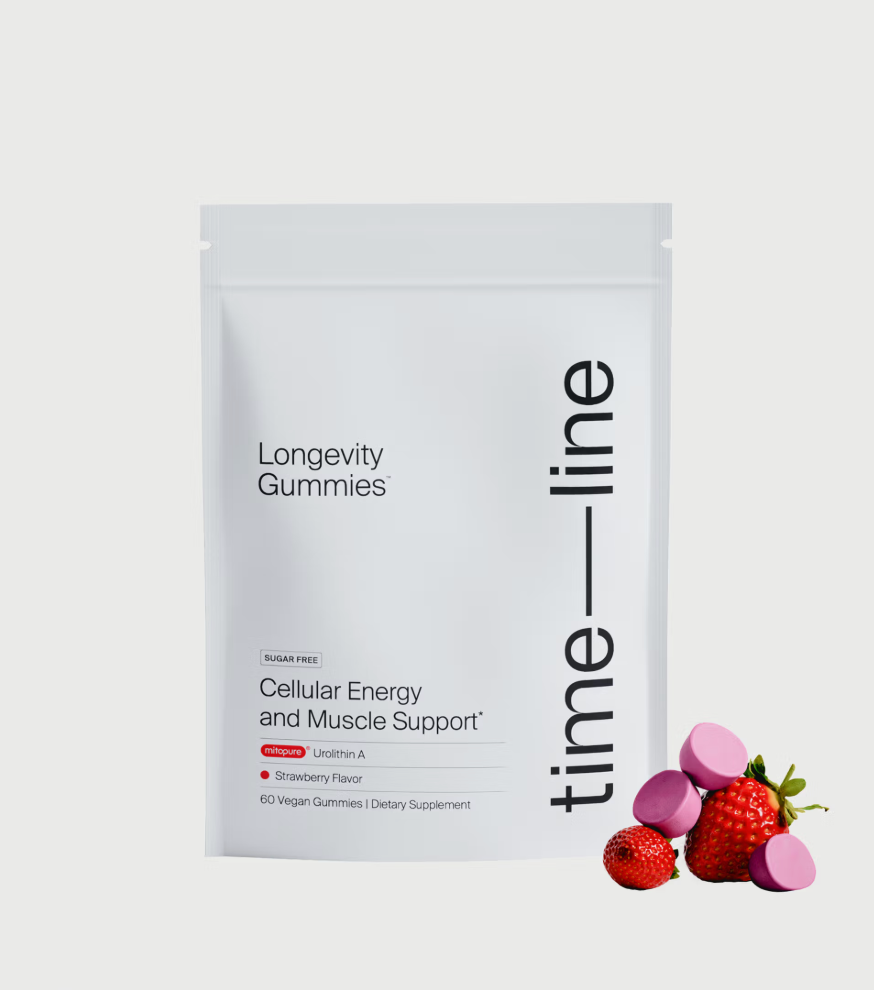
Mitopure® Gummies
Mitopure® Gummies deliver Urolithin A, a compound shown in clinical trials to support mitochondrial renewal (mitophagy) and boost energy and muscle strength. Two gummies supply 500 mg of Mitopure — enough to trigger gene programs that improve mitochondrial health. They’re vegan, sugar-free, non-GMO, and free from common allergens. 
humanOS Catalog Feature of the Week
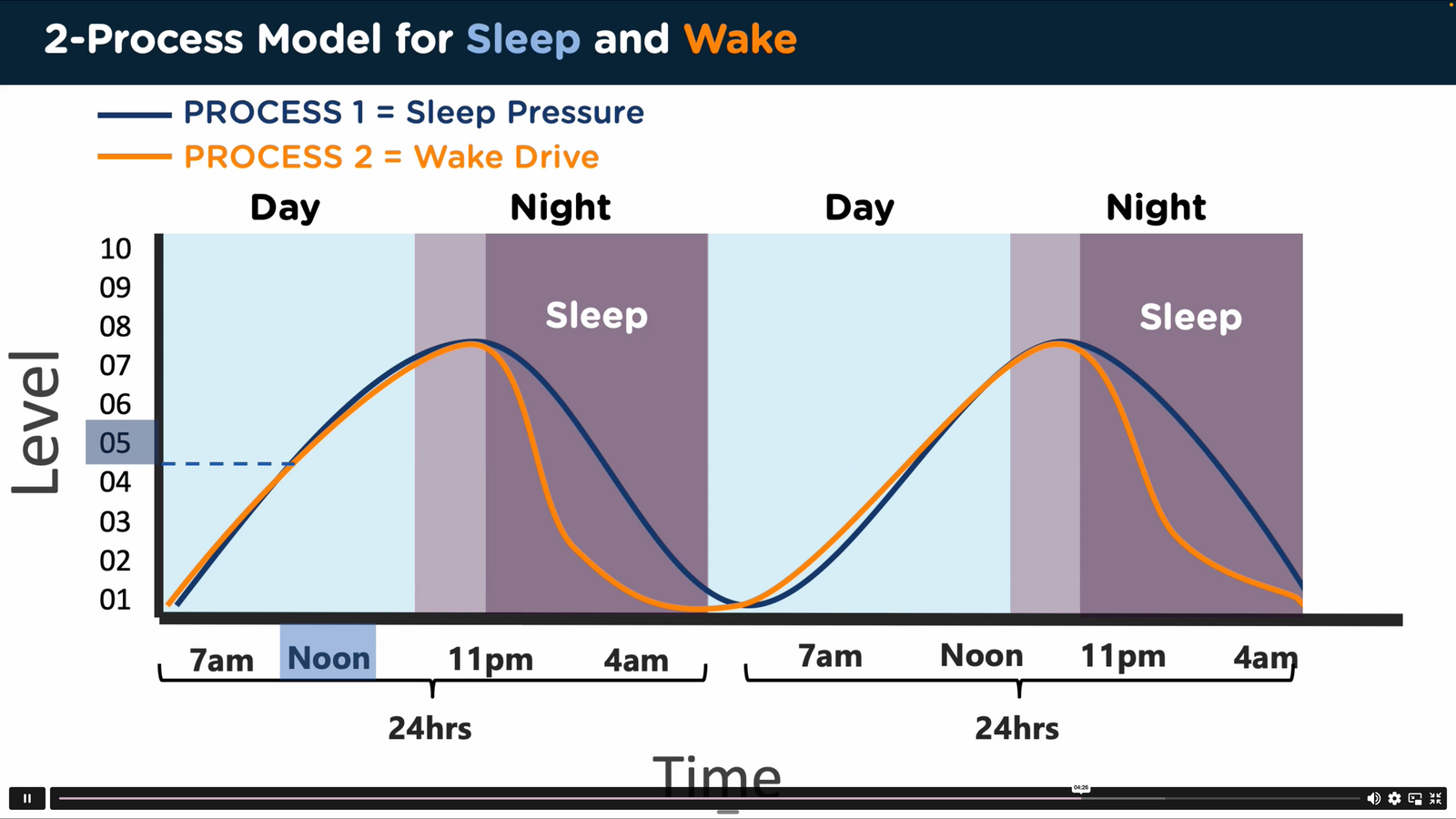
Lesson 3 - Process Model (in the Optimizing Sleep Course)
Why do we sometimes feel wide awake late at night yet groggy all day? How does light shape the very rhythm of our energy? Could your daily lighting choices be sabotaging your sleep pressure and wake drive? What if understanding these forces unlocked consistently great sleep?
To access this information, log in, go to the site navigation, find courses, find "Optimizing Sleep" and go to lesson 3.
To Access:
- Login to humanOS
- See Courses
- Click Optimizing Sleep
- Scroll down to Lesson 3 - Process Model
Wishing you the best,