

Newsletter #382
This Week’s Topic Highlights
What if weight-loss drugs could do more than slim the waistline? Could some protect the heart? Can others build muscle and bone while fighting fat? This week we explore answers to those questions and more.
New Feature: Newsletter Summaries ✨
Weight-Loss Drug Shown to Reduce Risk of Heart Attack and Stroke
Novo Nordisk has released new real-world data showing that Wegovy® (semaglutide 2.4 mg) may offer stronger cardiovascular protection than its main competitor, tirzepatide. Results from the STEER study, presented at the European Society of Cardiology Congress 2025, tracked more than 21,000 adults with obesity and established cardiovascular disease but no diabetes. Researchers found that people treated with Wegovy had a 57% lower risk of heart attack, stroke, or death compared to those on tirzepatide when treatment was continuous, and a 29% lower risk even when accounting for treatment gaps.
These findings reinforce earlier evidence that semaglutide’s cardiovascular benefits may be unique to this molecule, rather than a general feature of the GLP-1 or GIP/GLP-1 drug classes. While both Wegovy and tirzepatide help with weight loss, the added protection against major cardiovascular events could make Wegovy a preferred option for people with obesity and heart disease.
It’s worth noting that Wegovy carries a boxed warning for thyroid tumors (from rodent studies, not from human evidence) and has common side effects such as nausea and gastrointestinal discomfort. Still, the results highlight the broader potential of weight-loss drugs to not only manage obesity but also directly reduce life-threatening cardiovascular risks.
A New Oral Weight Loss Pill
A new obesity drug is moving closer to approval, and this one comes as a pill. Eli Lilly just released late-stage trial results for orforglipron, an oral GLP-1 medication. In the 72-week ATTAIN-2 study, more than 1,600 people who were overweight or had type 2 diabetes took the drug once daily. On average, those on the highest dose lost about 10% of their body weight, compared to only 2.5% in the placebo group. They also saw better blood sugar control.
Side effects were mostly gastrointestinal—diarrhea, vomiting, and constipation—especially at higher doses. About 10% of participants stopped treatment due to these issues. Still, overall safety looked similar to existing GLP-1 drugs like semaglutide (Ozempic/Wegovy).
If approved, orforglipron would be the first next-generation GLP-1 pill designed for weight loss, joining Novo Nordisk’s oral semaglutide (Rybelsus, currently approved only for diabetes). While results suggest it may be slightly less effective than injectable versions, the convenience of a daily pill could make it attractive to many people. Eli Lilly plans to file for FDA approval soon, with a decision expected next year.
Also note, pills are easier to manufacture and distribute, which may reduce shortages, and they could make treatment more accessible to people hesitant about needles. Even if it’s a bit less effective than the strongest injectables, the convenience factor could drive much broader adoption.
This marks another step in the rapid expansion of obesity treatments, with more oral options likely arriving in the near future.
Bimagrumab Builds Muscle and Bone, Offering a New Path for Targeting Obesity and Aging
A new line of research highlights a very different approach to treating obesity and age related decline, one that builds rather than reduces muscle. Bimagrumab is a monoclonal antibody that blocks two activin receptors (ActRIIA and ActRIIB) involved in the myostatin pathway, a system that normally restrains muscle growth. By shutting down this brake, bimagrumab stimulates muscle hypertrophy and, as new mouse data show, also boosts bone density. In healthy mice, muscle mass rose by more than 20 percent, and bone volume increased by over 60 percent. Even in models of sarcopenia (muscle loss) and osteopenia (bone loss), the drug restored both muscle and bone structure.
Why does this matter for obesity? Current GLP1 drugs, like semaglutide and tirzepatide, drive weight loss but also strip away lean muscle along with fat. That can be a problem for long term metabolic health. Bimagrumab, by contrast, may counteract muscle loss while still supporting fat reduction, potentially making it complementary to GLP1 therapy.
Beyond weight management, this strategy directly addresses aging biology, where sarcopenia and osteoporosis are major drivers of frailty and disability. A drug that preserves or rebuilds both tissue types could also play a role in extending healthspan.
Random Trivia & Weird News
Gila Monster Medication
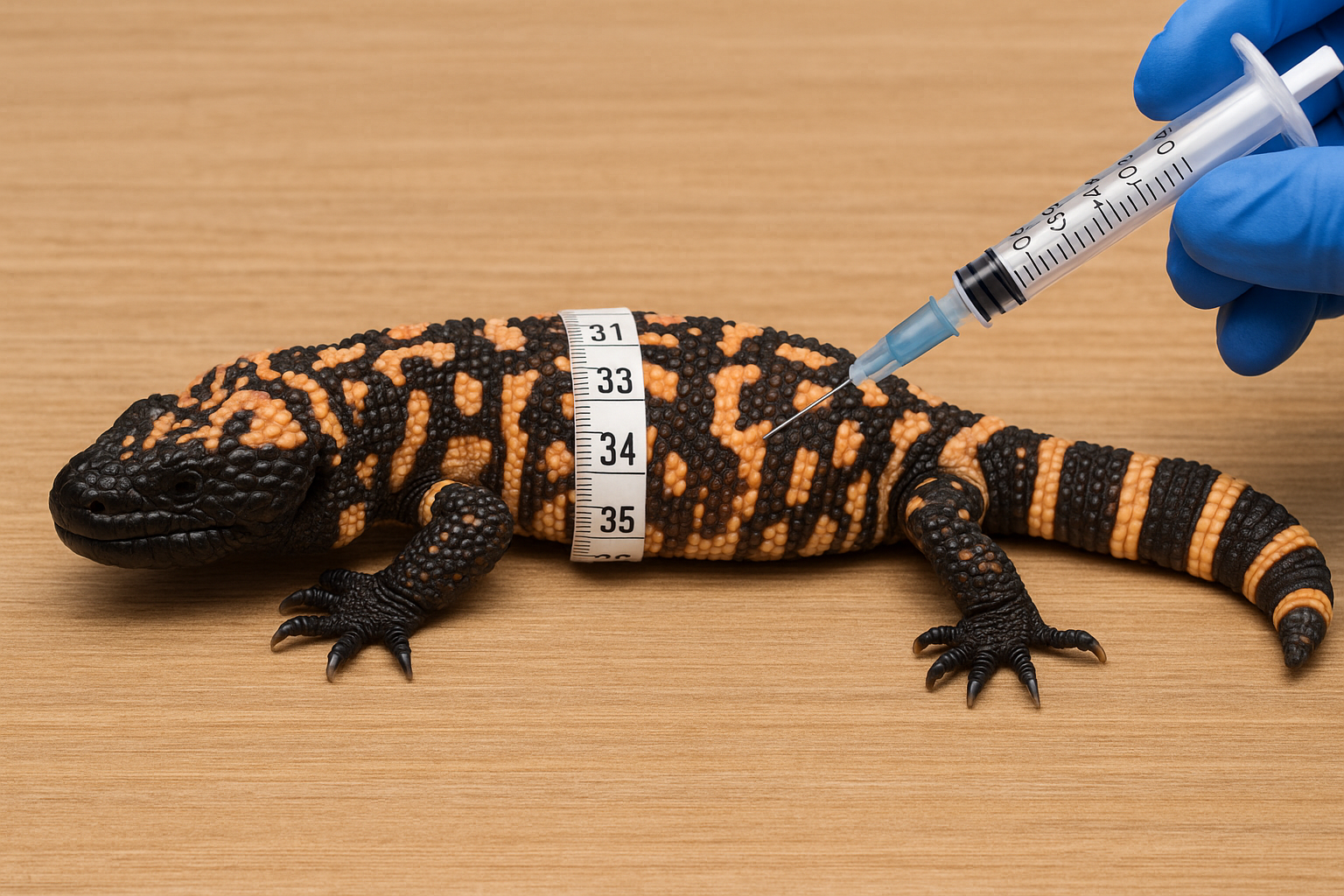
Ai Image: This Gila monster is definitely hitting his swimsuit goals for summer.
Today’s blockbuster weight loss drugs trace back to the bite of a Gila monster. This desert lizard’s saliva contains a compound called exendin-4, which mimics a natural human hormone that regulates blood sugar and appetite. Scientists studying it in the 1990s realized it could be developed into a drug, leading to the first GLP1 therapy, exenatide. That discovery opened the door to modern GLP1 drugs like semaglutide and tirzepatide, now transforming obesity treatment worldwide—all thanks to a venomous reptile’s spit.
Podcasts We Loved This Week
- Stephan Guyenet, PhD: The Neuroscience of Weight Loss via Collective Insights.
- Ai Host on NotebookLM 🤯: Retatrutide: Understanding Its Mechanism, Research, and Best Practices. via Infinity Health And Wellness Consulting
Products We Are Enjoying
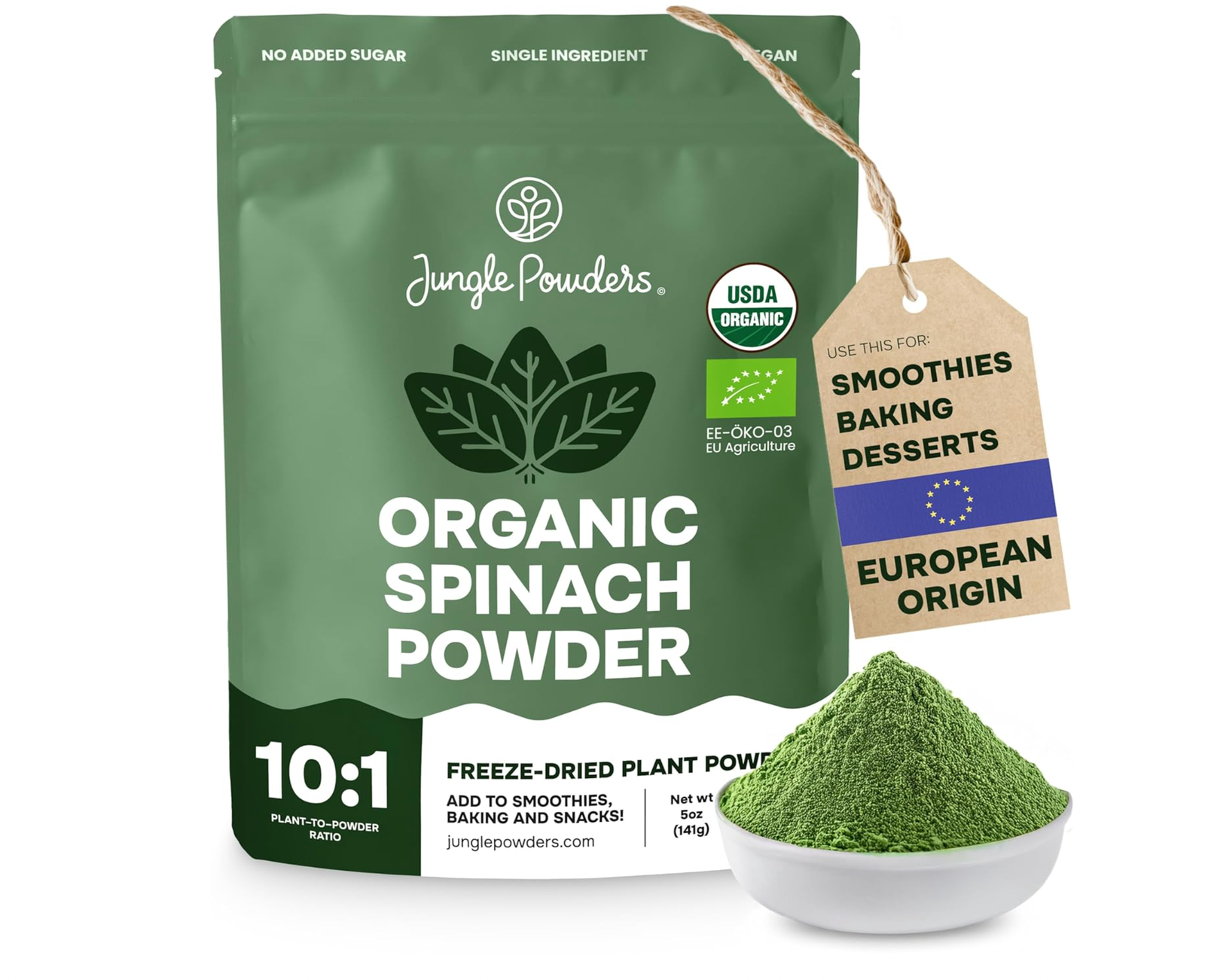
Organic Spinach Powder
Thylakoid-rich spinach powder (often branded as Appethyl), has been studied for its appetite-regulating effects. Clinical trials consistently used a dose of around 5 grams per day, either as a single sachet before a meal or as daily supplementation over weeks to months. In acute studies, a single 5 g dose before breakfast reduced hunger by about 20%, increased satiety, and lowered cravings for salty, sweet, and fatty foods by up to 38%. Longer interventions showed stronger outcomes: in a 90-day trial, overweight women taking 5 g daily lost about 40% more weight than placebo and reported dramatic reductions in cravings for sweets and chocolate. A 12-week trial in obese women with PCOS also found significant reductions in weight, waist circumference, and fat mass with 5 g daily plus diet. These effects are thought to arise from delayed fat digestion and increased satiety hormone activity.
humanOS Catalog Feature of the Week
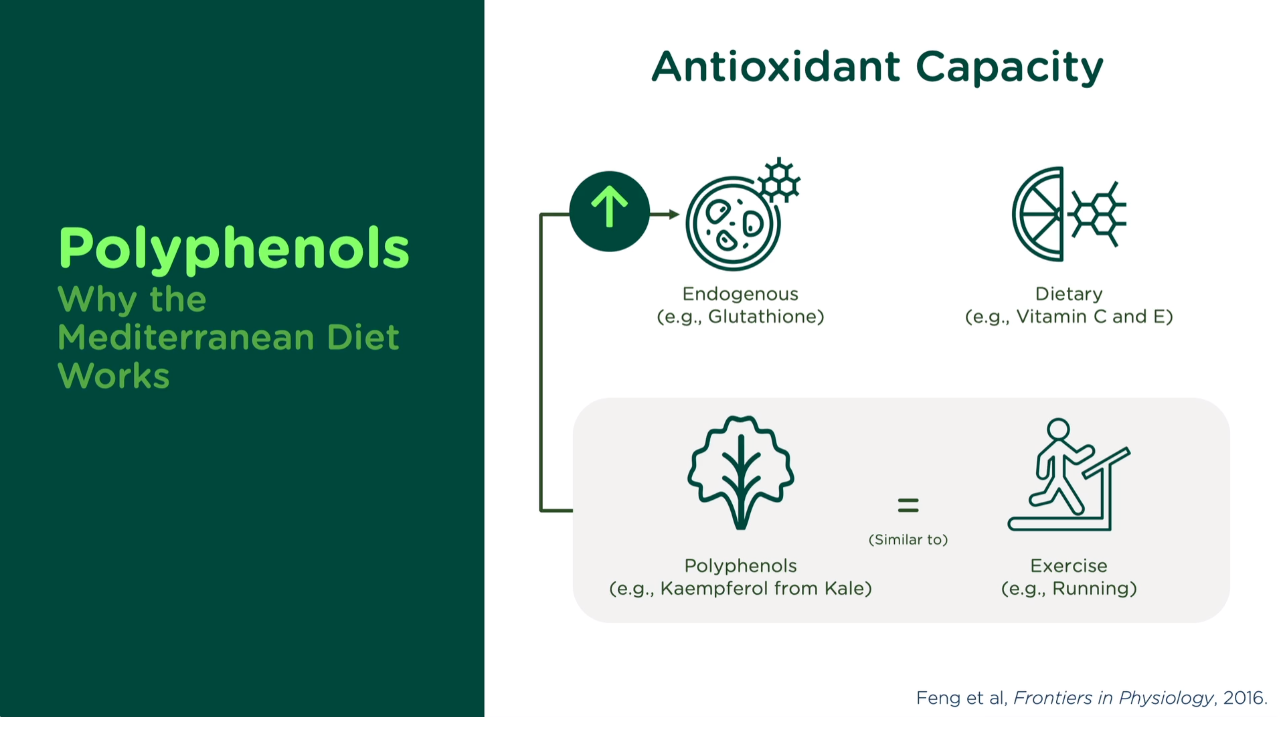
Lesson on Polyphenols from The Mediterranean Diet Course
This week, we'd like to highlight another lesson from our new-and-improved Mediterranean Diet course. Some of the health benefits that we see in Mediterranean diet are likely due to the high concentrations of polyphenols. In this short lesson, we dig a bit into the molecular mechanisms through which polyphenols in the diet can improve health. They are often characterized as antioxidants, but that doesn’t tell the whole story, since the way they work is a little different from typical dietary antioxidants (like vitamin C or vitamin E).
To Access:
- Log in to humanOS.
- See Courses in navigation on the left-hand side
- Click Mediterranean Diet
- Find lesson 8 - Polyphenols.
Also, you can search “Mediterranean Diet” in the search field after you’ve logged in.
Wishing you the best,

—