Newsletter #379
Most of us think we know the story. Sun exposure is risky but vitamin D is the reward. Is that the whole story? This week we explore the surprising science of sunlight and how it affects your health in ways you might not expect (this is not comprehensive, by the way). It influences everything from your immune system to maybe even how quickly you age on the inside, but it requires discipline to get it right, and the right amount for you is a moving target. But what if you could use technology to track your sun exposure? 🧐
Let’s take a look.
New Feature: Newsletter Summaries ✨
Sunlight - Vitamin D Production
Unlike most vitamins, your body can actually make vitamin D—if you get enough sunlight. When UVB rays hit bare skin, they trigger a reaction that produces vitamin D3. From there, it gets converted by the liver into 25-hydroxyvitamin D (25[OH]D), which is what shows up on blood tests. Then, a final transformation happens mostly in the kidneys, turning it into 1,25-dihydroxyvitamin D—the active form, which works more like a hormone than a typical vitamin.
How much vitamin D you make depends on your skin tone, how much skin is exposed, your body fat levels, and whether you’re wearing sunscreen or clothes that block UVB. A fair-skinned person in a bathing suit can make up to 50,000 IU in just 30 minutes of summer sun. Tanned (make 20,000–30,000 IU) and darker skin (make 8,000–10,000 IU) people makes less in the same time, because melanin blocks UVB.
Once activated, vitamin D helps your body absorb calcium and phosphorus from food and keeps calcium levels in a healthy range. That’s essential for strong bones, but it also supports muscle function and nerve signaling. Low levels can lead to bone-softening conditions like rickets in kids and osteomalacia in adults, and it can make osteoporosis worse. It’s a hormone your whole body depends on.
In fact, in the recent trial, call the VITAL trial, people who took 2,000 IU of vitamin D₃ daily for four years had less telomere shortening in their white blood cells suggesting a slower rate of biological aging. Telomeres act like caps on our DNA and tend to shorten as we age. That sounds promising, but telomere length in white blood cells isn’t considered the most reliable marker of biological age. It can fluctuate and doesn’t always reflect what’s happening across the whole body. Still, this adds to growing interest in vitamin D’s broader impact on health and longevity, and it’s a sign that more research is worth doing on this specific topic.
Sunlight - Cancer: Cause, Protection, or Both?
We’ve known for over a century that too much sun can increase skin cancer risk. By the 1930s, public health officials were already urging people to limit midday sun and wear protective clothing. Over time, the evidence mounted that UV radiation, especially UVB, is a main culprit behind the world’s most common cancers — basal cell and squamous cell carcinomas. That’s why countries like Australia launched massive sun protection campaigns like Slip-Slop-Slap, which helped bring skin cancer rates down.
But, in reality, this relationship between sun exposure and cancer is more complicated. I even discussed this very thing in a 2019 talk at UC San Diego for the Ancestral Health Symposium. While too much UVB raises skin cancer risk, too little may increase the risk of dying from other cancers. For instance, people living farther from the equator who get less UVB have higher rates of breast, prostate, colon, and other cancers. In one study, supplementing with vitamin D3 and calcium reduced cancer incidence by up to 77% in older women. That’s terrific but one conclusion I came to in my own talk is that the benefits of sunshine cannot be boiled down to increased vitamin D production; other factors are at play. And intriguingly, higher sun exposure after a melanoma diagnosis may improve survival.
So yes, UV rays can damage DNA but they also stimulate other pathways that protect and support our health. Importantly, these include but are not limited to vitamin D synthesis. As a familiar example, consider last week’s newsletter where we discussed some health benefits of red and infrared light. The sun has always been the primary source of that light spectrum. 🔴
Sunlight - Other Health Links
Sunshine influences more than just bone health. It also has powerful affects on the immune system. People who live farther from the equator, where sunlight is weaker, have higher rates of autoimmune diseases like multiple sclerosis and type 1 diabetes. In Finland, children who got more sun exposure (or vitamin D) early in life had significantly lower rates of type 1 diabetes. Sunlight may also help the body fight infections and reduce inflammation. Conditions like rheumatoid arthritis and seasonal respiratory illnesses often flare in the winter months, when sun exposure is lowest.
Sunlight also appears to help regulate blood sugar and blood pressure. One study found that people with high blood pressure who used full-spectrum UVB tanning beds saw their levels drop into the normal range. Those who used UVA-only tanning beds saw no benefit in vitamin D levels or blood pressure. Just to be clear, I’m not recommending tanning beds. In the United States, many of these devices emit UV radiation that is much stronger than natural sunlight (some more than 10x as intense). This intensity is designed to produce a tan quickly, but I’m skeptical that they’re safe at any dose. The risks, especially for skin cancer, likely outweigh any potential benefit.
Sunlight - How Much Is Enough
We’ve spent decades warning people to stay out of the sun, and for legitimate reasons. As discussed, too much UV can damage skin and raise cancer risk. But we have also discussed the health benefits of sunshine, so how much is enough?
Getting sun on bare skin for a few minutes a day, at least a few times a week, is an easy way to support health. When sunbathing, expose about 40% of the body (arms, legs, face). For light-skinned people, aim for 5 to 15 minutes. For darker skin tones, aim for 15 to 30 minutes. Sunscreen slows this process but doesn’t block it entirely. One of the biggest risks is burning, and it's easy to do that with our modern, haphazard relationship with these powerful rays. I believe this is one of the biggest issues with the sun - when our body isn't acclimated to getting some sun exposure, it's easy to burn.
Start conservatively when getting back into the sun (even when it's just been a few weeks). For some people, short exposures can feel unsatisfying. You make the effort to get outside, and then it’s over in just a few minutes. It's very tempting to stay longer than you should. Especially since sunbathing feels good. Others might find a quick bout of sun exposure to be appealing, especially if their time is limited.
So, as it turns out, sun exposure is like many other health-promoting inputs - it takes discipline. Never too much at once, and not too little over time. Regular, non-burning exposure is what you’re aiming for. If only there were some devices that could help with this (see below). 👀
Random Trivia & Weird News

In the Norwegian town of Rjukan, winter used to mean six long months without a single ray of direct sunlight. The town sits so deep in a valley that the sun never clears the surrounding mountains. In 2014, engineers improved the situation by installing three massive mirrors on a nearby peak. The mirrors track the sun and bounce its light down into the town square. Now, in the middle of winter, locals can stand in a bright warm patch, sipping coffee under what they call their “artificial sun.”
Podcasts We Loved This Week
- Dr Rangan Chatterjee: Mel Robbins: How to Reduce Overwhelm, Reclaim Your Energy and Feel More In Control of Life via Feel Better, Live Longer.
- Dr Rangan Chatterjee: The Art of Communication: How to Stay Calm, Connected and In Control During Life's Toughest Moments with Jefferson Fisher via Feel Better, Live Longer
Products We Are Enjoying
Two competing products 👀
Product 1
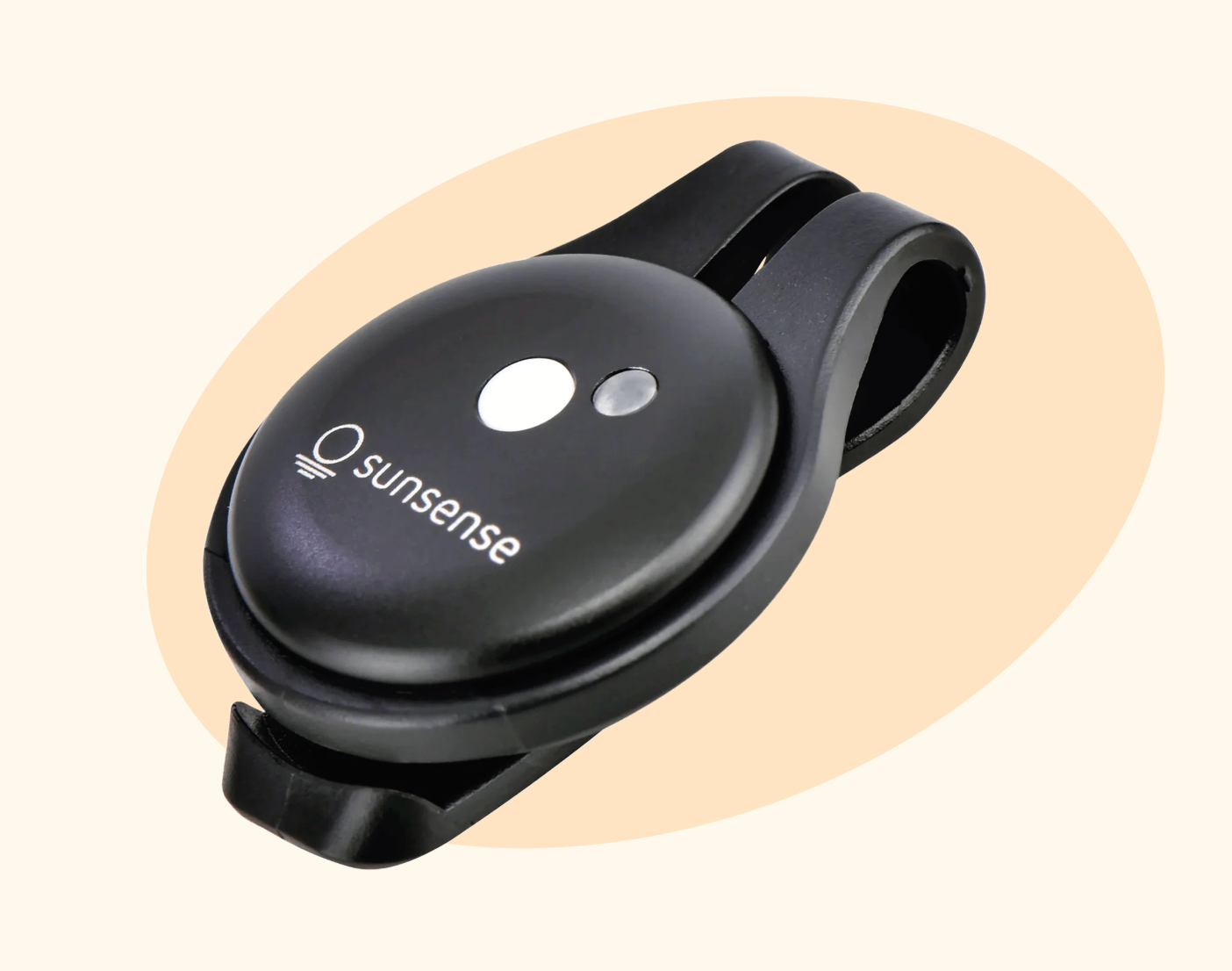
SunSense Pro
Small and solid UV sensor with app. Get notifications when you have reached your maximum UV dose, and recommendations on sun protection, right on your mobile.
Product 2
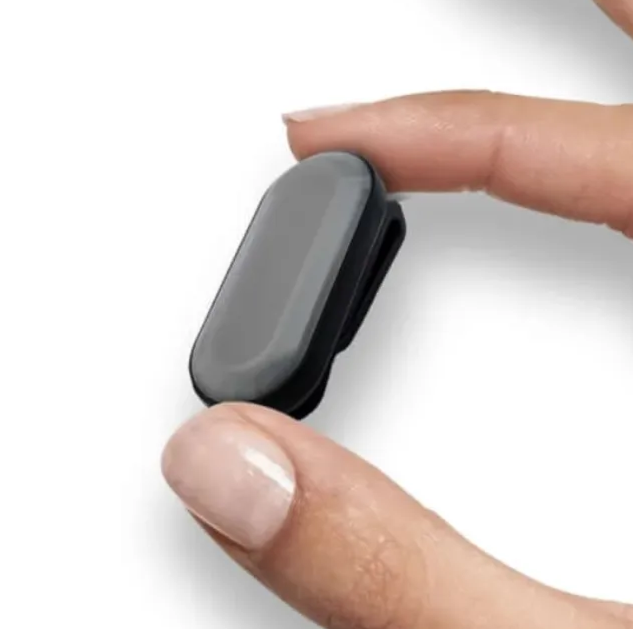
Sun-a-wear UV Tracker
A smart wearable that transforms sunlight into actionable health insights. No guesswork, just precise UV exposure data when you need it. Engineered in Switzerland.
I don't have experience with either of these products, but I am interested in the concept they both represent - the ability to keep track of your sun exposure (especially during summer months, but really throughout the year). Could this be the next quantified self biohack that grows in popularity?
humanOS Catalog Feature of the Week

The How-to Guide to Smart Daily Light
Your body doesn’t just need sleep — it needs the right light at the right time.
This guide walks you through how to optimize your light exposure across the full 24-hour cycle to support sleep, energy, mood, metabolism, and more.
Inside, you'll learn:
- ☀️ How just 10 minutes of morning sunlight improves sleep that night
- 💡 Why standard indoor lighting is too dim during the day — and too bright at night
- 🔴 How to use “virtual darkness” (like blue-blocking glasses) to wind down in the evening
- 🧪 The physiological roles of UV, red, and near-infrared light
- 🛠️ How to tune indoor lights, screens, and even hotel rooms to support your body clock
If you want better circadian alignment and deeper sleep, this is your blueprint.
To Access:
- Log in to humanOS.
- See How-to Guides in navigation on the left-hand side
- Click Smart Daily Light
Also, you can search “smart daily light” in the search field after you’ve logged in.
Lastly, Thanks to long-time reader, Russell Munsell, for the topic recommendation for this week’s newsletter!
Wishing you the best,