Newsletter #377
Have you ever wondered if there are hidden factors that separate an elite athlete from a weekend warrior? Or why a quiet walk in the woods feels more restorative than a treadmill session? Can gentle, mindful movement actually help you sleep better or even ease chronic pain?
This week’s research points to one answer: how (and where) we move matters. From muscle efficiency in world-class performers to the sleep-boosting effects of yoga and the pain relief of forest walks, purposeful movement shows up as powerful medicine for body, mind, and performance.
🚨 We’re also excited to introduce a new feature:
Newsletter Summaries 👀
This page will feature an efficient reminder of the main insights you’ve learned throughout the year, newsletter by newsletter, month by month. In each week’s newsletter, we will link to the updated summary at the top.
How to use this: Periodically visit the summaries page to be reminded of your lessons and learnings.
Wobbles, Restoration, and Pain Relief
Fewer tremors, smarter muscle motions, better performance.
New research from MIT suggests that elite athletes and performance artists share a handful of “general motor skills” that set them apart from regional-level athletes and non-experts. The study, led by Dr. Praneeth Namburi at the MIT.nano Immersion Lab, found that world-class performers minimize inefficient elastic tissue motions, such as tiny tremors and unnecessary transverse muscle movements (i.e., small, side‑to‑side motions across the width of the muscle), that waste time and energy. Think of it as the muscular “wobble” when doing the activity.
Using motion capture, accelerometry, ultrasound imaging, and deep learning, the team tracked both external movements and internal muscle and connective tissue motions during a simple reaching task. Surprisingly, less competitive regional athletes displayed inefficiencies similar to non-experts, though they performed better by using smaller muscle length changes. In contrast, experts across sports and disciplines consistently showed fewer tremors and more effective muscle-length changes. I can’t help but wonder if this is something we can see when watching sports. The top athletes make it look easy, like they are not having to try as hard all while displaying superior performance. I wonder if this now-measured efficiency plays a role in this observable phenomenon. 🧐
These findings hint that general motor efficiency is a core trait of top performers, regardless of sport. In other words, an expert would have far very less wobble compared to a novice. The best part about this news is that short biofeedback sessions allowed intermediate athletes to temporarily reach expert-level efficiency (which gives me hope that I will indeed be a professional athlete one day 😬).
This insight could transform training and injury prevention by helping athletes optimize movement patterns. It could also be used to identify natural talent
Move your body, sleep your best. Gentle, consistent movement calms the brain and lengthens sleep.
In terms of exercise, society of celebrates the hardest exertions. A large review in BMJ Evidence Based Medicine highlights exercise as a powerful tool for improving sleep and managing insomnia. Researchers analyzed 22 randomized trials with 1,348 participants, comparing 13 different treatments, including cognitive behavioral therapy (CBT), sleep hygiene, and various exercise programs.
Among exercise options, Tai Chi, yoga, walking, and jogging consistently stood out. Tai Chi improved nearly every measure—total sleep time, efficiency, and time awake after falling asleep—with benefits observed for up to two years. Yoga boosted sleep time by almost two hours and enhanced restfulness, likely by calming brain activity and reducing anxiety. Walking and jogging reduced insomnia severity, potentially through increased energy use, better emotional regulation, and enhanced melatonin production.
CBT remains a highly effective (and underutilized) therapy, but it isn’t always accessible. Exercise-based interventions offer low-cost alternative that could potentially serve a primary treatment, not just an add-on.
Active time in natural spaces calms the mind and eases the body.
Spending active time in nature may help people manage chronic lower back pain by shifting both attention and physiology. A new study in The Journal of Pain found that patients who immersed themselves in larger green spaces such as forests reported greater relief than those who stayed in home gardens. Being in nature allowed participants to “lose themselves” in the environment, creating mental distraction from pain, reducing stress, and easing anxiety.
The benefits were tied to doing activities in nature like walking, light exercise, and social interaction in scenic surroundings. Movement in natural environments encourages gentle physical activity while the sights and sounds of water, birds, and wind provide a calming sensory backdrop. This combination may quiet the nervous system, reduce hyperarousal that worsens chronic pain, and offer a sense of escape that are qualitatively different than gym workouts.
Movement also drives better sleep. A large BMJ Evidence Based Medicine review showed Tai Chi, yoga, walking, and jogging improve insomnia by lengthening sleep, increasing efficiency, and reducing nighttime wakefulness. The likely mechanisms include reduced brain hyperarousal, better emotional regulation, and boosted melatonin.
Finally, active time in nature can ease chronic pain. Walking or light exercise in forests or large green spaces provides mental escape, lowers stress, and calms the nervous system, offering relief that feels different from indoor workouts.
Random Trivia & Weird News
Slashercise?!
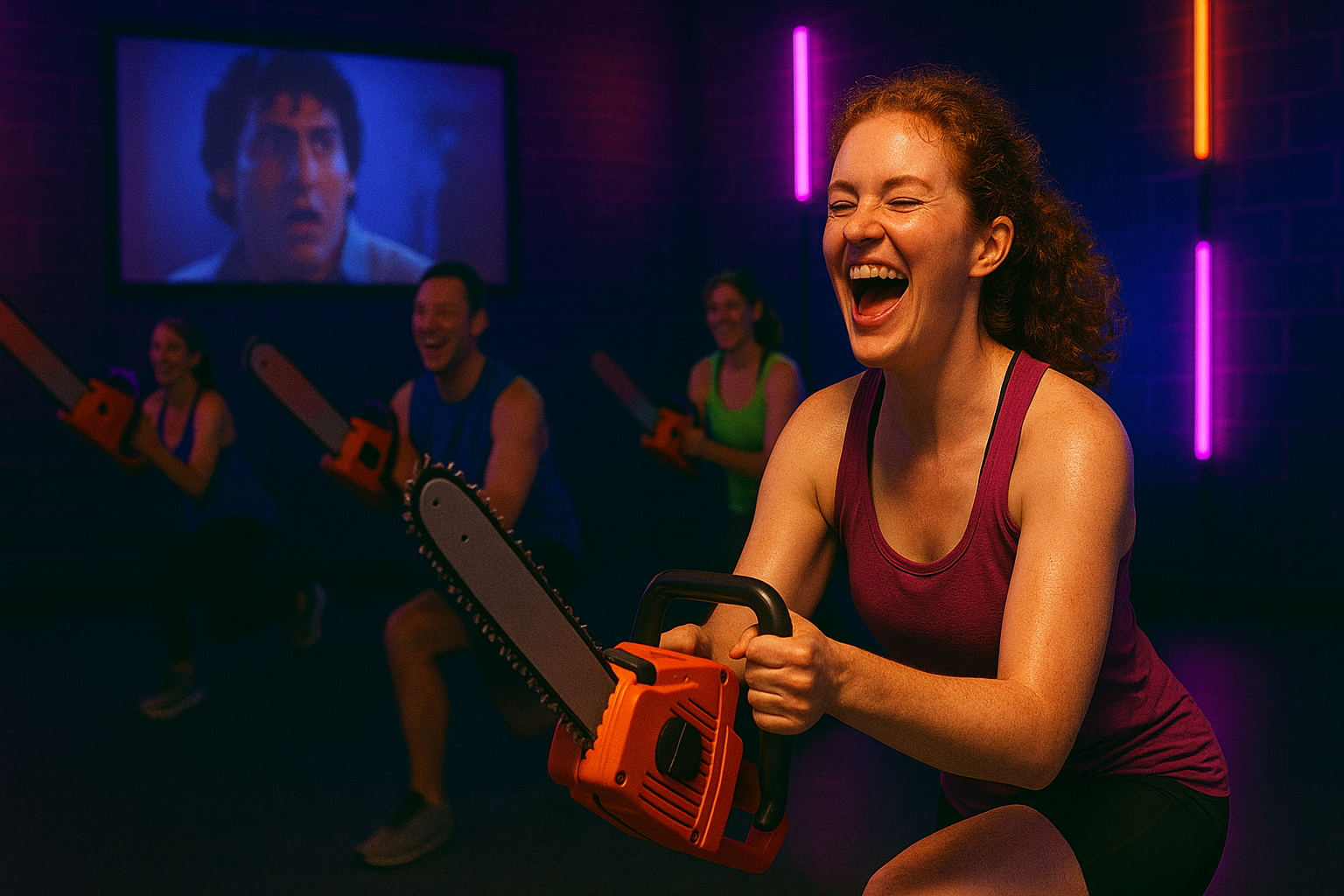
Image: Ai Generated interpretation of Slashercise
In Burbank, California, Slashercise is turning horror‑movie scenes into the backdrop for a killer workout. The studio glows with neon ’80s lights, streams classic slasher films, and arms participants with plastic chainsaws for choreographed routines that mix lunges, dodges, and dramatic “stabbing” motions. It’s part cardio, part performance art, and entirely ridiculous fun. Fans call it the most entertaining way to get sore, leaving sweaty, laughing, and just a little spooked. I gotta admit, this sounds really fun.🤩
Podcasts We Loved This Week
- Greg Kelly, ND: Happiness - Robert Waldinger, MD - Relationships. via Collective Insights
- Ken Ford, PhD and Dawn Kernagis, PhD: Andrew Koutnik discusses metabolic health, athletic performance. via STEM Talk
Products We Are Enjoying
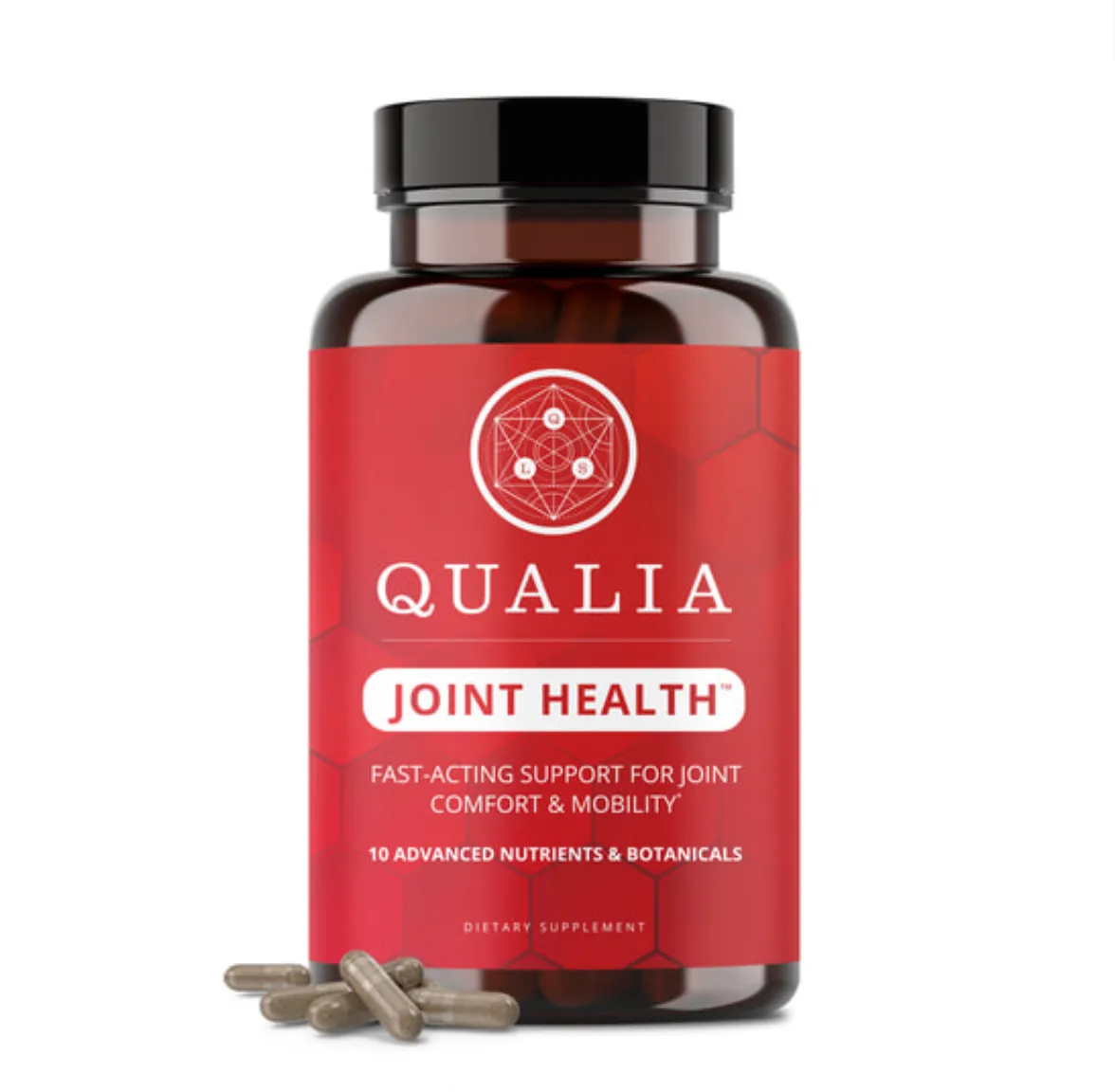
Qualia Joint Health
This blend of 10 advanced nutrients that support joint comfort, mobility, and long-term joint health. Its clinically studied ingredients include Ovomet® collagen, ApresFlex® boswellia, TamaFlex® tamarind and turmeric, hyaluronic acid, and fermented ginger. Together, this blend is designed to promote cartilage production, tendon strength, and natural joint lubrication, while easing post-activity discomfort, and all while supporting healthy joint aging.
Supporting joint health as you age is critical to helping your body continue to move, and movement is probably the best “better aging” intervention that we have available to us today.
humanOS Catalog Feature of the Week

The How-to Guide to Ergogenic Aids
An ergogenic aid is simply a supplement that enhances physical performance. Dietary intake of these substances can, in theory, affect training adaptations in a couple of different ways. They can achieve this by simply increasing the exercise stimulus from a single training bout - basically just enabling an athlete to train longer or harder, or reducing perceived exertion. But they may also be able to affect gains in endurance by altering cellular responses to exercise-induced stress.
Importantly, these changes in cell signaling may not be universally beneficial from the standpoint of adaptation. For example, it is theoretically possible that a supplement could simultaneously make it easier for an athlete to exercise hard, but also have effects on cellular signaling that actually have a long-term negative impact on the adaptive response to training. What to do then?
In this guide, we review some of the most rigorously researched supplements, discuss how best to use them, and talk about why some supplements that sound like a good idea may actually not be helpful at all. If you are looking for a quick reference sheet of the latest evidence-based guidance on supplements to maximize your performance and adaptations, check it out!
Wishing you the best,