Newsletter #375
Research Round Up on Psychedelics
Greetings, everyone!
This week, we're returning to the original style of our newsletter. If you’ve been following along, you’ll know that recently we’ve been focusing on deep dives into single topics—which we truly enjoy. However, it’s refreshing to change things up from time to time.
For the next little while, we’ll be revisiting our previous format: a research review. In this approach, we pick a topic, find a couple of compelling articles related to it, and provide a brief, engaging summary of the key points.
So without further ado…
This Week’s Research Highlights
Psilocybin may do more than change minds—it might extend life.
A new study delivers the first experimental evidence that psilocybin, best known for its mind-expanding effects, might also slow cellular aging and extend lifespan. Researchers found that psilocin, the active metabolite of psilocybin, extended the lifespan of human cells in vitro by up to 57%, preserved telomere length, boosted SIRT1 (a longevity-linked gene), and reduced oxidative stress. These anti-aging effects were confirmed in aged mice: monthly psilocybin treatment increased survival from 50% to 80% and improved fur quality, suggesting systemic rejuvenation. The findings support the “psilocybin-telomere hypothesis”—the idea that this psychedelic’s broad therapeutic benefits may stem from its ability to reverse or slow biological aging. While the exact molecular mechanisms remain unclear, and more safety data is needed, this positions psilocybin as a potential late-life geroprotective intervention that might calm and stimulate the mind while preserving the body.
Psychedelics unplug the brain’s default mode—and it might be why they heal
This systematic review explores how classic psychedelics like LSD, psilocybin, and ayahuasca disrupt the brain’s Default Mode Network (DMN), which is a key hub for self-referential thinking, rumination, and the mental “autopilot” that dominates our waking lives. Consistent findings across studies show that psychedelics acutely reduce internal DMN connectivity while enhancing cross-talk between normally separate brain networks. This breakdown of rigid patterns may explain the ‘ego-dissolution’ and emotional breakthroughs many users report. While the exact role the DMN plays in psychedelic therapy remains unclear. modulating it via psychedelics compounds may be the critical lever that unlocks therapeutic effects, especially in conditions where the DMN is overactive, like depression or PTSD.
A new LSD-inspired drug may heal the brain without bending reality
By swapping just two atoms on the LSD molecule, scientists have engineered a new compound: JRT. This groundbreaking compound boosts brain plasticity without triggering hallucinations. JRT enhances dendritic and synaptic density in the prefrontal cortex, which are key metrics for brain resilience, all while showing 100x the antidepressant potency of ketamine in lab tests. Importantly, it doesn’t induce psychosis-linked behavior (in other words, the psychedelic trip) in mice, making it potentially safe for patients with schizophrenia or at genetic risk for it, and more appealing for people who are turned off by the potential for temporarily losing their grip on reality. This marks a major step forward in psychedelic drug design, which is now a legitimate field with loads of potential. Essentially, this new molecule harnesses (and amplifies) the neurorestorative power of psychedelics while eliminating their most problematic side effects. JRT may pave the way for a new class of non-hallucinogenic psychiatric therapies that regenerate the brain without the trip. Given what we have discussed above, I think there is potential for this molecule to have a wide range of beneficial effects.

Summary: Emerging research suggests psychedelics may have powerful effects on both cellular aging and brain function. Psilocybin, through its active metabolite psilocin, has been shown to extend human cell lifespan by up to 57%, preserve telomeres, activate the longevity gene SIRT1, and reduce oxidative stress. In mice, monthly doses improved survival and appearance, indicating possible anti-aging effects. Meanwhile, classic psychedelics like LSD and psilocybin disrupt the brain’s Default Mode Network (DMN), reducing self-focused mental loops and enhancing communication between distinct brain regions—a mechanism thought to underlie their benefits for depression and PTSD. Scientists are also developing non-hallucinogenic compounds like JRT, a modified LSD molecule that boosts synaptic density and outperforms ketamine in antidepressant potency, without inducing hallucinations or psychosis-related behavior. This opens the door to safer, targeted psychiatric treatments, even for vulnerable populations.
Random Trivia & Weird News

In 1951, the quiet French village of Pont-Saint-Esprit was swept by mass hallucinations. Villagers leapt from windows, claimed snakes were eating their bellies, or believed they were turning into animals. The culprit? Most blamed tainted bread, possibly with ergot, a fungus containing LSD-like compounds. But decades later, CIA documents suggested something stranger: a covert MK-Ultra experiment (a secret CIA program launched in the 1950s to research mind control). Whether it was bad rye or a secret psychedelic trial, to this day, no one’s quite sure what poisoned the town’s mind. 🧐
Podcasts We Loved This Week
- Lisa Wimberger: Neuroplasticity and Mindfulness. Via Collective Insights.
- Dr. Mark Hyman: Psychedelics, Depression, and the Brain: A Breakthrough Framework for Mental Health. via The Dr. Hyman Show.
Products We Like
Qualia Mind
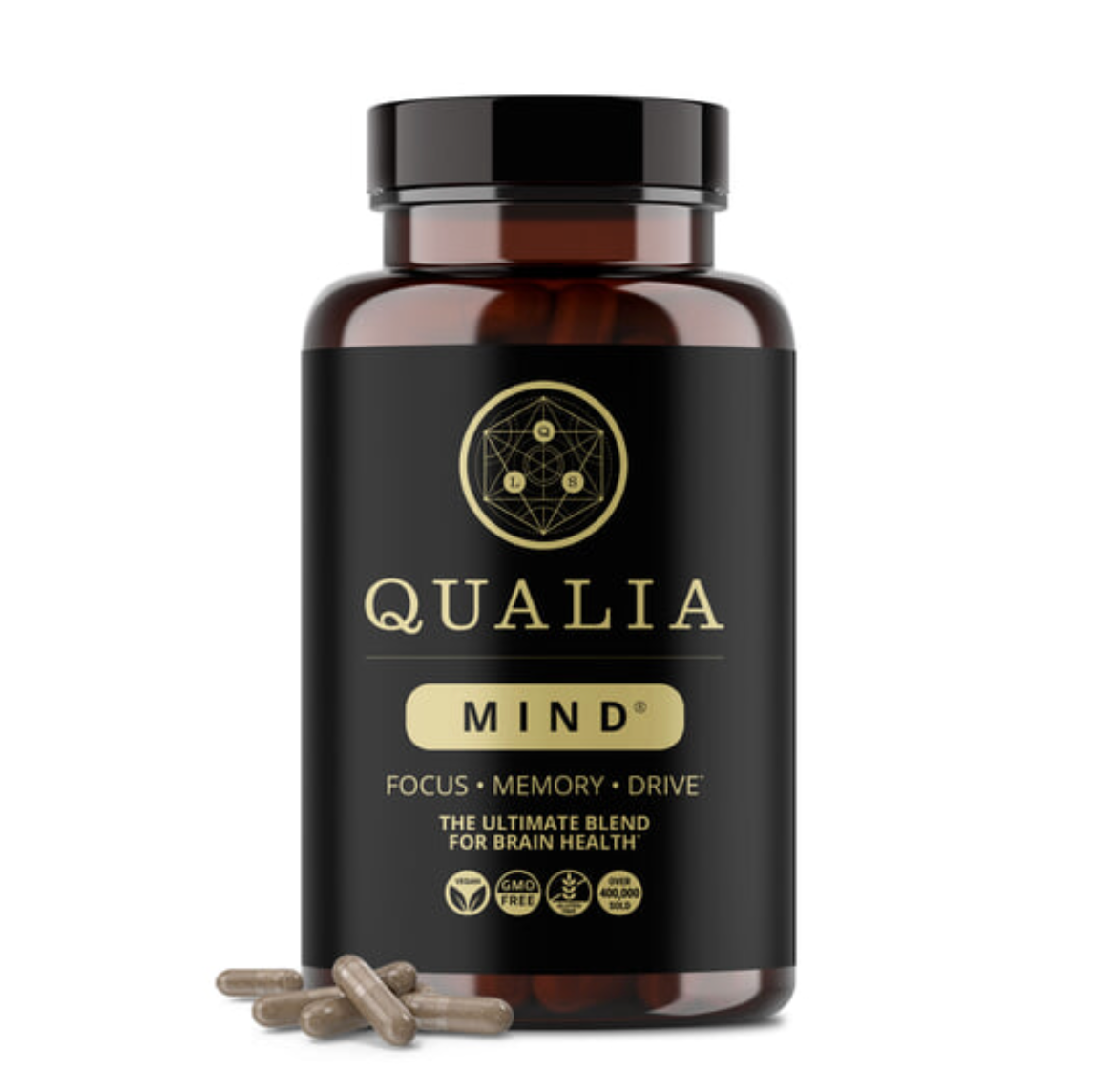
Qualia Mind is a powerful nootropic (cognition-enhancing supplement) to support mental clarity, motivation, and long-term brain health. Whether you’re aiming to boost focus, enhance productivity, or sharpen memory, Qualia Mind delivers. It’s been my category favorite, and I’ve tried them all. For me, it doesn’t feel like you’re over caffeinated. Rather, it induces a pleasant and noticeable elevation in thinking performance across the day, without any anxiety or discomfort.
humanOS Catalog Feature of the Week
Stress & Weight Control
This week, we’d like to highlight one of the courses from the Ideal Weight Program, designed by neurobiologist Stephan Guyenet.
In this course, Stephan covers:
- How stress affects physiology and consequently how much you eat
- Why some people overeat under stress, while others lose their appetite
- The science behind “comfort food” cravings and stress hormones
- The impact of controllable versus uncontrollable stress
- Practical techniques for stress management that support weight control
- Strategies for creating environments that make healthy choices easier during stressful times
Log in with your pro account to watch!
Wishing you the best,